![Yamanaka Rokuro Woodturned Tea Caddy: Ishikawa Zelkova Chazutsu [2026]](https://jpmono.com/wp-content/uploads/2026/06/yamanaka-woodturned-keyaki-tea-caddy-where-to-buy-2026-featured.jpg)
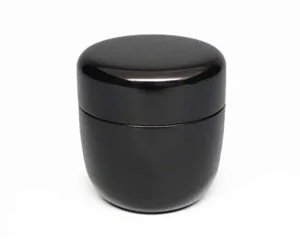
From Yamanaka Onsen — the hot-spring town in Kaga, southern Ishikawa Prefecture, that Japanese woodturners regard as the country’s woodturning capital — comes a tea caddy that hides almost nothing. It is turned from natural zelkova (keyaki, 欅) on a rokuro (轆轤, “lathe”), finished bare or with a thin coat of oil, and incised with hundreds of fine concentric thread-rings while it spins. The grain is left to show; the turning is left to speak.
What makes a piece like this notable to an international reader is not novelty but lineage. Yamanaka’s turners have cut wood on the lathe since itinerant craftsmen settled the Daishōji river valley in the late sixteenth century, and the decorative ring-turning technique seen on a caddy like this one — kasho-biki (加飾挽き) — is a signature the district refined over generations. A lacquered caddy shows you the lacquer; a bare turned caddy shows you the woodwork.
This guide is written for readers shopping from outside Japan who want to understand what they are actually buying: what zelkova and lathe-turning give you, where the craft comes from, how the piece compares to lacquered and metal alternatives, and the honest gaps in the data. Based on the source listing, this specific caddy is sourced from the Amazon Japan Global Store; pricing and detailed specifications were thin at the time of writing, and the sections below say so plainly rather than guessing.
📅 Published: June 7, 2026
🔄 Updated: June 7, 2026
⏱️ Read time: about 9 minutes

- Who this is for — and who should skip it
- Product overview (from published specs)
- Where this comes from — place, era, and the craft tradition
- Price snapshot across stores
- What it does well
- Weaknesses and things to verify before buying
- Conclusion — which buyer type are you?
- Other ways to approach this purchase
- 🏆 Editor’s Pick
- ❓ Frequently Asked Questions
Who this is for — and who should skip it
- Want a tea caddy where the wood grain and the lathe-turning are the whole point, not a painted or lacquered surface
- Appreciate documented regional craft — Yamanaka woodturning has a continuous lineage back to the late 1500s
- Prefer light, warm-to-the-hand natural materials over metal or ceramic
- Are comfortable hand-washing and keeping a bare or oil-finished wooden object away from prolonged moisture
- Are buying a gift with a story you can actually verify
- Need an airtight, long-term storage container — a tin or double-lidded caddy seals better than bare wood
- Want to put it in a dishwasher or leave it soaking
- Expect confirmed dimensions, capacity, and price before buying (the source data here is thin — see below)
- Prefer a glossy, colored, or decorated finish
- Want the lowest possible price rather than craft provenance
Product overview (from published specs)
The available source data for this specific listing is limited. Only the Amazon Japan Global Store listing is referenced as a source, and machine-readable specifications and pricing were not captured at the time of writing. The table below states what is known about the craft and item type, and marks everything unconfirmed rather than inventing numbers.
Yamanaka Rokuro Woodturned Tea Caddy
中谷兄弟商会 山中漆器 茶筒 木目 福うさぎ 35-4517
残り13点(入荷予定あり) · Sold by Amazon.co.jp · ASIN B01KT20RCE
Price and availability as of 2026-08-31 02:30 JST. The Amazon listing at the time of purchase is authoritative. jpmono.com earns a commission on qualifying purchases at no extra cost to you.
| Attribute | Detail |
|---|---|
| Item type | Tea caddy / chazutsu (茶筒) |
| Material | Natural zelkova (keyaki, 欅) hardwood |
| Craft / technique | Yamanaka rokuro woodturning; decorative thread-ring turning (kasho-biki / sen-suji) |
| Finish | Bare wood or thin oil finish (grain left visible; not lacquered) |
| Origin | Yamanaka Onsen, Kaga, Ishikawa Prefecture, Japan |
| Listing ID (ASIN) | B01KT20RCE |
| Dimensions | Unconfirmed — check the listing |
| Capacity | Unconfirmed — check the listing |
| Weight | Unconfirmed — check the listing |
| Price | Unavailable at time of writing — verify on the listing before buying |
Sources: Amazon US search (primary, tag moonill-20) and Amazon JP Global Store (secondary, tag moonill-22, sourced listing), with maker-direct and proxy paths noted where relevant. Where the source data did not state a value, the cell reads “Unconfirmed” rather than a guess.
📖 Glossary — key terms
- rokuro (轆轤) — the woodturning lathe; the spinning machine on which the blank is shaped and decorated.
- kiji-biki (木地挽き) — woodturning, literally “drawing out the wood base”; a kijishi (木地師) is the turner.
- keyaki (欅) — Japanese zelkova, a hard, durable hardwood prized for strong, figured grain.
- chazutsu (茶筒) — a tea caddy: a lidded canister for storing loose-leaf tea.
- tategi-dori (縦木取り) — vertical-grain cutting; orienting the blank along the trunk axis for maximum strength and grain figure.
- kasho-biki / sen-suji (加飾挽き/千筋) — decorative lathe turning: hundreds of fine concentric thread-rings incised into the surface as it spins.
- Kaga (加賀) — the historical domain ruled by the Maeda family, centered on Kanazawa, whose patronage refined Ishikawa’s crafts.
Where this comes from — place, era, and the craft tradition

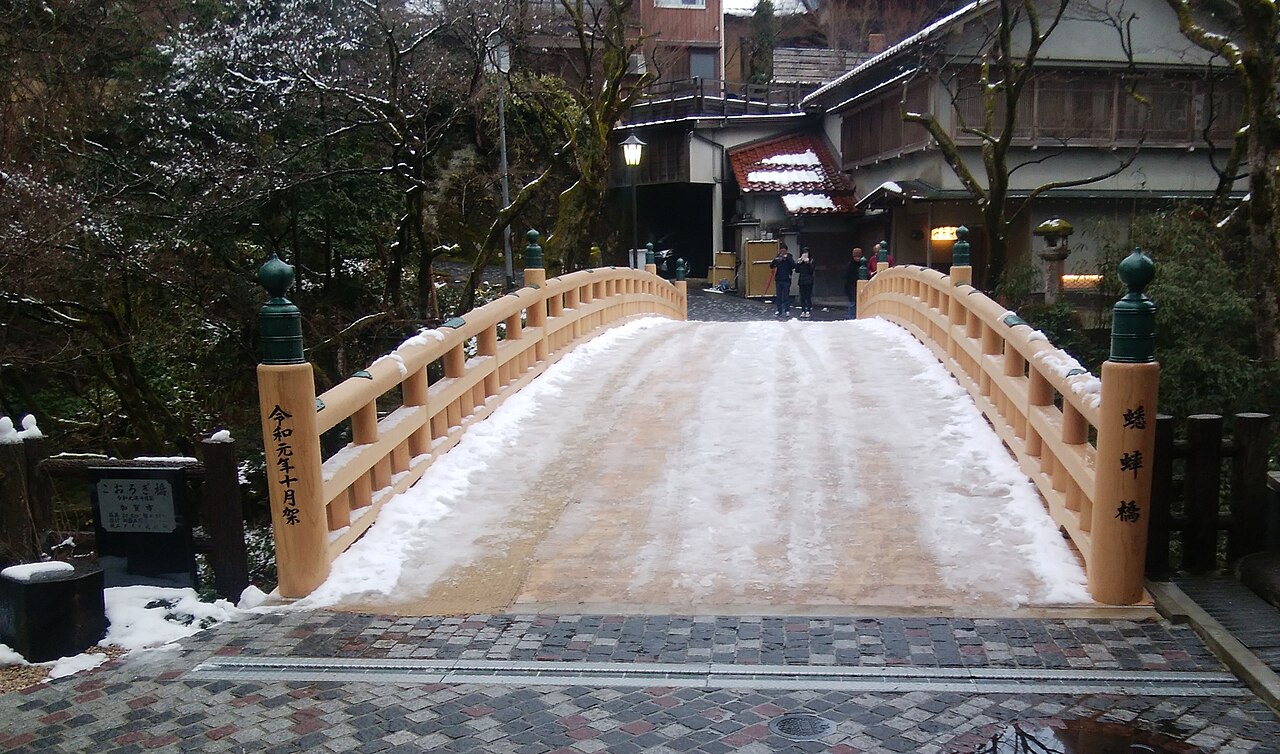
Ishikawa is a long, narrow prefecture facing the Sea of Japan, in the Hokuriku part of the Chūbu region. Yamanaka Onsen lies inland in Kaga, the prefecture’s southern district, in a valley along the Daishōji River. The valley’s two assets — abundant hardwood and a hot-spring visitor trade — are exactly why woodturning took root here. Bathers needed wares to take home; the surrounding forests of zelkova and horse-chestnut supplied the blanks.
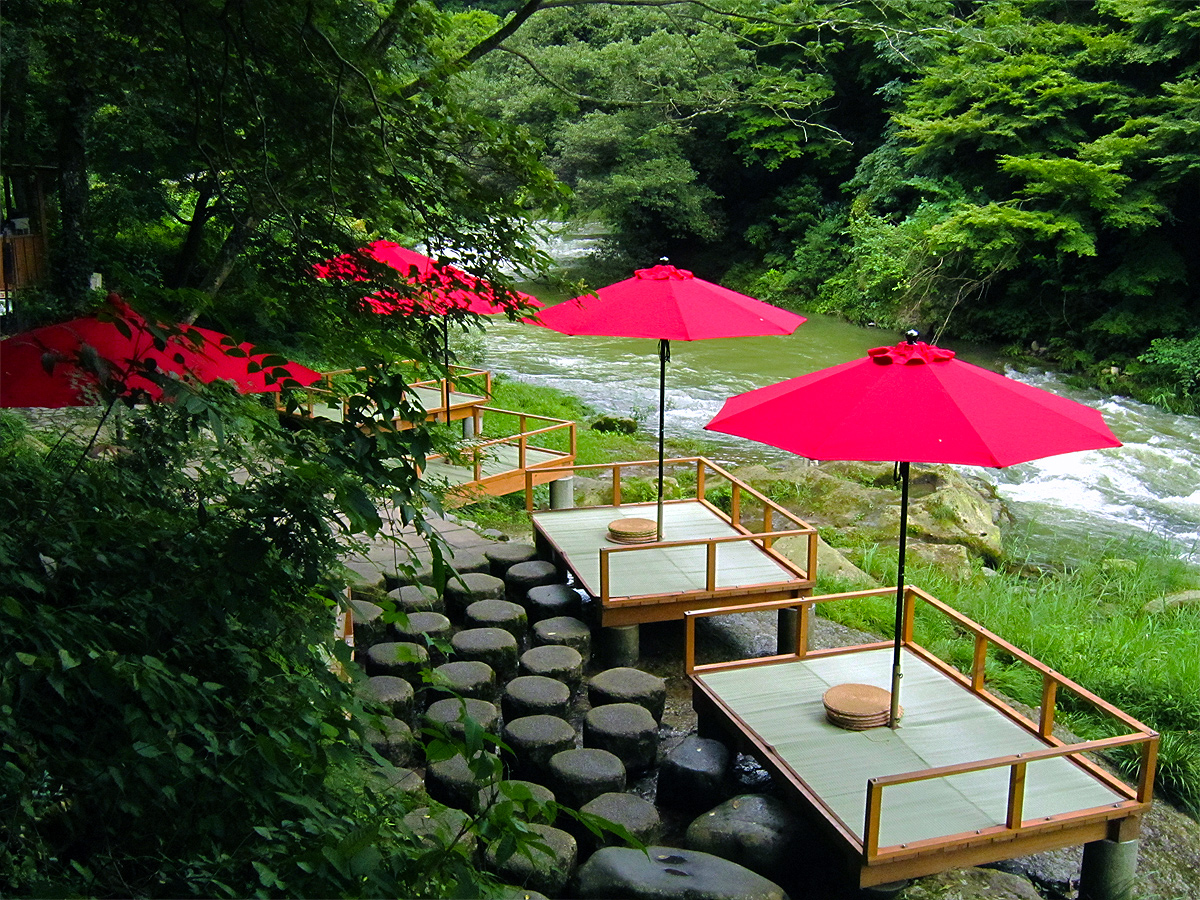
The historical anchor is the late sixteenth century. Around the Tenshō era — the 1580s — itinerant woodturners (kijishi) migrated from neighboring Echizen and settled in the Yamanaka valley, drawn by the timber and the steady custom of the spa. Over the Edo period, under the patronage of the Kaga Maeda domain that ruled from Kanazawa, the local trade moved beyond rough souvenirs toward refined turned and lacquered wares.
Two techniques became Yamanaka’s signature. The first is tategi-dori, vertical-grain cutting — orienting the blank along the trunk’s axis so the finished piece is both stronger and more strongly figured. The second is kasho-biki, decorative thread-ring turning, in which the turner incises hundreds of fine concentric lines into the surface while the lathe spins. On a bare zelkova caddy, both choices are visible: the grain reads cleanly because the wood is not buried under lacquer, and the rings catch the light as a quiet, regular texture.
- 1580s (Tenshō era) — Itinerant kijishi woodturners migrate from Echizen and settle the Daishōji river valley at Yamanaka Onsen.
- 17th century (early Edo) — Under Kaga Maeda domain patronage, the trade shifts from rough spa souvenirs toward refined turned and lacquered wares.
- 18th–19th century — Tategi-dori vertical-grain turning and kasho-biki decorative thread-ring cutting are perfected as Yamanaka’s signatures.
- Edo through modern era — Yamanaka’s turned-wood bases (kiji) supply lacquer centers including Wajima and Aizu.
- Today — Bare and oil-finished pieces such as this chazutsu present the turning itself, rather than covering it in lacquer.
The continuity case is unusually concrete here. Yamanaka’s reputation rests not only on finished goods but on supplying the raw turned bases that other regions lacquered — its kiji went to Wajima in northern Ishikawa and to Aizu in Fukushima. That is why the district’s woodturning, rather than its lacquering, is what it is known for.
“Yamanaka no kiji-biki ni kanmono nashi — at woodturning, no one beats Yamanaka.”
Price snapshot across stores
Pricing for this specific listing was unavailable in the source data at the time of writing, so the JPY figures below are not stated rather than estimated. JPY is the authoritative currency for the sourced item; any USD figures elsewhere on the site are approximate at a ¥150/USD baseline. Always confirm the live price at the retailer before buying.
| Store | Item / variant | Price | Notes |
|---|---|---|---|
| 🇺🇸 Amazon US (search) | Browse Japanese tea caddies / chazutsu | varies (USD) | Best if you are shopping from the US — Prime shipping, USD pricing, no international customs. Amazon US carries Japanese wooden and tin tea caddies from various makers for comparison; this exact Yamanaka piece is sourced from Japan (next row). |
| 🇯🇵 Amazon JP Global Store | This zelkova woodturned caddy (ASIN B01KT20RCE) | Unavailable at time of writing — check listing | Where the specific item is sourced. Ships internationally from Japan to most major destinations. |
| Maker direct | Yamanaka woodturning / lacquerware workshops | varies | Some workshops sell directly; not all ship abroad, and many sites are Japanese-only. |
| Proxy services (Buyee / Tenso) | Forwarding for JP-only listings | item + fees | Useful when a listing does not ship abroad directly; expect a service fee plus forwarded shipping, and possible customs duties on arrival. |
What it does well
Weaknesses and things to verify before buying
- Thin source data. Dimensions, capacity, weight, and price were not captured for this listing. Confirm all of them on the live page before committing.
- Not an airtight seal. A bare wooden caddy does not seal like a tin or a double-lidded metal chazutsu; for long-term aroma retention of delicate teas, a tin may suit better.
- Moisture sensitivity. Bare or lightly oiled wood should be kept dry, hand-wiped rather than washed, and not left soaking or in a dishwasher.
- Grain and color vary. Natural zelkova means each piece differs; the unit you receive may not match the listing photo exactly.
- International shipping and duties. Buying from the Amazon JP Global Store means cross-border shipping time and possible customs duties depending on your country’s threshold.
- Finish upkeep. An oil finish may need occasional re-oiling over years of use to keep the wood from drying out.
Conclusion — which buyer type are you?
Other ways to approach this purchase
🏆 Editor’s Pick
❓ Frequently Asked Questions
Does this tea caddy ship internationally?
Is a bare wooden caddy airtight enough to store tea?
How do I care for the zelkova wood?
What is kasho-biki thread-ring turning?
Why is the price not shown in this article?
How is this different from a Wajima lacquer or Kaikado tin caddy?
jpmono.com is curated by a Japan-based editorial team (working out of Toyama in the Hokuriku region and Nara in Kansai) and is independent. We do not take payment from the makers we feature; income comes from affiliate links. We do not physically test every product — we read maker specs and source listings.
Note: This article was prepared with AI assistance and reviewed against the source listing data. Specifications and pricing should be confirmed on the retailer’s page before purchase.
{“@context”:”https://schema.org”,”@graph”:[{“@type”:”Article”,”headline”:”Yamanaka Rokuro Woodturned Tea Caddy: Ishikawa Zelkova Chazutsu [2026]”,”description”:”From Ishikawa’s Yamanaka Onsen, home to Japan’s finest woodturning, a bare zelkova tea caddy with hairline thread-rings cut on the rokuro lathe and the grain left unhidden.”,”inLanguage”:”en-US”,”datePublished”:”2026-06-07″,”dateModified”:”2026-06-07″,”image”:”https://m.media-amazon.com/images/I/41G2dVpaB8L._SL500_.jpg”,”author”:{“@type”:”Organization”,”name”:”jpmono.com”},”publisher”:{“@type”:”Organization”,”name”:”jpmono.com”},”mainEntityOfPage”:{“@type”:”WebPage”,”@id”:”https://jpmono.com/yamanaka-woodturned-keyaki-tea-caddy-where-to-buy-2026/”}},{“@type”:”FAQPage”,”mainEntity”:[{“@type”:”Question”,”name”:”Does this tea caddy ship internationally?”,”acceptedAnswer”:{“@type”:”Answer”,”text”:”Based on the listing, the specific item is sourced from the Amazon Japan Global Store, which ships to most major destinations. Shipping time and possible customs duties depend on your country, so check the delivery estimate at checkout.”}},{“@type”:”Question”,”name”:”Is a bare wooden caddy airtight enough to store tea?”,”acceptedAnswer”:{“@type”:”Answer”,”text”:”A bare or oil-finished wooden caddy does not seal as tightly as a tin or double-lidded metal chazutsu. It is well suited to teas you use regularly; for long-term aroma retention of delicate leaf, a tin caddy seals better.”}},{“@type”:”Question”,”name”:”How do I care for the zelkova wood?”,”acceptedAnswer”:{“@type”:”Answer”,”text”:”Keep it dry, wipe it by hand rather than washing it, and do not soak it or place it in a dishwasher. An oil finish may benefit from occasional re-oiling over years of use to keep the wood from drying out.”}},{“@type”:”Question”,”name”:”What is kasho-biki thread-ring turning?”,”acceptedAnswer”:{“@type”:”Answer”,”text”:”Kasho-biki (also called sen-suji) is Yamanaka’s decorative lathe turning: the turner incises hundreds of fine concentric rings into the surface while the piece spins on the rokuro. It is cut into the wood, not printed or applied afterward.”}},{“@type”:”Question”,”name”:”Why is the price not shown in this article?”,”acceptedAnswer”:{“@type”:”Answer”,”text”:”Pricing for this specific listing was unavailable in the source data at the time of writing. Rather than estimate, this guide directs you to confirm the current price on the listing itself, where JPY is the authoritative figure.”}},{“@type”:”Question”,”name”:”How is this different from a Wajima lacquer or Kaikado tin caddy?”,”acceptedAnswer”:{“@type”:”Answer”,”text”:”A Wajima piece foregrounds layered lacquer; a Kaikado tin foregrounds a precise metal seal. This Yamanaka caddy foregrounds the woodturning itself — the grain and the lathe rings — with little or no coating.”}}]},{“@type”:”BreadcrumbList”,”itemListElement”:[{“@type”:”ListItem”,”position”:1,”name”:”Home”,”item”:”https://jpmono.com/”},{“@type”:”ListItem”,”position”:2,”name”:”Japanese Craft”,”item”:”https://jpmono.com/category/japanese-craft/”},{“@type”:”ListItem”,”position”:3,”name”:”Yamanaka Rokuro Woodturned Tea Caddy”,”item”:”https://jpmono.com/yamanaka-woodturned-keyaki-tea-caddy-where-to-buy-2026/”}]}]}
Affiliate disclosure: jpmono.com may earn a commission on qualifying purchases made through links on this page, at no additional cost to you.