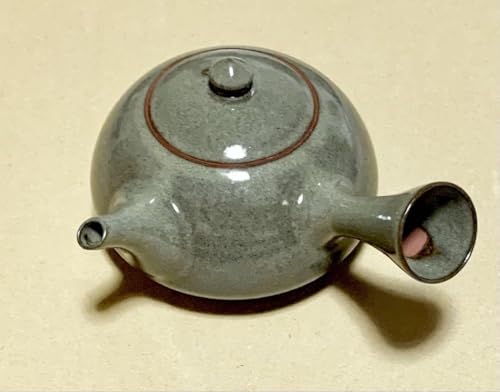
![Aizu Hongo-yaki Amber-Glaze Rice Bowl: Tohoku’s Oldest Kiln [2026]](https://jpmono.com/wp-content/uploads/2026/06/aizu-hongo-yaki-amber-glaze-rice-bowl-where-to-buy-2026-featured.jpg)
Aizu Hongo-yaki (会津本郷焼, “Aizu Hongō ware”) is the oldest pottery tradition in Tōhoku, Japan’s northeastern region. Its clay was first fired in 1593, when the warlord Gamō Ujisato had local potters make roof tiles for the reconstruction of Tsuruga Castle. This guide looks at one of the most ordinary objects that tradition produces: an ame-yu (飴釉, “amber glaze”) gohan-jawan (ご飯茶碗, “rice bowl”), wheel-thrown stoneware from the Hongo kiln town in the Aizu basin of Fukushima Prefecture.
What makes the piece worth an international reader’s attention is not novelty but continuity. The warm, toffee-colored amber glaze that coats this bowl belongs to the same glaze family that made Aizu Hongo-yaki an icon of the early-twentieth-century mingei (民藝, “folk craft”) movement. A rice bowl is the most everyday vessel a Japanese household owns — used at nearly every meal — and that ordinariness is the point. Mingei valued the beauty of useful, unsigned, daily things, and a rice bowl is exactly that.
This is a Japan-domestic pottery, so stock on Amazon’s US store is thin; the realistic purchase path runs through Amazon’s Japan Global Store, with proxy services as a backup. Below we cover who the bowl suits, what we can and cannot confirm about its specifications, where Hongo sits in Japan and in history, how it compares to related Tōhoku and northern pieces, and the honest caveats to settle before you buy.
🔄 Last updated:
⏱️ Read time: about 9 minutes

- Who this is for — and who should skip it
- Product overview (from published specs)
- Where this comes from — place, era, and the craft tradition
- Price snapshot across stores
- What it does well
- Weaknesses and things to verify before buying
- Conclusion — which buyer type are you?
- Other ways to approach this purchase
- 🏆 Editor’s Pick
- ❓ Frequently Asked Questions
Who this is for — and who should skip it
- want a daily-use Japanese rice bowl with real regional heritage, not a souvenir reproduction
- are drawn to the warm, earthy ame-yu amber glaze and the mingei aesthetic of useful, unsigned things
- appreciate wheel-thrown stoneware and accept that each piece varies slightly
- are comfortable buying through Amazon’s Japan Global Store or a proxy service
- are willing to verify the exact price, size, and kiln on the live listing before ordering
- need a confirmed price and exact dimensions before committing (those are not yet captured here)
- expect fast US domestic delivery — this typically ships from Japan
- want a matched set with identical color and form on every bowl
- prefer thin, light porcelain over heavier stoneware
- require guaranteed microwave- or dishwasher-safe handling without checking the listing first
Product overview (from published specs)
Because no listing snapshot was captured for this guide, most hard specifications below are marked unconfirmed. The data suggests a single wheel-thrown amber-glaze rice bowl from the Hongo kiln town; treat the source listing as the authoritative reference for anything you intend to rely on. Sources: Amazon US search (primary), Amazon JP Global Store (secondary, sourced listing), and the maker’s tradition as documented in the craft record.
| Attribute | What the data supports |
|---|---|
| Craft | Aizu Hongo-yaki (会津本郷焼) — Tōhoku’s oldest pottery tradition |
| Form | Gohan-jawan (rice bowl); single bowl |
| Material | Wheel-thrown stoneware (toki) |
| Glaze | Ame-yu (amber); Hongo kilns also use ao-yu (blue) |
| Origin | Hongo kiln town, Aizu basin, Fukushima Prefecture, Japan |
| ASIN (JP Global Store) | B086SNLDXB |
| Dimensions | Unconfirmed — verify on the listing |
| Weight | Unconfirmed — verify on the listing |
| Price | Unconfirmed — check current price on the listing |
| Care (microwave / dishwasher) | Unconfirmed — check the listing |
“Tōhoku’s oldest kiln was born from castle roof tiles in 1593 — and it still answers the snow with the same warm amber glaze nearly four and a half centuries later.”
📖 Glossary — Japanese craft terms used in this guide
- Gohan-jawan (ご飯茶碗, “rice bowl”) — the everyday bowl from which Japanese rice is eaten, sized to be held in one hand at the table.
- Ame-yu (飴釉, “candy/amber glaze”) — a warm, translucent brown glaze the color of barley candy; one of the signature Hongo finishes.
- Ao-yu (青釉, “blue glaze”) — the other classic Hongo glaze, a cool blue-green; often paired with amber across a kiln’s range.
- Mingei (民藝, “folk craft”) — the early-twentieth-century movement, led by Yanagi Sōetsu, that found beauty in useful, anonymous, handmade everyday objects.
- Nishin-bachi (鰊鉢, “herring pot”) — the square, deep glazed jar Hongo became famous for, used to marinate dried herring in a region far from the sea; the mingei icon of the district.
- Toki (陶器, “stoneware”) — earthenware/stoneware fired from clay, as distinct from jiki (磁器, “porcelain”); Aizu Hongo developed both.
- Han (藩, “domain”) — a feudal-era fief; the Aizu domain promoted pottery, lacquer, and cotton as its economic backbone.
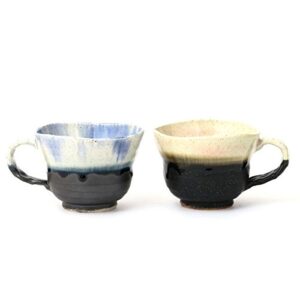 Miyagi Tsutsumi-yaki tumbler
Kenba-gama namako-glaze stoneware
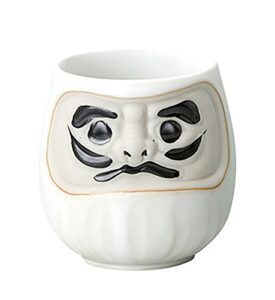 Akita Shiraiwa-yaki yunomi
Namako-glaze teacup
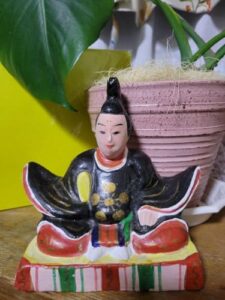 Akita Yatsuhashi clay doll
Hand-formed folk figurine
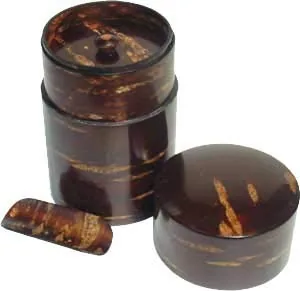 Akita Kabazaiku tea caddy
Cherry-bark chazutsu
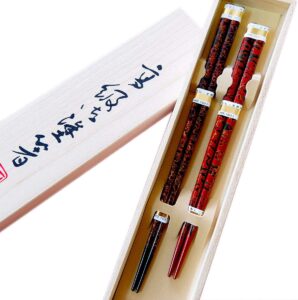 Aomori Tsugaru-nuri chopsticks
Harimaya lacquered meoto-bashi
Hokkaido Kobushi-yaki teapot
Blue-glaze stoneware kyusu
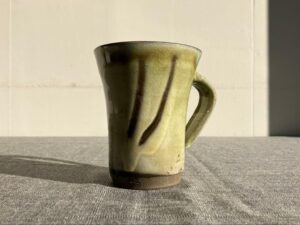 Onta-yaki mingei mug
Yanase Asao folk-craft pottery
Where this comes from — place, era, and the craft tradition

Hongo sits in the Aizu basin in the western part of Fukushima Prefecture, the southernmost prefecture of the Tōhoku region. This is snow country: a mountain-ringed basin where heavy winters historically slowed travel and kept communities — and their crafts — turned inward and self-sufficient. Good potting clay and a domain that wanted local industry are what seeded a kiln district here, alongside the better-known Aizu lacquer (Aizu-nuri) and Aizu cotton trades.
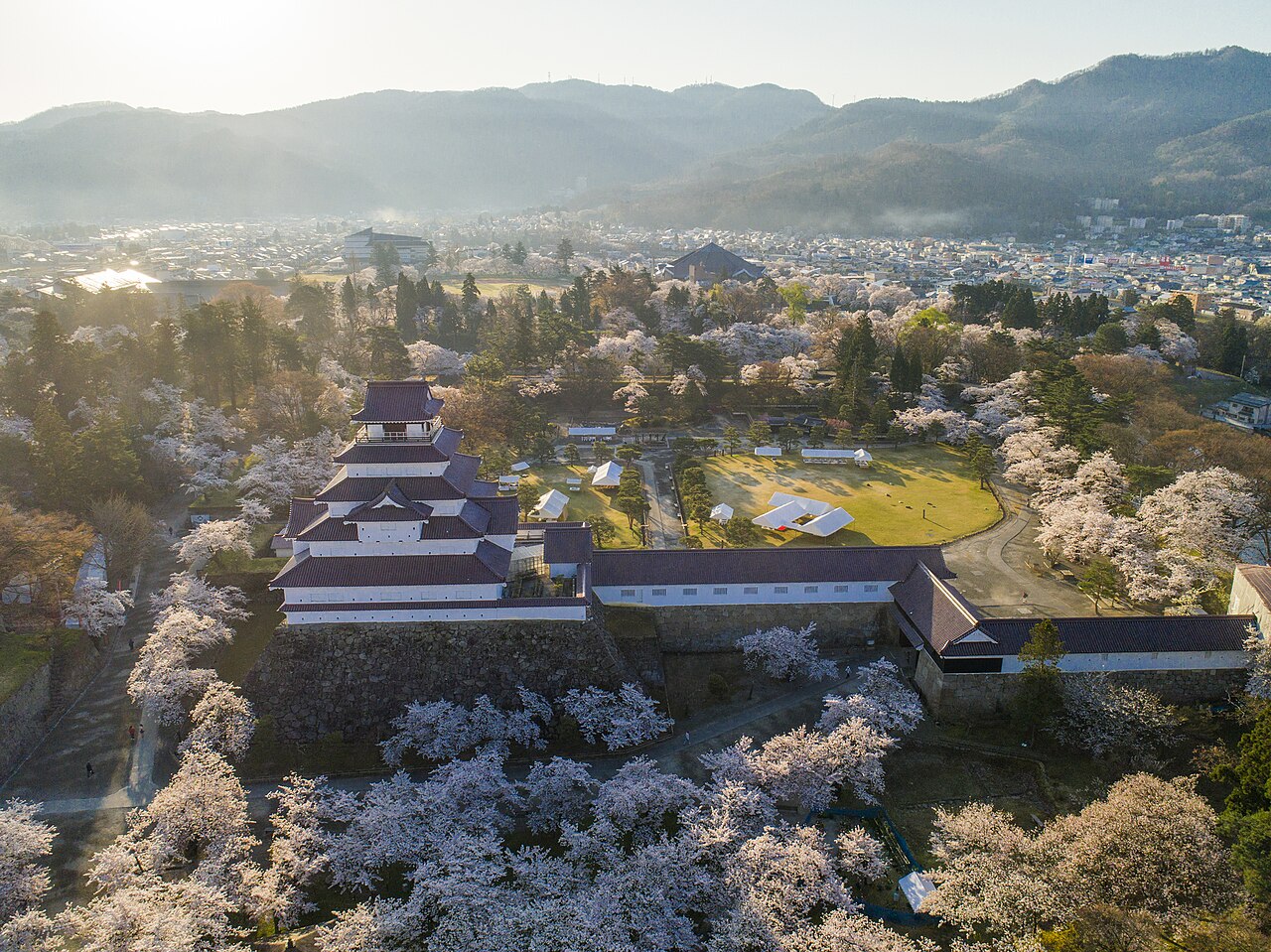
The historical anchor is a castle and a domain. In 1593 the warlord Gamō Ujisato, lord of Aizu, had local clay fired into roof tiles for the reconstruction of Tsuruga Castle — the first firing of Hongo clay on record. In the mid-seventeenth century the Hoshina–Matsudaira clan, who ruled Aizu, invited potters and developed both stoneware (toki) and porcelain (jiki), making Aizu Hongo the oldest pottery district in the Tōhoku region. Aizu’s lords promoted pottery, lacquer, and cotton together as the economic backbone of the han.
- 1593 — Gamō Ujisato has local Aizu clay fired into roof tiles for Tsuruga Castle.
- Mid-1600s — The Hoshina–Matsudaira clan invites potters; Hongo develops both stoneware and porcelain as a domain industry.
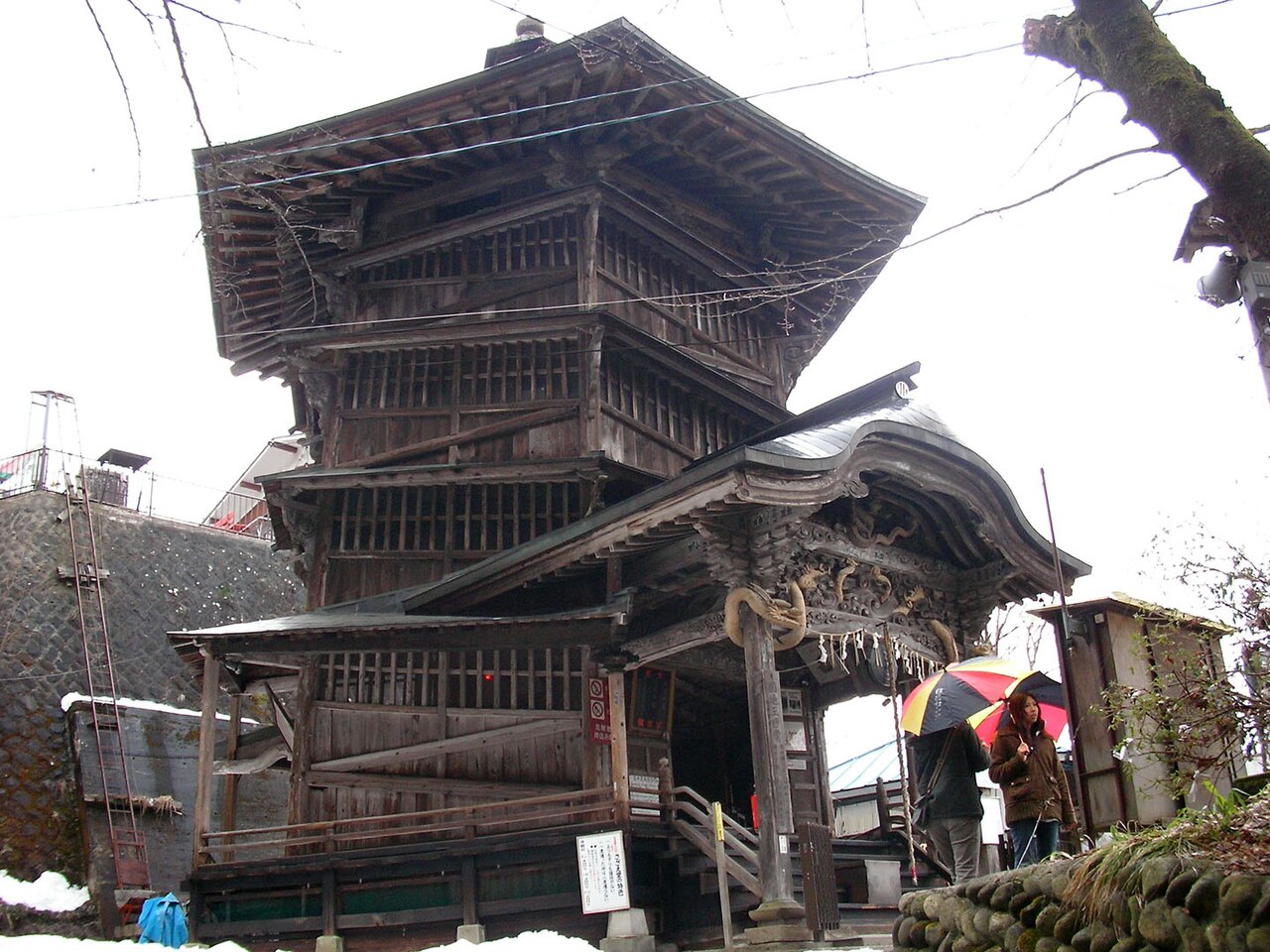
- 1796 — The double-helix Aizu Sazaedo hall is built nearby, a marker of the region’s craft ingenuity.
- 1868 — The Boshin War devastates Aizu; the Hongo kilns survive the upheaval.
- Early 1900s — The amber- and blue-glazed nishin-bachi becomes a mingei icon; Yanagi Sōetsu champions it.
- 2026 — Around a dozen working kilns continue throwing and glazing in the Hongo tradition.
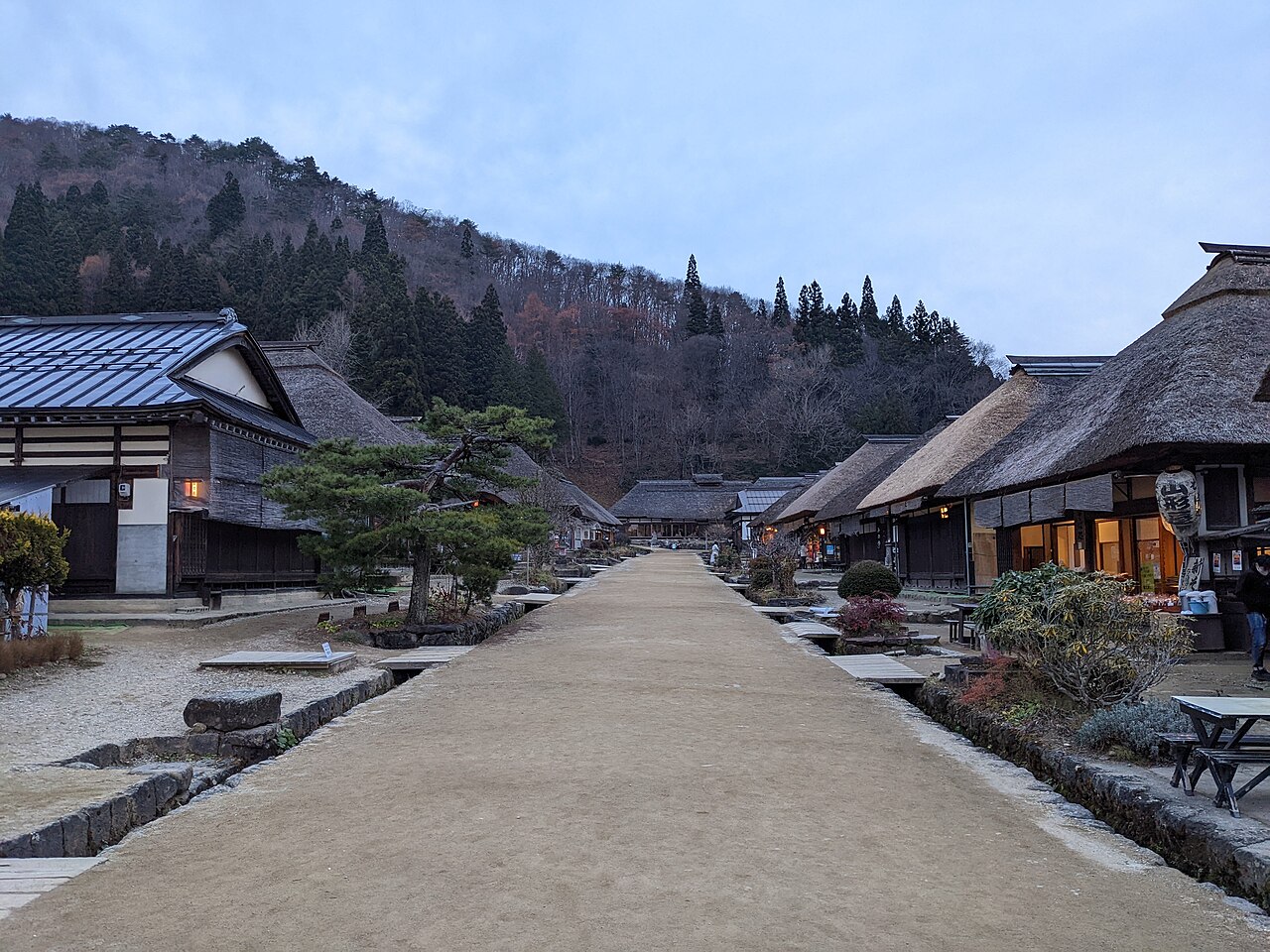
The craft’s reputation rests on one humble vessel. The nishin-bachi (鰊鉢, “herring pot”) — a square, deep jar used to marinate dried herring far from the sea — let the mountain-locked Aizu basin keep one of its staple foods through the long winter. Glazed in warm amber and cool blue, it became the object the early-twentieth-century mingei movement held up as proof that beauty lives in useful, anonymous, everyday things. The amber-glaze rice bowl in this guide belongs to that same glaze lineage, scaled down to the object a household reaches for most: the bowl that holds the rice.
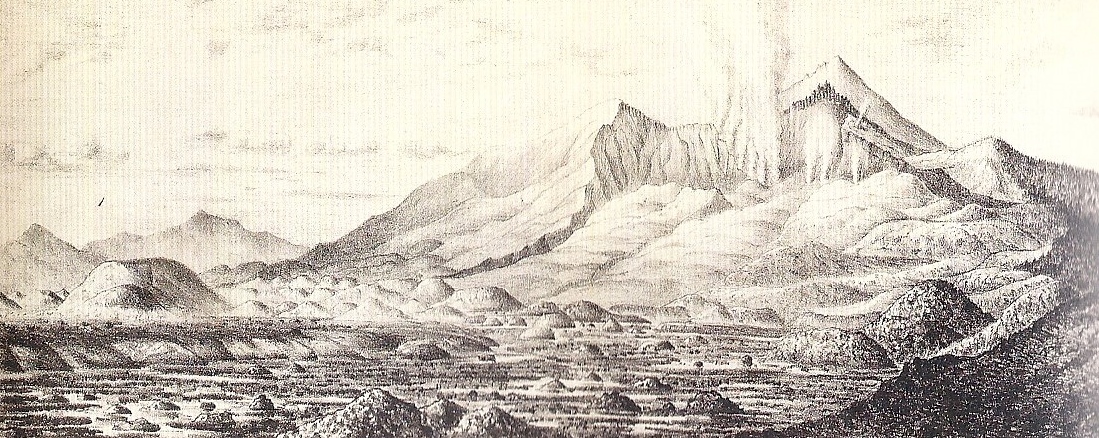
Continuity is the strongest part of the story. Hongo survived the Boshin War of 1868, which left the Aizu domain in ruins, and it has gone on weathering the heavy snows of the basin ever since. Today around a dozen working kilns remain in the district, still throwing and glazing in the tradition that the Aizu lords first promoted nearly four centuries ago. One point worth keeping straight: Aizu Hongo-yaki is the prefecture’s pottery tradition and should not be confused with Fukushima’s flagship lacquerware, Aizu-nuri — they are two distinct crafts from the same region.
Price snapshot across stores
The data suggests no confirmed price for this specific bowl, so the table below reports availability and routing rather than invented numbers. JPY (¥) is always the authoritative figure for the sourced item; any USD shown elsewhere is an approximate estimate at a ¥150/USD baseline.
| Store | Item / variant | Price | Notes |
|---|---|---|---|
| 🇺🇸 Amazon US (search) | Browse Japanese rice bowls & stoneware | varies (USD) | Best if you are shopping from the US — Prime shipping, USD pricing, no international customs. Amazon US carries Japanese rice bowls and stoneware from various makers; this exact Hongo bowl is sourced from Japan (next row). |
| 🇯🇵 Amazon JP Global Store | Amber-glaze (ame-yu) rice bowl — the sourced item | Check listing (¥, unconfirmed) | Where the specific item is sourced. Ships internationally from Japan to most major destinations. Confirm price and size on the listing. |
| Maker direct | A Hongo kiln | — | Individual Hongo kilns may sell direct; international shipping is not guaranteed and was not confirmed for this guide. |
| Proxy services (Buyee / Tenso) | Any JP-domestic listing | item + forwarding fee | Useful when a piece is only sold on a Japan-domestic store. Adds a service fee plus international forwarding; expect roughly $15–$40 shipping to the US or EU. |
What it does well
Weaknesses and things to verify before buying
- No confirmed price. The dataset for this guide carried no captured price; check the live listing before you commit, and treat any figure you see there as the current truth.
- No confirmed dimensions or weight. Diameter, depth, and capacity are unverified here. If you need a specific size of rice bowl, read the listing’s measurements carefully.
- Hand-thrown means variation. Color depth, glaze pooling, and exact form differ piece to piece — the bowl you receive will not match a catalog image precisely.
- Thin Amazon US availability. This is a Japan-domestic pottery, so the practical path is Amazon JP Global Store or a proxy service, with shipping cost and possible customs to factor in.
- Care handling is unconfirmed. Do not assume microwave- or dishwasher-safe; traditional stoneware glazes vary, so verify on the listing.
- Not a matched set. If you want several identical bowls, confirm whether the listing sells singles or a set; hand-thrown pieces are rarely uniform.
- Don’t confuse it with Aizu-nuri. Aizu’s flagship lacquerware shares the regional name; this guide covers the pottery (yaki), not the lacquer.
Conclusion — which buyer type are you?
Other ways to approach this purchase
🏆 Editor’s Pick
❓ Frequently Asked Questions
Where is Aizu Hongo-yaki made?
It is made in the Hongo kiln town of the Aizu basin, in western Fukushima Prefecture, in Japan’s Tōhoku region — a snow-deep, mountain-ringed area roughly 280 km north of Tokyo. It is the oldest pottery tradition in Tōhoku.
What is ame-yu (amber glaze)?
Ame-yu (飴釉) is a warm, translucent brown glaze the color of barley candy. It is one of the two signature Hongo finishes, the other being the cool blue ao-yu, and it is the glaze most associated with the district’s mingei reputation.
Is the amber-glaze rice bowl available on Amazon US?
This is a Japan-domestic pottery, so stock on Amazon’s US store is thin. The US search link is useful for browsing comparable Japanese rice bowls, but the specific Hongo bowl is sourced from Amazon’s Japan Global Store, which ships internationally.
Can it be shipped internationally?
Yes, via Amazon JP Global Store to most major destinations, or through a proxy service such as Buyee or Tenso for Japan-domestic listings. Expect roughly $15–$40 shipping to the US or EU, plus possible customs duties above your local threshold.
Is it microwave- and dishwasher-safe?
This could not be confirmed from the data available for this guide. Traditional stoneware glazes vary, so don’t assume either is safe — check the care notes on the listing before microwaving or machine-washing the bowl.
How is Aizu Hongo-yaki different from Aizu-nuri?
They are two different crafts from the same region. Aizu Hongo-yaki is the area’s pottery tradition (fired clay), while Aizu-nuri is its flagship lacquerware (lacquered wood). This guide covers the pottery rice bowl, not the lacquer.
Why does this guide not show a price?
No live listing snapshot with a price was available when this guide was written. Rather than publish an invented figure, we mark the price unconfirmed and link straight to the source listing so you can see the current, authoritative price yourself.
jpmono.com is curated by a Japan-based editorial team (working out of Toyama in the Hokuriku region and Nara in Kansai) and is independent. We do not take payment from the makers we feature; income comes from affiliate links. We don’t physically test every product — we read maker’s specs and source listings — and when a listing’s data is incomplete, as it was for this piece, we say so plainly rather than fill the gaps with guesses.
🤖 This article was drafted with AI assistance and edited by the jpmono editorial team. Where product data was incomplete, unconfirmed fields are labeled as such rather than estimated.
Affiliate disclosure: jpmono.com may earn a commission on qualifying purchases made through links on this page, at no additional cost to you.