![Tsutsumi-yaki Namako Glaze Tumbler: Sendai’s Oldest Folk Kiln, Where to Buy [2026]](https://jpmono.com/wp-content/uploads/2026/05/japan-map-regions-and-prefectures-800x1050.png)
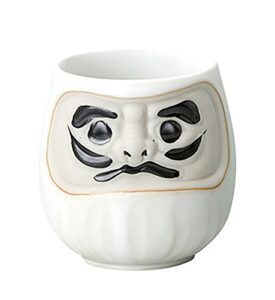
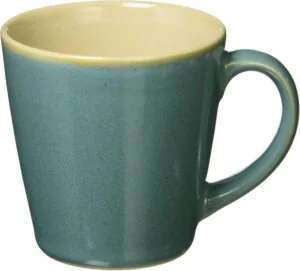
A Tsutsumi-yaki (堤焼, “Tsutsumi ware”) tumbler does not look like a museum piece. It looks like something meant to be picked up every morning — a heavy, iron-bodied stoneware cup glazed in a blue-and-white wash that pools and runs down the side, no two pieces alike. This particular free cup comes from Kenba-gama (乾馬窯), the last working kiln of a folk-pottery village that once supplied the castle town of Sendai.
Tsutsumi-yaki was founded in the Genroku era of the 1690s, when the fourth Date lord, Tsunamura, invited tile-and-pottery craftsmen from the Imado district of Edo to settle in Tsutsumi-cho, on the northern edge of Sendai, and supply the growing domain. Its signature is the namako (海鼠, “sea cucumber”) glaze: an iron-rust base overlaid with a straw-ash white that runs together in the kiln into the streaky blue-and-white drips classically seen on huge herring jars. Once a multi-kiln village, the tradition now survives in a single workshop — which makes a piece like this a named, traceable object rather than an anonymous souvenir.
This guide is written from a Japan-based editor’s desk for international readers who want to understand what they are actually buying, where it comes from, and how to get it shipped abroad. We cover the maker and its place, what the published data does and does not tell us, how it compares with related Tōhoku crafts, and the realistic purchase paths from outside Japan. Where the data is thin, we say so plainly rather than guess.
🔄 Updated:
⏱️ ~9 min read
- Who this is for — and who should skip it
- Product overview (from published specs)
- 📍 Where this comes from — place, era, and the craft tradition
- Purchase options
- 📦 Shipping & where to buy from outside Japan
- What it does well
- Weaknesses and things to verify before buying
- Conclusion — which buyer type are you?
- Other ways to approach this purchase
- ❓ Frequently Asked Questions
Who this is for — and who should skip it
- Want a daily-use cup with a traceable maker, not an anonymous import
- Like the idea of a glaze that runs differently on every piece
- Appreciate heavy, substantial folk stoneware over thin porcelain
- Are drawn to Tōhoku craft history and the Date-domain story
- Accept natural variation as the point, not a defect
- Need an exact, repeatable color and pattern across a matched set
- Want a guaranteed dishwasher- and microwave-safe everyday mug
- Prefer lightweight cups — iron-rich stoneware is heavy
- Only want “a blue cup” cheaply; mass-market options cost less
- Cannot accommodate international shipping time or customs
Product overview (from published specs)
Tsutsumi-yaki namako tumblers are stoneware vessels; size, weight, and capacity vary by form and maker. The table focuses on the ware’s documented craft characteristics rather than fixed product figures.
| Attribute | Detail (per published data) |
|---|---|
| Object | Tumbler / free cup (free cup = a lidless, handleless straight cup for any drink) |
| Craft | Tsutsumi-yaki (堤焼), folk stoneware of Tsutsumi-cho, Sendai |
| Maker / kiln | Kenba-gama (乾馬窯) — the last surviving Tsutsumi kiln |
| Material | Iron-rich Tōhoku stoneware (ceramic), fired thick and heavy |
| Glaze | Namako double glaze — iron-rust base + straw-ash white, blue-and-white run |
| Origin | Tsutsumi-cho, northern Sendai, Miyagi Prefecture, Tōhoku, Japan |
| Dimensions / capacity | — |
| Weight | — |
| Price | Not shown in fetched data; live pricing must be verified at the retailer |
📖 Glossary — key terms used in this guide
Tsutsumi-yaki (堤焼) — folk stoneware made in Tsutsumi-cho, a district on the northern edge of Sendai, since the 1690s.
Namako glaze (海鼠釉, “sea-cucumber glaze”) — a double glaze in which an iron-rust base is overlaid with a straw-ash white that runs and pools into streaky blue-and-white drips during firing. Named for the mottled look of a sea cucumber.
Nishin-bachi (鰊鉢, “herring jar”) — the large namako-glazed storage jars for pickling herring that were Tsutsumi-yaki’s historic flagship product.
Kenba-gama (乾馬窯) — the single surviving Tsutsumi kiln, carrying the tradition as a named workshop.
Date domain (伊達藩) — the feudal domain centered on Sendai, ruled by the Date clan from Date Masamune onward; its patronage seeded the local craft economy.
Stoneware — high-fired, dense ceramic (denser than earthenware, less translucent than porcelain), here made from local iron-rich clay.
Shokunin (職人) — a skilled trade craftsperson; the word implies disciplined, repeated mastery rather than fine-artist individualism.
📍 Where this comes from — place, era, and the craft tradition

Sendai is the largest city in the Tōhoku region — the northern third of Japan’s main island, Honshu — and the capital of Miyagi Prefecture. It faces the Pacific, with the broad Sendai plain behind it and the Ōu Mountains rising to the west. Tsutsumi-cho is a district on the city’s northern side, and the name itself (“embankment town”) points to the low, wet ground and clay deposits that made it suitable for pottery. The local clay is iron-rich, which is why Tsutsumi stoneware fires to a dark, dense body and takes the namako glaze so well.

The history runs through the Date clan. Date Masamune began building Sendai Castle around 1600 and laid out the castle town that became the city. His descendants ruled the Date domain for generations, and it was the fourth lord, Tsunamura, who in the Genroku era of the 1690s invited tile-and-pottery craftsmen from the Imado district of Edo (modern Tokyo) to settle in Tsutsumi-cho and produce roof tiles and everyday vessels for the domain. That act of domain patronage is the founding moment of Tsutsumi-yaki.
- c. 1600 — Date Masamune begins building Sendai Castle; the castle town takes shape.
- 1607 — Masamune completes Ōsaki Hachimangū in northern Sendai, near the future pottery district.
- 1690s (Genroku era) — The fourth Date lord, Tsunamura, invites Imado tile-and-pottery craftsmen from Edo; Tsutsumi-yaki is founded.
- 18th–19th c. — Tsutsumi-cho grows into a multi-kiln folk-pottery village supplying the castle town.
- early 20th c. — Large namako-glazed nishin-bachi (herring jars) become the kiln’s signature product.
- post-war Shōwa — Demand for utility stoneware falls; the multi-kiln village contracts sharply.
- 2026 — The tradition survives in a single workshop, Kenba-gama, still pulling the namako glaze.
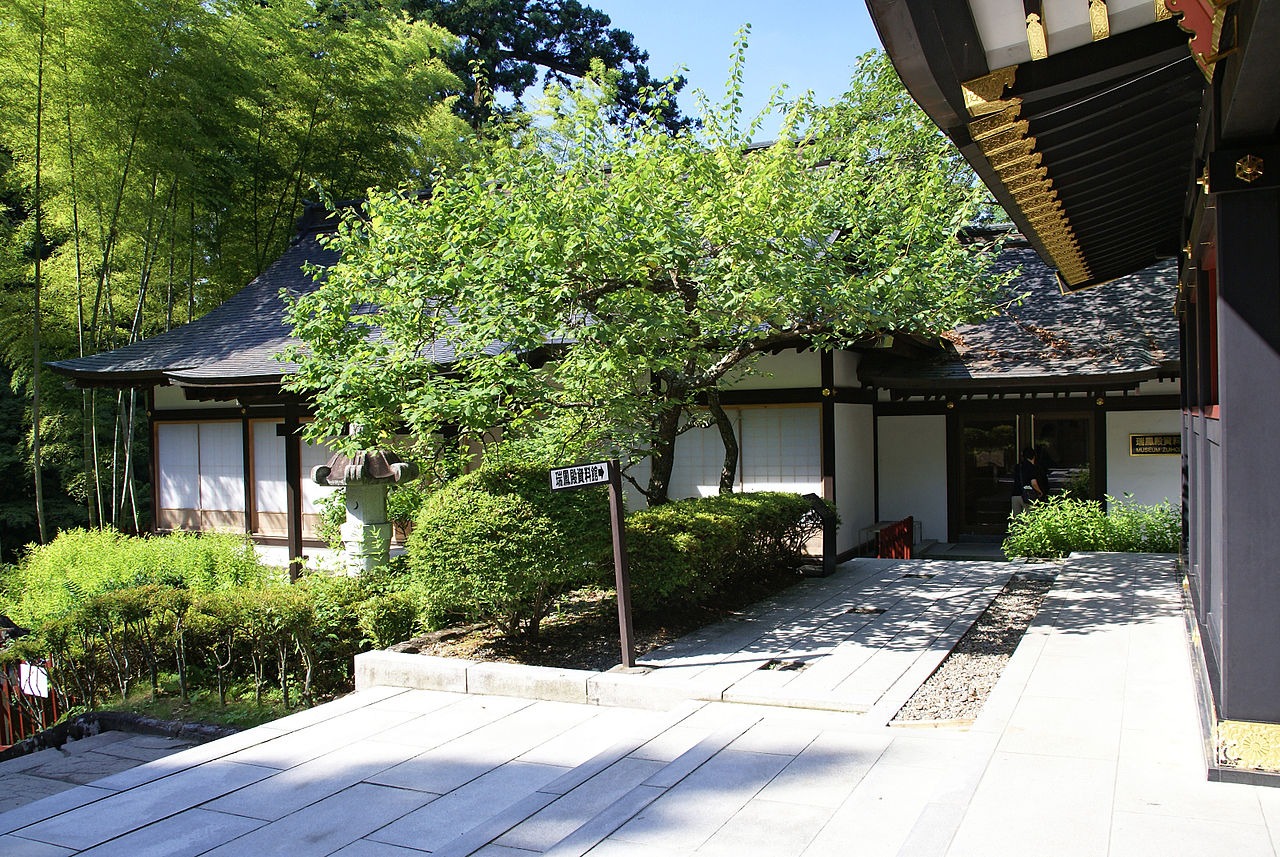
For most of its history Tsutsumi-yaki was utility ware, not art ware. Its best-known historic product was the nishin-bachi, the big namako-glazed jar used for pickling and storing herring — a staple of the northern diet. The same glaze that streaked those jars in blue and white is what gives a small tumbler its character today. When you look at the run on the cup, you are looking at the same kiln idiom that once coated meter-tall storage jars.
What “still being made here” means in this case is unusually literal. Tsutsumi-cho was once a village of kilns; demand for heavy utility stoneware collapsed across the twentieth century as factory-made and lighter wares took over the kitchen. The tradition narrowed until it ran through a single surviving workshop, Kenba-gama. That is the difference between a Tsutsumi-yaki namako tumbler and a generic “blue Japanese mug”: it is the output of a named, locatable kiln carrying a 330-year domain craft, not an anonymous product of an unnamed factory.
“Once a whole village of kilns supplied Sendai’s castle town. Today a single workshop, Kenba-gama, still pulls the sea-cucumber glaze into its blue-and-white run.”
Related Tōhoku crafts on jpmono.com — same region, different kilns, glazes, and materials. The closest cousin is Akita’s Shiraiwa-yaki, which uses the same namako idiom but is a separate prefecture, kiln, and product type.
Purchase options
Prices for Tsutsumi-yaki pieces vary by form and finish. JPY is the reference currency and USD conversions are approximate.
| Store | Item / variant | Price (JPY + USD est.) | Notes |
|---|---|---|---|
| 🇺🇸 Amazon.com (US) | Browse Japanese stoneware tumblers | varies (USD) | Best if you are shopping from the US — Prime shipping, USD pricing, no international customs. Amazon US carries Japanese stoneware and folk-pottery cups from various makers, useful for comparing glaze styles and price tiers. Kenba-gama’s exact Tsutsumi piece is sourced from Japan (next row). |
| 🇯🇵 Amazon JP Global Store | Tsutsumi-yaki Kenba-gama namako tumbler | — | This is where the specific item is sourced. Ships internationally from Japan to most major destinations via the Global Store. Confirm the live price, dimensions, and shipping quote before ordering. |
| Maker direct | Kenba-gama workshop | — | As a single-kiln operation, direct retail and stock vary; not confirmed in fetched data. May require Japanese-language contact and a forwarding address. |
| Proxy services (Buyee / Tenso) | Japanese marketplace / auction options | item price + service fee + forwarding | Useful for finding secondhand or domestic-only Tsutsumi pieces and consolidating shipping. Adds a service fee and a second shipping leg; customs may apply. |
📦 Shipping & where to buy from outside Japan
Tsutsumi-yaki stoneware is heavy and breakable, so packaging weight can make international shipping a meaningful part of the total. Shipping costs and customs vary by destination.
US buyers can compare Japanese stoneware through domestic retailers or source from Japanese workshops and craft sellers. Forwarding services may help with domestic-only sellers; customs and import tax depend on destination.
What it does well
Weaknesses and things to verify before buying
- Confirm the cup’s size and capacity before buying.
- No price in the data. The structured price field came back empty; the live figure must be verified at the retailer before you commit.
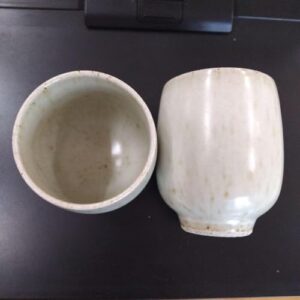
- Pattern varies piece to piece. The hand-applied namako glaze means the cup you receive will not match the photo exactly. If you need a repeatable look, this is the wrong object.
- Heavy and chippable. Stoneware is dense and can chip or crack if dropped onto a hard surface; the weight that feels good also raises breakage stakes.
- Care requirements are unconfirmed. Treat the cup as hand-wash and avoid dishwasher, microwave, and oven use unless the product information says otherwise.
- Limited, single-kiln supply. With one surviving workshop, stock can be thin and lead times long; availability may vary.
- Shipping and customs add up. International shipping of heavy ceramics plus possible import duty can be a meaningful share of the final cost.
Conclusion — which buyer type are you?
Other ways to approach this purchase
❓ Frequently Asked Questions
What is namako glaze?
Is Tsutsumi-yaki the same as Akita’s Shiraiwa-yaki?
Does this ship internationally?
Is it dishwasher- or microwave-safe?
How should I care for the tumbler?
Why is there only one Tsutsumi kiln left?
What does it cost?
jpmono.com is curated by a Japan-based editorial team (working out of Toyama in the Hokuriku region and Nara in Kansai) and is independent. We do not take payment from the makers we feature; income comes from affiliate links. We do not physically test every product — we read maker specifications and describe the craft context.
This article was drafted with AI assistance and reviewed against the available source data. Facts about the maker and region draw on the provided data notes; where structured product data (price, dimensions, care) was missing, this is stated rather than guessed.
Affiliate disclosure: jpmono.com may earn a commission on qualifying purchases made through links on this page, at no additional cost to you.