![Hakata Ningyo Clay Figurine: Where to Buy Fukuoka Bisque Dolls [2026]](https://jpmono.com/wp-content/uploads/2026/06/hakata-ningyo-bisque-clay-figurine-where-to-buy-2026-featured.jpg)
Hakata Ningyo (博多人形, “Hakata dolls”) are unglazed, bisque-fired clay figurines made in Fukuoka, on the northern coast of Kyushu. They are not folk toys and not glazed tableware. They are hand-modeled and hand-painted art figures — geisha, Noh and Kabuki characters, children, and warriors — finished in matte mineral pigments that sit softly on bare fired clay rather than under a shiny glaze. The restraint is the point: the surface looks more like skin and cloth than ceramic.
The craft traces to 1601, when Kuroda Nagamasa began building Fukuoka Castle and tile- and clay-workers drawn to the new castle town started modeling figures from the area’s fine clay. Over the following centuries the work moved from rooftile ornament toward refined display pieces, and by the Meiji and Taisho eras Hakata Ningyo were winning recognition at international expositions, including Paris in 1900. The craft is designated a national traditional craft (dentō kōgeihin) by Japan’s Ministry of Economy, Trade and Industry (METI).
This guide is for international buyers deciding whether a Hakata Ningyo belongs on their shelf, and how to actually obtain one from outside Japan. We cover what separates a real maker’s piece from a generic figurine, what to verify before paying, and where the purchase paths lead — Amazon US as the convenient first stop, and Amazon JP Global Store as the sourced-listing path for the specific item below.
🔄 Updated:
⏱️ Read time: ~11 min

- Who this is for — and who should skip it
- Product overview (from published specs)
- 📍 Where this comes from — place, era, and the craft tradition
- Price snapshot across stores
- What it does well
- Weaknesses and things to verify before buying
- Conclusion — which buyer type are you?
- Other ways to approach this purchase
- 🏆 Editor’s Pick
- ❓ Frequently Asked Questions
Who this is for — and who should skip it
- Want a display okimono (置物, “object for display”) with quiet, matte color rather than a glossy ceramic finish
- Appreciate hand-modeled, hand-painted work and accept that no two pieces are identical
- Are buying a milestone or hospitality gift and want something regionally specific to Fukuoka and Kyushu
- Have a low-traffic shelf or cabinet where a fragile, unglazed piece can sit undisturbed
- Value a documented national traditional craft (METI-designated) over a mass-market souvenir
- Need something functional — these are display figures, not vessels or tableware
- Have small children or pets and no safe, out-of-reach display spot (bisque clay chips and breaks)
- Want a washable or food-safe surface — unglazed painted clay is neither
- Expect factory-perfect uniformity; hand-painting means small variation is normal
- Are price-sensitive and would resent paying maker-and-shipping premiums from Japan
Product overview (from published specs)
The fetched dataset for this item is thin. Only the Amazon listing reference (ASIN B018X19BAM) and the product image were available at the time of writing; a live price snapshot was not returned by the source, so figures below are marked as such rather than guessed. The table reflects the listing reference plus general, verifiable characteristics of the Hakata Ningyo craft category — not invented measurements for this specific piece.
Hakata Ningyo Clay Figurine
博多人形 お福さん 福岡・日本製 嵯峨和博作 手描きで彩色・手作り人形です。
残り3点 ご注文はお早めに · Sold by 株式会社 ばいてんn · ASIN B018X19BAM
Price and availability as of 2026-08-31 02:30 JST. The Amazon listing at the time of purchase is authoritative. jpmono.com earns a commission on qualifying purchases at no extra cost to you.
| Attribute | Detail (per listing / craft category) |
|---|---|
| Craft | Hakata Ningyo (博多人形) — METI-designated traditional craft |
| Type | Display figurine / okimono (置物) |
| Material | Low-fired unglazed bisque clay (su-yaki, 素焼き), hand-painted in matte mineral pigments |
| Finish | Unglazed, matte (not a glossy glaze) |
| Typical motifs | Geisha / bijin, children, Noh and Kabuki figures, warriors |
| Origin | Hakata, Fukuoka City, Fukuoka Prefecture, Kyushu |
| Dimensions / weight | Not specified in fetched data — verify on the live listing |
| Listing reference | ASIN B018X19BAM (Amazon JP Global Store, sourced listing) |
| Price | Not available in fetched data — check the live listing before buying |
Source note: Spec sheets indicate the category characteristics above; the specific dimensions and current price for this individual piece were not in the returned data. Based on listings, Hakata Ningyo are sold across a wide range of sizes and price tiers, so confirm the exact figure and measurements on the live page before ordering.
📖 Glossary — key terms
- Hakata Ningyo (博多人形) — “Hakata dolls,” the unglazed, hand-painted clay display figurines of Fukuoka.
- Su-yaki (素焼き) — bisque firing; clay fired once at relatively low temperature, left unglazed.
- Okimono (置物) — an object made purely for display, not for use.
- Bijin (美人) — “beautiful person”; a classic figure type depicting an elegant woman, often a geisha.
- Kazariyama (飾り山) — the tall decorative festival floats of the Hakata Gion Yamakasa, often dressed with large Hakata Ningyo.
- Dentō kōgeihin (伝統工芸品) — a craft formally designated “traditional” by METI.
- Shokunin (職人) — a skilled craftsperson working within a defined trade.
📍 Where this comes from — place, era, and the craft tradition

Fukuoka sits at the northern tip of Kyushu, Japan’s third-largest island, facing the Genkai Sea and the Korea Strait. For most of recorded history this coast was Japan’s front door to the Asian mainland — the harbor at Hakata received envoys, monks, and traders from China and Korea long before the country had a single capital in the modern sense. That position, rather than any inland court, is what shaped the region’s early wealth and craft.
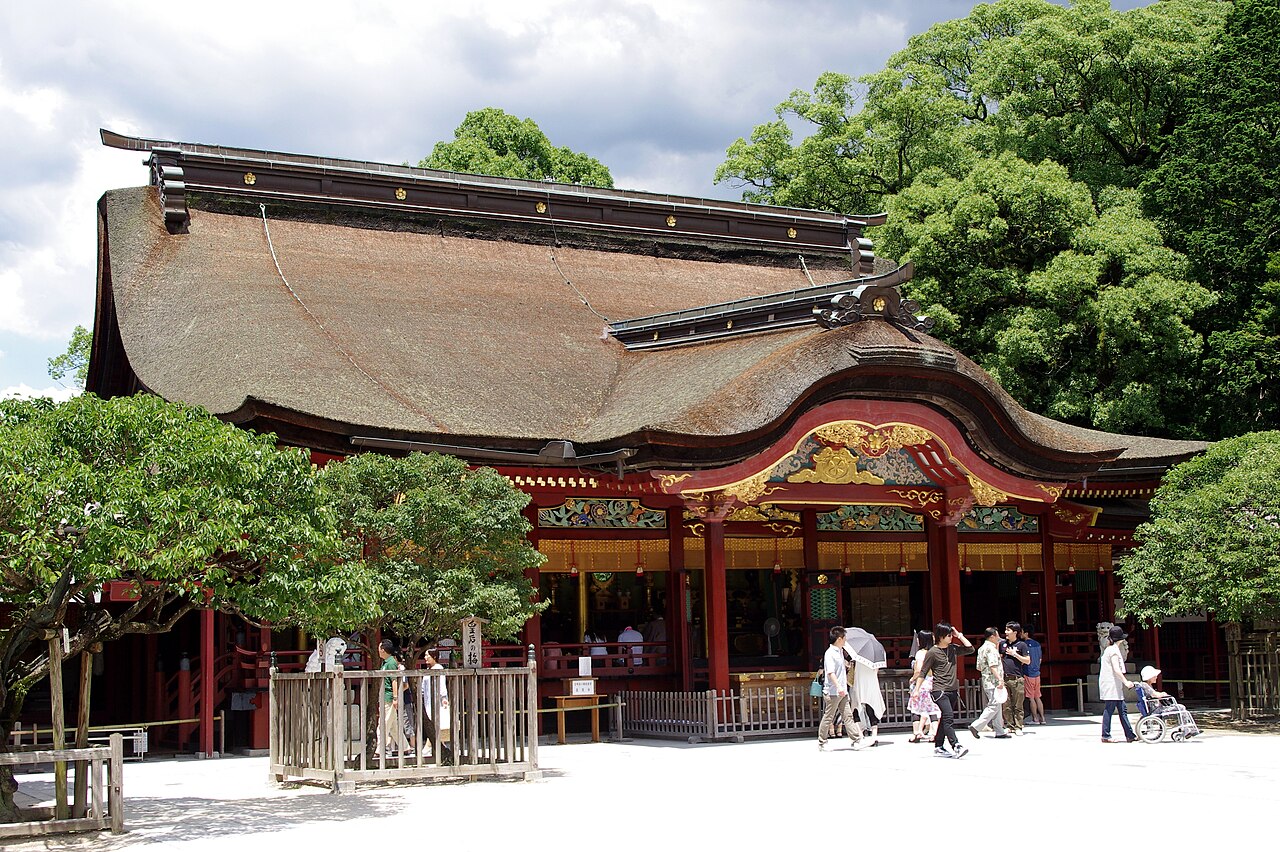
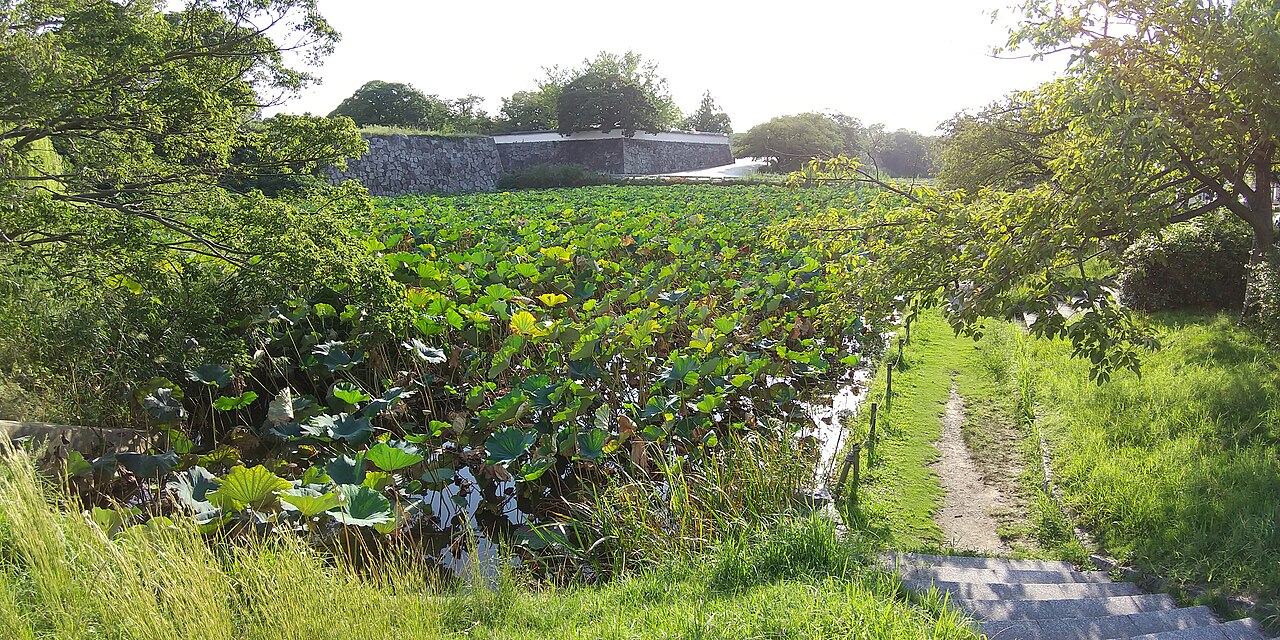
The doll craft itself has a precise starting point. In 1601, Kuroda Nagamasa — installed as lord of the new Fukuoka domain after the Battle of Sekigahara — began constructing Fukuoka Castle. Building a castle on this scale pulled in tile-makers, plasterers, and clay-workers, and the fine local clay that served rooftiles and ornaments also served small modeled figures. From those castle-town workshops Hakata Ningyo gradually took shape.
-
1601 — Kuroda Nagamasa begins building Fukuoka Castle; clay craftsmen gather in the castle town. -
Edo period — Figure modeling shifts from rooftile ornament toward refined display dolls. -
1900 — Hakata Ningyo gain international notice at the Paris Exposition. -
Taisho era — Further exposition recognition cements the craft’s art-figurine reputation. -
1976 — Designated a national traditional craft (dentō kōgeihin) by METI. -
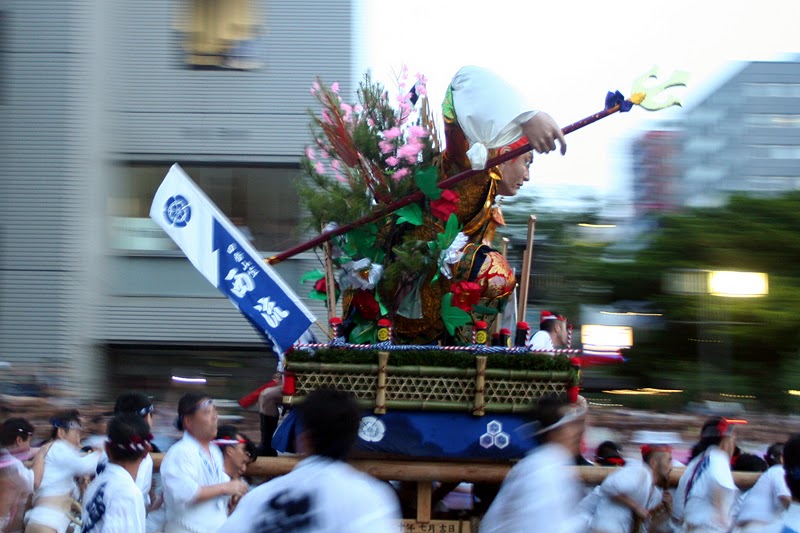
Every July — Hakata Gion Yamakasa floats (kazariyama) are dressed with large Hakata Ningyo. -
2026 — Hakata workshops still model and hand-paint dolls by the founding-era method.
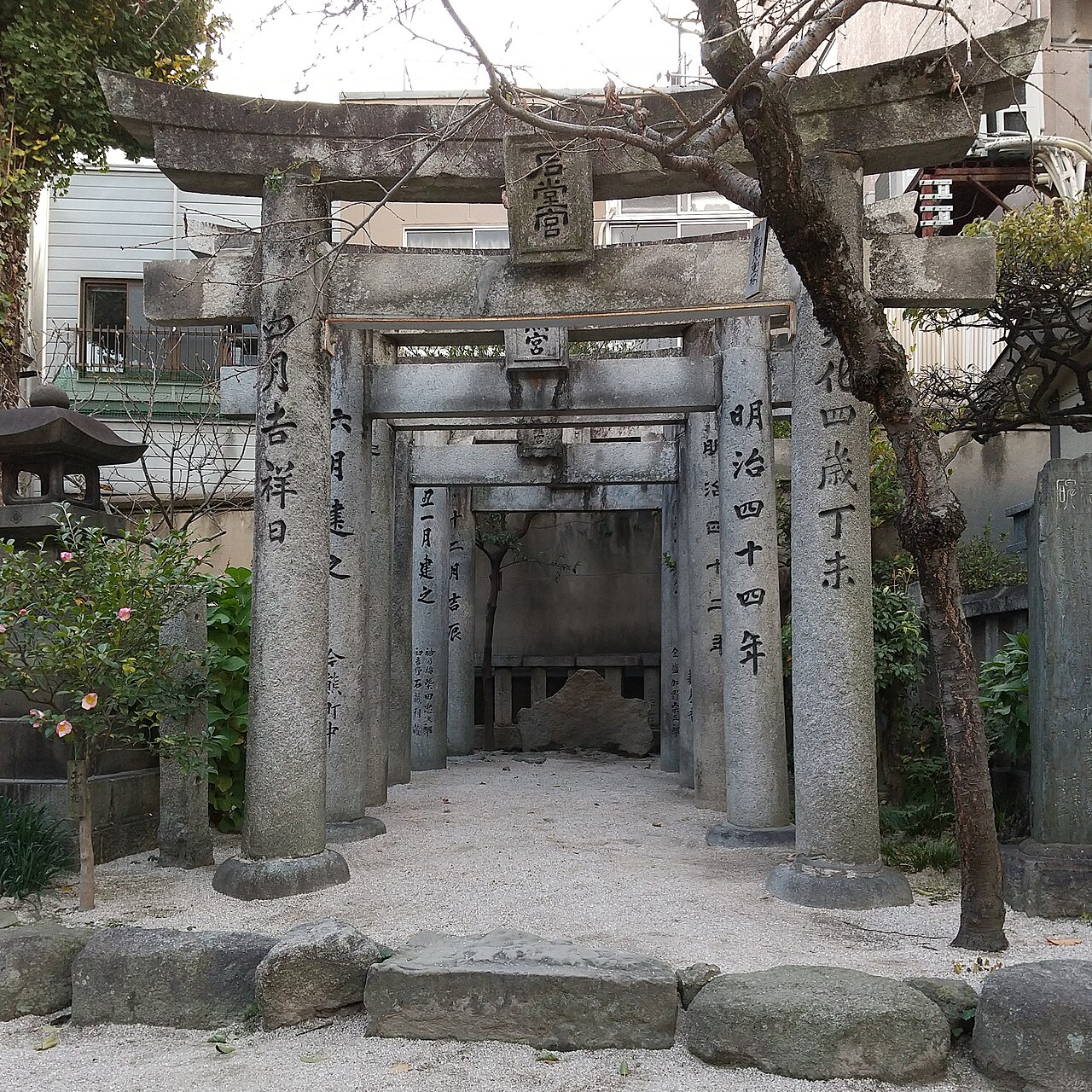
The dolls are woven into the life of old Hakata, the merchant quarter east of the Naka River where the workshops clustered. The clearest expression is the Hakata Gion Yamakasa, the city’s signature summer festival centered on Kushida Shrine, where towering decorative floats are dressed with large Hakata Ningyo. The craft and the rite grew up together; one is hard to explain without the other.
“Glaze would have made the work easier and the surface tougher. Hakata’s makers chose bare clay instead — because matte pigment on unglazed bisque is the only way to make fired earth read as skin and silk.”
What “still being made here” means, concretely: Hakata Ningyo remain a living workshop tradition rather than a revived one. Makers continue to model each figure, bisque-fire it unglazed, and paint it by hand in the same low-key mineral palette that won the expositions a century ago. It is a refined art-figurine craft, distinct from the painted papier-mâché and clay folk toys of other regions — closer to sculpture than to souvenir.
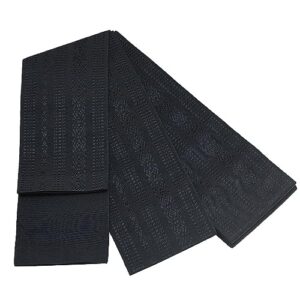
Hakata-ori silk obi (same city)Fukuoka’s other signature craft — woven silk
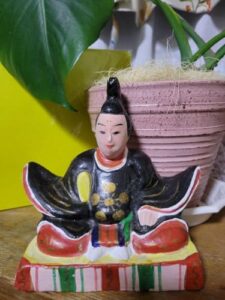
Akita clay doll (compare)A Tohoku clay-figure tradition for contrast
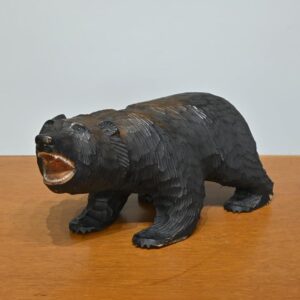
Hokkaido carved bear okimonoA wood-carved display figure from the north
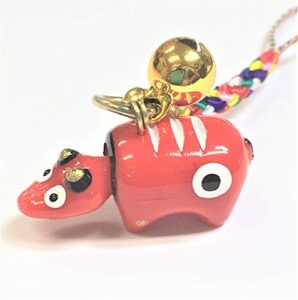
Aizu Akabeko folk figureA folk-toy figure, the opposite end from fine art dolls
Takasaki Daruma engimonoA lucky figure (engimono) from Gunma
Arita porcelain (Kyushu)Glazed Kyushu porcelain — the contrast to bare bisque
Onta-yaki (Kyushu pottery)Folk pottery from the same island
Price snapshot across stores
Prices and stock fluctuate. The data suggests no live price was captured for this specific listing at the time of writing, so the JPY/USD figures below are shown as “verify on listing” rather than guessed. USD figures, where shown elsewhere, are approximate at a ¥150/USD baseline as of mid-2026; the JPY price is the authoritative one.
| Store | Item / Variant | Price (JPY + USD est.) | Notes |
|---|---|---|---|
| 🇺🇸 Amazon US (search) | Browse Japanese clay figurines & okimono | varies (USD) | Best if you are shopping from the US — Prime shipping, USD pricing, no international customs. Amazon US carries Japanese clay figurines and okimono from various makers, useful for comparing motifs and sizes. The exact Hakata piece below is sourced from Japan (next row). |
| 🇯🇵 Amazon JP Global Store | Hakata Ningyo bisque figurine (ASIN B018X19BAM) | Verify on listing — not in fetched data | The sourced listing for the specific item in this guide. Ships internationally from Japan to most major destinations; confirm current price and shipping at checkout. |
| Maker direct | Hakata workshop / association pieces | Varies by piece | Hakata Ningyo workshops and the local craft association sell individual works; international shipping is not always offered, so check per maker. |
| Proxy services (Buyee / Tenso) | Any JP-only listing or shop item | Item price + proxy fee + forwarding | Useful for pieces that do not ship abroad directly. Adds a service fee and consolidated forwarding; budget extra for careful packing of a fragile item. |
What it does well
Weaknesses and things to verify before buying
- Fragility. Unglazed bisque clay chips and breaks more readily than glazed ceramic. It needs a stable, low-traffic display spot away from children and pets.
- Not washable or food-safe. The painted, unglazed surface is for display only; it cannot be wiped wet or used functionally. Dust gently with a soft, dry brush.
- Price and dimensions unconfirmed here. The fetched data did not include this listing’s price or measurements — verify both on the live page before ordering, as Hakata Ningyo span a wide range.
- Hand-painting variation. Color placement and fine detail differ slightly from piece to piece; the photo is representative, not an exact-unit guarantee.
- International shipping and fragility risk. Shipping a bisque figure abroad adds cost and breakage risk; confirm packaging and whether the seller (or a proxy) insures against damage.
- Authenticity. “Hakata-style” figurines exist that are not made by Hakata workshops. If maker provenance matters to you, confirm it in the listing or buy from a maker/association source.
Conclusion — which buyer type are you?
Other ways to approach this purchase
🏆 Editor’s Pick
❓ Frequently Asked Questions
What exactly is a Hakata Ningyo?
It is an unglazed, bisque-fired clay display figurine from Hakata in Fukuoka, hand-modeled and hand-painted in matte mineral pigments. Common subjects include geisha, children, and Noh or Kabuki figures. It is a display piece (okimono), not a toy or a functional vessel.
Can it ship internationally?
The sourced listing is on the Amazon JP Global Store, which ships to most major destinations from Japan. Because the figure is fragile bisque clay, confirm packaging and any damage coverage at checkout. For shop-only pieces, a proxy service such as Buyee or Tenso can forward an order abroad.
How do I care for it?
Keep it on a stable, low-traffic surface and dust it with a soft, dry brush. Do not wash it or wipe it with water — the painted, unglazed surface is not water-safe. Keep it away from edges, children, and pets.
Why is no price shown for the specific listing?
The data returned for this item did not include a live price or measurements, so we did not want to guess. Hakata Ningyo are sold across a wide range of sizes and prices; check the current figure directly on the listing before buying.
How is it different from a folk toy like Akabeko or Daruma?
Hakata Ningyo are a refined art-figurine tradition — finely modeled and painted as display sculpture. Folk figures such as the Aizu Akabeko or Takasaki Daruma are talismanic folk crafts (engimono) with simpler, symbolic forms. They serve different roles, even though all are regional Japanese figures.
Is this a good gift?
Yes, for a recipient who has a safe display spot and appreciates handcraft. It is often sold boxed, carries a clear Fukuoka identity, and reads as a considered, regionally specific present rather than a generic souvenir.
jpmono.com is curated by a Japan-based editorial team (working out of Toyama in the Hokuriku region and Nara in Kansai) and is independent. We do not take payment from the makers we feature; income comes from affiliate links. Read more about our editorial standards.
This article was prepared with AI assistance and reviewed against the source listing data. Specifications, prices, and availability were accurate to the fetched data at the time of writing and may have changed since.
Affiliate disclosure: jpmono.com may earn a commission on qualifying purchases made through links on this page, at no additional cost to you.