![Hanno-yaki Katakuchi Spouted Bowl from Saitama’s Folk Kiln [2026]](https://jpmono.com/wp-content/uploads/2026/05/japan-map-regions-and-prefectures-800x1050.png)
A katakuchi (片口, “single spout”) is one of the quietest useful objects in a Japanese kitchen — a lipped bowl that pours. It decants chilled sake, tempers a sauce, batters tempura, or simply sits on the table holding pickles. The example covered here comes from Hanno-yaki (飯能焼, “Hanno ware”), a folk-pottery tradition from the foothill town of Hanno in Saitama Prefecture, on the Iruma River route that once floated timber and charcoal down to Edo.
Hanno-yaki is not a famous, polished brand name in the way Arita or Kutani are. It is a humble Edo-period minyō (民窯, “folk kiln”) tradition: everyday slipware made for a working market, often decorated with fluid icchin (slip-trailing) lines piped on by hand. The kilns faded after the Meiji era as factory ceramics arrived, and today the name survives mainly through revival potters working in the Hanno area. That makes a piece like this less a designer object and more a thread back to a regional craft economy that history nearly erased.
This guide is written from a Japan-based editor’s desk (working out of Toyama in the Hokuriku region and Nara in Kansai) for international readers who cannot simply walk into a Saitama pottery. We cover what the form is for, where it comes from, what to verify before buying, how international shipping works, and how it compares to other Japanese ceramics we have written about. Where sourcing data is thin, we say so plainly.
🔄 Last updated: June 9, 2026
⏱️ Read time: ~9 min
- Who this is for — and who should skip it
- Product overview (from published specs)
- Buying considerations
- What it does well
- Weaknesses and things to verify before buying
- Conclusion — which buyer type are you?
- Other ways to approach this purchase
- 📍 Where this comes from — place, era, and the craft tradition
- ❓ Frequently Asked Questions
Who this is for — and who should skip it
- Like rustic, hand-decorated folk pottery over flawless factory finishes
- Want a versatile pourer for sake, dressings, sauces, or batter
- Value a piece tied to a near-lost regional kiln tradition
- Appreciate slip-trailed (icchin) decoration and visible maker’s hand
- Are comfortable buying from Japan via the Global Store or a proxy
- Expect perfectly uniform shape, color, and dimensions
- Need confirmed capacity, weight, and dishwasher/microwave specs up front
- Want a famous brand name for gifting prestige
- Need fast, low-cost domestic shipping outside Japan
- Prefer pieces with extensive published documentation and reviews
Product overview (from published specs)
Published specifications for Hanno-yaki katakuchi spouted bowls vary by maker and retailer. The table leaves unconfirmed values open rather than guessing, since shape, size, and finish can differ across this pottery tradition.
| Attribute | Value | Source |
|---|---|---|
| Form | Katakuchi (single-spout pouring bowl) | Title / category |
| Tradition | Hanno-yaki folk pottery, Hanno, Saitama | Maker / regional record |
| Decoration | Hand slip-trailing (icchin), typical of the tradition | Tradition (general) |
| Material | Glazed stoneware / earthenware | — |
| Capacity / dimensions | Varies by maker | — |
| Weight | Varies by maker | — |
Sources cross-checked for this article include the Amazon US and Amazon JP Global Store craft search paths (Hanno-yaki / katakuchi / spouted-bowl keywords), plus the maker and regional craft records where applicable. Structured specs and live pricing for individual Hanno-yaki katakuchi bowls vary by maker and may shift over time.
📖 Glossary — key terms
Katakuchi (片口) — literally “single spout”; a bowl with one pouring lip, used to decant sake or transfer liquids and sauces.
Hanno-yaki (飯能焼) — “Hanno ware,” a folk-pottery tradition from Hanno, Saitama, active mainly in the late Edo and early Meiji periods.
Minyō / mingei (民窯・民芸) — folk kiln / folk craft; everyday objects made by anonymous regional potters, as opposed to courtly or signed art ware.
Icchin (一珍) — slip-trailing; piping liquid clay (slip) from a nozzle to draw raised lines and patterns on the surface.
Edo — the old name for Tokyo, and the era (1603–1868) when it was Japan’s de facto capital under the Tokugawa shogunate.
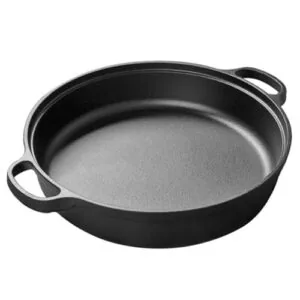
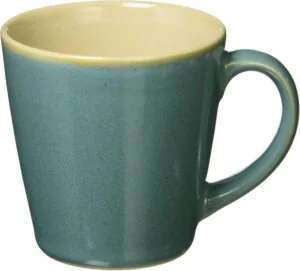
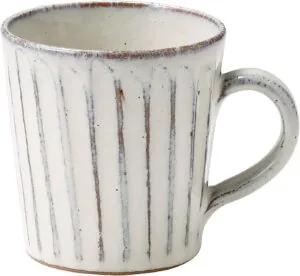
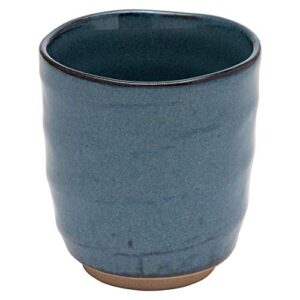
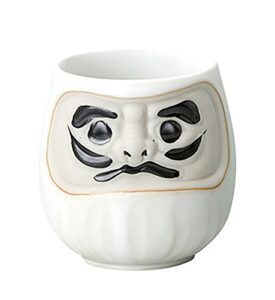
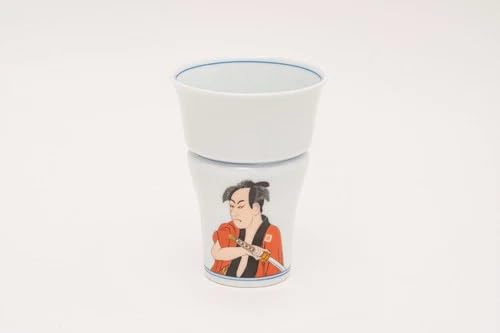
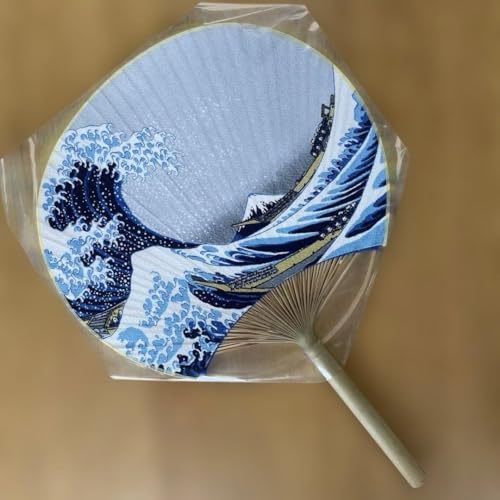
Related Japanese craft pieces we have covered — same prefecture, same region, or the same ceramic family.
Buying considerations
JPY (¥) is the authoritative price for Hanno-yaki katakuchi bowls bought from Japanese sources. USD figures, where shown, are approximate estimates at a ¥150/USD baseline (mid-2026) and depend on the current exchange rate.
| Store | Item / variant | Price (JPY + USD est.) | Notes |
|---|---|---|---|
| 🇺🇸 Amazon US (search) | Browse Japanese pottery & katakuchi bowls | varies (USD) | Best if you are shopping from the US — Prime shipping, USD pricing, no international customs. Amazon US carries Japanese folk-pottery serving bowls and katakuchi from various makers; this specific Hanno-yaki piece is sourced from Japan (next row). |
| 🇯🇵 Amazon JP Global Store | Hanno-yaki katakuchi | — | International shipping option from Japan; confirm destination coverage and fees before ordering. |
| Maker direct | Hanno-area revival potters | — | Hanno-yaki is made by a small number of revival workshops; direct ordering, where offered, is usually Japanese-language and domestic-shipping only. |
| Proxy services (Buyee / Tenso) | Forwarding for JP-only sellers | item price + forwarding fee | Useful when a piece is listed only on Japan-domestic shops. Adds a service fee and a second shipping leg; consolidate orders to save. |
What it does well
“Hanno-yaki was never meant to be admired in a case — it was made to be poured from, by a river that carried Saitama’s clay and charcoal toward Edo.”
Weaknesses and things to verify before buying
- Handmade variation. Folk pottery varies piece to piece in shape, glaze tone, and the slip-trailed pattern. If you need an exact match to a product photo, this is the wrong category.
- Care is unverified. For handmade glazed folk ware, gentle hand-washing is a cautious choice; footrings may be unglazed.
- Pricing was unavailable. No live price came through in the dataset. Check the current JPY price and the international shipping quote before committing.
- Thin documentation. Hanno-yaki is a niche revival tradition; expect few English reviews and limited maker information compared with major kilns.
- Shipping fragility. Ceramic with a pouring lip is vulnerable in transit. Confirm packaging and the seller’s breakage policy, especially for long international routes.
Conclusion — which buyer type are you?
Other ways to approach this purchase
📍 Where this comes from — place, era, and the craft tradition

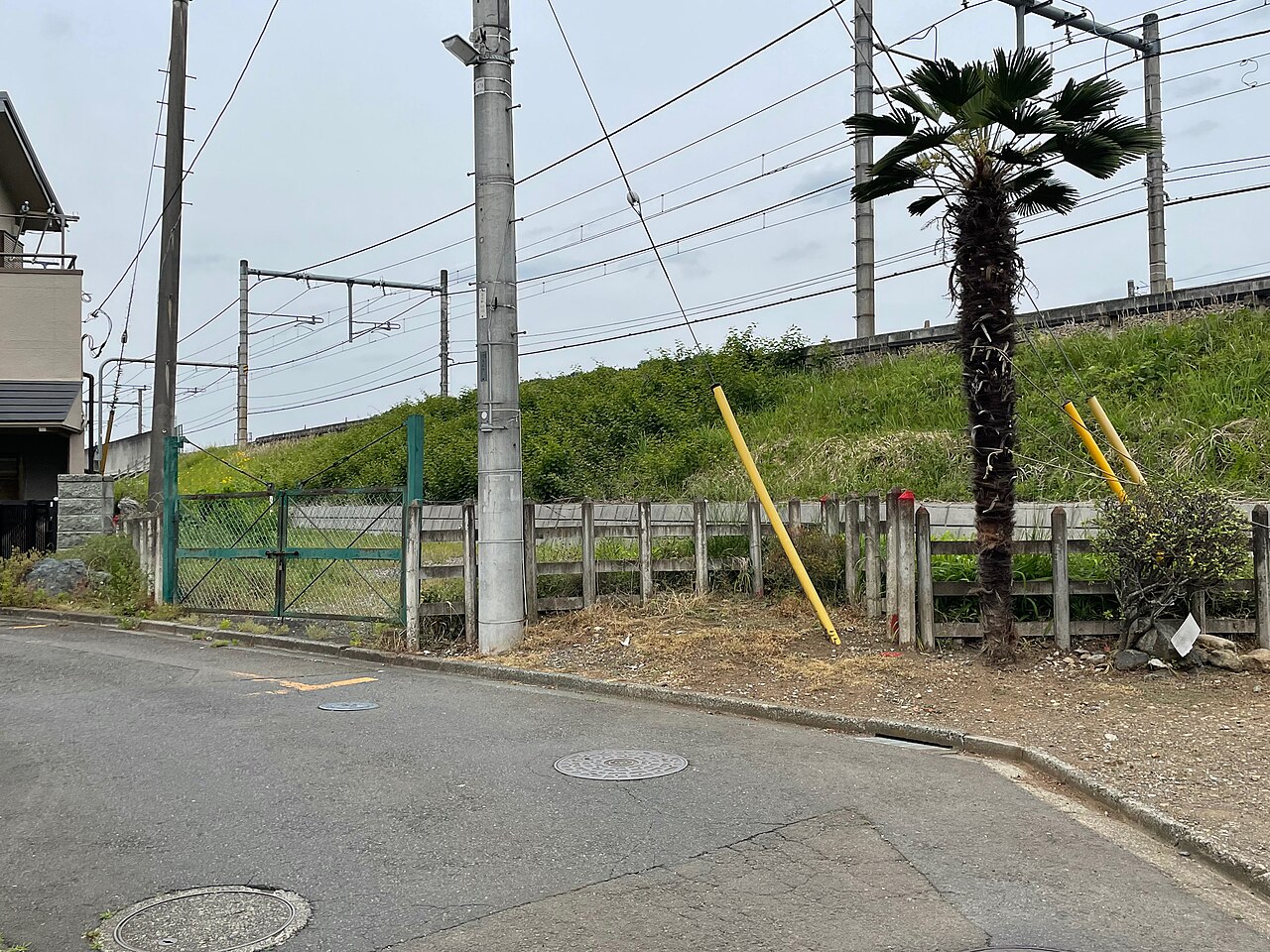
Hanno sits in western Saitama Prefecture, where the Kantō Plain meets the wooded hills that climb toward Chichibu. It is a foothill town, threaded by the Iruma River and backed by low mountains such as Mount Tenran. In the Edo period this geography mattered: the river and the surrounding forests made Hanno a staging point for timber and charcoal moving downstream toward the great consuming city of Edo — the old name for Tokyo.
That logistics role is the reason a pottery tradition could take hold here. Clay, fuelwood, and a river route to a hungry market are the three ingredients a folk kiln needs, and Hanno had all of them.
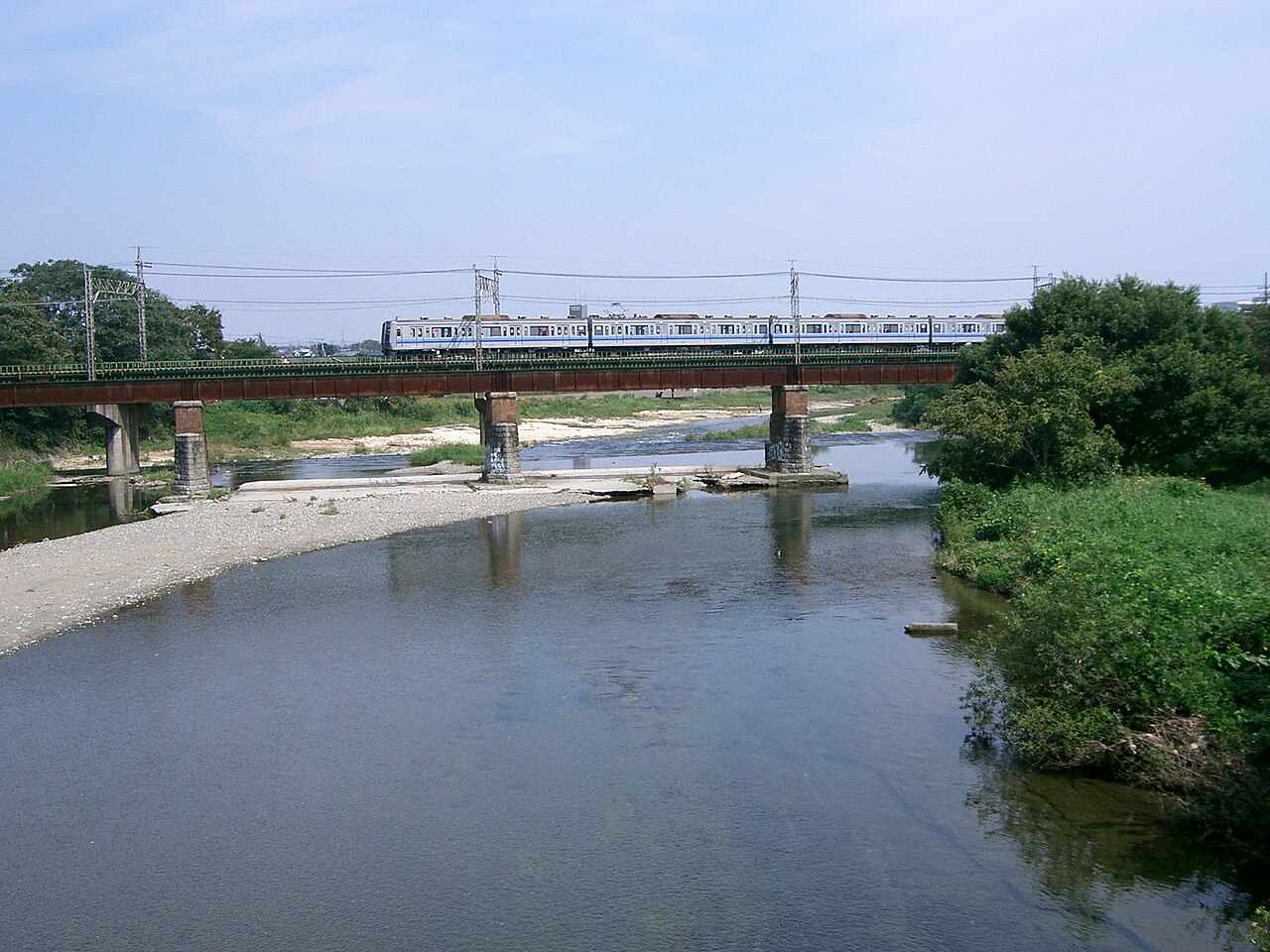
Hanno-yaki proper emerged in the early 19th century — the late Edo period — when local potters began producing everyday slipware for the booming Edo market: bowls, pouring vessels, and storage jars rather than luxury art ware. The decoration that came to mark the tradition was icchin slip-trailing, fluid raised lines piped onto the surface by hand. These were working objects, sold cheaply and used hard.
- 1603 — The Tokugawa shogunate makes Edo the de facto capital; demand for everyday wares surges.
- 17th c. — Kawagoe grows into a merchant town (“Little Edo”), and the Iruma valley supplies the city via river.
- Early 19th c. — Hanno-yaki folk kilns begin producing slip-trailed everyday pottery for the Edo market.
- 1868 — The Meiji Restoration; Edo is renamed Tokyo and industrial change accelerates.
- Late Meiji — Mass-produced ceramics undercut folk kilns; Hanno-yaki production declines.
- 20th–21st c. — Revival potters in the Hanno area carry the name and slip-trailing technique forward.
- 2026 — Hanno-yaki katakuchi pieces reach international buyers through the Amazon JP Global Store.
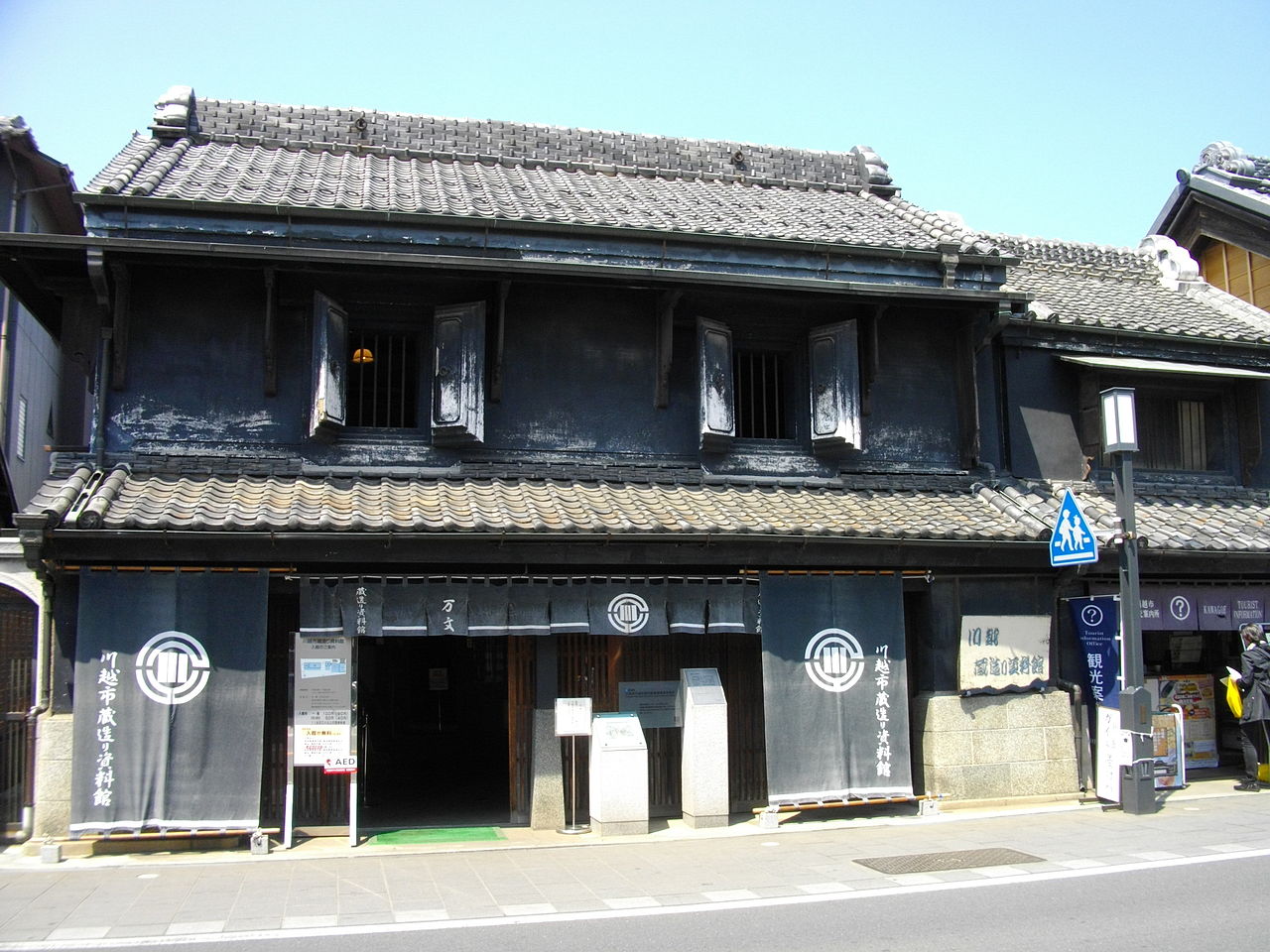
The decline is part of the honest story. Hanno-yaki was a casualty of modernization: when cheap factory ceramics flooded Japan after Meiji, a small regional folk kiln making hand-trailed bowls had little chance. The tradition went quiet. What exists today is a revival — potters in the Hanno area keeping the name and the slip-trailing method alive rather than an unbroken commercial line. That is a more modest continuity claim than Arita’s centuries of export or Mashiko’s mingei fame, and it is worth stating plainly.
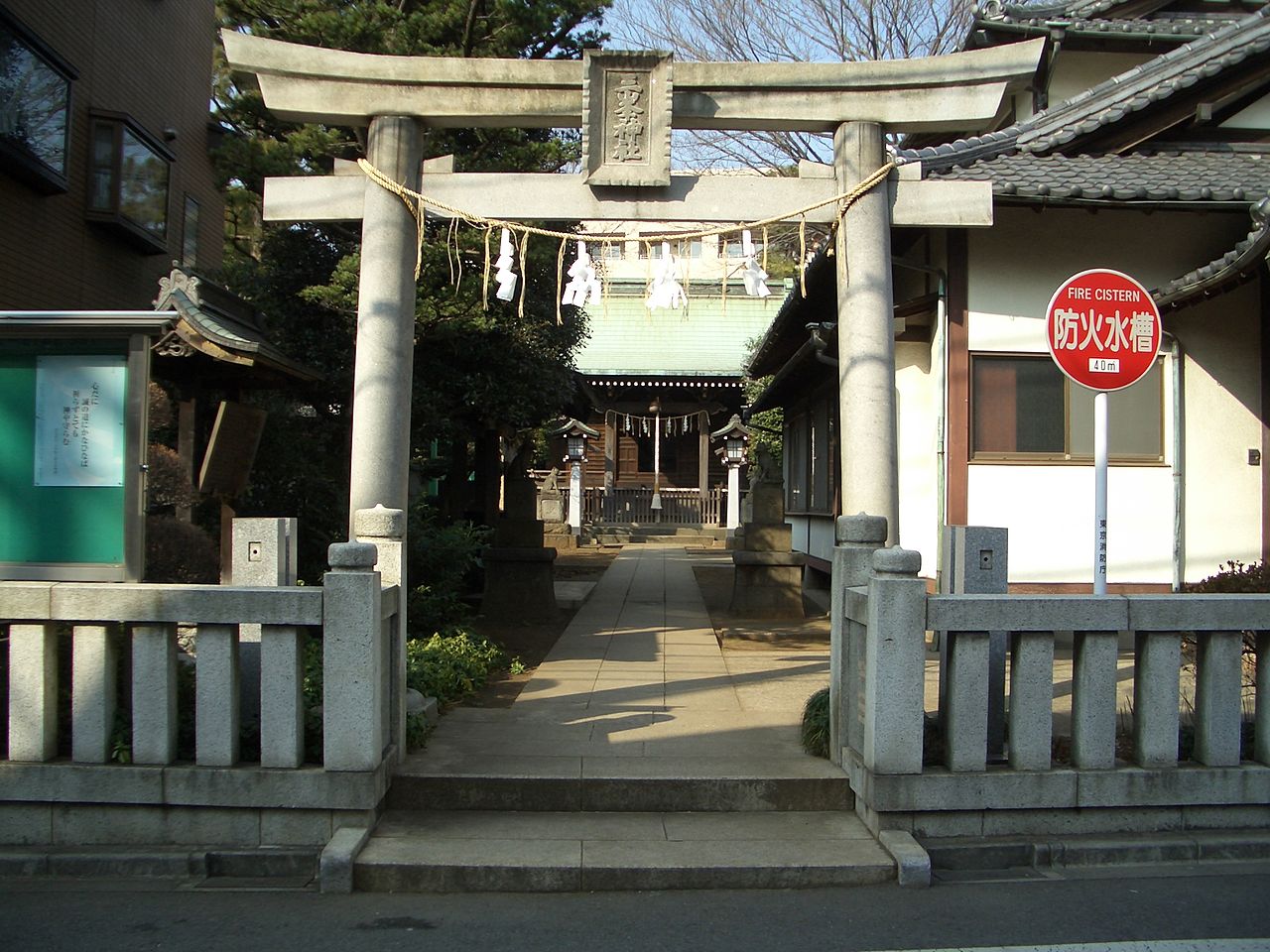
Behind Hanno, the land rises toward Chichibu, Saitama’s mountain heartland, where Mitsumine Shrine sits deep in the forest. This is the wooded interior that supplied the charcoal and timber Hanno helped move toward the plain. Understanding that geography — river town in front, mountains behind, Edo downstream — is the best way to read a Hanno-yaki katakuchi: it is a tool from a working landscape, not a museum object.
❓ Frequently Asked Questions
What is a katakuchi used for?
Is Hanno-yaki a famous pottery brand?
Can I buy it from outside Japan?
How much does it cost?
Is it dishwasher or microwave safe?
Will each piece look exactly like the photo?
jpmono.com is curated by a Japan-based editorial team (working out of Toyama in the Hokuriku region and Nara in Kansai) and is independent. We do not take payment from the makers we feature; income comes from editorial work. We do not physically test every product — we read maker specifications and craft sources.
This article was prepared with AI assistance and reviewed against available craft references. Specifications and pricing can vary by maker and over time.
Affiliate disclosure: jpmono.com may earn a commission on qualifying purchases made through links on this page, at no additional cost to you.