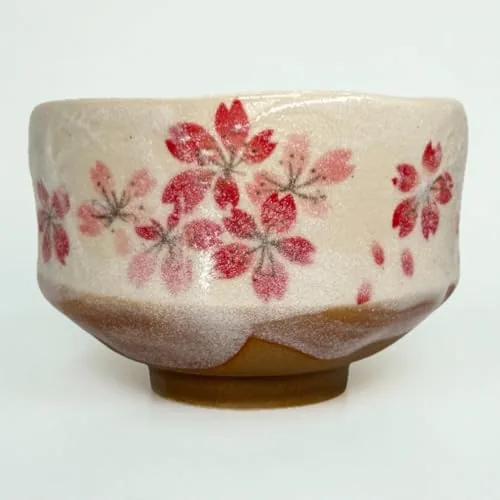
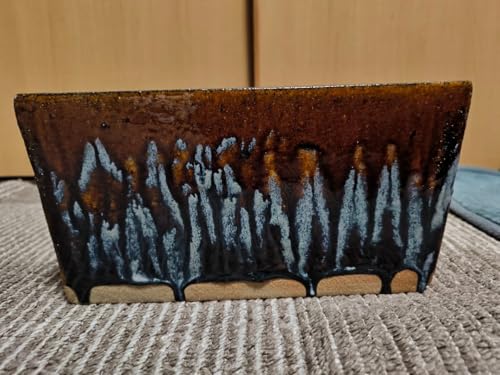
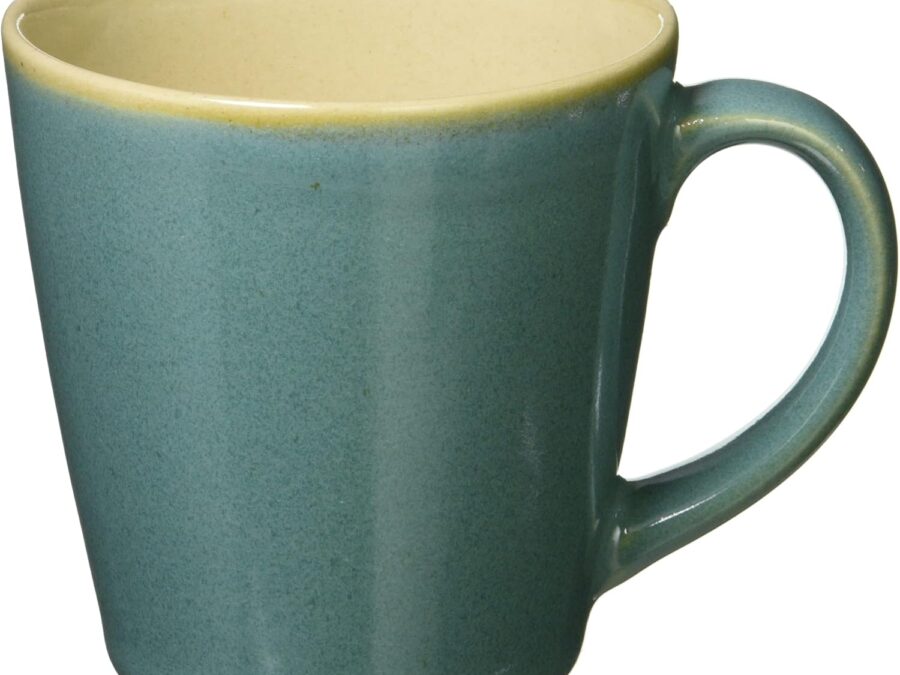
![Shigaraki-yaki Tanuki Figurine: Where to Buy Japan’s Lucky Raccoon-Dog from a Six Ancient Kiln [2026]](https://jpmono.com/wp-content/uploads/2026/06/shigaraki-yaki-tanuki-figurine-where-to-buy-2026-featured.jpg)
Few objects say “you have arrived in Japan” quite as instantly as the pot-bellied tanuki (狸, “raccoon-dog”) that greets visitors outside thousands of shops, restaurants, and homes. It is hand-shaped from the iron-rich clay of Shigaraki, a kiln town in Koka City in southern Shiga Prefecture, and fired at one of the country’s Six Ancient Kilns (Rokkoyo, 六古窯) — a cluster of pottery centers that have fired continuously since the late Heian and Kamakura eras. The clay scorches to a warm orange (hi-iro, 火色) under flame, and the figure is read across Japan as an engimono (縁起物, “good-luck charm”).
What makes the Shigaraki tanuki worth a careful buyer’s guide is precisely what makes it easy to get wrong. The silhouette is so famous that the market is flooded with mass-produced resin and concrete copies that have nothing to do with a kiln. An authentic piece is ceramic — formed from Shigaraki’s coarse local clay and kiln-fired — and it carries the eight auspicious features (hassho-engi, 八相縁起) that give the figure its meaning, from the straw hat for protection to the sake bottle for virtue and the ledger book for trust.
This guide is written for international readers who want the real thing rather than a garden-center lookalike. We cover what separates kiln-fired ceramic from resin, how the figure is read as a charm, where Shigaraki sits in Japan’s ceramic history, and the practical paths — Amazon US search and the Amazon JP Global Store — for buying one from outside Japan. The specific piece highlighted is a Shigaraki ware ceramic tanuki figurine (ASIN B06WP3HLW6).
🔄 Last updated:
⏱️ Read time: ~11 min


- Who this is for — and who should skip it
- Product overview (from published specs)
- Which finish should you choose?
- Price snapshot across stores
- What it does well
- Weaknesses and things to verify before buying
- Conclusion — which buyer type are you?
- Other ways to approach this purchase
- Where this comes from
- 🏆 Editor’s Pick
- ❓ Frequently Asked Questions
Who this is for — and who should skip it
- Want a genuine kiln-fired Shigaraki ceramic piece, not a resin or concrete copy
- Like the idea of a good-luck charm (engimono) for a shop, entryway, or kitchen
- Appreciate objects tied to one of Japan’s Six Ancient Kilns
- Are buying a housewarming, business-opening, or collector’s gift with a story
- Accept hand-made variation in glaze tone, expression, and finish
- Just want the cheapest tanuki shape — resin copies cost far less
- Need a guaranteed uniform, mold-perfect look across multiple units
- Want a large outdoor garden statue (ceramic can chip and is heavy to ship)
- Are unwilling to verify material before buying (listings vary widely)
- Expect fast, free domestic shipping rather than an international order
Product overview (from published specs)
The fetched dataset for this item is thin: at the time of writing, no live Amazon US search results and no structured price snapshot were captured. The description below draws on the spec sheet and on Shigaraki-yaki craft context rather than on a populated price feed. Treat all figures as approximate and verify at the listing before buying.
Shigaraki-yaki Tanuki Figurine
陶里 『信楽焼』 福々狸 5号 SA30-1
残り9点(入荷予定あり) · Sold by Amazon.co.jp · ASIN B06WP3HLW6
Price and availability as of 2026-08-31 02:30 JST. The Amazon listing at the time of purchase is authoritative. jpmono.com earns a commission on qualifying purchases at no extra cost to you.
| Attribute | Detail | Source |
|---|---|---|
| Craft | Shigaraki-yaki (信楽焼, “Shigaraki ware”), one of the Six Ancient Kilns | Spec data notes |
| Form | Tanuki (raccoon-dog) figurine / okimono with straw hat, sake bottle, ledger book | Spec recommendation hint |
| Material | Kiln-fired iron-rich Shiga clay (ceramic, not resin) | Spec data notes |
| Origin | Shigaraki, Koka City, southern Shiga Prefecture, Kansai | Spec region marker |
| Reference ASIN | B06WP3HLW6 | Spec Editor’s Pick |
| Size / weight | Unconfirmed — check manufacturer / listing page | Not in fetched data |
| Price | Unconfirmed — live pricing unavailable at time of writing | Empty source feed |
Store sourcing paths: Amazon US search (primary, moonill-20) → Amazon JP Global Store (secondary, moonill-22, sourced listing) → maker direct → proxy services where relevant.
📖 Glossary — key terms
- Shigaraki-yaki (信楽焼) — pottery from Shigaraki, Shiga; known for coarse iron-rich clay that fires to a scorched orange.
- Tanuki (狸) — the Japanese raccoon-dog; in folklore a shape-shifting, jovial creature, here a good-luck figure.
- Engimono (縁起物) — a good-luck charm or auspicious object believed to invite fortune.
- Hassho-engi (八相縁起) — the “eight auspicious features” read into the classic tanuki (hat, eyes, face, belly, sake bottle, ledger, tail, and more).
- Rokkoyo (六古窯) — the “Six Ancient Kilns”: Shigaraki, Bizen, Tamba, Tokoname, Echizen, and Seto.
- Hi-iro (火色) — the warm “fire color” orange that Shigaraki clay takes on in the kiln.
- Okimono (置物) — a decorative object made to be set out and displayed.
Which finish should you choose?
This piece is listed in 4 options. The photos below are the actual サイズ options on the listing right now — pick the one you want and confirm it on the product page before ordering, since hand-finished wares vary slightly piece to piece.
![Shigaraki-yaki Tanuki Figurine: Where to Buy Japan's Lucky Raccoon-Dog from a Six Ancient Kiln [2026] — 7号 finish](https://m.media-amazon.com/images/I/51n7pFFVEZL._SL500_.jpg)
![Shigaraki-yaki Tanuki Figurine: Where to Buy Japan's Lucky Raccoon-Dog from a Six Ancient Kiln [2026] — 13号 finish](https://m.media-amazon.com/images/I/51odGLHXxcL._SL500_.jpg)
Related jpmono guides — other Six Ancient Kiln wares, ceramic guardians, and lucky folk figures worth weighing against the Shigaraki tanuki.
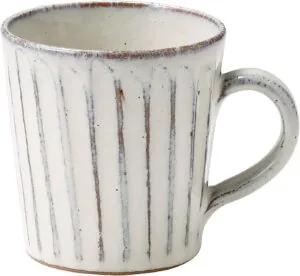 🍵 Shigaraki-yaki mug from the same kiln town
🍺 Bizen ware, another Six Ancient Kiln
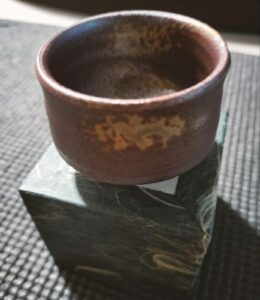 🍶 Tamba Tachikui, a Six Ancient Kiln sake cup
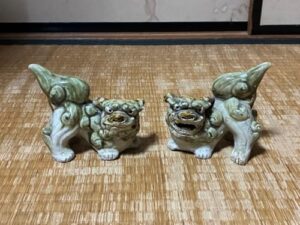 🦁 Tsuboya-yaki shisa, a ceramic guardian figure
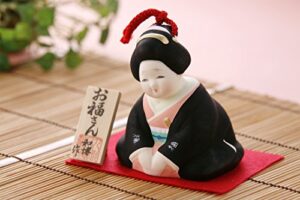 🎎 Hakata Ningyo clay figurine
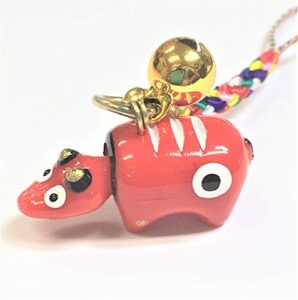 🐄 Aizu Akabeko, a lucky folk figure
🔴 Takasaki Daruma good-luck charm
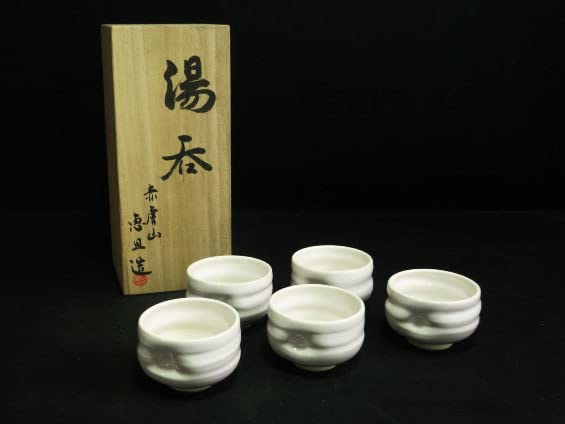 🍵 Akahada-yaki from neighboring Nara
Price snapshot across stores
Live pricing was unavailable in the fetched data at the time of writing; always confirm the current figure at the retailer. JPY (¥) is the authoritative price for the specific sourced item; USD figures are approximate estimates at a ¥150/USD baseline.
| Store | Item / Variant | Price (JPY + USD est.) | Notes |
|---|---|---|---|
| 🇺🇸 Amazon.com (US) | Browse Japanese ceramic tanuki & lucky figurines | varies (USD) | Best if you are shopping from the US — Prime shipping, USD pricing, no international customs. Amazon US carries assorted Japanese ceramic and lucky figures; the specific Shigaraki piece is sourced from Japan (next row). |
| 🇯🇵 Amazon JP Global Store | Shigaraki ware ceramic tanuki (ASIN B06WP3HLW6) | Price unconfirmed — check listing (USD est. at ¥150/USD) | Ships internationally from Japan. This is the sourced listing for the exact piece in this guide. |
| Maker direct | Shigaraki kiln / pottery studios | Varies | Individual Shigaraki kilns sell direct; international shipping varies by studio and is not guaranteed. |
| Proxy services (Buyee / Tenso) | Forwarding for JP-only listings | Item price + forwarding fee | Useful when a kiln or shop ships only within Japan; adds a service fee and a consolidation step. Ceramic needs careful packing. |
What it does well
“The tanuki’s belly is round because trouble is meant to roll off it — and its ledger and sake flask say the same thing in object form: be trusted, and be generous.”
Weaknesses and things to verify before buying
- Resin and concrete copies are everywhere. The shape is not protected; confirm the listing explicitly says ceramic / kiln-fired Shigaraki clay, not “resin,” “polystone,” or “cement.”
- Size is easy to misread online. Tanuki range from desktop palm-size to waist-high garden statues. Check the stated height in centimeters before ordering — photos rarely convey scale.
- Ceramic is fragile and heavy. A genuine fired piece can chip on impact and raises international shipping cost and damage risk. Confirm packaging and any breakage policy.
- Expression and glaze vary. If you have a specific “face” in mind, hand-made variation means the one you receive may differ from the catalog photo.
- Outdoor use is not universal. Some pieces are display okimono not meant for year-round weather; frost and rain can damage unglazed or low-fired ceramic.
- Price and stock were unconfirmed in our data. The fetched feed carried no live price; verify the current figure and availability at the listing before committing.
Conclusion — which buyer type are you?
Other ways to approach this purchase
Where this comes from

Shigaraki sits in a cool, misty upland basin in southern Shiga Prefecture, in the Kansai region. The surrounding hills hold beds of coarse, plastic, iron-rich clay — sediment from the ancient lakebed of nearby Lake Biwa — that fires to a warm scorched orange and tolerates the large, rough forms the kiln became known for. Good clay, abundant pine fuel for wood-firing, and a position within reach of Kyoto and Nara are exactly the conditions that let a pottery industry take root and stay.
The historical weight of the place is unusual for a kiln town. In 742, Emperor Shomu built the Shigaraki-no-miya palace here and briefly made it a capital before the court returned to Nara — an imperial layer that predates the famous tanuki by more than a thousand years. Pottery production in the Rokkoyo tradition runs continuously from the late Heian and Kamakura eras, first as storage jars, mortars, and tea-ceremony wares prized for their unforced, ash-glazed surfaces.
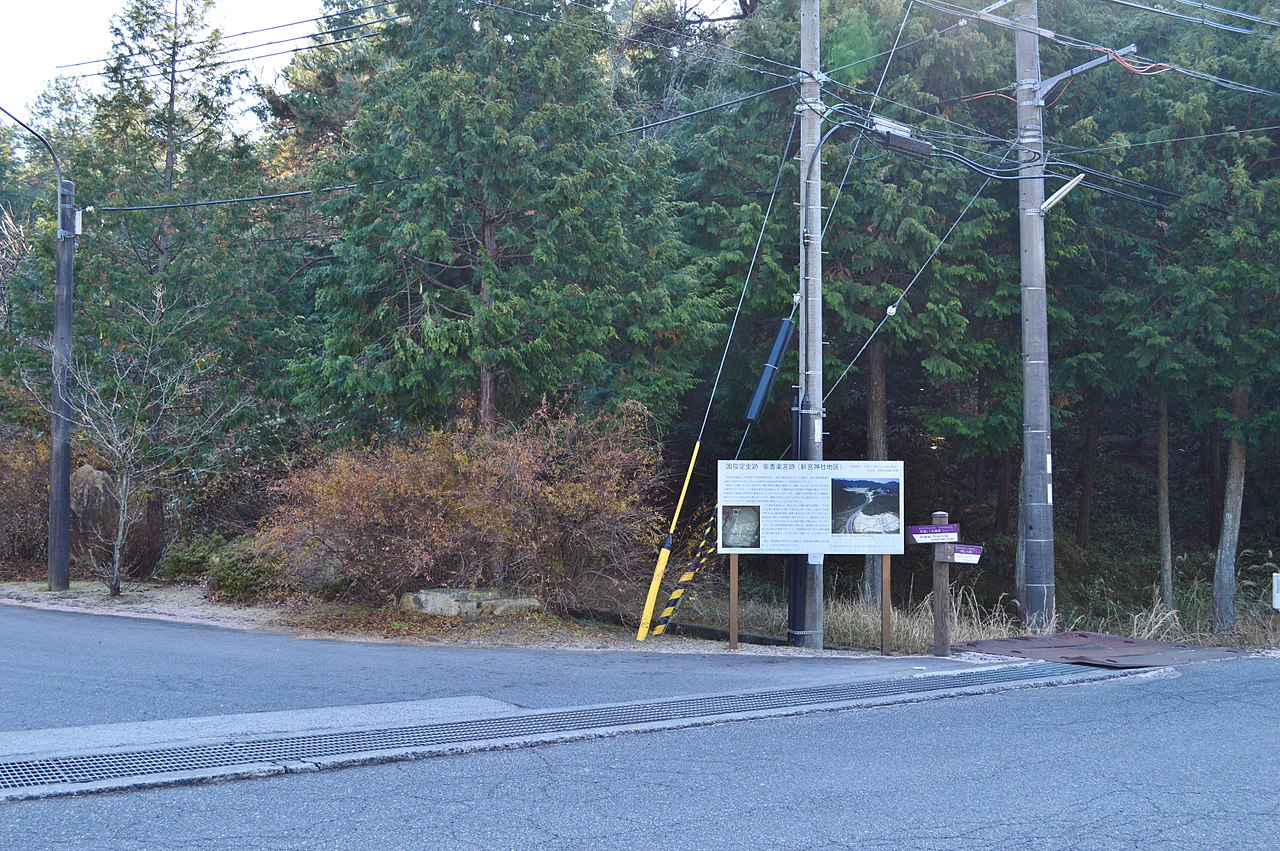
- 742 — Emperor Shomu builds the Shigaraki-no-miya palace; the capital is briefly seated here before returning to Nara.
- 12th–13th c. — Pottery fired continuously in the Rokkoyo tradition; storage jars and mortars from local clay.
- 16th c. — Shigaraki wares prized in the tea ceremony for their rough, ash-glazed, unforced surfaces.
- Early 20th c. — The roly-poly tanuki figure develops into a popular Shigaraki product.
- 1951 — An imperial visit popularizes the tanuki nationwide, cementing it as a Shigaraki icon.
- Late 20th c. — Shigaraki-yaki recognized among Japan’s traditional crafts; the kiln town becomes a ceramic-tourism destination.
- 2026 — Shigaraki kilns still produce tanuki and tableware; the figure remains a global shorthand for Japan.
The tanuki itself is comparatively modern. The pot-bellied figure developed into a popular Shigaraki product in the early 20th century, and a 1951 imperial visit is widely credited with turning it into a national icon. Folklore reads the creature as jovial and lucky, and the standard pose is loaded with the eight auspicious features (hassho-engi) — among them the straw hat that wards off trouble, the wide eyes that watch the surroundings, the big belly for calm decisiveness, the sake flask that stands for virtue, and the ledger book that stands for trust. That is why you see it most often at the entrance of a shop or restaurant: it is, in object form, a wish for an honest and prosperous business.
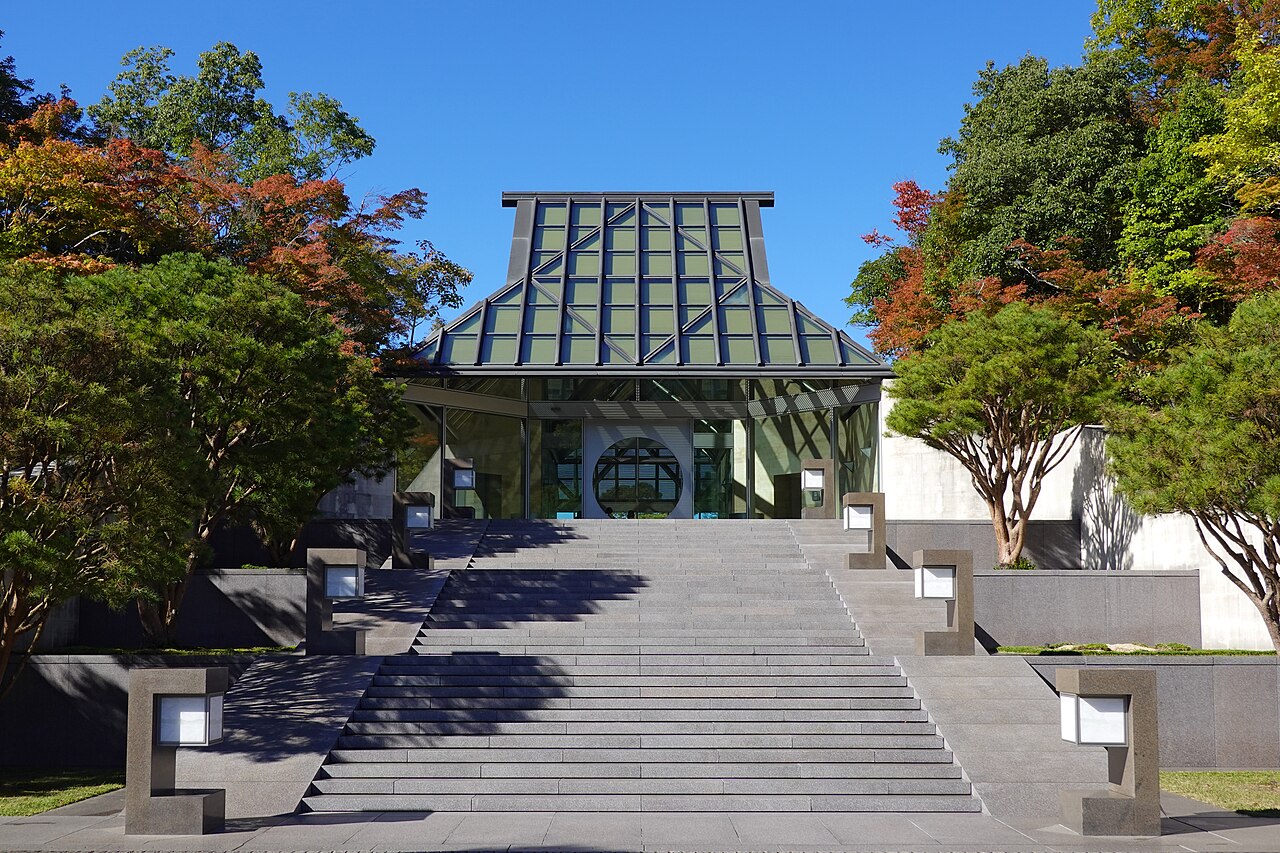
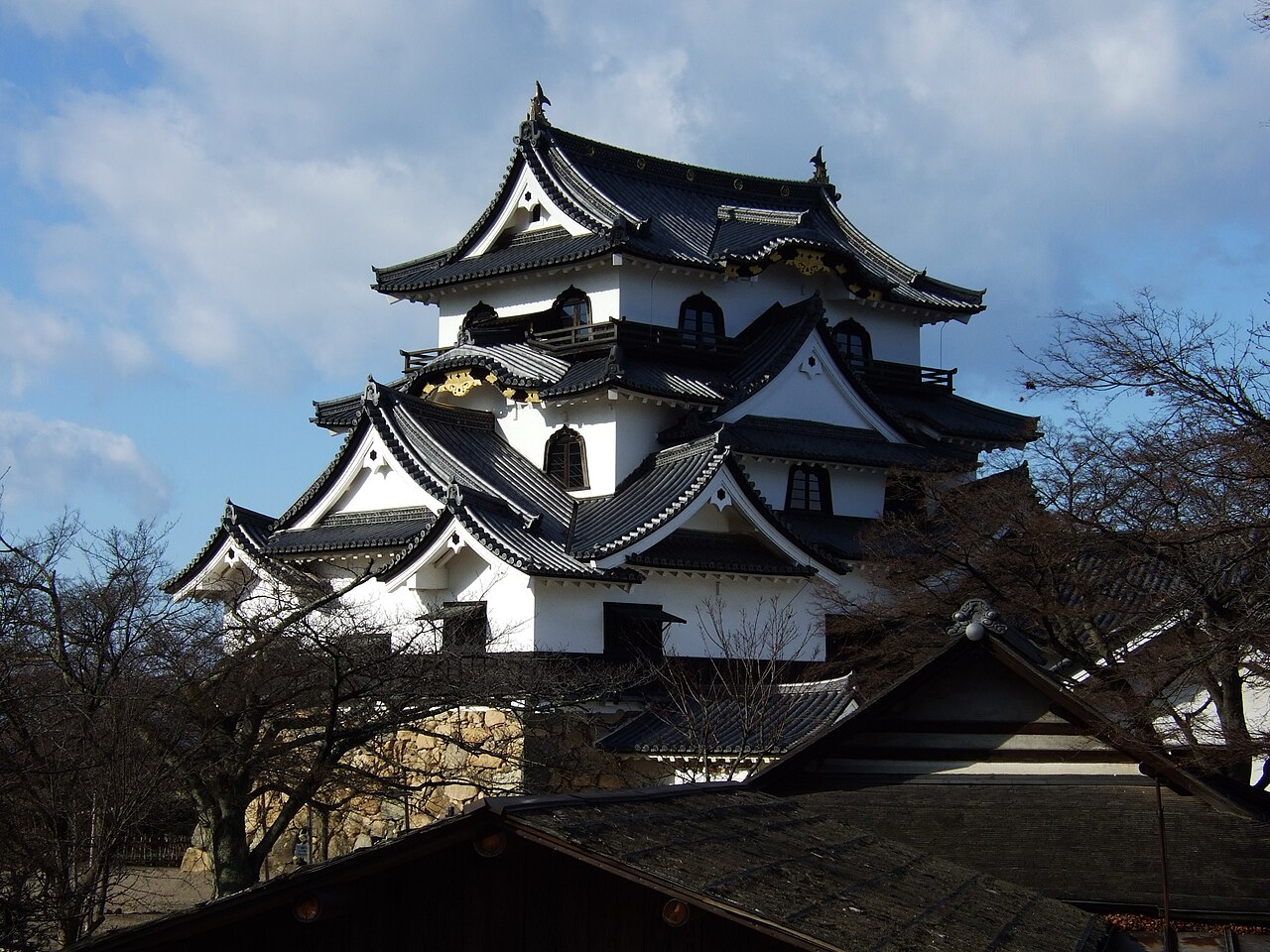
Shigaraki today is still a working kiln town. Studios and family kilns continue to throw, mold, and wood- or gas-fire tanuki alongside tableware and tea wares, and the streets are lined with rows of finished figures for sale. The wider province reinforces the sense of a long-inhabited cultural region: Hikone Castle’s original keep stands on Lake Biwa to the north, and the I.M. Pei-designed Miho Museum sits in the same Koka hills, pairing the area’s deep ceramic past with contemporary culture.
🏆 Editor’s Pick
❓ Frequently Asked Questions
How do I tell a real Shigaraki ceramic tanuki from a resin copy?
Check the material field on the listing. A genuine piece is kiln-fired ceramic from iron-rich Shiga clay and is noticeably heavy for its size, with a warm scorched-orange tone and hand-made variation. Resin, polystone, or cement copies are lighter, uniform, and usually cheaper, and will say so in the specs.
What do the tanuki’s sake bottle and ledger mean?
They are part of the eight auspicious features (hassho-engi). The sake flask stands for virtue and provision, and the account ledger stands for trust and good business dealings, which is why the figure is so common at shop and restaurant entrances.
Can I have one shipped outside Japan?
Yes. The Amazon JP Global Store ships many household items internationally, and the sourced listing for this piece (ASIN B06WP3HLW6) follows that path. For kiln-direct or JP-only shops, a proxy service such as Buyee or Tenso can forward the order. Because ceramic is fragile, confirm packaging.
Is the tanuki suitable for outdoor display?
Some are made as outdoor statues and some as indoor display okimono. Frost and rain can damage unglazed or low-fired ceramic, so check whether the specific piece is rated for outdoor use before leaving it exposed year-round.
How is Shigaraki-yaki related to the other Six Ancient Kilns?
Shigaraki is one of the Rokkoyo (六古窯), the six kilns that have fired continuously since medieval times, alongside Bizen, Tamba, Tokoname, Echizen, and Seto. Each has its own clay and character; Shigaraki is known for coarse, iron-rich clay and a warm orange surface.
Why does Shigaraki have an imperial connection?
In 742, Emperor Shomu built the Shigaraki-no-miya palace there and briefly made it a capital before the court returned to Nara. It is an unusual depth of history for a kiln town and predates the tanuki by more than a thousand years.
How much does it cost?
Live pricing was unavailable in our data at the time of writing, so we do not quote a figure here. JPY is the authoritative price for the sourced item; any USD figure is an estimate at a ¥150/USD baseline. Confirm the current price at the listing before purchasing.
jpmono.com is curated by a Japan-based editorial team (working out of Toyama in the Hokuriku region and Nara in Kansai) and is independent. We do not take payment from the makers we feature; income comes from affiliate links. Read more about our editorial standards.
🤖 This article was prepared with AI assistance and reviewed against the source listing and craft references before publication. Specs, prices, and availability should be confirmed at the retailer.
Affiliate disclosure: jpmono.com may earn a commission on qualifying purchases made through links on this page, at no additional cost to you.