![Hizen Vidro Mouth-Blown Glass Bud Vase: Saga Nabeshima Craft [2026]](https://jpmono.com/wp-content/uploads/2026/05/japan-map-regions-and-prefectures-800x1050.png)
Hizen Vidro (肥前びーどろ, “Hizen glass”) is mouth-blown glassware from Saga, on the island of Kyūshū. Its history is unusual: it did not begin in a craft studio but inside a 19th-century scientific institute. The Saga (Nabeshima) domain’s Seirenkata (精煉方) research arm — set up by the reformist lord Nabeshima Naomasa around 1852 — built reverberatory furnaces and steam engines, and along the way blew glass (biidoro / gyaman) for laboratory vessels. The decorative craft we now call Hizen Vidro grew out of that laboratory glasswork.
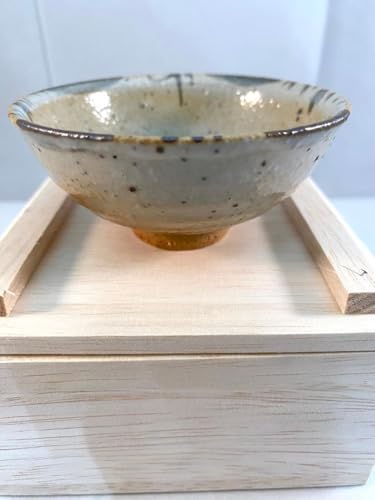
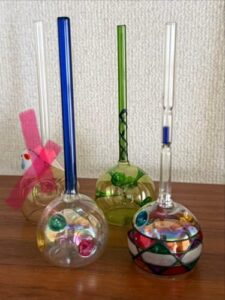
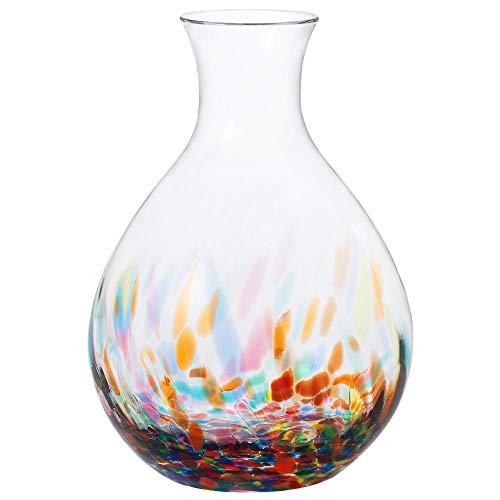
The piece this guide covers is a single-flower bud vase (ichirinzashi, 一輪挿し) by Soejima Glass (副島硝子工業), the principal maker carrying the tradition forward in Saga City. It is shaped by “Jappan-buki” (ジャッパン吹き) — a mold-less technique in which two craftsmen work two blowpipes together, producing thin walls, soft unevenness, and warm amber-to-clear tones. No mold means no two vases are identical.
This article is written for international readers deciding whether a hand-blown Japanese bud vase is worth importing. We cover what the object is, where it comes from, who it suits, who should skip it, how to buy one from outside Japan, and how it compares to other Japanese glass traditions. Hand-blown bud vases from the Hizen Vidro line in Saga carry the Nabeshima legacy of mouth-blown Japanese glass, and each piece varies a little in shape and color.
🔄 Updated:
⏱️ ~10 min read
- Who this is for — and who should skip it
- Product overview (from published specs)
- Where this comes from — place, era, and the craft tradition
- Buying options across stores
- What it does well
- Weaknesses and things to verify before buying
- Conclusion — which buyer type are you?
- Other ways to approach this purchase
- ❓ Frequently Asked Questions
Who this is for — and who should skip it
- Want a small, low-commitment piece of hand-blown Japanese glass with real provenance
- Display a single stem or a sprig rather than full arrangements (ikebana minimalism)
- Appreciate gentle irregularity and warm tone over machine-perfect clarity
- Are buying a gift that carries a documented regional story (Saga / Nabeshima)
- Are comfortable checking product details before ordering
- Need flawless, uniform, optically clear glass (this is hand-blown, not pressed)
- Want a large vase for big bouquets — a bud vase holds one or a few stems
- Are price-sensitive and unwilling to absorb international shipping or customs
- Require exact dimensions or capacity before buying (hand work varies piece to piece)
- Want dishwasher-proof, knock-around everyday glass rather than a careful-handling object
Product overview (from published specs)
Soejima Glass’s Hizen Vidro line includes mouth-blown single-flower vases. The table summarizes the maker and technique; dimensions and other specifications can vary by piece and should be treated as item-specific.
| Attribute | Detail | Source |
|---|---|---|
| Object | Single-flower bud vase (ichirinzashi, 一輪挿し) | Maker information |
| Craft line | Hizen Vidro (肥前びーどろ) | Maker |
| Maker | Soejima Glass (副島硝子工業), Saga City | Maker |
| Technique | Mold-less “Jappan-buki” (two blowpipes, two craftsmen) | Maker |
| Material | Hand-blown glass (amber / clear tones) | Product information |
| Form | Rounded, organic, slightly uneven wall | Product image |
| Dimensions / capacity | Unconfirmed — varies piece to piece | — |
| Price | — | — |
Mouth-blown glass may show small variations in shape, thickness, and dimensions. Confirm the details of an individual piece with the maker or seller before purchase.
📖 Glossary — key terms
Hizen Vidro (肥前びーどろ) — “Hizen glass.” Hizen is the old province covering present-day Saga and Nagasaki; “vidro / biidoro” comes from the Portuguese vidro (“glass”), a loanword from the 16th-century trade era.
Jappan-buki (ジャッパン吹き) — a mold-less blowing technique using two blowpipes worked by two craftsmen together. Without a mold, wall thickness and form carry slight, intentional variation.
Biidoro / gyaman — historical Japanese words for blown glass (biidoro from Portuguese, gyaman from Dutch diamant), dating to the early-modern trade period.
Seirenkata (精煉方) — the Saga domain’s scientific research institute (founded around 1852), which built reverberatory furnaces and steam engines and produced laboratory glass — the technical root of Hizen Vidro.
Ichirinzashi (一輪挿し) — a “single-stem holder,” a small vase meant to display one flower or a single sprig, central to minimalist Japanese flower arrangement.
Nabeshima domain — the Saga feudal domain ruled by the Nabeshima clan; its reformist lord Naomasa drove Bakumatsu-era industrialization.
Where this comes from — place, era, and the craft tradition

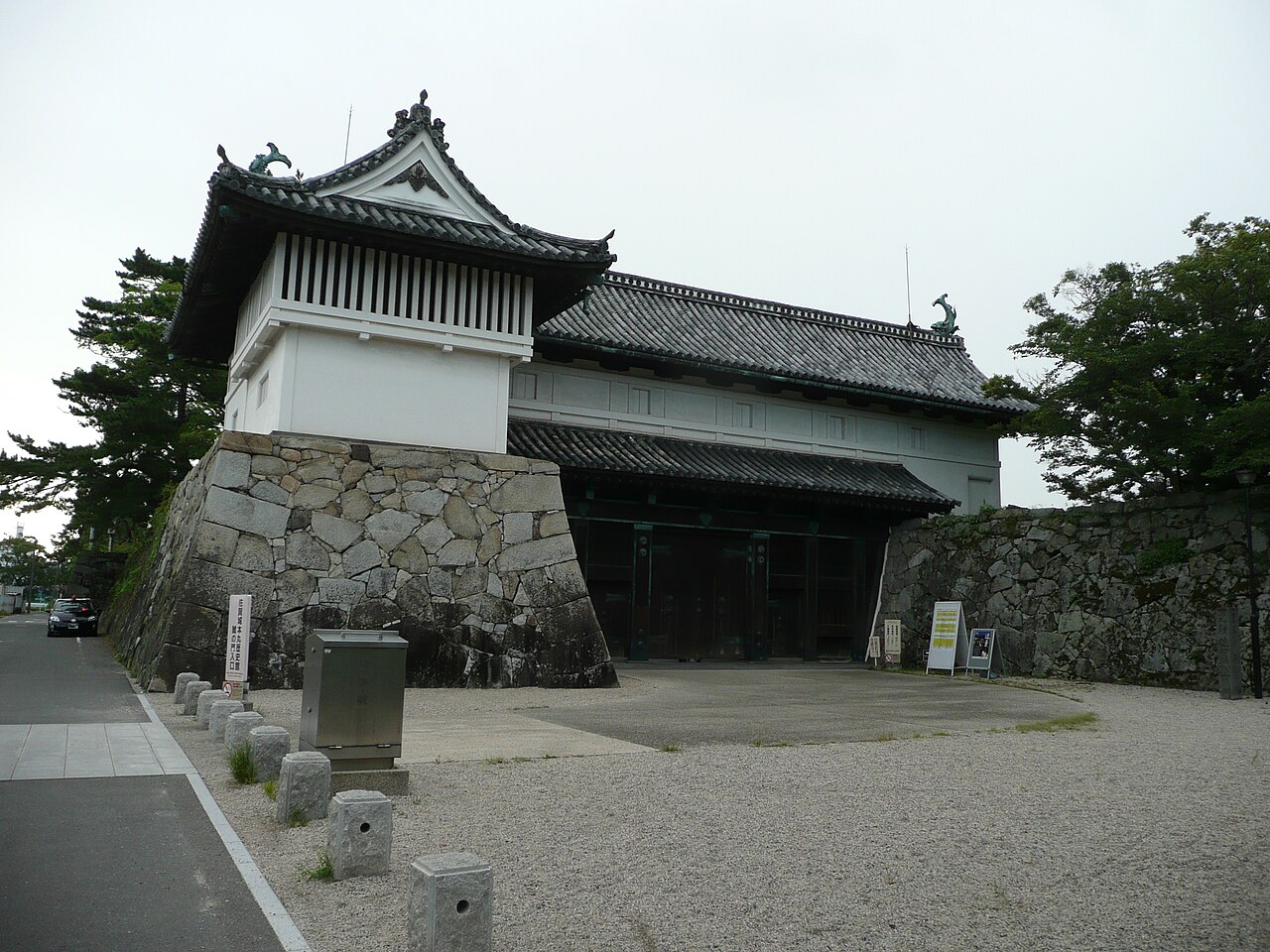
Saga is a prefecture in northwest Kyūshū, the southwesternmost of Japan’s four main islands. It faces the Genkai Sea to the north and the shallow, tidal Ariake Sea to the south, and it neighbors Fukuoka to the east and Nagasaki to the west. This was the old province of Hizen — which is exactly why the glass carries that name. The region is better known internationally for porcelain: Arita and Imari, both in Saga, were Japan’s first porcelain centers. Glass is the quieter sibling of that same ceramic-and-furnace heritage.
The decisive figure is Nabeshima Naomasa (鍋島直正), the modernizing lord of the Saga domain in the closing decades of the samurai era. Where many domains were cautious about Western technology, Naomasa funded it directly. Around 1852 he established the Seirenkata, a domain research institute tasked with applied science — metallurgy, furnaces, ordnance, steam power. To build the apparatus for that work, the institute also had to make glass: lab vessels, tubing, and biidoro for instruments. Hizen Vidro descends from that practical, experimental glasswork rather than from a purely decorative studio lineage.
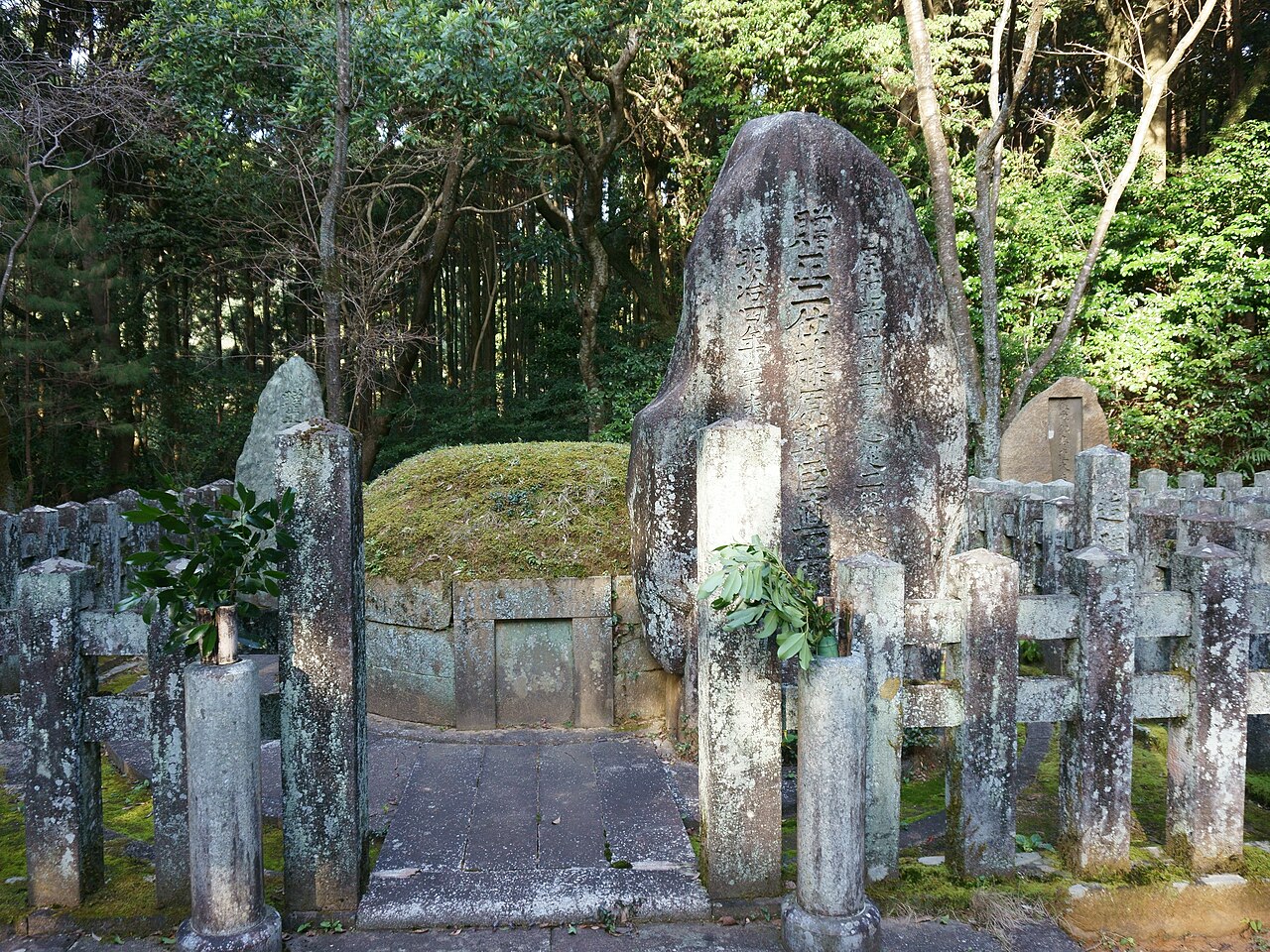
That industrial drive left a wider mark on the landscape. The same Bakumatsu-era push produced the Mietsu shipbuilding and dock works on the Saga coast, later inscribed as part of the “Sites of Japan’s Meiji Industrial Revolution” on the UNESCO World Heritage list. Reverberatory furnaces, steam engines, and glass instruments belonged to one connected program of modernization — Hizen Vidro is, in a real sense, a softer surviving product of an arms-and-engineering institute.
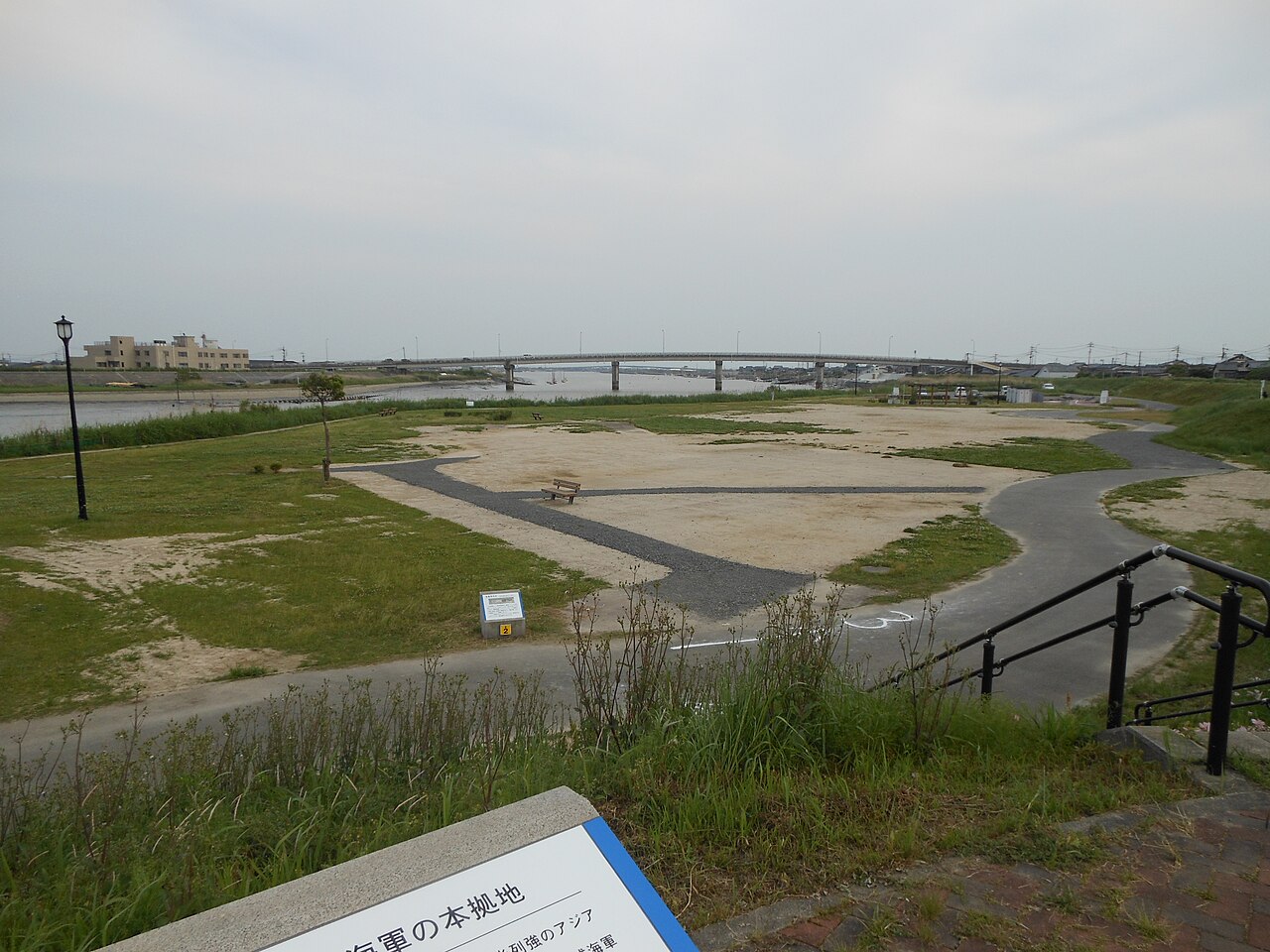
- c. 1852 — Nabeshima Naomasa establishes the Seirenkata (精煉方), the Saga domain’s scientific research institute.
- 1850s — Reverberatory furnaces and steam engines are built; the institute also blows glass (biidoro / gyaman) for laboratory vessels.
- late 1850s–60s — The Mietsu shipbuilding / dock works develop under the same domain industrialization drive.
- Meiji period (1868–1912) — Soejima Genichiro carries the glasswork into commercial production; Soejima Glass (副島硝子工業) is founded in Saga City.
- 2015 — The Mietsu site is inscribed as part of “Sites of Japan’s Meiji Industrial Revolution” on the UNESCO World Heritage list.
- 2026 — Soejima Glass remains the principal maker, hand-blowing each piece with the mold-less “Jappan-buki” two-pipe technique.
After the domain era ended, the craft did not. Soejima Genichiro carried the glasswork into commercial life, and the firm he founded — Soejima Glass — remains the principal maker of Hizen Vidro in Saga City today. Its defining method is Jappan-buki: no mold, two blowpipes, two craftsmen coordinating breath and timing. The result is thin-walled, faintly uneven, and quietly luminous, which is precisely the point — the small irregularities are evidence of the hand, not defects.
“Jappan-buki uses no mold. Two craftsmen, two blowpipes, and shared breath shape each vase — so no two pieces leave the workshop identical.”
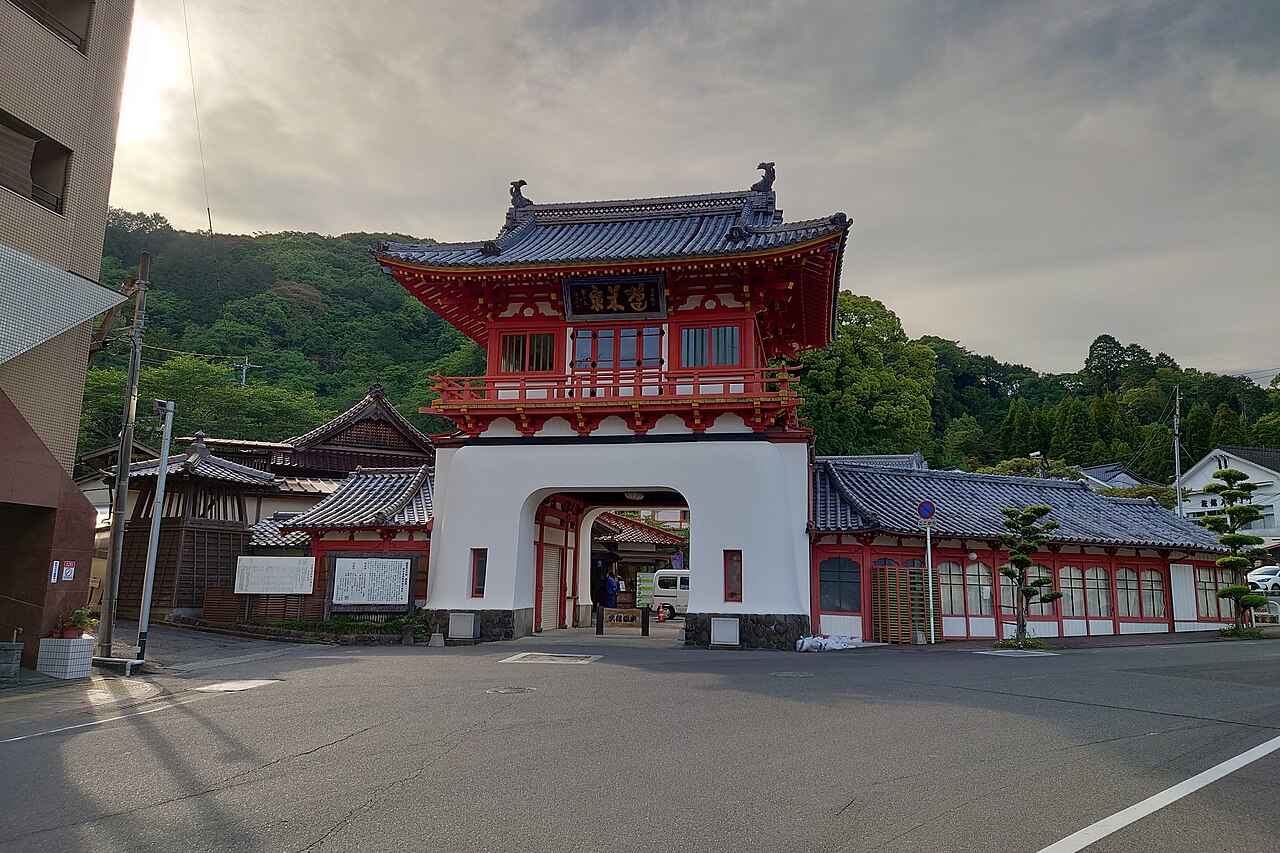
Saga today is a quietly craft-dense corner of Kyūshū: porcelain at Arita and Imari, hot-spring towns like Takeo and Ureshino, and the glass tradition at its center. A Hizen Vidro bud vase fits this setting naturally — a single seasonal stem, set in warm-toned hand-blown glass, in a region that has been firing, casting, and blowing materials for well over a century and a half.
Buying options across stores
Pricing for hand-blown Hizen Vidro vases varies with size, color, and the maker’s line. USD figures shown elsewhere in this guide are approximate at a ¥150/USD baseline; confirm the current JPY price directly with the maker or with the retail sources mentioned in this guide.
| Store | Item / Variant | Price (JPY first, USD est.) | Notes |
|---|---|---|---|
| 🇺🇸 Amazon US (search) | Browse Japanese hand-blown glass vases | varies (USD) | Best if you are shopping from the US — Prime shipping, USD pricing, no international customs. Amazon US carries hand-blown Japanese glass from various makers for comparison; Soejima’s exact Hizen Vidro piece is sourced from Japan (next row). |
| 🇯🇵 Amazon JP Global Store | Soejima Glass Hizen Vidro bud vase | — | Ships internationally from Japan to most major destinations; international shipping may vary by destination. |
| Maker direct (Soejima Glass) | Full Hizen Vidro range | Unconfirmed — check maker site | Widest selection, but the maker’s own site may not ship abroad directly; pair with a proxy if needed. |
| Proxy services (Buyee / Tenso) | Domestic Japanese option | Item price + service fee + forwarding | Use when an item is Japan-only. Adds a handling fee and a second shipping leg; consolidate orders to offset it. |
What it does well
Weaknesses and things to verify before buying
- Hand-blown variation. Each piece is hand-blown, so the form may differ slightly.
- Irregularity is intrinsic. Faint waviness, small bubbles, and tone variation are characteristic of the technique. Buyers who expect optically flawless glass should look at machine-pressed alternatives instead.
- It is a bud vase, not a general vase. It holds one or a few stems — unsuitable for large bouquets or heavy arrangements.
- Hand-wash, careful handling. Thin hand-blown glass is best hand-washed; assume it is not dishwasher- or impact-tolerant unless the maker states otherwise.
- International shipping and customs add cost. Factor in $15–$40 forwarding from Japan plus any local import duties above your country’s threshold.
Conclusion — which buyer type are you?
Other ways to approach this purchase
❓ Frequently Asked Questions
What is “Jappan-buki,” and why does it matter?
Does Amazon JP ship this bud vase internationally?
How much does it cost?
Are the bubbles and uneven walls defects?
How should I care for it?
How is Hizen Vidro different from Tsugaru or Otaru glass?
Is it a good gift?
jpmono.com is curated by a Japan-based editorial team (working out of Toyama in the Hokuriku region and Nara in Kansai) and is independent. We do not take payment from the makers we feature; income comes from affiliate links. We do not physically test every product — we read maker specifications and historical craft sources.
This article was prepared with AI assistance and reviewed against maker and historical source notes. Specifications, pricing, and availability can vary between pieces and sellers.
Affiliate disclosure: jpmono.com may earn a commission on qualifying purchases made through links on this page, at no additional cost to you.