![Echizen-yaki Yakishime Tokkuri Sake Flask: Six Ancient Kilns Stoneware Guide [2026]](https://jpmono.com/wp-content/uploads/2026/06/echizen-yaki-yakishime-tokkuri-sake-flask-where-to-buy-2026-featured.jpg)
Echizen-yaki (越前焼, “Echizen ware”) is one of Japan’s Six Ancient Kilns — the small handful of ceramic centers that have fired more or less continuously since before the medieval period. This particular piece is a tokkuri (徳利), the bottle-shaped flask used to warm and pour sake, made in the yakishime (焼締め) tradition: unglazed stoneware fired at high temperature until the clay vitrifies on its own. There is no applied glaze layer in the conventional sense. The color and surface come from the fire.
What makes Echizen-yaki distinctive among the six kilns is the clay itself. The deposits around present-day Echizen Town in Fukui Prefecture are rich in iron, firing to a reddish-brown body, and during the long firing, falling wood ash settles on the shoulders of the pot and melts into a shizen-yu (自然釉, “natural ash glaze”) that runs from olive-green to russet. No two pieces emerge identical, because no two pieces sit in exactly the same position in the kiln.
This guide is written for an international reader deciding whether an unglazed Six-Ancient-Kilns sake flask belongs on the table — what it is, where it comes from, how it compares to glazed and lacquered alternatives, and the realistic paths to buying one from outside Japan. A note up front: only a limited Amazon JP listing snapshot was available for this specific item at the time of writing, so live pricing and stock may have shifted. We say so wherever it matters rather than inventing numbers.
🔄 Updated:
⏱️ Read time: ~10 min

- Who this is for — and who should skip it
- Product overview (from published specs)
- Where this comes from — place, era, and the craft tradition
- 📦 Shipping & where to buy from outside Japan
- Price snapshot across stores
- What it does well
- Weaknesses and things to verify before buying
- Conclusion — which buyer type are you?
- Other ways to approach this purchase
- 🏆 Editor’s Pick
- ❓ Frequently Asked Questions
Who this is for — and who should skip it
- Want a sake vessel with a genuine Six-Ancient-Kilns lineage, not a decorative reproduction
- Prefer the earthy, matte character of unglazed yakishime over glossy porcelain
- Like that each piece is one-of-a-kind because of how ash falls in the kiln
- Enjoy warming sake (atsukan) and want a flask that holds heat in a heavy clay body
- Are building a table around Japanese regional ceramics and want Fukui represented
- Want a perfectly uniform, matched set — natural ash glaze varies piece to piece
- Expect a bright, decorated, hand-painted surface (try porcelain instead)
- Need dishwasher-and-microwave convenience without any care routine
- Want a guaranteed price and instant domestic shipping (this is sourced from Japan)
- Drink sake only chilled from a glass and would not use a warming flask
Product overview (from published specs)
Based on the available listing, this is an Echizen-yaki tokkuri in the unglazed yakishime style. Detailed published specifications were thin at the time of writing — only a limited Amazon JP Global Store snapshot was available, with no confirmed live price. Where a value was not stated in the source data, the table says so rather than guessing.
Echizen-yaki Yakishime Tokkuri Sake Flask
越前焼 徳利 とっくり
通常9~10日以内に発送します。 · Sold by 山義市場 · ASIN B0GQZSQM6Z
Price and availability as of 2026-09-01 05:22 JST. The Amazon listing at the time of purchase is authoritative. jpmono.com earns a commission on qualifying purchases at no extra cost to you.
| Attribute | Detail (per listing) |
|---|---|
| Craft | Echizen-yaki (Echizen ware), one of Japan’s Six Ancient Kilns |
| Item type | Tokkuri (sake flask) |
| Technique | Yakishime (unglazed high-fired stoneware); natural ash glaze (shizen-yu) |
| Body / clay | Iron-rich reddish Fukui clay, fired to a stoneware body |
| Surface color | Olive-green to russet, varying by kiln position — no two identical |
| Origin | Echizen Town, Fukui Prefecture, Chūbu region, Japan |
| Capacity / dimensions | Unconfirmed — check the listing |
| Designation | Traditional Craft (METI), designated 1986 |
| Reference ASIN | B0GQZSQM6Z (Amazon JP Global Store) |
Spec sources: Amazon US search (primary, moonill-20) for comparable Japanese stoneware, Amazon JP Global Store (secondary, moonill-22, sourced listing), and the maker/craft-association background. Where a figure was not in the source data it is marked “Unconfirmed.”
📖 Glossary — key terms
- Echizen-yaki (越前焼) — Pottery made around Echizen Town, Fukui; one of the Six Ancient Kilns.
- Yakishime (焼締め) — Unglazed stoneware fired at high temperature until the clay itself vitrifies and hardens.
- Shizen-yu (自然釉) — “Natural glaze.” Wood ash that lands on the pot during firing and melts into a glassy coating, with no glaze applied by hand.
- Tokkuri (徳利) — A narrow-necked flask for serving sake, often warmed in hot water.
- Tsubo (壺) — A large storage jar; medieval Echizen’s signature product.
- Suribachi (すり鉢) — A ridged grinding bowl, another historic Echizen staple.
- Rokuyo / Rokkoyō (六古窯) — The “Six Ancient Kilns”: Seto, Tokoname, Shigaraki, Tamba, Bizen, and Echizen.
- Kitamaebune (北前船) — Edo-era cargo ships that ran the Sea of Japan trade route, carrying Echizen jars far north to Tōhoku.
- Atsukan (熱燗) — Sake served warm, typically heated in a tokkuri set in hot water.
Related guides on jpmono.com — fellow ancient kilns, the same Fukui craft district, and other ways to serve sake.
 🔪 Echizen blade from the same Fukui craft district
🍺 Bizen, a fellow Six Ancient Kiln
 🍶 Tamba, another of the six ancient kilns
 ☕ Shigaraki, ancient kiln stoneware
 🎨 A lacquer take on sake serving
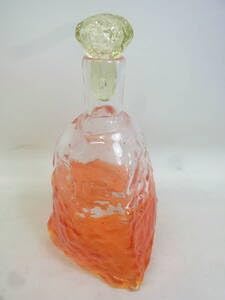 🪟 Ryukyu glass sake server
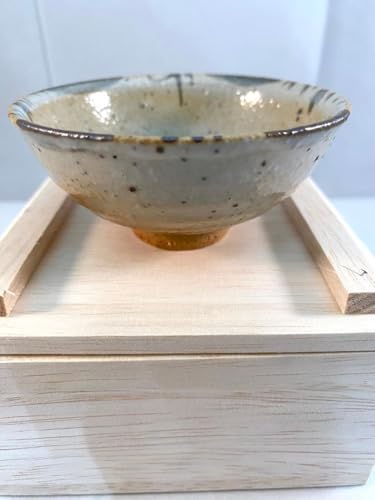 🍵 Pair with a Karatsu guinomi cup
🏵️ Hokuriku lacquer sake cups
Where this comes from — place, era, and the craft tradition

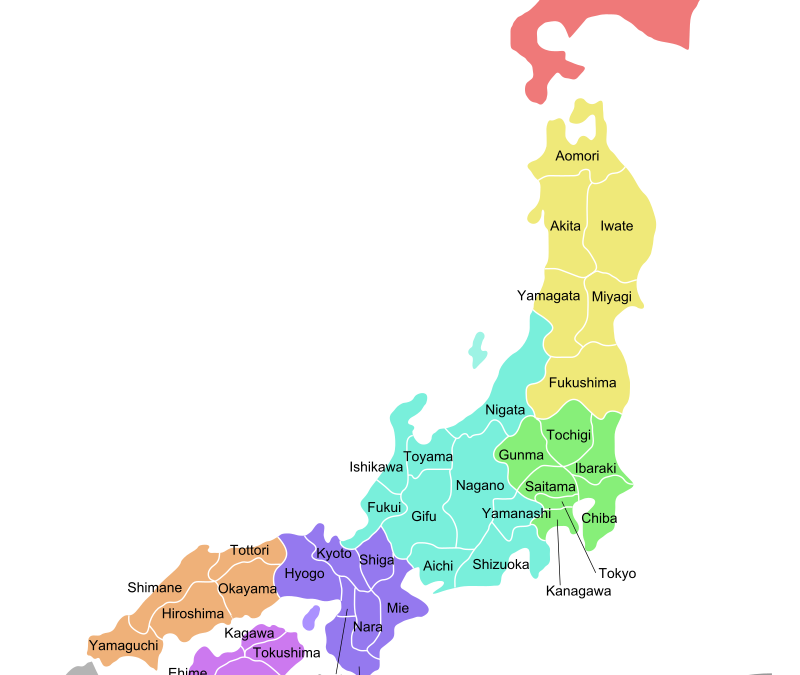
Echizen Town sits in the southern part of Fukui Prefecture, facing the Sea of Japan. This is the Hokuriku stretch of the Chūbu region — heavy-snow country in winter, with a long coastline that historically mattered more than any road. The kilns took root inland of that coast for practical reasons: good iron-bearing clay in the hills, fuel from surrounding forests, and, crucially, a working harbor within reach so that heavy fired goods could move by sea rather than overland.
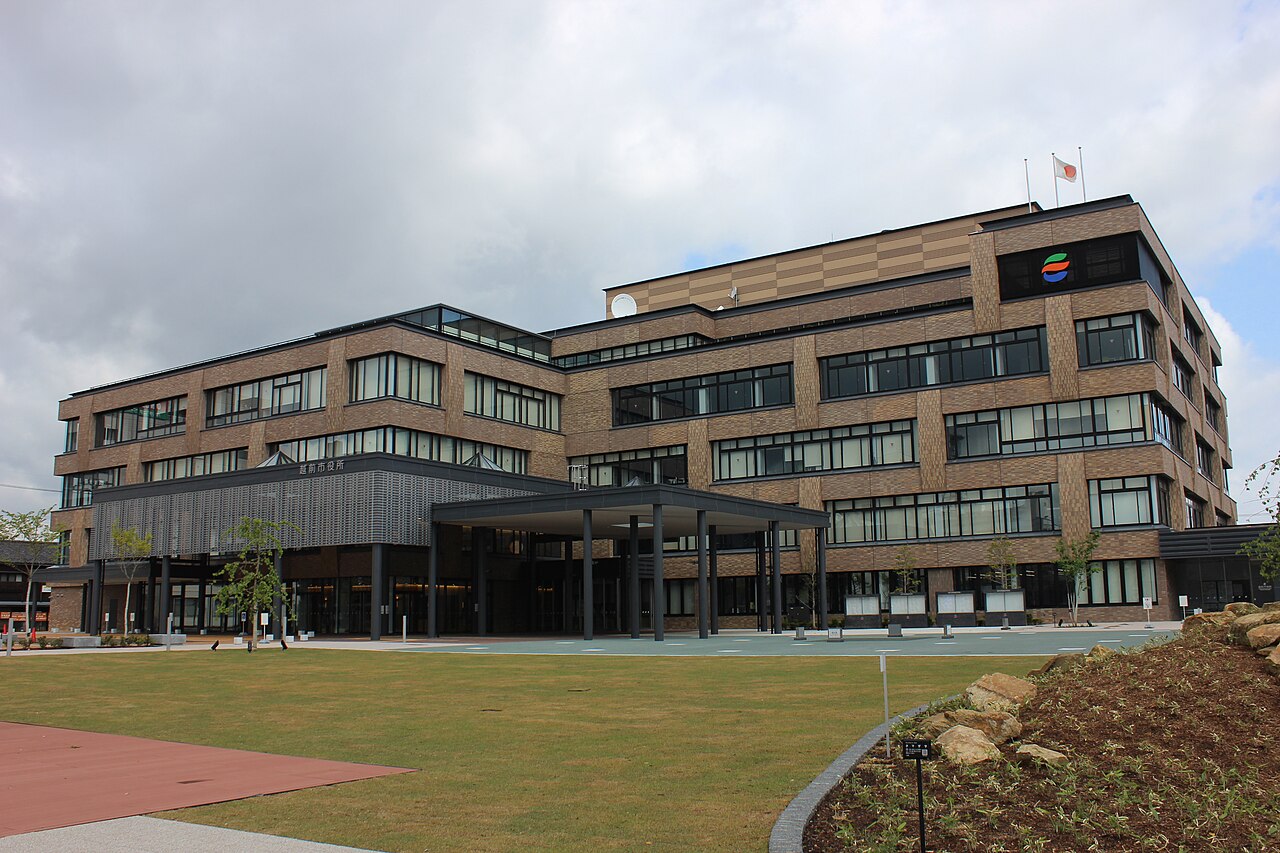
The kiln’s history reaches back to the late Heian period, in the twelfth century. From the start, Echizen specialized not in delicate tableware but in big, tough, useful vessels: large storage jars (tsubo), grinding bowls (suribachi), and water jars. These were fired unglazed and hard, exactly the qualities you want in a vessel meant to hold water, grain, or fermenting foods for years.
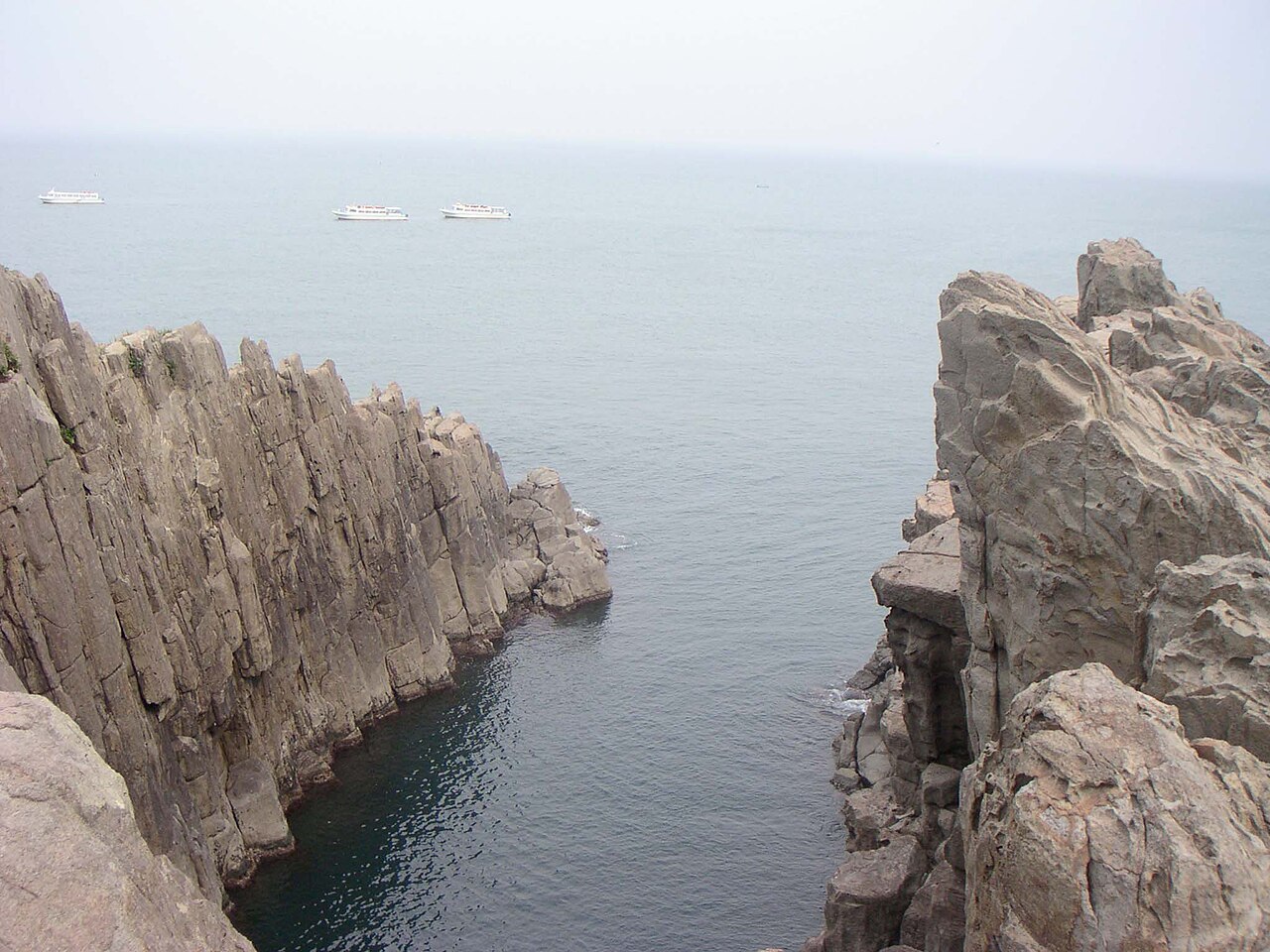
That utilitarian strength is what made Echizen a regional power. Its jars traveled. Loaded onto kitamaebune trade ships, they moved up and down the Sea of Japan coast — north as far as Tōhoku — until “Echizen tsubo” became a recognized name across the country’s northern half. The same coastline that shipped those jars is the dramatic basalt shore tourists now visit at Tōjinbō.
- Late 12th c. — Echizen kilns begin firing unglazed stoneware in the late Heian period.
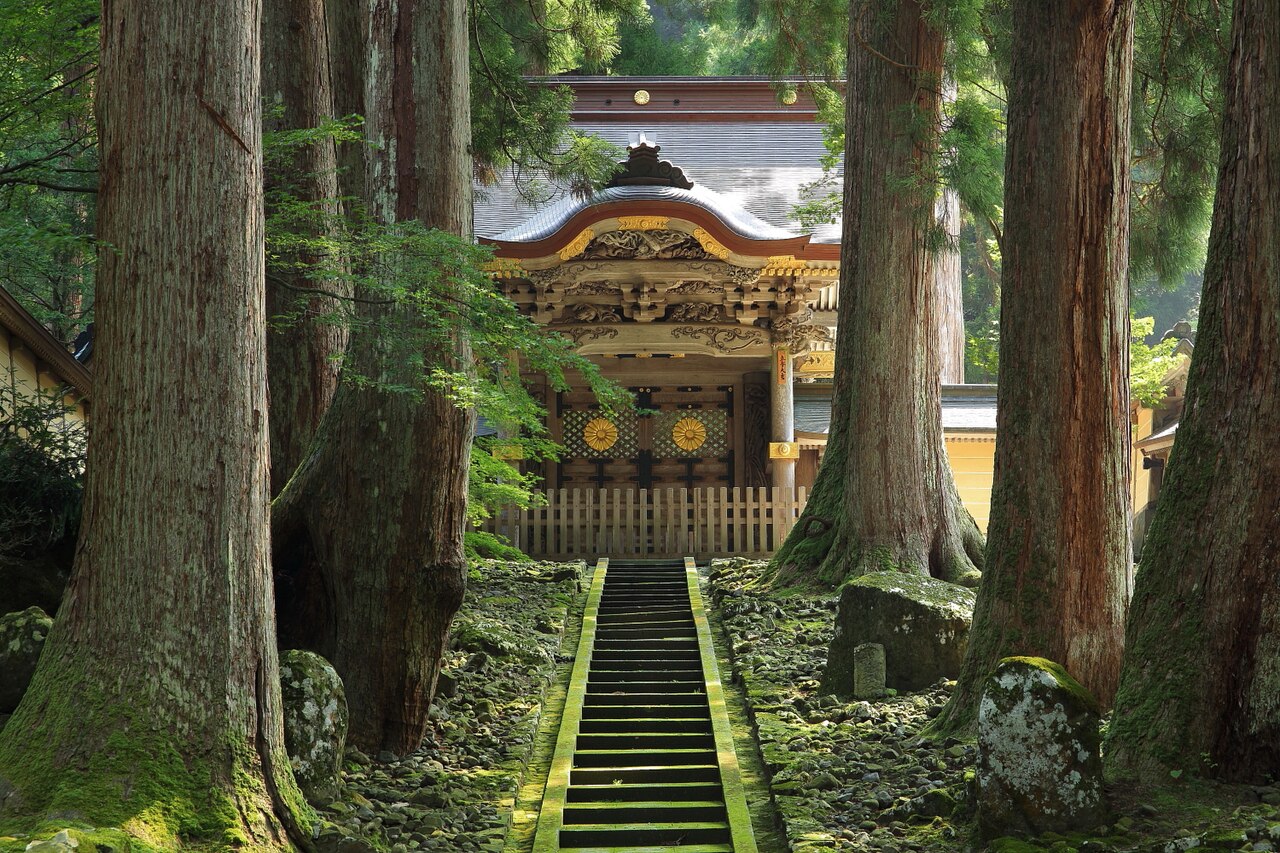
- 1244 — Dōgen founds Eihei-ji, the great Sōtō Zen temple, in the Fukui highlands nearby.
- Medieval era — Large jars and grinding bowls shipped by kitamaebune up the Sea of Japan to Tōhoku; “Echizen tsubo” becomes a national name.
- Mid-20th c. — The kiln is reappraised through the work of Mizuno Kyūemon and named one of the Six Ancient Kilns by scholar Koyama Fujio.
- 1986 — Echizen-yaki is designated a Traditional Craft by Japan’s METI.
- Today — The Echizen Togei-mura pottery village anchors active kilns and a ceramics museum; firing continues.
For centuries Echizen was simply known as one of many regional kilns. Its modern reputation owes a great deal to the twentieth-century reappraisal of Japan’s medieval ceramics. The collector and potter Mizuno Kyūemon helped draw attention to the old Echizen wares, and the scholar Koyama Fujio formally grouped six surviving medieval kilns under one name — the Rokuyō, or Six Ancient Kilns: Seto, Tokoname, Shigaraki, Tamba, Bizen, and Echizen. That framing is why a Fukui sake flask now sits in the same conceptual family as Bizen and Shigaraki ware.
“The color was never painted on. It is the record of where the pot stood in the fire — the iron in the clay and the ash that happened to land there.”
Today the craft is centered on the Echizen Togei-mura (“pottery village”), where working kilns and a ceramics museum cluster around the historic firing district. The unglazed yakishime approach the medieval potters used for storage jars is the same approach behind this tokkuri: high heat, no applied glaze, and a surface left to the iron-rich clay and the falling ash. METI’s 1986 Traditional Craft designation formalized what the kiln had been doing for some 850 years.
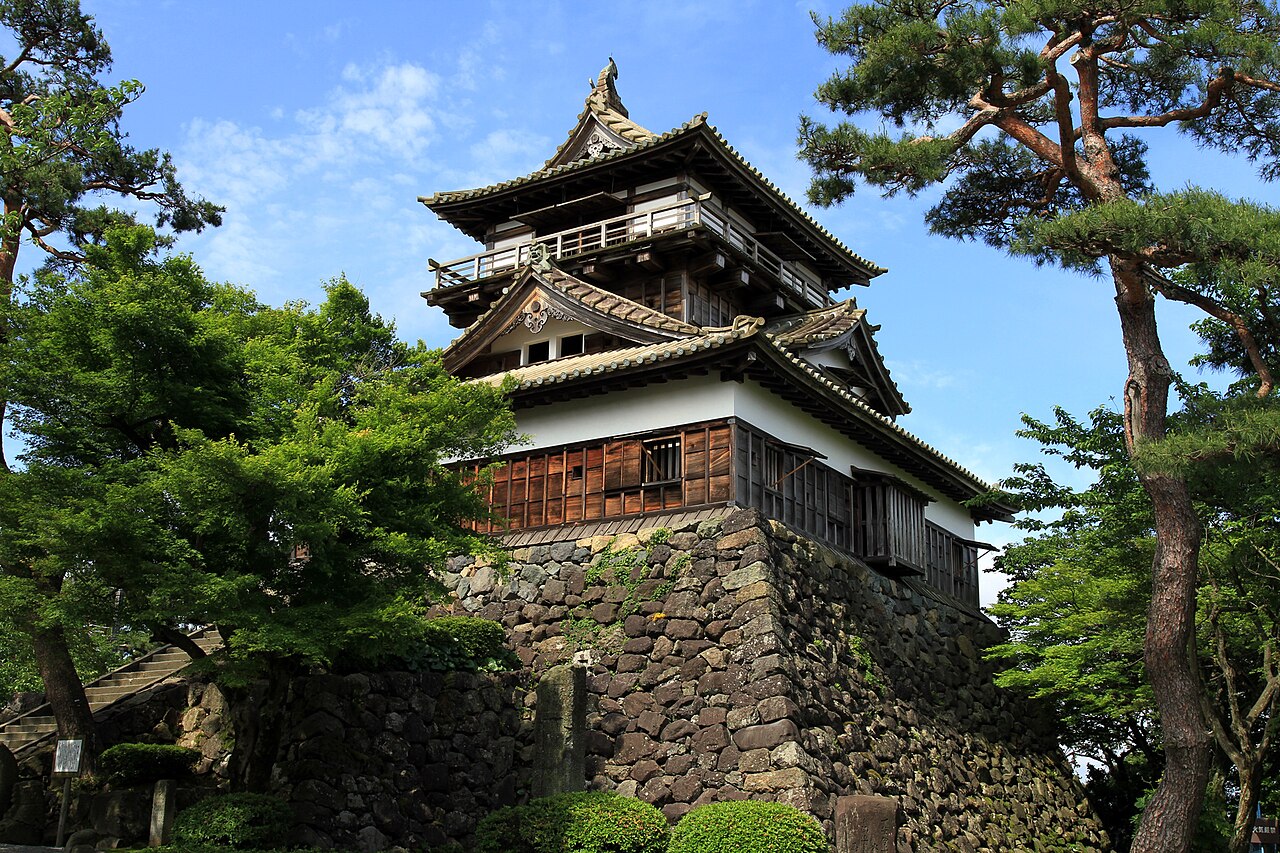
That long arc is easy to forget when you are holding a single small flask. But the surrounding landscape keeps the dates honest — Eihei-ji was already a functioning Zen monastery when Echizen jars were riding the trade winds north, and feudal landmarks like Maruoka Castle still stand within the same prefecture.
📦 Shipping & where to buy from outside Japan
This specific tokkuri is sourced from the Amazon JP Global Store, which ships many household goods internationally to most major destinations. Stoneware is heavy and fragile, so shipping is a real line item: expect roughly $15–$40 to the US or EU for a single flask, and more to other regions. Orders above your country’s import threshold may also incur customs duties — that is on the buyer, not the seller.
Easiest path if you are in the US — Prime shipping and USD pricing on comparable Japanese stoneware sake sets while you compare options.
Where this exact Echizen-yaki piece is sourced; ships from Japan to most major destinations.
If a listing will not ship to your country directly, a forwarding service can consolidate and re-ship — adds a fee but widens reach.
Prices in USD throughout are approximate and depend on the current exchange rate (¥150/USD baseline as of mid-2026). Always verify the live price and shipping quote at checkout.
Price snapshot across stores
| Store | Item / Variant | Price (JPY + USD est.) | Notes |
|---|---|---|---|
| 🇺🇸 Amazon.com (US) | Browse Japanese stoneware sake sets | varies (USD) | Best if you are shopping from the US — Prime shipping, USD pricing, no international customs. Amazon US carries comparable Japanese sake flasks and tokkuri sets for comparing style and price tiers; this exact Echizen-yaki piece is sourced from Japan (next row). |
| 🇯🇵 Amazon JP Global Store | Echizen-yaki yakishime tokkuri (ASIN B0GQZSQM6Z) | Price unconfirmed at time of writing — check listing | The sourced listing for the specific item. Ships internationally from Japan. Only a limited snapshot was available, so confirm live price and stock. |
| Maker direct | Echizen Togei-mura / kiln shops | Varies; often JP-only | Individual Echizen kilns and the pottery village sell direct, but many do not ship abroad without a proxy. |
| Proxy services (Buyee / Tenso) | Any JP listing forwarded abroad | Item price + service fee + reship | Useful when a domestic-only listing will not ship to your country; adds handling cost. |
What it does well
Weaknesses and things to verify before buying
- Color and pattern vary by piece. Because the ash glaze is natural, the flask you receive may look noticeably different from the listing photo. This is inherent to yakishime, not a defect.
- Dimensions and capacity were not confirmed in the available data. If exact volume matters to you, verify it on the listing before buying.
- Live price was unavailable at the time of writing — only a limited Amazon JP snapshot existed. Treat any USD figure as an estimate and confirm at checkout.
- Unglazed stoneware can be porous. Some yakishime pieces benefit from seasoning (a soak before first use) and should be hand-washed and fully dried to avoid odor or staining; check care notes for this specific item.
- Fragile and heavy to ship. International shipping adds cost and breakage risk; confirm packaging and the return policy.
- Not microwave/dishwasher guaranteed. Japanese-spec care labels may not translate exactly; do not assume machine-safe use.
Conclusion — which buyer type are you?
Other ways to approach this purchase
🏆 Editor’s Pick
❓ Frequently Asked Questions
What does “yakishime” actually mean?
Yakishime is unglazed stoneware fired at high temperature until the clay itself vitrifies and hardens. There is no applied glaze; any glassy surface comes from wood ash that melts onto the pot during firing — the natural ash glaze, or shizen-yu.
Why does the color differ from the photo?
Because the coloring depends on where the piece sat in the kiln and where ash happened to fall, each flask is unique. Expect variation in the olive-to-russet tones rather than an exact match to the listing image.
Can it be shipped outside Japan?
Yes. The item is sourced from the Amazon JP Global Store, which ships many household goods internationally. Budget roughly $15–$40 for shipping to the US or EU, and watch for customs duties above your country’s import threshold.
How do I care for unglazed stoneware?
Hand-wash, avoid harsh detergents, and dry it fully before storing, since unglazed bodies can be porous. Some pieces benefit from a water soak before first use. Do not assume it is dishwasher- or microwave-safe unless the listing says so.
How is Echizen-yaki different from Bizen or Shigaraki?
All three are Six Ancient Kilns that favor unglazed, high-fired stoneware. Echizen is distinguished by its iron-rich Fukui clay, which fires to a reddish-brown body, and by the olive-to-russet natural ash glaze. The differences are regional in clay and firing character rather than in basic technique.
Is it suitable as a gift?
It can be a strong gift for someone interested in Japanese ceramics or sake, precisely because each piece is unique. If you want a complete set, consider pairing the tokkuri with matching cups in a single order to save on shipping.
jpmono.com is curated by a Japan-based editorial team (working out of Toyama in the Hokuriku region and Nara in Kansai) and is independent. We do not take payment from the makers we feature; income comes from affiliate links. We do not physically test every product — we read maker specs and source listings — and we focus on items with verifiable craft heritage and clear international shipping paths.
🤖 This article was prepared with AI assistance and reviewed against the available source listing and craft-association background. Specifications and prices reflect data available at the time of writing and may have changed.
Affiliate disclosure: jpmono.com may earn a commission on qualifying purchases made through links on this page, at no additional cost to you.