![Takashima Chijimi Crepe Cotton Blanket — Where to Buy in Shiga [2026]](https://jpmono.com/wp-content/uploads/2026/06/takashima-chijimi-crepe-cotton-blanket-where-to-buy-2026-featured.jpg)
Takashima Chijimi (高島ちぢみ, “Takashima crepe”) is a high-twist crepe cotton woven in Takashima, a district on the western shore of Lake Biwa in Shiga Prefecture. Cotton weaving developed here from the mid-Edo period, drawing on the soft water of the Adogawa River, and the cloth is still made by twisting the weft hard and treating the woven fabric so its surface puckers into fine ridges. Those ridges — called shibo or sazanami — are the whole point: the cloth meets the skin only at the raised points, so it stays airy and dry instead of clinging.
That single structural trick is why a Takashima Chijimi blanket reads as a “summer” textile internationally. In the hot, humid Kansai basin, bedding that touches the skin flat turns clammy within minutes; crepe cotton that touches at tiny points does not. Takashima remains Japan’s largest producer of cotton crepe, and the cloth historically traveled the whole country through the Omi merchant (近江商人, Ōmi shōnin) trading networks — the same merchant culture that made this corner of Shiga a distribution hub for centuries.
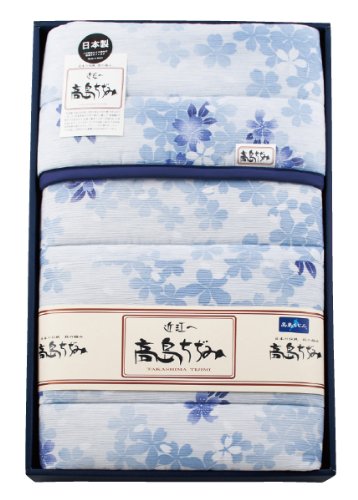
This guide covers one specific listing — a Takashima Chijimi summer blanket / towelket (ASIN B00E3KBZS4) sourced from Amazon Japan’s Global Store — and sets it against the comparison axes that matter for international buyers: how the crepe weave behaves versus flat cotton, how to buy it from outside Japan, and which buyer it actually suits. Written from a Japan-based editor’s desk working out of Toyama and Nara.
🔄 Last updated: June 15, 2026
⏱️ Read time: about 12 min
- Who this is for — and who should skip it
- Product overview (from published specs)
- 📌 How does it compare?
- Price snapshot across stores
- Where this comes from — place, era, and the craft tradition
- 📦 Shipping & where to buy from outside Japan
- What it does well
- Weaknesses and things to verify before buying
- Conclusion — which buyer type are you?
- Other ways to approach this purchase
- 🏆 Editor’s Pick
- ❓ Frequently Asked Questions
Who this is for — and who should skip it
✅ A good fit if you
- 🌡️ Sleep hot, or live somewhere with humid summers, and want bedding that does not cling
- 🧵 Prefer 100% cotton next to skin over synthetic “cooling” fibers
- 🛏️ Want a light summer layer (towelket / blanket weight) rather than a heavy quilt
- 🇯🇵 Value a regionally specific Japanese textile with a documented production district
- 🫧 Like a textured, crinkled hand-feel rather than smooth flat sheeting
⚠️ Probably skip it if you
- ❄️ Need a warm winter blanket — this is a summer-weight textile, not insulation
- 📏 Want a smooth, crisp, ironed-flat surface (crepe is deliberately puckered)
- 🧺 Will not tolerate cotton that wrinkles and may shrink slightly on first wash
- 💸 Are shopping purely on lowest price (commodity microfiber throws cost far less)
- 📦 Cannot accept cross-border shipping time or possible customs handling from Japan
Product overview (from published specs)
👉 The table scrolls sideways on mobile. Verify any third-party spec at the maker or retailer page before purchasing.
Takashima Chijimi Crepe Cotton Blanket
高島ちぢみ ハーフキルトケット TK-2650
一時的に在庫切れ; 入荷時期は未定です。 · Sold by Amazon.co.jp · ASIN B00E3KBZS4
Price and availability as of 2026-08-31 02:30 JST. The Amazon listing at the time of purchase is authoritative. jpmono.com earns a commission on qualifying purchases at no extra cost to you.
| Attribute | This listing (ASIN B00E3KBZS4) ★ | Source |
|---|---|---|
| Textile | Takashima Chijimi (Omi crepe), high-twist cotton crepe | Maker tradition / data notes |
| Material | 100% cotton | Maker tradition |
| Surface | Puckered crepe ridges (shibo / sazanami) | Data notes |
| Category | Summer blanket / towelket (light layer) | Spec |
| Origin | Takashima, Shiga Prefecture, Japan | Data notes |
| Size / weight | Unconfirmed — check listing (varies by SKU) | — |
| Price | Live pricing unavailable at time of writing — verify at the listing | — |
The product feed retrieved for this article (Amazon US search and the JP Global Store snapshot) returned no live price or measured dimensions, so those fields are marked “Unconfirmed” rather than guessed. Size, weight, and price vary by SKU and season; the linked listing is the authoritative source at purchase time. Sources consulted: Amazon US search (primary, moonill-20), Amazon JP Global Store (secondary, moonill-22, the sourced listing), and maker tradition for the textile facts.
📚 Glossary — key terms for Takashima Chijimi
Chijimi (ちぢみ, “crepe”): a woven cloth whose surface is deliberately crinkled into fine ridges. The crinkle is created by weaving with hard-twisted yarn and then relaxing the cloth so it contracts.
Takashima Chijimi (高島ちぢみ): cotton crepe woven in the Takashima district of Shiga. Often grouped under the older regional name Omi-chijimi (近江ちぢみ), “Omi crepe,” after the historical province of Ōmi that covered today’s Shiga.
Shibo (しぼ): the puckered texture itself — the raised crinkle that lifts most of the cloth off the skin.
Sazanami (さざ波, “ripples”): the fine, wave-like ripple pattern the crepe forms across the surface; a common descriptor for Takashima’s hand-feel.
Kyōnen-ito / high-twist weft: yarn twisted hard before weaving. When the tension relaxes, the yarn tries to untwist, contracting the cloth and raising the shibo ridges. This is the engine of the whole effect.
Towelket: a Japanese-English coinage (towel + blanket) for a thin, washable cotton summer cover — lighter than a quilt, used over a sheet on hot nights.
Omi shōnin (近江商人, “Omi merchants”): the merchant networks based in Ōmi (Shiga) that distributed regional goods, including Takashima cloth, across Japan from the Edo period onward.
Kaya (蚊帳, “mosquito net”): the open-weave hemp/cotton netting traditionally hung over bedding in summer. Takashima’s kaya-weaving culture is part of the same lineage as its crepe cloth.
📌 How does it compare?
If you are weighing this against other Japanese textiles and household crafts, these related jpmono guides set the context — same Shiga neighbors, other regional cottons, and Kansai craft.
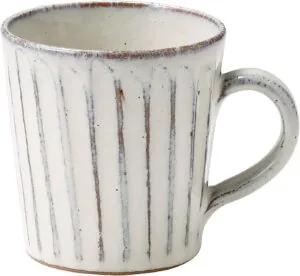 🍶Shigaraki Hechimon mug (same Shiga)Shiga’s other flagship craft — Shigaraki stoneware from the south of the prefecture.
🧶Yumihama-gasuri cotton table runnerAn indigo-dyed cotton ikat — contrast a dyed flat cotton with Takashima’s textured crepe.
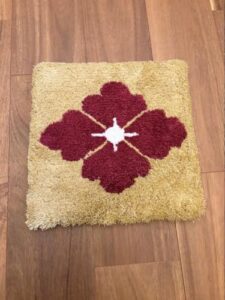 🪑Nabeshima Dantsu cotton chair padA woven cotton home textile in a heavier, structured construction.
📕Tateyama Tozan cotton book coverA striped cotton from Toyama — a small-format use of regional cotton weaving.
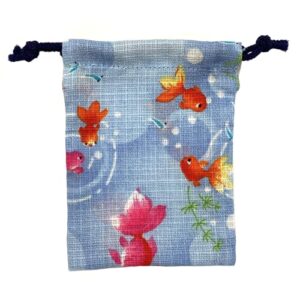 🐟Yanai-jima cotton pouchA Yamaguchi striped cotton — another regionally named cotton tradition.
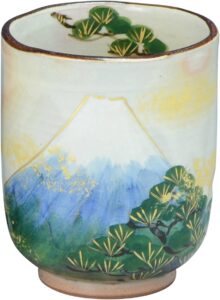 🍵Kyo-yaki yunomi (Kansai)A Kyoto-tradition teacup — the wider Kansai craft neighborhood Takashima sits in.
 🧣Kishu Nel soft cotton mufflerA brushed cotton flannel — the warm-season opposite of Takashima’s cool crepe.
Price snapshot across stores
👉 The table scrolls sideways on mobile. Prices and stock change in real time — confirm at the link before buying. Live pricing was unavailable in the data retrieved for this article, so figures below are marked accordingly.
📌 USD figures, where shown, are approximate estimates at a ¥150/USD baseline as of mid-2026; the JPY price on the specific listing is the authoritative one. Prices in USD depend on the current exchange rate.
📌 Data note: only the Amazon JP Global Store listing identifier was available for this item; no live price or measured size was returned, so live pricing was unavailable at time of writing. Confirm the current price, size, and stock at the listing before purchasing.
Where this comes from — place, era, and the craft tradition

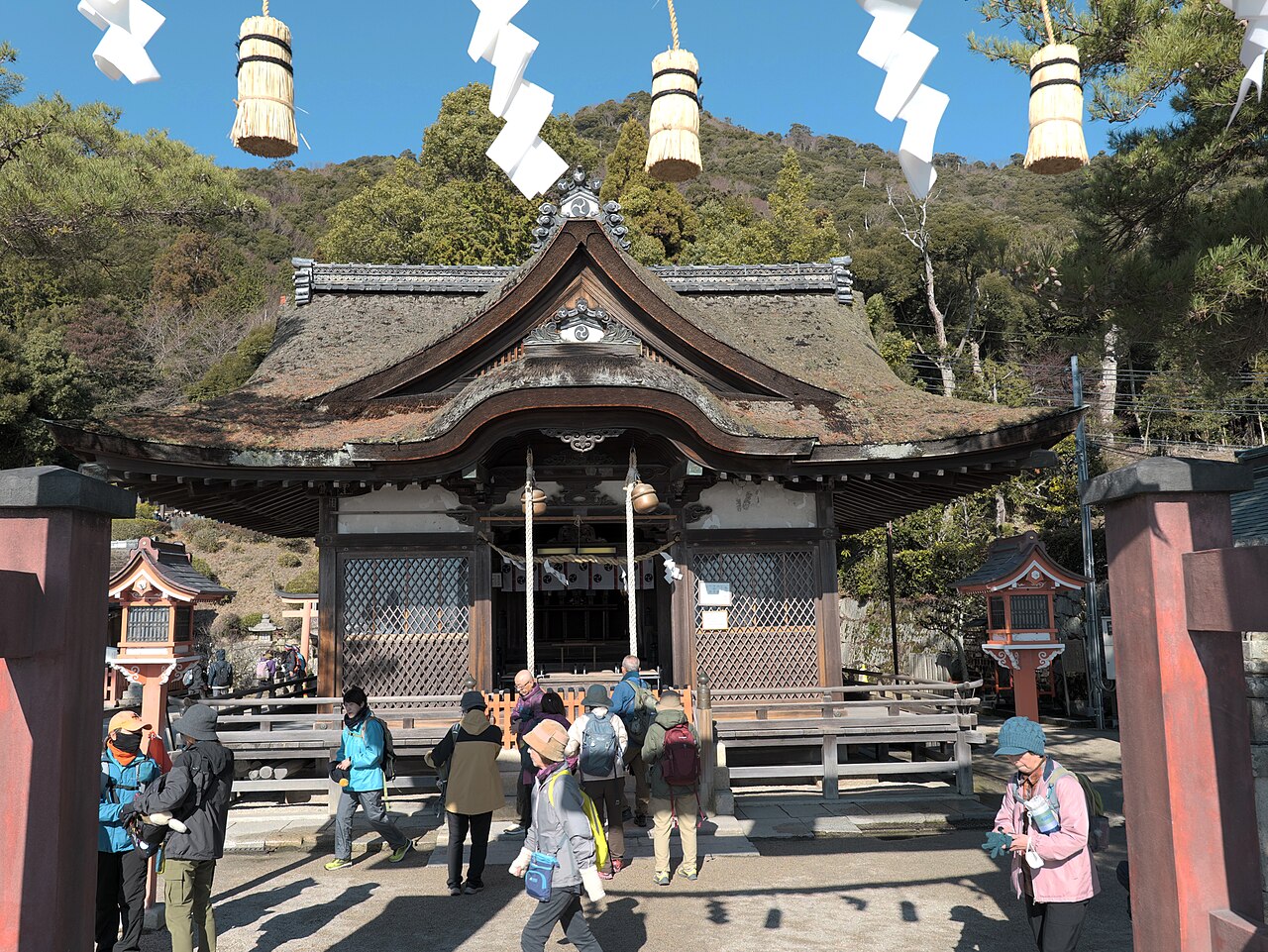
Takashima occupies the western shore of Lake Biwa, the largest freshwater lake in Japan, in the northwest of Shiga Prefecture. Shiga is a landlocked basin in the Kansai region, and Takashima sits roughly 50 km northeast of Kyoto — close enough to the old imperial capital to share its trade routes, but with its own lakeside climate of humid summers and snow-touched winters. The district is laced with rivers running off the surrounding mountains into the lake, and the most important of these for our story is the Adogawa.
Soft water — water low in mineral hardness — is a quiet prerequisite for fine cotton work. It lets fibers swell evenly, takes dye and finish cleanly, and does not leave the mineral deposits that stiffen cloth. Takashima had it in abundance, and from the mid-Edo period the district developed cotton weaving on the back of that water and the lake-basin humidity. The same conditions supported a parallel tradition of kaya (mosquito-net) weaving — the open, breathable summer netting hung over bedding — and the two crafts grew from one root.
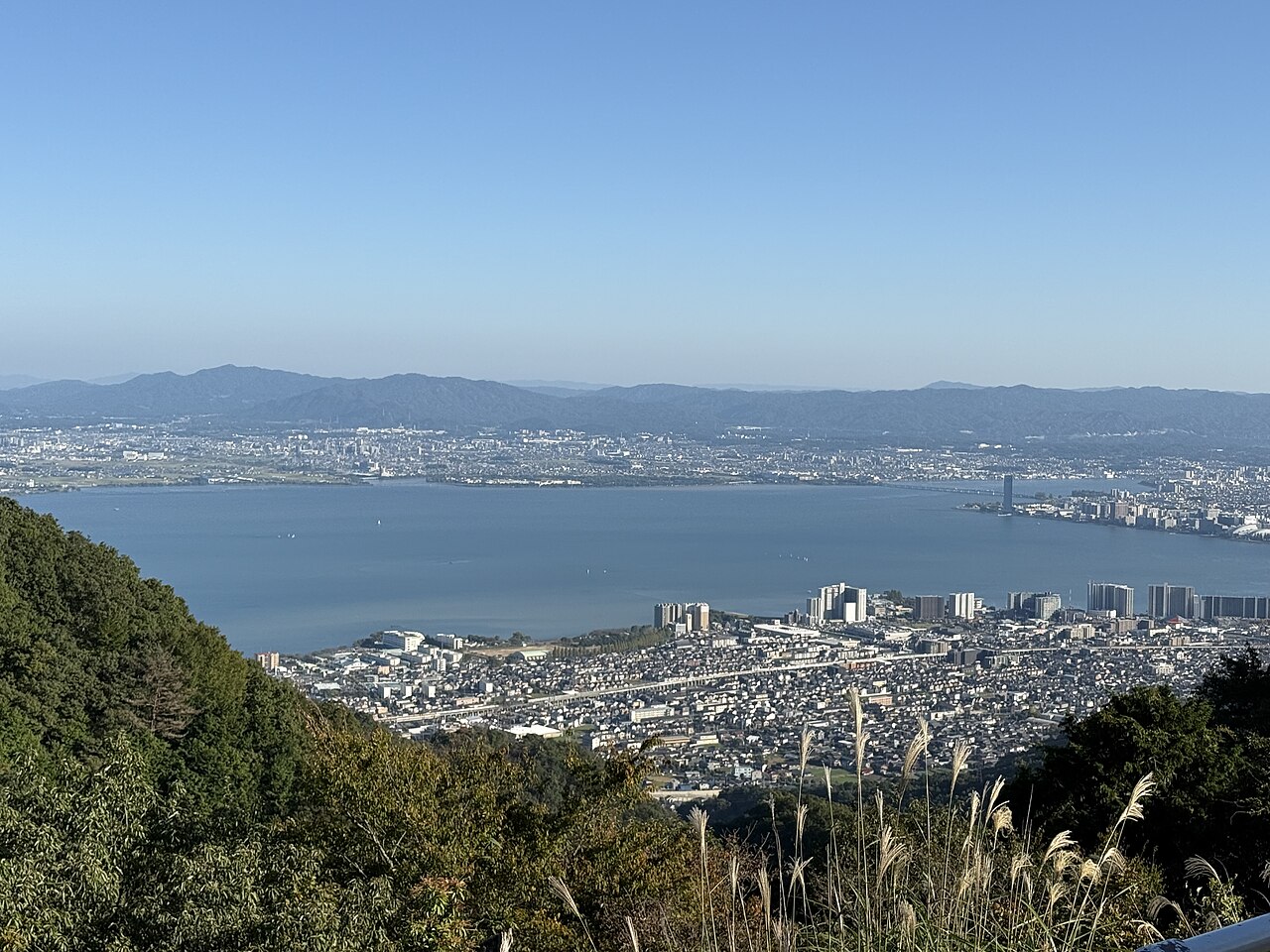
The crepe itself is a piece of textile engineering, not decoration. Weavers twist the weft yarn hard before weaving; once the woven cloth is wetted and the tension released, the over-twisted yarn fights to unwind and contracts the fabric into a field of fine ridges. The maker then sets that puckered surface — the shibo — so it survives washing. Because the ridges hold most of the cloth a hair’s breadth off the skin, the fabric touches you only at scattered high points. Air moves through the gaps; perspiration is drawn off at fewer contact zones; and the cloth stays dry where flat cotton would cling.
“Flat cotton lies against you; crepe cotton barely touches you. On a humid Kansai night, that difference is the whole product.”
- 710–794 — The Nara period; Kansai is the political and cultural heartland of early Japan, the long backdrop to the region’s craft continuity.
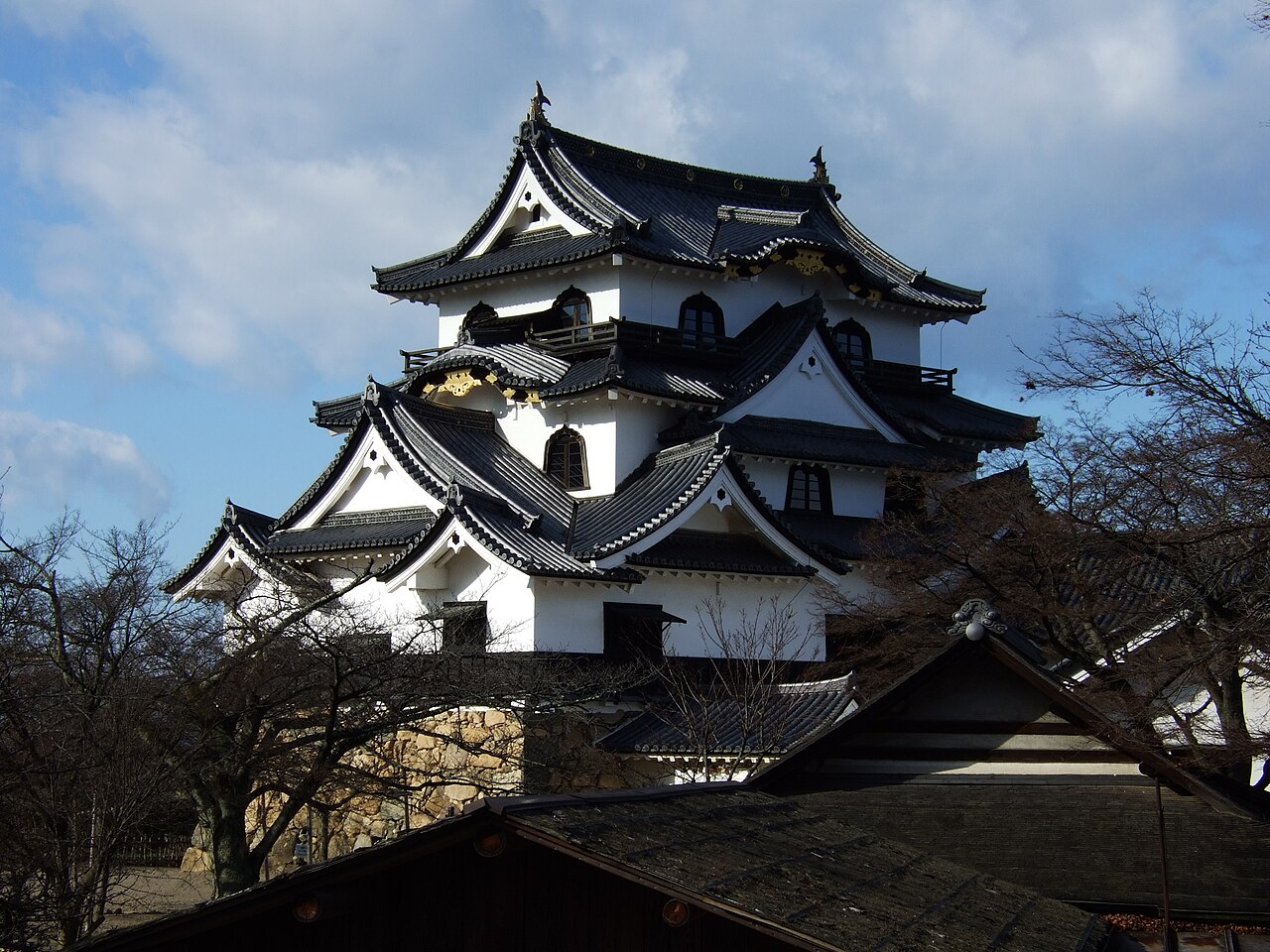
- 1622 — Hikone Castle is completed under the Ii clan, fixing Shiga’s Edo-era domain structure and its trade.
- Mid-Edo period — Cotton weaving develops in Takashima, drawing on the soft water of the Adogawa River.
- Edo period — Omi merchants (Ōmi shōnin) carry Takashima cloth, and the related kaya mosquito-net weaving, across Japan.
- Meiji period — Power looms scale up production, and Takashima becomes a major cotton-crepe district.
- 20th century — Cotton crepe becomes a staple summer textile for bedding and casual wear across Japan.
- 2026 — Takashima remains Japan’s largest producer of cotton crepe.
Why did Takashima cloth travel so far? Because Ōmi — the old province covering today’s Shiga — produced the Omi shōnin, one of Japan’s great merchant cultures. These traders carried local goods out along the routes radiating from Lake Biwa and brought other regions’ goods back, and Takashima’s cotton rode those networks nationwide. The distribution reach is part of why a regional crepe became a household summer textile rather than a local curiosity.
What “still made here” means today is straightforward: Takashima is, by production volume, the country’s foremost cotton-crepe district, and the defining steps — hard-twisting the weft, then relaxing the cloth to raise the shibo — are the same ones that gave the cloth its name. Power looms changed the scale in the Meiji era, but not the principle. The summer blanket in this guide is a direct descendant of the kaya-and-crepe lineage that grew on the Adogawa’s soft water.
📦 Shipping & where to buy from outside Japan
The specific item in this guide is sourced from the Amazon JP Global Store (amazon.co.jp), which ships many household textiles internationally to most major destinations. Based on the listing path, a Takashima Chijimi blanket is a soft, light, low-risk item to ship — no batteries, no voltage concerns, no fragile glaze.
For readers in the US, the practical first stop is the Amazon US search link, which surfaces Japanese summer cotton blankets and towelkets available with domestic Prime shipping and USD pricing. If you specifically want this Takashima listing, the JP Global Store link is the sourced path; expect international shipping in the rough range of $15–$40 to the US or EU, higher to other regions, and check whether your order crosses your local customs threshold.
If a particular Takashima weaver sells only within Japan, a proxy service such as Buyee or Tenso can forward the parcel abroad for the item price plus a forwarding fee and international postage. No electrical certification or voltage adapter is relevant here — this is a textile — but Japanese size labels run to Japanese bedding conventions, so confirm dimensions against your own bed before buying.
What it does well
🫧 Stays dry and non-clammy
The puckered shibo surface holds most of the cloth off the skin, so it touches at scattered points only. The data suggests this is the core functional reason crepe cotton outperforms flat cotton on humid nights.
🧵 100% cotton, no synthetics
The cooling effect is structural, not a chemical “cooling finish.” Buyers who prefer natural fiber next to skin get the airy hand-feel without polyester or treated microfiber.
🌀 Texture survives washing
Because the crepe is set into the cloth, the ripple does not iron flat over time. The fabric is also forgiving — crepe is meant to look crinkled, so it needs no ironing to look right.
🏯 A documented regional craft
This is not a generic import. Takashima is Japan’s largest cotton-crepe district, with a weaving history reaching back to the mid-Edo period and the Omi merchant trade that distributed it.
Weaknesses and things to verify before buying
- It is a summer textile, not a warm blanket. The whole design goal is to move heat and moisture away from the body. If you want insulation for cold months, this is the wrong layer — look at brushed flannel or a quilt instead.
- Confirm the size and weight before ordering. The data retrieved for this article returned no measured dimensions. Towelkets and crepe blankets come in several sizes; check the listing’s stated size against your bed.
- Live pricing was unavailable at time of writing. No current price came back in the product feed, so treat any figure as something to verify at the listing rather than a quoted price.
- Cotton crepe wrinkles and may shrink slightly on the first wash. That crinkle is intentional, but if you want crisp, smooth, ironed bedding, you will be fighting the fabric’s nature. Wash gently and avoid high-heat drying to preserve the shibo.
- Cross-border logistics add time and possible cost. Buying the sourced JP listing means international shipping, and orders above your local customs threshold may attract duty. Factor that into the real landed price.
- “Takashima Chijimi” describes the cloth, not one fixed product. Many makers weave it in different finishes and sizes. Verify that the specific listing you choose states Takashima/Omi crepe and the size you need.
Conclusion — which buyer type are you?
Premium / heritage-minded
You want a regionally specific Japanese textile with a documented district and history. → The Takashima Chijimi blanket from the sourced JP listing fits directly.
Mainstream / hot sleeper ★most buyers
You mainly want cooler, drier summer sleep in natural cotton. → Start with the Amazon US search for Japanese crepe blankets, then compare the Takashima listing.
Budget-first
Lowest price matters most. → Commodity microfiber or generic cotton throws cost far less; Takashima’s value is the crepe construction and origin, not the sticker price.
Skip it
You need winter warmth, smooth flat sheeting, or cannot accept cross-border shipping. → A crepe summer blanket is not your product.
※ The specific Editor’s Pick is presented at the end of the article.
Other ways to approach this purchase
Wait for a sale
Summer bedding is seasonal. Crepe blankets are most discounted at end-of-season clearances; if you can wait past peak summer, watch the listing for a markdown.
Buy maker-direct (via proxy)
Takashima weavers sell crepe bedding direct in Japan. If a maker ships only domestically, a proxy forwarder (Buyee / Tenso) can bridge the gap for a fee.
Points & rewards
If you already use Amazon points or a card with category rewards, applying them to a single soft-goods order is a low-risk way to trim the effective cost.
Skip it
If you want winter warmth or smooth flat bedding, redirect the budget. The Kishu Nel cotton flannel muffler guide covers the warm-fabric side of the same cotton story.
🏆 Editor’s Pick
For the international reader who wants the genuine cloth, the Takashima Chijimi summer blanket / towelket (ASIN B00E3KBZS4) is the clear starting point. It is the textile this whole guide describes: high-twist crepe cotton with the puckered sazanami surface, woven in its home district on the western shore of Lake Biwa.
- Right function for the season — crepe structure keeps it airy and dry, not clammy.
- Right material — 100% cotton, with the cooling effect built into the weave rather than a finish.
- Right provenance — Takashima, Japan’s largest cotton-crepe district, sourced via the JP Global Store.
Live pricing was unavailable at time of writing — confirm the current price and size at the listing. JPY is the authoritative price; any USD figure is an estimate at roughly ¥150/USD.
❓ Frequently Asked Questions
What exactly is Takashima Chijimi?
Why does the crepe texture feel cooler than flat cotton?
Can I buy it from outside Japan?
How do I wash and care for it?
Is it warm enough for winter?
Does it make a good gift?
Why is no price shown in this guide?
jpmono.com is curated by a Japan-based editorial team (working out of Toyama in the Hokuriku region and Nara in Kansai) and is independent. We do not take payment from the makers we feature; income comes from affiliate links. We do not physically test every product — we read maker specs and source listings. Read more about our editorial standards.
🤖 This article was drafted with AI assistance and reviewed against the source listing data before publication. Facts about the craft and its region are drawn from the provided data notes; product specifics should be confirmed at the retailer listing.
Affiliate disclosure: jpmono.com may earn a commission on qualifying purchases made through links on this page, at no additional cost to you.