![Inami Woodcarving Owl Ornament: Toyama Carved Engimono Craft [2026]](https://jpmono.com/wp-content/uploads/2026/05/japan-map-regions-and-prefectures-800x1050.png)
Inami, in the hills of Toyama Prefecture, is the closest thing Japan has to a temple-carving capital. For more than two centuries its sculptors have cut relief dragons, lions, and flowers into keyaki (欅, “zelkova”) and kusunoki (楠, “camphor”) for Buddhist halls across the country, working with cabinets of two hundred-plus chisels and no sandpaper at all. The owl (fukurou) ornament covered here is the same craft, scaled down: a hand-carved, sculptor-signed engimono (縁起物, “good-luck object”) meant to sit on a shelf rather than a temple beam.
The reason an owl shows up so often in Inami’s small work is a pun. Fukurou (梟, “owl”) can be written with characters that read fu-kurou — “no hardship” — so the bird doubles as a quiet wish for an easy life. That wordplay travels poorly, which is exactly why this article exists: to explain what you are actually buying, where it comes from, and how to get it shipped outside Japan.
This guide is written from a Japan-based editor’s desk in Toyama and Nara. It explains the Inami woodcarving tradition, who a carved owl ornament may suit, and how to think about buying Japanese carved goods from abroad.
🔄 Updated: June 19, 2026
⏱️ Read time: ~9 min
- Who this is for — and who should skip it
- Product overview (from published specs)
- 📍 Where this comes from — place, era, and the craft tradition
- 📦 Shipping & where to buy from outside Japan
- Where to buy
- What it does well
- Weaknesses and things to verify before buying
- Conclusion — which buyer type are you?
- Other ways to approach this purchase
- ❓ Frequently Asked Questions
Who this is for — and who should skip it
- Want a genuinely hand-carved wooden object, not a cast or molded reproduction
- Appreciate tool-cut surfaces — the crisp chisel facets Inami carvers leave instead of sanding
- Are buying an engimono gift and like that the owl carries a “no hardship” meaning
- Collect small Japanese woodwork (netsuke, carved figures) and want a flagship-region piece
- Value a signed maker’s object over an anonymous souvenir
- Expect a low single-digit price — hand carving is labor, not a factory line
- Need identical units; each piece varies in grain, tone, and tool marks
- Want a functional object — this is decorative, not a vessel or tool
- Dislike natural wood movement; camphor and keyaki shift slightly with humidity
- Need clear product details before buying. Review the caveats below.
Product overview (from published specs)
Inami owl ornaments are shaped by a woodcarving tradition, and details such as dimensions and wood can vary by piece. Consider those individual differences when choosing one.
| Attribute | Detail | Source |
|---|---|---|
| Craft | Inami Chokoku (井波彫刻, “Inami woodcarving”) | Maker tradition |
| Object | Owl (fukurou) engimono ornament, hand-carved | Amazon JP Global Store |
| Wood | Camphor (kusunoki) / zelkova (keyaki), per tradition | Maker tradition |
| Finish | Chisel-cut surface, no sandpaper; signed by sculptor | Maker tradition |
| Origin | Inami, Nanto City, Toyama Prefecture | Maker direct |
| Designation | National Traditional Craft (METI), 1975 | Maker tradition |
| Dimensions / weight | Not specified | Not in fetched data |
| Price | Not specified | Not in fetched data |
📖 Glossary — key terms
- Inami Chokoku (井波彫刻) — the relief and three-dimensional woodcarving tradition of Inami, Toyama.
- Engimono (縁起物) — a good-luck object given or displayed to invite fortune.
- Fukurou (梟) — owl; written alternately as fu-kurou (不苦労), “no hardship.”
- Ranma (欄間) — carved transom panels set above sliding doors; Inami’s signature temple-and-home product.
- Keyaki (欅) — zelkova, a hard, fine-grained hardwood prized for carving.
- Kusunoki (楠) — camphor wood, aromatic and workable, common in Inami carving.
- Nomi (鑿) — chisels; an Inami carver may keep 200 or more in specialized profiles.
- Shokunin (職人) — a trained craftsperson working to a recognized standard.
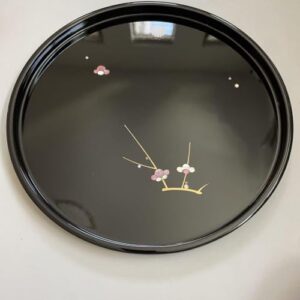 Takaoka raden lacquer box (Toyama)
Johana shike-ginu scarf (Toyama)
Tateyama Tozan book cover (Toyama)
 Hida Ittobori yew netsuke
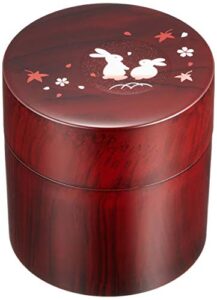 Yamanaka woodturned tea caddy
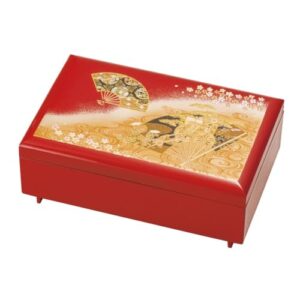 Kyo Sashimono wood box
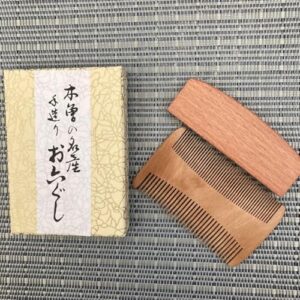 Kiso Oroku-gushi comb
📍 Where this comes from — place, era, and the craft tradition

Inami sits in the southwestern part of Toyama Prefecture, in Nanto City, on the Hokuriku side of central Japan facing the Sea of Japan. It is not a coastal port like Takaoka but an inland temple town, grown up along the approach to a single large monastery. The Tateyama mountains rise to the east, and the same Nanto municipality contains the Gokayama gassho-zukuri villages — a region whose entire economy was historically built on timber, joinery, and snow-country building.

The historical anchor is the temple itself. Zuisen-ji (瑞泉寺), a major Jodo Shinshu temple, was founded in 1390. Like much wooden monastery architecture, it burned repeatedly over the centuries. The decisive moment for the craft came in the 1760s, during the Horeki era, when a large-scale reconstruction was undertaken — and master sculptor-carpenters were sent from the Higashi and Nishi Honganji temples in Kyoto to carry out the carving.
Those Kyoto craftsmen taught local Inami carpenters the art of relief carving. That transfer of skill is the birth of Inami woodcarving as a distinct tradition.
- 1390 — Zuisen-ji, a major Jodo Shinshu temple, is founded in Inami.
- 16th–18th c. — The temple is destroyed by fire and rebuilt several times.
- 1760s (Horeki era) — Reconstruction brings Kyoto Honganji sculptor-carpenters, who teach local carpenters relief carving — the birth of Inami woodcarving.
- 19th c. — Inami carvers become renowned for ranma transom panels, guardian shishi lions, and dragon ornamentation.
- 1975 — Inami Chokoku is designated a national Traditional Craft by METI.
- 2026 — The same workshops carve engimono such as fukurou owls, still by signed sculptors along Yokamachi street.

From temple work the carvers built a national reputation for ranma — the carved transom panels set above interior doors — along with guardian shishi lions and dragons. They worked keyaki, kusunoki, and kiri (paulownia) with a kit of more than two hundred specialized chisels, and, distinctively, no sandpaper: the finished surface is the tool-cut surface, crisp facets left exactly as the blade laid them. Inami Chokoku was designated a national Traditional Craft in 1975.
“Inami carvers finish with the chisel, not the sandpaper — the surface you hold is the last thing the blade touched.”
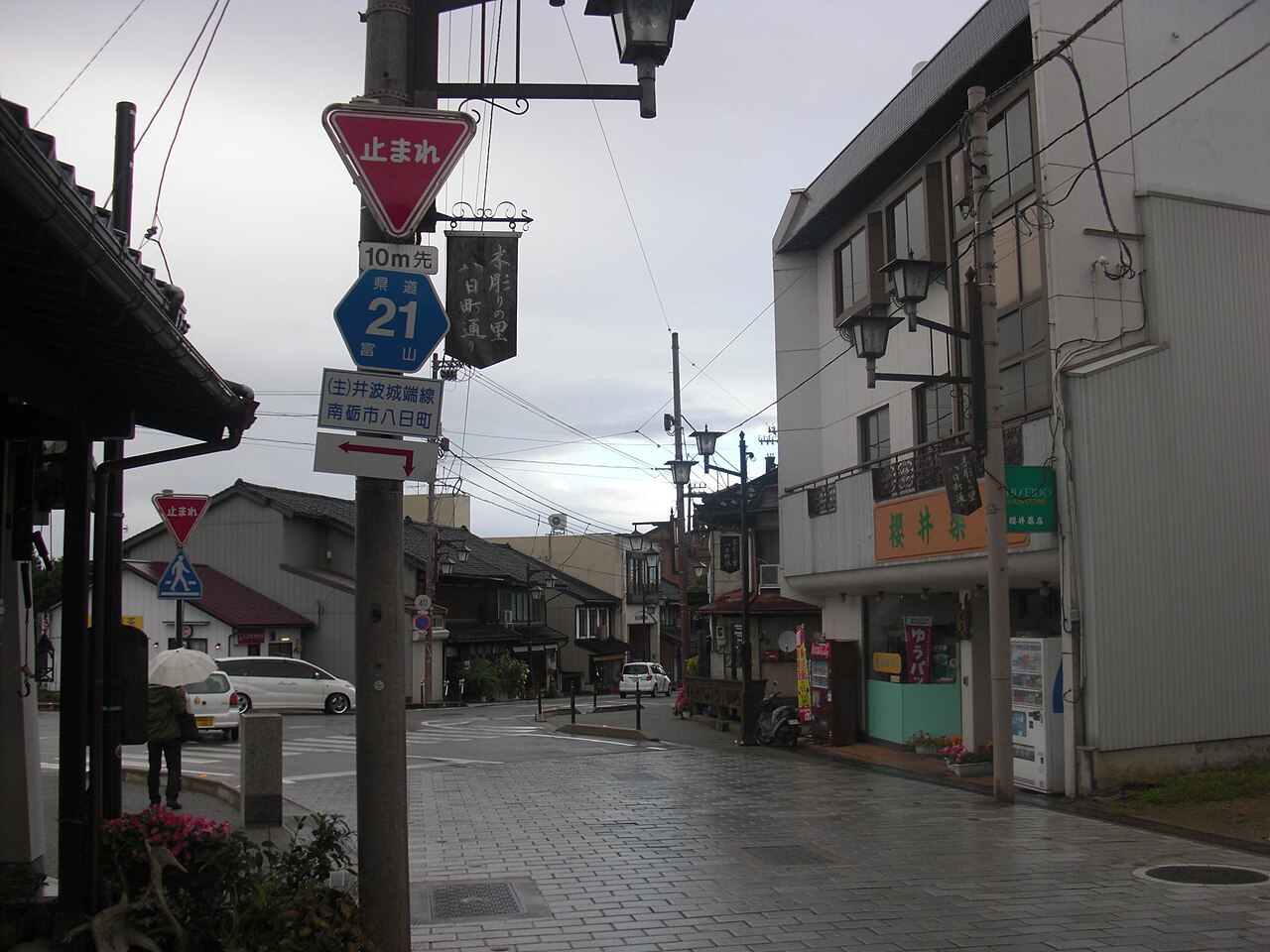
What “still being made here” means is concrete in Inami: the workshops line the Yokamachi approach street that runs up to Zuisen-ji, and the same hands that cut temple ranma also carve the smaller engimono — owls, lions, and seasonal figures — that a household can actually buy. The owl is popular because of the fu-kurou (“no hardship”) pun, so the object carries a wish as well as a likeness. Each one is signed by its sculptor.

It is worth seeing Inami in its regional company. The same Nanto City holds the Gokayama gassho-zukuri villages, a UNESCO World Heritage site whose steep-roofed timber houses speak to the same deep relationship with wood and snow that produced a town of carvers. This is not a craft that was relocated here for tourism; it grew out of a temple, a forest, and the building culture of the Hokuriku interior.
📦 Shipping & where to buy from outside Japan
A hand-carved wooden ornament is straightforward to ship compared with goods that contain electrical or liquid components. International orders may still involve shipping charges, customs duties, or import VAT, depending on destination.
Where to buy
| Store | Item / Variant | Price | Notes |
|---|---|---|---|
| 🇺🇸 Amazon.com (US) | Browse Japanese carved-wood & engimono ornaments | varies (USD) | Best if you are shopping from the US — Prime shipping, USD pricing, no international customs. Amazon US carries Japanese carved owls, netsuke, and wooden figures for comparison; the exact Inami piece is sourced from Japan (next row). |
| 🇯🇵 Amazon JP Global Store | Inami Chokoku hand-carved owl | Varies by seller | Ships internationally from Japan. |
| Maker direct | Inami workshop / Yokamachi studios | — | Individual sculptors sell along Yokamachi; international shipping is not guaranteed and varies by studio. |
| Proxy services (Buyee / Tenso) | Forwarding from Japan-only orders | item + forwarding fee | Useful if the Global Store does not ship to your country; adds a service fee and a consolidation step. |
What it does well
Weaknesses and things to verify before buying
- Material and size vary. Check the maker’s description before purchase.
- Price not confirmed. Live pricing was unavailable at the time of writing; hand carving is labor-intensive, so do not expect a low souvenir price.
- Each piece varies. Because it is hand-carved, grain, tone, and tool marks differ unit to unit — the photo is representative, not identical.
- Natural wood movement. Camphor and keyaki respond to humidity and can shift slightly; keep away from direct sun and radiators.
- Decorative only. This is an ornament, not a functional vessel or tool — judge it as display, not utility.
- International cost stack. The base price, international shipping, and possible customs duty together can exceed the headline figure; budget for all three.
Conclusion — which buyer type are you?
Other ways to approach this purchase
❓ Frequently Asked Questions
Is this owl really hand-carved, or molded?
It is hand-carved in the Inami Chokoku tradition by a signed sculptor. Inami carvers finish with the chisel and do not sand, so the surface shows crisp tool facets rather than a smooth molded skin.
Why an owl specifically?
The Japanese word for owl, fukurou, can be written as fu-kurou, meaning “no hardship.” That pun makes the owl a popular engimono — a good-luck object — for new homes, exams, and life milestones.
Does it ship outside Japan?
Yes. The specific item is listed on the Amazon JP Global Store, which ships internationally to most major destinations. As a wooden ornament it has no electrical or liquid restrictions; budget roughly $15–$40 shipping to the US/EU plus any customs duty.
How much does it cost?
Each piece is hand-carved, so expect individual character and a craft premium rather than a mass-produced souvenir.
How do I care for it?
Keep it out of direct sunlight and away from heaters or radiators. Camphor and keyaki are natural woods that respond to humidity, so a stable indoor spot and an occasional dry dusting are all it needs.
How is Inami carving different from Hida Ittobori?
Both are Chūbu-region woodcarving traditions, but Inami grew out of temple architecture — ranma panels, lions, dragons — in keyaki and camphor, while Hida Ittobori is a “single-chisel” netsuke-scale craft typically in yew. See our Hida Ittobori guide in the related section for a direct comparison.
jpmono.com is curated by a Japan-based editorial team working out of Toyama in the Hokuriku region and Nara in Kansai, and is independent. We do not take payment from the makers we feature; income comes from affiliate links. We do not physically test every product.
Affiliate disclosure: jpmono.com may earn a commission on qualifying purchases made through links on this page, at no additional cost to you.