![Nagao Higonokami Folding Knife: Where to Buy the Miki Blade [2026]](https://jpmono.com/wp-content/uploads/2026/05/nagao-higonokami-folding-knife-where-to-buy-2026-featured.jpg)
The Higonokami (肥後守) is the small friction-folding pocket knife that generations of Japanese schoolchildren carried to sharpen pencils and whittle wood. It has no lock and almost no moving parts — just a single carbon-steel blade that pivots out of a folded brass body, held open by thumb pressure on a flat lever called the chikiri. It is about as simple as a knife can be, and that simplicity is the point.
What makes it notable to an international reader is not novelty but continuity. The Higonokami comes from Miki (三木), a town in southern Hyōgo Prefecture that has been Japan’s kanamono no machi (金物のまち, “hardware town”) since the late sixteenth century. Today only one workshop, Nagao Kanekoma Seisakusho, is licensed to stamp the registered “Higonokami” name — which means the knife you are looking at is the survivor of a craft that nearly disappeared in the 1960s.
This guide is for readers deciding whether the Higonokami fits how they actually use a pocket knife, and where to buy one from outside Japan. We cover the blade construction, the trade-offs of a non-locking carbon-steel folder, how it compares to other Japanese blades we have written about, and the realistic purchase paths. One caveat up front: no live Amazon US or Amazon JP listing was captured in the source data at the time of writing, so we do not quote a price — you will need to check current pricing and stock at the retailer.
🔄 Updated:
⏱️ Read time: ~9 min
![Nagao Higonokami Folding Knife: Where to Buy the Miki Blade [2026]](https://m.media-amazon.com/images/I/31ZhEq9NyLL._SL500_.jpg)
- Who this is for — and who should skip it
- Product overview (from published specs)
- Which finish should you choose?
- Price snapshot across stores
- What it does well
- Weaknesses and things to verify before buying
- Where this comes from
- Conclusion — which buyer type are you?
- Other ways to approach this purchase
- 🏆 Editor’s Pick
- ❓ Frequently Asked Questions
Who this is for — and who should skip it
- Want a light, slim everyday-carry blade for opening boxes, whittling, and food prep on the go
- Appreciate carbon steel that takes a very keen edge and are willing to maintain it
- Like simple, repairable, low-mechanism tools with a long craft lineage
- Are buying a piece with a verifiable maker and place of origin, not a generic import
- Enjoy hand-sharpening on a whetstone and do not mind a developing patina
- Need a locking blade for heavy or safety-critical cutting tasks
- Want a maintenance-free stainless knife you can leave wet
- Expect one-hand assisted opening, a pocket clip, or modern hardware
- Live where non-locking folding knives are still legally restricted to carry
- Want a guaranteed-in-stock item with a confirmed price today (none was captured here)

Product overview (from published specs)
The figures below come from the maker’s published tradition and the verified craft notes for this article, not from a captured retail listing. Where a value could not be confirmed from a live source, it is marked as such rather than guessed.
| Attribute | Detail | Source |
|---|---|---|
| Type | Friction-folding pocket knife (no lock), opened via the chikiri lever | Craft notes |
| Blade steel | Warikomi-forged carbon steel — Aogami (青紙, “blue paper”) or Shirogami (白紙, “white paper”) | Craft notes |
| Handle / body | Folded brass (some blackened / stainless variants exist) | Craft notes |
| Maker | Nagao Kanekoma Seisakusho — sole workshop licensed to stamp the registered “Higonokami” name | Craft notes |
| Origin | Miki, Hyōgo Prefecture, Kansai region, Japan | Craft notes |
| Blade length / weight | Unconfirmed — varies by size (#1–#3); check the specific listing | Not captured |
| Price | Not captured in source data — verify at retailer | Not captured |
Only the verified craft notes were available at the time of writing; no live Amazon US or Amazon JP Global Store listing snapshot was captured, so pricing, exact dimensions, and current stock could not be confirmed.
📖 Glossary — key terms
- Higonokami (肥後守) — literally “Governor of Higo.” The name traces to blades traded up from the Higo region of Kyūshū; production later standardized in Miki.
- Friction folder — a folding knife with no locking mechanism. The blade is held open by thumb pressure on a lever, and friction at the pivot.
- Chikiri (チキリ) — the flat metal tab extending from the blade’s spine that you press to open the knife and hold it open.
- Warikomi (割り込み, “insert forging”) — a hard carbon-steel core forge-welded between softer outer steel, so only the cutting edge is hard and brittle while the body stays tough.
- Aogami / Shirogami (青紙 / 白紙) — “blue paper” and “white paper” carbon steels, named for the paper labels Hitachi uses to grade them. Both take a keen edge; aogami adds alloying elements for edge retention.
- Kanekoma (兼駒) — the Nagao workshop’s mark, paired with the registered “Higonokami” name.
- Kanamono no machi (金物のまち) — “hardware town,” Miki’s nickname as a centuries-old cluster of saw, chisel, and blade smiths.

Which finish should you choose?
This piece is listed in 4 options. The photos below are the actual スタイル options on the listing right now — pick the one you want and confirm it on the product page before ordering, since hand-finished wares vary slightly piece to piece.
![Nagao Higonokami Folding Knife: Where to Buy the Miki Blade [2026] — 青紙大 finish](https://m.media-amazon.com/images/I/31ca7zYIQBL._SL500_.jpg)
![Nagao Higonokami Folding Knife: Where to Buy the Miki Blade [2026] — 特別手作り鍛造 finish](https://m.media-amazon.com/images/I/31obYAMaQ5L._SL500_.jpg)
![Nagao Higonokami Folding Knife: Where to Buy the Miki Blade [2026] — VG10 finish](https://m.media-amazon.com/images/I/31+erD55hDL._SL500_.jpg)
Price snapshot across stores
No live price was captured for this article, so the table shows the purchase paths and what to expect rather than specific figures. Always confirm the current price and stock at the retailer before buying. The JPY (¥) price on the specific listing is the authoritative one; any USD figure you see at checkout will be an approximate conversion (a ¥150/USD baseline is reasonable as of mid-2026).
| Store | Item / variant | Price | Notes |
|---|---|---|---|
| 🇺🇸 Amazon.com (US) | Browse Japanese pocket & craft knives | varies (USD) | Best if you are shopping from the US — Prime shipping, USD pricing, no international customs. Amazon US carries Japanese folding and kitchen knives from various makers; the exact Kanekoma Higonokami is sourced from Japan (next row). |
| 🇯🇵 Amazon JP Global Store | Nagao Kanekoma Higonokami (size / steel vary) | Not captured — verify on listing | Where the specific item is sourced. Ships internationally from Japan to most major destinations; shipping often roughly $15–$40 to the US/EU, plus possible customs duties over local thresholds. |
| Maker direct | Nagao Kanekoma Seisakusho | varies | Japanese-language ordering; international checkout may not be supported directly. Often paired with a proxy service (below). |
| Proxy services (Buyee / Tenso) | Forwards Japan-only listings abroad | item + service fee + forwarding | Useful when a maker or shop only sells within Japan. Adds a service fee and a second shipping leg; confirm blades are accepted to your country. |
What it does well
Weaknesses and things to verify before buying
- No locking blade. A friction folder can close on your fingers if you push the spine or release thumb pressure. It is not suited to hard or safety-critical cutting.
- Carbon steel rusts. Aogami and shirogami need wiping dry and occasional oiling. A patina is normal; neglect leads to corrosion.
- Legal carry varies. Knife-carry laws differ by country and region. A non-locking folder is often treated leniently, but verify your local law — this guide is not legal advice.
- Price and stock unconfirmed here. No live listing was captured, so confirm the current price, size, and availability on the actual retailer page.
- Size numbering can confuse. Models are sold in sizes (#1–#3) with blade lengths that were not captured in the source data — check the listed dimensions so you do not receive a smaller or larger blade than expected.
- Look-alikes exist. Only Nagao Kanekoma may stamp the registered “Higonokami” name; similar friction folders are sold under other names. Confirm the Kanekoma (兼駒) mark if authenticity matters to you.
Where this comes from

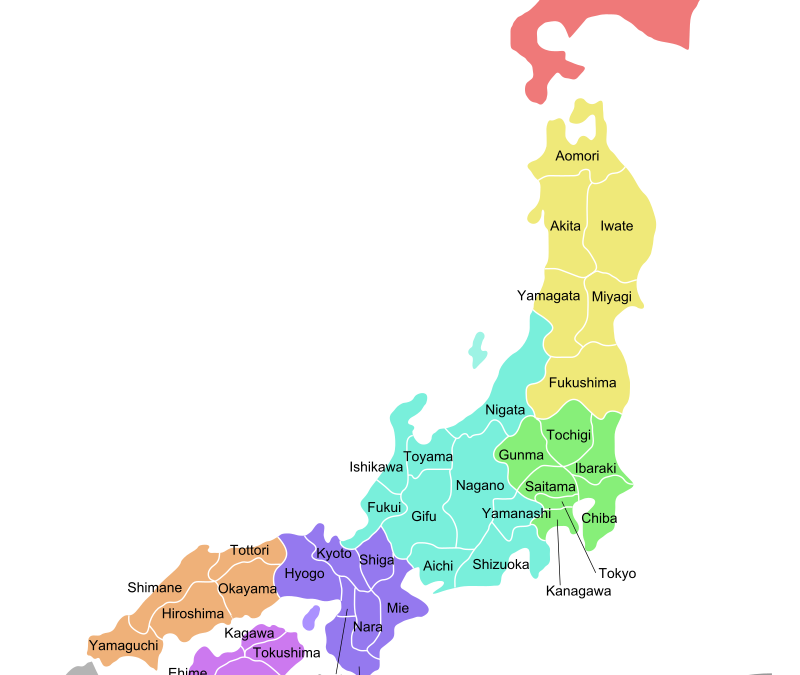
Hyōgo Prefecture stretches across the waist of western Honshū, from the Sea of Japan in the north to the Seto Inland Sea in the south. Miki lies in that southern belt, a short distance inland from the port city of Kobe and within the broad orbit of Osaka and Kyoto. It is a landlocked tool town rather than a coastal one — its trade grew from skilled hands and steady demand, not from a harbor.
Miki’s identity as a smithing center has a specific, violent origin. In 1578–80, Toyotomi Hideyoshi laid siege to Miki Castle, and the town was largely destroyed. In the rebuilding that followed, carpenters and blade-smiths gathered to reconstruct what the siege had ruined — and that concentration of trades seeded a tool-making cluster that produces saws, chisels, and knives to this day.
- 1578–80 — Hideyoshi besieges Miki Castle; the town is largely destroyed.
- After 1580 — Carpenters and smiths gather to rebuild Miki, seeding a lasting tool-making cluster.
- c.1894–96 — The Higonokami folding knife appears in the Meiji era; the name ties to blades traded up from Higo (Kyūshū).
- Early 20th c. — The “Higonokami Kanekoma” mark is trademarked through the local Miki cutlery guild.
- Pre-1960s — The Higonokami is the everyday pencil-and-craft knife of Japanese schoolchildren.
- 1960s — “Knife-banning” safety campaigns push the knife out of classrooms and nearly end production.
- 2026 — Nagao Kanekoma Seisakusho remains the only workshop licensed to stamp the registered Higonokami name.
The name itself carries a small puzzle. “Higonokami” means, literally, “Governor of Higo” — Higo being an old province in Kyūshū, far to the southwest. The accepted account ties the name to blades traded up from that region; production, however, standardized in Miki, where the cutlery guild trademarked the “Higonokami Kanekoma” mark. Over time the distinguishing license narrowed to a single holder.
“It was the knife in nearly every Japanese schoolchild’s pencil case — until the knife-banning campaigns of the 1960s almost erased it.”
That near-disappearance is what makes the surviving blade more than a souvenir. When safety campaigns in the 1960s drove folding knives out of classrooms, demand collapsed and most makers left the trade. The Higonokami persisted as a niche object, and today Nagao Kanekoma is the sole licensed workshop carrying the registered name forward — a direct line from the Meiji-era guild to a knife you can still buy.
Conclusion — which buyer type are you?
Other ways to approach this purchase
🏆 Editor’s Pick
❓ Frequently Asked Questions
Does the Higonokami have a locking blade?
No. It is a friction folder with no lock. The blade is held open by thumb pressure on the chikiri lever and by friction at the pivot, so it can close if you push on the spine or release pressure.
Is the blade stainless steel?
Traditional models use warikomi-forged carbon steel (Aogami or Shirogami), which takes a keen edge but can rust if not dried and lightly oiled. Some stainless variants exist; check the specific listing.
Can I buy one shipped outside Japan?
Yes, usually. The exact maker’s piece is sourced from Japan; Amazon JP Global Store ships many household items internationally, and a proxy service such as Buyee or Tenso can forward Japan-only listings. Confirm availability and that blades are accepted to your country.
Is it legal to carry where I live?
Knife-carry laws vary by country and region. A non-locking folder is often treated more leniently than a locking blade, but you should check your local law before carrying. This is general information, not legal advice.
How do I care for the carbon-steel blade?
Wipe it dry after every use, apply a light film of oil to prevent rust, and hone on a whetstone when it dulls. A grey patina is normal and is not the same as harmful rust.
Why is the Higonokami made by only one workshop?
The registered “Higonokami” name and mark are licensed through the Miki cutlery guild, and Nagao Kanekoma Seisakusho is the only workshop licensed to stamp it. Other makers sell similar friction folders under different names.
jpmono.com is curated by a Japan-based editorial team (working out of Toyama in the Hokuriku region and Nara in Kansai) and is independent. We do not take payment from the makers we feature; income comes from affiliate links. We do not physically test every product — we read maker’s specs and source listings — and we say so when data is thin, as it is for this article.
This article was prepared with AI assistance and reviewed against the source craft notes. Where live listing data (price, dimensions, stock, product images) was not available at the time of writing, the article states so plainly rather than estimating.
Affiliate disclosure: jpmono.com may earn a commission on qualifying purchases made through links on this page, at no additional cost to you.