![Kutani-yaki Gosai Mamezara: Hand-Painted Kutani Small Plate Set, Where to Buy [2026]](https://jpmono.com/wp-content/uploads/2026/06/kutani-yaki-gosai-mamezara-small-plate-set-where-to-buy-2026-featured.jpg)
Kutani-yaki (九谷焼, “Kutani ware”) is the porcelain that taught the world what Japanese color looks like. A gosai mamezara set takes the five thickly enameled overglaze pigments — green, yellow, red, purple, and navy-blue — and shrinks them onto palm-sized “bean plates” of roughly 9 to 10 centimeters. The result is a small object that carries a very large tradition: porcelain first fired in the Kaga region in 1655, lapsed, then revived in the early nineteenth century into the boldly painted style that made Kutani Japan’s most recognizable colored ware.
For an international reader, the appeal is twofold. The painting is genuinely hand-applied overglaze work, not a printed transfer, and the format is unusually practical — a stack of five small plates is a versatile, giftable object that suits soy-sauce dishes, condiment holders, spice rests, jewelry trays, or a tea-time sweet. It travels well, it stores flat, and it shows off classic Kutani motifs without the price of a full dinner service.
This guide covers what the set is, where it comes from, how to read its specs, where Kutani sits among its overglaze and slipware siblings, and where to buy it from outside Japan. The Editor’s Pick is ASIN B01LZKI85T — a five-piece hand-painted gosai mamezara set on the Amazon JP Global Store. One note up front, in keeping with our sourcing rules: only the Amazon JP listing reference is available for this item; live pricing and stock were unavailable at the time of writing, so verify both at the retailer before buying.
·
·
Reading time: about 9 minutes

- Who this is for — and who should skip it
- Product overview (from published specs)
- Price snapshot across stores
- Where this comes from
- What it does well
- Weaknesses and things to verify before buying
- Conclusion — which buyer type are you?
- Other ways to approach this purchase
- 🏆 Editor’s Pick
- ❓ Frequently Asked Questions
Who this is for — and who should skip it
- Want a genuine hand-painted overglaze craft object at an accessible, small-format price
- Like versatile small plates for condiments, soy sauce, spices, sweets, or trinkets
- Are buying a compact, flat-packing gift that represents a recognizable Japanese tradition
- Appreciate bold color — Kutani’s gosai palette is the opposite of restrained
- Want a set you can mix into existing tableware rather than a full matching service
- Prefer quiet, monochrome, or wabi-sabi tableware — gosai is vivid and ornamental
- Need large dinner plates; mamezara are roughly 9–10 cm and intentionally small
- Want guaranteed identical pieces — hand-painting means small variations between plates
- Require confirmed microwave/dishwasher ratings before buying (overglaze enamels and any gilding need verification)
- Are price-sensitive and unwilling to verify a fluctuating JP Global Store cost first
Product overview (from published specs)
The data available for this specific listing is thin: the Amazon US search index returned no individual match, and the JP listing reference does not expose a stable price or weight. Where a figure is not confirmed in the data, the table says so rather than guessing.
Kutani-yaki Gosai Mamezara
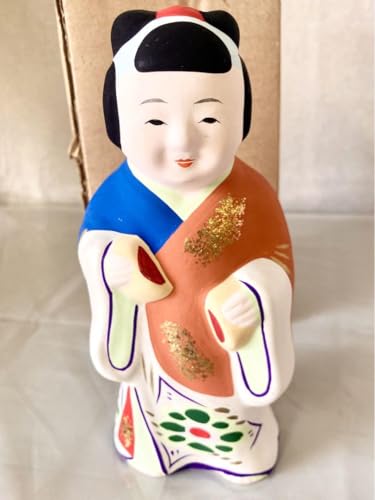
アマブロ 九谷焼 豆皿 amabro JAPAN KUTANI GOSAI [ Snork Maiden/スノーくお嬢さん ]
残り2点 ご注文はお早めに · Sold by ホッチポッチ自由が丘WEB SHOP · ASIN B01LZKI85T
Price and availability as of 2026-08-31 02:30 JST. The Amazon listing at the time of purchase is authoritative. jpmono.com earns a commission on qualifying purchases at no extra cost to you.
| Attribute | Detail (per listing reference / maker tradition) |
|---|---|
| Craft | Kutani-yaki (九谷焼) — Kaga-region overglaze porcelain |
| Item | Gosai (五彩, “five colors”) mamezara (豆皿, “bean plate”) set |
| Pieces | Set of 5 small plates |
| Diameter | Approx. 9–10 cm (bean-plate format) |
| Material | Porcelain with hand-applied overglaze enamels |
| Decoration | Gosai palette: green, yellow, red, purple, navy-blue |
| Origin | Ishikawa Prefecture (Kaga region — Komatsu / Nomi / Terai kiln district) |
| Weight | Unconfirmed — check manufacturer / listing |
| Microwave / dishwasher | Unconfirmed — verify on listing (overglaze/gilding often hand-wash only) |
| ASIN | B01LZKI85T (Amazon JP Global Store) |
Sources: Amazon US search (primary, moonill-20) returned no individual match; Amazon JP Global Store (secondary, moonill-22, sourced listing); maker tradition per data notes. Specs marked “Unconfirmed” are not present in the fetched data and should be verified at the retailer.
📖 Glossary — Kutani terms for international readers
- Kutani-yaki (九谷焼) — “Kutani ware,” the overglaze porcelain tradition of the Kaga region in Ishikawa.
- Gosai (五彩) — “five colors,” Kutani’s signature palette of green, yellow, red, purple, and navy-blue overglaze enamels.
- Aote (青手) — the bold style that paints over nearly the entire surface, often filling backgrounds in green and yellow.
- Mamezara (豆皿) — literally “bean plate,” a small dish of roughly 9–10 cm used for condiments, garnishes, or sweets.
- Ko-Kutani (古九谷) — “Old Kutani,” the earliest output from the 1655 kiln.
- Saiko-Kutani (再興九谷) — “revived Kutani,” the early-1800s relaunch across several Kaga kilns.
- Overglaze (上絵, uwa-e) — enamel painted on top of an already-fired glaze, then re-fired at a lower temperature; this is what gives Kutani its raised, jewel-like color.
Related jpmono guides — same Kaga domain, sibling overglaze and slipware traditions, and other Japanese tableware to weigh against a Kutani mamezara set.
 Kaga Yuzen silk handkerchief (same Kaga domain)
Wajima Nuri lacquer sake cups (Ishikawa)
 Yamanaka woodturned tea caddy (Ishikawa)
Arita sometsuke porcelain (overglaze sibling)
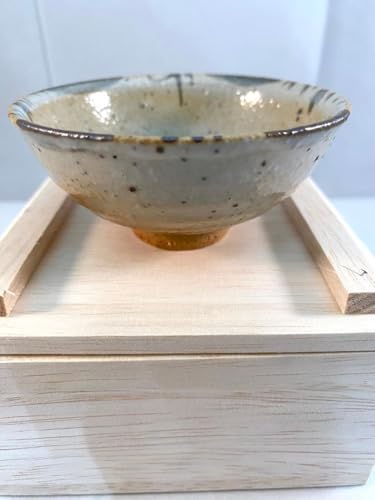 Karatsu E-Garatsu guinomi
Fujina-yaki slipware plate
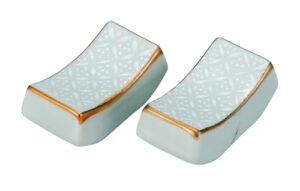 Owari Shippo cloisonné table set
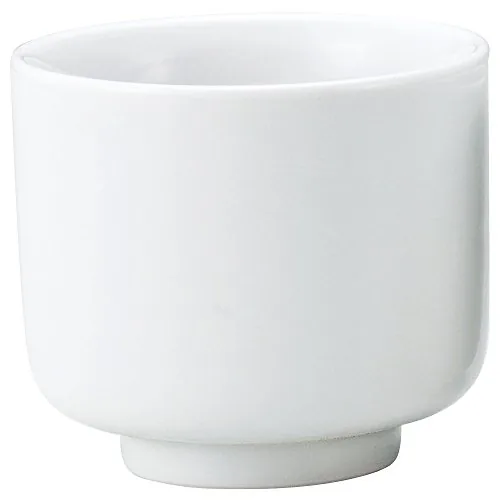 Shiro-Satsuma sake cup
Price snapshot across stores
| Store | Item / Variant | Price (JPY → USD est.) | Notes |
|---|---|---|---|
| 🇺🇸 Amazon.com (US) | Browse Japanese Kutani & small plates | varies (USD) | Best if you are shopping from the US — Prime shipping, USD pricing, no international customs. Amazon US carries Kutani-style and other Japanese porcelain small plates from various makers; this exact set is sourced from Japan (next row). |
| 🇯🇵 Amazon JP Global Store | Gosai mamezara, set of 5 (ASIN B01LZKI85T) | Price unavailable at time of writing — verify on listing | The sourced listing for this guide. Ships internationally from Japan to most major destinations. Confirm current price, stock, and shipping at checkout. |
| Maker direct | Kutani kiln / gallery shops (Komatsu, Nomi, Terai) | Varies by workshop | Many individual Kutani kilns sell direct or through Ishikawa craft galleries; selection and authentication are strongest here, but international shipping is not always offered. |
| Proxy services (Buyee / Tenso) | Forwarding for JP-only listings | Item price + forwarding fee | Useful when a kiln or marketplace ships only within Japan; adds a service fee and a second shipping leg. Watch for customs duties above local thresholds. |
USD figures are approximate (¥150/USD baseline as of mid-2026). The JPY price on the JP Global Store listing is authoritative for this specific item. Prices in USD depend on the current exchange rate.
Where this comes from

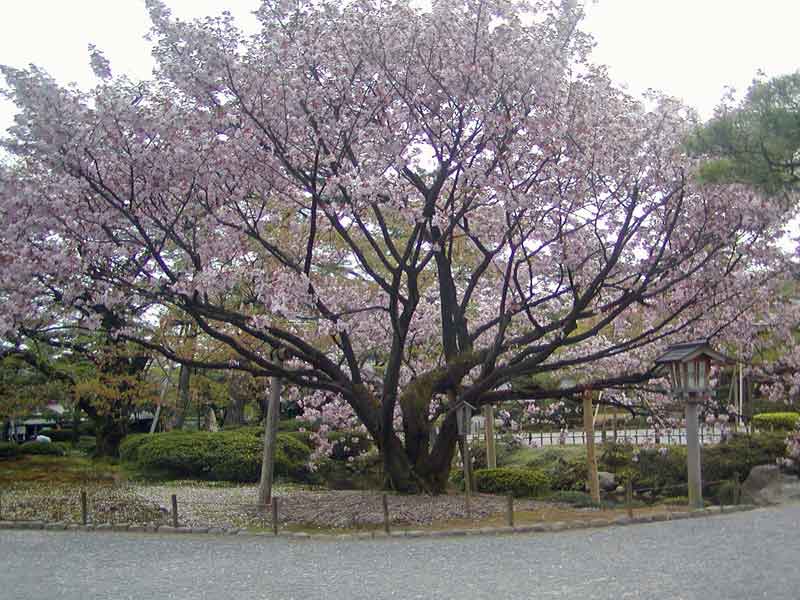
Kutani-yaki belongs to Ishikawa Prefecture, on the Sea of Japan coast of central Honshū, in the region historically known as Kaga. The cultural and political center is Kanazawa, the castle town of the Maeda house, while the porcelain itself is concentrated to the south, around Komatsu, Nomi, and Terai. This is a snow-country region with the raw materials that overglaze porcelain needs: workable porcelain stone nearby and, crucially, a domain wealthy enough to underwrite a luxury craft for centuries.
The historical anchor is specific. Kutani-yaki was born in 1655, when the Daishoji domain — a branch of the Kaga Maeda house — opened a kiln at Kutani village after porcelain stone was found nearby. That earliest output is now called Ko-Kutani (古九谷, “Old Kutani”). Production then lapsed in the early eighteenth century. It revived in the Bunka era, the early 1800s, as Saiko-Kutani (再興九谷, “revived Kutani”), spread across kilns in the Kaga region — Komatsu, Nomi, and Terai — and it is that second life that fixed Kutani’s identity as a boldly painted colored porcelain.
- 1655 — The Daishoji domain (a Kaga Maeda branch) opens a kiln at Kutani village; Ko-Kutani (Old Kutani) begins after porcelain stone is found nearby.
- Early 1700s — Kutani production lapses; the original kiln falls silent.
- Early 1800s (Bunka era) — Saiko-Kutani revival spreads across Kaga kilns at Komatsu, Nomi, and Terai.
- 19th century — The gosai palette and the all-over aote style make Kutani Japan’s most recognizable colored porcelain.
- Modern era — Backed by Kaga wealth alongside Kanazawa gold leaf and Kaga Yuzen, Kutani becomes a flagship Ishikawa craft.
- Today — Palm-sized mamezara become a popular evergreen gift format showcasing classic Kutani motifs.
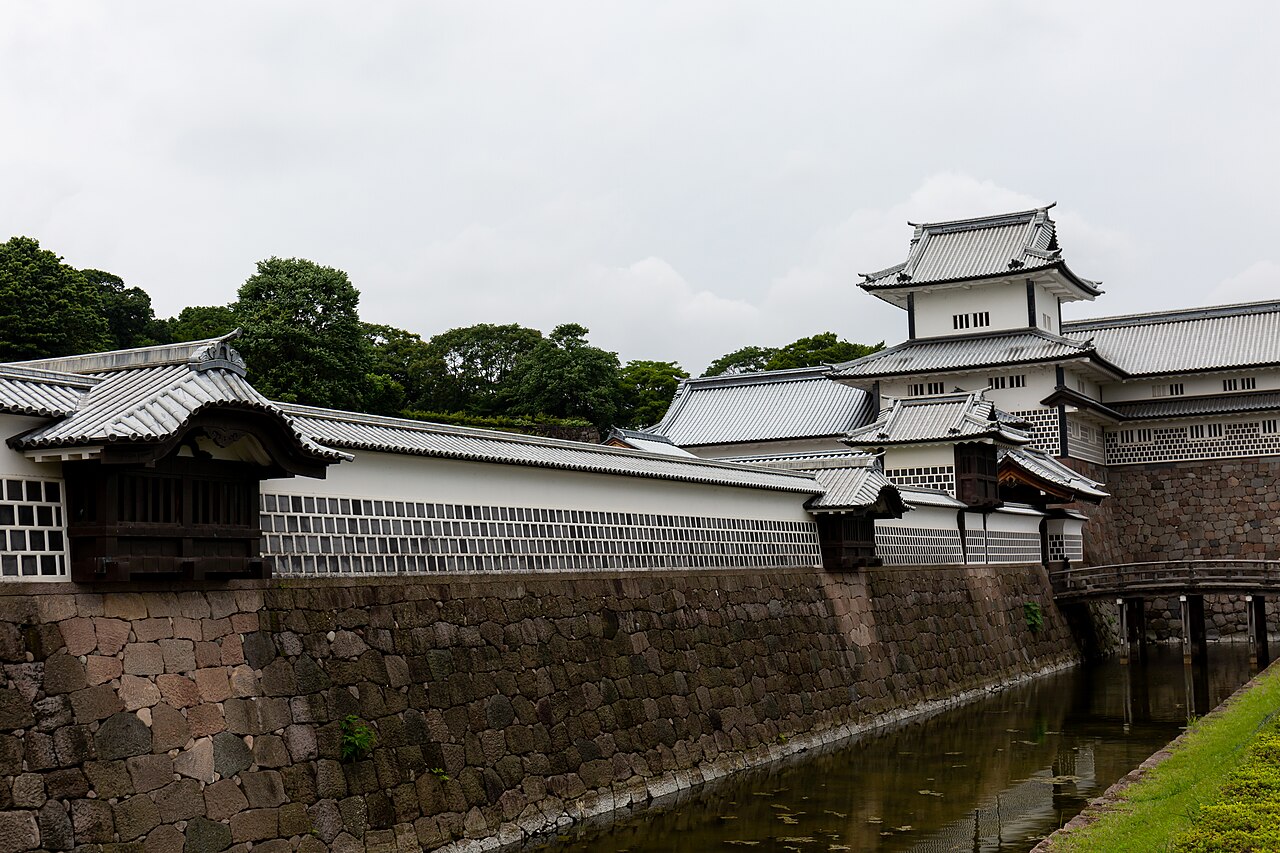
What makes Kutani a Kaga story rather than just a pottery story is the patronage. The Kaga Maeda domain was the wealthiest of the feudal domains — the proverbial “million koku” — and that wealth bankrolled a cluster of luxury crafts that still define Ishikawa: Kanazawa gold leaf, Kaga Yuzen silk dyeing, and Kutani porcelain. A craft this ornamental, with five enamels each requiring its own painting and re-firing, is expensive to make. It survived because there was a court culture and a moneyed market to sustain it.
“Five colors — green, yellow, red, purple, and navy-blue — laid on thickly enough to catch the light: this is the palette that taught the world to recognize Japanese porcelain at a glance.”
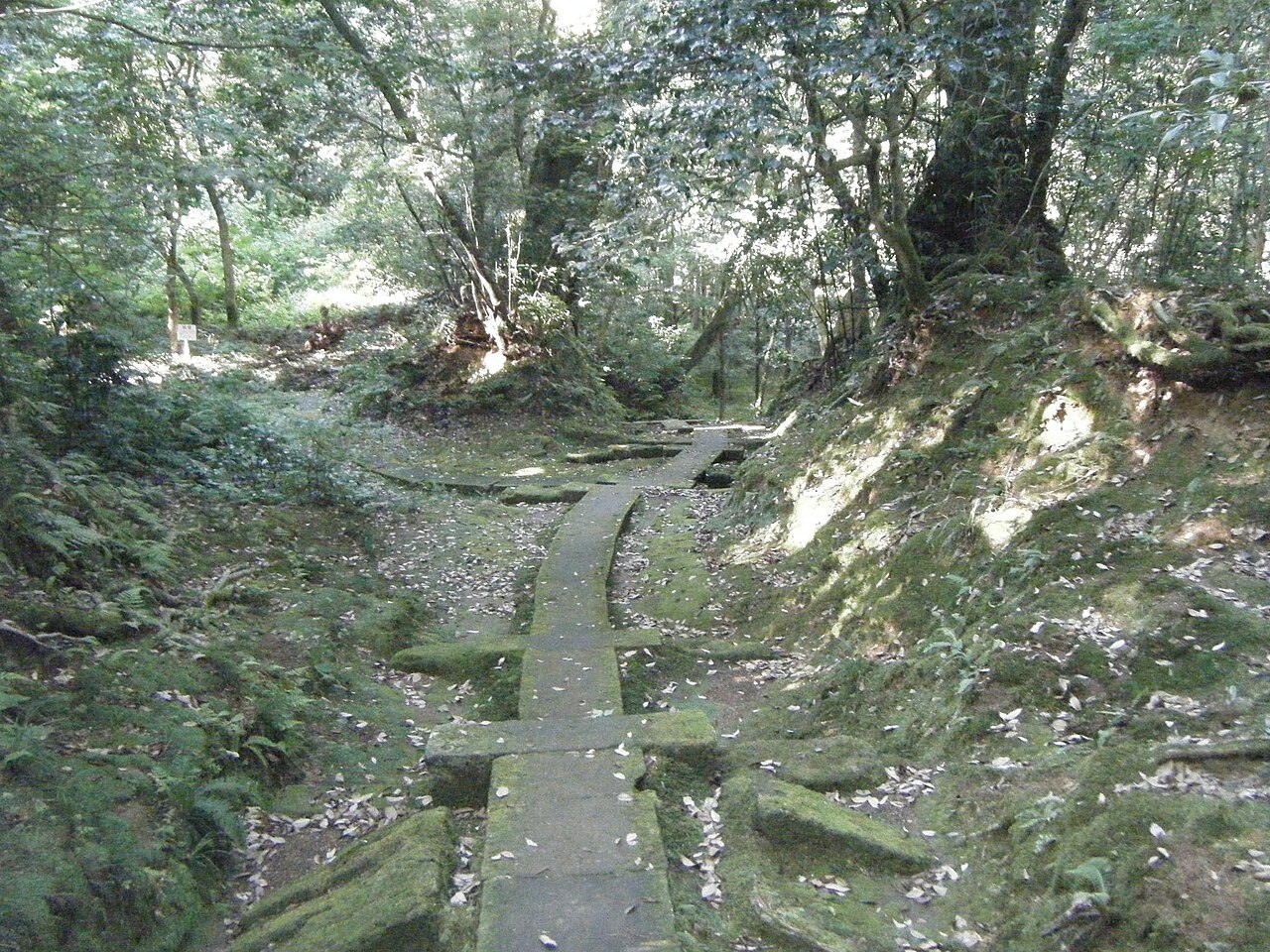
The continuity case is concrete. The kilns of Komatsu, Nomi, and Terai are still active, and the overglaze painting — gosai applied by hand, then re-fired — remains the defining technique. The signature aote style, which fills almost the entire surface with color, is the same approach you can read in nineteenth-century Saiko-Kutani pieces. A modern mamezara set is a small, affordable doorway into exactly that lineage: the format is contemporary, but the painting tradition behind it is roughly 370 years old.
What it does well
Weaknesses and things to verify before buying
- Price and stock are unconfirmed here. Only the Amazon JP listing reference was available; live pricing was unavailable at the time of writing. Verify both on the listing before ordering.
- Care ratings are unverified. Overglaze enamels — and any gilding — are frequently hand-wash only and not microwave-safe. Confirm dishwasher/microwave suitability on the specific listing before assuming.
- Hand-painting means variation. Plates in the set may differ slightly in line and tone; this is intrinsic to the craft, not a defect, but buyers wanting identical pieces should be aware.
- The format is small. At roughly 9–10 cm, mamezara are condiment- and garnish-sized, not main plates. Confirm the diameter suits your intended use.
- Bold color is not for every table. The gosai palette is ornamental and vivid; it will not blend into minimalist or monochrome tableware.
- “Kutani-style” listings exist. Confirm the listing describes genuine Kutani-yaki overglaze porcelain rather than a generic decorated plate, especially when buying via search or proxy.
- International shipping and customs. Amazon JP Global Store ships many household items internationally, but availability varies by destination and orders above local thresholds may incur duties.
Conclusion — which buyer type are you?
Other ways to approach this purchase
🏆 Editor’s Pick
❓ Frequently Asked Questions
Are these plates really hand-painted?
Yes. Kutani-yaki’s defining feature is overglaze enamel — color painted on top of a fired glaze and re-fired by hand. The gosai palette gives a raised, jewel-like surface rather than a flat printed transfer. Because the work is done by hand, small variations between plates are normal.
Is Kutani-yaki dishwasher- and microwave-safe?
It depends on the piece, and this listing did not confirm a rating. Overglaze enamels and any gold or silver detailing are frequently hand-wash only and not microwave-safe. Don’t assume — check the specific listing, and when in doubt, hand-wash and keep it out of the microwave.
What size are mamezara and what do you use them for?
Mamezara (“bean plates”) are roughly 9–10 cm across. They hold soy sauce, condiments, pickles, garnishes, spice, tea sweets, or small trinkets. A five-piece set is versatile precisely because each plate is small enough to slot into everyday use.
Does the Amazon JP Global Store ship internationally?
The Amazon JP Global Store ships many household items to most major destinations. Availability varies by item and country, and orders above local thresholds may incur customs duties. Confirm shipping and any fees at checkout. Where a listing ships only within Japan, a proxy service such as Buyee or Tenso can forward it for an added fee.
How is Kutani different from Arita or Satsuma porcelain?
All three use overglaze enamel, but they read differently. Kutani is known for its bold gosai five-color palette and the all-over aote style. Arita includes restrained blue-and-white (sometsuke) as well as colored ware, and Satsuma is famous for a finely crackled ivory body with delicate gilded decoration. See the comparison box above for jpmono guides to each.
Is a mamezara set a good gift?
It is one of the more reliable Japanese craft gifts: visually striking, genuinely useful, compact to ship, and representative of a recognizable 370-year tradition. The main caveats are care (often hand-wash) and the small format — set expectations that these are condiment-and-garnish plates, not dinner plates.
jpmono.com is curated by a Japan-based editorial team (working out of Toyama in the Hokuriku region and Nara in Kansai) and is independent. We do not take payment from the makers we feature; income comes from affiliate links.
Note: This article was prepared with AI assistance and reviewed against the source listing data. Specifications and prices were taken from available data at the time of writing; where data was thin, the article says so rather than guessing.
Affiliate disclosure: jpmono.com may earn a commission on qualifying purchases made through links on this page, at no additional cost to you.