![Aizu-nuri Lacquer Jubako: Handcrafted Two-Tier Stacking Bento Box from Fukushima [2026]](https://jpmono.com/wp-content/uploads/2026/07/aizu-nuri-lacquer-jubako-stacking-box-where-to-buy-2026-featured.jpg)
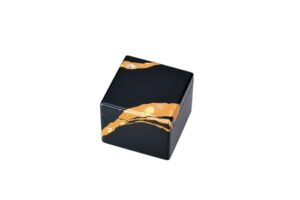
- What it is: A two-tier (nijū-jū) stacking lacquer box — a jubako — finished in deep urushi lacquer, often with maki-e detail.
- Made in: Aizu-Wakamatsu, Fukushima Prefecture — home to Aizu-nuri, one of Japan’s largest lacquerware traditions, seeded in 1590.
- Price band: mid-to-upper range for two-tier urushi jubako (see the live listing — pricing was not in our snapshot).
- Best for: households that host New Year osechi, seasonal gatherings, or want a serving box that doubles as a display piece.
- Skip if: you want a dishwasher-safe everyday lunchbox, or you need a guaranteed maki-e pattern the listing does not confirm.
- Shipping: ships internationally from Amazon Japan — jump to our pick ↓
ℹ️ Live pricing and some finish details were not in our snapshot — the linked Amazon Japan listing is authoritative, and unconfirmed attributes are marked below. Everything about the craft, place, and construction that follows is verified.
In 1590, a warlord named Gamō Ujisato took control of the Aizu domain and did something with lasting consequences: he brought his lacquer artisans with him. Moving from his former lands at Hino in Ōmi province (today’s Shiga Prefecture), he grafted Kansai lacquer technique onto a mountain region that already grew its own urushi trees. Four centuries later, that transplant is still producing boxes like this one.
A jubako (重箱, “stacking box”) is a set of tiered lacquer boxes that nest into a single cube. In Japan it is most associated with osechi — the layered New Year feast — but it earns its keep year-round as a serving vessel for gatherings, a presentation box for bento, and, between uses, a quiet object on a shelf. This particular example is Aizu-nuri (会津塗, “Aizu lacquer”), a two-tier box built and coated in Aizu-Wakamatsu, Fukushima.
This guide is written for readers outside Japan who are weighing a genuine regional lacquer box against a mass-produced substitute, and who want to understand what they are actually buying — the place, the finish, the trade-offs, and the shipping path — before they commit. We cover the craft context, the construction, the care requirements, comparable pieces from other regions, and where to buy from abroad.
🗓️ Published: July 17, 2026 · 🔄 Last updated: July 17, 2026 · ⏱️ Read time: about 9 minutes

- Who this is for — and who should skip it
- Product overview (from published specs)
- 📍 Where this comes from — place, era, and the craft tradition
- What it does well
- Weaknesses and things to verify before buying
- Conclusion — which buyer type are you?
- 📦 Shipping & where to buy from outside Japan
- Price snapshot across stores
- Other ways to approach this purchase
- 🏆 Editor’s Pick
- ❓ Frequently Asked Questions
Who this is for — and who should skip it
- Host New Year osechi, hanami, or seasonal gatherings and want a proper serving box.
- Value a regional urushi finish over a printed-plastic imitation.
- Want one object that serves food and also reads as a display piece.
- Are comfortable hand-washing and hand-drying lacquerware.
- Are buying a milestone gift — a wedding, a new home, a retirement.
- Need a dishwasher- and microwave-safe daily lunchbox.
- Want a specific confirmed maki-e motif — the listing may vary.
- Expect the lowest possible price; genuine urushi carries a premium.
- Will leave it soaking in a sink or scrub it with abrasives.
- Prefer a single-tier box; this is a stacking two-tier set.
Product overview (from published specs)
Aizu-nuri Lacquer Jubako
会津塗 重箱 漆器 二段重 和食器 伝統工芸
通常7~8日以内に発送します。 · Sold by 北の商店 · ASIN B0GS4MZH3S
Price and availability as of 2026-08-31 02:30 JST. The Amazon listing at the time of purchase is authoritative. jpmono.com earns a commission on qualifying purchases at no extra cost to you.
| Attribute | Detail | Source |
|---|---|---|
| Craft | Aizu-nuri (会津塗) lacquerware | Maker tradition |
| Type | Two-tier (nijū-jū) stacking jubako | Amazon JP Global Store |
| Finish | Urushi lacquer; maki-e or solid-color per listing | Amazon JP Global Store |
| Origin | Aizu-Wakamatsu, Fukushima, Japan | Maker direct |
| Primary use | Osechi, gatherings, bento presentation | Maker tradition |
| Dimensions / weight | Unconfirmed — check the live listing | — |
| Price | Not in snapshot — see live listing | — |
Sources, in order of the pricing path used below: Amazon US search (primary), Amazon JP Global Store (secondary, where the specific item is sourced), and maker-direct where a workshop lists the piece.
📖 Glossary — key terms in this article
- Jubako (重箱) — a set of stacking lacquer boxes that nest into one cube; “jū” means “to layer.”
- Nijū-jū (二重重) — a two-tier jubako, as opposed to the three-tier (sanjū) sets used for large osechi.
- Urushi (漆) — natural lacquer tapped from the urushi tree, applied in many thin coats and cured in humidity. It hardens into a durable, water-resistant film.
- Aizu-nuri (会津塗) — lacquerware from the Aizu region of Fukushima, known for a glossy hana-nuri top-coat and auspicious maki-e motifs.
- Hana-nuri (花塗) — a glossy final urushi coat applied without later polishing, prized for depth of shine.
- Maki-e (蒔絵) — decoration made by sprinkling gold or silver powder onto wet lacquer.
- Osechi (御節) — the layered New Year feast traditionally served in a jubako, each food symbolic.
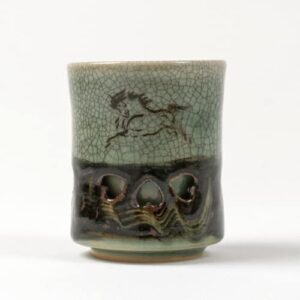
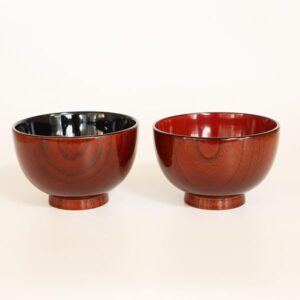
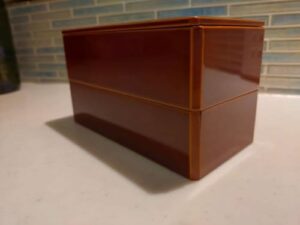
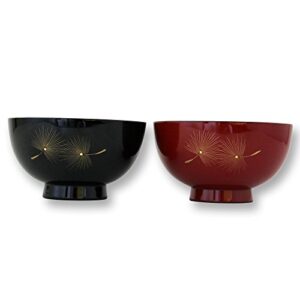
Other regional lacquer and ceramic pieces we’ve covered — useful for placing Aizu-nuri against neighboring Fukushima crafts and against lacquer traditions elsewhere in Japan.
📍 Where this comes from — place, era, and the craft tradition

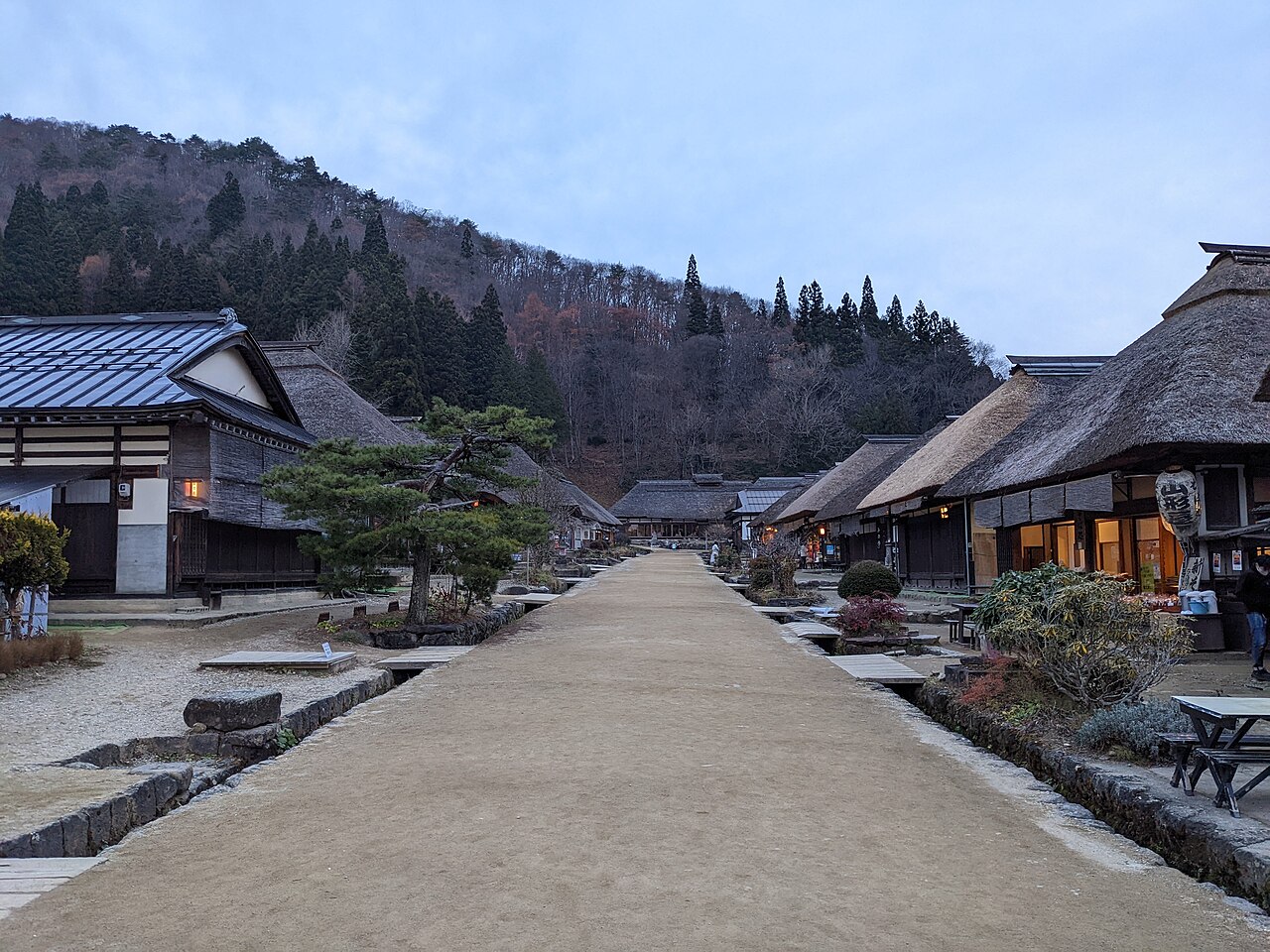
Aizu-Wakamatsu sits in the Aizu basin, the western, mountain-locked corner of Fukushima Prefecture in southern Tōhoku. Winters here are heavy with snow, and the surrounding slopes historically supplied both timber for wood-turning and living urushi trees for lacquer sap. That combination — a cold, forested basin with its own raw materials and a strong domain government — is exactly the kind of setting in which a lacquer industry can take root and stay rooted.
The craft’s origin has a date and a name. In 1590, Gamō Ujisato became lord of Aizu and invited urushi and woodworking artisans from his former domain of Hino in Ōmi province — present-day Shiga, in Kansai. He was, in effect, transplanting mature Kansai lacquer technique onto a region that already cultivated urushi trees.
“The transplant took. Over the Edo period the Aizu domain protected lacquerware as one of its key exports, and Aizu grew into one of Japan’s largest lacquer-producing regions — spoken of alongside Wajima and Yamanaka.”
- 1590 — Gamō Ujisato becomes lord of Aizu and invites urushi and woodworking artisans from Hino in Ōmi (Shiga).
- 1600s — The Aizu domain protects lacquerware as a key export industry through the Edo period.
- Edo peak — Aizu grows into one of Japan’s largest lacquer regions, alongside Wajima and Yamanaka, known for hana-nuri and auspicious maki-e.
- 1868 — The Boshin War reaches Aizu: the siege of Tsuruga Castle and the tragedy of the young Byakkotai at Iimoriyama.
- 1870s onward — The craft rebuilds after the war’s devastation and remains a pillar of the local economy.
- Today — Aizu-Wakamatsu remains one of Japan’s major lacquerware production centers, producing jubako, bowls, and trays.
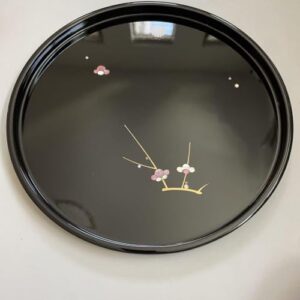
The most visible motifs on Aizu-nuri are auspicious by design: shō-chiku-bai (pine, bamboo, and plum) and the folding fan among them, painted in maki-e over a glossy hana-nuri top-coat. These are the images a household wants present at a New Year table, which is part of why Aizu built a reputation in jubako and osechi ware specifically.
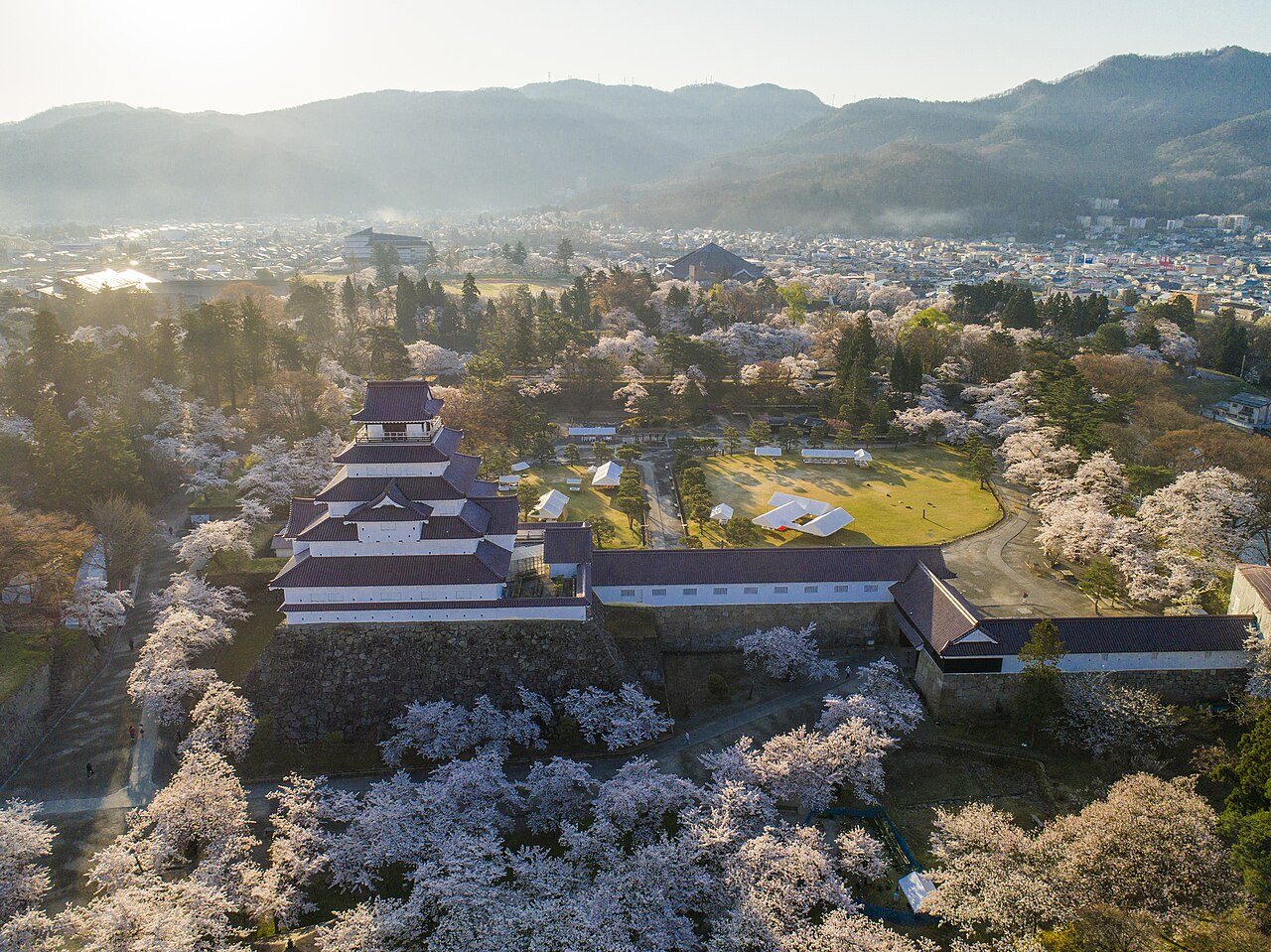
That reputation had to survive one of the hardest chapters in the region’s history. In 1868, the Boshin War brought a month-long siege to Tsuruga Castle, and the tragedy of the teenage Byakkotai at Iimoriyama — young fighters who took their own lives believing the castle had fallen — became central to Aizu-Wakamatsu’s identity. The town rebuilt, and the lacquer trade rebuilt with it.
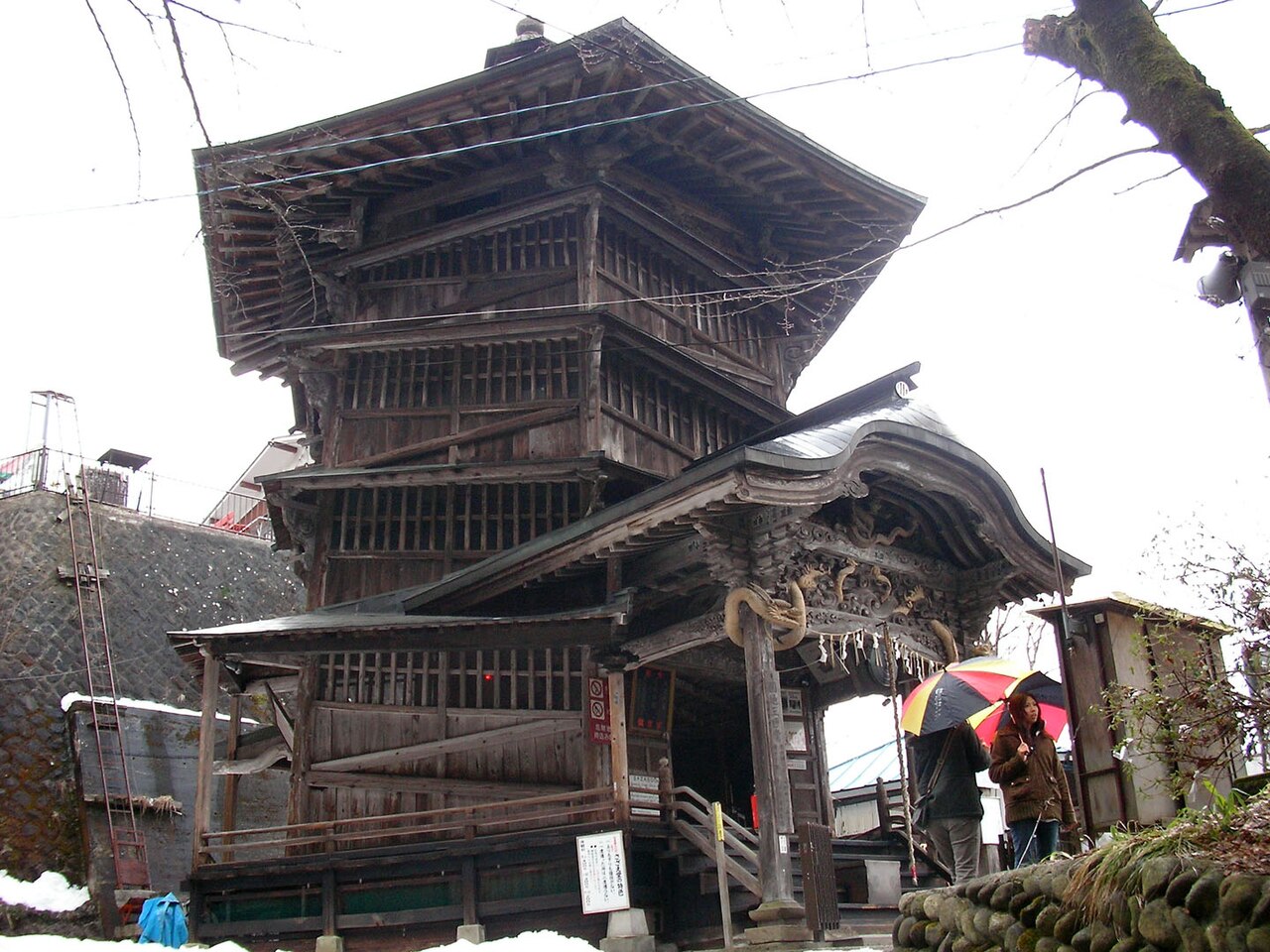
What that continuity means in practice is that a jubako made in Aizu today is not a revival or a costume; it is the same regional craft, worked in the same basin, that Gamō Ujisato’s transplanted artisans set in motion more than four centuries ago. That is the case for buying one from Aizu rather than from a generic factory.
What it does well
- 🍽️ Dishwasher: no — urushi lacquerware is hand-wash only; heat and detergent cycles damage the finish.
- ♨️ Microwave: no — lacquer over a wooden or resin core is not microwave-safe.
- 🧴 Daily care: wash gently by hand in lukewarm water, wipe dry immediately, and avoid prolonged soaking or abrasive scrubbers.
- ☀️ Storage: keep out of direct sunlight and away from very dry heat, which can craze a lacquer surface over time.
Care notes reflect general urushi-lacquerware handling; follow any maker instructions included with the item.
Weaknesses and things to verify before buying
- No confirmed dimensions or weight in our snapshot. Two-tier jubako vary in footprint; check the listing’s measurements against your table and cupboard before ordering.
- Finish may vary. The item may be maki-e-decorated or a solid color depending on the exact listing — do not assume a specific motif until the product page confirms it.
- Hand-wash only. This is not a grab-and-go, throw-in-the-dishwasher lunchbox. If you want low-maintenance daily use, this is the wrong object.
- Price was not in our snapshot. Genuine urushi carries a premium over printed imitations; confirm the current figure on the live listing before deciding.
- Lacquer sensitivity. A small number of people are sensitive to urushi; the cured film is generally inert, but this is worth knowing if you have known lacquer-sap allergies.
- “Aizu-nuri” is a regional name, not a single maker. Quality varies by workshop; read the listing for the maker and construction rather than assuming all Aizu-nuri is identical.
Conclusion — which buyer type are you?
📦 Shipping & where to buy from outside Japan
The specific piece in this guide is sourced from the Amazon Japan Global Store, which ships internationally to 65+ countries — including Canada, the UK, and Australia. For most destinations, Amazon estimates and collects import fees at checkout, so there are usually no surprise charges on delivery.
Expect shipping in roughly the $15–$40 range to the US, EU, Canada, the UK, and Australia, depending on box size and speed. If a listing is not available to your country directly, proxy services such as Buyee or Tenso can forward a domestic-only Japanese order onward. Lacquerware is generally not restricted for export, but always confirm at checkout.
Prices in USD are approximate and depend on the current exchange rate (¥150/USD baseline as of mid-2026). The JPY price on the listing is the authoritative one.
Price snapshot across stores
| Store | Item / Variant | Price | Notes |
|---|---|---|---|
| 🇺🇸 Amazon.com (US) | Browse Japanese lacquer jubako & bento boxes | varies (USD) | Best if you’re shopping from the US — Prime shipping, USD pricing, no international customs. Amazon US carries Japanese lacquer and bento boxes from various makers; this exact Aizu-nuri piece ships from Japan (next row). |
| 🇯🇵 Amazon JP Global Store | Aizu-nuri two-tier jubako (the sourced item) | See live listing (JPY) | Ships internationally from Japan to 65+ countries — including Canada, the UK and Australia — with import fees estimated at checkout. |
| Maker direct | Aizu-nuri workshop / gallery listings | varies (JPY) | Some Aizu workshops list boxes directly; useful for custom motifs but usually domestic-shipping only. |
| Proxy services (Buyee / Tenso) | Forwarding for domestic-only listings | item + forwarding fee | A fallback when a Japanese seller does not ship abroad directly. |
Other ways to approach this purchase
🏆 Editor’s Pick
For a first genuine regional lacquer box, this two-tier Aizu-nuri jubako is the one to start with. Based on the listing and the craft’s documented tradition, three reasons stand out:
- Right size: two tiers cover osechi and gatherings without the bulk of a three-tier set.
- Real urushi: a genuine Aizu-nuri finish, not printed plastic — an object that lasts when cared for.
- Documented provenance: a named craft from Aizu-Wakamatsu with a 1590 origin, which makes it a stronger gift and a stronger keepsake.
Price was not in our snapshot — the JPY figure on the Amazon Japan listing is authoritative.
❓ Frequently Asked Questions
Is this jubako dishwasher- and microwave-safe?
No. Urushi lacquerware is hand-wash only and is not microwave-safe. Wash it gently in lukewarm water, wipe it dry immediately, and avoid prolonged soaking or abrasive scrubbers.
Does it ship outside Japan?
Yes. The item is sourced from the Amazon Japan Global Store, which ships to 65+ countries including Canada, the UK, and Australia, with import fees estimated at checkout for most destinations.
Will my box have a maki-e pattern?
It may be maki-e-decorated or a solid color, depending on the specific listing. Check the product page before ordering rather than assuming a particular motif.
What is a two-tier jubako used for?
Traditionally for osechi, the layered New Year feast, but it also serves well for gatherings, hanami, and everyday bento presentation. Two tiers suit a household spread without the bulk of a three-tier set.
What makes Aizu-nuri different from other lacquerware?
Aizu-nuri comes from Aizu-Wakamatsu in Fukushima, a tradition seeded in 1590 when Gamō Ujisato brought Kansai lacquer artisans to the region. It is known for a glossy hana-nuri top-coat and auspicious maki-e motifs such as pine-bamboo-plum and the folding fan.
Is it a good gift?
Yes. A named regional craft with documented provenance makes a strong milestone gift — weddings, new homes, retirements — because the story travels with the object.
jpmono.com is curated by a Japan-based editorial team (working out of Toyama in the Hokuriku region and Nara in Kansai) and is independent. We don’t take payment from the makers we feature; income comes from affiliate links. Read more about our editorial standards.
🤖 This article was drafted with AI assistance and reviewed against the source listing and maker tradition before publication. Craft history is drawn from documented sources; live pricing and specs should be confirmed on the linked listing.
Affiliate disclosure: jpmono.com may earn a commission on qualifying purchases made through links on this page, at no additional cost to you.
