![Hasami Porcelain Teapot: Nagasaki Kyusu Craft Guide [2026]](https://jpmono.com/wp-content/uploads/2026/10/hasami-porcelain-teapot-where-to-buy-2026-featured.jpg)
- What it is: Hasami-yaki porcelain pot for tea, about 550ml, with stainless-steel tea strainer, made in Japan
- Made in: Hasami, Nagasaki — everyday porcelain kiln tradition from the early 1600s
- Price band: ¥3,311 (about $22 USD at current rates) as of 2026-10-11; verify on the listing
- Best for: Daily green-tea or black-tea drinkers who want an easy-to-wash porcelain pot
- Skip if: You want a small single-serve kyusu under 300ml or a lidded teapot without a metal strainer
- Shipping: Ships internationally from Amazon Japan — jump to our pick ↓
Steam rises off a high-fired white body that cools just enough to hold, and the pour runs clean through a lift-out stainless strainer.
That everyday ease is the point of Hasami ware (Hasami-yaki, 波佐見焼). Based on listings and the town’s published craft outline, kilns in Hasami in central Nagasaki grew from the early 1600s as producers of durable, high-fired porcelain for daily use, with climbing kilns turning out sometsuke (blue-and-white) and plain white wares for domestic tables and Nagasaki trade. The data suggests the modern standardized forms continue that same everyday-porcelain line rather than a single-artist studio line.
This guide is for international readers deciding whether a Nagasaki Hasami porcelain pot belongs in a daily tea routine. Per the Amazon JP listing as of October 11, 2026, the specific item covered here is the Saikai Touki large majolica-pattern pot of about 550ml with tea strainer, sold new by Amazon.co.jp. The sections below compare store paths, explain the place behind the ware, and lay out strengths, caveats, and buyer types before the pick.
Updated:
Read time: about 12 minutes
From a Japan-based editor working out of Toyama and Nara

- Who this is for — and who should skip it
- Product overview (from published specs)
- Which finish should you choose?
- 📍 Where this comes from — place, era, and the craft tradition
- 📦 Shipping & where to buy from outside Japan
- Price snapshot across stores
- What it does well
- Weaknesses and things to verify before buying
- Conclusion — which buyer type are you?
- Other ways to approach this purchase
- 🏆 Editor’s Pick
- ❓ Frequently Asked Questions
Who this is for — and who should skip it
- Daily sencha, bancha, or black-tea drinkers who brew 2–3 cups at once
- Buyers who want porcelain, not cast iron or clay, for clean flavor and easy rinsing
- Households that share tea and need a larger about-550ml body
- Readers furnishing a Japanese-style table with made-in-Japan porcelain
- Gift buyers who need a new, in-stock, shippable item with a strainer included
- Solo drinkers who want a compact 200–300ml kyusu with a side handle
- Tea drinkers who avoid metal strainers and want a clay mesh or built-in porcelain filter
- Collectors seeking a named artist, signed box, or exhibition-grade piece
- Buyers who need a stovetop-safe kettle rather than a brewing pot
- Readers who require confirmed dishwasher or microwave labeling before purchase
Product overview (from published specs)
Spec sheets indicate a single porcelain pot for tea with a lift-out strainer, not a cup set. The listing title describes the contents plainly, and the table below keeps strictly to what the listing states.
Hasami Porcelain Teapot
西海陶器 波佐見焼 ポット 大きい マジョリカ柄 容量約550ml 洗いやすい 茶漉し 付 (スーパーステンレス 茶こし付) はさみやき 食器 紅茶 お茶 緑茶 和食器 日本製 60157
在庫あり。 · Sold by Amazon.co.jp · ASIN B008GYVW54
Price and availability as of 2026-10-11 10:10 JST. The Amazon listing at the time of purchase is authoritative. jpmono.com earns a commission on qualifying purchases at no extra cost to you.
| Attribute | Listed value | Source |
|---|---|---|
| Item | Porcelain pot, large, majolica pattern, with tea strainer | Amazon JP listing title as of 2026-10-11 |
| Maker label | Saikai Touki, Hasami-yaki, made in Japan, item 60157 | Amazon JP listing title as of 2026-10-11 |
| Capacity | About 550ml | Amazon JP listing title as of 2026-10-11 |
| Strainer | Included, described as super stainless tea strainer, easy to wash | Amazon JP listing title as of 2026-10-11 |
| Material / ware | Porcelain tableware (Hasami-yaki) | Amazon JP listing title and craft outline |
| Condition / seller | New, sold by Amazon.co.jp, in stock | Amazon JP listing snapshot 2026-10-11 |
| Price at snapshot | ¥3,311 (about $22 USD at current rates) as of 2026-10-11; verify on the listing | Amazon JP listing snapshot 2026-10-11 |
| Kiln tradition | Hasami, central Nagasaki; everyday porcelain from the early 1600s; high-fired | Craft outline in source notes |
ℹ️ Only the Amazon JP listing snapshot plus the craft outline were available; live pricing may have shifted since the writing date. The linked listing is authoritative.
📖 Glossary: Hasami, kyusu, sometsuke
Hasami-yaki (波佐見焼): Porcelain made in Hasami, Nagasaki Prefecture, associated with high-fired everyday tableware produced at scale.
Kyusu (急須): A Japanese teapot for brewing loose-leaf tea, commonly with a side or rear handle and a built-in or removable strainer.
Sometsuke (染付): Blue-and-white porcelain with underglaze cobalt decoration, a long-running Hasami staple for daily use.
Majolica: In this listing, a pattern name for the glazed surface; the listing does not state hand-painting, so decoration method is unconfirmed.
Omura Domain: The historical domain under which Hasami kilns developed in the early modern period, per the craft outline.
Which finish should you choose?
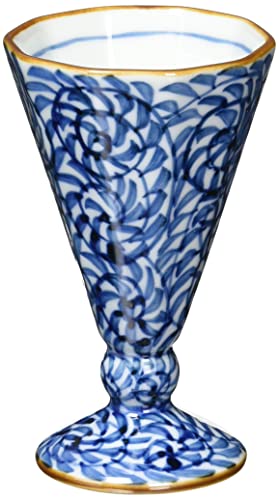
This piece is listed in 3 styles. The photos below are the actual style options on the listing right now — pick the one you want and confirm it on the product page before ordering, since hand-finished wares vary slightly piece to piece.
![Hasami Porcelain Teapot: Nagasaki Kyusu Craft Guide [2026] — フィグ finish](https://m.media-amazon.com/images/I/41TIA6EQPcL._SL500_.jpg)
![Hasami Porcelain Teapot: Nagasaki Kyusu Craft Guide [2026] — バード finish](https://m.media-amazon.com/images/I/41tGlKeyBoL._SL500_.jpg)
Related porcelain guides on jpmono for bowls, rice bowls, and Kyushu teaware. Each card links to the full guide.
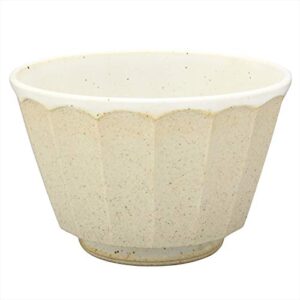 Hasami Porcelain Bowl
Bowls from the same kiln town
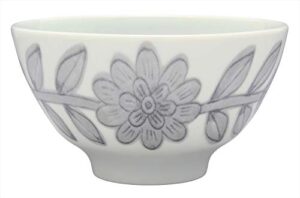 Tobe Porcelain Rice Bowl
Another everyday porcelain option
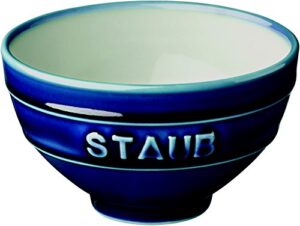 Hasami Ware Porcelain Rice Bowl: Everyday Kyushu Tableware [2026]
Pair a rice bowl with the pot
 Mikawachi-yaki Karako-e Porcelain Kyusu Teapot: Where to Buy [2026]
Nagasaki porcelain kyusu contrast
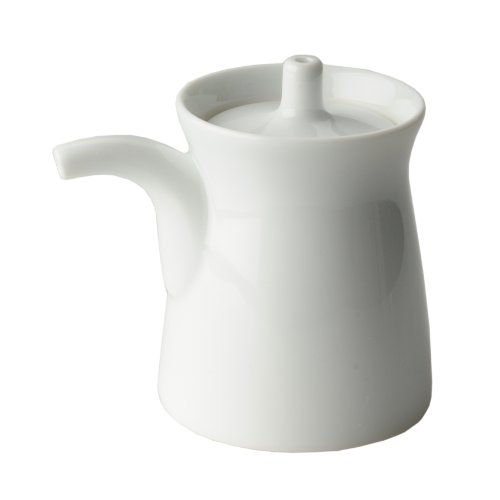 Hakusan Hasami-yaki G-Type Soy Sauce Dispenser: Where to Buy [2026]
Modern Hasami form language
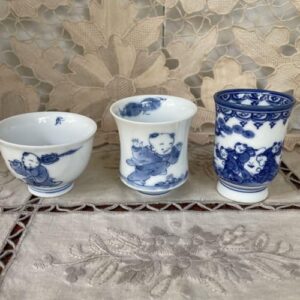 Mikawachi Ware Hirado Sometsuke Sake Cup: Karako Porcelain [2026]
Sometsuke in a sake cup
📍 Where this comes from — place, era, and the craft tradition

Hasami sits in central Nagasaki Prefecture on the island of Kyushu in southwestern Japan. The town is inland from the port city of Nagasaki, in a district where clay, fuel, and water supported kiln building. Based on the craft outline, the industry took root here because the area could fire large volumes of sturdy porcelain for daily tables, with river and road links toward Nagasaki trade.

The commonly told story is that Hasami kilns developed from the early 1600s as everyday porcelain under the framework of the Omura Domain. Rather than a single famous founder, the record describes a district of kilns that standardized durable sometsuke and plain white wares. Climbing kilns allowed long, high-temperature firings that made the body dense and glassy, suited to repeated hot-tea use.
-
Early 1600s — Kilns in Hasami grow as everyday porcelain producers within the Omura Domain framework -
1600s–1800s — Climbing kilns mass-produce durable sometsuke and plain white wares for daily use -
1600s–1800s — Hizen porcelain circulates through domestic routes and Nagasaki trade -
Modern era — Standardized forms and matte glazes continue the high-fired porcelain tradition -
October 11, 2026 — Amazon JP lists the Saikai Touki Hasami-yaki pot with strainer, new, at ¥3,311

Nagasaki’s port history helps explain why a practical ware like Hasami traveled. Dejima in Nagasaki harbor served as a controlled trading post, and Hizen kilns including Hasami supplied wares that moved through domestic and export channels. The Oura Church district nearby reflects the same port-city layering that supported kiln towns around Nagasaki.

What still being made here means is continuity of everyday porcelain rather than a single lineage. The craft outline describes modern Hasami Porcelain as keeping standardized forms and matte glazes while continuing high-fired production. For a buyer, that reads as consistent sizing, stackable tableware logic, and replacement-friendly pieces.
“Hasami made porcelain for daily tables at scale — this pot keeps that logic: a sturdy body, a strainer that lifts out, and a size meant to be used.”
📦 Shipping & where to buy from outside Japan
International readers can source this type of pot through Amazon JP Global Store, which ships many household items to 65+ countries including Canada, the UK and Australia. Per the listing snapshot, the specific pot was sold by Amazon.co.jp and in stock as of October 11, 2026. Prices in USD are approximate and depend on the current exchange rate.
- Amazon JP Global Store estimates shipping and import fees at checkout; typical parcels to the US and EU run $15–$40 depending on weight and speed
- Orders above local duty thresholds may attract customs duties; Amazon estimates or collects import fees at checkout for most destinations
- If the JP listing does not ship to an address, proxy services such as Buyee or Tenso can forward the parcel internationally
Amazon US carries comparable Japanese teaware and is useful for Prime shipping and USD pricing, while the exact Saikai Touki item described here is sourced from Japan. Always verify current shipping eligibility and fees at the retailer before purchasing.
Price snapshot across stores
JPY is authoritative; USD figures are estimates at ¥150/USD. Based on listings at the time of writing, only the Amazon JP snapshot below carries a confirmed price for the specific item.
| Store | Item / Variant | Price | Notes |
|---|---|---|---|
| 🇺🇸 Amazon US (search) | Browse Japanese teapots and kyusu | varies (USD) | Best if shopping from the US — Prime shipping, USD pricing, no international customs. Amazon US carries Japanese teaware from many makers; the exact Saikai Touki pot below ships from Japan. |
| 🇯🇵 Amazon JP Global Store | Saikai Touki Hasami-yaki large pot, majolica pattern, about 550ml, with stainless strainer | ¥3,311 (about $22 USD at current rates) as of 2026-10-11 | Ships internationally from Japan to 65+ countries — including Canada, the UK and Australia — with import fees estimated at checkout. Sold by Amazon.co.jp, in stock at snapshot. |
| Maker direct | Hasami-yaki pot, maker-shop equivalent | — | Unconfirmed — check manufacturer site. Maker shops often list tableware without international checkout. |
| Proxy services (Buyee / Tenso) | Same JP listing via forwarder | ¥3,311 item price plus service and forwarding fees | Use when the listing does not ship directly to an address; fees apply on top of the item price. |
What it does well
Weaknesses and things to verify before buying
- Decoration method is unconfirmed. The title says majolica pattern but does not state hand-painted, transfer print, or glaze technique. Do not expect a signed or artisanal surface without checking the listing images.
- Not a compact kyusu. At about 550ml this is a large pot; solo drinkers or gongfu-style brewers will find it oversized and harder to dose for one cup.
- Metal strainer limits purists. Readers who prefer a clay-mesh or sasame filter for fine fukamushi particles should confirm hole size in listing photos; a stainless basket behaves differently.
- No confirmed care labels. The snapshot does not confirm dishwasher, microwave, or direct-flame safety. Treat daily care as hand-wash until the listing states otherwise.
- Pattern and shape may differ from photos. Glaze tone and majolica relief can vary by firing lot. If matching existing tableware matters, verify current listing images before ordering.
- Price and stock move. ¥3,311 (about $22 USD at current rates) was the snapshot as of 2026-10-11; live pricing may have shifted. Verify price, stock, and shipping eligibility at checkout.
Conclusion — which buyer type are you?
Other ways to approach this purchase
🏆 Editor’s Pick
Per the Amazon JP listing as of October 11, 2026, this is a new large majolica-pattern porcelain pot of about 550ml with a super stainless-steel tea strainer, labeled Hasami-yaki and made in Japan, sold by Amazon.co.jp. Three reasons it leads this guide: the strainer is included so brewing starts immediately, the 550ml body suits shared daily tea, and porcelain rinses clean between green and black teas.
- Single pot plus lift-out strainer — no separate filter purchase
- Large easy-to-wash body for green tea, black tea, and table serving
- New, in stock at snapshot, at ¥3,311 (about $22 USD at current rates) as of 2026-10-11
Amazon Japan — ships worldwide. Prices and availability may have changed; verify on the listing. USD figures are approximate.
❓ Frequently Asked Questions
What exactly is the listed item?
Per the Amazon JP listing as of October 11, 2026, it is a Saikai Touki Hasami-yaki large porcelain pot with majolica pattern, capacity about 550ml, with a super stainless-steel tea strainer, described as easy to wash, made in Japan, item 60157, sold new by Amazon.co.jp.
How much does it cost?
The snapshot price was ¥3,311 (about $22 USD at current rates) as of 2026-10-11; verify on the listing. Live pricing may have shifted since the writing date, and USD figures are approximate.
Is this a Hasami Porcelain 700ml matte kyusu?
No. The purchasable listing describes a large majolica-pattern pot of about 550ml with strainer, not a 700ml matte kyusu. Size, pattern, and strainer details follow the listing title.
Can I order it from outside Japan?
Amazon JP Global Store ships many household items to 65+ countries including Canada, the UK and Australia, with import fees estimated at checkout. If direct shipping is unavailable, proxy services such as Buyee or Tenso can forward the parcel. Always confirm eligibility at checkout.
Is the decoration hand-painted?
Unconfirmed. The listing states a majolica pattern but does not specify hand-painting or transfer printing, so decoration method should be treated as unconfirmed until the listing images or maker page state it.
How do Hasami and Mikawachi porcelain differ?
Based on the craft outline, Hasami is positioned as sturdy everyday porcelain made at scale, while Mikawachi is known for finer decorated pieces. Readers wanting a small decorated kyusu can compare the Mikawachi Karako-e kyusu guide linked above.
jpmono.com is curated by a Japan-based editorial team (working out of Toyama in the Hokuriku region and Nara in Kansai) and is independent. We don’t take payment from the makers we feature; income comes from affiliate links. Read more about our editorial standards.
AI-assisted research and drafting with human editorial review. Pricing and availability verified against the linked listing snapshot dated 2026-10-11.
Affiliate disclosure: jpmono.com may earn a commission on qualifying purchases made through links on this page, at no additional cost to you.