![Hasami-yaki Porcelain Bowl: Where to Buy Nagasaki’s Minimalist Ware [2026]](https://jpmono.com/wp-content/uploads/2026/07/hasami-yaki-porcelain-bowl-where-to-buy-2026-featured.jpg)
- What it is: a minimalist, matte-glazed porcelain stacking bowl from Hasami, Nagasaki — clean lines and an unglazed clay foot.
- Made in: Hasami, Nagasaki Prefecture, Kyūshū — a porcelain town that has fired ware since around 1600.
- Price band: mid-range for designer Japanese porcelain (see live listing — a firm figure was not in our snapshot).
- Best for: readers who want quiet, stackable everyday tableware with a genuine 400-year kiln lineage behind it.
- Skip if: you want ornate hand-painted blue-and-white decoration, or you need guaranteed dishwasher and microwave use.
- Shipping: ships internationally from Amazon Japan — jump to our pick ↓
ℹ️ Live pricing and some specs weren’t in our snapshot — the linked listing is authoritative; unconfirmed attributes are marked below.
For roughly four hundred years, the porcelain that came out of the Hasami valley in Nagasaki was not meant to be admired. It was meant to be cheap. Villagers stacked plain white bowls onto riverboats and hawked them from the water with the cry kurawanka — “won’t you eat?” — to travelers along the Yodo and other rivers. Those bowls fed ordinary Japan by the boatload, and almost nobody outside the trade knew where they were fired.
What changed is design. Since the 2000s, the Hasami Porcelain brand and studios such as Maruhiro have re-cast that same everyday-porcelain heritage into stackable, matte-glazed tableware with an unglazed clay foot and a stripped-back, modular silhouette that reads instantly to buyers in New York, London, and Melbourne. The material is old. The shape is new. That combination is exactly why Hasami-yaki (波佐見焼, “Hasami ware”) now sits on international kitchen shelves under its own name instead of quietly shipping out as “Imari.”
This guide is for readers deciding whether an authentic Hasami porcelain bowl is worth buying from outside Japan — and how to tell the real regional article from generic white porcelain. We cover what the ware actually is, where it comes from, how the finish behaves in daily use, what to verify before you pay, and where to buy it (Amazon US search first, Amazon Japan Global Store for the specific sourced listing).
🔄 Updated:
⏱️ Read time: ~9 min
- Who this is for — and who should skip it
- Product overview (from published specs)
- 📍 Where this comes from — place, era, and the craft tradition
- Which finish should you choose?
- Price snapshot across stores
- 📦 Shipping & where to buy from outside Japan
- What it does well
- Weaknesses and things to verify before buying
- Conclusion — which buyer type are you?
- Other ways to approach this purchase
- 🏆 Editor’s Pick
- ❓ Frequently Asked Questions
Who this is for — and who should skip it
- Want minimalist, stackable tableware that stores flat in a small kitchen.
- Like a matte, tactile clay-glaze surface over high-gloss decoration.
- Care that the object has a verifiable regional craft lineage, not just a “Japanese-style” look.
- Are building a mix-and-match set where pieces should nest and repeat cleanly.
- Prefer neutral tones that sit quietly next to food rather than competing with it.
- Want ornate hand-painted sometsuke (blue-and-white) or gold-leaf decoration.
- Need a bowl you can throw in the dishwasher and microwave without checking the listing first.
- Expect a single “official” maker — “Hasami-yaki” is a regional name shared by many studios.
- Are shopping purely on price and would rather buy an unbranded white bowl.
- Want a heavyweight, thick-walled bowl; the modern lines run relatively lean.
Product overview (from published specs)
The star of this guide is the Hasami Porcelain natural clay-glaze stacking bowl (brand: Hasami Porcelain), listed on Amazon US under ASIN B07TMGB3BD. Our fetched snapshot returned the listing identity but no confirmed price or dimension sheet, so the table below marks unconfirmed attributes plainly rather than guessing. Based on the brand’s published design language, the defining features are the matte natural clay-glaze finish, the unglazed foot ring, and the stackable modular form.
Hasami-yaki Porcelain Bowl
波佐見焼 Don ボウル S アース 白マット 105225 642
残り3点(入荷予定あり) · Sold by Amazon.co.jp · ASIN B07TMGB3BD
Price and availability as of 2026-08-31 02:30 JST. The Amazon listing at the time of purchase is authoritative. jpmono.com earns a commission on qualifying purchases at no extra cost to you.
| Attribute | Detail | Source |
|---|---|---|
| Ware / origin | Hasami-yaki porcelain, Hasami, Nagasaki (Kyūshū) | Regional tradition (data notes) |
| Brand | Hasami Porcelain | Amazon US listing |
| Material | Porcelain with natural matte clay glaze | Brand design spec |
| Form | Stackable / modular bowl, unglazed foot ring | Brand design spec |
| Diameter / capacity | Unconfirmed — check the listing | Not in snapshot |
| Weight | Unconfirmed — check the listing | Not in snapshot |
| Dishwasher / microwave | Unconfirmed — verify on listing (natural clay glaze may be hand-wash only) | Not in snapshot |
| Price | Live only — not captured in our snapshot | Not in snapshot |
Prices in USD are approximate and depend on the current exchange rate. Only the Amazon listing snapshot was available at the time of writing; live pricing and full dimensions may have shifted since.
📖 Glossary — key terms
- Hasami-yaki (波佐見焼, “Hasami ware”) — porcelain made in and around the town of Hasami, Nagasaki Prefecture.
- Kurawanka (くらわんか) — “won’t you eat?”; the everyday riverboat bowls Hasami mass-produced in the Edo period.
- Sometsuke (染付) — cobalt blue-and-white underglaze painting, the classic decorative style of Kyūshū porcelain.
- Noborigama (登り窯) — a multi-chamber wood-fired “climbing kiln” built up a slope.
- Imari (伊万里) — the port name under which much Kyūshū porcelain, Hasami’s included, was historically exported.
- Kōdai (高台) — the foot ring of a bowl; left unglazed on many Hasami Porcelain pieces.
📍 Where this comes from — place, era, and the craft tradition

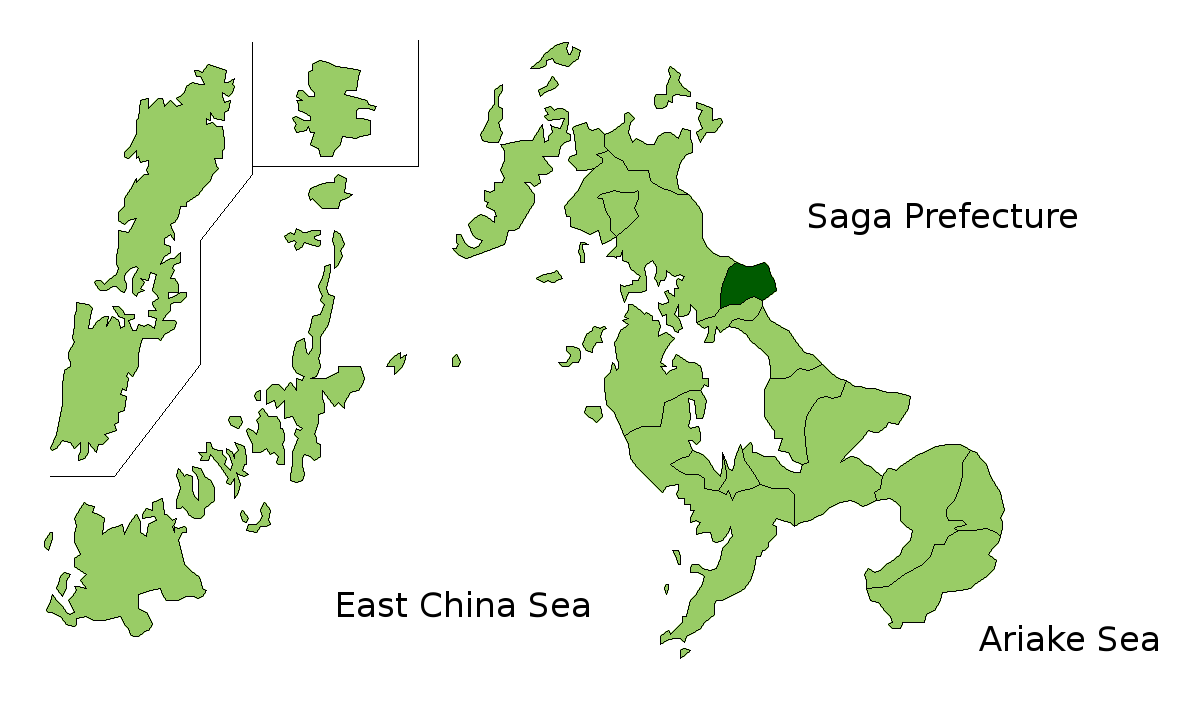
Hasami sits inland in the north of Nagasaki Prefecture, on the island of Kyūshū, tucked against the prefectural border with Arita in neighboring Saga. The two towns share the same hills, the same porcelain-stone geology, and — for most of their history — the same clay bodies. That geography is the whole story: when workable porcelain stone was found in these hills around 1600, a mass-porcelain industry took root and never left.
The founding moment is a violent one. During the Bunroku–Keichō campaigns on the Korean peninsula (1592–1598), Korean potters were brought to Kyūshū. Some settled near Hasami, found porcelain stone in the surrounding hills, and began firing porcelain around 1600 — the same wave of expertise that seeded Arita and the wider Kyūshū porcelain industry. This is why Hasami and Arita are technical siblings rather than rivals.
- 1592–1598 — Bunroku–Keichō campaigns; Korean potters are brought to Kyūshū.
- c.1600 — Porcelain stone is found in the hills near Hasami; the first kilns fire.
- 17th century — Hasami becomes a mass producer of everyday kurawanka bowls.
- Edo period — Much Hasami ware ships abroad as “Imari” through the neighboring port trade.
- 18th–19th c. — The Nakaoyama noborigama, among the world’s largest climbing kilns, is in operation.
- 2000s — The Hasami Porcelain brand and studios such as Maruhiro revive the region with minimalist, stackable tableware.
- 2026 — Hasami porcelain is sold worldwide under its own name as modern everyday tableware.
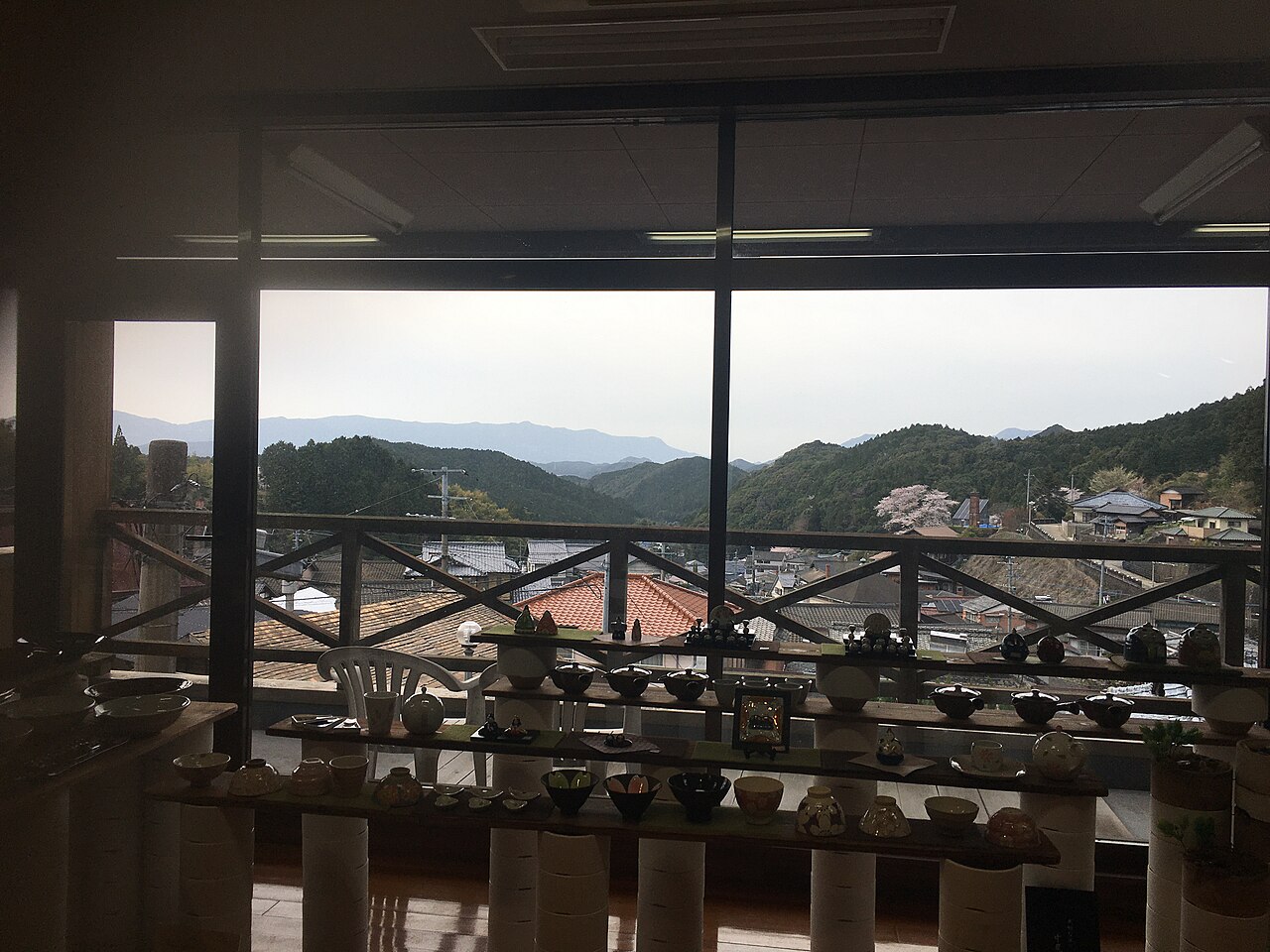
For centuries this was invisible labor. Hasami made the plain kurawanka bowls that were sold cheaply from riverboats, and because so much of its output left through the same channels as Arita’s, it was frequently shipped and sold as “Imari.” The town fired an enormous share of Japan’s daily porcelain while living in the commercial shadow of a more famous neighbor a few kilometers away.
“Hasami spent four hundred years making the bowls Japan actually ate from — and letting a neighbor take the credit.”
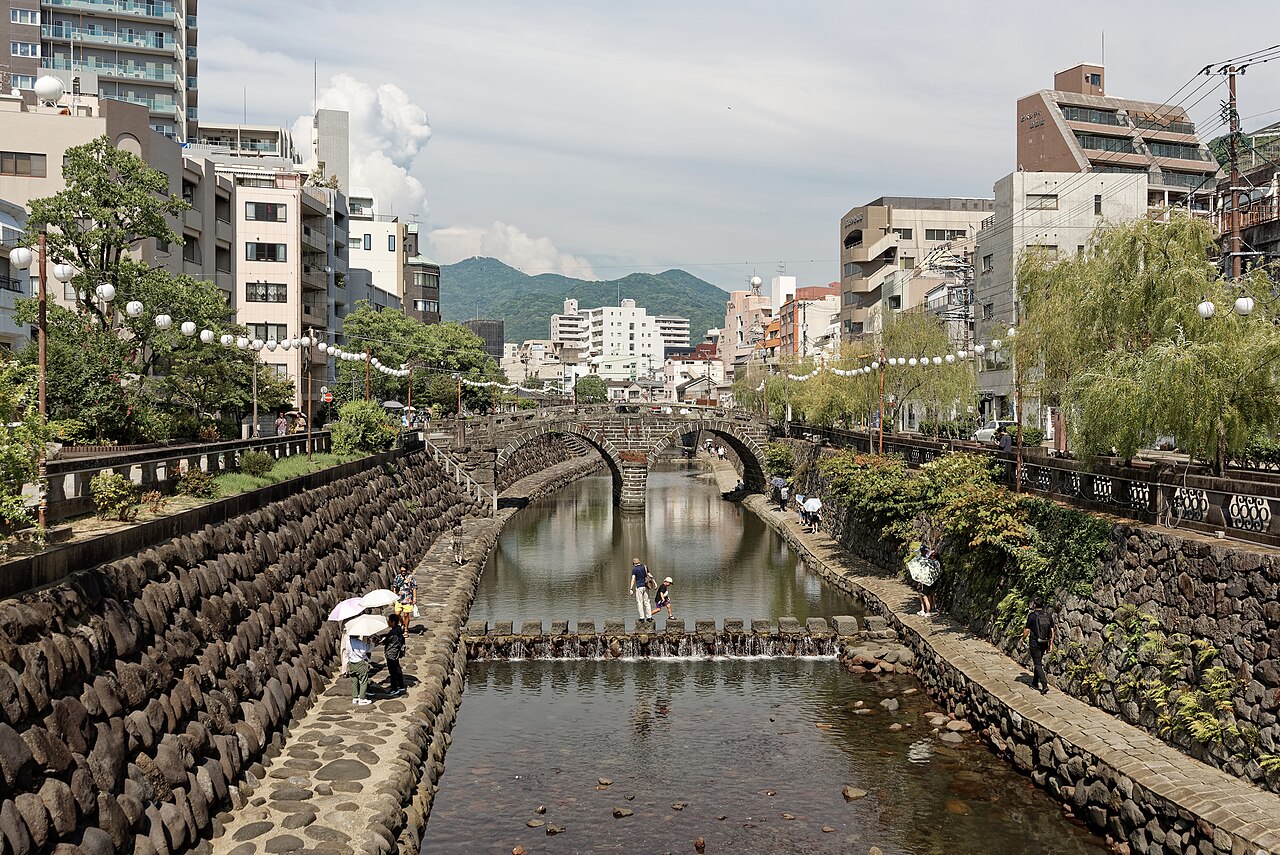
Nagasaki itself is the wider context. The prefecture was Japan’s long window to the outside world, the point through which foreign trade and foreign ideas passed for centuries. That cross-cultural history — visible today in landmarks from the Megane Bridge to Ōura Cathedral — is the same trade infrastructure that carried Kyūshū porcelain out to European markets in the first place.
What “still being made here” means today is a reinvention rather than a museum piece. The porcelain body and the kiln know-how are continuous with the Edo period, but since the 2000s the Hasami Porcelain brand and studios like Maruhiro have deliberately re-designed the output for contemporary kitchens: matte glazes, unglazed feet, and modular shapes that stack. The result is a craft that finally sells under its own name — and reaches shelves in the US, the UK, and Australia.

Which finish should you choose?
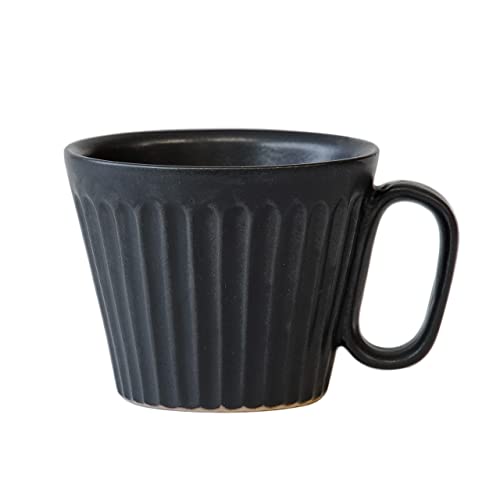
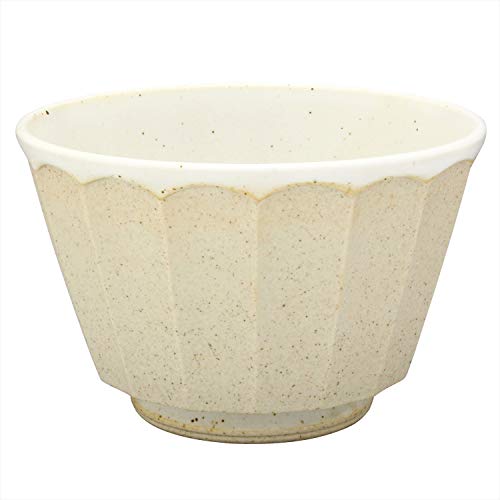
This piece is listed in 4 sizes. The photos below are the actual size options on the listing right now — pick the one you want and confirm it on the product page before ordering, since hand-finished wares vary slightly piece to piece.
![Hasami-yaki Porcelain Bowl: Where to Buy Nagasaki's Minimalist Ware [2026] — Large finish](https://m.media-amazon.com/images/I/41fuj61pYLL._SL500_.jpg)
![Hasami-yaki Porcelain Bowl: Where to Buy Nagasaki's Minimalist Ware [2026] — Small finish](https://m.media-amazon.com/images/I/31CQrYc3nTL._SL500_.jpg)
![Hasami-yaki Porcelain Bowl: Where to Buy Nagasaki's Minimalist Ware [2026] — Small finish](https://m.media-amazon.com/images/I/41lYO67KEZL._SL500_.jpg)
Other Japanese ceramics and Kyūshū crafts we’ve covered — useful for weighing decoration, glaze, and price tier against this minimalist Hasami bowl.
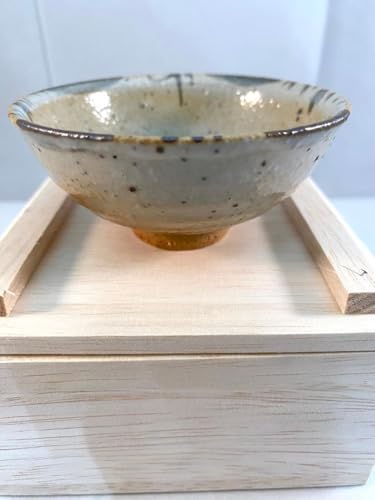 Karatsu E-Garatsu guinomi
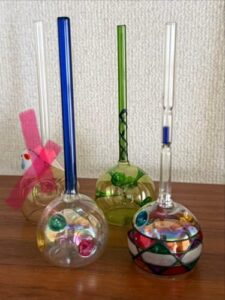 Nagasaki Poppen glass (same prefecture)
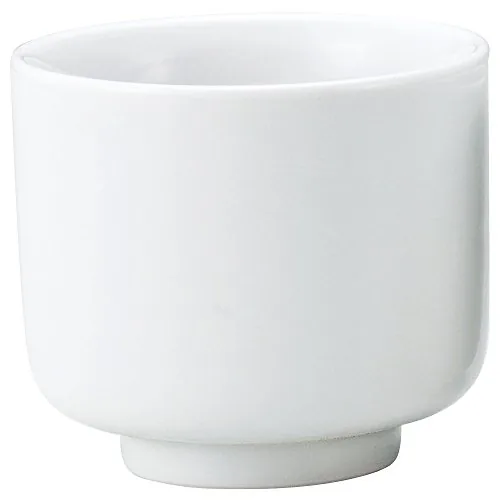 Satsuma Shiro-Satsuma sake cup
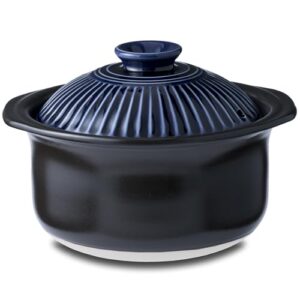 Banko-yaki donabe clay pot
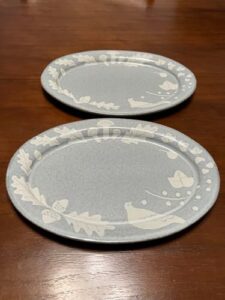 Kasama-yaki oval plate
Fujina-yaki slipware plate
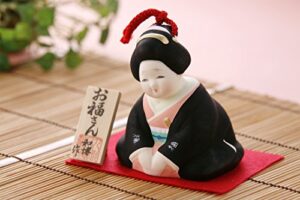 Hakata Ningyo clay figurine (Kyushu)
Price snapshot across stores
| Store | Item / variant | Price (JPY + USD est.) | Notes |
|---|---|---|---|
| 🇺🇸 Amazon US (search) | Browse Japanese Hasami porcelain bowls | varies (USD) | Best if you’re shopping from the US — Prime shipping, USD pricing, no international customs. Amazon US carries Hasami Porcelain and comparable Japanese porcelain tableware for comparing shapes and price tiers. |
| 🇯🇵 Amazon JP Global Store | Hasami Porcelain clay-glaze stacking bowl (ASIN B07TMGB3BD) | see live listing (¥ authoritative) | The specific sourced listing. Ships internationally from Japan to 65+ countries — including Canada, the UK and Australia — with import fees estimated at checkout. |
| Maker direct | Hasami Porcelain / Maruhiro studio range | see maker site | Widest choice of shapes and sizes; international shipping and stock vary by region. |
| Proxy services (Buyee / Tenso) | Japan-only shop listings, forwarded abroad | item + forwarding fee | Useful for studio pieces not on the Global Store; adds a forwarding fee and a consolidation step. |
USD figures are approximate at a ¥150/USD baseline (mid-2026); the JPY price on the listing is authoritative. Prices and stock fluctuate — verify at the retailer before buying.
📦 Shipping & where to buy from outside Japan
The specific bowl is sourced from Amazon Japan’s Global Store, which ships internationally to 65+ countries — including Canada, the UK, and Australia. Amazon estimates and collects any import fees at checkout for most destinations, so there is usually no surprise bill on delivery. Typical shipping runs about $15–$40 to the US, EU, Canada, the UK, and Australia, depending on weight and speed.
If you are shopping from the US, the Amazon US search link above is often the easier path — Prime shipping and USD pricing, with no customs step. For studio pieces that only appear on Japanese shops, proxy forwarders such as Buyee or Tenso can receive the order in Japan and forward it to you, adding a forwarding fee. As porcelain, the bowl is non-electrical, so there are no voltage or certification concerns.
What it does well
Weaknesses and things to verify before buying
- Care rules are unconfirmed in our data. The natural matte clay glaze can be more porous than a glossy glaze; verify dishwasher and microwave suitability on the listing before assuming — some natural-finish lines are hand-wash only.
- The unglazed foot ring is deliberately raw. It can lightly scratch glossy tables or shelves; a felt pad solves it, but it is worth knowing.
- Minimalist, not decorative. If you want hand-painted sometsuke blue-and-white or gilt decoration, this bowl is intentionally plain.
- “Hasami-yaki” is a regional name, not one maker. Quality and finish vary by studio; confirm you are buying the Hasami Porcelain brand piece, not a look-alike.
- Live price was not in our snapshot. Treat any figure you see elsewhere as unverified and check the listing at purchase.
- US listing vs Japan sourcing. Availability can shift between Amazon US and the JP Global Store; if one path is out of stock, try the other.
Conclusion — which buyer type are you?
Other ways to approach this purchase
🏆 Editor’s Pick
❓ Frequently Asked Questions
Is Hasami-yaki the same as Arita ware?
They are close technical siblings. Both grew from the same wave of Korean potters who found porcelain stone in the shared Kyūshū hills around 1600, and for centuries much Hasami ware was even shipped and sold as “Imari” alongside Arita’s. Today Hasami is recognized under its own name, but the porcelain body and history overlap heavily with neighboring Arita in Saga.
Can I put this bowl in the dishwasher or microwave?
Our snapshot did not confirm care ratings, and the natural matte clay glaze can be more porous than a glossy one — some natural-finish lines are hand-wash only. Check the specific listing’s care instructions before assuming dishwasher or microwave use.
Does it ship outside Japan?
Yes. The bowl is sourced from Amazon Japan’s Global Store, which ships to 65+ countries including Canada, the UK, and Australia, with import fees estimated at checkout. US shoppers can also use the Amazon US search link for Prime shipping and USD pricing.
How can I tell authentic Hasami-yaki from generic porcelain?
Because “Hasami-yaki” is a regional name shared by many studios, look for the specific brand — here, Hasami Porcelain — rather than a vague “Japanese-style” label. Hallmarks include the unglazed clay foot ring, the matte natural glaze, and the modular stacking form.
Why is the foot ring left unglazed?
The raw kōdai (foot) is part of the design language, showing the porcelain body itself. It can lightly scratch glossy surfaces, so a felt pad is a sensible addition if you stack the bowls on a polished shelf.
Is Hasami-yaki expensive?
The Hasami tradition began as cheap everyday kurawanka ware, and modern branded pieces sit in a mid-range band for designer Japanese porcelain — more than an unbranded bowl, less than a hand-painted art piece. A firm price was not in our snapshot; check the live listing.
What food suits these bowls?
The neutral matte porcelain is versatile — rice, miso soup, salad, cereal, or use as a small serving bowl. The quiet finish is designed to let the food, rather than a pattern, lead.
jpmono.com is curated by a Japan-based editorial team (working out of Toyama in the Hokuriku region and Nara in Kansai) and is independent. We do not take payment from the makers we feature; income comes from affiliate links. We read maker specs and source listings rather than physically testing every product. Read more about our editorial standards.
This article was drafted with AI assistance and reviewed against the source listing and verified craft-history notes before publication. Specs and prices not present in the source data are marked as unconfirmed rather than guessed.
Affiliate disclosure: jpmono.com may earn a commission on qualifying purchases made through links on this page, at no additional cost to you.