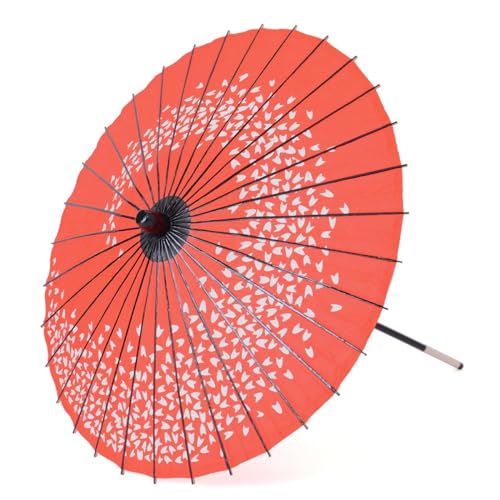
- What it is: A Japanese paper umbrella, or wagasa, with split bamboo ribs and a washi canopy.
- Made in: Kyoto is the craft tradition discussed here; the listed item’s Kyoto provenance is unconfirmed.
- Price band: The selected new listing is ¥6,000 (≈ $40 USD at a ¥150/USD baseline; as of 2026-10-24; verify on the listing).
- Best for: A display or ceremonial umbrella buyer who can confirm construction and intended use before ordering.
- Skip if: You need a low-maintenance, all-weather daily rain umbrella.
- Shipping: Check destination eligibility and delivery terms at checkout — jump to our pick ↓
Split bamboo ribs hold a paper canopy open like a shallow, red-edged circle; when the frame closes, those fine ribs fold together around a single shaft. That is the basic visual logic of a wagasa, a traditional Japanese umbrella made from bamboo and washi paper.
Kyoto wagasa are associated with a city whose workshops supplied temples, tea houses, and entertainment districts. The craft uses layered paper waterproofed with persimmon tannin and drying oil, rather than a modern synthetic canopy. Its surviving roles include tea ceremony, kabuki staging, and the seasonal street scenes of maiko.
This guide is for readers considering a Japanese paper umbrella as a cultural object, a prop, or a carefully handled parasol. It compares what the listed item actually confirms with what a buyer should verify about materials, intended use, shipping, and the distinction between a Kyoto craft tradition and a specific marketplace listing.

- Who this is for — and who should skip it
- Product overview (from published specs)
- Glossary: the words behind a wagasa
- Where this comes from — Kyoto and the craft tradition
- 📌 How does it compare?
- Which finish should you choose?
- 📦 Shipping & where to buy from outside Japan
- Price snapshot across stores
- What it does well
- 🧼 Care & everyday use
- Weaknesses and things to verify before buying
- Conclusion — which buyer type are you?
- Other ways to approach this purchase
- 🏆 Editor’s Pick
- ❓ Frequently Asked Questions
Who this is for — and who should skip it
A reasonable fit
- You want to understand a bamboo-and-paper umbrella as a crafted object.
- You have a dry, protected place to display or store it.
- You are willing to ask the seller about intended use, materials, and care.
- You want a prop for a tea, theater, or seasonal setting and can verify suitability.
- You are comfortable treating an umbrella as delicate until its maker or seller says otherwise.
A poor fit
- You need a dependable umbrella for frequent wind or heavy rain.
- You expect a coated synthetic canopy that can be left wet in a bag.
- You need confirmed Kyoto workshop provenance for collecting or attribution.
- You cannot accommodate a long, open canopy or careful storage.
- You need a verified maker, repair service, or international delivery date before paying.
A traditional construction description does not automatically certify a particular listing. These fit checks separate interest in the craft from claims that still need to be confirmed for the item being sold.
Product overview (from published specs)
The product snapshot contains no fetched product rows or affiliate URL. The Editor’s Pick is therefore described from the listing snapshot supplied for this article; it is not evidence that the item was made in a Kyoto workshop. The title gives a pattern and dimensions, while the item’s construction and provenance remain unconfirmed.
Kyo Wagasa
[京のみやび]和傘 紙傘 桜渦 赤 直径64cm×全長65cm
在庫あり。 · Sold by 京のみやび · ASIN B076GXBNKM
Price and availability as of 2026-10-24 17:10 JST. The Amazon listing at the time of purchase is authoritative. jpmono.com earns a commission on qualifying purchases at no extra cost to you.
| Source | Item | Confirmed details | What to check |
|---|---|---|---|
| Amazon US (search) | Browse Japanese umbrellas and home goods | No specific matching listing or price is confirmed. | Search results may show other products; compare the actual item details. |
| Amazon JP Global Store | [京のみやび] 和傘・紙傘, red sakura swirl | New; 64 cm diameter × 65 cm total length; ¥6,000 (≈ $40 USD at ¥150/USD, as of 2026-10-24; verify on the listing). | The listing snapshot says in stock. Kyoto provenance and construction details are unconfirmed. |
| Maker direct | No maker-direct listing confirmed | Price and product details unconfirmed. | Ask whether the seller is the maker and whether it ships to your destination. |
| Proxy services (Buyee / Tenso) | Potential route if direct international checkout is unavailable | Service fees and shipping are not confirmed. | Check umbrella dimensions, packing, insurance, and return terms. |
ℹ️ The available listing snapshot is narrow: verify live price, stock, construction, origin, and delivery terms on the linked page before ordering.
Glossary: the words behind a wagasa
Open the short glossary
- Wagasa (和傘)
- A traditional Japanese umbrella made with a bamboo frame and paper canopy. Wagasa distinguishes this construction from umbrellas using modern synthetic fabric.
- Washi (和紙)
- Japanese paper. In the craft description here, sheets of washi form the canopy over the ribs.
- Janome (蛇の目)
- Literally “snake’s eye”; the name commonly used for a ringed umbrella pattern. The red-ringed janome is identified as the best-known type in the craft notes.
- Maiko (舞妓) and geiko (芸妓)
- Kyoto terms for apprentice and professional geisha, respectively. Paper umbrellas are part of the seasonal street imagery associated with them.
- Persimmon tannin
- A plant-derived treatment described as part of the traditional waterproofing process, used with drying oil on the washi canopy.
Where this comes from — Kyoto and the craft tradition
Wagasa are built from a set of carefully split bamboo ribs and sheets of washi. The canopy is glued and tensioned over the frame, then treated with persimmon tannin and drying oil for water resistance. This material logic is visible in the umbrella itself: paper spans a flexible skeleton, and the surface needs more considerate handling than a synthetic canopy.

Kyoto workshops supplied temples, tea houses, and the city’s pleasure quarters. The umbrella also remains associated with tea ceremony, kabuki staging, and maiko street scenes. These are contexts for understanding the object, not proof that a particular online listing came from one of those workshops.

- Traditional practice — date not specified: Wagasa use split bamboo ribs and washi canopies treated with persimmon tannin and drying oil.
- Workshop era — dates not specified: Kyoto workshops supplied temples, tea houses, and pleasure quarters.
- Meiji period — exact years not specified here: The spread of Western steel umbrellas coincided with a sharp fall in wagasa production.
- Later period — dates not specified: Only a handful of Kyoto makers are described as continuing hand production.
- October 24, 2026 — listing snapshot: The selected listing is titled as a new red sakura-swirl paper umbrella; its local provenance remains unconfirmed.
“A wagasa’s character is carried by the relationship between a paper canopy and the bamboo frame beneath it.”
The history available for this overview supports a broad account, not a named founder or a precise workshop chronology. It identifies the Meiji-period decline after Western steel umbrellas spread, but supplies no exact production counts, founding dates, or maker lineage; those details should be left open unless a workshop documents them directly.

📌 How does it compare?
These related articles help distinguish Kyoto’s paper umbrella from neighboring crafts and other Kyoto objects. The links are for context; they do not verify the Editor’s Pick’s origin.
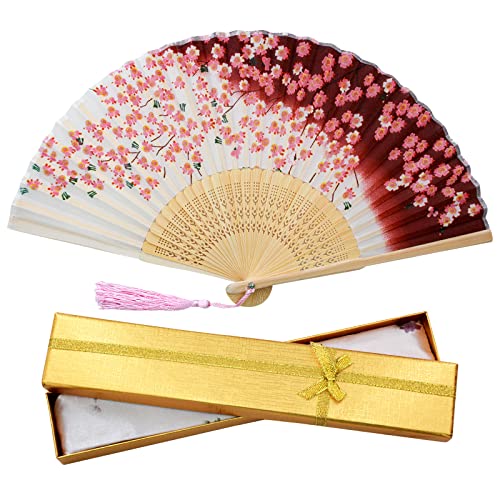
- A wagasa opens into a canopy; a Kyo Sensu is a folding fan.
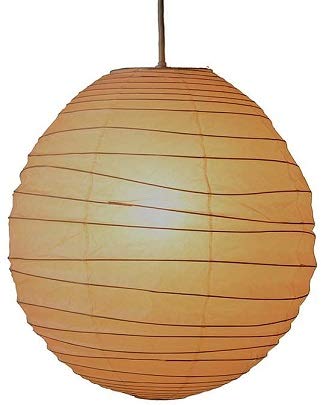
- A lantern uses a paper-covered frame for a different purpose and form.
- Gifu and Kyoto are separate regional wagasa topics; do not assume the construction, seller, or place of manufacture is interchangeable.
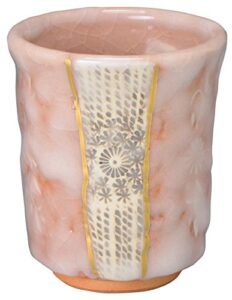
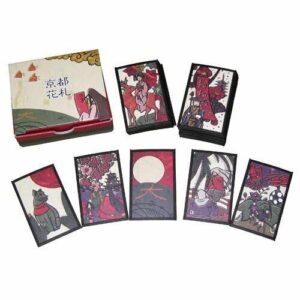
- The Kiyomizu-yaki and Hanafuda links are other Kyoto-area craft and cultural objects, not umbrella substitutes.
Which finish should you choose?
This piece is listed in 7 colours. The photos below are the actual colour options on the listing right now — pick the one you want and confirm it on the product page before ordering, since hand-finished wares vary slightly piece to piece.


📦 Shipping & where to buy from outside Japan
The selected listing snapshot identifies the item as in stock in Japan, but it does not confirm international eligibility, shipping cost, delivery time, or return handling. Amazon Japan’s Global Store serves more than 65 countries, including Canada, the UK, and Australia; destination and item eligibility should be checked at checkout.
Enter your delivery address on the listing. A product being in stock domestically does not guarantee export eligibility.
Look for shipping, estimated import fees, taxes, and any carrier charges before placing the order.
Ask how the long shaft and open canopy will be protected in transit, and whether damage claims are covered.
For planning only, international delivery for a large, delicate object can add a meaningful amount; a rough $15–$40 shipping estimate is not a quote for this listing. Import duties depend on local rules and order value. Amazon often estimates or collects import fees at checkout for eligible destinations, but the checkout total is the relevant figure. A proxy service such as Buyee or Tenso may be an alternative if direct delivery is unavailable; confirm size limits, repacking, fees, and insurance first.
Price snapshot across stores
The JPY figure is authoritative for the specific listing. ¥6,000 is approximately $40 USD using a ¥150/USD planning baseline; the USD amount is only an estimate. Prices and stock fluctuate, so verify the listing before purchase.
| Store | Item / route | Price | Notes |
|---|---|---|---|
| 🇺🇸 Amazon US (search) | Browse Japanese paper umbrellas and home goods | Varies (USD) | Useful for US buyers who prefer domestic checkout. Search results may be other products and do not confirm this specific umbrella. |
| 🇯🇵 Amazon JP Global Store | [京のみやび] red sakura-swirl paper umbrella, new | ¥6,000 (≈ $40 USD) | Snapshot: October 24, 2026; verify on the listing. Ships internationally from Japan where eligible; check destination coverage, shipping, and import fees at checkout. |
| Maker direct | No confirmed direct listing | Unconfirmed | No maker contact or direct price is confirmed for this selected listing. |
| Proxy services (Buyee / Tenso) | Forwarding route, if needed | Service and postage vary | Ask about dimensions, fragile-item packing, consolidation, insurance, and returns. |
What it does well
Bamboo ribs and a paper canopy make the construction easy to understand as a designed structure rather than a generic rain accessory.
The canopy can be repaired or re-covered, giving a damaged umbrella a possible path beyond disposal. Ask a maker whether service is available for the specific item.
The ribs, shaft, and ringed janome pattern create a recognizable silhouette suited to display and performance contexts.
Wagasa connect practical materials with tea ceremony, kabuki staging, and Kyoto’s seasonal visual culture.

🧼 Care & everyday use
- 🌧️ Wet use: the traditional canopy is treated with persimmon tannin and drying oil for water resistance; do not infer a modern rain rating from that description.
- 🧴 Daily care: avoid treating paper and bamboo as a synthetic canopy; ask the seller for its drying and storage directions.
- 🔧 Repairs: the washi canopy can be repaired or re-covered, but availability of repair service for the selected item is unconfirmed.
Paper canopy, bamboo structure, oil-and-tannin treatment; repair or re-covering may be possible.
Often chosen for low-maintenance daily weather protection. The selected listing does not state a comparable weather rating.
Weaknesses and things to verify before buying
- Provenance is unresolved. The listing title does not confirm Kyoto manufacture, a particular workshop, or a hand-built process.
- Intended use is not stated. Confirm whether the item is intended for rain, display, ceremony, or costume use before treating it as a daily umbrella.
- Dimensions need context. The title gives 64 cm diameter and 65 cm overall length; ask whether these are open and closed measurements as relevant to storage and handling.
- Construction details are absent. The title does not identify bamboo, washi, the coating, or how the canopy is assembled.
- Care and repair terms are unclear. Ask for drying instructions and whether the seller or a maker can repair this particular umbrella.
- Shipping may be awkward. A long, delicate item can require special packing; confirm the carrier’s handling and damage process.
- Marketplace details can change. Price and stock reflect the snapshot, not a guarantee of current availability.
Conclusion — which buyer type are you?
Wait until a named workshop confirms origin, materials, intended use, and repair support.
Consider the selected listing if its actual details match your purpose and you accept the unconfirmed provenance.
Choose a conventional rain umbrella if everyday weather performance and easy replacement matter most.
Pass if you need confirmed maker provenance, a warranty, or frequent all-weather use that this listing does not establish.
Other ways to approach this purchase
Track the live listing and compare the total landed cost, not only the item price.
For a paper-and-bamboo object, condition and repair history matter. Confirm what work was done and by whom.
If the marketplace offers points to your account, include their value only after checking the checkout terms and expiration.
A modern weather umbrella is a more practical route if low-care daily protection is the main requirement.
🏆 Editor’s Pick
Listing title: [京のみやび]和傘 紙傘 桜渦 赤 直径64cm×全長65cm. The title describes a new red paper umbrella with a sakura swirl pattern, 64 cm in diameter and 65 cm long. The seller is 京のみやび; the snapshot says it is in stock. The listing does not establish Kyoto manufacture or the materials described in the craft overview, so its provenance is unconfirmed.
Price: ¥6,000 (≈ $40 USD at a ¥150/USD baseline; as of 2026-10-24; verify on the listing).
- The published title supplies a clear pattern and two dimensions to check against your storage space.
- The selected snapshot identifies the condition as new and availability as in stock on October 24, 2026.
- It offers a specific marketplace listing to inspect, while the buyer can confirm intended use and provenance before checkout.
❓ Frequently Asked Questions
Is the selected umbrella confirmed to be made in Kyoto?
No. The listing title identifies it as a Japanese umbrella and names 京のみやび, but it does not establish Kyoto manufacture or workshop provenance. Ask the seller if origin is important.
What does the listing say about size and price?
The Japanese title states 64 cm in diameter and 65 cm overall length. The listing snapshot shows ¥6,000 as of 2026-10-24; verify the live listing before ordering.
Can I use a wagasa as an everyday rain umbrella?
The craft description explains a paper canopy treated with persimmon tannin and drying oil, but the selected listing does not state a weather rating or intended use. Confirm use and care directions with the seller.
How should a paper umbrella be repaired?
The canopy can be repaired or re-covered as a construction principle. Whether repair service is available for this specific listing is unconfirmed; ask the seller or a qualified maker before purchase.
Does Amazon Japan ship this item to Canada, the UK, or Australia?
Amazon Japan Global Store serves many destinations, including Canada, the UK, and Australia, but eligibility is item- and address-specific. Enter your address at checkout and review shipping and import fees.
What is the Editor’s Pick price in the snapshot?
The selected listing snapshot gives a price of ¥6,000 as of 2026-10-24. Verify the price and availability on the listing because both may change.
jpmono.com is curated by a Japan-based editorial team working out of Toyama in the Hokuriku region and Nara in Kansai. We introduce Japanese household objects to international readers, focus on verifiable craft heritage and clear international shipping paths, and do not physically test every product. We read maker specifications and source listings; affiliate links support the editorial work. Read more about our editorial standards.
AI assistance was used to help prepare this article. Product details should be verified with the retailer before purchase.
Affiliate disclosure: jpmono.com may earn a commission on qualifying purchases made through links on this page, at no additional cost to you.