Kyoto Hanafuda Flower Cards: Where to Buy the 48-Card Deck [2026]
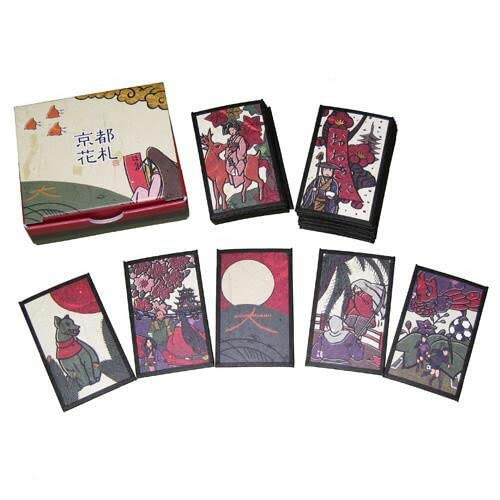
Kyoto has printed hanafuda flower cards since the Edo period, and Nintendo started there in 1889. What the…
Browse 16 crafts and stories rooted in Kyoto — selected for international buyers and shipped directly to the U.S.
Kyoto has printed hanafuda flower cards since the Edo period, and Nintendo started there in 1889. What the…
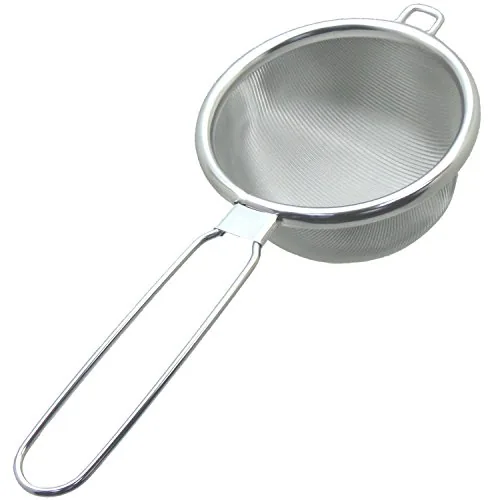
A hand-woven copper tea strainer from Kyoto's Kanaami wire-netting craft, its hexagonal kikko mesh braided entirely by hand…
A yarn-dyed jacquard tie woven in Kyoto's Nishijin district, where court weavers have worked silk since the Heian…
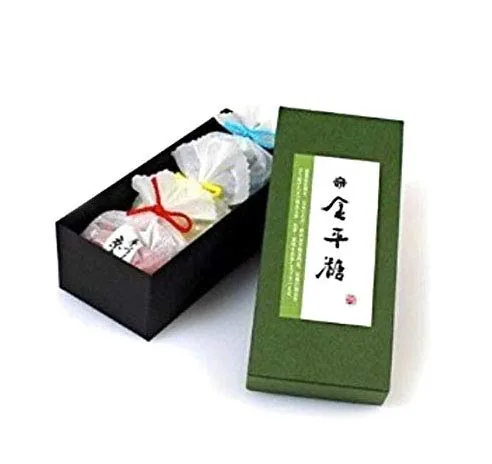
Konpeito, the tiny star-shaped sugar candy, arrived in Japan with 16th-century Portuguese traders, and few makers have kept…
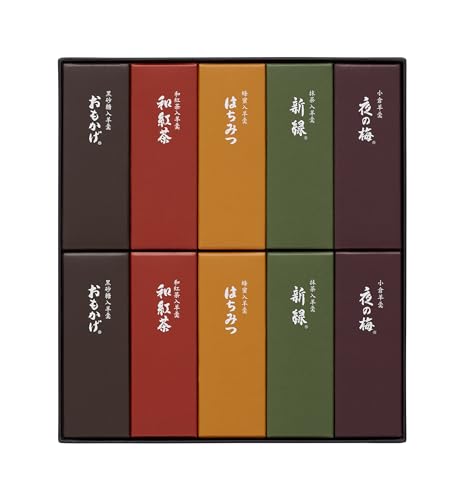
Toraya (虎屋), founded in Kyoto in the early 1500s and purveyor of wagashi to the Japanese Imperial Court…
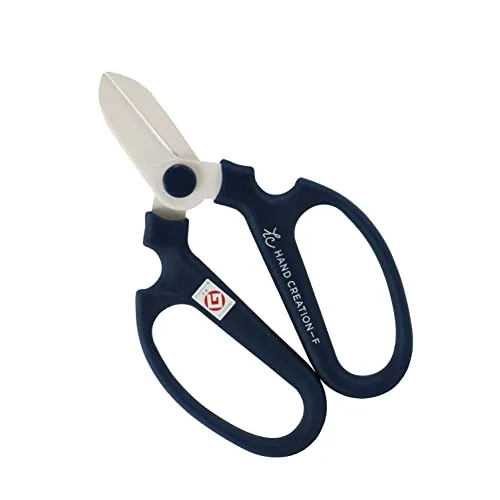
Kyoto is the birthplace of ikebana, and its Kyo Hamono smiths forge the warabite-gata hanabasami — loop-handle flower…
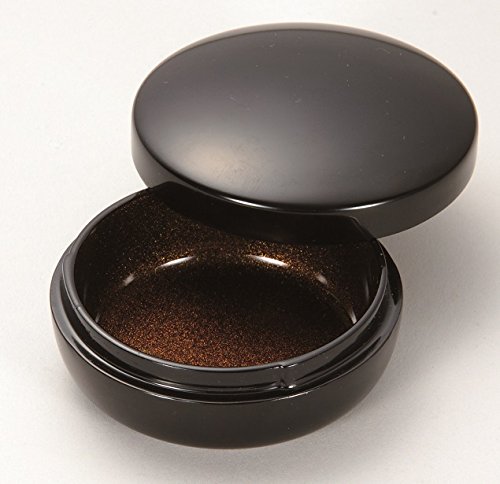
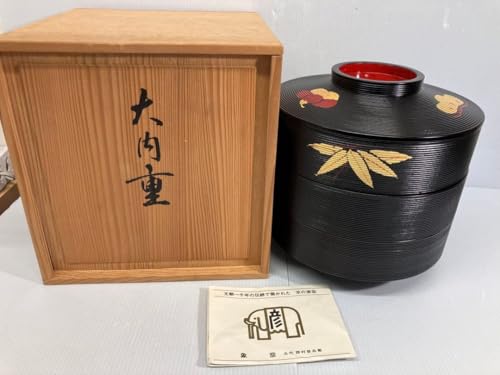
Kyo Shikki is Kyoto's refined lacquerware, born from the old capital's court, temples, and tea ceremony. The maki-e…
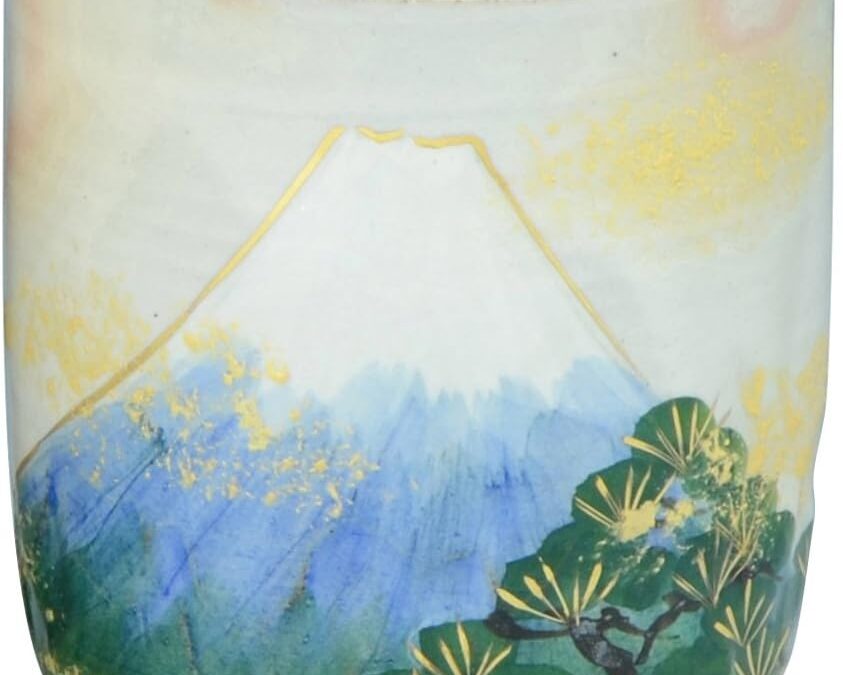
A hand-painted Kyo-yaki / Kiyomizu-yaki matcha chawan from Kyoto's Gojozaka kilns — the colored-overglaze tea bowl born in…
Kyo Sashimono is Kyoto's nail-free joinery, refined over centuries by the imperial court and the tea ceremony. This…
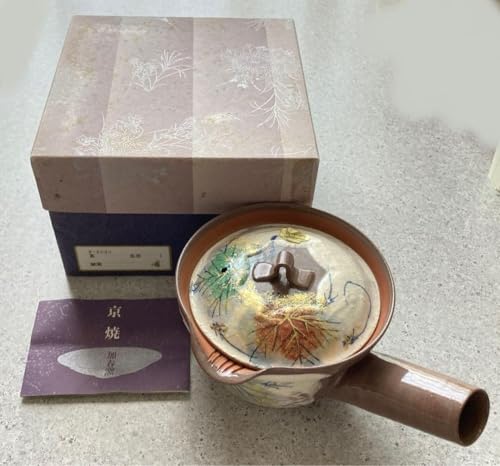
A hand-painted Kiyomizu-yaki side-handle kyusu from Kyoto's Gojozaka kiln district, built for brewing sencha and gyokuro. Here is…
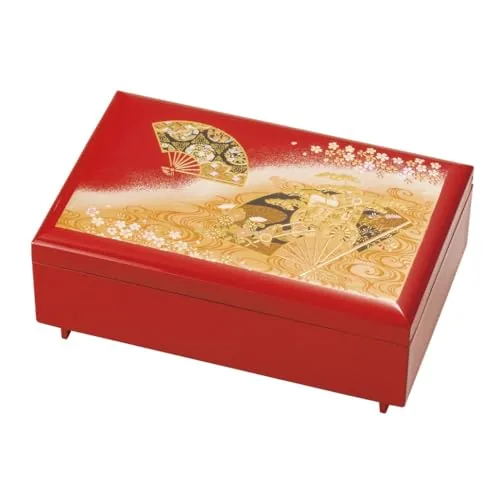
Kyoto's Kyo-shikki lacquer, refined in the old imperial capital, reaches its peak in maki-e gold-painted jubako stacking boxes…
A Kyoto Yuzen-dyed furoshiki turns one square of cloth into reusable gift wrap, a bento cover, or a…
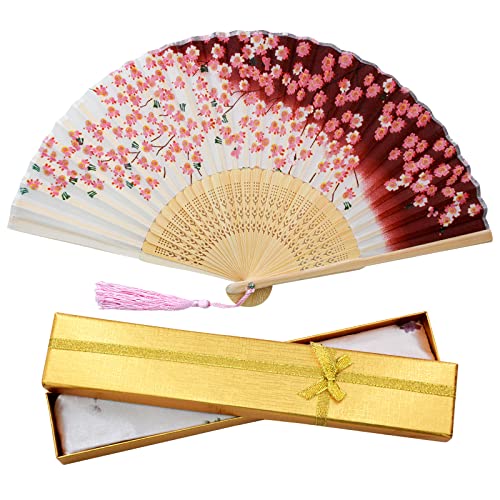
The folding fan was invented in Heian-era Kyoto, and Kyo Sensu still carries that courtly refinement—here is how…
From Heian-era looms to post-Onin War weavers in west Kyoto, Nishijin-ori carries 1,200 years of silk craft into…
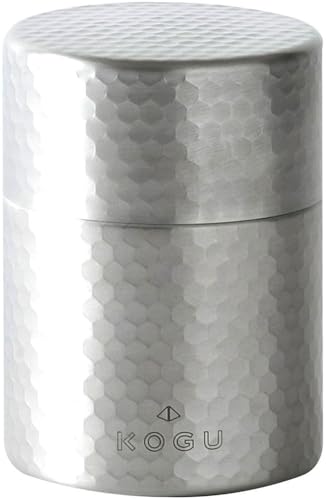
A hand-spun tin tea caddy from Kaikado, the Kyoto chazutsu house that has refined a 130-step process since…
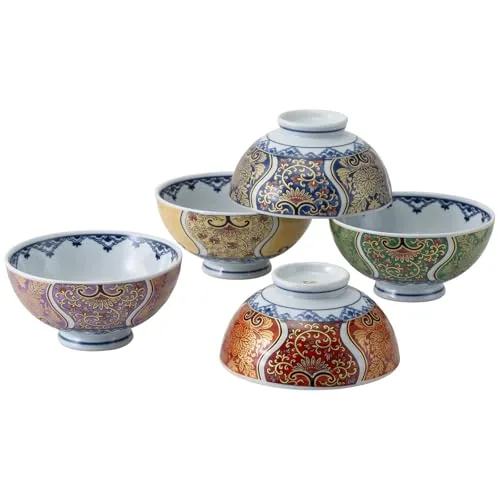
Kyō-yaki (京焼) and Kiyomizu-yaki (清水焼) are the named ceramic traditions of Kyoto — overlapping terms for the painted-porcelain…