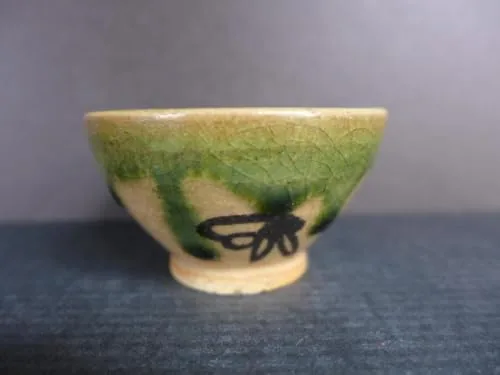
- What it is: An Oribe guinomi sake cup listed as Mino ware, with copper-green glaze and iron decoration.
- Made in: Mino ware is associated with eastern Gifu; the individual maker and place of manufacture are unconfirmed.
- Price band: A considered purchase at ¥9,680, as of 2026-11-01; verify on the listing.
- Best for: A buyer drawn to expressive glaze and brushwork.
- Skip if: You need a verified maker, exact dimensions, or a matching set.
- Shipping: Check delivery eligibility and total at checkout — jump to our pick ↓.
Copper-green glaze flows across the surface of this guinomi (ぐい呑み, sake cup), meeting iron-colored decoration. The Amazon Japan listing describes it as Mino Oribe ceramic ware with a flowing copper-green glaze and iron painting, under a title that also uses antique-art terminology.
Mino-yaki (美濃焼, Mino ware) comes from a pottery district in eastern Gifu, while Oribe is associated with green glaze and bold decoration. The listing gives the condition as new; its title alone does not establish the age of the object or identify its maker.
For readers choosing a cup from abroad, the useful questions are practical: what the listing actually identifies, how much the order will cost after delivery, and whether the seller can confirm dimensions and care. This guide is prepared from a Japan-based editorial perspective, with editors in Toyama and Nara.

- Who this is for — and who should skip it
- Product overview (from published specs)
- 📍 Where this comes from — place, era, and the craft tradition
- 📌 How does it compare?
- 📦 Shipping & where to buy from outside Japan
- Price snapshot across stores
- What it does well
- Weaknesses and things to verify before buying
- Conclusion — which buyer type are you?
- Other ways to approach this purchase
- 🏆 Editor’s Pick
- ❓ Frequently Asked Questions
Who this is for — and who should skip it
- Want a small vessel for serving sake.
- Like the visual contrast of green glaze and iron decoration.
- Are comfortable asking the seller for missing details.
- Will check international delivery before ordering.
- Need a named maker or verified signature.
- Require exact capacity or dimensions before considering a cup.
- Want a confirmed matching set.
- Need guaranteed dishwasher or microwave compatibility.
Product overview (from published specs)
The listing identifies a ceramic guinomi and describes its glaze and iron decoration. It does not give a maker, measurements, capacity, or a stated set count in the listing title, so confirm those details with the seller before committing.
Mino-yaki Oribe Guinomi Sake Cup
時代物 美濃 織部焼 陶磁器 銅緑釉流れ景色と鉄絵描れ ぐい呑み 古美術 骨董
通常6~7日以内に発送します。 · Sold by FrancFranc · ASIN B0HPT4PP4H
Price and availability as of 2026-11-01 00:10 JST. The Amazon listing at the time of purchase is authoritative. jpmono.com earns a commission on qualifying purchases at no extra cost to you.
| Source | What to check |
|---|---|
| Amazon US (search) | Search results vary; the exact listed cup is not established there. |
| Amazon JP Global Store | Mino Oribe ceramic guinomi; copper-green glaze and iron decoration. Condition: new. Seller: FrancFranc. |
| Maker direct | Maker and direct listing not identified. |
| Proxy services (Buyee / Tenso) | Delivery options and fees depend on the service and the listing. |
ℹ️ Only the Amazon Japan listing snapshot is available for this item; price and availability may have changed.
Glossary: Mino, Oribe, and guinomi
Mino-yaki: pottery associated with the Mino district of Gifu. Oribe: a pottery style known for copper-green glaze, iron-brown brushwork, and geometric decoration. Guinomi: a small sake cup.
📍 Where this comes from — place, era, and the craft tradition
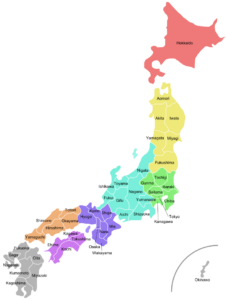
Gifu, Chūbu
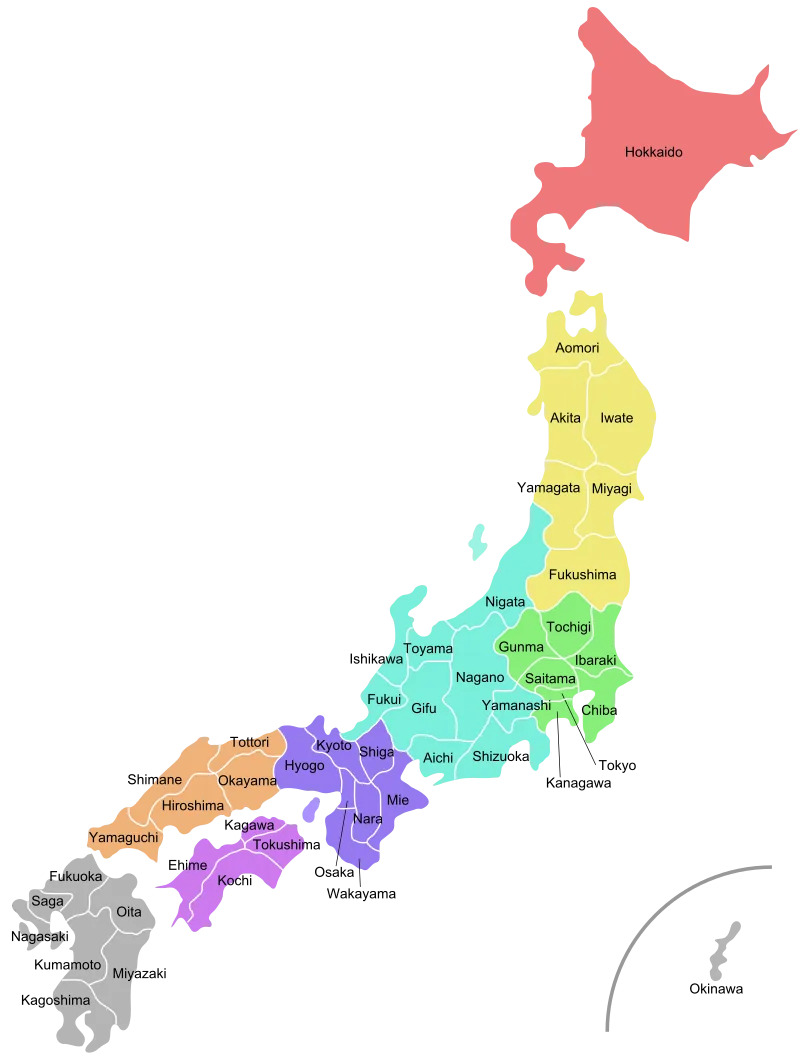
Mino ware is produced around Toki and Tajimi in eastern Gifu. The district grew into one of Japan’s largest ceramic-producing regions and remains a center for both studio and household ceramics.

In the late 16th century, tea-ceremony demand encouraged new glazes and vessel shapes, and the Mino kilns became prominent. Oribe is conventionally named after the tea master Furuta Oribe; its green glaze and iron decoration offer a recognizable visual language without making every vessel identical.
- Late 16th century: Mino kilns became prominent as demand for tea vessels encouraged new forms and glazes.
- Edo period: Mino kilns supplied everyday tableware to a wide market.
- Today: The area continues to produce studio and household ceramics.
- November 1, 2026, 00:05 JST: The Amazon Japan listing snapshot recorded the offer.
- November 1, 2026: This guide was published and updated.

The Edo-period market for everyday tableware helps explain why the district is relevant to both collectors and people seeking useful objects. A contemporary buyer can appreciate the visual tradition while checking the individual listing on its own terms: a regional style does not establish a particular workshop or date.
The appeal is in the meeting of a recognizable tradition and the particular surface of a vessel.

📌 How does it compare?
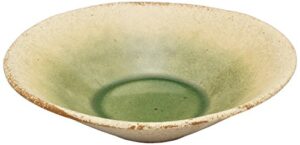
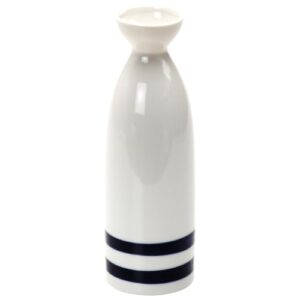
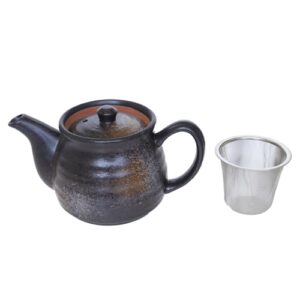
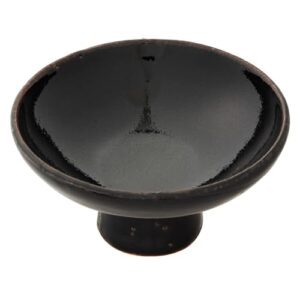
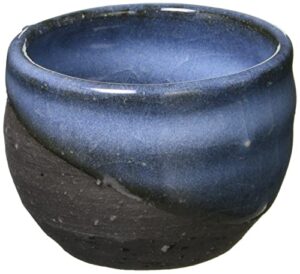
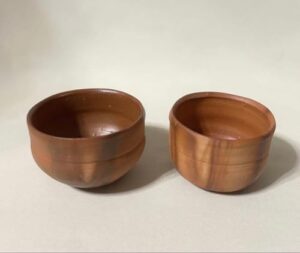
Compare the vessel’s intended use and visual character before choosing a listing. Each guide offers a different point of departure.
📦 Shipping & where to buy from outside Japan
Amazon Japan offers international delivery for many items, but eligibility for this particular cup depends on the destination and seller. Enter your address to see whether it ships and to review the delivery charge, estimated import fees, and arrival date.
For destination-specific considerations, see the guides for Canada, the UK, and Australia. Duties and taxes depend on local rules and order value; review any charges shown at checkout. A proxy or forwarding service may be an alternative, subject to its own eligibility, handling fees, and shipping terms.
Price snapshot across stores
The yen amount is the listed item price, before any shipping or import charges. Prices and stock can change; USD figures are approximate and depend on the current exchange rate.
| Store | Item | Price | Notes |
|---|---|---|---|
| Amazon US (search) | Browse Japanese sake cups | Varies | Check each result; the featured listing is sourced from Japan. |
| Amazon JP Global Store | Featured Oribe guinomi | ¥9,680 (approximately $65 USD at ¥150 per dollar; as of 2026-11-01; verify on the listing) | International delivery depends on the destination and listing. The snapshot said dispatch usually within 6–7 days. |
| Maker direct | Not identified | — | No maker-direct offer confirmed. |
| Proxy services (Buyee / Tenso) | Depends on service | Varies | Compare service fees, forwarding charges, and destination rules. |
What it does well
Copper-green glaze and iron decoration give the cup a clear visual identity.
A guinomi is a small sake cup, making the form easy to place in a serving setting.
The listing names Mino Oribe, connecting the design to a well-known pottery vocabulary.
The listing can be reviewed alongside other cups by checking photographs, price, and seller terms.
Weaknesses and things to verify before buying
- Maker and signature: Ask the seller who made it and whether there is an identifying mark; neither is established by the title.
- Dimensions and capacity: Request measurements and a capacity if the size matters for serving or display.
- Quantity: Confirm exactly what the order includes, particularly if buying as a gift or expecting multiple cups.
- Condition and age: The offer is marked new, although the title uses antique-art language. Ask for clarification and current photographs if age or condition is important.
- Surface: Glaze pooling and brushwork can vary in Oribe ware. Check the actual photographs and ask whether they show the item that will ship.
- Use and care: Ask about food contact, washing, and microwave suitability; do not infer these from appearance.
- Total cost: Verify shipping, taxes, return conditions, and breakage handling before paying.
Conclusion — which buyer type are you?
Choose this listing if the visual character justifies the stated price and the seller answers your questions.
Compare the cup’s measurements, delivered price, and return terms against other options first.
Use the search link to review less costly sake cups, checking each listing individually.
Choose another cup if a documented maker or specified appliance compatibility is essential.
Other ways to approach this purchase
Revisit the listing and compare the final delivered total, not just the item price.
For a previously owned vessel, ask about chips, repairs, and suitability for use. This listing is marked new.
Check your own account’s eligibility and terms before counting rewards toward the cost.
Keep looking if the seller cannot supply the details needed for your intended use.

🏆 Editor’s Pick
❓ Frequently Asked Questions
What is a guinomi?
A guinomi is a small sake cup. Check the seller’s measurements if you need a particular capacity.
How much is the featured cup?
The Amazon Japan snapshot lists ¥9,680, as of 2026-11-01; verify on the listing. Delivery and import charges may add to the total.
Does it ship outside Japan?
International delivery depends on the item, seller, and destination. Enter your address on the listing to check availability and the total cost.
Is the cup dishwasher or microwave safe?
Those details are not established in the listing information available here. Ask the seller before using either appliance.
Does the listing identify a maker?
The listing title does not identify a maker or signature. Ask the seller if that information matters to you.
Is it suitable as a gift?
It may suit someone who enjoys expressive ceramic surfaces. Confirm the contents, dimensions, packaging, and delivery date before ordering.
jpmono is an independent Japan-based curation site with editorial centers in Toyama and Nara. Its editors review published listings and do not physically test every product. Read our editorial standards.
AI assistance was used in preparing this article; editorial review is responsible for its content.
Affiliate disclosure: jpmono.com may earn a commission on qualifying purchases made through links on this page, at no additional cost to you.