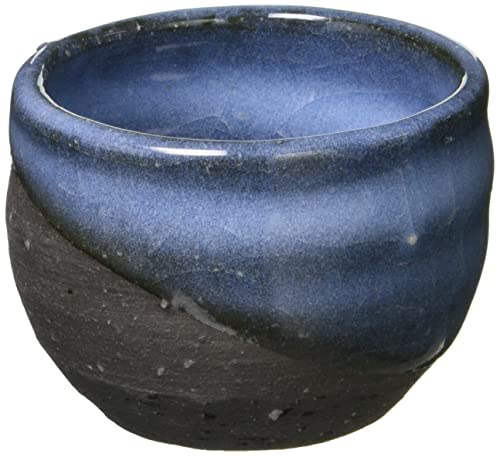
- What it is: A small Shigaraki-yaki ceramic sake cup, called a guinomi.
- Made in: Shigaraki, Shiga Prefecture — one of Japan’s six old kilns.
- Price band: The listed Editor’s Pick is ¥1,650 (as of 2026-10-25; verify on the listing).
- Best for: Drinkers who want a compact cup with visible clay character.
- Skip if: You need confirmed dishwasher, microwave, capacity, or care specifications.
- Shipping: Amazon Japan may ship internationally; check your destination at checkout. jump to our pick ↓
Shigaraki-yaki Guinomi: Shiga’s Ancient Stoneware Sake Cup [2026]
Coarse clay and a fired surface that can record ash and flame give Shigaraki-yaki a tactile presence at the sake table. A guinomi is a small sake cup; the Editor’s Pick here is a ceramic cup listed as Shigaraki-yaki by Marui Seitō, under the Hechimon name.
Shigaraki is one of Japan’s six old kilns, alongside Seto, Tokoname, Echizen, Tanba, and Bizen. The district’s pottery is associated with coarse, fire-resistant clay and surfaces shaped by firing. Those are characteristics of the tradition described here, not extra technical claims about the exact listed cup: the listing title does not specify its glaze composition or firing method.
This review is prepared from the perspective of a Japan-based editor working across Toyama and Nara, for readers who cannot simply visit a Japanese shop. It focuses on what the listing confirms, what remains unknown, how to think about the form, and how to check international delivery before paying.

- Who this is for — and who should skip it
- Product overview (from published specs)
- Which finish should you choose?
- 📌 How does it compare?
- Price snapshot across stores
- What it does well
- Weaknesses and things to verify before buying
- 📍 Where this comes from — place, era, and the craft tradition
- How to judge a guinomi listing
- 📦 Shipping & where to buy from outside Japan
- Conclusion — which buyer type are you?
- Other ways to approach this purchase
- 🏆 Editor’s Pick
- ❓ Frequently Asked Questions
Who this is for — and who should skip it
A reasonable fit
- People who want a small ceramic cup specifically identified as Shigaraki-yaki.
- Buyers interested in the irregular visual language of fired clay and ash-glazed wares in the broader tradition.
- Those building a personal sake-cup collection and comfortable checking the dimensions before ordering.
- Gift buyers who can confirm the recipient’s preferred cup size and care requirements.
Skip or verify first
- Anyone who needs a stated capacity, weight, or dishwasher and microwave rating.
- Buyers looking for a matched set: the listing title describes one guinomi and gives no set contents.
- People who require a specific glaze color by name; the title includes “Konpeki,” but does not explain color variation or finish.
- Anyone unable to accept a fragile ceramic item or possible import charges on an international shipment.
The divide is practical. This is a strong candidate for someone choosing by craft tradition and shape, but the available listing details are too brief to answer every daily-use question. A buyer who depends on exact volume, handling, or care instructions should ask the seller or inspect the product page before ordering.
Product overview (from published specs)
Shigaraki-yaki Guinomi
丸伊製陶 信楽焼 へちもん おちょこ ぐい呑み 陶器 紺碧 直径約6×4cm 陶製 日本製 MR-3-3158
残り13点(入荷予定あり) · Sold by Amazon.co.jp · ASIN B087LZCM9X
Price and availability as of 2026-10-25 00:15 JST. The Amazon listing at the time of purchase is authoritative. jpmono.com earns a commission on qualifying purchases at no extra cost to you.
| Detail | What is confirmed | What to verify |
|---|---|---|
| Listing name | Marui Seitō, Shigaraki-yaki “Hechimon,” ceramic ochoko/guinomi; “Konpeki”; model MR-3-3158. | How the seller describes the named color and any piece-to-piece variation. |
| Size | Approximately 6 × 4 cm in diameter × height, per the Japanese title. | The listing does not give capacity or weight in the supplied snapshot. |
| Material / origin | Ceramic; the title says made in Japan and identifies Shigaraki-yaki. | No clay blend, glaze recipe, firing temperature, or hand-making claim is stated. |
| Condition / seller | New; sold by Amazon.co.jp in the snapshot. | Stock and delivery eligibility can change by destination. |
The Japanese title identifies Marui Seitō, Shigaraki-yaki, Hechimon, an ochoko/guinomi made of ceramic, the name Konpeki, an approximate diameter and height of 6 × 4 cm, Japanese manufacture, and model MR-3-3158. The listing calls it new. “Ash-glazed” describes a known Shigaraki surface tradition in general; it is not specified as this particular cup’s finish in the title, so this article does not attribute that finish to the item.
A short glossary of the cup and craft terms
- Guinomi (ぐい呑み)
- A small sake cup. The word identifies the drinking vessel, not a precise capacity standard in the listing.
- Ochoko (おちょこ)
- Another Japanese term used for a small sake cup. The Amazon title uses both ochoko and guinomi.
- Shigaraki-yaki (信楽焼)
- Pottery associated with the Shigaraki district in present-day Shiga Prefecture.
- Six Old Kilns
- A group designation that includes Shigaraki, Seto, Tokoname, Echizen, Tanba, and Bizen.
- Ash glaze
- A surface category associated with Shigaraki ware. The specific Amazon title does not confirm that this cup uses an ash glaze.
Which finish should you choose?
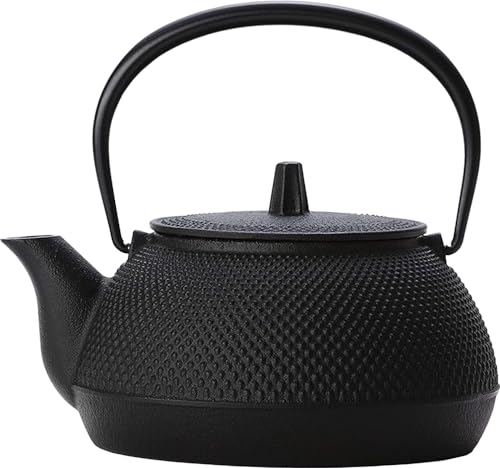
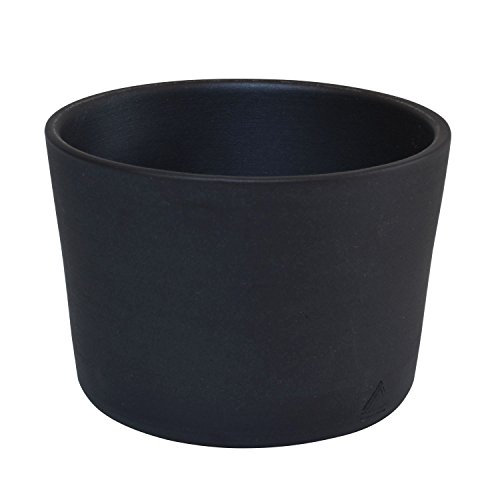
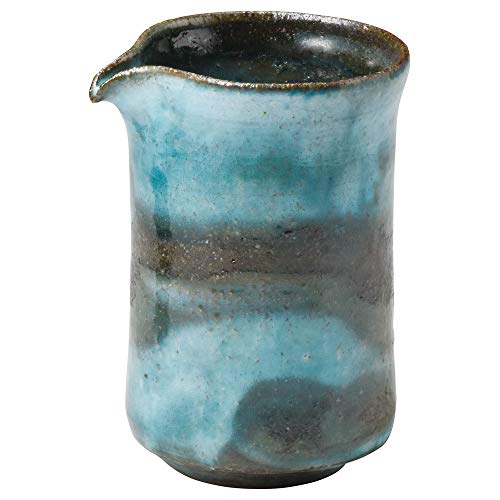
This piece is listed in 10 colours. The photos below are the actual colour options on the listing right now — pick the one you want and confirm it on the product page before ordering, since hand-finished wares vary slightly piece to piece.




📌 How does it compare?
These related guides cover other forms in the Shigaraki tradition and another guinomi tradition. Open a card to compare the object category and the evidence available on its own page.
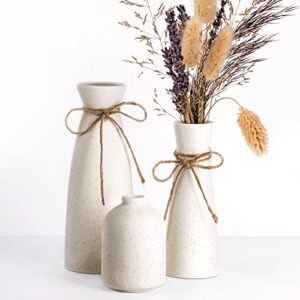 Shigaraki Vase
Another Shigaraki-yaki form
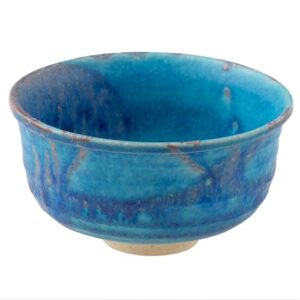 Shigaraki Chawan
A tea bowl from the same pottery tradition
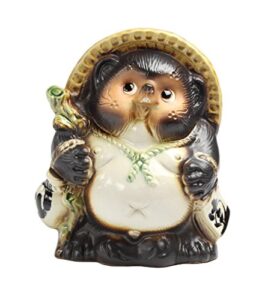 Shigaraki Tanuki
A figurine rather than tableware
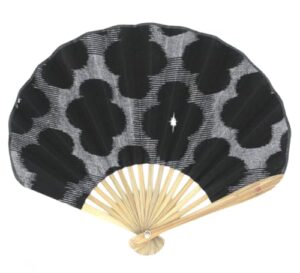 Takashima Sensu
A different Shiga craft category
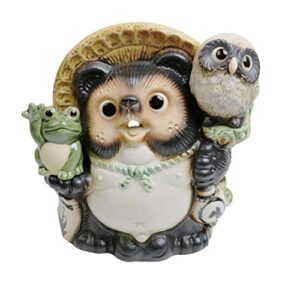 Shigaraki-yaki Tanuki Okimono: Where to Buy the Lucky Raccoon Dog Figurine [2026]
A decorative Shigaraki-yaki object
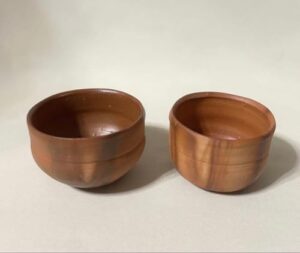 Bizen-yaki Hidasuki Guinomi: Okayama Sake Cup, Where to Buy [2026]
A guinomi from another old-kiln tradition
Price snapshot across stores
The sourced listing showed ¥1,650 as of October 25, 2026. That is the price for the specific new cup described above, not a general price for Shigaraki-yaki; prices, stock, and shipping can change, so verify the listing before purchase. USD figures are approximate and depend on the current exchange rate.
| Store | Item / variant | Price | Notes |
|---|---|---|---|
| 🇺🇸 Amazon.com (US) | Browse Japanese ceramic sake cups | Varies (USD) | Useful for US shoppers seeking comparable Japanese tableware with domestic checkout; this exact listed item is sourced from Japan (next row). |
| 🇯🇵 Amazon JP Global Store | Marui Seitō Hechimon ceramic guinomi, Konpeki, approx. 6 × 4 cm; new | ¥1,650 (≈ $11 USD at ¥150/USD; price as of 2026-10-25) | Ships internationally from Japan where eligible; check destination availability, delivery estimate, and import fees at checkout. |
| Maker direct | No verified direct listing included | Unconfirmed | Confirm whether the maker or an authorized retailer sells this exact model. |
| Proxy services (Buyee / Tenso) | Possible route if direct international checkout is unavailable | Service and postage vary | Check fees, breakage policy, and whether the retailer accepts the service’s Japanese address. |
What it does well
The listing names Shigaraki-yaki, making the regional pottery tradition legible to a buyer comparing craft objects.
The title gives an approximate 6 × 4 cm diameter and height, a useful first filter for shelf and hand scale.
Marui Seitō and Hechimon appear in the listing title, so the item has an identifiable commercial description.
At ¥1,650 as of October 25, 2026, the listed example has a clearly stated purchase price; shipping and import costs remain destination dependent.
“For a small sake cup, the useful question is not whether the surface is perfectly uniform, but whether its scale and character suit the way you drink.”
Weaknesses and things to verify before buying
- Capacity is not stated in the snapshot. A 6 × 4 cm dimension does not tell you how much liquid the cup holds to a comfortable fill line.
- Weight is not stated. If balance or a light cup matters, request a product measurement or check the live page.
- Care ratings are not confirmed. The supplied title does not say dishwasher-safe, microwave-safe, or safe for any particular cleaning method.
- Finish detail is limited. “Konpeki” is present in the title, but the snapshot gives no written color description, glaze composition, or variation policy.
- Set contents are not described as a set. The listing title names a guinomi singularly and does not state that multiple cups or accessories are included.
- International availability is destination-specific. An item can appear on Amazon Japan without being deliverable to every address; check the cart’s shipping and import-fee estimate.
- Fragility and return costs matter. Ceramic can break in transit. Review packaging, return eligibility, and the cost of sending an item back from abroad before ordering.
📍 Where this comes from — place, era, and the craft tradition
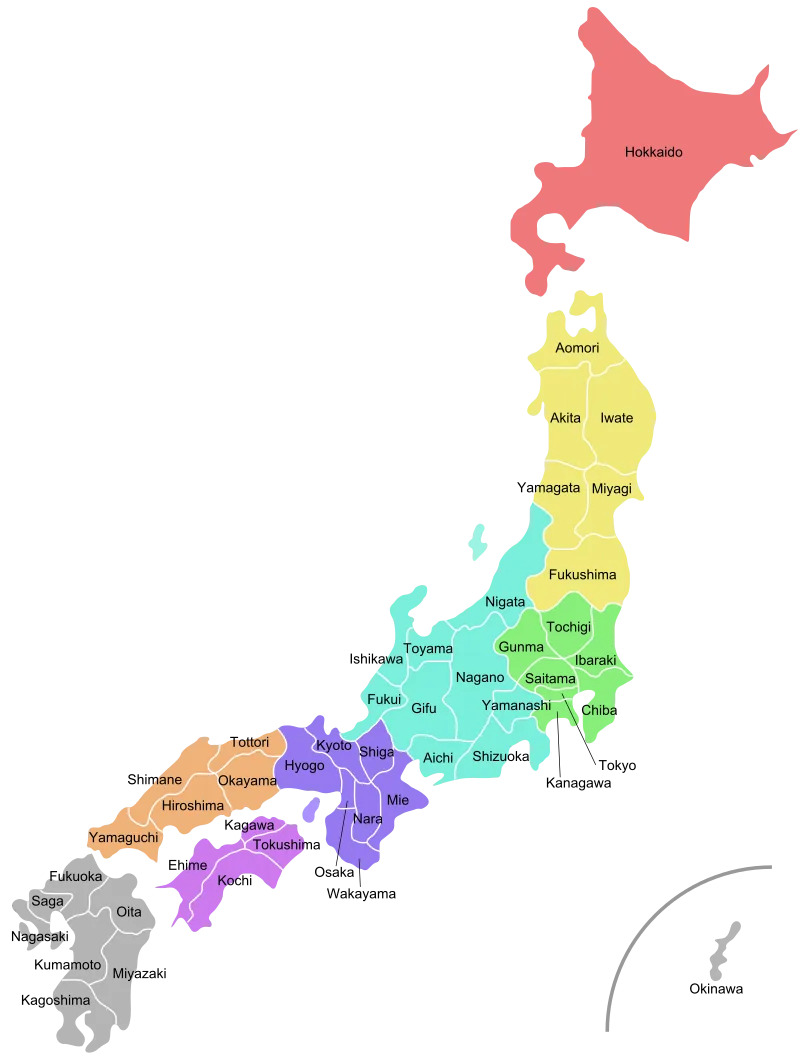
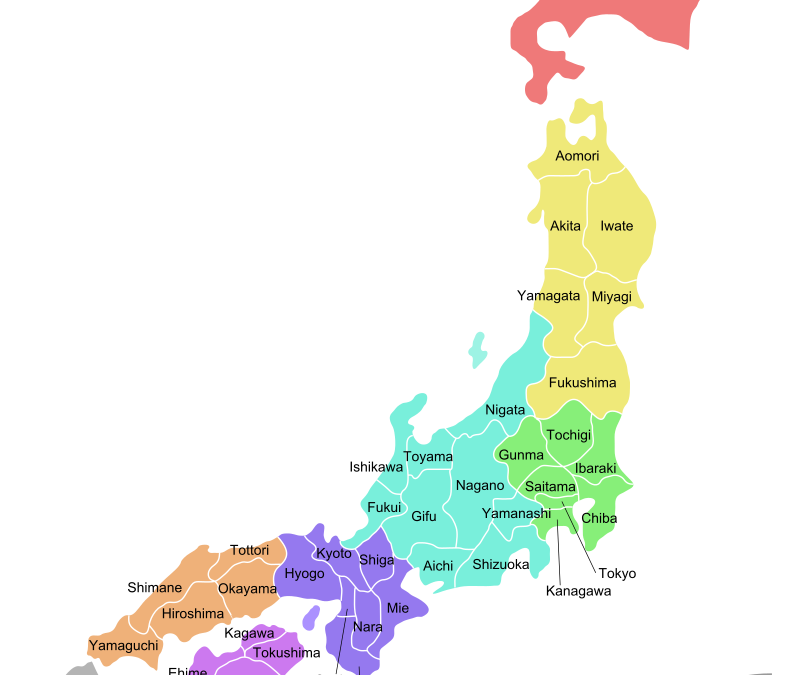
Shigaraki is the district named by the ware, in present-day Shiga Prefecture. Shiga’s geography is closely associated with Lake Biwa and its surrounding basin; the product story here is more local and material: Shigaraki clay is described as coarse and fire-resistant, while unglazed or ash-glazed surfaces can record the path of the flame.


The commonly described beginning of local pottery production reaches back to the Nara period, when the area briefly held a palace. The palace site is a historical anchor for the district, while the pottery’s later record is tied to practical and ceremonial vessels rather than to one single object type.

In the medieval and early modern periods, Shigaraki wares were valued as tea utensils, especially large jars and water containers. The guinomi is a much smaller form, but it brings the same broad questions of clay, surface, firing, and use to the table. This account does not assign a particular origin year, artisan, or workshop lineage to the cup listed here.
- Nara period — The Shigaraki area briefly held a palace.
- Nara period — Local pottery production is generally said to have begun in this period.
- Medieval and early modern periods — Shigaraki wares were valued as tea utensils, especially large jars and water containers.
- October 25, 2026 — The Amazon JP snapshot records the Marui Seitō cup as new at ¥1,650.
- 2026 — This guide evaluates the listing for readers buying from outside Japan.
That sequence is enough to explain why the name carries regional meaning, but not enough to infer how this particular cup was shaped or fired. Listing-level confirmation is the right boundary: its title names the maker, craft, form, approximate dimensions, named color, country of manufacture, and model; it does not claim hand shaping, a kiln, or a particular glaze.

How to judge a guinomi listing
Compare the stated diameter and height with a cup you already use. Capacity cannot be calculated reliably from the outside dimensions alone.
Read the listing’s own description and photographs. A tradition’s ash effects do not establish the finish of every item labeled Shigaraki-yaki.
Look for explicit cleaning, heating, and food-contact guidance; do not infer a rating from the material name.
📦 Shipping & where to buy from outside Japan
The Amazon JP Global Store listing is the route for this specific cup, but international delivery is determined by the destination and the live checkout. Amazon Japan ships eligible items to 65+ countries, including Canada, the UK, and Australia; eligibility for this item must still be confirmed by entering your delivery address.
- Set your destination before comparing final totals; availability and delivery estimates can change by address.
- Review shipping, estimated import fees, and any taxes shown at checkout. Customs thresholds and charges depend on local rules.
- Inspect the return policy and who pays return shipping if a ceramic cup arrives damaged or differs from the listing.
- If direct checkout is unavailable, compare a proxy service’s handling fee, international postage, insurance, and breakage process before using it.
Shipping can be a substantial part of the total for a single low-priced cup. The available information does not establish a shipping-cost range for this listing, so use the checkout quote instead of applying a generic estimate. The same applies to customs: some destinations show estimated import fees during checkout, while local assessment practices vary.
A guinomi is not an electrical appliance, so voltage is not relevant. For kitchenware, however, do not assume a Japanese product has a dishwasher or microwave rating unless the product page states it. If the listing stays silent, treat those uses as unconfirmed and ask the seller.
Conclusion — which buyer type are you?
Consider the listed cup if Shigaraki-yaki identity and a small ceramic form matter more than a fully documented spec sheet.
Proceed after confirming capacity, care, and delivery details. Those answers are not in the title snapshot.
Compare the total after postage and taxes. The listed cup costs ¥1,650 before destination-dependent charges.
Wait until the seller confirms volume, weight, glaze, and care if any of those are essential to your decision.
Other ways to approach this purchase
Stock, price, delivery eligibility, and seller details may change. Save the item and revisit the listing when you are ready to order.
Request the cup’s capacity, weight, care instructions, and a clarification of the named finish before purchase if these affect your choice.
Use the linked Shigaraki chawan and guinomi guides to compare tableware categories, or the Bizen-yaki guinomi guide to compare another old-kiln tradition.
If the listing will not ship directly, calculate all proxy fees and protections first. A low item price does not guarantee a low delivered total.
🏆 Editor’s Pick
❓ Frequently Asked Questions
What is a Shigaraki-yaki guinomi?
A guinomi is a small sake cup. Shigaraki-yaki names the pottery tradition associated with the Shigaraki district in Shiga; this listing identifies the cup as ceramic Shigaraki-yaki.
How much does the Editor’s Pick cost?
The Amazon JP snapshot listed it at ¥1,650 as of 2026-10-25; verify on the listing. At an illustrative ¥150 per US dollar, that is about $11 USD before shipping, taxes, or import fees. The exchange estimate is approximate.
What size is the cup?
The Japanese listing title states approximately 6 cm in diameter by 4 cm high. It does not state capacity or weight in the supplied snapshot, so check the live page or ask the seller if either measurement is important.
Can I put this cup in a dishwasher or microwave?
The listing title does not confirm either rating. Treat dishwasher and microwave use as unconfirmed and follow product-specific instructions from the seller or maker.
Does Amazon Japan ship this cup to Canada, the UK, or Australia?
Amazon Japan ships eligible items internationally, including to Canada, the UK, and Australia, but delivery eligibility is item- and address-specific. Enter your destination at checkout to confirm shipping, timing, and any estimated import fees.
Is the listed cup ash-glazed?
The general Shigaraki tradition includes unglazed or ash-glazed surfaces, but the Amazon title for this cup does not specify an ash glaze. Check the listing photographs and description or ask the seller before buying for a particular finish.
Is it sold as a set?
The listing title describes an ochoko/guinomi and does not state a multi-piece set or accessories. Confirm the current product page for the exact quantity and packaging details.
jpmono.com is curated by a Japan-based editorial team working out of Toyama in the Hokuriku region and Nara in Kansai, and is independent. We do not take payment from the makers we feature; income comes from affiliate links. Read more about our editorial standards. We work from maker information and retailer listings and do not claim to physically test every item.
AI-assistance note: this article was prepared with AI assistance and reviewed against the available product listing information.
Affiliate disclosure: jpmono.com may earn a commission on qualifying purchases made through links on this page, at no additional cost to you.