![Authentic Arita Sometsuke Porcelain Vase: Where to Buy US [2026]](https://jpmono.com/wp-content/uploads/2026/10/arita-sometsuke-porcelain-vase-where-to-buy-2026-featured.jpg)
- What it is: A used Arita-yaki, sometsuke ceramic single-flower vase, according to the current listing title.
- Made in: Arita, Saga — the town where Japanese porcelain production began in the early 17th century.
- Price band: ¥9,990 (≈ $67 USD at a ¥150/USD reference; as of 2026-10-12; verify on the listing).
- Best for: A buyer seeking a compact, blue-and-white vase and willing to confirm its condition and details with the seller.
- Skip if: You require a new item, confirmed dimensions, or a documented maker and decoration method.
- Shipping: International eligibility varies by destination; check shipping and import details. jump to our pick ↓
The pale body of a porcelain vase makes a small blue motif easy to read from across a table. Arita in Saga is the place behind this guide: porcelain stone from Izumiyama supported production there from the early 17th century, and the kiln district continues to make wares today.
The selected listing is titled “有田焼 柿右衛門 一輪挿し 染付 陶器” and is marked used. The title identifies it as an Arita-yaki ceramic single-flower vase in sometsuke style; it does not establish a specific size, maker signature, hand-painted process, or peony motif. Those details should be confirmed with the seller before purchase.
This buying guide is for readers comparing a small decorative vase across Japanese craft traditions. It explains what the listing confirms, what remains unverified, how Arita relates to nearby porcelain styles, and what overseas buyers should check before paying. jpmono is curated by a Japan-based editorial team working from Toyama and Nara, with a focus on clearly described household objects and practical routes to international purchase.

- Who this is for — and who should skip it
- Product overview (from published listing details)
- Key terms: sometsuke, Arita-yaki, and Imari
- 📍 Where this comes from — place, era, and the craft tradition
- 📌 How does it compare?
- 📦 Shipping & where to buy from outside Japan
- Price snapshot across stores
- What this listing does well
- Weaknesses and things to verify before buying
- Conclusion — which buyer type are you?
- Other ways to approach this purchase
- 🏆 Editor’s Pick
- ❓ Frequently Asked Questions
Who this is for — and who should skip it
A reasonable fit
- You want a small vessel for one or a few stems rather than a large floor vase.
- You are drawn to the visual language of blue decoration on a light ceramic body.
- You are comfortable assessing a used item from current photographs and seller answers.
- You want an object associated by its title with Arita ware and sometsuke.
- You can wait for the stated dispatch window and verify international delivery before checkout.
Consider passing
- You need a new vase or a guaranteed unused surface.
- You need exact height, opening diameter, or capacity before purchase.
- You require a documented individual artist, workshop, or signature.
- You want proof that the decoration is hand-painted or that it depicts peonies.
- You need a confirmed delivery date, fixed shipping cost, or simple returns across borders.
The distinction between a listing title and a verified object matters especially for used ceramics. A title can identify a broad form and style, while surface wear, repairs, dimensions, and attribution depend on information that should be checked on the current product page.
Product overview (from published listing details)
The current Amazon Japan snapshot is for one item with the title “有田焼 柿右衛門 一輪挿し 染付 陶器.” It lists the seller as ちはやshop, the condition as used, the price as ¥9,990, and availability as “通常7~8日以内に発送します。” (“Usually ships within 7–8 days”). This is a dispatch estimate, not a promise of delivery to an overseas address.
Authentic Arita Sometsuke Porcelain Vase
有田焼 柿右衛門 一輪挿し 染付 陶器
通常7~8日以内に発送します。 · Sold by ちはやshop · ASIN B0H8XFM8FB
Price and availability as of 2026-10-12 06:51 JST. The Amazon listing at the time of purchase is authoritative. jpmono.com earns a commission on qualifying purchases at no extra cost to you.
| Detail | What is confirmed | What to verify |
|---|---|---|
| Listing name | Arita-yaki, Kakiemon, single-flower vase, sometsuke, ceramic | The listing title alone does not establish an individual maker or school attribution. |
| Condition | Used | Ask about chips, cracks, crazing, repairs, stains, and included packaging. |
| Material / size | Ceramic is stated in the title. | Porcelain composition and dimensions are unconfirmed in the title. |
| Price / dispatch | ¥9,990; usually ships within 7–8 days, per the October 12, 2026 snapshot. | Confirm the live price, stock, export eligibility, and delivery estimate. |
The term “Kakiemon” appears in the listing title, but that wording should not be treated as proof of a particular maker or historical lineage. The title is reproduced as the seller-facing description; provenance and the precise relationship between the piece and any named workshop remain unconfirmed.
Key terms: sometsuke, Arita-yaki, and Imari
Open the short glossary
- Sometsuke (染付)
- Blue decoration applied under a transparent glaze. It describes a decorative method or visual category; the listing title does not say whether this particular vase was painted by hand or transferred.
- Arita-yaki (有田焼)
- Wares associated with Arita, in Saga Prefecture. The title uses this regional craft name.
- Kakiemon (柿右衛門)
- A name present in the listing title. Without supporting maker or provenance details, it should be read as wording in the listing, not as verified attribution.
- Imari ware
- A name that became familiar abroad for wares shipped through Imari port, as described in the historical account below.
- Tokonoma (床の間)
- A recessed display space in a Japanese room. A small vase can be considered for a shelf, alcove, or table, provided its dimensions suit the intended spot.
📍 Where this comes from — place, era, and the craft tradition

Arita is a town in western Saga on Kyūshū, Japan’s southwestern main island. The available regional account ties the emergence of local porcelain production to porcelain stone from the Izumiyama quarry. It does not provide distances, climate figures, or a particular workshop address, so the map and regional name are more useful here than a precise travel estimate.

Japanese porcelain production in Arita began in the early 17th century, using stone from Izumiyama. Kilns developed under the management of the Hizen Nabeshima domain. This regional setting is the historical frame for a vase whose listing uses Arita-yaki and sometsuke in its title; it is not evidence that the individual secondhand piece can be dated to a particular period.
- Early 17th century — Porcelain production begins in Arita using stone from Izumiyama.
- 17th century onward — Kilns develop under the management of the Hizen Nabeshima domain.
- Following generations — Wares shipped through Imari port become known abroad as Imari ware.
- Present day — Arita ware production continues.
- October 12, 2026 — The selected listing snapshot records a used vase offered for ¥9,990; this is a marketplace snapshot, not a craft-history milestone.
Accounts of Arita ware commonly distinguish sometsuke Ko-Imari, Kakiemon overglaze wares, and Nabeshima presentation wares. These terms refer to broad stylistic and historical groupings; they should not be collapsed into a single look. The current listing uses both “Kakiemon” and “sometsuke,” but the title does not explain its decoration in enough detail to resolve a specific style attribution.

“A regional tradition can explain a vase’s vocabulary; only the listing and seller can establish the condition and identity of this particular piece.”
The district’s continuity is practical as well as historical: production remains active, while the labels used for Arita, Imari, sometsuke, Kakiemon, and Nabeshima still help readers orient themselves among different kinds of ware. For a buyer, those names are starting points for questions, not substitutes for a current description, close photographs, and clear condition notes.
📌 How does it compare?
A vase is not interchangeable with a plate, bowl, or sake cup, but related regional craft guides help clarify what kind of object you are choosing. The links below cover neighboring porcelain and pottery traditions as well as other Arita forms. Compare function first, then decoration, condition, and the details each live listing actually confirms.
 Nabeshima Porcelain Plate
Compare a tableware format and a presentation-ware tradition.
 Hasami Porcelain Teapot
A neighboring Kyūshū porcelain object for everyday use.
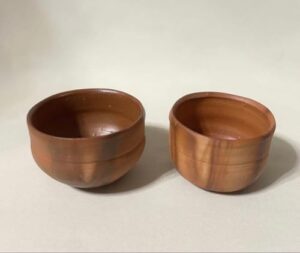 Bizen Hidasuki Guinomi
Consider an unglazed sake cup from a different ceramic tradition.
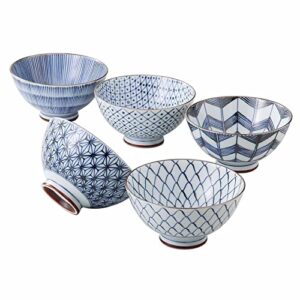 Arita Ware Sometsuke Rice Bowl: Saga Porcelain Buying Guide [2026]
Compare sometsuke in a functional dining form.
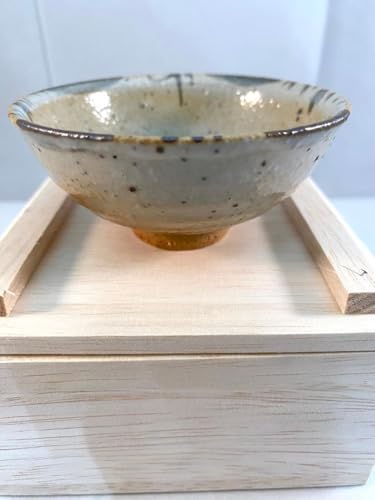 Karatsu Ware Guinomi Sake Cup: Where to Buy Saga Pottery [2026]
A regional comparison focused on a small drinking vessel.
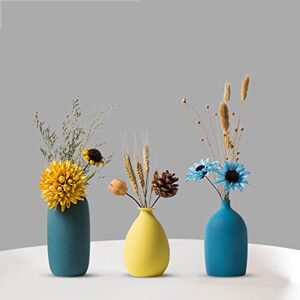 Bizen Ware Flower Vase (Hanaire): Where to Buy This Ikebana Piece [2026]
Compare another vase form and its own material character.
📦 Shipping & where to buy from outside Japan
The selected item is listed on Amazon Japan, but the snapshot does not confirm international eligibility for this used listing. Add the destination to the delivery settings and open the item page to see whether Amazon Japan Global Store can ship it, what the total charge is, and whether the seller allows export. The stated 7–8 day dispatch window does not include international transit, customs processing, or local delivery.
Amazon Japan Global Store availability varies by product and destination. Some household items ship internationally, while some used listings or individual sellers may not. Check the checkout page for the actual shipping charge, import-fee estimate, delivery window, and return terms. Orders may be subject to local customs duties or taxes; for many destinations Amazon displays an import-fee estimate at checkout, but the final treatment depends on local rules.
For country-specific purchasing context, see Canada, the UK, and Australia. Confirm the current import rules and checkout options for your own address.
If direct international delivery is unavailable, a parcel-forwarding service may offer another route, subject to its prohibited-items policy and handling fees. A proxy cannot resolve missing information about condition or attribution; ask the seller first, and check whether the service accepts fragile ceramics and provides suitable packing or insurance. A local gallery or specialist dealer may be preferable when inspection and return support matter more than price.
- Does checkout accept your country for this exact used item?
- What is the full delivered cost, including shipping and import charges?
- How are fragile ceramics packed, and is transit damage covered?
- Can the seller answer questions in writing before the order is placed?
Price snapshot across stores
The table separates a broad Amazon.com search from the specific Japanese listing. The former is a way to browse Japanese home and ceramic goods available through the US marketplace; it is not a promise that this exact used vase is listed there. The Japanese yen amount is the confirmed price for the selected listing snapshot, dated October 12, 2026. Prices and availability can change, so verify the listing before purchasing.
| Store | Item / route | Price | Notes |
|---|---|---|---|
| Amazon.com (US) | Browse Japanese ceramic vases | Varies (USD) | For US shoppers seeking local marketplace delivery. Search results may show other Japanese ceramic goods; this exact item is sourced from Japan in the next row. |
| Amazon JP Global Store | Used Arita-yaki sometsuke ceramic single-flower vase | ¥9,990 (≈ $67 USD at ¥150/USD; estimate) | As of 2026-10-12; verify on the listing. International shipping eligibility is destination- and seller-dependent. |
| Maker direct | No maker-direct offer confirmed for this listing. | — | The listing does not identify a specific maker or official shop. |
| Proxy services (Buyee / Tenso) | Possible forwarding route if eligible | Varies | Confirm service acceptance, packing, shipping, insurance, and total charges before using a proxy. |
The USD figure is an approximate conversion using a simple ¥150 per US dollar reference, not a live exchange quote. The yen price is authoritative for this particular listing. Payment conversion, card fees, shipping, and import charges can change the amount charged in your local currency.
What this listing does well
“一輪挿し” identifies a single-flower vase, a use case that can suit a small shelf or table when dimensions fit.
The title names Arita-yaki, allowing the buyer to place the piece within Saga’s porcelain tradition without needing to infer a workshop.
The title includes the blue-and-white decorative category, useful for readers already comparing this visual language.
The snapshot gives a concrete asking price and an expected dispatch window, both of which can be checked against the live product page.
These are strengths of the information currently stated, rather than claims that the vase has been inspected. The available title gives a useful object category and region, but a secondhand purchase still depends on photographs, dimensions, and clear condition disclosure.
Weaknesses and things to verify before buying
- Used condition: ask for close photographs of the rim, foot, interior, and any decorated areas. Confirm chips, hairline cracks, crazing, repairs, stains, and signs of restoration.
- Dimensions are not established by the title: request height, widest diameter, opening diameter, and a photograph beside a ruler if scale matters.
- Attribution is uncertain: “Kakiemon” appears in the title, but the snapshot does not document a maker, workshop, signature, date, or provenance.
- Decoration method and motif are unspecified: the title says sometsuke, but does not confirm hand-painting or a peony design. Do not pay a premium based on either assumption.
- Material detail is limited: the title says ceramic; it does not provide a technical body description, glaze details, or care instructions.
- Dispatch is not delivery: the stated 7–8 days is a usual dispatch estimate. International transit and destination acceptance must be checked separately.
- Secondhand remedies may be limited: read the seller and marketplace return terms, especially for damage discovered after delivery.
For a fragile decorative object, the most useful seller response is specific and written: dimensions, condition by area, and packing method. If an answer is vague or the photos omit the base and rim, treat those points as unresolved rather than assuming the best case.
Conclusion — which buyer type are you?
Proceed only if the seller can document the condition and any attribution that matters to you. Ask whether the price reflects a verified maker or simply the item’s title and appearance.
This may suit you if you want a used, compact single-flower vase and can confirm its dimensions, condition, and delivery route before ordering.
Compare the delivered total, including forwarding or import charges. A low item price can lose its advantage when careful packing and international shipping are added.
Pass if you require a new piece, certified attribution, a confirmed hand-painted peony design, or exact measurements before checkout and these are not supplied.
The clearest reason to consider this selection is its stated form and regional vocabulary. The clearest reason to pause is that the listing is used and does not supply enough information in its title to establish condition, scale, or maker. Let the seller’s current description settle those questions before deciding.
Other ways to approach this purchase
If condition or dimensions remain unanswered, wait for a listing with full measurements and close-up photographs. A clear description is more useful than a rushed purchase.
A specialist dealer or gallery may be able to explain wear and packing more directly. Ask what is documented and what is the seller’s own assessment.
If ordering through a marketplace, confirm eligible payment methods and points at checkout. Rewards do not change the item’s condition or the total cost of international delivery.
There is no need to force a fit. A different vase with verified dimensions, new condition, or a documented maker may better match a specific display space or collecting goal.

🏆 Editor’s Pick
Listing title: 有田焼 柿右衛門 一輪挿し 染付 陶器. The seller is ちはやshop; condition is listed as used. The title identifies a ceramic single-flower vase, Arita-yaki, and sometsuke. Its specific maker, measurements, hand-painted status, and motif are not confirmed by the title.
- Why it is selected: the title clearly names a single-flower form and a regional craft vocabulary.
- Before buying: verify the used condition, dimensions, and whether the vase has chips, cracks, repairs, or stains.
- Current price: ¥9,990 (≈ $67 USD at a ¥150/USD reference), as of 2026-10-12; verify on the listing.
- Dispatch note: “Usually ships within 7–8 days,” per the snapshot; check the live page for current availability and destination eligibility.
The product title is preserved as the listing presents it. “Kakiemon” is not treated here as a verified maker attribution, and no claim is made that the vase is hand-painted or bears a peony motif.
Amazon JP Global Store listing snapshot: October 12, 2026. Shipping and availability depend on the live listing and destination.
❓ Frequently Asked Questions
Is this vase new?
The Amazon Japan snapshot marks the selected listing as used. Confirm the current condition notes and photographs before purchase, since listing status can change.
What does the listing title say the item is?
It is titled “有田焼 柿右衛門 一輪挿し 染付 陶器,” describing an Arita-yaki, Kakiemon-named, sometsuke ceramic single-flower vase. The title does not confirm a maker, exact dimensions, hand-painting, or a particular motif.
How much is the selected listing?
The snapshot price is ¥9,990 (approximately $67 USD at a ¥150/USD reference), as of 2026-10-12; verify on the listing. The yen amount is the reference price for this specific item, and exchange rates, shipping, and import charges can change the final cost.
Does Amazon Japan ship this vase to my country?
The snapshot does not confirm international shipping for this used listing. Enter your destination on the live Amazon Japan page and check checkout eligibility, shipping charges, delivery timing, and import-fee information.
Is it safe to use in a dishwasher or microwave?
No care or appliance-use guidance is confirmed in the listing snapshot. For a used decorative ceramic vase, ask the seller and follow any maker information provided; do not assume dishwasher or microwave suitability.
What should I ask the seller before ordering?
Ask for height, widest diameter, opening diameter, close-ups of the rim and foot, any chips or repairs, the packing method, and whether the seller can ship to your destination. If maker attribution matters, ask what evidence supports it.
jpmono.com is curated by a Japan-based editorial team working out of Toyama in the Hokuriku region and Nara in Kansai. We introduce Japanese household objects to international readers, focus on verifiable craft information and clear shipping paths, and do not physically test every product. Affiliate links support this editorial work. Read more about our editorial standards.
AI assistance was used in preparing this article. Product details and the selected price should be checked against the current listing before purchase.
Affiliate disclosure: jpmono.com may earn a commission on qualifying purchases made through links on this page, at no additional cost to you.