![Awaji-ko Sandalwood Incense Sticks: Where to Buy Japan’s Senko [2026]](https://jpmono.com/wp-content/uploads/2026/05/awaji-ko-sandalwood-incense-sticks-where-to-buy-2026-featured.jpg)
Awaji Island, in the Seto Inland Sea off the coast of Hyōgo Prefecture, makes roughly seventy percent of Japan’s incense. That is not a marketing figure dressed up for visitors — it is simply where most of the country’s senko (線香, “incense sticks”) comes from. Among the island’s founding houses is Awaji Baikundō (淡路梅薫堂), established around 1850, which still blends byakudan (白檀, “sandalwood”) senko for everyday use rather than for the rarefied incense-appreciation ceremony.
The item this guide centers on is a daily-use box of Awaji Baikundō byakudan incense sticks — the kind kept by a household altar or lit to scent a room, not a charcoal product and not a fan or glass object. It is modest, consumable, and deeply local to a place that has been associated with fragrant wood for longer than almost anywhere else in Japan.
This article is written for international readers deciding where to buy Awaji-ko sandalwood senko and which path makes sense from outside Japan. We cover what the product is, where Awaji sits and why incense took root there, the realistic purchase options (Amazon US search, Amazon JP Global Store, maker-direct, and proxy services), and the caveats worth checking before you order.
🔄 Last updated:
⏱️ Read time: ~9 min
![Awaji-ko Sandalwood Incense Sticks: Where to Buy Japan's Senko [2026]](https://m.media-amazon.com/images/I/51Rmm+6bARL._SL500_.jpg)
- Who this is for — and who should skip it
- Product overview (from published specs)
- 📍 Where this comes from — place, era, and the craft tradition
- 📦 Shipping & where to buy from outside Japan
- Price snapshot across stores
- What it does well
- Weaknesses and things to verify before buying
- Conclusion — which buyer type are you?
- Other ways to approach this purchase
- 🏆 Editor’s Pick
- ❓ Frequently Asked Questions
Who this is for — and who should skip it
- Want an everyday sandalwood senko for a home altar, meditation, or quietly scenting a room
- Prefer a warm, woody byakudan note over sweet or floral synthetic fragrances
- Like buying from a long-running regional maker rather than a generic brand
- Are comfortable burning incense with normal ventilation and a heat-safe holder
- Value a consumable, low-cost way to try a traditional Japanese craft category
- Are sensitive to smoke, or share space with someone who is (these are stick incense, not smokeless)
- Want a charcoal product — Kishū binchōtan is a different category entirely
- Expect a glass, fan, or decorative object; this is a consumable
- Need precise scent, stick-count, or burn-time specs before buying (confirm them on the live listing)
- Cannot use open flame at all (some apartments and offices prohibit it)

Product overview (from published specs)
The fetched dataset for this item returned no Amazon US listing and no price snapshot, so the table below records what is verifiable from the spec and the maker context rather than guessed figures. Where a value was unavailable at the time of writing, it is marked as such — not estimated.
Awaji-ko Sandalwood Incense Sticks
梅薫堂のお線香 白檀初梅
一時的に在庫切れ · ASIN B007MX03FU
Price and availability as of 2026-08-31 02:30 JST. The Amazon listing at the time of purchase is authoritative. jpmono.com earns a commission on qualifying purchases at no extra cost to you.
| Attribute | Detail | Source |
|---|---|---|
| Item | Byakudan (sandalwood) daily incense sticks (senko) | Spec / maker |
| Maker | Awaji Baikundō (est. ~1850) | Spec data notes |
| Origin | Awaji Island, Hyōgo Prefecture (Kansai region) | Spec data notes |
| Primary scent | Byakudan / sandalwood blend | Spec |
| Category | Daily senko (not charcoal, not glass/fan) | Spec data notes |
| Stick count / burn time | Unconfirmed — check the live listing | — |
| ASIN (JP Global Store) | B007MX03FU | Spec |
| Price | Unavailable at time of writing — verify on listing | — |
Only the spec snapshot was available for this item; no Amazon US result and no live price were returned by the data fetch, so price and stick-count figures are intentionally left blank rather than invented. Live pricing and pack details may have shifted since the writing date — confirm at the retailer.
📖 Glossary — Japanese incense terms
- senko (線香) — thin incense sticks burned for daily or devotional use; the everyday form of Japanese incense.
- kō / koh (香) — incense in general; the broad category of fragrant materials and the practice of burning them.
- byakudan (白檀) — sandalwood; a warm, sweet-woody fragrance wood that anchors many traditional blends. It does not grow in Japan and is imported.
- jinkō (沈香) — agarwood / aloeswood; a resinous, deeper fragrance wood, generally rarer and costlier than sandalwood.
- kōdō (香道) — the “way of incense,” the formal art of appreciating incense, distinct from everyday senko use.
- Nihon Shoki (日本書紀) — the 8th-century chronicle that records Japan’s first encounter with fragrant wood on Awaji.
- Inasa winds — the dry winter winds on Awaji that make the island well-suited to drying incense sticks.

📍 Where this comes from — place, era, and the craft tradition

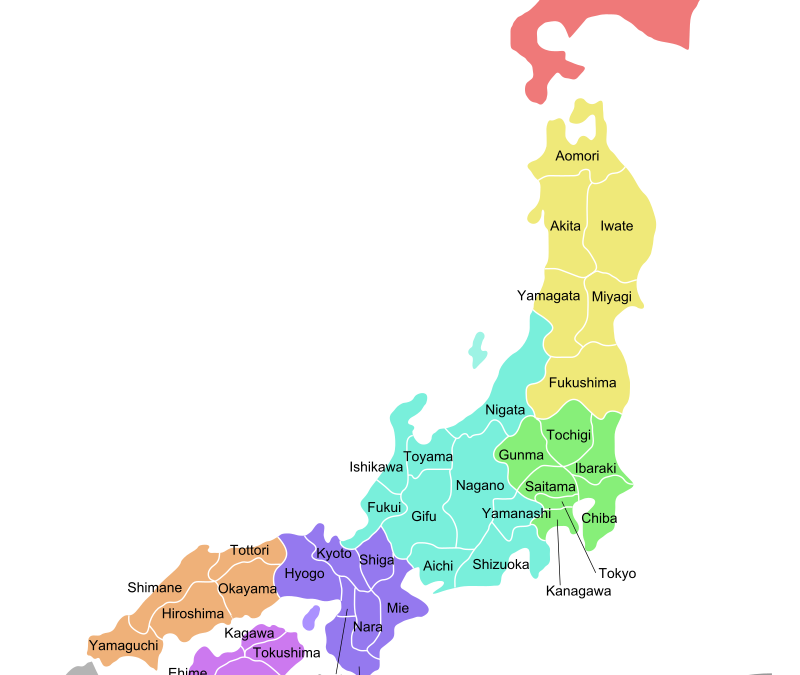
Awaji is a large island sitting in the mouth of the Seto Inland Sea, separating Osaka Bay from the open water to the west. Administratively it belongs to Hyōgo Prefecture, in the Kansai region — the historical heartland of Japanese craft. The island faces Kobe across the Akashi Strait to the north and Shikoku across the Naruto Strait to the south. Its southern district, around Ei in what is now Minami-Awaji, became the center of the incense trade, and the reason is partly meteorological: the dry winter winds known locally as the Inasa winds are well-suited to drying freshly extruded incense sticks at scale.
The island’s association with fragrance is far older than its industry, and it is recorded in writing. According to the Nihon Shoki, in the third year of Empress Suiko’s reign — 595 AD — a large piece of fragrant driftwood washed ashore on Awaji. Villagers who burned it found the scent carried unexpectedly far, and the wood was presented to the court. It is remembered as Japan’s first documented encounter with incense wood.
“Japan’s recorded history with incense begins on a beach on Awaji in 595 AD — and more than fourteen centuries later, most of the country’s incense is still made on the same island.”
The modern manufacturing tradition, however, is a product of the late Edo period rather than antiquity. Around 1850, sailors from Awaji learned senko-making in Sakai — then a major incense town near Osaka — and carried the craft back home. Founding houses such as Awaji Baikundō (est. ~1850) and Kunjudō established the byakudan-blending lineage that the island is known for today. The combination of an existing maritime workforce, proximity to Sakai’s know-how, and the drying advantage of the Inasa winds let the cottage industry consolidate quickly.
- 595 AD — The Nihon Shoki records fragrant driftwood washing ashore on Awaji and being presented to the court of Empress Suiko — Japan’s first documented incense wood.
- c. 1850 (late Edo) — Senko-making is carried from Sakai to Ei (now Minami-Awaji); Awaji Baikundō is established.
- Mid-19th century — The dry winter Inasa winds prove ideal for drying incense sticks; production spreads through the south of the island.
- Late 19th–20th century — Awaji consolidates as Japan’s leading incense district, alongside makers such as Kunjudō, sustaining traditional byakudan blending.
- 1998 — The Akashi Kaikyō Bridge links Awaji to Kobe on the mainland, easing distribution.
- 2026 — Awaji Island accounts for roughly 70% of Japan’s incense output.
What “still being made here” means in practice is continuity of a working craft, not a museum piece. Awaji Baikundō has carried its byakudan blend forward since the mid-19th century, and the island as a whole remains the dominant center of an everyday product — incense that is bought to be burned, not merely admired. That is a different kind of heritage from a single rare object: it is a living supply chain that still concentrates most of a country’s output in one place.

📦 Shipping & where to buy from outside Japan
Incense sticks are small, light, and inexpensive to ship, which makes them one of the easier Japanese craft categories to buy from abroad. The realistic paths for an international reader are below.
Amazon JP Global Store generally ships incense internationally, but availability and shipping cost are shown only at checkout for your destination — confirm there. Maker-direct purchase from Awaji Baikundō is possible for buyers who read Japanese or use a forwarding address, and proxy services (Buyee, Tenso) bridge listings that do not ship abroad directly, at the cost of added handling fees.
Price snapshot across stores
No live price was returned by the data fetch for this item, so the price cells point you to the live listing rather than stating a number. The JPY price on the JP Global Store listing is the authoritative figure for the specific box.
| Store | Item / variant | Price (JPY + USD est.) | Notes |
|---|---|---|---|
| 🇺🇸 Amazon.com (US) | Browse Japanese sandalwood incense & senko | varies (USD) | Best if you’re shopping from the US — Prime shipping, USD pricing, no international customs. Amazon US carries sandalwood and agarwood incense from various Japanese makers; Awaji Baikundō’s exact box is sourced from Japan (next row). |
| 🇯🇵 Amazon JP Global Store | Awaji Baikundō byakudan senko box (ASIN B007MX03FU) | Check listing (¥ authoritative) | Ships internationally from Japan. The sourced listing for the specific item in this guide. |
| Maker direct (Awaji Baikundō) | Full byakudan / jinkō range | varies | Official site is Japanese-language; international shipping may be limited. Useful for the widest selection. |
| Proxy services (Buyee / Tenso) | Any JP-only listing | item price + fees | For listings that do not ship abroad directly; adds forwarding and handling fees on top of the item price. |
Prices and stock fluctuate. USD figures shown elsewhere on the site are approximate (¥150/USD baseline as of mid-2026); the JPY price on the listing is the authoritative one for this item.
What it does well
Weaknesses and things to verify before buying
- It produces smoke. These are stick incense, not a smokeless product. If you or housemates are smoke-sensitive, consider a low-smoke variant and ventilate.
- Stick count and burn time are unconfirmed in our data. The fetch returned no pack details, so verify quantity and length on the live listing before assuming value.
- No live price was available at the time of writing. Treat any price you see now as current-only and confirm at checkout; do not rely on figures quoted elsewhere.
- Scent is subjective. Byakudan reads as warm and woody to many, but “sandalwood” blends vary between makers — you may find it lighter or sweeter than expected.
- Open-flame restrictions. Some apartments, dorms, and offices prohibit incense; check your building’s rules before buying a large box.
- Requires a holder. A heat-safe incense holder and an ash-safe surface are needed; these may not be included.
- Sandalwood is a sourced material. Byakudan is imported, not grown in Japan, so supply and blend composition can vary over time.
Conclusion — which buyer type are you?
Other ways to approach this purchase
🏆 Editor’s Pick
❓ Frequently Asked Questions
Does Amazon JP Global Store ship incense internationally?
Generally yes — incense sticks are small and commonly shipped abroad through the Global Store. Availability and the shipping cost for your country are shown at checkout, so confirm there before ordering.
What does byakudan (sandalwood) smell like?
Byakudan is a warm, sweet-woody fragrance. Blends vary by maker, so some read lighter or sweeter than others; if you want a deeper, more resinous scent, jinkō (agarwood) is a different and costlier category.
Is this the same as Kishū binchōtan charcoal?
No. This is daily incense (senko) for fragrance. Kishū binchōtan is white charcoal — a completely different product category — and is covered in a separate guide.
Why is so much of Japan’s incense made on Awaji?
The craft was carried from Sakai to Awaji around 1850, and the island’s dry winter Inasa winds are well-suited to drying incense sticks. Awaji now accounts for roughly 70% of Japan’s incense output.
How many sticks are in a box and how long do they burn?
Our data did not include the stick count or burn time for this specific box, so check the live listing. Daily senko boxes vary widely in quantity and stick length between products.
Is incense a good gift to send overseas?
It is light, low-cost, and ships easily, which makes it a practical gift. Confirm that the recipient can use open flame where they live, and check customs thresholds for larger multi-box orders.
jpmono.com is curated by a Japan-based editorial team (working out of Toyama in the Hokuriku region and Nara in Kansai) and is independent. We don’t take payment from the makers we feature; income comes from affiliate links. We don’t physically test every product — we read maker specs and source listings. Read more about our editorial standards.
Note: This article was prepared with AI assistance and reviewed against the source listing data. Facts about Awaji’s incense history are drawn from the provided spec notes; product specifics not present in the data are marked as unconfirmed rather than estimated.
Affiliate disclosure: jpmono.com may earn a commission on qualifying purchases made through links on this page, at no additional cost to you.