![Yonezawa-ori Benibana Silk Scarf: Uesugi-Domain Safflower-Dyed Weaving [2026]](https://jpmono.com/wp-content/uploads/2026/06/yonezawa-ori-benibana-silk-scarf-where-to-buy-2026-featured.jpg)
Yonezawa-ori (米沢織, “Yonezawa weaving”) is the silk woven in Yonezawa, the old castle town of the Uesugi clan in southern Yamagata Prefecture. The cloth carries two regional fingerprints at once: a soft, supple silk hand, and the subdued tones of kusaki-zome (草木染, plant dyeing) — including the warm reds that Yamagata’s benibana (紅花, safflower) made famous across Edo-era Japan. A benibana-dyed Yonezawa-ori scarf is, in effect, the prefecture’s land and history worn around the neck.
What makes this notable for an international reader is the continuity behind it. Yonezawa did not become a silk town by accident. When the heavily indebted Uesugi domain was near collapse in the late 18th century, its lord drove one of the most studied economic reforms in Japanese history — and weaving was one of its engines. The scarf is a small, shippable end-point of that long story.
This guide, written from a Japan-based editor’s perspective, covers what the weave actually is, who it suits and who should pass, how the buying paths compare for someone shopping from outside Japan, and where the craft physically comes from. Based on the listing data available at the time of writing, it also flags where information is thin so you can verify before you buy.
🔄 Updated: June 13, 2026
⏱️ Read time: ~9 min

- Who this is for — and who should skip it
- Product overview (from published specs)
- Where this comes from — place, era, and the craft tradition
- Price snapshot across stores
- What it does well
- Weaknesses and things to verify before buying
- Conclusion — which buyer type are you?
- Other ways to approach this purchase
- 🏆 Editor’s Pick
- ❓ Frequently Asked Questions
Who this is for — and who should skip it
- Prefer subdued, plant-dyed colors over bright synthetic prints
- Want a lightweight silk scarf with a soft, draping hand
- Value a regional tradition with a documented history, not generic “made in Japan” branding
- Are buying a gift where the backstory matters as much as the object
- Are comfortable hand-washing or dry-cleaning delicate silk
- Want a bold, saturated, machine-washable everyday scarf
- Need exact, guaranteed color matching — plant dyes vary batch to batch
- Are shopping purely on price against mass-market silk
- Expect heavy, structured fabric — this is light, drapey silk
- Cannot accommodate delicate-textile care
Product overview (from published specs)
Listing data for this specific item is limited. Only an Amazon JP Global Store sourced listing was available at the time of writing, and the fetched snapshot did not capture a confirmed live price, dimensions, or weight. Where a field is not confirmed in the data, it is marked rather than guessed. Spec sheets indicate the following.
Yonezawa-ori Benibana Silk Scarf
米沢織 シルク 絹 スカーフ 紅花染
通常9~10日以内に発送します。 · Sold by sailストア · ASIN B0FH2M4MMH
Price and availability as of 2026-09-01 05:22 JST. The Amazon listing at the time of purchase is authoritative. jpmono.com earns a commission on qualifying purchases at no extra cost to you.
| Attribute | Detail (per available data) |
|---|---|
| Item | Yonezawa-ori benibana plant-dyed silk scarf |
| Material | Silk (woven); benibana / kusaki-zome plant dyeing |
| Tradition | Yonezawa-ori, a recognized regional traditional textile |
| Origin | Yonezawa, Yamagata Prefecture (Tōhoku region) |
| Dimensions / weight | Unconfirmed — check the listing |
| ASIN | B0F5P2JG8T (Amazon JP Global Store) |
| Price | Not captured in the fetched snapshot — verify at the link |
📖 Glossary — key terms
- Yonezawa-ori (米沢織) — the silk-weaving tradition of Yonezawa, southern Yamagata; recognized as a regional traditional textile.
- benibana (紅花, “safflower”) — the dye plant for which Edo-era Yamagata was Japan’s foremost producer; yields warm reds and yellows.
- kusaki-zome (草木染, “grass-and-tree dyeing”) — natural dyeing using plants rather than synthetic dyes; tones are subdued and vary by batch.
- aoso (青苧, ramie) — the bast fiber crop the Uesugi domain promoted early in its reforms, before pivoting toward sericulture and silk.
- Uesugi Yozan (上杉鷹山, 1751–1822) — the reforming lord (given name Harunori) credited with rescuing the indebted Yonezawa domain.
- kusaki / shokunin (職人) — a trained craftsperson; here, the dyers and weavers who carry the tradition.
Where this comes from — place, era, and the craft tradition

Yonezawa sits in the Okitama basin at the southern end of Yamagata Prefecture, in the Tōhoku region of northern Honshu. It is an inland, mountain-ringed city — cold and snowy in winter — set on the upper reaches of the Mogami River, the waterway that historically connected Yamagata’s interior to the Sea of Japan and, by coastal shipping, to the markets of Kyoto and Osaka. That river logistics mattered: it is how Yamagata’s most valuable cash crop left the region.

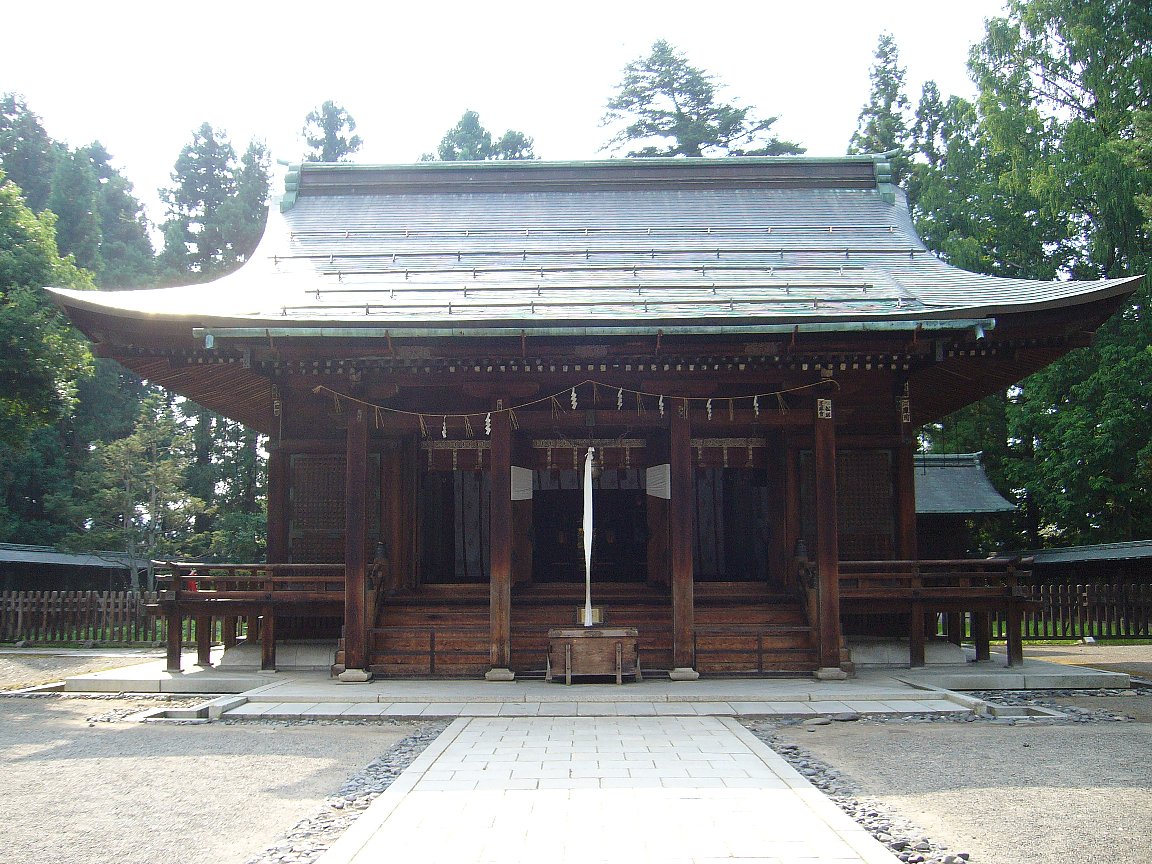
Yonezawa was the seat of the Uesugi clan, one of the great warrior houses of feudal Japan. After their domain was sharply reduced in the early 17th century, the Uesugi governed Yonezawa from a moated castle on the plain — today the site of Matsugasaki Park and Uesugi Shrine. By the late 18th century the domain was deeply in debt, its retainer rolls far larger than its lands could support.

The turnaround is attached to one name: Uesugi Yozan (Harunori), who became lord as a young man and pushed an austere, productivity-driven reform. He promoted the cultivation of aoso (ramie) as a fiber crop, then encouraged sericulture — mulberry, silkworms — and weaving as a domain industry. Over generations this seeded a genuine silk-weaving economy in Yonezawa, which is why the city is still a textile name today rather than a footnote.
“A scarf from Yonezawa is the visible end of an 18th-century rescue plan — silk that exists because a bankrupt domain decided to weave its way back to solvency.”
- 1601 — The Uesugi clan is established at Yonezawa following the reorganization of the early Edo order.
- 17th–18th c. — Yamagata becomes Edo Japan’s foremost safflower (benibana) region, shipping red dye to Kyoto via the Mogami River.
- 1767 — Uesugi Yozan (Harunori) becomes lord and launches the domain’s austerity-and-industry reforms.
- Late 18th c. — Promotion of aoso (ramie), then sericulture and weaving, turns Yonezawa into a domain textile industry.
- 19th c. — Yonezawa silk matures into a noted regional product, blending local sericulture with plant-dye traditions.
- 20th c. — Yonezawa-ori is recognized as a regional traditional textile, valued for soft hand-dyed silk in subdued tones.
- 2026 — Benibana-dyed Yonezawa-ori scarves remain available, shippable internationally via Amazon JP Global Store.
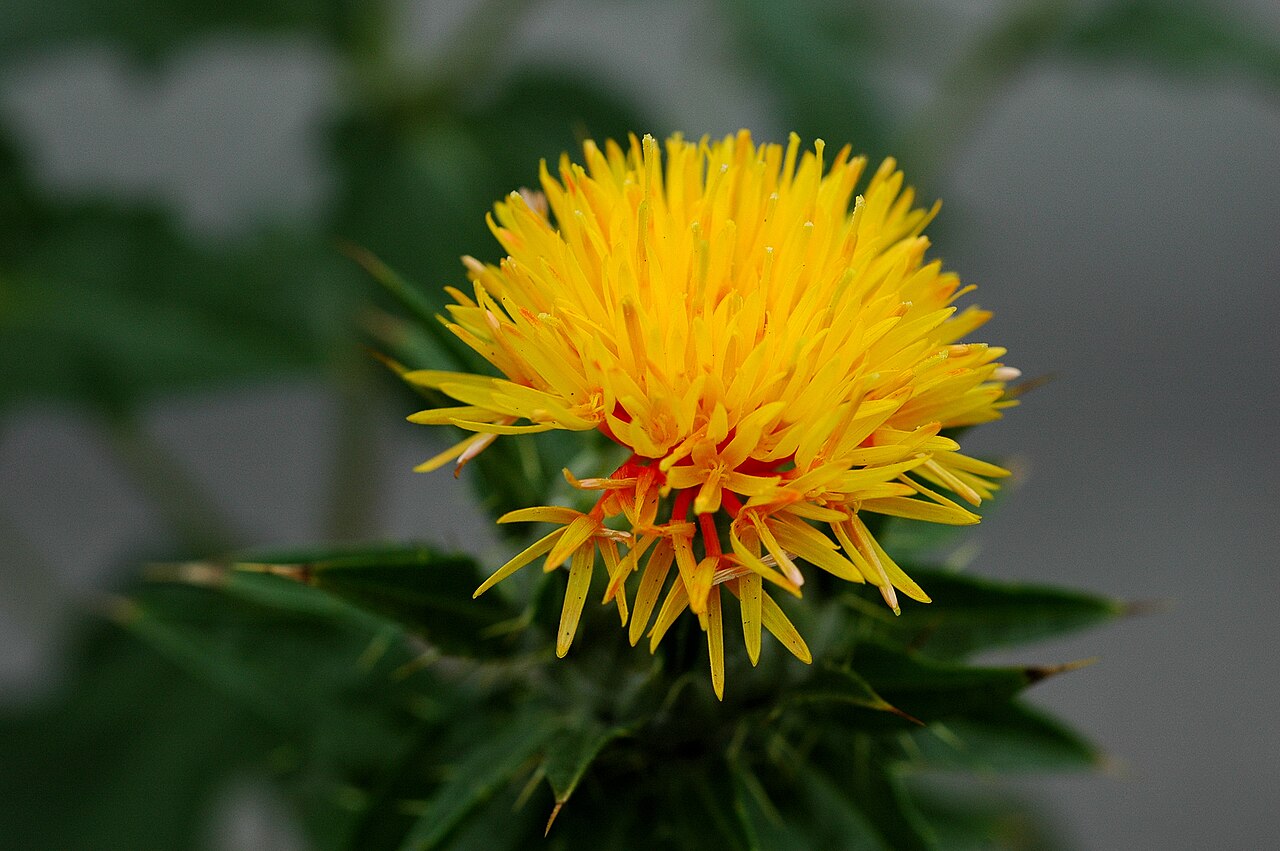
The dye side of the story is just as local. Yamagata was Edo-era Japan’s leading producer of benibana (safflower), grown across the basin and floated down the Mogami to Kyoto, where it commanded high prices for dyeing textiles and was even used in cosmetics. That a major silk town and a major safflower region sit in the same prefecture is why benibana-dyed silk reads as so authentically of-this-place — the cloth and the color come from the same land.
What “still made here” means in practice is that Yonezawa retains weaving and dyeing workshops that descend from this domain-era industry. The specific maker and workshop behind any one listing are not always stated on a marketplace page, so we treat the product as a Yonezawa-ori plant-dyed silk scarf rather than attributing it to a named master without confirmation. Plant-dyed color, as a folk-traditional practice, is valued precisely because it is not perfectly uniform — tones shift between dye lots and seasons.
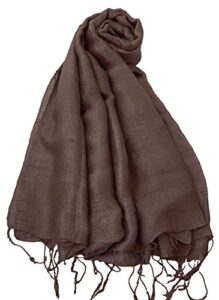 🧣 Iwate Homespun Wool Scarf
🪡 Hirosaki Kogin Sashi (Tohoku textile)
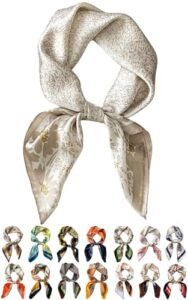 🎴 Chichibu Meisen Silk Stole
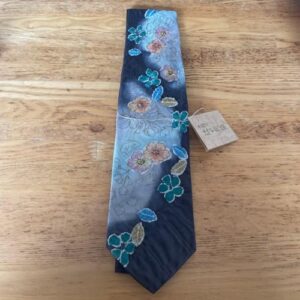 👔 Kiryu-ori Silk Necktie
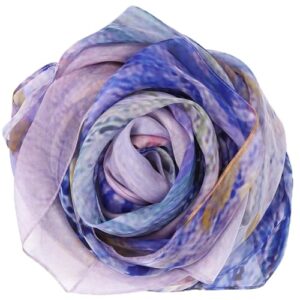 🌸 Kaga Yuzen Silk Scarf
 ⚓ Yokohama Silk Scarf
🪺 Johana Shike-Ginu Silk Scarf
 🎟️ Nishijin Ori Silk Card Case
Price snapshot across stores
The fetched snapshot did not capture a confirmed price for this listing. Treat the figures below as paths to check rather than quoted prices, and verify the live amount at the link before buying. USD figures, where shown, are approximate at a ¥150/USD baseline as of mid-2026.
| Store | Item / variant | Price (JPY + USD est.) | Notes |
|---|---|---|---|
| 🇺🇸 Amazon US (search) | Browse Japanese silk scarves | varies (USD) | Best if you are shopping from the US — Prime shipping, USD pricing, no international customs. Amazon US carries silk scarves from many Japanese and other makers for comparison; this exact Yonezawa-ori piece is sourced from Japan (next row). |
| 🇯🇵 Amazon JP Global Store | Yonezawa-ori benibana silk scarf (B0F5P2JG8T) | Price unconfirmed — check listing | The sourced listing for the specific item; ships internationally from Japan to most major destinations. |
| Maker direct | Yonezawa weaving / dyeing workshops | Varies | Some workshops sell directly within Japan; international shipping is not guaranteed. Confirm before ordering. |
| Proxy services (Buyee / Tenso) | Japan-only listings forwarded abroad | Item + fee + forwarding | Useful if a particular piece is sold only on a Japan-domestic shop; adds a service fee and a second shipping leg. |
What it does well
Weaknesses and things to verify before buying
- Price not confirmed in our data. The fetched snapshot did not capture a live price; verify the current amount at the listing before committing.
- Dimensions and weight unconfirmed. Scarf length, width, and weight were not in the available data — check the listing if exact size matters.
- Color varies by dye lot. Plant dyeing is intentionally non-uniform; the piece you receive may differ in tone from the listing photo.
- Delicate care. Silk plus natural dyes generally means hand-wash or dry-clean, and keeping it out of prolonged direct sunlight to limit fading.
- Maker / workshop not always named. A marketplace listing may not state the specific weaver or dyer; if provenance documentation matters to you, ask the seller.
- Secondary, sourced listing. Yonezawa-ori is a smaller tradition than the big silk names; availability of any one scarf can be limited, and the item is sourced via Amazon JP Global Store rather than carried on Amazon US.
Conclusion — which buyer type are you?
Other ways to approach this purchase
🏆 Editor’s Pick
❓ Frequently Asked Questions
Does Amazon JP Global Store ship a Yonezawa-ori scarf internationally?
Yes. The item is sourced from Amazon JP Global Store, which ships many household and textile goods internationally to most major destinations. Shipping to the US or EU typically runs in the $15–$40 range depending on weight and speed, and orders over local thresholds may incur customs duties.
What is benibana dyeing, and will the color fade?
Benibana (safflower) is a plant dye for which Edo-era Yamagata was Japan’s leading source. Like other kusaki-zome plant dyes, it produces subdued, natural tones that can vary by batch and may soften with prolonged sun exposure. Keep the scarf out of long direct sunlight to limit fading.
How do I care for a plant-dyed silk scarf?
Treat it as a delicate textile: gentle hand-washing in cool water or dry-cleaning, no wringing, and drying away from direct sun. The available data does not list maker-specific care instructions, so follow any label on the item itself.
Why is the price not shown here?
The data snapshot fetched for this article did not capture a confirmed live price for the listing. Rather than guess, we direct you to the Amazon JP Global Store link to verify the current price, which is the authoritative figure for this specific item.
How is Yonezawa-ori different from other Japanese silk scarves?
Yonezawa-ori is the silk-weaving tradition of Yonezawa in southern Yamagata, rooted in the Uesugi domain’s 18th-century industrial reforms and paired with the prefecture’s benibana safflower dye. Compared with print-led traditions such as Yokohama or Kaga Yuzen, its appeal is the soft hand and quiet plant-dyed color rather than vivid surface pattern.
Is this a good gift?
It suits a recipient who appreciates regional craft and a documented backstory. The Uesugi-Yozan reform history and the benibana connection give the scarf meaning beyond its appearance, which many buyers value for considered gifting.
jpmono.com is curated by a Japan-based editorial team (working out of Toyama in the Hokuriku region and Nara in Kansai) and is independent. We do not take payment from the makers we feature; income comes from affiliate links. We do not physically test every product — we read maker specs and source listings.
This article was prepared with AI assistance and reviewed against the available listing data. Facts about place and history are drawn from the curation brief; product specifics not present in the fetched data are marked as unconfirmed rather than guessed.
Affiliate disclosure: jpmono.com may earn a commission on qualifying purchases made through links on this page, at no additional cost to you.