![Echizen-yaki Wood-Fired Flower Vase: Six Ancient Kilns Ware [2026]](https://jpmono.com/wp-content/uploads/2026/06/echizen-yaki-wood-fired-flower-vase-where-to-buy-2026-featured.jpg)
Echizen-yaki (越前焼, “Echizen ware”) is one of Japan’s Rokkoyō — the Six Ancient Kilns — and among the oldest continuous ceramic traditions in the country. Kilns first lit in the hills of present-day Echizen town, in Fukui Prefecture, in the late 12th century, drawing on techniques carried up the coast from Tokoname. The piece covered here is a wood-fired, unglazed stoneware flower vase (hanaire, 花入), the kind of object that shows the tradition at its most honest: iron-rich clay, no applied glaze, and a surface decided by fire and falling ash rather than by a brush.
What makes Echizen-yaki notable to an international audience is not decoration but its absence. The greens and ambers that streak a good piece are shizen-yu (自然釉, “natural ash glaze”) — wood ash that settled on the clay during a multi-day firing and melted into glass. Each vase is therefore a record of where it sat in the kiln. For readers who already collect Bizen or Shigaraki, Echizen is the quieter, more utilitarian sibling: it spent centuries making jars and water pots for everyday Japan-Sea-coast life, not tea-room showpieces.
This guide is written for international buyers weighing a single, characterful stoneware vase against a mass-market alternative. We cover what the listing actually states, where the ware comes from and why, how it compares to its sibling kilns, the realities of buying it from outside Japan, and who should pass. Note up front: at the time of writing, only the Amazon JP Global Store listing for this specific item was traceable, and live pricing was not retrievable from the fetched data — treat all figures as “verify before you buy.”
🔄 Last updated: June 14, 2026
⏱️ Read time: ~10 min

- Who this is for — and who should skip it
- Product overview (from published specs)
- Price snapshot across stores
- Where this comes from
- What it does well
- Weaknesses and things to verify before buying
- Conclusion — which buyer type are you?
- Other ways to approach this purchase
- 🏆 Editor’s Pick
- ❓ Frequently Asked Questions
Who this is for — and who should skip it
- Appreciate wabi-sabi — unglazed, asymmetric, fire-marked surfaces over uniform decoration
- Want a single-stem or ikebana vessel with genuine craft heritage
- Already own Bizen or Shigaraki and want a sibling Ancient Kiln
- Accept that each piece varies and is effectively one-of-a-kind
- Are comfortable buying from Amazon JP Global Store with international shipping
- Want a glossy, perfectly symmetric, color-matched vase
- Need a guaranteed watertight vessel for cut flowers without a liner
- Expect the exact color and pattern shown in the photo
- Are price-sensitive and want the cheapest possible vase
- Need fast domestic delivery and cannot wait on international shipping
Product overview (from published specs)
The data available for this specific listing is limited. Based on the sourced Amazon JP Global Store listing and the established characteristics of the ware, the table below summarizes what can be stated with confidence; unconfirmed fields are marked rather than guessed.
Echizen-yaki Wood-Fired Flower Vase
越前焼締「六角花器」(佐藤 茂 越前火輪動窯)
現在在庫切れです。 · ASIN B0H3Y35FMQ
Price and availability as of 2026-08-31 02:30 JST. The Amazon listing at the time of purchase is authoritative. jpmono.com earns a commission on qualifying purchases at no extra cost to you.
| Attribute | Detail | Source |
|---|---|---|
| Item | Echizen-yaki wood-fired flower vase (hanaire) | Amazon JP Global Store |
| Material | Iron-rich stoneware, unglazed body with natural ash glaze (shizen-yu) | Maker / tradition |
| Origin | Echizen, Fukui Prefecture, Japan | Maker direct |
| Firing | High-fired, wood/anagama-style; surface set by ash and flame | Tradition |
| Designation | National Traditional Craft (1986); one of the Six Ancient Kilns | METI |
| Dimensions / weight | Unconfirmed — check the listing | — |
| Price | Unconfirmed — live pricing was unavailable at time of writing | — |
| ASIN | B0H3Y35FMQ | Amazon JP Global Store |
Spec sheets indicate that, for unglazed wood-fired ware, dimensions and surface vary piece to piece. The data suggests treating the listing photo as representative rather than exact.
📖 Glossary — key terms
- Echizen-yaki (越前焼) — “Echizen ware”; unglazed iron-rich stoneware from Echizen, Fukui.
- Rokkoyō (六古窯) — the “Six Ancient Kilns”: Echizen, Bizen, Tamba, Shigaraki, Seto, Tokoname. The grouping was coined by ceramic scholar Koyama Fujio around 1948.
- Shizen-yu (自然釉) — “natural ash glaze”; wood ash that melts onto the clay during firing, producing green-to-amber glassy streaks.
- Yōhen (窯変) — “kiln transformation”; color and texture changes caused by flame, ash, and atmosphere inside the kiln.
- Hanaire (花入) — a flower vessel, especially one used in ikebana or the tea room.
- Anagama (穴窯) — a single-chamber sloped tunnel kiln fired with wood over several days.
- Wabi-sabi (侘寂) — an aesthetic that finds beauty in imperfection, asymmetry, and the marks of age and use.
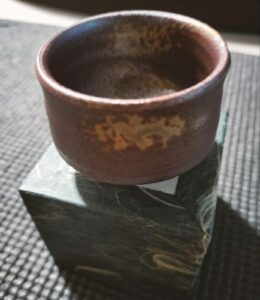
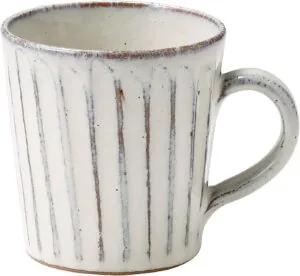
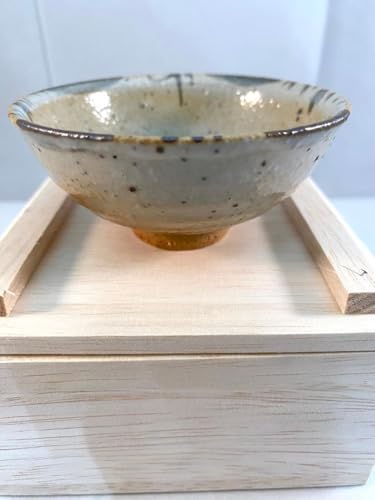
Related jpmono guides — the sibling Ancient Kilns, another Fukui craft, and two Hokuriku traditions worth reading alongside this one.
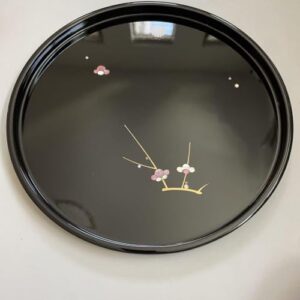
Price snapshot across stores
| Store | Item / variant | Price (JPY + USD est.) | Notes |
|---|---|---|---|
| 🇺🇸 Amazon.com (US) | Browse Japanese pottery flower vases | varies (USD) | Best if you’re shopping from the US — Prime shipping, USD pricing, no international customs. Amazon US carries Japanese stoneware and ikebana vases from various makers, useful for comparing form and price tiers; this exact Echizen-yaki piece is sourced from Japan (next row). |
| 🇯🇵 Amazon JP Global Store | Echizen-yaki wood-fired flower vase (ASIN B0H3Y35FMQ) | Check listing — price unconfirmed at time of writing | Ships internationally from Japan. This is the sourced listing for the specific item in this guide. |
| Maker direct | Echizen Tōgei Mura kilns / studio shops | varies | Many Echizen kilns sell on-site or via small studio pages; usually Japan-domestic shipping only. |
| Proxy services (Buyee / Tenso) | Forwarding for JP-domestic listings | item + fees | Use when a kiln only ships within Japan; adds a service fee plus international forwarding. |
JPY (¥) is the authoritative price; USD figures, where shown, are approximate at a ¥150/USD baseline as of mid-2026. Prices in USD depend on the current exchange rate. Only the Amazon JP listing snapshot was traceable for this item, and live pricing may have shifted since the writing date — verify at the retailer before purchasing.
Where this comes from

Echizen sits on the Sea of Japan coast of Fukui Prefecture, in the Chūbu region’s Hokuriku belt. The kilns clustered in the Ozowara and Oda areas of present-day Echizen town, in hills close enough to the coast that finished jars could be carried down to the port of Tsuruga and loaded onto coastal shipping. That logistics picture mattered: for centuries, the heavy, utilitarian output of these kilns moved by sea rather than by road.
The land itself explains the clay. The Echizen coast — whose most dramatic stretch is the basalt cliffs of Tōjinbō — yields an iron-rich, ferrous body that fires to dark browns and reds. There is no white porcelain heritage here. The local fudo (風土, “climate and land”) pointed the kilns toward strong, unglazed stoneware: water jars, seed pots, storage tsubo, and grinding bowls for everyday coastal life.
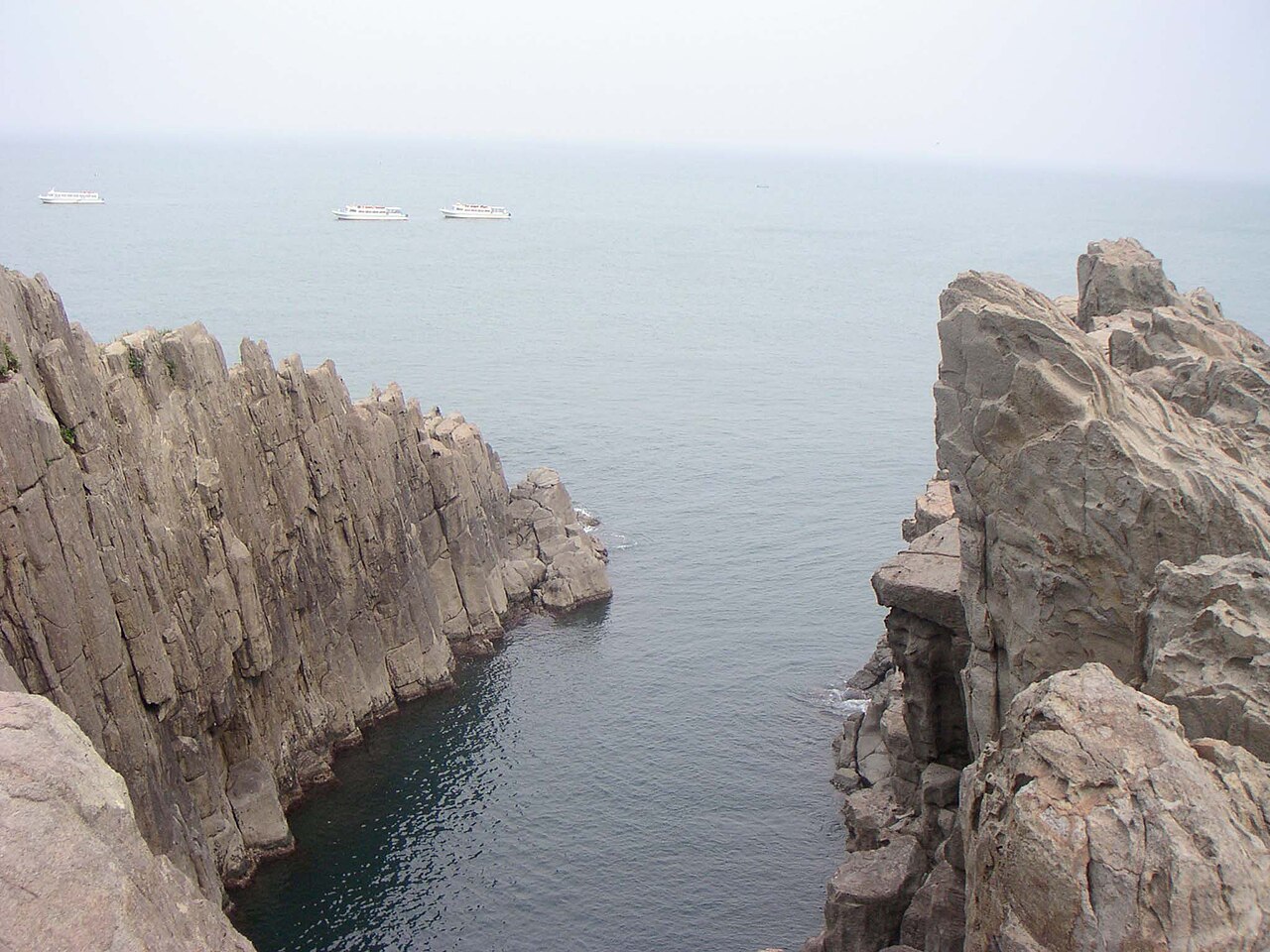
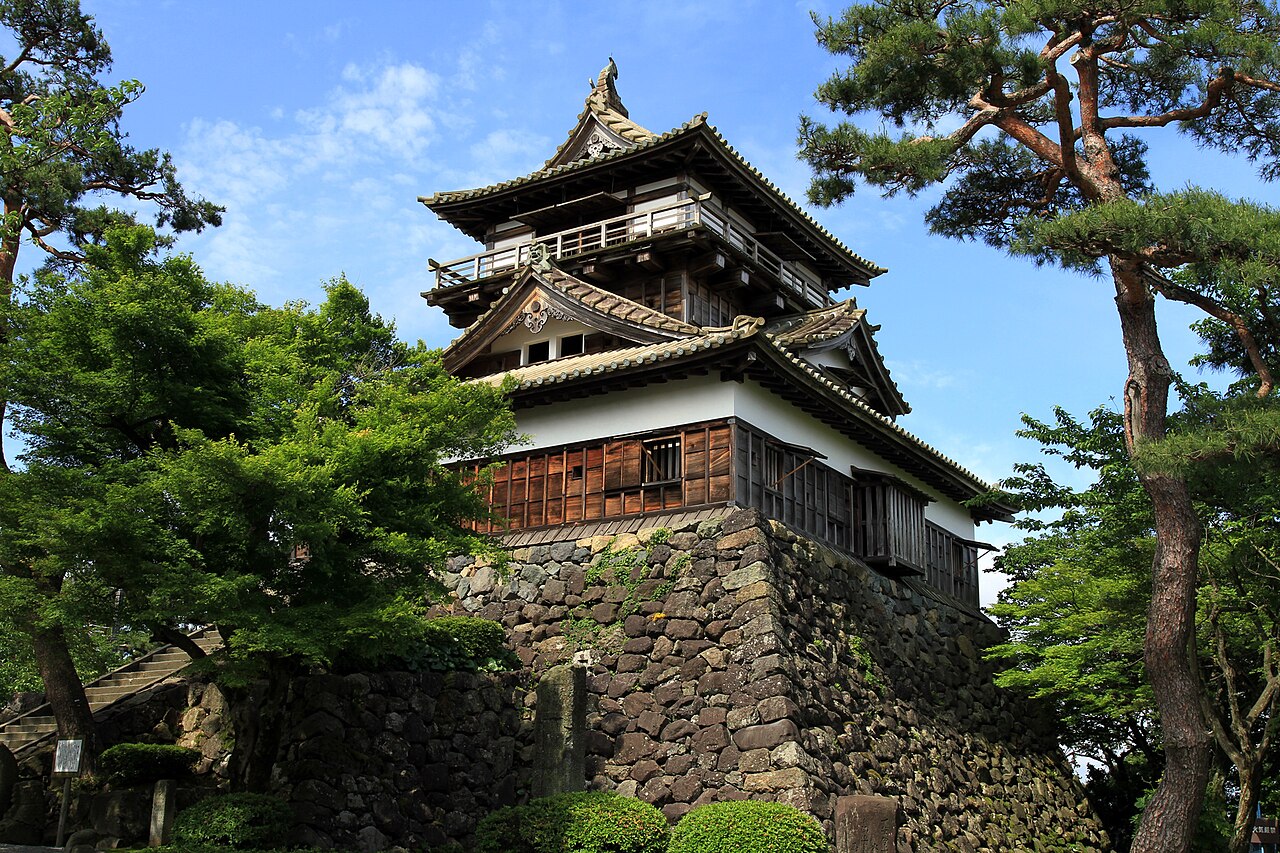
The historical anchor is depth, not glamour. Kilns lit here in the late Heian period, in the 12th century, drawing on techniques brought up the coast from Tokoname. That places Echizen among the very oldest production sites in Japan — older than the tea ceremony, older than the Edo period, older than European steel-making. The Echizen domain, with Maruoka Castle and its 1576 keep among the oldest surviving in Japan, anchored the regional history through which these medieval kilns continued to operate.
- Late 12th c. — Kilns lit in the Ozowara/Oda area, drawing on Tokoname techniques.
- 1244 — Eiheiji, head temple of Sōtō Zen, founded in the Fukui mountains.
- 1576 — Maruoka Castle keep built — among the oldest surviving in Japan.
- Edo period — Mass production of tsubo, kame, and grinding bowls shipped via Tsuruga along the Japan-Sea coast.
- c. 1948 — Scholar Koyama Fujio coins “Rokkoyō” (Six Ancient Kilns), re-valuing Echizen.
- Mid-20th c. — Tradition revived around Echizen Tōgei Mura (pottery village).
- 1986 — Designated a National Traditional Craft by METI.
- 2026 — Kilns still firing in Echizen; pieces sold internationally via Amazon JP Global Store.
The aesthetic case is best understood through the region’s other great institution. Eiheiji, the head temple of Sōtō Zen founded in 1244 in the Fukui mountains, is famous for an austerity that strips away ornament — and Echizen-yaki shares that instinct. The ware does not decorate; it accepts. The surface is whatever the fire and ash made of it.
“An Echizen vase is a record of where it sat in the kiln — the greens and ambers are not painted on, but melted on by ash that fell during a firing that ran for days.”
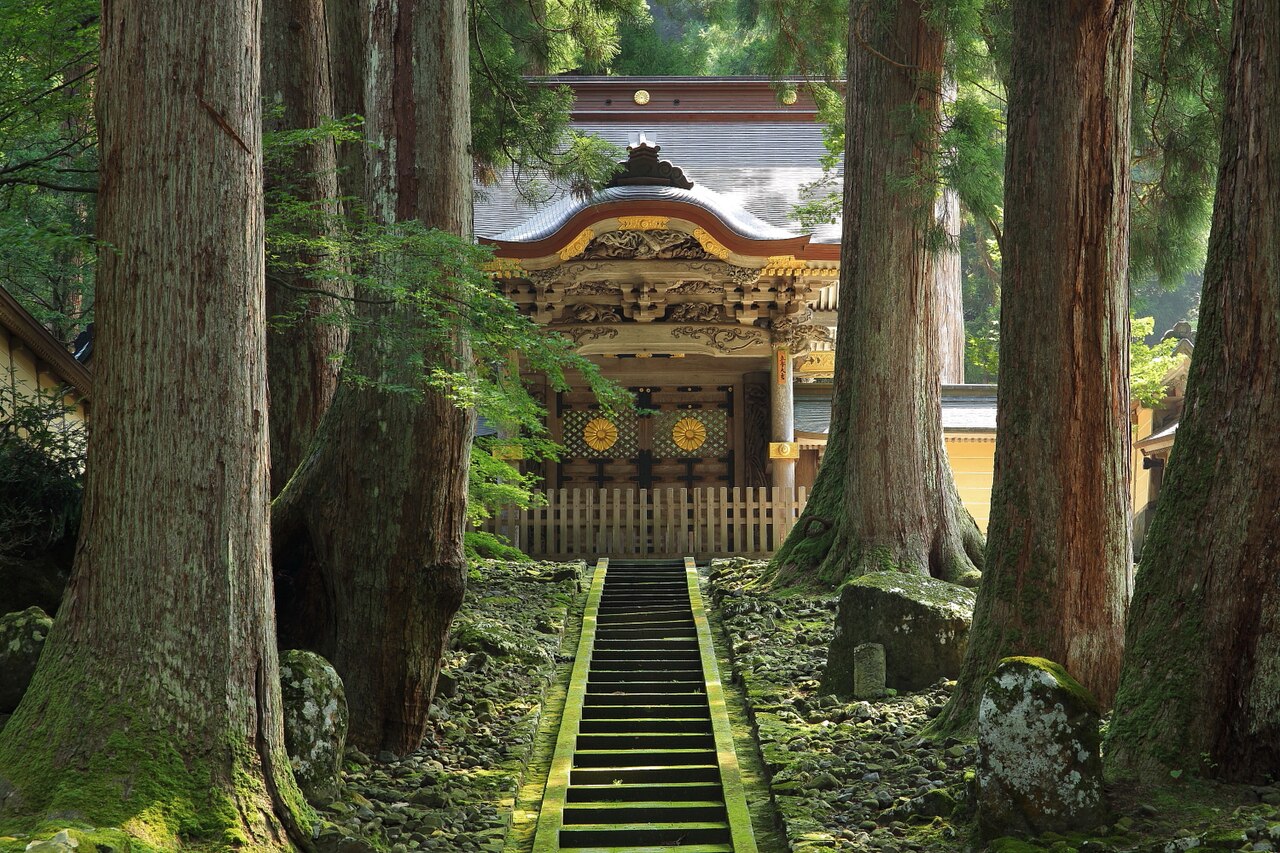
What “still being made here” means is concrete: after a long modern decline, the tradition was deliberately revived in the mid-20th century around Echizen Tōgei Mura, the pottery village that now centers the district’s workshops, museum, and kilns. The 1986 National Traditional Craft designation formalized what had been recovered. The technique that produces this vase — high firing, unglazed clay, ash glaze allowed rather than applied — is essentially continuous with the medieval practice, even where individual studios are modern.
What it does well
Weaknesses and things to verify before buying
- Appearance varies. Wood-fired, unglazed ware differs piece to piece; the photo is representative, not exact. If you need a specific color, this is the wrong category.
- Watertightness is not guaranteed. Unglazed stoneware can seep slightly. For fresh-cut flowers, confirm whether the interior is sealed, or use a glass/metal liner.
- Dimensions are unconfirmed in the available data. Verify height and mouth diameter on the listing before buying — it determines what stems fit.
- Pricing was not retrievable at time of writing. Only the Amazon JP listing snapshot was traceable; check the live price before ordering.
- International shipping adds cost and time. Buying via Amazon JP Global Store from outside Japan means longer transit and possible customs duties.
- Maker / kiln attribution may be general. The listing may not name a specific kiln or artisan; if provenance matters to you, ask the seller or buy from a named studio.
Conclusion — which buyer type are you?
Other ways to approach this purchase
🏆 Editor’s Pick
❓ Frequently Asked Questions
What is Echizen-yaki?
What is the natural ash glaze (shizen-yu)?
Can I use it for fresh-cut flowers with water?
Does it ship internationally?
How does Echizen compare to Bizen, Tamba, and Shigaraki?
Will it look exactly like the photo?
How do I care for it?
jpmono.com is curated by a Japan-based editorial team (working out of Toyama in the Hokuriku region and Nara in Kansai) and is independent. We do not take payment from the makers we feature; income comes from affiliate links. We don’t physically test every product — we read maker specs and source listings.
🤖 This article was prepared with AI assistance and reviewed against the source listing data. Specifications and pricing reflect the data available at the time of writing and should be verified at the retailer before purchase.
Affiliate disclosure: jpmono.com may earn a commission on qualifying purchases made through links on this page, at no additional cost to you.