![Nagasaki Maki-e Lacquer Hand Mirror: Nanban Export Craft [2026]](https://jpmono.com/wp-content/uploads/2026/05/japan-map-regions-and-prefectures-800x1050.png)
A maki-e (蒔絵, “sprinkled-picture” lacquer) hand mirror in the Nagasaki tradition is one of the few household objects that carries a 400-year trade story in the palm of your hand. Gold dust laid into deep black urushi (漆, Japanese lacquer), a compact handle sized for a dressing table or a travel bag — and behind it, the port that was Japan’s single doorway to the outside world for two centuries. This form connects everyday use with the city’s Nanban (南蛮, “southern-barbarian”) export-lacquer lineage.
What makes Nagasaki lacquer distinct is not the technique alone — maki-e is practiced in Kyoto, Aizu, Wajima, and Owari Nagoya too — but its outward-facing origin. From the late 16th century, lacquer decorated in gold and shell was a flagship Japanese export, commissioned first by Portuguese Jesuits and later by Dutch and Chinese merchants who shipped it home through Dejima. The modern hand mirror sits at the tail end of that export-souvenir line, which is a different cultural starting point from the inward, castle-town maki-e of Aichi.
This article is written for international readers weighing a maki-e mirror as a gift or a personal keepsake. It covers the craft, the regional and historical context that makes Nagasaki lacquer worth knowing, comparisons with other Japanese lacquer and craft objects, and the practical realities of buying from outside Japan. Living maki-e production at this scale is niche, so availability and prices vary by workshop and time.
🔄 Updated:
⏱️ Read time: ~11 min
- Who this is for — and who should skip it
- Product overview (from published specs)
- 📍 Where this comes from — place, era, and the craft tradition
- Price information
- 📦 Shipping & where to buy from outside Japan
- What it does well
- Weaknesses and things to verify before buying
- Conclusion — which buyer type are you?
- Other ways to approach this purchase
- ❓ Frequently Asked Questions
Who this is for — and who should skip it
- Want a small, giftable Japanese lacquer object rather than a large furniture piece
- Appreciate maki-e gold-dust decoration and the Nagasaki Nanban export story behind it
- Are buying a keepsake, wedding, or milestone gift where presentation matters
- Are comfortable ordering from the Amazon Japan Global Store and verifying stock at checkout
- Prefer a handheld dressing-table mirror with a decorative back over a plain functional one
- Need a certified, signed work by a named maki-e master with provenance papers
- Want a large mirror for daily grooming — this is a compact handheld
- Expect guaranteed in-stock availability and fixed pricing (this category is niche)
- Are unwilling to hand-care lacquer (no dishwasher, no abrasives, avoid direct sun)
- Require detailed origin documentation for the maker and lacquer work.
Product overview (from published specs)
| Attribute | Detail |
|---|---|
| Object type | Hand mirror (tekagami, 手鏡), compact handheld |
| Decoration | Maki-e gold-dust motif on black urushi lacquer |
| Motif | Sakura (cherry blossom) and crane on black ground |
| Tradition | Nagasaki Nanban export-lacquer lineage |
| Dimensions / weight | Not confirmed |
| Sources | Amazon US (search) · Amazon JP Global Store · Maker direct (where available) |
Maki-e mirrors are small-batch craft objects; dimensions, materials, and prices can vary. Confirm those details before purchase.
📖 Glossary — key terms in this article
- Maki-e (蒔絵) — “sprinkled picture”; a decorating technique in which fine gold or silver powder is sprinkled onto wet lacquer to form a design.
- Urushi (漆) — natural Japanese lacquer tapped from the urushi tree, cured into a hard, glossy, water-resistant coating.
- Raden (螺鈿) — inlay of iridescent shell (often abalone) into lacquer; frequently paired with maki-e in export pieces.
- Nanban-shikki (南蛮漆器) — “Nanban lacquer”; export lacquerware made for Portuguese, Dutch, and Chinese buyers from the late 16th century onward.
- Tekagami (手鏡) — a hand mirror with a handle, as opposed to a stand or wall mirror.
- Dejima (出島) — the fan-shaped artificial island in Nagasaki harbor that was Japan’s sole foreign-trade post from 1641 to 1859.
- Ōbaku (黄檗) — a Chinese-rooted school of Zen Buddhism whose Nagasaki temples (such as Sōfuku-ji) carried continental aesthetics into the port.
📍 Where this comes from — place, era, and the craft tradition

Nagasaki sits on a steep-sided inlet near the western tip of Kyūshū, where the land folds into a series of harbors that open toward the Asian mainland. Its geography is the whole story: closer to Shanghai and the Korean Peninsula than to the centers of Japanese power, and blessed with one of the deepest, most sheltered ports in the country. When ocean-going European ships needed an anchorage in the 16th century, this was the natural place to drop it.
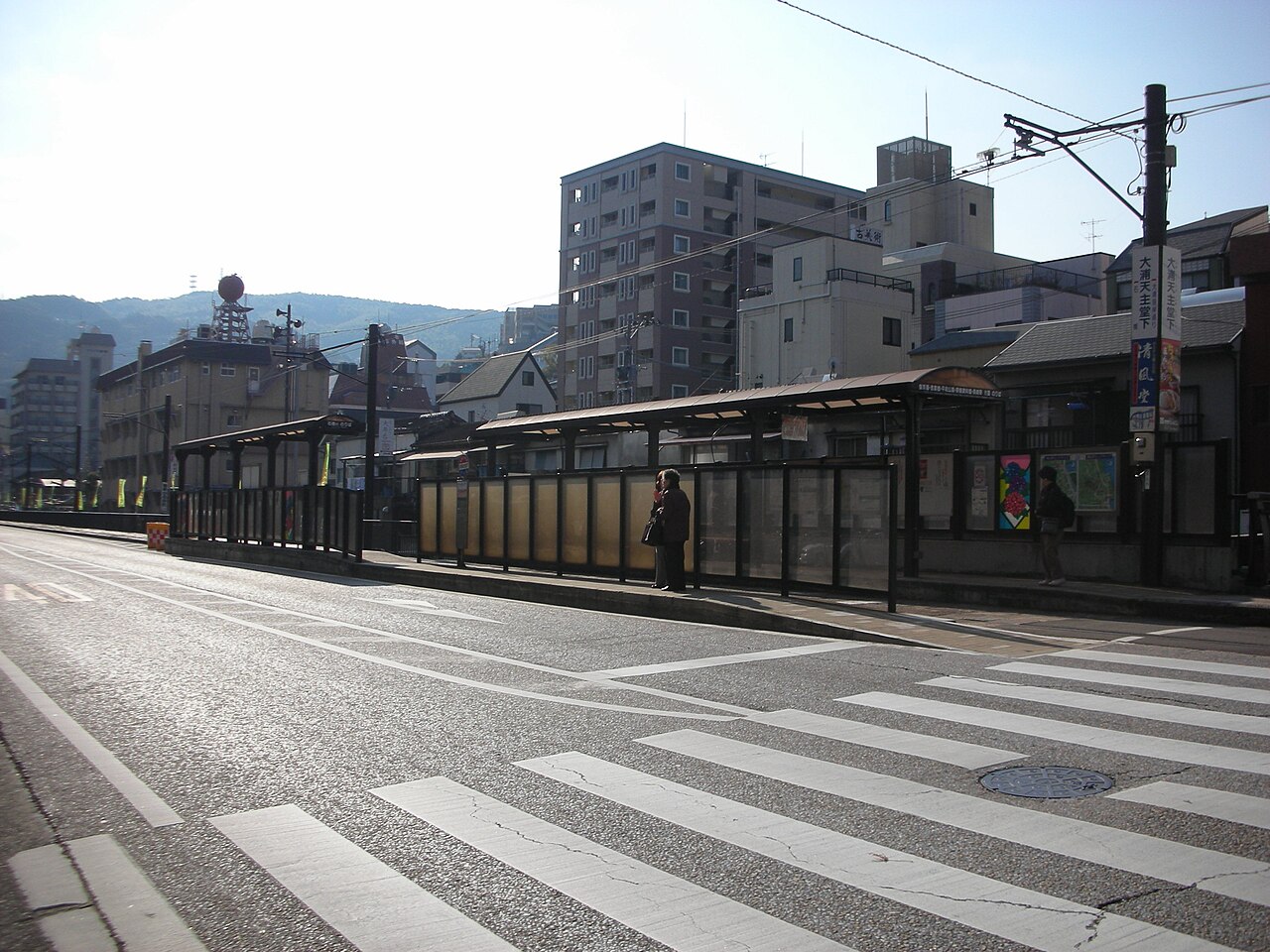
The Portuguese reached Japan in the 1540s, and Nagasaki was opened to their trade in 1571. For the next several decades — the so-called “Christian century” — the port was the meeting point of three commercial cultures. Jesuit missionaries commissioned lacquer chests, lecterns, and devotional objects decorated in maki-e and raden, made by Japanese lacquerers to European shapes. This was Japan’s first major design export, and it traveled as far as Lisbon and the great cabinets of Catholic Europe.
- 1543 — Portuguese traders reach Tanegashima, off southern Kyūshū; European contact with Japan begins.
- 1571 — Nagasaki is opened as a port for Portuguese trade; the harbor town grows quickly.
- late 1500s — Jesuits commission Nanban lacquer chests, lecterns, and mirrors for export to Europe.
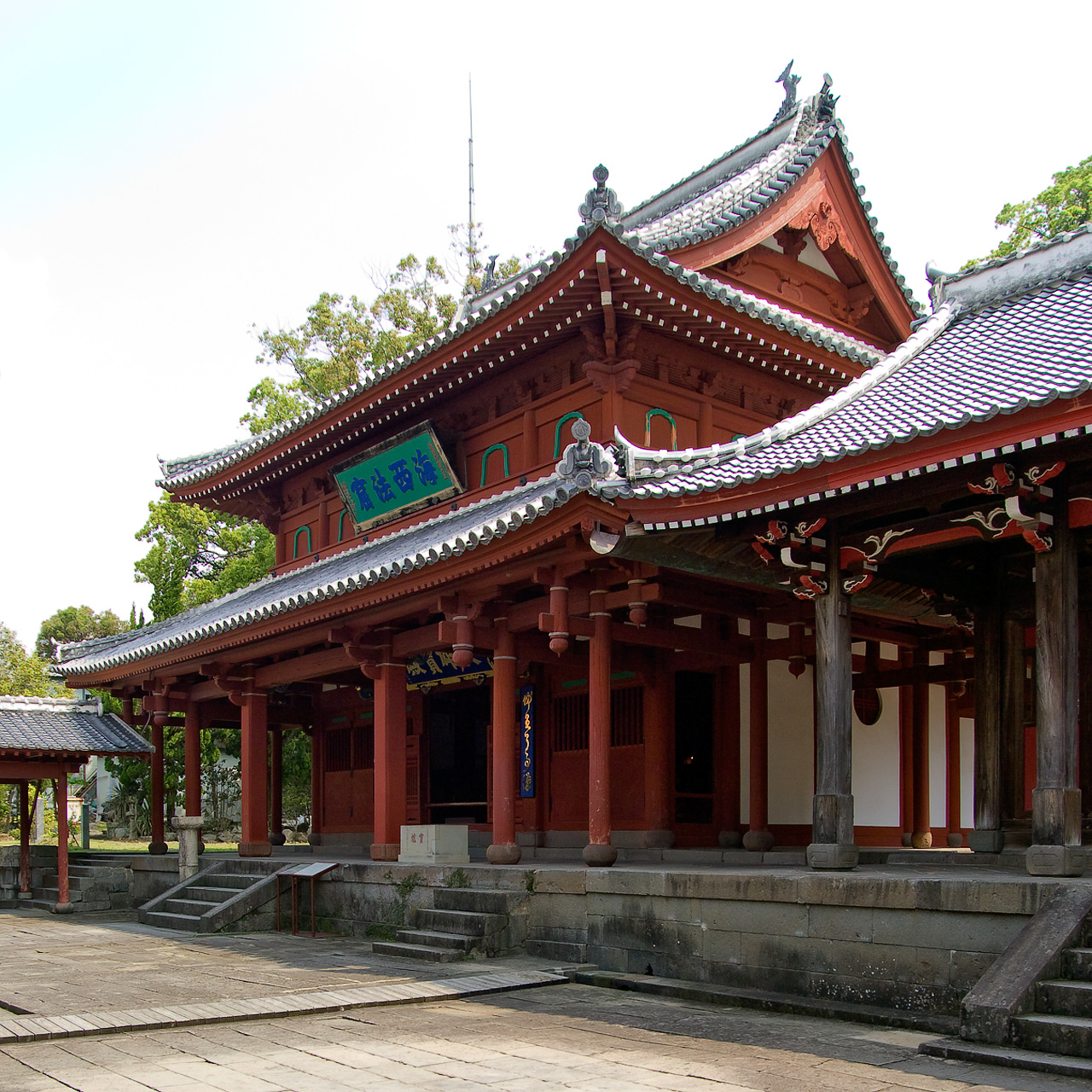
- 1629 — Sōfuku-ji, a Chinese Ōbaku Zen temple, is founded in Nagasaki, anchoring continental taste in the port.
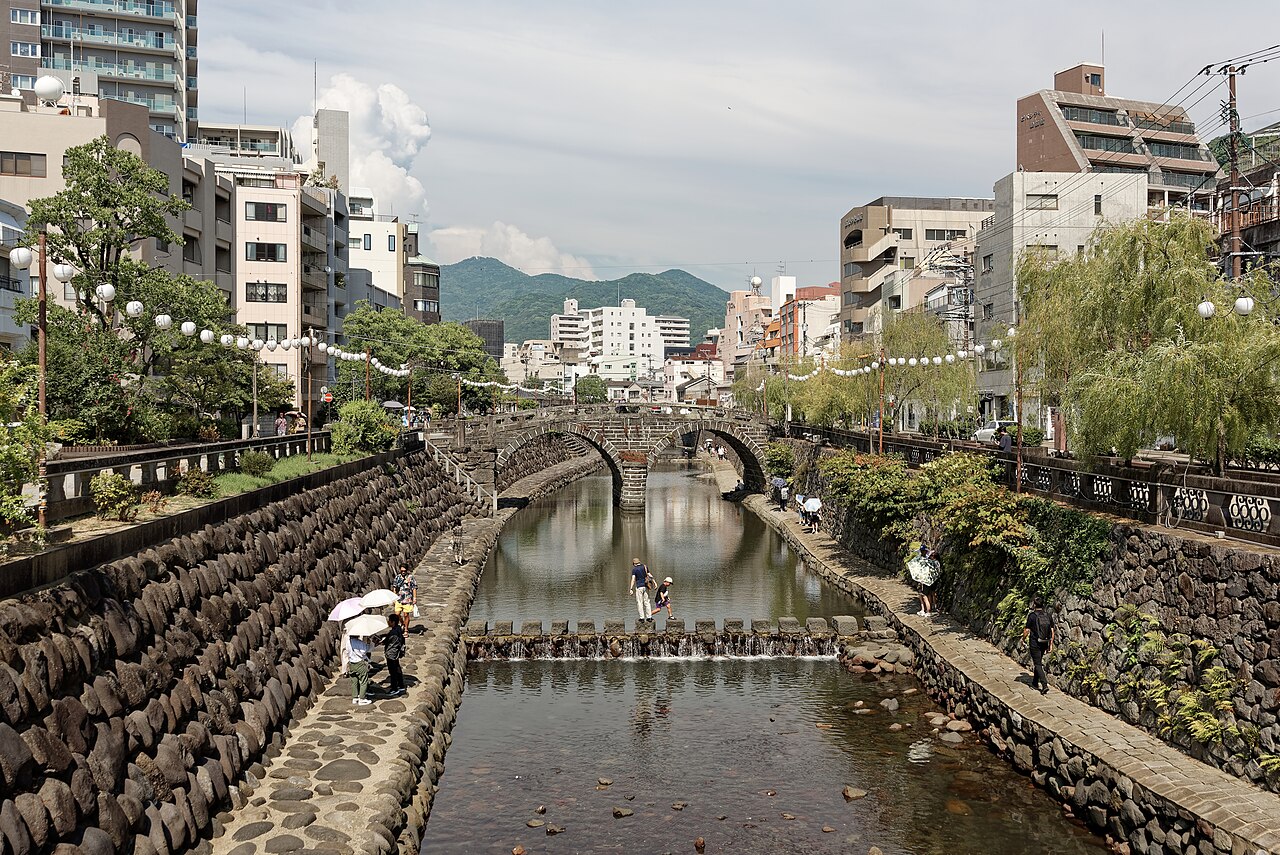
- 1634 — The Meganebashi (Spectacles Bridge) is built; Dejima island is constructed for foreign merchants.
- 1641 — The Dutch are confined to Dejima; Nagasaki becomes Japan’s sole foreign-trade window for the Edo period.
- 1641–1859 — Dutch and Chinese merchants ship maki-e and raden lacquer abroad through the port.
- 1865 — Ōura Cathedral is completed as Nagasaki reopens to international trade.
- today — Maki-e lacquer objects, including hand mirrors, continue the export-souvenir line as niche craft production.
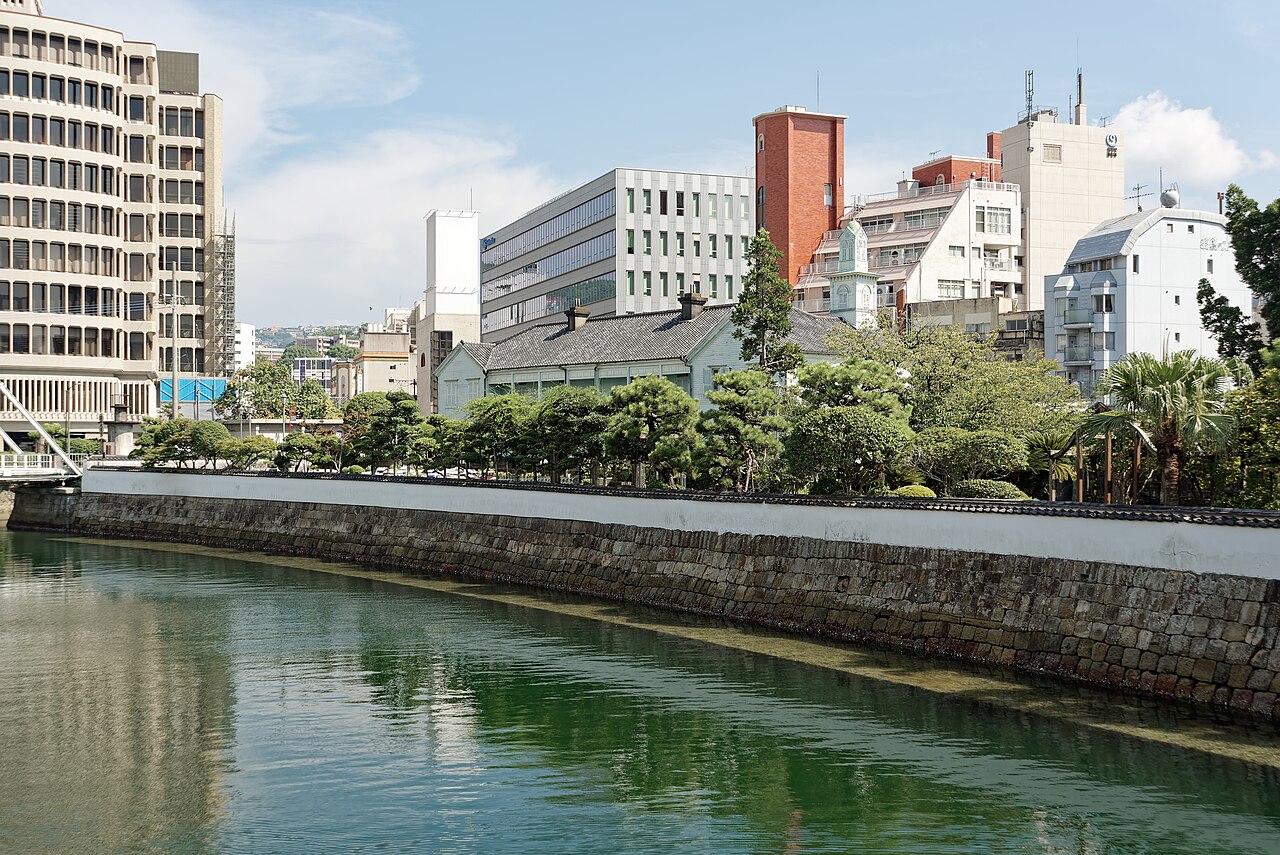
When Japan closed to most foreign contact, Nagasaki stayed open. From 1641 to 1859, Dejima — a tiny fan-shaped island in the harbor — was the only place Dutch ships could trade, while a separate Chinese quarter handled commerce with the mainland. Lacquer flowed out through both. The category is documented in institutional collections such as the Kyushu National Museum and in the period’s trade records, where “Namban lacquer” appears as an established export good rather than a tourist curio.
“Nanban lacquer was arguably Japan’s first design export — gold-on-black urushi made by Japanese hands to European and Chinese shapes, shipped out through a single harbor for nearly three centuries.”
The port’s aesthetic was a genuine blend. Native urushi craft met the continental sensibility of Nagasaki’s Chinese Ōbaku Zen temples — Sōfuku-ji among them — and the European appetite for chests, writing boxes, lecterns, and mirrors. That is why Nagasaki lacquer reads differently from inland traditions: its forms and ornament were shaped from the start by who was buying.
It helps to set Nagasaki lacquer against its closest domestic cousin. Owari Nagoya maki-e, from a castle town in Aichi, grew inward — patronized by a domain and its samurai households for domestic use. Nagasaki maki-e grew outward, as an export answering foreign demand. The hand mirror in this guide belongs to that outward line, the souvenir-and-gift tail of a trade that once filled the cabinets of Europe.
A frank caveat: living maki-e production at the level of an everyday purchasable hand mirror is a small field. Pieces in this category are typically made by individual lacquer workshops in modest batches, not by large named ateliers with public catalogs. Maker, materials, and availability vary across workshops.
Related jpmono guides for readers weighing this against other Japanese lacquer, glass, and ceramic crafts.
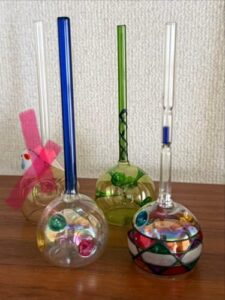 Nagasaki Poppen GlassAnother Nagasaki Nanban-era export craft
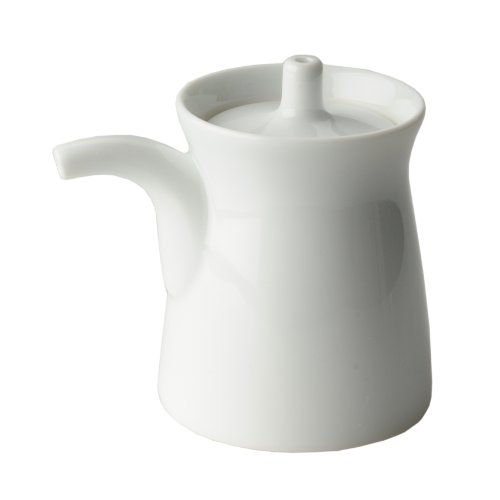 Hasami-yaki G-TypeNagasaki-prefecture porcelain design icon
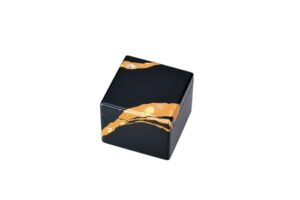 Owari Maki-e BoxThe inward, castle-town maki-e cousin
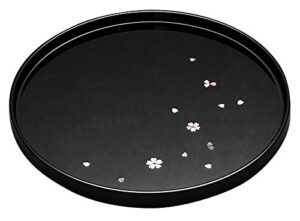 Nara Raden TrayShell-inlay lacquer from the old capital
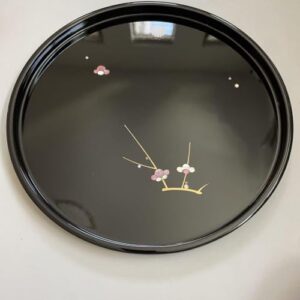 Takaoka Raden BoxHokuriku aogai shell-inlay lacquer
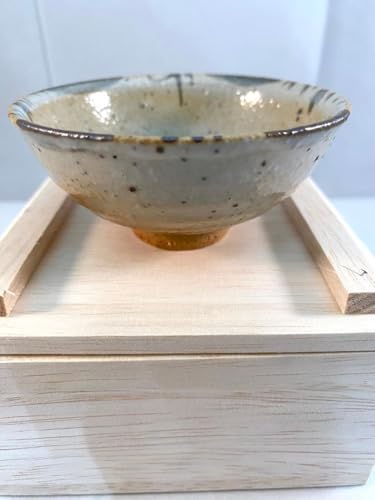 Karatsu E-GaratsuNeighboring Kyūshū ceramic tradition
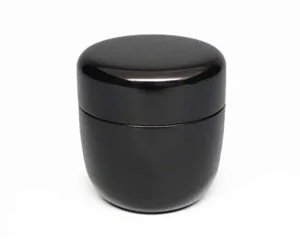 Sanuki Kinma NatsumeIncised-lacquer tea caddy from Shikoku
Price information
JPY (¥) is the standard currency for Nagasaki maki-e lacquer; the figures below are described in JPY. USD figures, where shown elsewhere, are approximate estimates at a ¥150/USD baseline as of mid-2026. Live retail prices vary between makers, so always confirm the current figure with the seller.
| Store | Item / Variant | Price | Notes |
|---|---|---|---|
| 🇺🇸 Amazon.com (US) | Browse Japanese maki-e lacquer mirrors & hand mirrors | varies (USD) | Best if you’re shopping from the US — Prime shipping, USD pricing, no international customs. Amazon US carries Japanese lacquer mirrors, jewelry boxes, and maki-e goods from various makers; this specific Nagasaki piece is sourced from Japan (next row). |
| 🇯🇵 Amazon JP Global Store | This maki-e hand mirror (tekagami), | — | International shipping from Japan may involve customs or duties. |
| Maker direct | Workshop-made maki-e mirrors | varies | Individual lacquer workshops may sell directly, but online catalogs are limited and many do not ship abroad. Best for buyers seeking a named maker. |
| Proxy services (Buyee / Tenso) | Japan-only stores with forwarding | item price + forwarding fee | Useful when a piece is listed only on Japan-domestic stores. Adds a service fee and an extra shipping leg; watch for customs duties at your local threshold. |
📦 Shipping & where to buy from outside Japan
For international buyers, shipping for a small lacquer object is often easier than for larger craft pieces, but the cost and import charges depend on destination. Confirm the total before purchase.
If a particular workshop piece is listed only on a Japan-domestic store, a proxy forwarder such as Buyee or Tenso can receive and re-ship it for a service fee plus a second shipping leg. For orders above your country’s de minimis threshold, expect possible customs duties and import tax — a small mirror is unlikely to be costly, but the rule applies. Lacquer is not an electrical product, so there are no voltage or certification concerns; the only handling note is that urushi dislikes prolonged direct sunlight and abrasive cleaning.
What it does well
A compact handheld object that presents well as a wedding, milestone, or keepsake gift without the cost or bulk of a lacquer chest.
Gold-dust motifs on black urushi give the back a depth and warmth that printed or foil-stamped mirrors cannot match.
The Nagasaki Nanban export lineage gives the piece a documented cultural backstory, which matters for a gift.
As a small, non-electrical item it crosses borders easily via the Amazon JP Global Store or a proxy forwarder.
Weaknesses and things to verify before buying
- Handheld scale. Make sure the mirror suits your intended use rather than a larger stand piece.
- Niche, small-batch category. Living maki-e mirror production is a small field, so availability may vary.
- Maker and provenance may be limited. A marketplace description may not name the workshop or document the lacquer process; a signed, certified piece may require another source.
- Hand-care required. Urushi must be wiped gently, kept from abrasives and dishwashers, and shielded from prolonged direct sunlight; it is not a low-maintenance object.
- “Maki-e” can vary in execution. Without an in-hand inspection, the fineness of the gold work cannot be judged from a single photo; treat the image as indicative.
Conclusion — which buyer type are you?
For a signed, documented piece by a named maki-e artisan, look to the maker or a craft gallery and budget accordingly.
You want an attractive, giftable lacquer mirror with a real backstory and easy international shipping. This category fits — confirm price and availability with the seller before checkout.
If a maki-e mirror stretches your budget, a Nagasaki poppen glass or a Hasami-yaki piece offers the regional story at a lower price point (see the comparison box).
If you need a large daily-use mirror, guaranteed availability, or low-maintenance care, this handheld lacquer piece is not the right object.
Other ways to approach this purchase
Craft items occasionally appear in seasonal Amazon JP promotions. If you are not in a hurry, set a price watch and check around gift-giving seasons.
Older Nanban-style lacquer turns up via auction houses and antique dealers. These carry more provenance but also more risk and cost — buy from reputable sellers only.
If you buy through Amazon regularly, applying accumulated points or a rewards card can offset the international shipping leg.
If none of the above fit, a related Nagasaki or lacquer guide in the comparison box may match your needs better than forcing this purchase.
❓ Frequently Asked Questions
What is maki-e, and how is it different from printed decoration?
Maki-e is a technique in which fine gold or silver powder is sprinkled onto wet urushi lacquer to form a design, then sealed and polished. Unlike printing or foil stamping, the metal sits within layers of natural lacquer, which gives the motif depth and a warm sheen.
Why is a hand mirror associated with Nagasaki specifically?
From the late 16th century, Nagasaki was the port through which lacquerware decorated in maki-e and raden was exported to Europe and China. Mirrors, chests, and lecterns were made to foreign shapes for that trade, and the modern hand mirror continues that export-souvenir line.
Does it ship outside Japan, and roughly what does shipping cost?
International buyers can use Japanese retailers or a proxy service such as Buyee or Tenso when direct shipping is unavailable. Shipping costs and import charges depend on destination.
How do I care for a lacquer mirror?
Wipe it gently with a soft, dry or barely damp cloth. Don’t use abrasive cleaners, scrubbing pads, or a dishwasher, and keep the piece out of prolonged direct sunlight, which can dull urushi over time. Treated this way, lacquer lasts for generations.
How is Nagasaki maki-e different from Owari Nagoya maki-e?
Both use the same gold-sprinkle technique, but the traditions face different directions. Owari Nagoya maki-e grew inward as a castle-town craft for domestic households, while Nagasaki maki-e grew outward as an export good for foreign buyers. The hand mirror belongs to that outward, trade-origin line.
Why is price information limited?
The maki-e mirror is a niche, small-batch craft object, and prices move with materials and workmanship. Compare current offers and treat any currency conversion as approximate.
Is this a good gift for someone outside Japan?
Yes — it is compact, presentable, non-electrical, and carries a documented cultural story, which makes it a strong keepsake or milestone gift. Confirm stock and delivery timing before a date-sensitive occasion, since the category is small and availability can lapse.
jpmono.com is curated by a Japan-based editorial team (working out of Toyama in the Hokuriku region and Nara in Kansai) and is independent. We do not take payment from the makers we feature; income comes from affiliate links. We do not physically test every product — we read maker specifications and published craft information.
Affiliate disclosure: jpmono.com may earn a commission on qualifying purchases made through links on this page, at no additional cost to you.