![Hakata Koma Spinning Top: Where to Buy Fukuoka’s Wooden Craft [2026]](https://jpmono.com/wp-content/uploads/2026/06/hakata-koma-spinning-top-where-to-buy-2026-featured.jpg)
The Hakata koma (博多独楽, “Hakata spinning top”) is a lathe-turned wooden toy from Hakata — the old merchant quarter of present-day Fukuoka City, on the northern coast of Kyūshū. It is turned from dense zelkova wood, banded in concentric rings of bright lacquer, and fitted with an iron tip at its point so it can spin long and stable on hard ground. What looks at first like a simple child’s toy carries several centuries of port-town craft behind it.
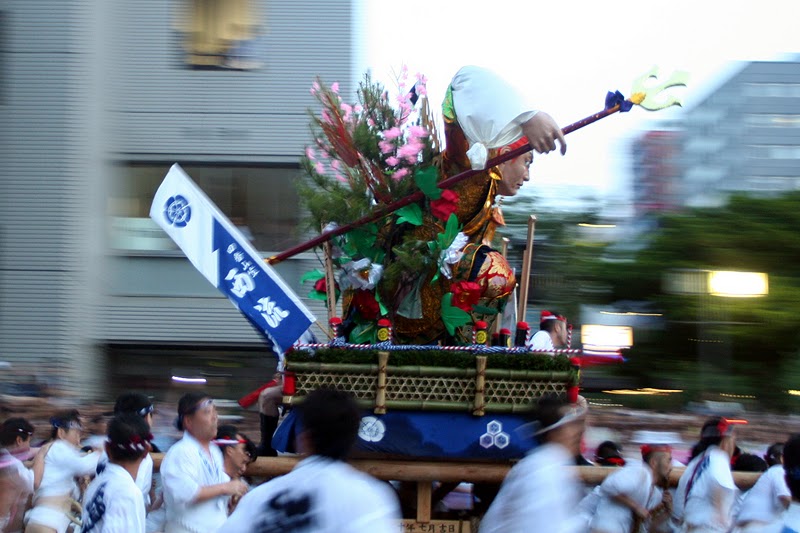
Internationally, Hakata is best known for two things: the thundering Hakata Gion Yamakasa festival, and the woodturning and toy trades that grew up around the same merchant culture. The koma sits at the meeting point of both. It is also the physical instrument of kyokugoma (曲独楽) — a virtuoso stage art in which performers spin tops along sword edges, the ribs of folding fans, and lengths of string. That performance tradition spread across Japan from Hakata street performers, which is why the city’s name is attached to the top itself.
This guide is written for an international reader deciding whether to buy one — as a desk object, a gift, or a piece of folk craft — and who wants to know what it actually is, where it comes from, what to verify before buying, and how to get one shipped outside Japan. We cover the spec snapshot, the regional and historical context, honest weaknesses, store-by-store pricing paths, and an Editor’s Pick.
🔄 Updated: June 6, 2026
⏱️ Read time: ~9 min

- Who this is for — and who should skip it
- Product overview (from published specs)
- Where this comes from — place, era, and the craft tradition
- 📌 How does it compare?
- Price snapshot across stores
- What it does well
- Weaknesses and things to verify before buying
- Conclusion — which buyer type are you?
- Other ways to approach this purchase
- 🏆 Editor’s Pick
- ❓ Frequently Asked Questions
Who this is for — and who should skip it
- Want a genuine regional folk craft rather than a mass-produced souvenir top
- Appreciate hand-turned woodwork and visible lacquer banding
- Are buying a gift tied to Fukuoka, Kyūshū, or Japanese festival culture
- Like a desk object with a story and an iron-tipped, long-spinning action
- Are comfortable ordering from Amazon JP Global Store with international shipping
- Just want the cheapest possible plastic spinning top for hard play
- Expect a certified kyokugoma performance top without confirming the spec
- Need guaranteed fast domestic delivery and USD-only checkout
- Want a precise, fixed price — listings and stock for hand-made lots fluctuate
- Are buying for a very young child without checking the small iron tip and size
Product overview (from published specs)
Hard data for this specific item is thin: the listing carried in this guide is sourced from the Amazon JP Global Store, and the public product JSON did not return a confirmed live price or a full spec sheet at the time of writing. The table below therefore states only what is verifiable from the listing snapshot and the craft’s documented characteristics; unconfirmed fields are marked rather than guessed.
Hakata Koma Spinning Top
室内で遊べる 博多こま 木芯コマ 投げ独楽 紐付き 九州の木地玩具 福岡県の木工品
残り8点 ご注文はお早めに · Sold by 和雑貨のお店 和敬静寂 (ヤマト運輸で出荷) · ASIN B0GR43M5DD
Price and availability as of 2026-09-01 05:22 JST. The Amazon listing at the time of purchase is authoritative. jpmono.com earns a commission on qualifying purchases at no extra cost to you.
| Attribute | Value | Source |
|---|---|---|
| Item | Chikushi Hakata koma — hand-turned spinning top (ASIN B0GR43M5DD) | Amazon JP Global Store |
| Material (body) | Zelkova / keyaki (欅), dense hardwood | Craft description |
| Tip | Iron core point (for long, stable spin) | Craft description |
| Decoration | Concentric bands of bright lacquer | Craft description |
| Origin | Hakata, Fukuoka City, Fukuoka Prefecture, Kyūshū | Maker / craft record |
| Production | Hand-turned on a lathe; small number of active workshops | Craft description |
| Diameter / weight | Unconfirmed — check the live listing | — |
| Price | Unconfirmed at time of writing — verify on the listing | — |
Only the Amazon JP Global Store listing snapshot was available for this item; live pricing and exact dimensions may have shifted since the writing date. Always confirm on the listing before purchasing. We do not fabricate specs that are not in the source data.
📖 Glossary — key terms
- koma (独楽) — a spinning top; a traditional Japanese toy turned on a lathe.
- Hakata koma (博多独楽) — the lathe-turned, lacquer-banded, iron-tipped top from the Hakata district of Fukuoka.
- kyokugoma (曲独楽) — virtuoso top-spinning stage performance: tops are spun along sword edges, fan ribs, and strings.
- keyaki (欅) — zelkova, a dense, hard, fine-grained wood favored for turning durable objects.
- Chikuzen (筑前) — the old province, governed in the Edo period by the Kuroda clan, that contained Hakata and Fukuoka.
- Hakata Gion Yamakasa — Hakata’s major summer float festival, central to the district’s merchant identity.
- shokunin (職人) — a skilled craftsperson working within a defined trade tradition.
Where this comes from — place, era, and the craft tradition

Hakata is the old mercantile half of Fukuoka City, separated from the former castle district by the Naka River. Where the castle side housed the Kuroda clan’s samurai administration, the Hakata side was a trading town — a working port that for centuries handled goods, people, and ideas moving between Japan and the Asian continent. That commercial energy, rather than aristocratic patronage, is what seeded its toy and woodturning trades.
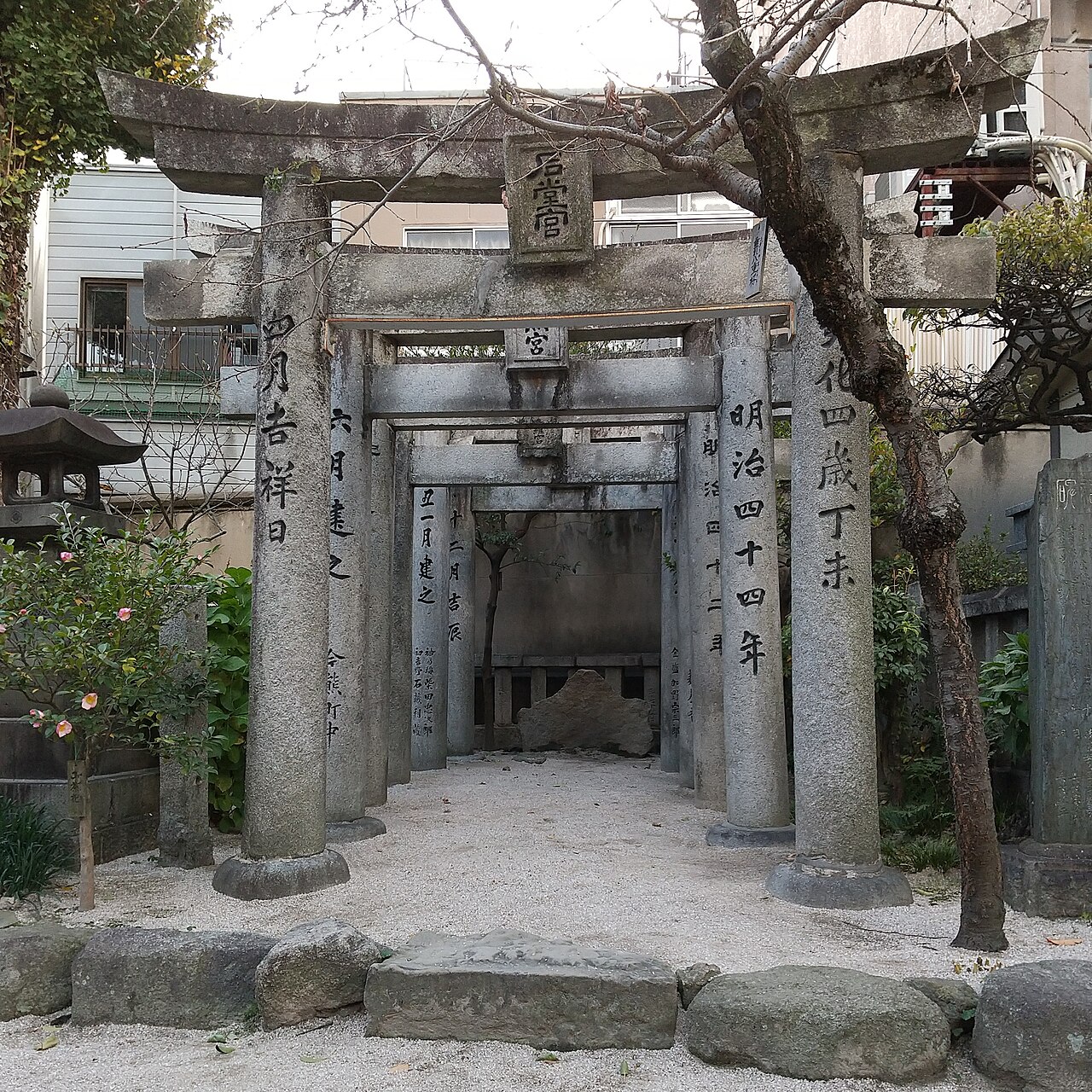
The historical anchors here are dense. The Hakata Gion Yamakasa, the festival that still defines the district’s calendar every July, is traditionally traced to the 13th century and the priest Shōichi Kokushi. At the end of the 16th century, Toyotomi Hideyoshi’s reconstruction of the war-damaged town — the Taikō machiwari — redrew Hakata’s merchant grid and revived its commerce. Soon after, Kuroda Nagamasa established the Chikuzen domain and built Fukuoka Castle across the river, fixing the two-town structure that still describes the modern city.
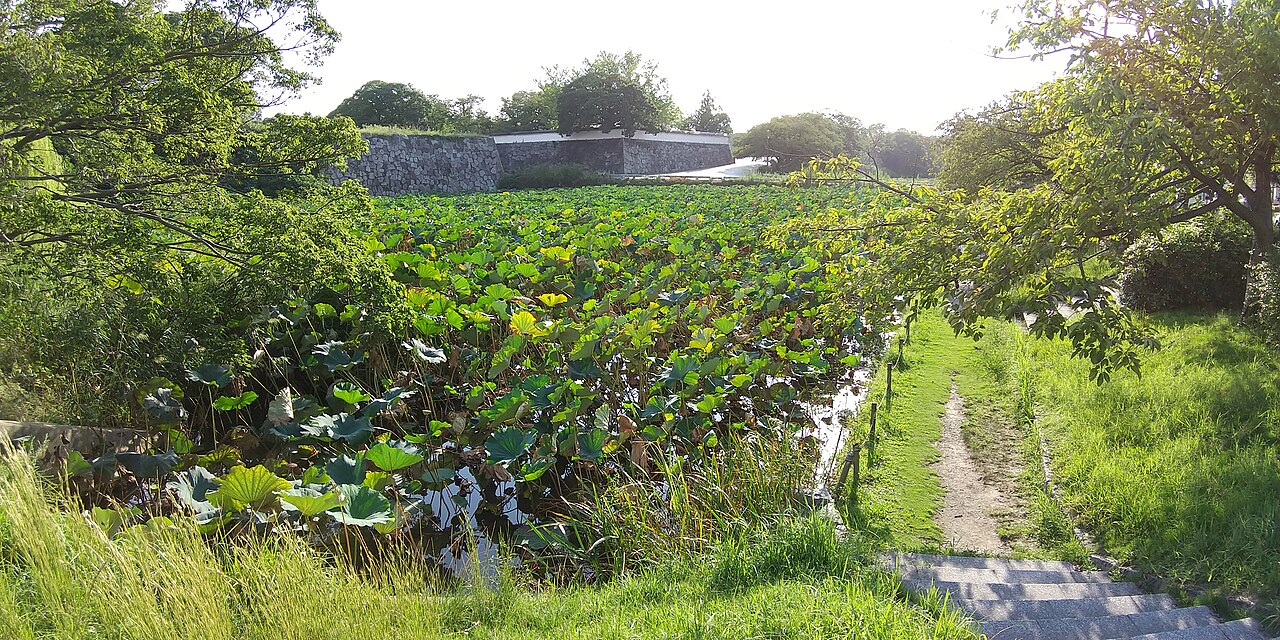
- 1241 — Origins of the Hakata Gion Yamakasa festival traditionally traced to the priest Shōichi Kokushi.
- 1587 — Hideyoshi’s Taikō machiwari redraws and revives Hakata’s merchant grid after wartime destruction.
- 1601 — Kuroda Nagamasa begins Fukuoka Castle, seat of the Chikuzen domain across the river from Hakata.
- early 1600s — Hakata’s port economy supports toy and woodturning trades; koma making takes root.
- Edo period — Kyokugoma virtuoso top-spinning spreads nationwide from Hakata street performers.
- 20th century — Workshop numbers contract as cheaper toys spread; a small number of makers keep hand-turning.
- 2026 — Chikushi / Hakata koma makers still hand-turn zelkova tops with iron tips and lacquer banding.
What “still being made here” means in practice is modest but real. Only a small number of workshops continue hand-turning Hakata koma today, and the technique — turning dense zelkova on a lathe, setting an iron tip for balance, and laying down the lacquer bands that make the spinning top flash with color in motion — remains essentially the craft that the Edo-period port supported. This is folk craft with a thin line of succession, not an industry; that scarcity is part of what the buyer is supporting.
“The Hakata koma is the rare toy that was also a stage instrument — the same iron-tipped top a child spun on packed earth was the one a kyokugoma master balanced on the edge of a sword.”
The koma’s cultural reach also explains its decoration. Bands of bright lacquer are not only ornament: when the top spins fast, the rings blur into shifting color, which is exactly the effect a street or stage performer wanted an audience to see. Form, in other words, follows the performance. It is why a Hakata koma reads as a craft object on a shelf and as a piece of living entertainment history when it is actually set spinning.
📌 How does it compare?
If you are weighing the Hakata koma against other Japanese woodwork and regional crafts, these jpmono guides cover neighboring traditions — including other Kyūshū makers:
 🐻 Hokkaido carved bearKibori okimono wood carving
 🍵 Murakami carved natsumeKibori tsuishu lacquer tea caddy
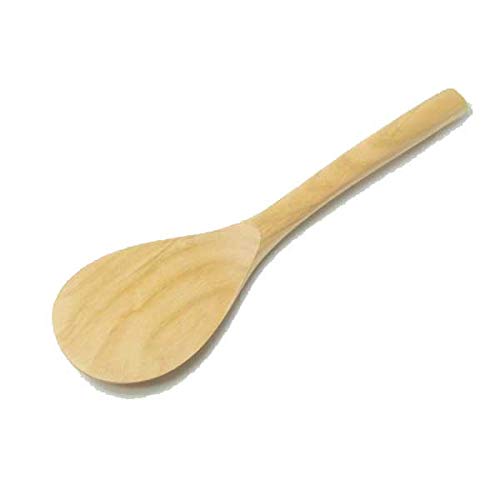 🍚 Miyajima rice scoopShamoji wooden scoop, Hiroshima
 💈 Kiso wooden combOroku-gushi turned comb, Nagano
 ☕ Onta-yaki mug (Kyūshū)Folk pottery, Ōita
 🍶 Karatsu guinomi (Kyūshū)E-garatsu sake cup, Saga
 🏺 Yachimun mug (Kyūshū)Tsuboya-yaki, Okinawa
Price snapshot across stores
Currency note: JPY (¥) is the authoritative price for the specific listed item. USD figures are explicit estimates at a ¥150/USD baseline as of mid-2026; live pricing was unavailable from the source data at the time of writing, so the JPY figure below is marked unconfirmed and must be checked on the listing.
| Store | Item / Variant | Price (JPY + USD est.) | Notes |
|---|---|---|---|
| 🇺🇸 Amazon.com (US) | Browse Japanese spinning tops & wooden toys | varies (USD) | Best if you are shopping from the US — Prime shipping, USD pricing, no international customs. Amazon US carries Japanese wooden tops and folk toys from various makers, useful for comparing size and price tiers; the exact Chikushi Hakata koma is sourced from Japan (next row). |
| 🇯🇵 Amazon JP Global Store | Chikushi Hakata koma (ASIN B0GR43M5DD) | Unconfirmed — check listing (≈ USD est. once price loads) | The sourced listing for the specific item in this guide. Ships internationally from Japan to most major destinations. Verify live price and stock before buying. |
| Maker direct | Workshop / regional craft shop | Varies — typically JP-domestic | A small number of Hakata koma workshops sell direct or through Fukuoka craft outlets; most do not ship internationally without a proxy. |
| Proxy services (Buyee / Tenso) | Forwarding from JP-only sellers | Item price + forwarding fee | Use when a workshop or JP retailer does not ship abroad. Adds a service fee and a second shipping leg; factor in customs duties for your country. |
What it does well
Weaknesses and things to verify before buying
- Price and stock are unconfirmed in our data. The source JSON did not return a live price; hand-made lots fluctuate, so verify the figure on the listing before ordering.
- Exact size and weight are not stated. Diameter and mass were not in the listing snapshot — check them if you need a specific size for display or play.
- The iron tip is a small part. For very young children, confirm age suitability and supervise; an iron-tipped spinning top is not a soft toy.
- It is not a certified kyokugoma performance top by default. If you specifically want a performance-grade top, confirm with the maker rather than assuming the standard listing matches.
- International shipping adds cost and time. Buying via Amazon JP Global Store or a proxy means international freight, possible customs duties, and longer delivery than domestic orders.
- Lacquer and wood need basic care. Keep it away from prolonged damp and direct heat; spinning it on rough abrasive surfaces will wear the finish faster.
Conclusion — which buyer type are you?
Other ways to approach this purchase
🏆 Editor’s Pick
❓ Frequently Asked Questions
Does Amazon JP Global Store ship a Hakata koma internationally?
Yes. The specific item in this guide is sourced from the Amazon JP Global Store, which ships internationally to most major destinations. Shipping fees and any customs duties depend on your country, and delivery takes longer than a domestic order, so review the totals at checkout.
What is a Hakata koma made of?
It is turned from dense zelkova wood (keyaki), fitted with an iron core tip for a long, stable spin, and decorated with concentric bands of bright lacquer. Exact diameter and weight were not stated in our source data, so confirm them on the live listing.
What is kyokugoma, and is this top one?
Kyokugoma (曲独楽) is a virtuoso stage art in which tops are spun along sword edges, fan ribs, and strings; it spread nationwide from Hakata street performers. A standard Hakata koma listing is not automatically a certified performance top — if you need performance grade, confirm directly with the maker.
How much does it cost?
Our source data did not return a confirmed live price at the time of writing, so we have not quoted one. JPY is the authoritative price for the listed item; any USD figure is an estimate at roughly ¥150/USD. Check the current price on the Amazon JP Global Store listing before purchasing.
Is it safe for young children?
It is a traditional toy, but it has a small iron tip and is not a soft toy, so confirm the age suitability on the listing and supervise young children. For display or collecting, this is not a concern.
How do I care for it?
Keep the wood and lacquer away from prolonged damp and direct heat, and avoid spinning it on rough, abrasive surfaces, which wears the finish faster. Wipe it with a soft dry cloth rather than soaking or scrubbing it.
What if the maker only sells within Japan?
If a Hakata koma workshop or a JP-only retailer does not ship abroad, a proxy forwarding service such as Buyee or Tenso can receive the item in Japan and forward it to you. Expect a service fee, a second shipping leg, and possible customs duties for your country.
jpmono.com is curated by a Japan-based editorial team (working out of Toyama in the Hokuriku region and Nara in Kansai) and is independent. We do not take payment from the makers we feature; income comes from affiliate links. We do not physically test every product — we read maker specs and source listings.
🤖 This article was prepared with AI assistance and reviewed against the source listing data. Specs, prices, and availability should be confirmed on the retailer’s page before purchase.
Affiliate disclosure: jpmono.com may earn a commission on qualifying purchases made through links on this page, at no additional cost to you.