![Hikone Butsudan Maki-e Lacquer Accessory Box: Where to Buy the Ii Clan Craft [2026]](https://jpmono.com/wp-content/uploads/2026/05/japan-map-regions-and-prefectures-800x1050.png)
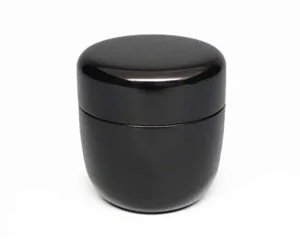
A Hikone Butsudan maki-e accessory box is one of the quieter ways to own a piece of Shiga’s craft history. The town of Hikone, on the east shore of Lake Biwa, holds the only nationally designated traditional craft in the prefecture — Hikone butsudan (彦根仏壇, “Hikone Buddhist altars”), recognized by Japan’s trade ministry in 1975. The same workshops that built ornate household altars for centuries now apply their gold-painting and lacquering skills to smaller, giftable objects, and a lidded accessory box is the most accessible of them.
What makes the object notable internationally is not the box itself but the chain of trades behind it. Hikone’s altar craft is organized into seven specialized professions — joinery, miniature-palace carpentry, sculpture, metal fittings, maki-e gold painting, urushi lacquering, and gold-leaf finishing — that grew out of the armor and weapon workshops of the Ii clan, lords of the Hikone Domain. A black-lacquer box dusted with gold powder carries that lineage in miniature.
This guide is written for international readers weighing a Japanese lacquer box as a keepsake or gift. It explains the Hikone butsudan maki-e tradition, how its decorative language differs from other regional lacquer traditions, where Hikone sits in Japan, and practical ways to seek this kind of craft beyond the country.
🔄 Updated: June 8, 2026
⏱️ Read time: ~9 min
Who this is for — and who should skip it
- Want a small, giftable Japanese lacquer object with a documented regional craft lineage
- Prefer sprinkled gold-powder maki-e over black urushi to shell inlay or carved lacquer
- Are buying a keepsake box for rings, accessories, or small heirlooms
- Value the seven-trades (七職) craft story as much as the object
- Are comfortable ordering from Amazon JP Global Store or a proxy service
- Want a large, full-size Buddhist altar rather than a small giftware box
- Expect shell-inlay (raden) or carved-lacquer (tsuishu) decoration specifically
- Are unwilling to wait for international shipping from Japan
- Prefer machine-printed designs at a lower price point
Product overview (from published specs)
Published specification data for Hikone butsudan maki-e accessory boxes varies by maker and by maki-e density. The table records what is verifiable from the regional craft category; a small lidded box finished in the Hikone maki-e idiom can differ in size, materials, and decorative detail.
| Attribute | Detail (per available data) | Source |
|---|---|---|
| Object type | Small lidded accessory / jewelry box | Product information |
| Craft tradition | Hikone Butsudan (彦根仏壇), designated 1975 | Craft designation |
| Decoration | Maki-e gold powder over black urushi lacquer | Craft category |
| Origin | Hikone, Shiga Prefecture, Japan | Craft designation |
| Dimensions | Varies by maker | — |
| Weight | Varies by maker | — |
| Price (JPY) | Unconfirmed at writing — verify on Amazon JP Global Store | — |
International availability and prices vary with the maker, materials, and density of the decorative work. Comparing retailer and maker information is useful when arranging an overseas purchase.
📖 Glossary — key Japanese craft terms
- Butsudan (仏壇) — a household Buddhist altar; Hikone’s altars are among the most ornate in Japan.
- Maki-e (蒔絵, “sprinkled picture”) — a lacquer-decoration technique in which gold or silver powder is sprinkled onto wet urushi to form a design.
- Urushi (漆) — natural lacquer tapped from the lacquer tree, applied in many thin layers and cured in humidity.
- Shichishoku (七職, “seven trades”) — the seven specialized professions that together build a Hikone altar.
- Kazari-kanagu (飾り金具) — decorative metal fittings, one of the seven trades.
- Kuden (宮殿) — the miniature-palace carpentry at the heart of an altar.
- Raden (螺鈿) — shell inlay, the signature of Takaoka lacquer (distinct from Hikone’s maki-e).
- Tsuishu (堆朱) — carved layered red lacquer, the signature of Murakami (distinct from Hikone’s maki-e).
Related Japanese lacquer and regional-craft guides on jpmono.com — useful for comparing technique, region, and price tier.
Buying considerations
Hikone butsudan maki-e accessory box prices vary by maker and by maki-e density, and not every workshop publishes a current figure online. The table records the realistic purchase paths and what to expect at each; verify the JPY figure at the retailer, which is the authoritative source.
| Store | Item / variant | Price | Notes |
|---|---|---|---|
| 🇺🇸 Amazon US (search) | Browse Japanese lacquer & maki-e boxes | varies (USD) | Best if shopping from the US — Prime shipping, USD pricing, no international customs. Amazon US carries comparable Japanese lacquerware; this exact Hikone piece is sourced from Japan (next row). |
| 🇯🇵 Amazon JP Global Store | Hikone maki-e accessory box | — | International shipping option. Ships internationally from Japan to many destinations; confirm destination coverage and fees before ordering. |
| Maker direct | Hikone butsudan workshop giftware | — | Some Hikone workshops sell smaller maki-e pieces directly; availability varies and most ship within Japan only. |
| Proxy services (Buyee / Tenso) | Forwarding for Japan-only shops | item + forwarding fee | Use when a workshop or marketplace ships only within Japan. Adds a service fee and a second shipping leg. |
USD figures are approximate (¥150/USD baseline as of mid-2026) and depend on the current exchange rate. Japanese yen remains the clearest reference currency for Japanese craft goods.
What it does well
Carries the techniques of Shiga’s only nationally designated traditional craft, recognized in 1975.
Sprinkled gold-powder design over black urushi — visually different from shell-inlay or carved-lacquer boxes.
A small lidded box is an accessible entry point to altar-grade craft without the size or cost of a full butsudan.
International delivery for Hikone maki-e accessory boxes is most commonly arranged through forwarding services based in Japan, with the Amazon JP Global Store and specialist exporters serving most major overseas destinations.
Weaknesses and things to verify before buying
- Hand-finished variation. Maki-e is applied by hand; the exact pattern, gold density, and finish may differ from the catalog photo.
- Urushi care. Natural lacquer can be sensitive to prolonged direct sunlight, dry heat, and abrasive cleaning. Confirm care guidance for the specific piece.
- “Hikone-style” vs. certified. Some giftware uses Hikone techniques without formal craft certification. If provenance matters to you, ask the seller whether the workshop is a designated producer.
- Shipping time and customs. Orders from Japan can take one to three weeks and may incur customs duties above your country’s import threshold.
- Machine vs. hand decoration. Lower-priced lacquer boxes may use printed or transfer decoration rather than true sprinkled maki-e; confirm the technique if that distinction matters.
Where this comes from

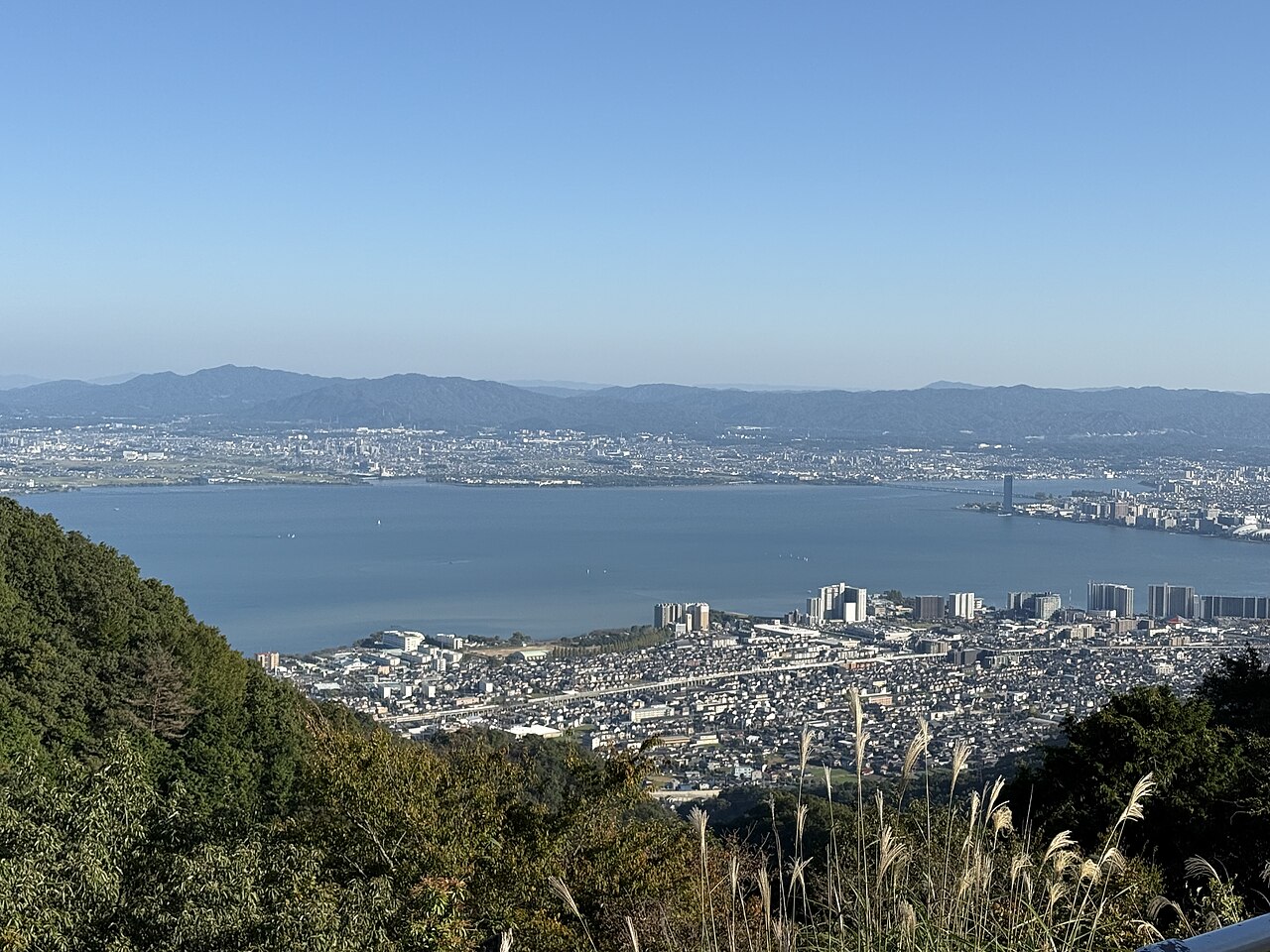
Hikone is a castle town on the eastern shore of Lake Biwa (琵琶湖), the largest freshwater lake in Japan, in Shiga Prefecture. The lake sits at the center of the Kansai region, and for centuries its shoreline and water routes formed a logistical spine linking Kyoto to the east. Goods, people, and craft skills moved along that corridor, and Hikone — guarding the eastern approach — grew prosperous on the traffic.
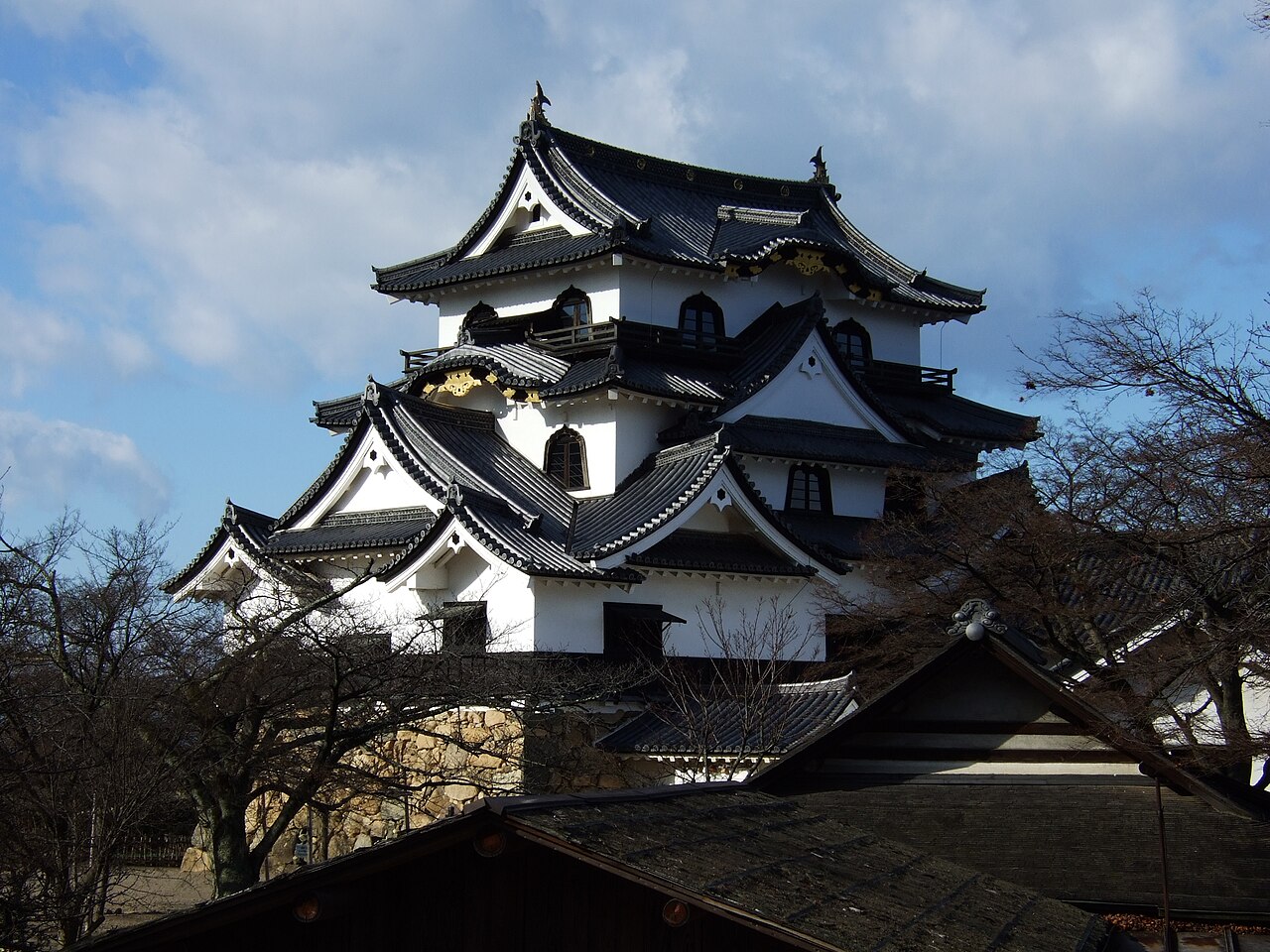
The town’s craft history is inseparable from the Ii clan (井伊家). After the Battle of Sekigahara in 1600, the Ii — among the senior Tokugawa houses — were established as lords of the Hikone Domain. Their castle, begun in the early 1600s, still stands as one of only a handful of original keeps to survive as a National Treasure. A domain of that rank maintained workshops of armorers, metalworkers, lacquerers, and gilders to equip and decorate the warrior household.
- 1600 — After the Battle of Sekigahara, the Ii clan is established as lords of the domain on Lake Biwa’s east shore.
- early 1600s — Construction of Hikone Castle under the Ii clan; domain armor, metal, and lacquer workshops take root.
- late 1600s — Genkyū-en, the Ii lords’ garden, is laid out, reflecting the courtly aesthetic of the domain.
- mid-Edo period — As peace reduces demand for arms, lacquer, gilding, and metal-fitting artisans shift to making Buddhist altars.
- Edo to Meiji — The seven-trades (七職) division of labor matures, with each altar passing through specialist hands.
- 1975 — Hikone Butsudan is designated a National Traditional Craft — Shiga’s only such designation.
- 2026 — Hikone workshops continue the seven-trades system and apply maki-e and gold-leaf skills to smaller giftware.
The craft’s defining feature is its division into seven specialized professions, the shichishoku (七職): wood joinery (kiji), miniature-palace carpentry (kuden), sculpture (chōkoku), decorative metal fittings (kazari-kanagu), maki-e gold painting, urushi lacquering, and gold-leaf application and assembly. No single artisan makes a whole altar. A finished butsudan is the product of seven masters working in sequence — a structure unusual even among Japanese crafts.
“No single artisan makes a Hikone altar — seven masters do, in sequence. A small maki-e box carries that same chain of hands in miniature.”
Today the demand for large household altars has fallen, but the seven trades have not vanished. Many Hikone workshops now apply the same maki-e and gold-leaf techniques to smaller objects — boxes, trays, and giftware — that fit modern homes and travel easily as gifts. An accessory box is the most direct way to hold the maki-e trade specifically: gold powder sprinkled over black urushi, the technique that gives Hikone its visual signature. This is what distinguishes it from Takaoka’s aogai-raden (shell inlay) and Murakami’s tsuishu (carved layered lacquer) — three regions, three different ways of decorating lacquer.
Conclusion — which buyer type are you?
Wants certified-workshop provenance and genuine hand maki-e. Confirm the producer with the seller and consider maker-direct sourcing.
Wants an attractive, giftable Hikone-style box with a real craft story. The maki-e surface gives a small accessory box a distinctly regional character.
Cares more about the look than certified hand maki-e. Accept that lower-priced boxes may use printed decoration, and check the technique.
Needs details that vary by maker, or wants raden / tsuishu specifically. Compare those traditions before choosing a lacquer technique.
Other ways to approach this purchase
Retail promotions can be seasonal. If timing matters, compare availability and conditions again later.
Hikone workshops and craft galleries sell smaller maki-e pieces; provenance is clearest this way, though most ship within Japan.
If you already hold Amazon balances or card points, applying them offsets the international shipping premium.
If thin data or wait times are dealbreakers, a related lacquer guide above may match your needs better today.
❓ Frequently Asked Questions
What is Hikone Butsudan, and why does it matter for a small box?
Hikone Butsudan is the Buddhist-altar craft of Hikone, Shiga — the prefecture’s only nationally designated traditional craft, recognized in 1975. The same maki-e, lacquering, and gold-leaf trades that build altars are applied to smaller giftware, so an accessory box carries that lineage in a more accessible form.
How is Hikone maki-e different from Takaoka raden or Murakami tsuishu?
Hikone’s signature is maki-e — gold powder sprinkled over black urushi. Takaoka’s signature is aogai-raden, shell inlay set into lacquer, and Murakami’s is tsuishu, carved layers of red lacquer. All three are lacquer crafts but use entirely different decorating techniques.
Can I buy this from outside Japan?
Hikone maki-e boxes may be available through international retailers. When direct shipping is unavailable, a proxy service such as Buyee or Tenso can forward a Japan purchase for an added fee.
How do I care for an urushi lacquer box?
Natural lacquer prefers to be kept out of prolonged direct sunlight and away from dry heat, and it should be wiped with a soft cloth rather than scrubbed with abrasives. Confirm the specific care guidance with the seller, as finishes can vary between pieces.
Why is no exact price shown in this guide?
Dimensions and prices vary by maker, decorative density, and materials. Compare current information before choosing the box that fits the intended use.
Is it a good gift?
A small lidded maki-e box works well as a keepsake for rings or small accessories, and it travels and wraps easily. Its appeal is strongest for recipients who appreciate a documented regional craft story alongside the object itself.
jpmono.com is curated by a Japan-based editorial team (working out of Toyama in the Hokuriku region and Nara in Kansai) and is independent. We do not take payment from the makers we feature; income comes from affiliate links. Read more about our editorial standards.
This article was prepared with AI assistance and reviewed against available craft references. Specifications, pricing, and availability vary by maker and over time.
Affiliate disclosure: jpmono.com may earn a commission on qualifying purchases made through links on this page, at no additional cost to you.
