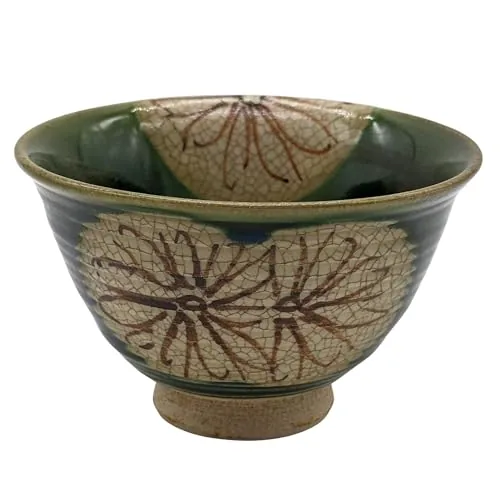
![Mino-yaki Shino Ware Matcha Chawan: Where to Buy a Tea Bowl [2026]](https://jpmono.com/wp-content/uploads/2026/06/mino-yaki-shino-matcha-chawan-where-to-buy-2026-featured.jpg)
A Shino (志野) matcha chawan is the bowl that holds the milky white that Japanese pottery had never made before. Fired in the kilns of eastern Gifu in the late sixteenth century, Shino was the first Japanese ceramic to wear an opaque, feldspathic white glaze — a warm, slightly translucent surface streaked with orange scorch marks and dimpled with tiny pinholes. Tea masters of the Momoyama period prized it immediately, and four centuries later it remains one of the most recognizable faces of the Japanese tea bowl.
This guide is written from a Japan-based editor’s desk, working between Toyama on the Hokuriku coast and Nara in Kansai. The item at the center of it is a handcrafted Mino-yaki Shino chawan sourced from Amazon’s Japan Global Store. Because hand-thrown craft bowls of this kind are rarely listed individually on Amazon’s US storefront, we lead with a US search path for readers shopping from America and keep the specific Japan listing as the secondary, sourced link.
What follows covers who a Shino chawan suits and who should pass, the published specifications as far as the listing states them, the place and history the ware comes from, and an honest set of caveats — kiln-to-kiln variation, food-safety questions, and the gap between catalog photos and what arrives — before the Editor’s Pick and FAQ.
🔄 Updated:
⏱️ Read time: about 11 min

- Who this is for — and who should skip it
- Product overview (from published specs)
- Which finish should you choose?
- Where this comes from — place, era, and the craft tradition
- Price snapshot across stores
- What it does well
- Weaknesses and things to verify before buying
- Conclusion — which buyer type are you?
- Other ways to approach this purchase
- 🏆 Editor’s Pick
- ❓ Frequently Asked Questions
Who this is for — and who should skip it
- Practice or are learning matcha tea and want a dedicated bowl with real provenance
- Are drawn to wabi-sabi surfaces — uneven glaze, scorch marks, and pinholes read as character, not flaws
- Want a handcrafted Japanese ceramic where each piece differs from the catalog photo
- Are buying a meaningful gift for a tea practitioner, host, or ceramics collector
- Accept that a craft object will vary in weight, color, and footring shape
- Want a perfectly uniform, machine-finished bowl identical to the photo
- Need a dishwasher- and microwave-safe everyday mug rather than a tea bowl
- Are shopping strictly on price and expect mass-market porcelain rates
- Dislike pinholes, glaze pooling, or visible kiln scorch on tableware
- Require confirmed, certified food-contact safety documentation before any use
Product overview (from published specs)
The data available for this specific listing is thin. Only the Amazon Japan Global Store listing snapshot is referenced for this guide, and it did not return structured price or dimension fields at the time of writing; live pricing and exact measurements may have shifted since. The table below states what the listing identifies and marks everything unconfirmed rather than guessing.
Mino-yaki Shino Ware Matcha Chawan
抹茶碗 片口茶碗 【日本製】【茶道具】【美濃焼】【華月窯】【tea bowl】 【chawan】 (ホワイト)
現在在庫切れです。 · ASIN B0GSR44F1K
Price and availability as of 2026-08-31 02:30 JST. The Amazon listing at the time of purchase is authoritative. jpmono.com earns a commission on qualifying purchases at no extra cost to you.
| Attribute | Detail (as listed) | Source |
|---|---|---|
| Item | Mino-yaki Shino ware matcha chawan (tea bowl) | Amazon JP Global Store |
| ASIN | B0GSR44F1K | Amazon JP Global Store |
| Ware / style | Shino glaze — thick white feldspathic glaze with orange hi-iro scorch and pinholes | Listing description |
| Origin | Gifu Prefecture, Japan (Mino kiln belt) | Listing / maker region |
| Production | Handcrafted (each piece varies) | Listing description |
| Dimensions / weight | Unconfirmed — check the listing before buying | — |
| Price | Unconfirmed — verify current price at the retailer | — |
📖 Glossary — key terms
Chawan (茶碗) — a tea bowl; in this context the wide, open bowl used to whisk and drink matcha in the Japanese tea ceremony.
Shino (志野) — a Mino ware glaze, Japan’s first opaque white feldspathic glaze, developed in the Momoyama period.
Hi-iro (緋色, “scarlet color”) — the orange-red scorch marks where the iron-bearing clay blushes through or around the white glaze during firing.
Yuzuhada (柚肌, “citron skin”) — the texture of fine pinholes across a Shino surface, likened to the dimpled skin of a yuzu citrus.
Wabi-sabi (侘び寂び) — the aesthetic of finding beauty in imperfection, impermanence, and restraint.
Anagama (穴窯) — a single-chamber tunnel kiln dug into a hillside, wood-fired; the Momoyama-era kiln type whose technique was later rediscovered.
Mino-yaki (美濃焼) — pottery from the former Mino province (eastern Gifu), today Japan’s largest pottery-producing region.
Living National Treasure (人間国宝) — the popular name for a holder of an Important Intangible Cultural Property designation in Japan.
Which finish should you choose?
This piece is listed in 2 finishes. The photos below are the actual 色 options on the listing right now — pick the one you want and confirm it on the product page before ordering, since hand-finished wares vary slightly piece to piece.
![Mino-yaki Shino Ware Matcha Chawan: Where to Buy a Tea Bowl [2026] — ブラック finish](https://m.media-amazon.com/images/I/3194jK9dpgL._SL500_.jpg)
Related teaware and Japanese craft guides on jpmono — useful for pairing a bowl, comparing wares, or building out a tea setup.
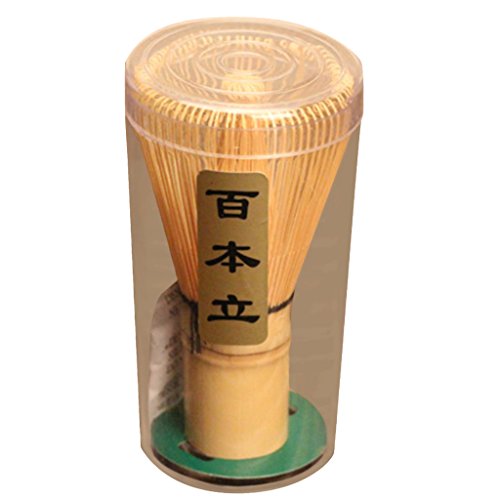 🍵 Matcha whisk pairing
Suikaen Takayama chasen
 🏮 Gifu craft
Gifu chōchin Mino washi lantern
 🫖 Kyoto teaware
Kiyomizu-yaki kyūsu teapot
 🍶 Nara tea cup
Akahada-yaki Nara-e yunomi
 🏺 Shigaraki pottery
Marui Shigaraki Hechimon mug
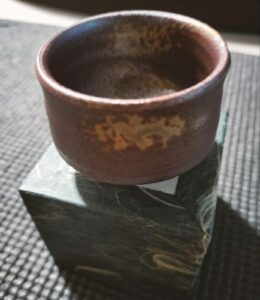 🍶 Tamba sake cup
Tamba Tachikui-yaki guinomi
 🏺 Mashiko pottery
Tsukamoto Mashiko-yaki seiji mug
 🍵 Shitoro tea cup
Shitoro-yaki yunomi
Where this comes from — place, era, and the craft tradition

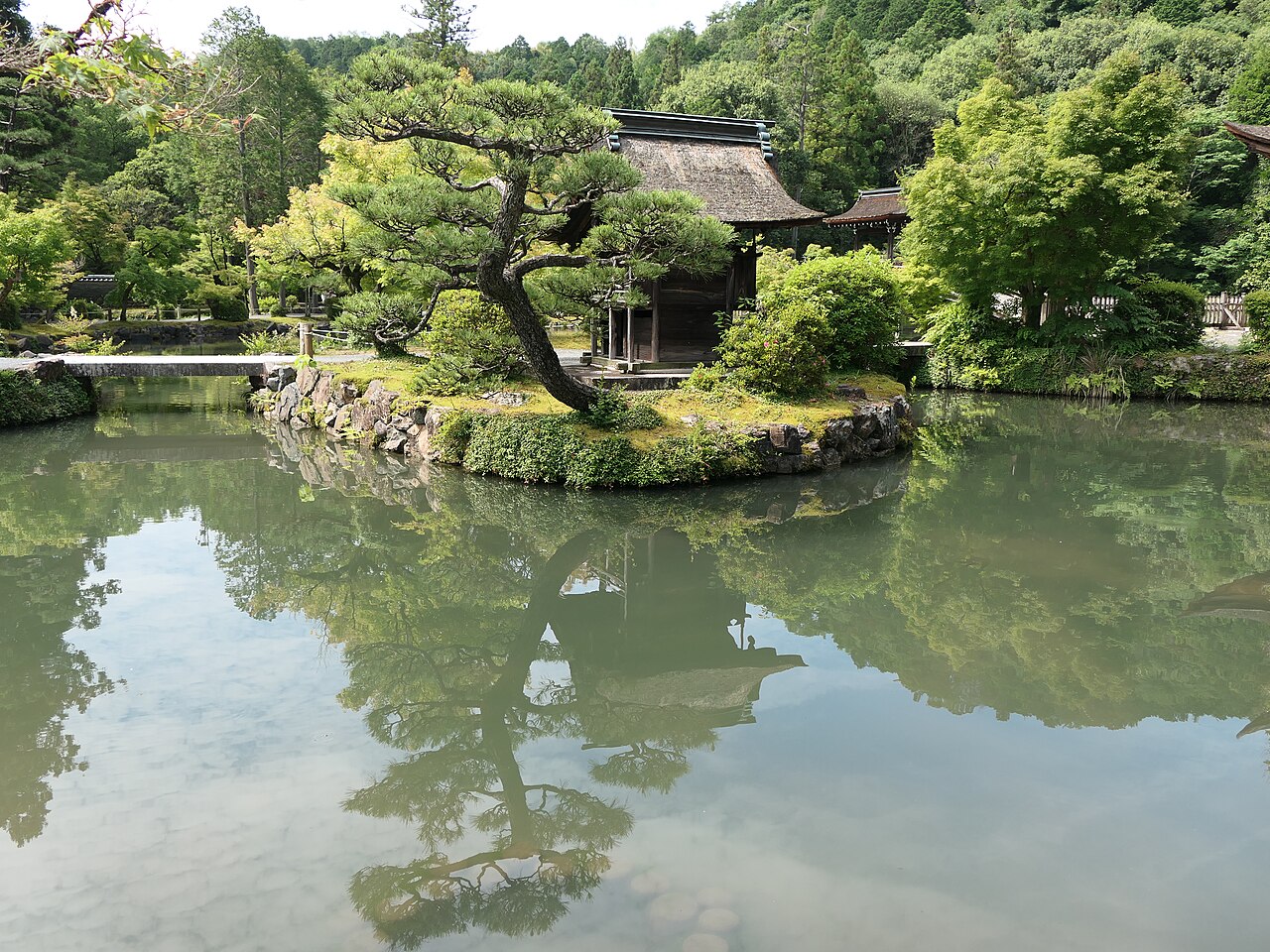
Gifu is a landlocked prefecture in the middle of Honshu, straddling the divide between the Pacific-facing center of the country and the high Japan Alps to the north. Its southern Tōnō district — the towns of Tajimi, Toki, and Mizunami — is a belt of low, wooded hills threaded with deposits of pottery clay and, historically, abundant firewood. Those two raw materials, clay underfoot and timber on the slopes, are why a ceramics industry took root here and never left.
This is the heart of Mino-yaki, and the numbers are not small.
Mino is Japan’s largest pottery-producing region; today the area turns out roughly half of all domestic tableware. But its prestige rests less on volume than on a single, decisive moment in the late sixteenth century.
In the Momoyama period — the brief, brilliant decades around the turn of the seventeenth century — the Mino kilns produced Shino, the first Japanese ceramic to carry an opaque white feldspathic glaze. Alongside it came Oribe, with its green copper glaze and bold distortion, and Kiseto, a yellow Seto ware. This was the same cultural moment in which the tea ceremony was being codified into the austere, deliberate art form recognizable today, and the tea masters who shaped it found in Shino exactly the qualities they wanted: a warm, milky surface, orange hi-iro scorch where the iron clay blushed through, and a skin of fine pinholes called yuzuhada, “citron skin.”
“Shino was Japan’s first white — a milky, breathing white that the tea masters of the sixteenth century prized precisely for its imperfections.”
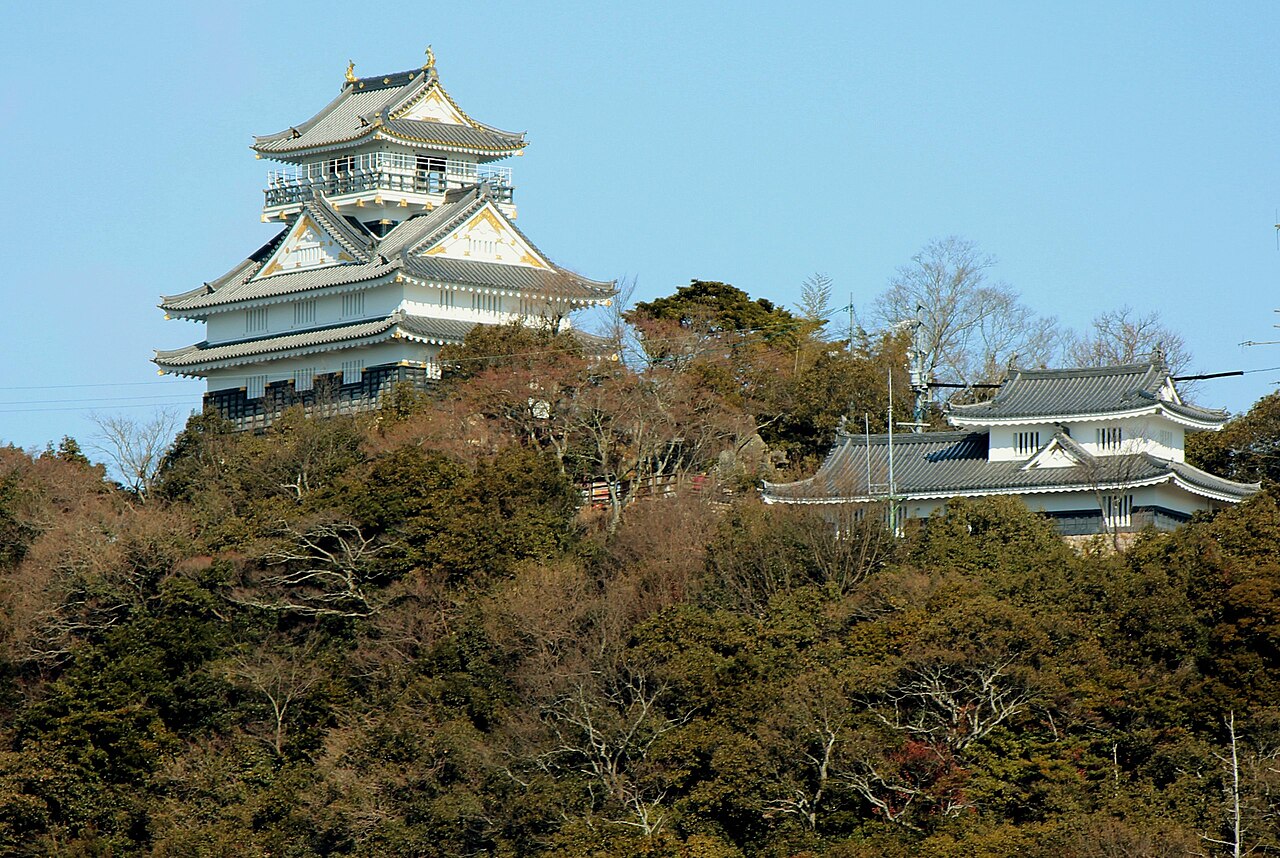
- 7th–8th c. — Sue ware kilns active in the Tōnō hills of Mino; the pottery tradition takes hold.
- Late 16th c. — Momoyama period: Mino kilns develop Shino — Japan’s first opaque white glaze — alongside Oribe and Kiseto.
- ~1600s — Tea-ceremony culture, patronized by Momoyama-era lords, prizes the Shino chawan for its wabi-sabi surface.
- Edo period — The classic Shino tradition declines, eclipsed by mass porcelain production.
- 1930 — Arakawa Toyozo identifies Momoyama Shino shards at a Mino kiln site, reopening the lost anagama firing technique.
- 1955 — Arakawa Toyozo is designated a holder of Important Intangible Cultural Property (a “Living National Treasure”) for Shino.
- 1978 — Mino-yaki is designated a Traditional Craft by Japan’s trade ministry (METI).
- Today — Tajimi, Toki, and Mizunami remain Japan’s largest pottery district, producing roughly half of domestic tableware.
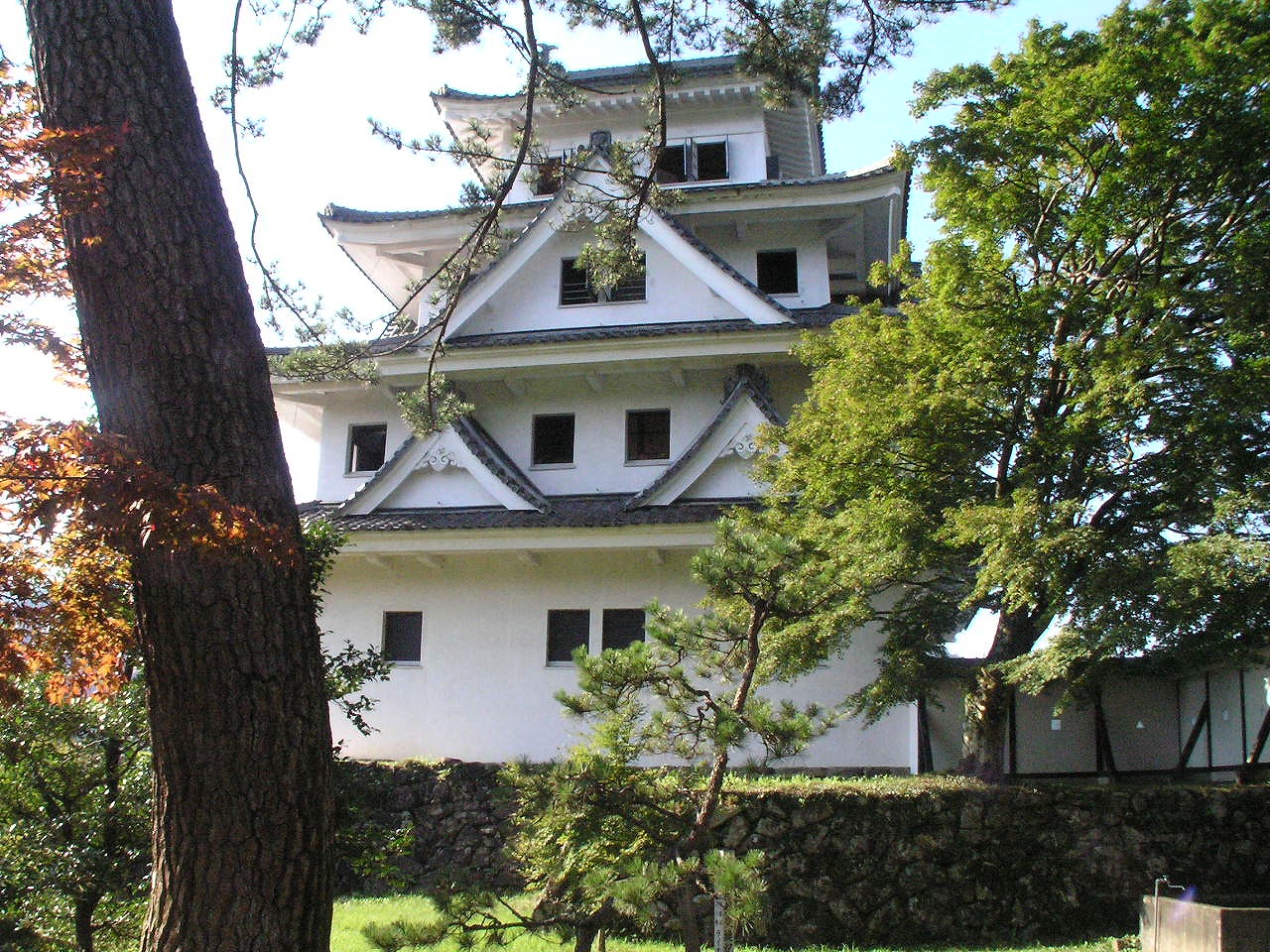
The continuity case is the part that matters most for a buyer. The classic Shino style nearly vanished after the Edo period, surviving as historical pieces in collections rather than as living practice. What brought it back was, famously, one potter’s archaeology.
In 1930, Arakawa Toyozo found Momoyama-era Shino shards at an old kiln site in the Mino hills — physical evidence of how the original bowls had been clayed, glazed, and fired. Working from those fragments, he reconstructed the anagama hillside-kiln method that produced them, and in 1955 he was designated a Living National Treasure for the work. The Shino bowls made in Gifu today descend from that revival: the technique is a deliberate, documented reconstruction of a Momoyama practice, not an unbroken folk line, and that is an honest distinction worth knowing.
The chawan is Shino’s signature form. A region that has fired clay for over a thousand years, that named a glaze the rest of the country had never seen, and that still produces half of Japan’s tableware is not running on heritage marketing — it is simply still working.
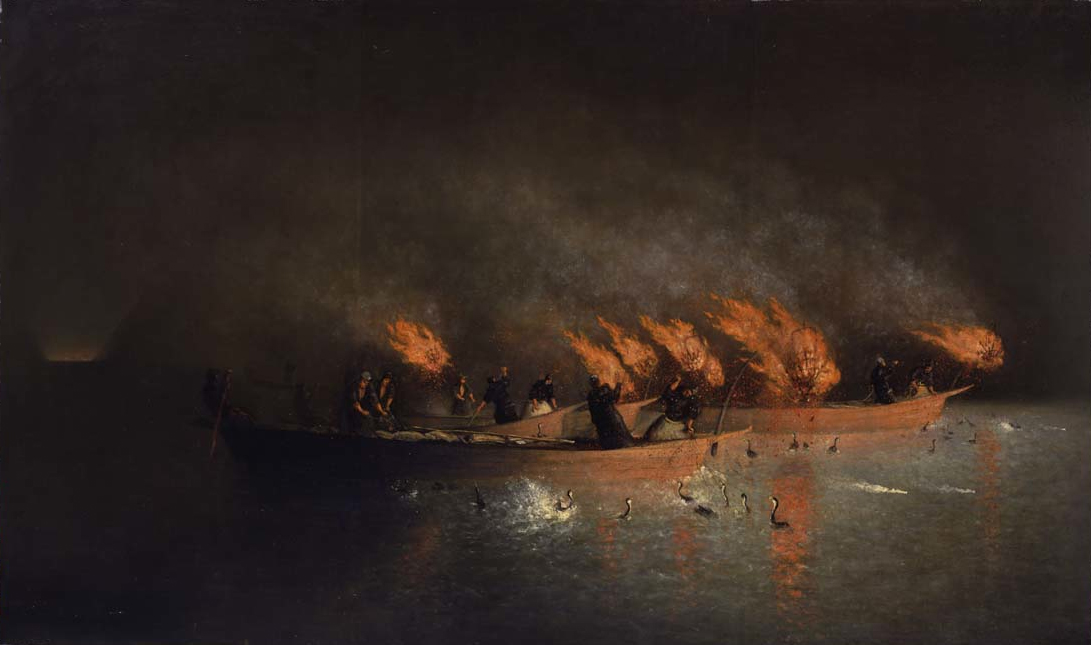
Price snapshot across stores
JPY is the authoritative price for the sourced listing; USD figures elsewhere are approximate estimates at a ¥150/USD baseline. As noted above, this listing did not return a structured price at the time of writing — verify the current figure at the retailer before buying.
| Store | Item / variant | Price (JPY + USD est.) | Notes |
|---|---|---|---|
| 🇺🇸 Amazon US (search) | Browse Japanese matcha chawan & tea bowls | varies (USD) | Best if you’re shopping from the US — Prime shipping, USD pricing, no international customs. Amazon US carries matcha bowls and tea sets from various makers; this exact Gifu piece is sourced from Japan (next row). |
| 🇯🇵 Amazon JP Global Store | This specific Shino chawan (ASIN B0GSR44F1K) | Price unconfirmed — verify on listing | Where the specific item is sourced. Ships internationally from Japan to most major destinations via the Global Store. |
| Maker direct | Varies by kiln / studio | — | Some Mino kilns sell directly, but many do not ship internationally; expect Japanese-language ordering. |
| Proxy services (Buyee / Tenso) | Any Japan-only listing | Item price + proxy fee + forwarding | Useful when an item is not on the Global Store; adds a service fee and a second shipping leg. |
What it does well
Weaknesses and things to verify before buying
- No confirmed dimensions or weight. The listing snapshot did not return measurements; a chawan can range widely in diameter and depth, so confirm the size suits your whisking before you buy.
- No confirmed price. Pricing was unavailable at the time of writing. Treat any figure as unverified until you see it on the live listing.
- Each piece varies from the photo. Handcrafted Shino means the bowl you receive will differ in glaze pooling, scorch placement, and pinhole density from the catalog image.
- Pinholes and an uneven surface are intended. The yuzuhada texture and glaze irregularity are characteristic of Shino, not defects — but they will not suit a buyer who wants a flawless, uniform finish.
- Care is hand-wash, not dishwasher-default. Treat it as fine handmade pottery: hand-wash, avoid thermal shock, and do not assume microwave or dishwasher safety unless the listing states it.
- Food-contact safety is unverified here. No certification was provided in the data. If documented food-safe glaze is a hard requirement for you, confirm directly with the seller.
- International shipping adds time and possible duties. Orders above local thresholds may attract customs charges, and Japan-origin shipping is slower than domestic Prime.
Conclusion — which buyer type are you?
Other ways to approach this purchase
🏆 Editor’s Pick
❓ Frequently Asked Questions
What is Shino ware, and why is it significant?
Will the bowl I receive look exactly like the photo?
Does Amazon ship this Shino chawan internationally?
How do I care for a Shino tea bowl?
Are the pinholes and scorch marks defects?
What else do I need to prepare matcha?
jpmono.com is curated by a Japan-based editorial team (working out of Toyama in the Hokuriku region and Nara in Kansai) and is independent. We don’t take payment from the makers we feature; income comes from affiliate links. We don’t physically test every product — we read maker specs and source listings.
Note: This article was prepared with AI assistance and reviewed against the source listing data. Specifications, pricing, and availability should be confirmed at the retailer before purchase.
Affiliate disclosure: jpmono.com may earn a commission on qualifying purchases made through links on this page, at no additional cost to you.