![Hirashimizu-yaki Zansetsu Celadon Coffee Cup & Saucer: Where to Buy [2026]](https://jpmono.com/wp-content/uploads/2026/06/hirashimizu-yaki-zansetsu-coffee-cup-where-to-buy-2026-featured.jpg)
Hirashimizu-yaki (平清水焼, “Hirashimizu ware”) is a stoneware tradition fired at the foot of Mt. Chitose (Chitoseyama) on the southern edge of Yamagata City, in the snowbound Tōhoku region of northern Honshu. Potting took hold here from around the An’ei era (1772–1781), worked from a local, iron-bearing clay dug at the mountain’s base; the early kilns are credited to a potter named Niwa Jizaemon. What sets the ware apart is not a decorator’s brush but the iron already in the ground.
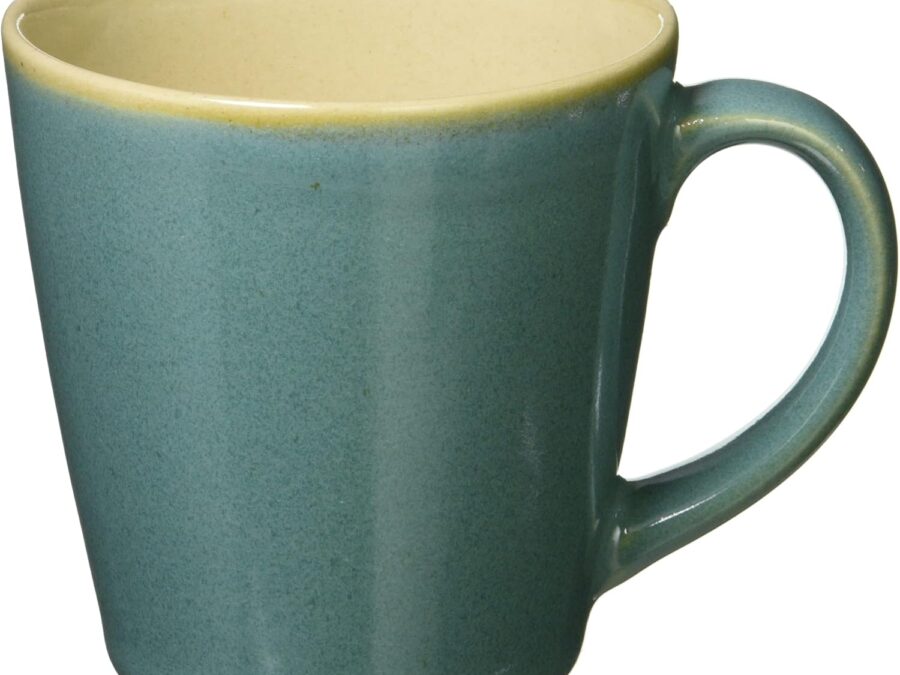
In the kiln, that iron migrates to the surface and settles as dark brown-black specks scattered across a bluish-green celadon ground. Yamagata’s potters named the effect zansetsu (残雪, “remaining snow”) — the dark flecks read like patches of snow lingering on a green spring mountain — and pair it with a softer nashi-seiji (梨青磁, “pear-skin celadon”). The coffee cup and saucer covered here, from the still-active Shichiemon kiln (七右ェ門窯, Shichiemon-gama), is one of the more approachable forms this glaze takes.
This guide is written for international readers weighing a first piece of Yamagata pottery. It covers what the ware is, where it comes from, how to read the glaze, where the pieces are typically sold, and the honest caveats — including the fact that live retail pricing must be checked at the current retailer.
📅 Published: June 23, 2026
🔄 Updated: June 23, 2026
⏱️ Read time: ~10 min
- Who this is for — and who should skip it
- Product overview (from published specs)
- Buying options compared
- Where this comes from — place, era, and the craft tradition
- What it does well
- Weaknesses and things to verify before buying
- Conclusion — which buyer type are you?
- Other ways to approach this purchase
- ❓ Frequently Asked Questions
Who this is for — and who should skip it
- Want a celadon whose pattern comes from the clay’s own iron, not applied decoration
- Prefer a quiet, understated coffee cup over bright porcelain
- Are building a collection of regional Japanese kiln wares and lack a Tōhoku piece
- Appreciate seasonal naming (zansetsu, “remaining snow”) tied to a real landscape
- Are comfortable verifying price and stock yourself before ordering
- Want a uniform, machine-matched set — each piece’s iron spotting varies
- Expect stoneware care to vary; confirm dishwasher and microwave suitability before use.
- Prefer vivid overglaze enamels (look to Kutani or Arita instead)
- Are unwilling to hand-wash and treat a stoneware glaze gently
Product overview (from published specs)
The Shichiemon kiln’s output is finished in the iron-spotted zansetsu / nashi-seiji celadon glaze. The table below records documented craft details and marks anything else as unconfirmed rather than guessing.
| Attribute | Detail (per available data) |
|---|---|
| Ware | Hirashimizu-yaki (平清水焼), stoneware |
| Maker | Shichiemon kiln (七右ェ門窯), Yamagata City |
| Form | Coffee cup & saucer (pair) |
| Glaze | Zansetsu (remaining-snow) celadon with iron spots; nashi-seiji (pear-skin celadon) |
| Clay | Local iron-bearing clay from the foot of Chitoseyama |
| Origin | Yamagata City, Yamagata Prefecture, Tōhoku |
| Capacity / dimensions | Check with the seller |
| Dishwasher / microwave | Confirm with the maker or seller |
| Price | Unavailable in fetched data — verify at retailer |
The craft references used here describe the Shichiemon kiln’s iron-spotted zansetsu / nashi-seiji celadon glaze. Current prices may change over time.
📖 Glossary — key terms
- Seiji (青磁, “celadon”) — a glaze fired to a green-to-blue tone, historically prized across East Asia.
- Zansetsu (残雪, “remaining snow”) — Hirashimizu’s signature look: dark iron specks scattered over a celadon ground, read as snow lingering on a green mountain.
- Nashi-seiji (梨青磁, “pear-skin celadon”) — a softer, finely textured celadon surface resembling the skin of a pear.
- Chitoseyama (千歳山, Mt. Chitose) — the hill on Yamagata City’s edge whose iron-bearing clay is the raw material.
- Shichiemon-gama (七右ェ門窯) — “Shichiemon kiln,” a leading active Hirashimizu-yaki maker.
- Kasumi-ga-jō (霞城, “Misty Castle”) — the common name for Yamagata Castle, seat of the Mogami clan.
- Tōhoku (東北) — Japan’s snowy northeast, the macro-region containing Yamagata.
Related jpmono guides — other regional wares, textiles, and lacquer cups worth weighing against this Yamagata celadon.
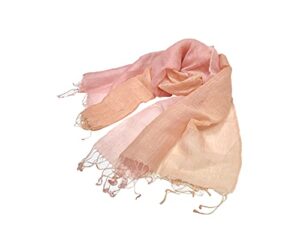 Yamagata safflower silk stole
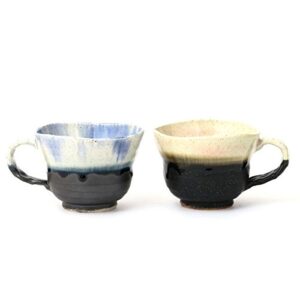 Miyagi Tsutsumi-yaki namako tumbler
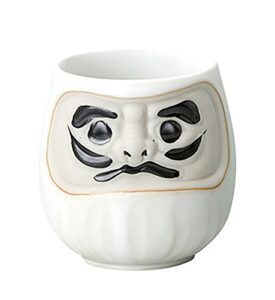 Akita Shiraiwa-yaki namako yunomi
Fujina-yaki glaze slipware plate
Mashiko-yaki kaki-glaze rice bowl
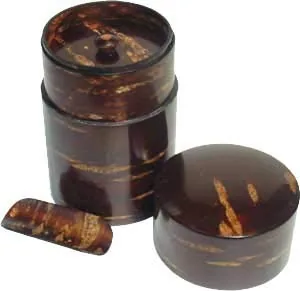 Akita kabazaiku tea caddy
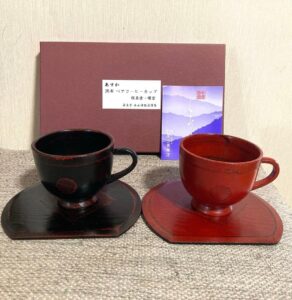 Kiso lacquer pair coffee cup
Hokkaido blue-glaze teapot
Buying options compared
The figures below are marked as unconfirmed because a current price is not stated. Store prices can change, so compare the options before buying.
| Store | Item / variant | Price (JPY / USD est.) | Notes |
|---|---|---|---|
| 🇺🇸 Amazon US (search) | Browse Japanese celadon & coffee cups | varies (USD) | Best if you’re shopping from the US — Prime shipping, USD pricing, no international customs. Amazon US carries comparable Japanese celadon and stoneware from various makers; this exact Hirashimizu-yaki piece ships from Japan (next row). |
| Amazon JP Global Store | Shichiemon kiln zansetsu coffee cup & saucer | Price unavailable in fetched data — verify | Ships internationally from Japan to most major destinations. |
| Maker direct | Shichiemon kiln, Yamagata City | — | Kiln and regional craft shops may stock pieces; international shipping is not guaranteed. |
| Proxy services (Buyee / Tenso) | Forwarding from JP retailers | item price + fees | Useful if a piece is sold only on a domestic JP shop. Adds a service fee plus forwarding cost. |
USD figures are approximate (¥150/USD baseline as of mid-2026); JPY is the standard currency. Prices depend on the exchange rate and may change over time.
Where this comes from — place, era, and the craft tradition

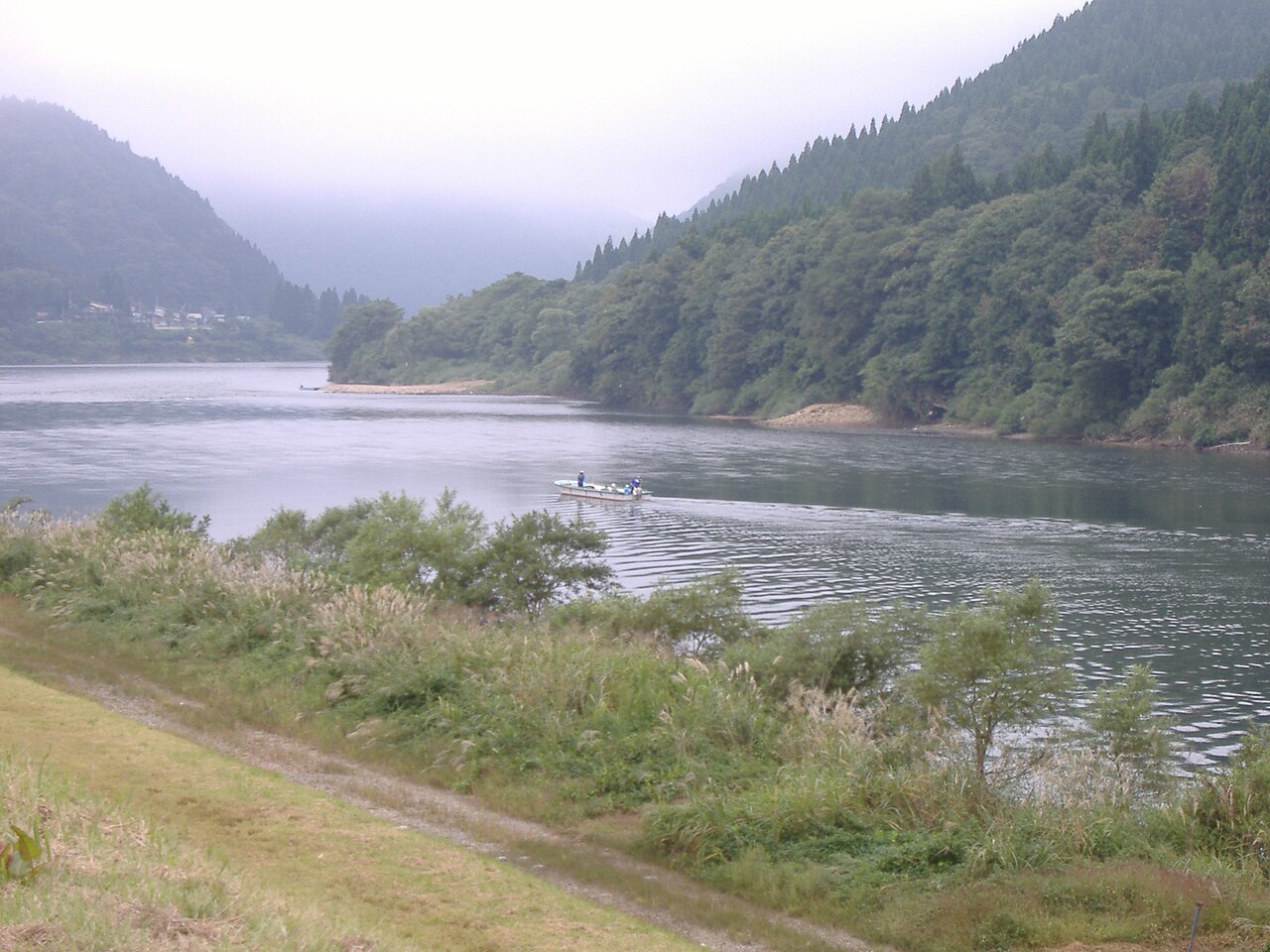
Yamagata City lies in a mountain-ringed inland basin in southern Yamagata Prefecture, in the Tōhoku region of northern Honshu. The Mogami River, which drains the basin and runs north to the Sea of Japan, historically carried both trade and clay through the same valleys where the kilns took root. The relevant geography is small and specific: Hirashimizu is a district at the base of Chitoseyama (Mt. Chitose), and it is the iron in that hill’s clay that makes the ware what it is.
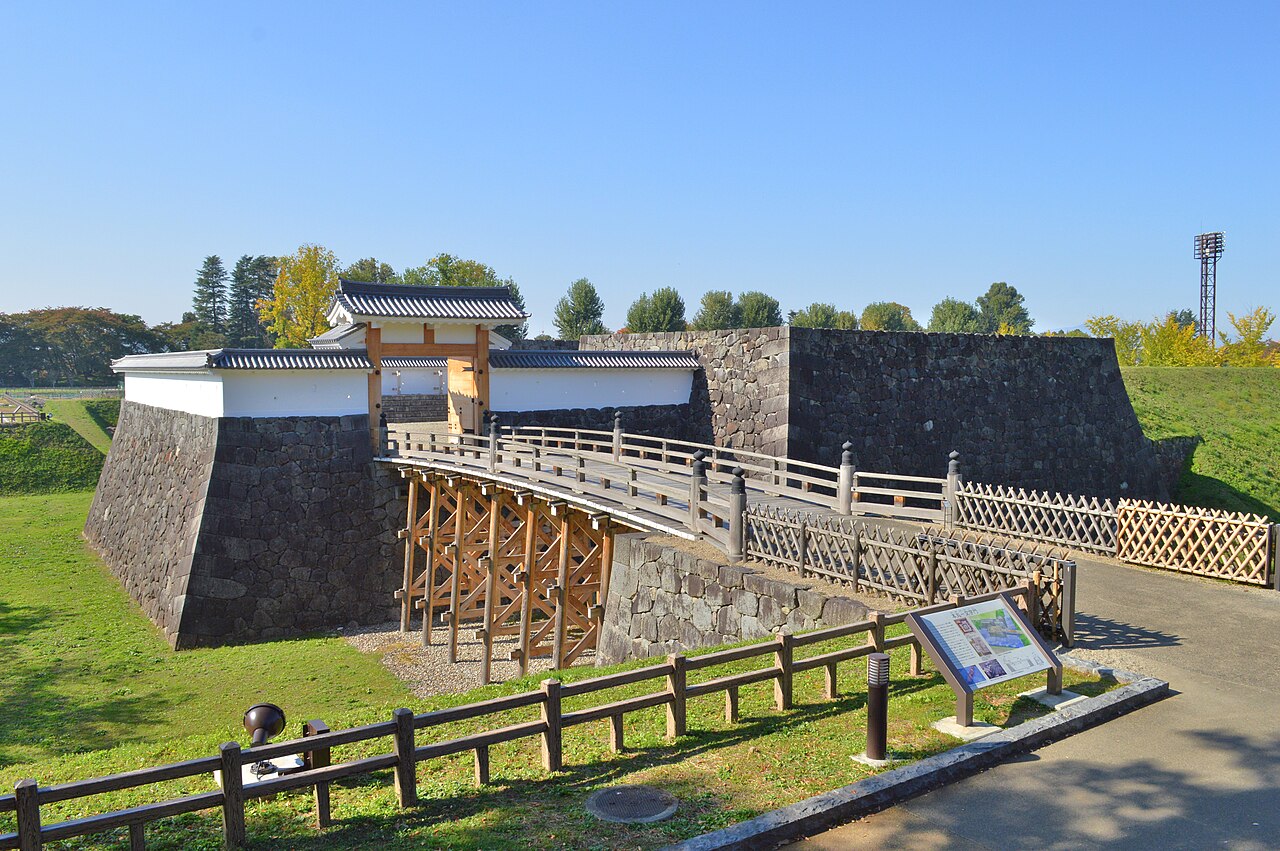
The city’s historical anchor is Mogami Yoshiaki, the daimyō who built Yamagata into a major castle town around the turn of the 17th century. His castle, formally Yamagata Castle, is better known by its nickname Kasumi-ga-jō (霞城, “Misty Castle”). That castle-town economy gave the region the population and the demand a pottery district needs. Hirashimizu-yaki itself is younger than the castle: potting took hold at the foot of Chitoseyama from around the An’ei era (1772–1781), and the early kilns are credited to Niwa Jizaemon.
- c. 1600 — Mogami Yoshiaki builds Yamagata into a castle town around Kasumi-ga-jō (Yamagata Castle).
- 1772–1781 — An’ei era: potting takes hold at the foot of Chitoseyama using local iron-bearing clay.
- Late 18th c. — Niwa Jizaemon credited with establishing the early Hirashimizu kilns.
- 19th c. — The iron-spotted zansetsu celadon and nashi-seiji glazes emerge as the ware’s signature.
- 20th c. — The Shichiemon kiln (Shichiemon-gama) continues as a leading active maker.
- 2026 — Hirashimizu-yaki is still fired in Yamagata City from the same Chitoseyama clay.
What “still being made here” means is concrete: the Shichiemon kiln remains a leading active maker of Hirashimizu-yaki, working the same iron-bearing clay from the same hillside. The pattern is not painted on. It is the clay’s own iron migrating to the surface in the heat of the kiln — which is why no two pieces spot identically, and why the ware reads as a record of its own material rather than a decorator’s design.
“The snow on a Tōhoku mountain does not melt evenly — it lingers in dark pockets against the green. Hirashimizu’s potters did not invent that image; they let the clay’s iron draw it for them.”
The naming is worth dwelling on, because it is where the place and the object meet. Zansetsu means “remaining snow” — the patches that survive on a green spring mountainside after the thaw has started. On the cup, the dark brown-black iron specks against the bluish celadon read exactly that way. The companion glaze, nashi-seiji or “pear-skin celadon,” names a finer surface texture. Both belong to the snowbound Tōhoku climate that frames the ware and gave it its vocabulary.
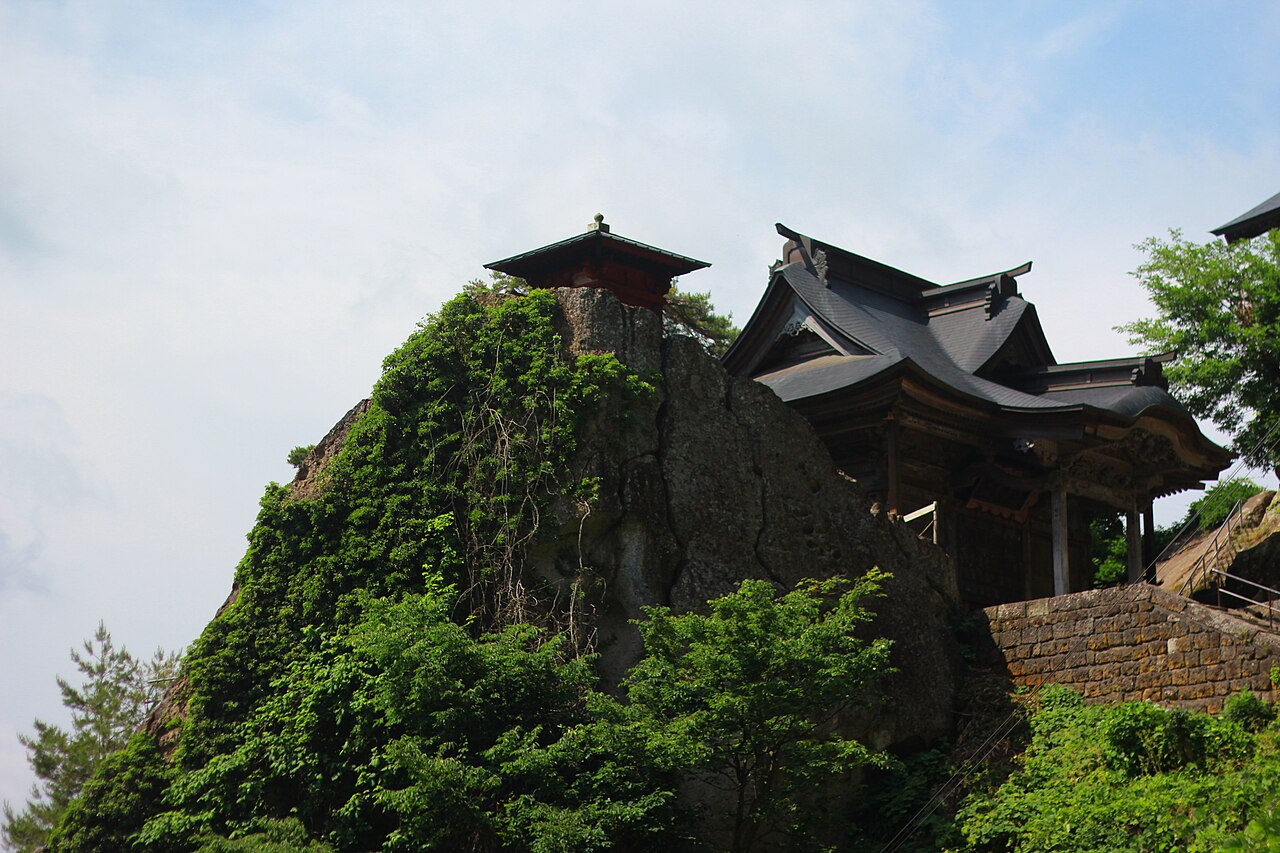
The same valleys that hold the clay also carry the region’s older landmarks — Yamadera (Risshaku-ji), the cliffside temple complex on the city’s edge, and the Mogami River that historically moved goods through the basin. None of that is decoration on the cup. It is the context that makes a quiet celadon coffee cup legible as a Yamagata object rather than a generic one.
What it does well
Weaknesses and things to verify before buying
- Spotting varies piece to piece. Because the pattern is the clay’s own iron, the cup you receive will not match catalog photos exactly. This is intrinsic, not a defect — but it disappoints buyers wanting uniformity.
- Care guidance. Stoneware glazes are generally best hand-washed; confirm dishwasher and microwave suitability before use.
- Ships from Japan. The Amazon JP Global Store is an international option; expect longer transit than domestic Prime and possible customs duties above your country’s import threshold.
- Not a bright-enamel ware. If you want vivid color (Kutani, Arita overglaze), this restrained celadon will read as plain.
Conclusion — which buyer type are you?
Other ways to approach this purchase
❓ Frequently Asked Questions
What does “zansetsu” mean, and is the pattern painted on?
Zansetsu (残雪) means “remaining snow.” The dark brown-black specks are not painted — they are iron from the local Chitoseyama clay surfacing during firing, resembling snow lingering on a green mountain. Because of this, every piece spots differently.
Where is Hirashimizu-yaki made?
In the Hirashimizu district at the foot of Chitoseyama in Yamagata City, Yamagata Prefecture, in the Tōhoku region of northern Honshu. Potting took hold there from around the An’ei era (1772–1781).
How much does this coffee cup cost?
This guide does not quote a current price. Prices and stock may change over time.
Can I have it shipped outside Japan?
Yes. Stoneware pieces sold through Japan-based stores may ship internationally to many major destinations. Confirm shipping availability and cost at checkout, since coverage and fees vary. Proxy services like Buyee or Tenso are a fallback if a piece is available only from a domestic shop.
Is it dishwasher and microwave safe?
Stoneware celadon glazes are generally best hand-washed, and metallic or decorated pieces should be kept out of the microwave. Follow the maker’s care guidance for each piece.
How is this different from a Kiso lacquer coffee cup?
They are entirely different genres. The Kiso piece is lacquered wood (warm, light, soft to the touch); Hirashimizu-yaki is iron-bearing stoneware with a celadon glaze (cool, hard, with a mineral-driven pattern). See our Kiso lacquer pair coffee cup guide to compare.
jpmono.com is curated by a Japan-based editorial team (working out of Toyama in the Hokuriku region and Nara in Kansai) and is independent. We do not take payment from the makers we feature; income comes from affiliate links. We do not physically test every product — we read maker specifications and craft references.
Affiliate disclosure: jpmono.com may earn a commission on qualifying purchases made through links on this page, at no additional cost to you.