![Hirashimizu-yaki Zansetsu Glaze Mug: Yamagata Pottery Pick [2026]](https://jpmono.com/wp-content/uploads/2026/06/hirashimizu-yaki-zansetsu-glaze-mug-where-to-buy-2026-featured.jpg)
Hirashimizu-yaki (平清水焼) is a stoneware tradition from a single village at the eastern foot of Mt. Chitose (千歳山), on the edge of Yamagata City in the Tōhoku region of northern Japan. The kilns there rose in the early 19th century, after potters found iron-rich clay on the mountain itself, and at their peak a cluster of workshops supplied everyday ware to the surrounding castle town. The mug covered in this guide is a contemporary example from Seiryu-gama (青龍窯), one of the few kilns that carry the line forward.
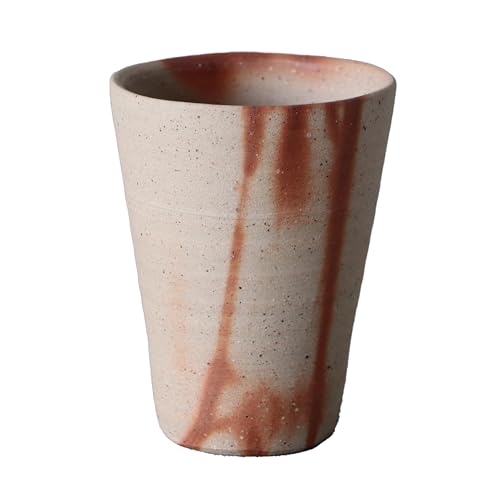
What makes the ware recognizable is its glaze. The signature finish is called zansetsu (残雪, “lingering snow”) — a creamy white surface in which the clay’s iron bleeds through as brown-green speckles, read deliberately as patches of snow lingering on the slopes of Mt. Chitose. A bluer companion glaze, ao-namako, runs alongside it. This is quiet, functional pottery rather than display porcelain, and it was praised within the early-20th-century mingei (民芸, folk-craft) current associated with Yanagi Sōetsu for exactly that honesty.
This article is written for international readers weighing whether a Hirashimizu-yaki mug is worth importing — and how to actually buy one from outside Japan. We cover what the listing does and does not tell you, where the craft sits in Japanese geography and history, how it differs from neighboring namako-glaze wares in Akita and Miyagi, and the realistic purchase paths (Amazon US for comparable Japanese ceramics, Amazon JP Global Store for this specific piece, plus proxy services). Pricing data for this listing was thin at the time of writing, and we flag that plainly where it matters.
🔄 Updated:
⏱️ Read time: ~10 min

- Who this is for — and who should skip it
- Product overview (from published specs)
- Price snapshot across stores
- Where this comes from — place, era, and the craft tradition
- What it does well
- Weaknesses and things to verify before buying
- Conclusion — which buyer type are you?
- Other ways to approach this purchase
- 🏆 Editor’s Pick
- ❓ Frequently Asked Questions
Who this is for — and who should skip it
- Like quiet, mingei-style folk pottery over glossy, decorated porcelain
- Want a daily-use coffee or tea mug with visible iron speckle and surface character
- Are collecting Tōhoku regional ceramics and want a Yamagata kiln represented
- Appreciate that small kiln-made stoneware varies piece to piece
- Are comfortable buying from Amazon JP Global Store and waiting on international shipping
- Want a flawless, uniform, machine-identical mug
- Need a confirmed price and exact dimensions before committing (listing data was thin)
- Require dishwasher- and microwave-rated guarantees in writing
- Are unwilling to pay international shipping or potential customs on a single mug
- Prefer porcelain’s bright whiteness — this is earthy iron-rich stoneware
Product overview (from published specs)
Based on the listing and the maker context, the table below summarizes what is confirmed and what is not. Where a value was not available in the source data, it is marked rather than guessed.
| Attribute | Detail | Source |
|---|---|---|
| Craft | Hirashimizu-yaki (平清水焼) stoneware | Maker / data notes |
| Kiln | Seiryu-gama (青龍窯) | Listing / spec |
| Type | Coffee / tea mug | Listing |
| Glaze | Zansetsu (残雪, “lingering snow”) — cream glaze with brown-green iron speckle | Data notes |
| Body / clay | Iron-rich local stoneware clay from Mt. Chitose | Data notes |
| Origin | Hirashimizu village, Yamagata City, Yamagata Prefecture (Tōhoku) | Data notes |
| Capacity | Unconfirmed — check listing | — |
| Dimensions / weight | Unconfirmed — check listing | — |
| Price | Not available in source data — verify at the listing | — |
Only the Amazon JP listing reference was available for this piece; live pricing and exact dimensions were unavailable at the time of writing and may differ when you view the page. Sources: Amazon US search (primary, moonill-20), Amazon JP Global Store (secondary, moonill-22, sourced listing), and maker context.
📖 Glossary — key Japanese craft terms
- Hirashimizu-yaki (平清水焼) — “Hirashimizu ware,” the stoneware tradition of Hirashimizu village near Yamagata City.
- Zansetsu (残雪) — “lingering snow”; the cream glaze whose iron speckles read as snow patches left on the mountain.
- Ao-namako (青なまこ) — a bluer companion glaze made in the same district.
- Mingei (民芸) — the folk-craft movement led by Yanagi Sōetsu in the early 20th century, valuing honest, functional, everyday objects.
- -gama (窯) — “kiln”; e.g., Seiryu-gama (青龍窯) and Shichiemon-gama are individual workshops.
- Stoneware — high-fired, dense, non-translucent ceramic, earthier than porcelain.
Related jpmono guides to other Tōhoku and mingei wares — useful for placing this mug among its neighbors.
 🍵 Akita namako-glaze yunomi
 🥃 Miyagi Tsutsumi-yaki tumbler
 🧣 Yamagata Yonezawa-ori stole
🍽️ Izumo mingei slipware plate
🫖 Hokkaido blue-glaze teapot
 🐮 Fukushima Akabeko folk charm
 🫖 Iwate Nambu iron kettle
 🍂 Akita cherry-bark tea caddy
Price snapshot across stores
Live pricing for this specific listing was not available in the source data, so the cells below describe paths rather than fixed numbers. Verify the current figure at the retailer before buying.
| Store | Item / Variant | Price (JPY + USD est.) | Notes |
|---|---|---|---|
| 🇺🇸 Amazon.com (US) | Browse Japanese stoneware & mingei mugs | varies (USD) | Best if you are shopping from the US — Prime shipping, USD pricing, no international customs. Amazon US carries comparable Japanese stoneware and folk-craft mugs; this exact Seiryu-gama piece is sourced from Japan (next row). |
| 🇯🇵 Amazon JP Global Store | Hirashimizu-yaki Seiryu-gama zansetsu mug (this guide’s pick) | Price not listed in data — check page | Ships internationally from Japan. This is the sourced listing for the exact item covered here. |
| Maker direct (Seiryu-gama) | Zansetsu and ao-namako wares | Varies; domestic JP focus | Kiln and Yamagata craft outlets may not ship internationally; often Japan-domestic only. |
| Proxy services (Buyee / Tenso) | Any JP-domestic listing forwarded abroad | Item price + service fee + forwarding | Useful when a shop ships only within Japan; adds a handling fee and a second shipping leg. |
USD figures are approximate and depend on the current exchange rate (¥150/USD baseline as of mid-2026). The JPY price shown on the listing is the authoritative one.
Where this comes from — place, era, and the craft tradition

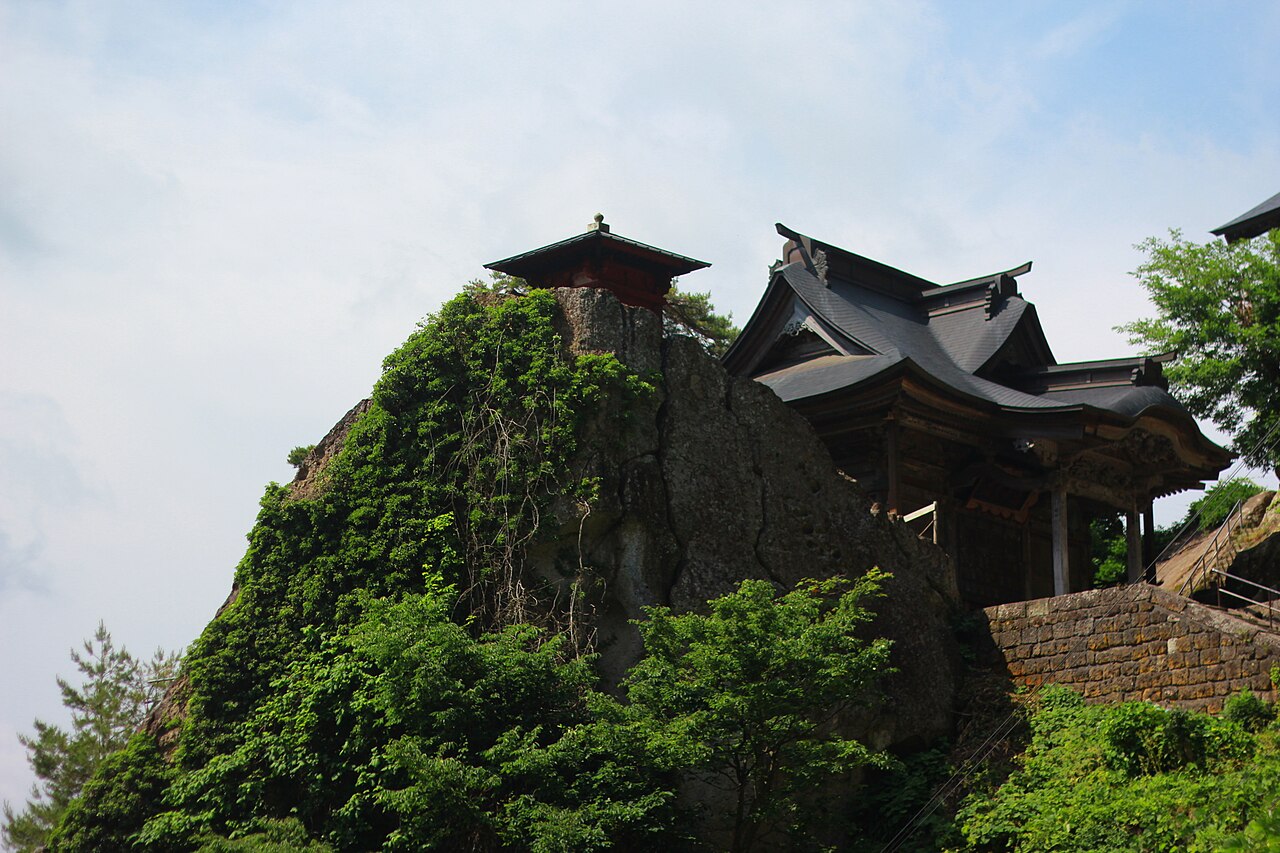
Hirashimizu is not a separate town but a village quarter on the edge of Yamagata City, the prefectural seat of Yamagata in the Tōhoku region of northern Honshu. It sits at the eastern foot of Mt. Chitose (千歳山), a modest, distinctively shaped hill that rises right at the city’s margin. The reason pottery took root here is literally underfoot: potters found iron-rich stoneware clay on the mountain, and a craft grows where its raw material is local and abundant.
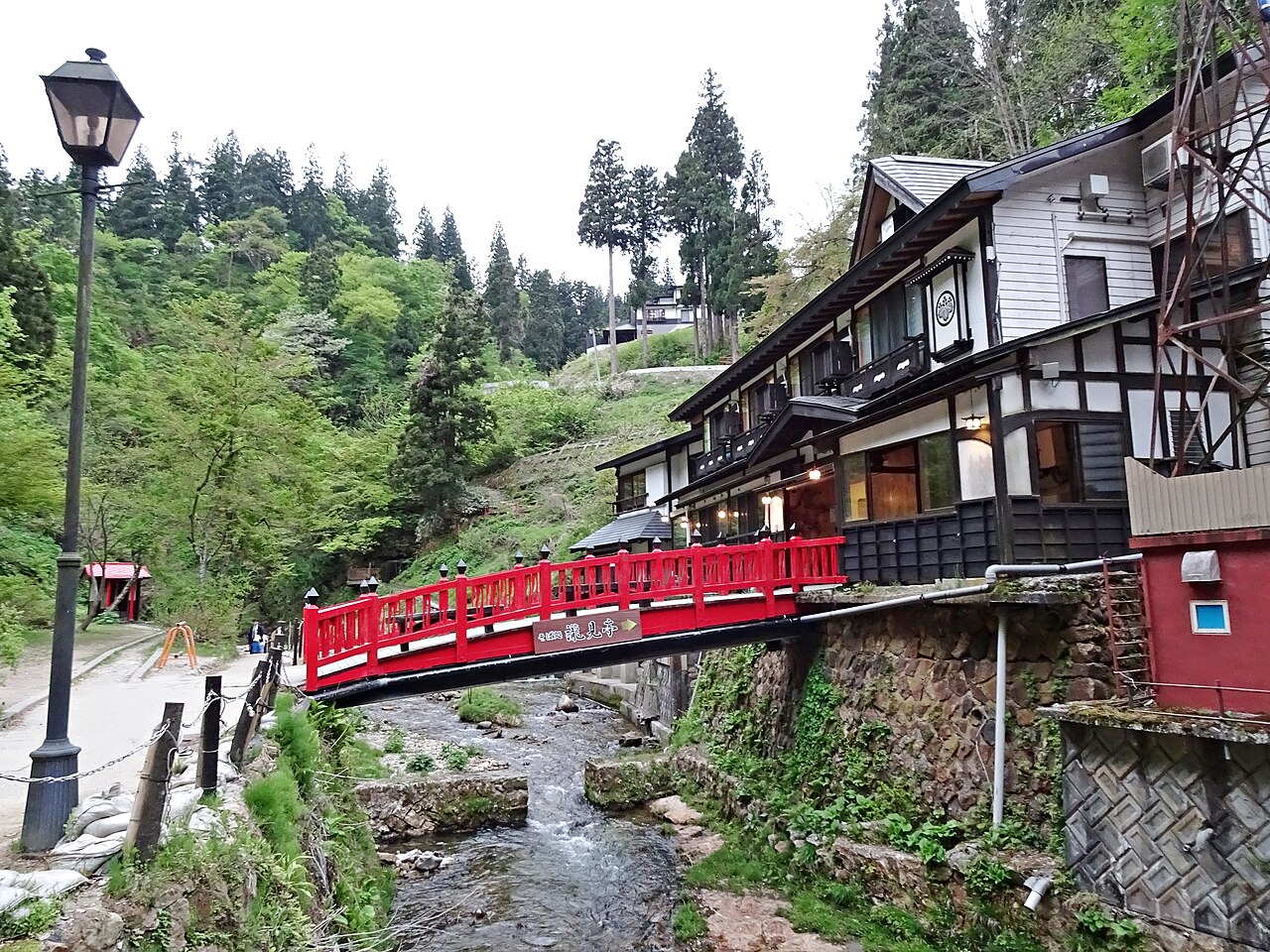
The surrounding country is the same hill landscape that holds Risshaku-ji — better known as Yamadera, the cliff temple east of the city. This is snow country; Yamagata winters are long and heavy, and that fact is not incidental to the ware. The glaze that defines Hirashimizu-yaki is named for snow.
- Early 1800s (Bunka–Bunsei era) — Potters find iron-rich stoneware clay on Mt. Chitose; the Hirashimizu kilns are established.
- Edo period (through 1868) — A cluster of kilns supplies everyday ware to the Yamagata castle town.
- Late 19th–early 20th c. — The zansetsu and ao-namako glazes become the district’s signature finishes.
- Early 20th c. — The mingei (folk-craft) current associated with Yanagi Sōetsu praises Hirashimizu’s honest, functional ware.
- Mid–late 20th c. — The tradition thins as many kilns close.
- Today — The line survives through kilns such as Seiryu-gama (青龍窯) and Shichiemon-gama.
- 2026 — Mugs like the Seiryu-gama zansetsu piece reach international buyers via Amazon JP Global Store.
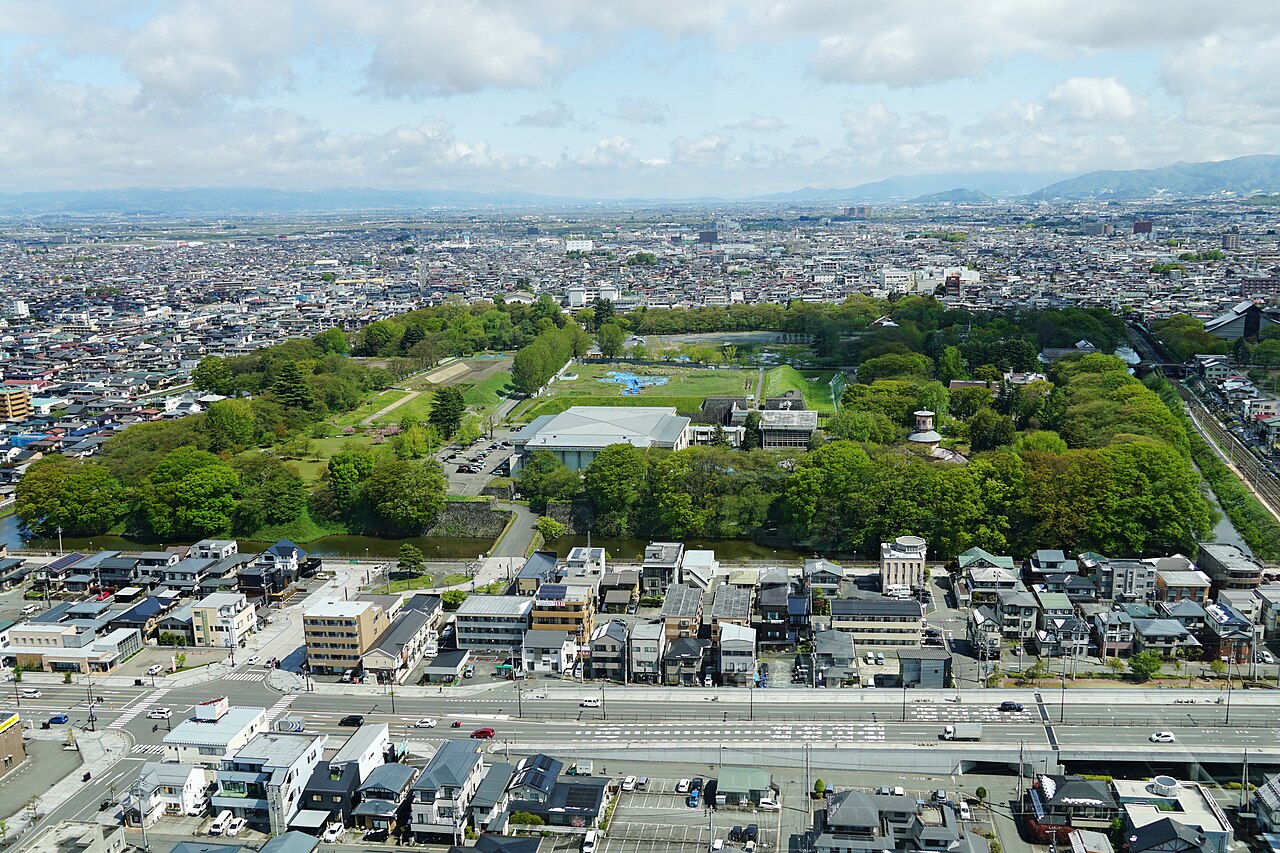
The kilns rose in the early 19th century — the Bunka–Bunsei era, the late Edo period — when the clay was found and worked. Through the rest of the Edo period the district functioned as a supplier of everyday ware to the castle town: bowls, pots, and cups for ordinary households rather than ceremonial objects for the elite. Yamagata Castle’s moated grounds survive today as Kajo Park, a reminder of the town economy these kilns fed.
The glaze that carries the tradition’s reputation is zansetsu (残雪), “lingering snow.” It is a creamy white surface through which the iron in the local clay bleeds as brown-green speckles. The reading is deliberate: the speckled cream is meant to evoke patches of snow that linger on the slopes of Mt. Chitose into the warmer months. A bluer companion glaze, ao-namako, is made alongside it. The naming is the point — this is a ware that takes its own mountain and its own winters as the subject of its surface.
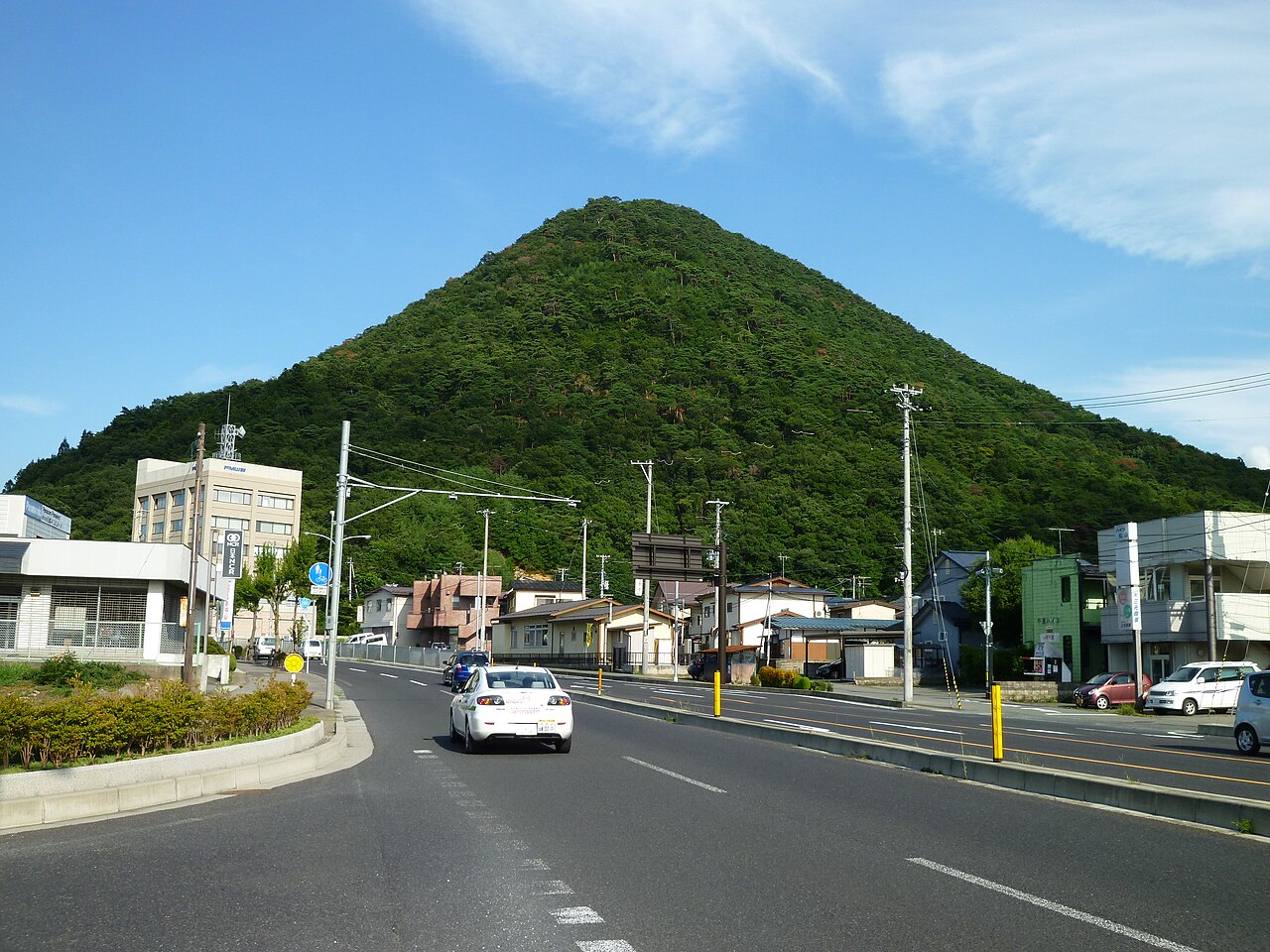
“The speckled cream of the zansetsu glaze is not a decoration applied to the clay — it is the clay’s own iron, rising through the surface as snow lingering on the mountain that supplied it.”
What “still being made here” means for Hirashimizu-yaki is honest but modest. The tradition thinned through the 20th century, and many of the kilns that once clustered around the village closed. It survives today through a small number of workshops — Seiryu-gama (青龍窯), the maker of this mug, and Shichiemon-gama among them — rather than a large active district. That is the realistic continuity case: a quiet line kept alive by a few kilns, not a booming industry.
Its standing rests in part on recognition from the mingei (民芸) movement. In the early 20th century, Yanagi Sōetsu and the folk-craft current he led valued exactly the qualities Hirashimizu embodies — unsigned, functional, everyday ware made well — and praised it on those terms. That places this small Tōhoku stoneware within one of the most important frameworks in 20th-century Japanese craft thinking.
It is worth saying plainly how this differs from its Tōhoku neighbors, because the namako-glaze wares of Akita (Shiraiwa-yaki) and Miyagi (Tsutsumi-yaki) are easy to confuse with it at a glance. Hirashimizu-yaki is distinct by prefecture, by kiln, and above all by the zansetsu glaze — the cream-and-iron-speckle “lingering snow” finish that is its own, not the blue-white namako surface of the others.
What it does well
Weaknesses and things to verify before buying
- Price was not in the source data. Confirm the current figure on the listing before committing; this guide cannot quote it reliably.
- Capacity and dimensions are unconfirmed. If you need a specific milliliter capacity or height, check the listing’s measurements rather than assuming.
- Handmade variation. Small-kiln stoneware varies piece to piece in speckle, tone, and slight form — the item you receive will not be identical to the photo.
- Care ratings not guaranteed. Dishwasher, microwave, and induction-adjacent suitability were not confirmed in the data; treat iron-rich stoneware gently and hand-wash unless the listing states otherwise.
- International shipping and customs. Buying a single mug from Japan means paying shipping (and possibly duties above your local threshold), which can be significant relative to the item.
- Maker-direct may be Japan-only. The kiln and local craft shops may not ship abroad, which is why the Global Store or a proxy is usually the practical path.
Conclusion — which buyer type are you?
Other ways to approach this purchase
🏆 Editor’s Pick
❓ Frequently Asked Questions
What is the zansetsu glaze, exactly?
Zansetsu (残雪) means “lingering snow.” It is a creamy white glaze in which the iron in the local clay bleeds through as brown-green speckles, read deliberately as patches of snow lingering on the slopes of Mt. Chitose above the kiln village.
Does Amazon JP Global Store ship this mug internationally?
The Amazon JP Global Store path generally ships to most major destinations. Confirm that your country is listed at checkout, and expect shipping cost (commonly in the $15–$40 range to the US or EU for a small ceramic item) plus any customs duties above your local threshold.
How is Hirashimizu-yaki different from Shiraiwa or Tsutsumi ware?
All three are Tōhoku stonewares, but they differ by prefecture and kiln. Shiraiwa-yaki (Akita) and Tsutsumi-yaki (Miyagi) are known for namako blue-white glazes, while Hirashimizu-yaki (Yamagata) is defined by its cream-and-iron-speckle zansetsu glaze.
Is it microwave- and dishwasher-safe?
Care ratings were not confirmed in the available data. As a general rule, hand-wash iron-rich stoneware and avoid thermal shock unless the specific listing states microwave or dishwasher suitability. Check the product page before assuming.
Why does the article not show a fixed price?
Live pricing for this specific listing was not present in the source data at the time of writing. Rather than guess, we direct you to the listing for the current figure. The JPY price shown there is the authoritative one; USD estimates depend on the exchange rate.
Will each mug look exactly like the photo?
No. This is small-kiln stoneware, so speckle pattern, glaze tone, and minor form will vary from piece to piece. That variation is part of the mingei character rather than a defect.
What if the kiln or shop only ships within Japan?
Use a proxy service such as Buyee or Tenso. They receive a Japan-domestic order on your behalf and forward it abroad, adding a handling fee and a second shipping leg. This is the standard workaround when a maker-direct or domestic listing does not ship internationally.
jpmono.com is curated by a Japan-based editorial team (working out of Toyama in the Hokuriku region and Nara in Kansai) and is independent. We do not take payment from the makers we feature; income comes from affiliate links. We do not physically test every product — we read maker specs and source listings.
🤖 This article was produced with AI assistance and reviewed against the source listing and maker context. Facts are drawn from the available data; where data was thin (notably live pricing and exact dimensions), that is stated plainly rather than filled in.
Affiliate disclosure: jpmono.com may earn a commission on qualifying purchases made through links on this page, at no additional cost to you.