![Kagawa Shikki Kinma Lacquer Bowl: Where to Buy Sanuki Lacquerware [2026]](https://jpmono.com/wp-content/uploads/2026/05/japan-map-regions-and-prefectures-800x1050.png)
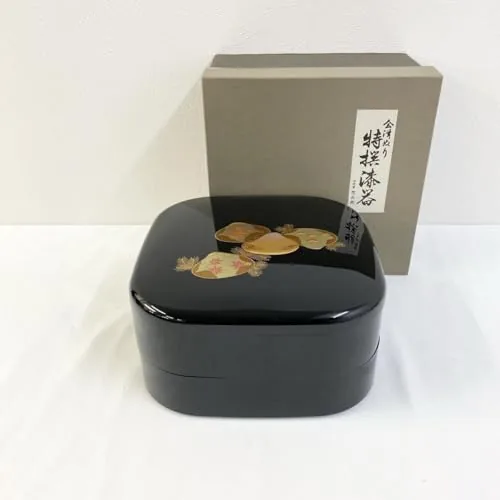
- What it is: A wooden-core urushi bowl in the Kagawa Shikki (Sanuki lacquerware) tradition, decorated with the incised, color-filled Kinma technique.
- Made in: Takamatsu, Kagawa — Sanuki lacquerware was designated a national Traditional Craft by Japan’s government in 1976.
- Price band: Hand-incised Kinma work sits in the premium tier of everyday lacquerware.
- Best for: Buyers who want a genuine hand-decorated urushi piece with a documented regional lineage, not a mass-printed lookalike.
- Skip if: You need a dishwasher-safe, microwave-safe daily bowl you can treat carelessly.
- Shipping: ships internationally from Amazon Japan — jump to our pick ↓
Late in the Edo period, a Takamatsu artisan named Tamakaji Zokoku sat with pieces of carved and inlaid lacquer that had traveled from Thailand and China, and set about working out how they were made. What he reconstructed — lines cut into cured lacquer and packed with colored urushi, then polished flush — became the signature of an entire prefecture’s craft.
That technique is called Kinma, and it is the defining decoration of Kagawa Shikki (香川漆器, “Kagawa lacquerware”), also known as Sanuki-nuri after the old province name. A Kinma bowl is not painted; the color lives inside the surface, in grooves engraved with a special blade and filled by hand. It is one of four hallmark techniques Zokoku revived for the Takamatsu domain, and it is the reason Sanuki lacquerware reads as its own thing rather than a variation on Wajima or Aizu.
This guide is written for the international reader deciding whether a Kinma lacquer bowl belongs in the cabinet and how to recognize the technique. We cover what the piece is, how urushi behaves in a modern kitchen, the international shipping paths, and — honestly — who should pass on it.
🔄 Updated: July 6, 2026
⏱️ Read time: ~9 min
ℹ️ Kinma lacquerware is a wood-based urushi craft; dimensions and other product details vary by maker.
- Who this is for — and who should skip it
- Product overview (from published specs)
- 📍 Where this comes from — place, era, and the craft tradition
- Where to buy
- 📦 Shipping & where to buy from outside Japan
- What it does well
- Weaknesses and things to verify before buying
- Conclusion — which buyer type are you?
- Other ways to approach this purchase
- ❓ Frequently Asked Questions
Who this is for — and who should skip it
- Want genuine hand-incised Kinma decoration, not a screen-printed imitation of it
- Appreciate urushi’s warmth in the hand and its quiet, low-gloss finish
- Value a documented regional lineage — Takamatsu, Sanuki, Zokoku’s four techniques
- Are comfortable hand-washing and storing a lacquer piece with a little care
- Are buying a considered gift, a tea-and-sweets bowl, or a display-worthy everyday vessel
- Need something dishwasher- and microwave-safe for hard daily use
- Want the cheapest possible bowl and do not care how it was decorated
- Will leave it soaking in the sink or in direct sunlight on a windowsill
- Expect a mass-produced, perfectly uniform machine finish
- Are unwilling to verify authenticity before buying
Product overview (from published specs)
Sanuki Shikki bowls are typically made with a turned wooden core finished in urushi and decorated with one of the region’s signature techniques — most often Kinma incised inlay, where fine blades cut a pattern into the lacquer and the grooves are filled with colored pigment.
| Attribute | Value | Source |
|---|---|---|
| Craft | Kagawa Shikki / Sanuki-nuri lacquerware | Maker tradition |
| Decoration technique | Kinma (incised lines filled with colored lacquer, polished flush) | Maker tradition |
| Form | Kashiki bowl (for confections / small dishes) | Amazon JP Global Store |
| Core material | Turned wood, urushi (natural lacquer) coated | Amazon JP Global Store |
| Origin | Takamatsu, Kagawa (Shikoku) | Maker tradition |
| Designation | National Traditional Craft (designated 1976) | Maker tradition |
| Dimensions / weight | — | — |
| Price | — | — |
Prices and availability for handmade lacquerware vary with workmanship, materials, size, and time of purchase; compare maker information with the craft characteristics.
📖 Glossary — key terms in this article
- urushi (漆) — natural lacquer, the refined sap of the lacquer tree, applied in thin coats and cured in humidity to a hard, food-safe film.
- shikki (漆器) — “lacquerware”; here, Kagawa Shikki means the lacquerware of Kagawa Prefecture.
- Kinma (蒟醤) — decoration in which patterns are engraved into cured lacquer with a special ken blade, packed with pigmented lacquer, then polished flush so the color sits inside the surface.
- Sanuki (讃岐) — the old provincial name for what is now Kagawa; “Sanuki-nuri” is a synonym for Kagawa lacquerware.
- kashiki (菓子器) — a bowl or vessel for serving Japanese confections (wagashi) or small side dishes.
- Zonsei / Choshitsu / Goto-nuri — the three other hallmark Sanuki techniques revived by Tamakaji Zokoku, alongside Kinma.
Related jpmono guides — other Shikoku crafts and other lacquer bowls worth weighing against a Kinma piece.
 Kagawa: Marugame Uchiwa fan →
 Shikoku lacquer: Tosa katakuchi →
 Shikoku: Otani-yaki tumbler →
Shikoku: Iyo bamboo blind →
Lacquer bowl: Gohara kijiro →
 Lacquer bowl: Naruko kijiro →
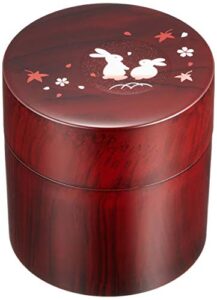 Woodturned lacquer: Yamanaka →
📍 Where this comes from — place, era, and the craft tradition

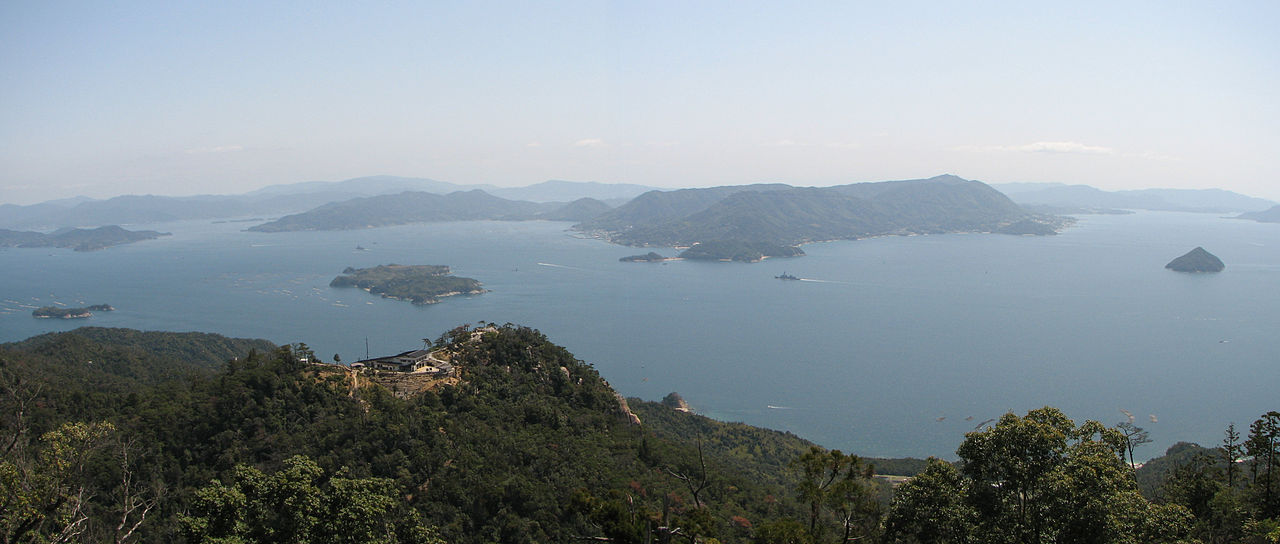
Kagawa is the smallest of Japan’s forty-seven prefectures, occupying the northeastern corner of Shikoku along the Seto Inland Sea. Its old name, Sanuki, still attaches to the region’s crafts and its famous wheat-noodle cuisine. The sheltered inland-sea coast gave the province something a lacquer trade needs: ports. Ships moving along the Seto routes connected Kagawa to the wider currents of goods — including the imported carved and inlaid lacquerware that would later change the direction of local craft.
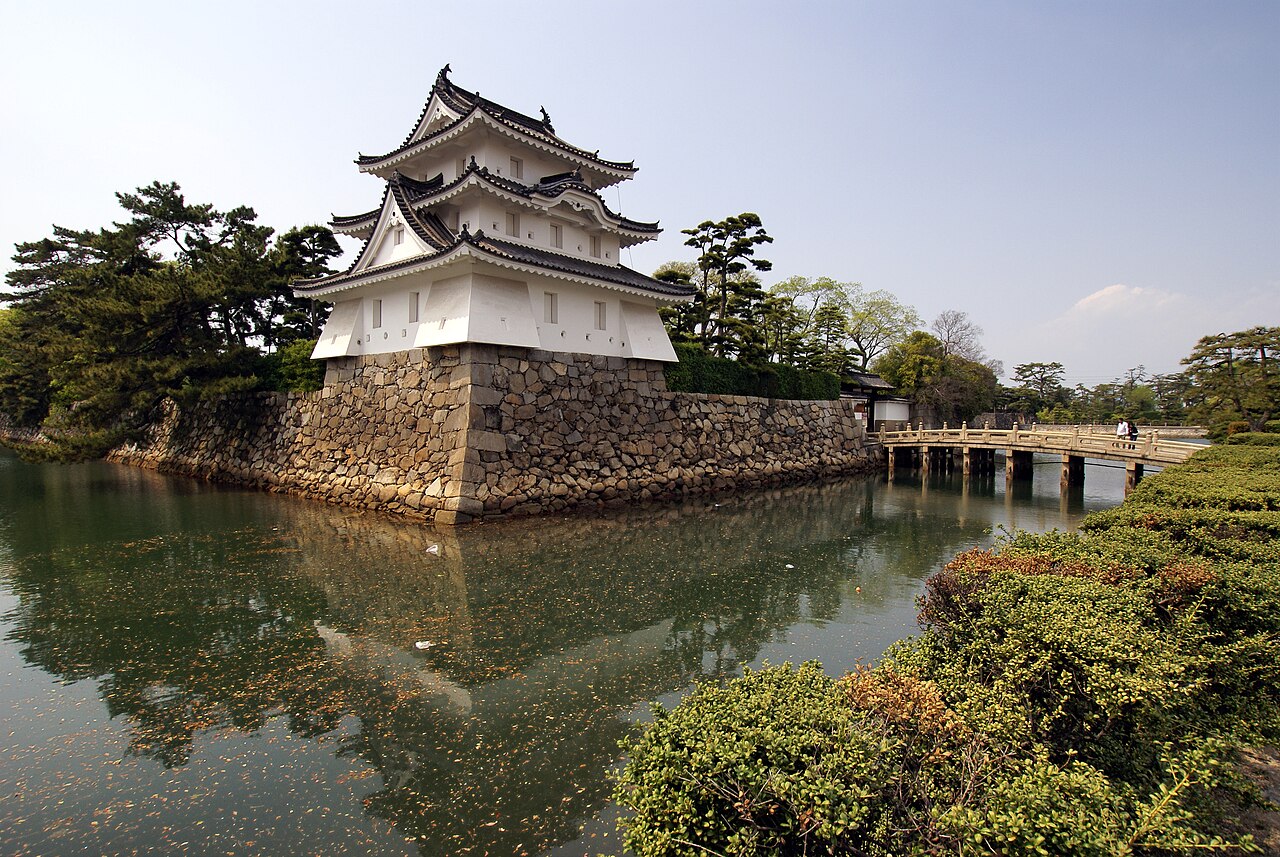
Takamatsu became a domain seat in 1642, when Matsudaira Yorishige was installed as lord. Yorishige was a grandson of Tokugawa Ieyasu, the founder of the shogunate, and the elder brother of Tokugawa Mitsukuni, the celebrated Mito lord. That places Takamatsu firmly inside the network of Tokugawa branch houses that governed early-modern Japan — and a domain of that standing patronized craftsmen, gardens, and scholarship as a matter of prestige.
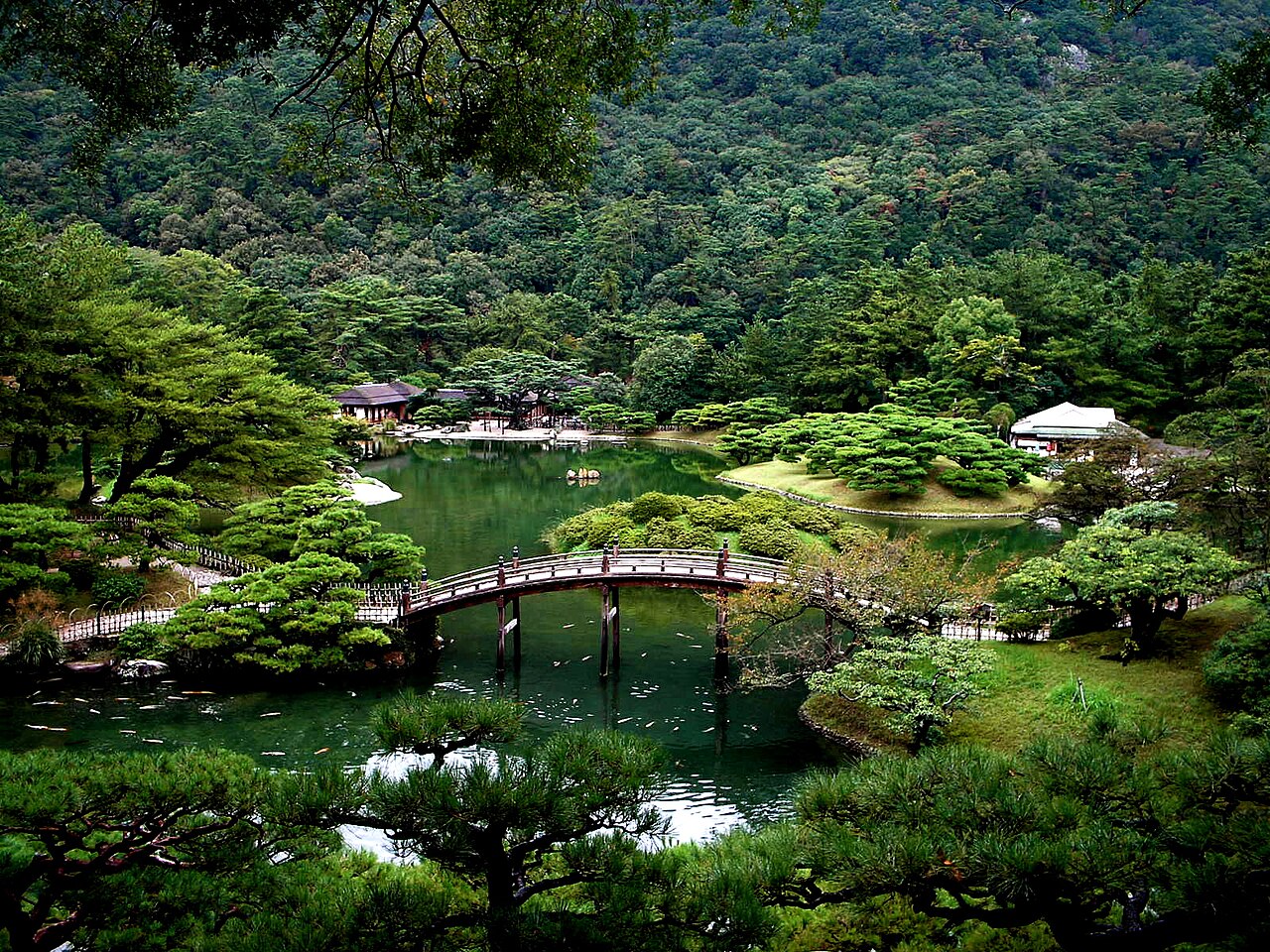
The most visible surviving expression of that patronage is Ritsurin Garden, laid out over generations by the Takamatsu Matsudaira lords. The same court that shaped those landscapes also supported the artisans whose work carried the domain’s name outward.
The turning point for Sanuki lacquer came in the late Edo period, through one artisan. Tamakaji Zokoku (1806–1869) studied imported Thai and Chinese carved and inlaid lacquerware and reconstructed the methods behind them, refining four techniques for the domain: Kinma, Zonsei, Choshitsu, and Goto-nuri. These four became the identity of Kagawa Shikki — the thing that distinguishes it from the many other regional lacquer traditions across Japan.
-
1642 — Matsudaira Yorishige, grandson of Tokugawa Ieyasu, is installed as lord of the Takamatsu domain. -
1806 — Tamakaji Zokoku, the artisan who would define Sanuki lacquer, is born. -
Late Edo — Zokoku studies imported Thai and Chinese lacquer and revives Kinma, Zonsei, Choshitsu, and Goto-nuri for the domain. -
1869 — Zokoku dies, having established the four techniques as the identity of Sanuki-nuri. -
1976 — Kagawa Shikki is designated a national Traditional Craft by Japan’s government.
Kagawa’s role as a crossroads was reinforced by pilgrimage. Kotohira-gu — the Konpira shrine — draws visitors from across Japan, and that steady visitor trade helped circulate local lacquer and other Sanuki crafts as gifts and keepsakes. A craft that travels well in a traveler’s luggage tends to survive, and Sanuki lacquer had both the ports and the pilgrims.
“On a Kinma bowl the color does not sit on the surface — it is buried in it, cut in line by line and polished back until the pattern and the ground are one continuous plane.”
That the tradition is still worked matters. Kagawa Shikki has held national Traditional Craft status since 1976, and Kinma remains its signature: patterns engraved into cured urushi with a special ken blade, packed with pigmented lacquer, and polished flush. A bowl decorated this way is the direct descendant of the pieces Zokoku puzzled over — reconstructed craft, still made in the province that made it its own.
- 🍽️ Dishwasher: no — urushi lacquerware is hand-wash only; heat and detergent cycles damage the coating.
- ♨️ Microwave: no — never microwave a wooden-core lacquer bowl.
- 🧴 Daily care: wash gently by hand in lukewarm water, wipe dry with a soft cloth, and keep out of prolonged direct sunlight to protect the finish.
- 🔧 Repairs: quality urushi pieces can often be re-coated by a lacquer specialist rather than discarded — ask the maker or a lacquer atelier.
General guidance for wooden-core urushi lacquerware: protect it from prolonged soaking, strong heat, and direct sunlight, and follow care instructions supplied by the maker.
Where to buy
Prices for hand-incised lacquerware vary with workmanship, materials, and size; USD conversions change with exchange rates.
| Store | Item / Variant | Price (JPY + USD est.) | Notes |
|---|---|---|---|
| 🇺🇸 Amazon.com (US) | Browse Japanese lacquerware bowls | varies (USD) | Best if you are shopping from the US — Prime shipping, USD pricing, no international customs. Amazon US carries Japanese urushi and wooden bowls from various makers, useful for comparing forms and price tiers; this exact Sanuki Kinma piece is sourced from Japan (next row). |
| 🇯🇵 Amazon JP Global Store | Kagawa Shikki Kinma kashiki bowl | Current store information | Ships internationally from Japan to 65+ countries — including Canada, the UK and Australia — with import fees estimated at checkout. This is where the specific item is sourced. |
| Maker direct | Sanuki lacquer ateliers / Kagawa craft cooperatives | varies | Widest selection of hand-incised Kinma work, but many ateliers sell domestically only or by inquiry; international shipping is not guaranteed. |
| Proxy services (Buyee / Tenso) | Forwarding from Japan | item price + fees | Useful when a piece is listed only on Japan-domestic shops; expect a service fee and consolidated forwarding cost on top of the item price. |
📦 Shipping & where to buy from outside Japan
For international orders, availability, shipping costs, and import charges for a small lacquer bowl vary by destination and carrier. Check the customs rules for your country before ordering.
Small urushi bowls are generally straightforward to package, but carriers may have different requirements for coated wooden objects. Allow for protective packing and any destination-specific customs process.
What it does well
Weaknesses and things to verify before buying
- Not dishwasher- or microwave-safe. Urushi over a wooden core must be hand-washed and kept out of the microwave; this is a bowl that asks for a little care.
- Availability varies. Hand-incised Kinma sits in the premium tier of everyday lacquerware.
- Size varies by bowl. Choose a bowl that fits its intended use (confections, side dish, display).
- Authenticity varies. “Kinma-style” printed or transfer-decorated bowls exist. Verify that the product description describes genuine hand-incised (Kinma-bori) work over a wooden core, not a coated resin lookalike.
- Sun and prolonged soaking harm the finish. Direct sunlight and long water contact can dull or lift urushi over time; storage and washing habits matter.
- Availability fluctuates. Single hand-made pieces can go out of stock; the current piece may differ in lot or finish.
Conclusion — which buyer type are you?
Other ways to approach this purchase
❓ Frequently Asked Questions
Is Kagawa Shikki the same thing as Kinma?
Not exactly. Kagawa Shikki (Sanuki lacquerware) is the regional craft as a whole. Kinma is one of its four hallmark decoration techniques — the incised, color-filled one — alongside Zonsei, Choshitsu, and Goto-nuri. A Kinma bowl is a Kagawa Shikki piece decorated with the Kinma technique.
Can this bowl go in the dishwasher or microwave?
No. Wooden-core urushi lacquerware should be hand-washed in lukewarm water, dried with a soft cloth, and kept out of both the dishwasher and the microwave. Heat, detergent cycles, and microwaving all damage the lacquer and the wood beneath it.
Does Amazon Japan ship a Kinma bowl to my country?
Sanuki Shikki pieces are made for everyday and ceremonial use, but international availability varies. Check carrier coverage and import rules for your destination before ordering.
How much does an authentic Kinma bowl cost?
Hand-incised Kinma work generally sits in the premium tier of everyday lacquerware; price depends on the amount of handwork, materials, and size.
What is the difference between Kinma, Zonsei, and Choshitsu?
All three were revived for the Takamatsu domain by Tamakaji Zokoku. Kinma engraves lines into cured lacquer and fills them with colored lacquer, polished flush. Zonsei cuts and fills painted outlines. Choshitsu builds up many layers of lacquer and carves deep relief into them. Each produces a different look on the same urushi foundation.
How can I tell genuine Kinma from a printed imitation?
Genuine Kinma is engraved and hand-filled, so the pattern reads as part of the surface rather than a decal on top of it. Be cautious of terms such as “lacquer-style,” “resin,” or “printed pattern,” which usually indicate a lookalike rather than true Sanuki lacquerware.
jpmono.com is curated by a Japan-based editorial team (working out of Toyama in the Hokuriku region and Nara in Kansai) and is independent. We do not take payment from the makers we feature; income comes from affiliate links. We do not physically test every product — we describe maker specifications and craft heritage, focusing on items with clear traditional context.
🤖 This article was drafted with AI assistance and reviewed against the maker tradition before publication. Facts about pricing and specifications can vary by maker and time of purchase.
Affiliate disclosure: jpmono.com may earn a commission on qualifying purchases made through links on this page, at no additional cost to you.