![Kasukabe Kiri Paulownia Rice Container: Saitama Woodcraft Guide [2026]](https://jpmono.com/wp-content/uploads/2026/06/kasukabe-kiri-paulownia-rice-container-where-to-buy-2026-featured.jpg)
A kome-bitsu (米びつ, “rice container”) is one of the quietest objects in a Japanese kitchen, and one of the most considered. The version made in Kasukabe, a city in Saitama Prefecture just north of Tokyo, is built from kiri (桐, paulownia) using sashimono joinery — fitted wooden joints rather than nails or screws. Paulownia is light, it breathes, and it resists insects, which is precisely why generations of Japanese households have used it to store both rice and kimono. This particular form pairs a tall storage box with a sliding or fitted lid that doubles as a measuring scoop.
What makes Kasukabe interesting is not novelty but continuity. The town sat on the Nikko Kaido, the highway to the Tokugawa mausoleum at Nikko, and the shrine carpenters and joiners who gathered for that 17th-century construction settled along the road and turned their skills toward everyday paulownia goods. The craft was formally recognized by Japan’s government as a Traditional Craft in 1979 under the name Kasukabe Kiri-tansu (春日部桐箪笥, “Kasukabe paulownia chests”). The rice container is one of its most practical descendants.
This guide is written for international readers weighing whether a Japanese paulownia rice container is worth the import effort. We cover what the wood actually does, how the joinery differs from a molded plastic bin, the realistic shipping picture from Japan, and who should probably buy something simpler instead. A note on data up front: only a single Amazon JP listing snapshot was available for the specific item below, and live pricing was unavailable at the time of writing — verify the current price at the listing before buying.
🔄 Updated:
⏱️ Read time: about 9 minutes

- Who this is for — and who should skip it
- Product overview (from published specs)
- Which finish should you choose?
- Where this comes from
- Price snapshot across stores
- What it does well
- Weaknesses and things to verify before buying
- Conclusion — which buyer type are you?
- Other ways to approach this purchase
- 🏆 Editor’s Pick
- ❓ Frequently Asked Questions
Who this is for — and who should skip it
- Buy rice in bulk and want it stored somewhere that regulates humidity
- Value nail-free wooden joinery and are willing to maintain natural wood
- Want a kitchen object with a documented regional craft lineage
- Like the built-in measuring lid as a daily ritual rather than a gadget
- Are buying a long-term gift for a cook or a new household
- Want an airtight, pest-proof seal — paulownia breathes by design
- Prefer a dishwasher-safe, wipe-clean plastic or stainless bin
- Need a precise stated capacity confirmed before purchase
- Are price-sensitive and unwilling to absorb international shipping
- Live in a very humid climate without airflow and cannot air the wood
Product overview (from published specs)
The data available for this specific item is thin: a single Amazon JP Global Store listing snapshot, with the dimensions, exact capacity, and current price not confirmed in the fetched data. The table below states what the listing identifies and marks everything else as unconfirmed rather than guessing. Spec sheets indicate the core attributes are the material and the joinery method; treat capacity and price as items to verify at the listing.
Kasukabe Kiri Paulownia Rice Container
増田桐箱店 米びつ kome bitsu 3kg 桐の米びつ お米 日本製 玄米 雑穀米 日本製 国内生産 ライスストッカー 保存容器 桐箱 桐製 防虫 おしゃれ ベージュ
現在在庫切れです。 · ASIN B07JC1J6VN
Price and availability as of 2026-08-31 02:30 JST. The Amazon listing at the time of purchase is authoritative. jpmono.com earns a commission on qualifying purchases at no extra cost to you.
| Attribute | Detail | Source |
|---|---|---|
| Item | Kiri (paulownia) rice container, kome-bitsu form with measuring lid | Amazon JP Global Store (sourced listing) |
| Material | Paulownia wood (kiri) | Amazon JP Global Store (sourced listing) |
| Construction | Sashimono joinery in the Kasukabe paulownia tradition | Maker / craft tradition |
| Capacity | Unconfirmed — check the listing before buying | — |
| Origin | Kasukabe, Saitama Prefecture, Kantō, Japan | Craft tradition / data notes |
| ASIN | B07JC1J6VN | Amazon JP Global Store |
| Price | Unconfirmed at time of writing — verify at listing | — |
📖 Glossary — key terms
- kiri (桐, “paulownia”) — a fast-growing hardwood that is unusually light, dimensionally stable, and naturally insect-repelling; long used in Japan for chests, boxes, and rice storage.
- kome-bitsu (米びつ, “rice container”) — a dedicated box for storing uncooked rice, often with a lid or scoop that measures out a standard portion.
- sashimono (指物, “fitted joinery”) — cabinetry built from interlocking wooden joints without nails, relying on precise cutting and fit.
- kiri-tansu (桐箪笥, “paulownia chest”) — the paulownia chest that gives the Kasukabe craft its formal designation name.
- Nikko Kaido (日光街道) — the Edo-period highway connecting Edo (Tokyo) to the Tokugawa mausoleum at Nikko, which ran through Kasukabe.
- sashimono-shi (指物師) — a joiner or cabinetmaker specializing in fitted woodwork.
Which finish should you choose?
This piece is listed in 3 finishes. The photos below are the actual 色 options on the listing right now — pick the one you want and confirm it on the product page before ordering, since hand-finished wares vary slightly piece to piece.
![Kasukabe Kiri Paulownia Rice Container: Saitama Woodcraft Guide [2026] — ベージュ finish](https://m.media-amazon.com/images/I/31ANF5VoglL._SL500_.jpg)
![Kasukabe Kiri Paulownia Rice Container: Saitama Woodcraft Guide [2026] — ベージュ finish](https://m.media-amazon.com/images/I/311M4R1HQjL._SL500_.jpg)
Related jpmono guides — other Saitama crafts and other Japanese woodwork worth reading alongside this one.
Where this comes from

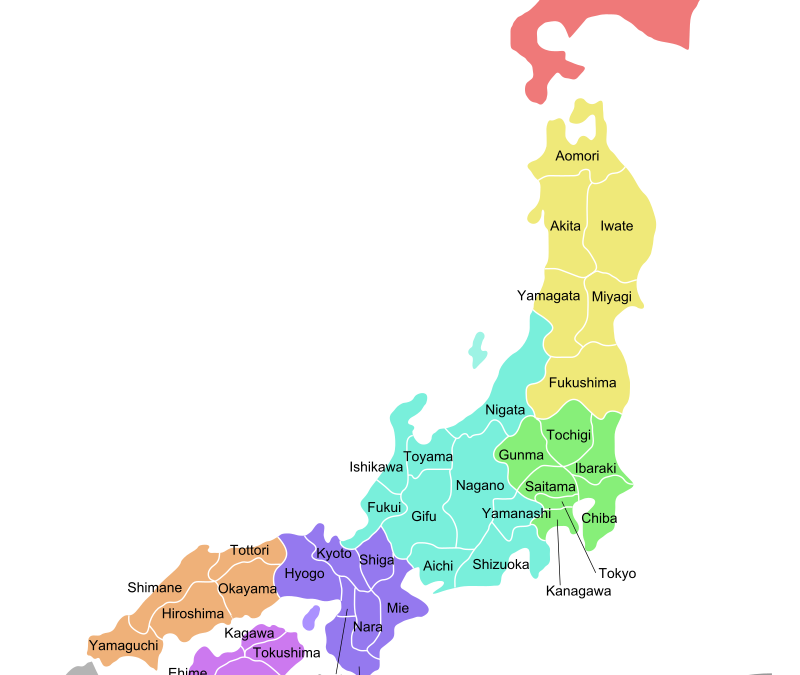
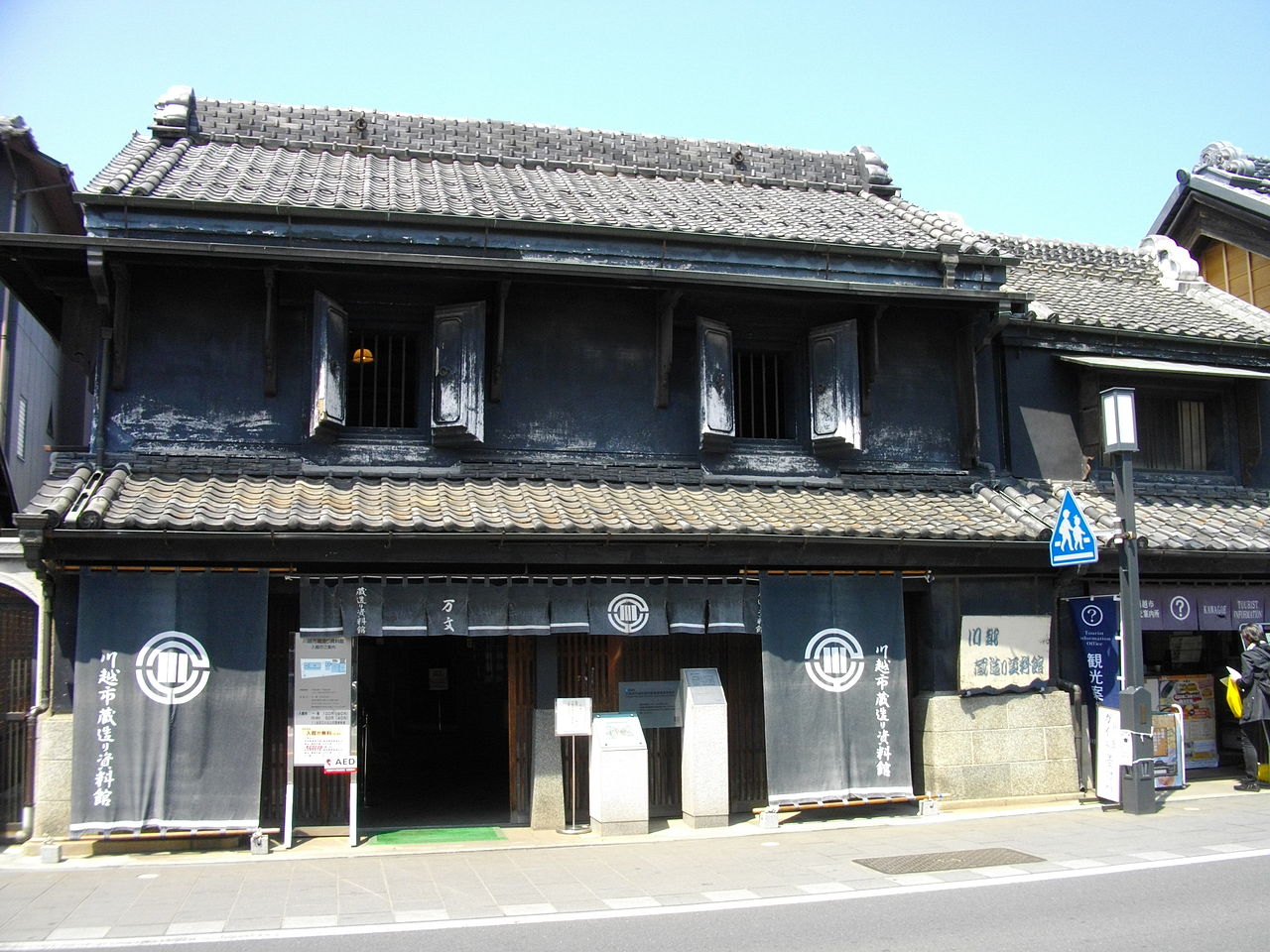
Kasukabe sits on the flat Kantō plain in Saitama Prefecture, immediately north of Tokyo. In the Edo period it was Kasukabe-juku, a post town on the Nikko Kaido — the highway that carried travelers, officials, and pilgrims from Edo to the Tokugawa mausoleum at Nikko. Post towns were service hubs: lodging, horses, and tradespeople clustered where the road and the river traffic met, and Kasukabe had both, sitting near the Tone and Edo river routes.
That river access matters to this craft specifically. Paulownia logs from Aizu and other upstream regions reached the town by water, giving local joiners a steady supply of the light, pale wood the craft depends on. Raw material and skilled hands arrived at the same place.
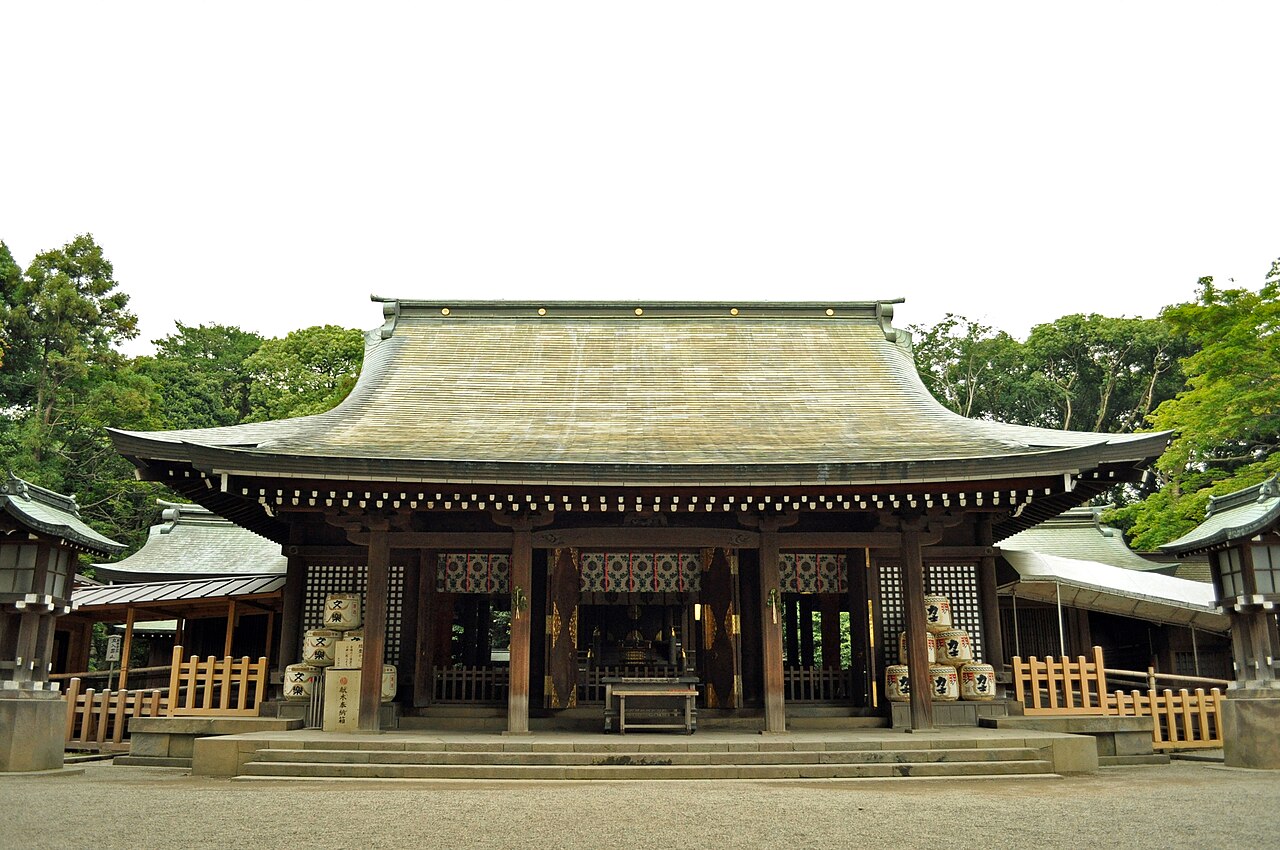
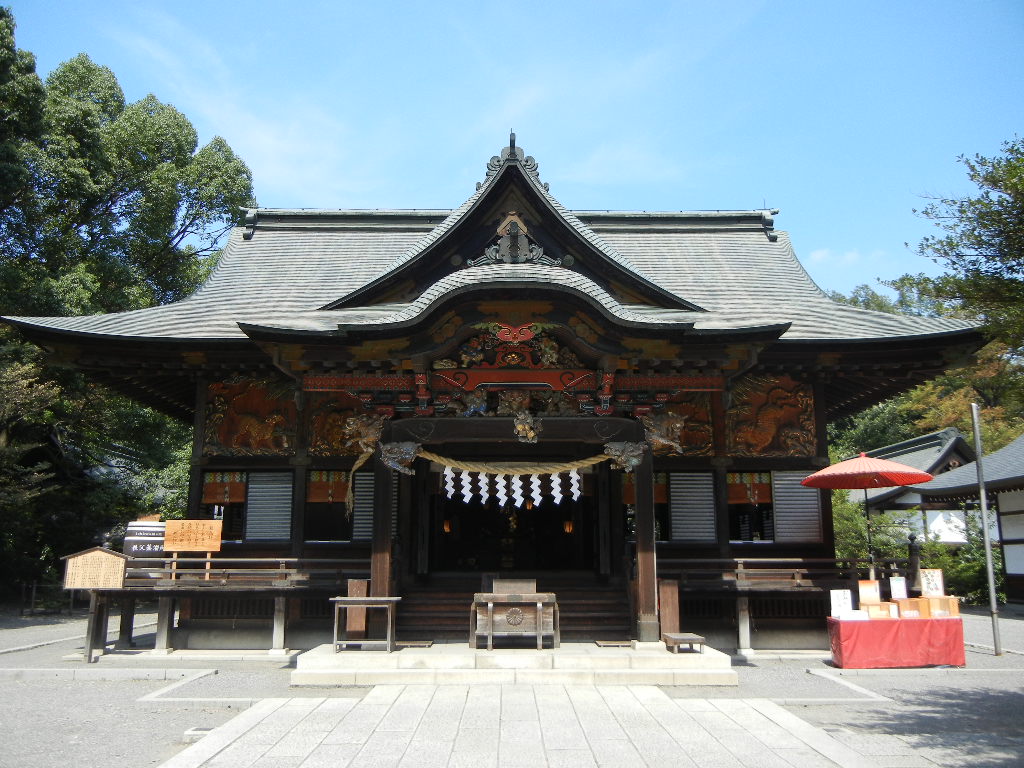
The historical anchor is the construction at Nikko. In 1617, Tokugawa Ieyasu was enshrined at Nikko Tosho-gu, and the building campaigns there drew shrine carpenters and joiners from across the country. When the major work was done, many of those craftspeople settled along the Nikko Kaido — including in Kasukabe — and in peacetime redirected their carving and joinery toward everyday goods. Paulownia chests, boxes, and rice containers were the practical result.
- 1603 — The Edo shogunate is established; the Nikko Kaido becomes a major highway through the Kantō plain.
- 1617 — Tokugawa Ieyasu is enshrined at Nikko Tosho-gu; large construction draws shrine carpenters and joiners.
- Edo period — Kasukabe-juku thrives as a post town; sashimono-shi settle and turn to everyday paulownia goods.
- Edo period — Paulownia logs from Aizu and upstream reach the town via the Tone and Edo river routes.
- 1979 — The craft is designated a national Traditional Craft under the name Kasukabe Kiri-tansu.
- 2026 — Kasukabe paulownia joinery is still produced, from chests to rice containers.
This is the same shrine-construction-to-domestic-craft continuity that produced Nikko-bori carving and Suruga sashimono further along the Tokaido. The pattern repeats across central Japan: large religious building projects concentrate skilled woodworkers, and when the scaffolding comes down, the skills stay and find new, smaller objects to make. The craft was recognized as a national Traditional Craft in 1979 under the Kasukabe Kiri-tansu name.
“When the shrine scaffolding came down at Nikko, the joinery did not disappear — it moved into the kitchen, where a rice box needed the same precise, nail-free fit as a temple gate.”
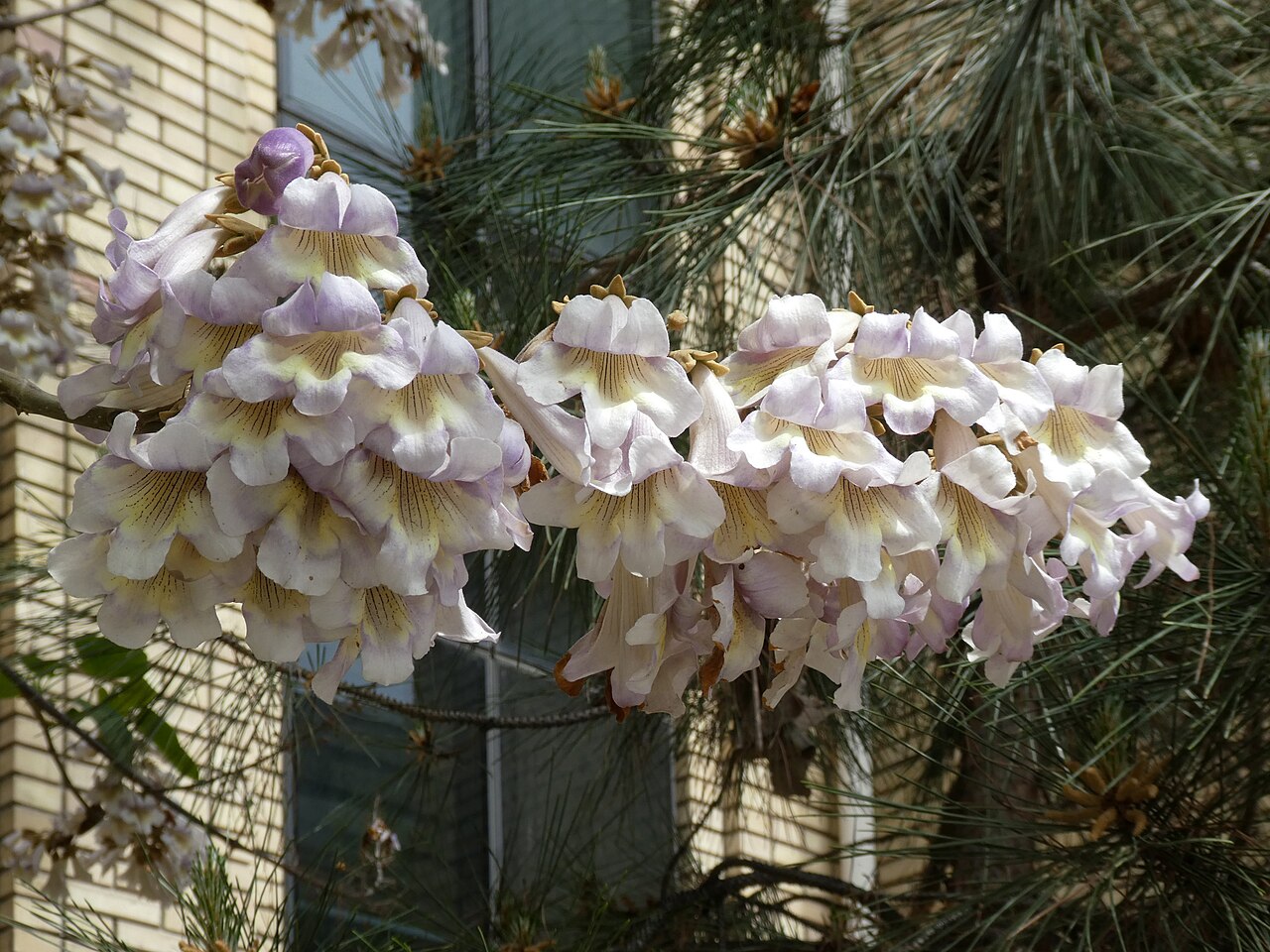
Why paulownia, and why for rice? Kiri is traditionally valued for three properties at once: it is very light, it regulates moisture by absorbing and releasing humidity, and it repels insects. Those qualities made it the default wood for chests that store silk kimono, and the same logic carries to a rice container — a material that buffers humidity and discourages pests is doing exactly what stored rice needs. These are folk-traditional and craft-functional claims about the wood’s behavior, not laboratory guarantees, and a real container’s performance depends on airflow and household conditions.
Price snapshot across stores
Currency note: where a JPY price is shown, it is the authoritative figure; USD figures are approximate estimates at a ¥150/USD baseline as of mid-2026 and depend on the current exchange rate. For this specific item, the live JPY price was unavailable at the time of writing, so verify it at the listing.
| Store | Item / Variant | Price (JPY + USD est.) | Notes |
|---|---|---|---|
| 🇺🇸 Amazon US (search) | Browse Japanese paulownia rice containers | varies (USD) | Best if you are shopping from the US — Prime shipping, USD pricing, no international customs. Amazon US carries Japanese paulownia and kiri storage goods from various makers; the specific Kasukabe-style item is sourced from Japan (next row). |
| 🇯🇵 Amazon JP Global Store | Kiri rice container with measuring lid (ASIN B07JC1J6VN) | Price unconfirmed — verify at listing | The sourced listing for the specific item. Ships internationally from Japan to most major destinations. |
| Maker direct | Kasukabe paulownia workshops | — | Some Kasukabe kiri workshops sell direct within Japan; international shipping is not always offered. Confirm before ordering. |
| Proxy services (Buyee / Tenso) | Any JP-only listing | item price + forwarding fee | Useful when a maker or shop ships only within Japan. Adds a forwarding fee and a consolidation step. |
What it does well
Weaknesses and things to verify before buying
- Capacity is unconfirmed in the data. The fetched listing snapshot did not state a verified capacity. If you buy rice in a specific bulk size, confirm the container holds it before ordering.
- It breathes — it does not seal airtight. Paulownia’s moisture regulation is the opposite of a vacuum seal. If you want a hermetic, pest-proof container, this is the wrong category.
- Natural wood needs care. Bare paulownia should be kept dry, wiped rather than washed, and aired occasionally. It is not dishwasher- or water-friendly.
- Price was unavailable at the time of writing. Only a single JP listing snapshot was available, without confirmed live pricing. Check the current figure at the listing.
- International shipping and customs add cost. From Japan, expect a shipping charge and possible import duty depending on your country’s threshold. Factor this into the total, not just the item price.
- Humid, still environments are a challenge. The wood works best with some airflow. In a very humid room with no ventilation, any rice storage needs extra attention regardless of material.
Conclusion — which buyer type are you?
Other ways to approach this purchase
🏆 Editor’s Pick
❓ Frequently Asked Questions
Does Amazon JP Global Store ship a paulownia rice container internationally?
Amazon JP Global Store ships many household wooden goods to most major destinations, and the sourced listing for this item is on the Global Store. Confirm that your country is eligible and check the shipping estimate at checkout, since coverage varies by item.
How do I care for a paulownia rice container?
Keep it dry, wipe it rather than washing it, and air it out occasionally. Paulownia is a natural, breathing wood; it should not be soaked, put in a dishwasher, or stored in a damp, sealed space without ventilation.
Is it airtight or pest-proof?
No. Paulownia regulates humidity by breathing, which is the opposite of an airtight seal. The wood is traditionally valued for discouraging insects, but if you need a hermetic, fully pest-proof container, choose a sealed plastic or stainless model instead.
What capacity does it hold?
The capacity was not confirmed in the available data. Check the current listing before buying, especially if you store rice in a specific bulk quantity.
What makes Kasukabe paulownia special?
Kasukabe was a post town on the Nikko Kaido where shrine carpenters and joiners settled after the 17th-century construction at Nikko, redirecting their nail-free joinery toward everyday paulownia goods. The craft was designated a national Traditional Craft in 1979 as Kasukabe Kiri-tansu.
Is it a good gift?
It suits a cook or a new household that values craft and will maintain natural wood. For recipients who prefer low-maintenance, dishwasher-safe kitchenware, a simpler sealed container is a more practical gift.
jpmono.com is curated by a Japan-based editorial team (working out of Toyama in the Hokuriku region and Nara in Kansai) and is independent. We do not take payment from the makers we feature; income comes from affiliate links. We do not physically test every product — we read maker specs and source listings — and we flag where data is thin.
This article was produced with AI assistance and reviewed against the available product listing data. Where specifications or pricing were unconfirmed in the source data, that is stated explicitly rather than estimated.
Affiliate disclosure: jpmono.com may earn a commission on qualifying purchases made through links on this page, at no additional cost to you.