![Kishu Negoro-nuri Lacquer Plate: Wabi Red-Over-Black Urushi [2026]](https://jpmono.com/wp-content/uploads/2026/07/kishu-negoro-nuri-lacquer-plate-where-to-buy-2026-featured.jpg)
Kishu Negoro-nuri (紀州根来塗, “Negoro lacquer of the Kii province”) is one of the quietest objects in the Japanese lacquer canon. A coat of vermilion urushi is brushed over a black-lacquer ground, and then — with years of daily use — the red slowly wears back at the rim and the high points to reveal the black beneath. That worn, two-tone surface is the whole point. It has a name of its own, aka-negoro, and tea masters have prized it for centuries as an emblem of wabi: beauty that arrives through use and time rather than ornament.
The style takes its name from Negoro-ji, a Shingon temple in what is now Iwade, Wakayama, where monk-artisans once lacquered their own bowls, trays, and ritual vessels. This is not decorated, gilded show lacquer. It is temple-ware — durable, unadorned, made to be handled every day — and it survives today in Wakayama, geographically and spiritually tied to the neighboring monastic capital of Mount Koya.
This guide covers a Kishu Negoro-nuri round serving plate sold through Amazon, written from a Japan-based editor’s perspective. We look at what the piece is, how the red-over-black technique behaves in real use, where the tradition comes from, how it compares to other Japanese lacquer we have covered, and — for international readers — exactly where and how to buy it from outside Japan.
🔄 Updated: July 2, 2026
⏱️ Read time: ~11 min

- Who this is for — and who should skip it
- Product overview (from published specs)
- 📍 Where this comes from — place, era, and the craft tradition
- 📦 Shipping & where to buy from outside Japan
- Price snapshot across stores
- What it does well
- Weaknesses and things to verify before buying
- Conclusion — which buyer type are you?
- Other ways to approach this purchase
- 🏆 Editor’s Pick
- ❓ Frequently Asked Questions
Who this is for — and who should skip it
- Want lacquerware you will actually use daily, not display in a cabinet
- Are drawn to wabi restraint — two-tone red-over-black rather than gold maki-e
- Like objects that improve, and change color, as they age
- Appreciate the temple-ware lineage behind Kishu / Negoro lacquer
- Serve Japanese food and want a plate at kaiseki or tea-table scale
- Want a dishwasher- and microwave-safe everyday plate
- Expect a flawless, uniform factory finish that never changes
- Prefer bright, permanently glossy colors over a matte, worn look
- Need confirmed dimensions and weight before buying (see caveats)
- Are shopping purely on price and want the cheapest serving dish
Product overview (from published specs)
The fetched data for this piece is thin: the Amazon US search returned no individual listing, and the item is sourced from an Amazon JP Global Store listing snapshot. Where a spec is not confirmed in the data, the table says so rather than guessing. Do not treat the blank cells as zero — treat them as “verify on the listing before you buy.”
Kishu Negoro-nuri Lacquer Plate
根来塗 盆 和歌山県伝統工芸品 紀州漆器
通常6~7日以内に発送します。 · Sold by いろとりどりショップ · ASIN B0G6BL26RR
Price and availability as of 2026-08-31 02:30 JST. The Amazon listing at the time of purchase is authoritative. jpmono.com earns a commission on qualifying purchases at no extra cost to you.
| Attribute | Detail (per available data) | Source |
|---|---|---|
| Item | Kishu Negoro-nuri round lacquer serving plate | Spec + listing |
| Technique | Vermilion urushi over black ground; worn aka-negoro finish | Craft tradition |
| Origin | Wakayama (Kishu), Kansai, Japan | Spec |
| Material | Wood core with layered natural urushi lacquer | Craft tradition |
| Diameter / weight | Unconfirmed — check the listing before buying | Not in fetched data |
| ASIN | B0G6BL26RR | Spec |
| Price | Not shown in the current data snapshot — verify at the listing | Not in fetched data |
📖 Glossary — key terms
Negoro-nuri (根来塗) — a lacquer style of vermilion urushi applied over a black-lacquer ground, named after Negoro-ji temple. Prized for how the red wears back to reveal black with use.
Aka-negoro (赤根来) — the “red Negoro” look: the surface where vermilion still dominates but has begun to wear at the edges. (The reverse, black over red, is kuro-negoro.)
Urushi (漆) — natural lacquer, the refined sap of the lacquer tree. It cures into a hard, water-resistant film and is the base material of nearly all traditional Japanese lacquerware.
Wabi (侘び) — an aesthetic that values quiet, imperfect, weathered beauty over showiness; central to the tea ceremony.
Kishu (紀州) — the historical name for Kii province, corresponding largely to modern Wakayama Prefecture.
Shingon (真言宗) — a major school of esoteric Japanese Buddhism, centered at Mount Koya; Negoro-ji belongs to its Shingi (reform) branch.
Related pieces we have covered — other Kishu crafts, and other Japanese lacquer traditions worth weighing against Negoro-nuri.
 Kishu Hinoki Bath Bucket
Same Wakayama region — cypress woodwork
 Kishu Nel Flannel Muffler
Another Kishu textile craft
Nara Shikki Raden Mirror
Kansai lacquer with shell inlay
 Kyo Shikki Maki-e Kogo
The gilded opposite of Negoro restraint
 Naruko Kijiro Soup Bowl
Wood-grain lacquer, Tohoku
 Tosa Lacquer Katakuchi
Shikoku lacquer, sake pourer
Gohara Kijiro Mulberry Bowl
Mulberry-wood lacquer bowl
📍 Where this comes from — place, era, and the craft tradition

Wakayama Prefecture occupies the southern half of the Kii Peninsula, the mountainous limb of land that juts into the Pacific south of Osaka and Nara. It is one of Japan’s rainiest, most heavily forested provinces — a landscape of steep cedar slopes, pilgrimage trails, and remote temples. Historically it was called Kishu, or Kii province, and its identity has always been bound to religion rather than commerce: this is the province of Mount Koya and of the Kumano pilgrimage routes, a place people came to, not through.
That religious geography is exactly why Negoro-nuri exists. The style is named for Negoro-ji, a temple in what is now Iwade in northern Wakayama, founded as the center of the Shingi (reform) branch of Shingon Buddhism by the monk Kakuban in the 12th century. Kakuban (1095–1143) had first tried to reform the older monastic community on Mount Koya itself; when that met resistance, the movement he inspired eventually took root at Negoro, only a short distance away across the same forested uplands.
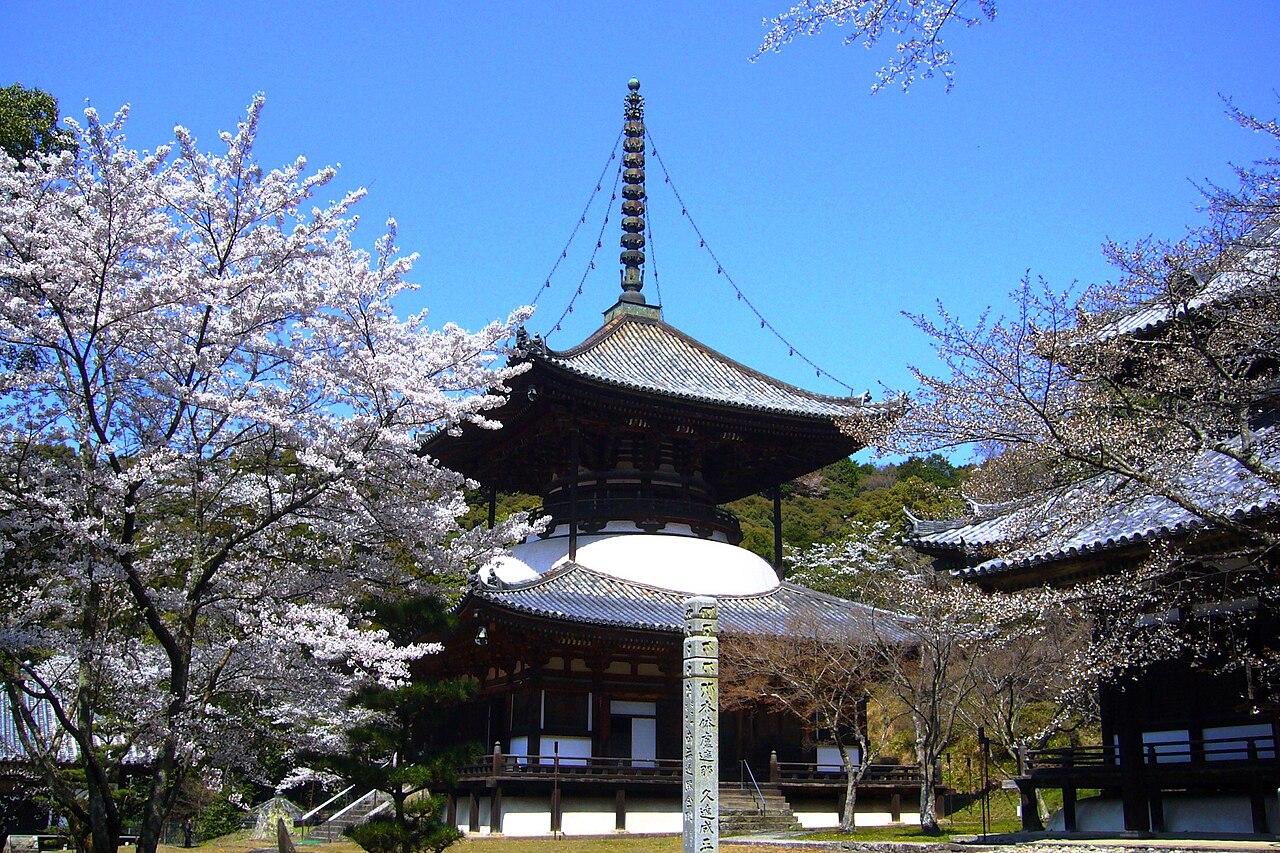
From the Kamakura period (1185–1333) onward, the monks and lay artisans attached to Negoro-ji made their own utensils. They lacquered bowls, trays, and ritual vessels for temple life, and the standard finish was practical rather than decorative: a durable black-lacquer ground, sealed under a top coat of vermilion urushi. These were working objects, handled at every meal and every service.
Over years of that handling, something happened that no one designed. The vermilion top coat wore thinnest where hands and mouths and cloths touched most — rims, high points, the centers of trays — and the black ground showed through in soft, irregular patches. The result was a red-and-black surface that looked lived-in and unrepeatable.
“Negoro-nuri is one of the few crafts where the object is considered most beautiful not when it leaves the workshop, but decades later — after use has worn the red back to the black beneath.”
Tea masters noticed. By the 16th and 17th centuries, the worn aka-negoro look had become an admired ideal, an emblem of wabi — the aesthetic that prizes quiet, weathered, imperfect things over polished ornament. What began as honest temple-ware was reframed as high taste, and antique Negoro pieces are now among the most valued objects in the lacquer world.
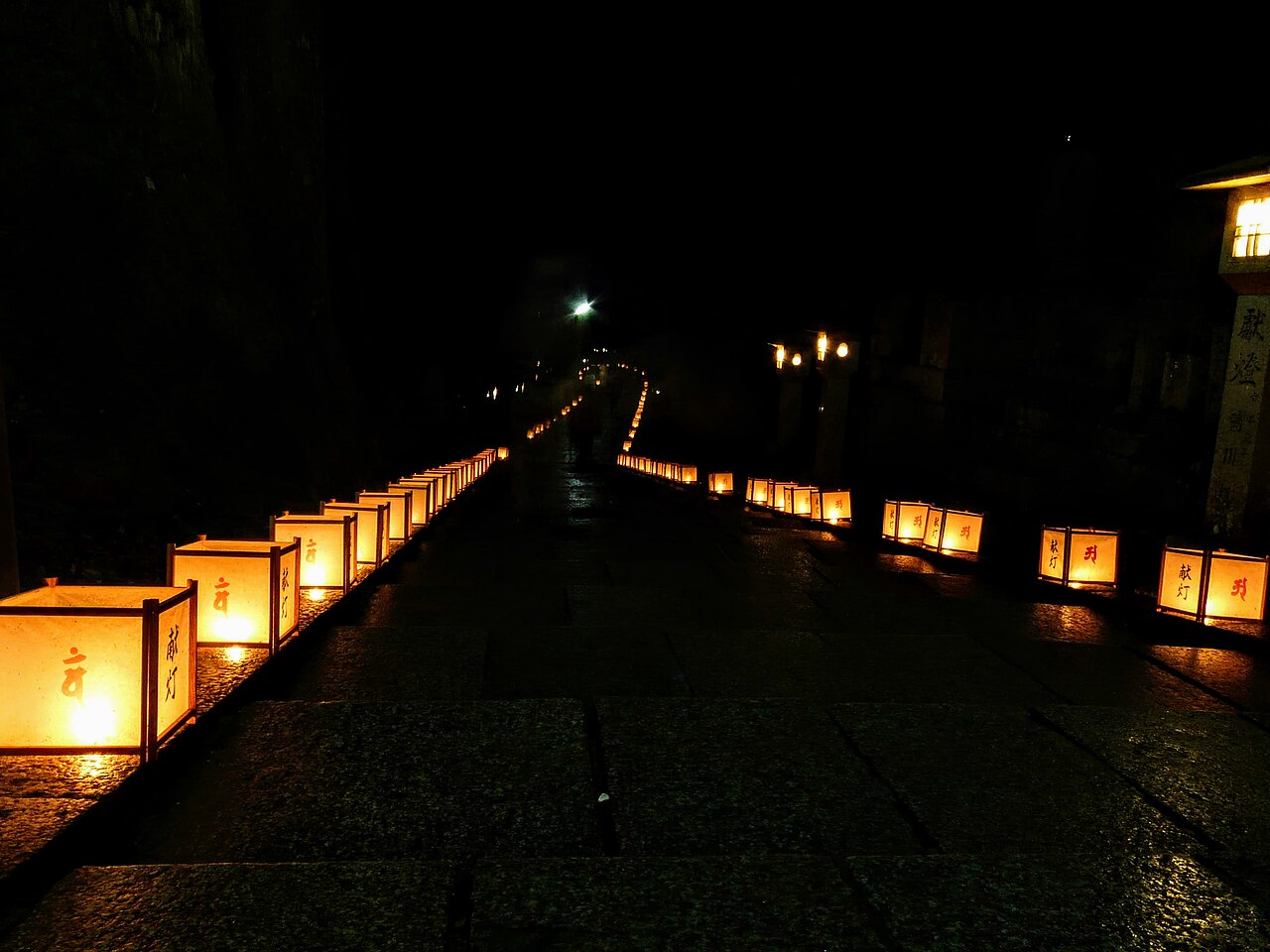
- 1095–1143 — Lifetime of the monk Kakuban, founder of the Shingi Shingon reform movement.
- 12th century — Negoro-ji develops in Kii province as a Shingi Shingon center.
- 1185–1333 — In the Kamakura period, temple monk-artisans lacquer their own vessels: vermilion over a black ground.
- 1585 — Toyotomi Hideyoshi’s Kishu campaign burns Negoro-ji; its craftsmen scatter, spreading the technique nationwide.
- 16th–17th c. — Tea masters prize the worn aka-negoro look as an emblem of wabi.
- Edo period — A senior Tokugawa branch domain seated at Wakayama Castle governs and preserves Kishu craft.
- 20th–21st c. — The style survives in Wakayama as durable, unadorned lacquerware.
- 2026 — Negoro-nuri plates and bowls are still made and sold from Wakayama.
The tradition nearly ended in a single year. In 1585, Toyotomi Hideyoshi’s campaign to subdue Kii province put Negoro-ji to the torch. The temple — which by then wielded significant military and economic power — was largely destroyed, and its artisans dispersed. Paradoxically, that scattering is one reason the technique endured: the fleeing craftsmen carried Negoro methods to other regions, seeding lacquer production well beyond Kishu.
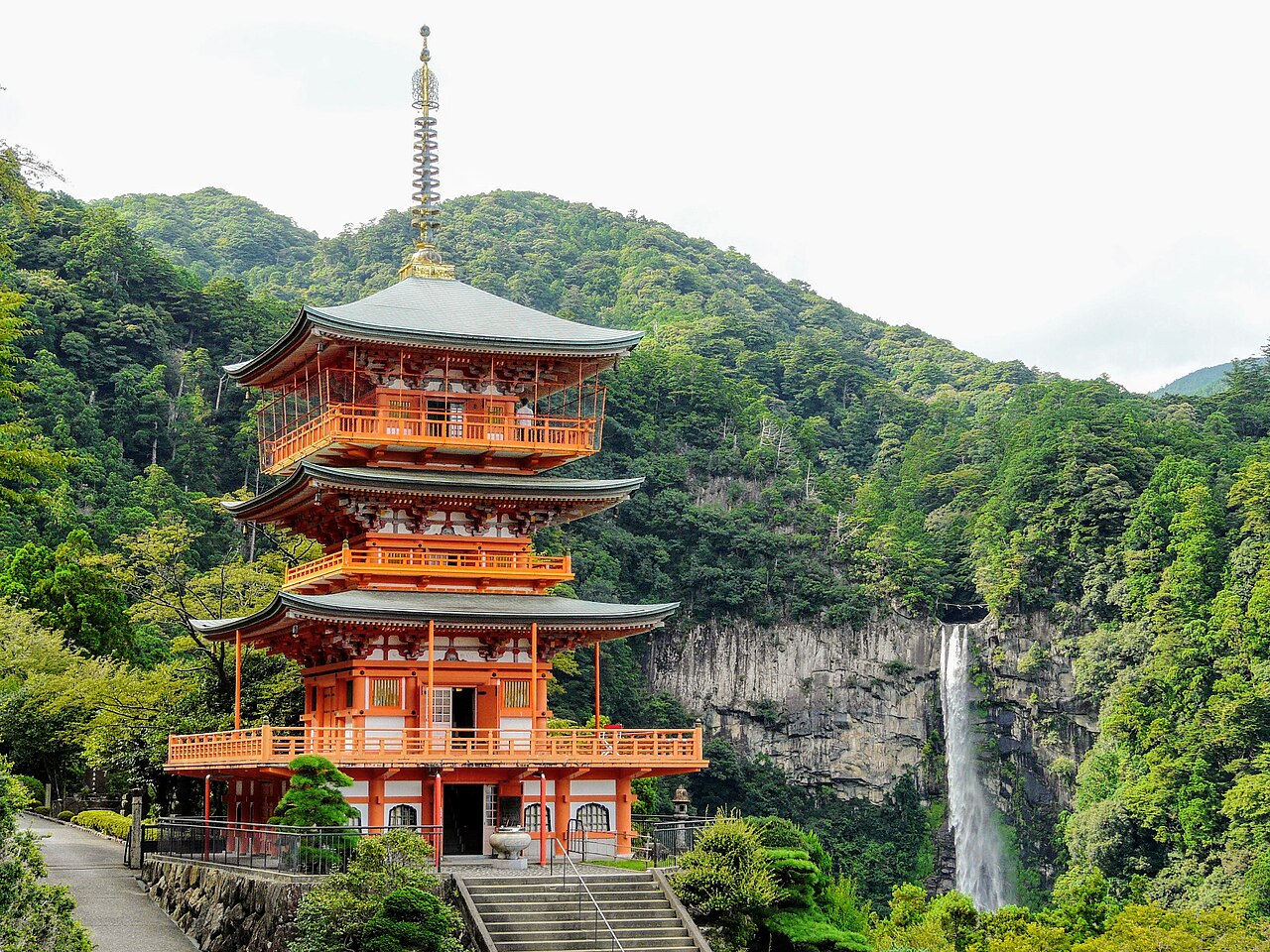
After the destruction, Kishu recovered its footing under the Edo order. Wakayama Castle became the seat of one of the three senior Tokugawa branch houses — a domain of the first rank — and the province’s crafts continued under that patronage. Negoro-style lacquer never became a mass luxury export the way some other regional wares did, but it survived as what it had always been: sturdy, plain, useful lacquer.
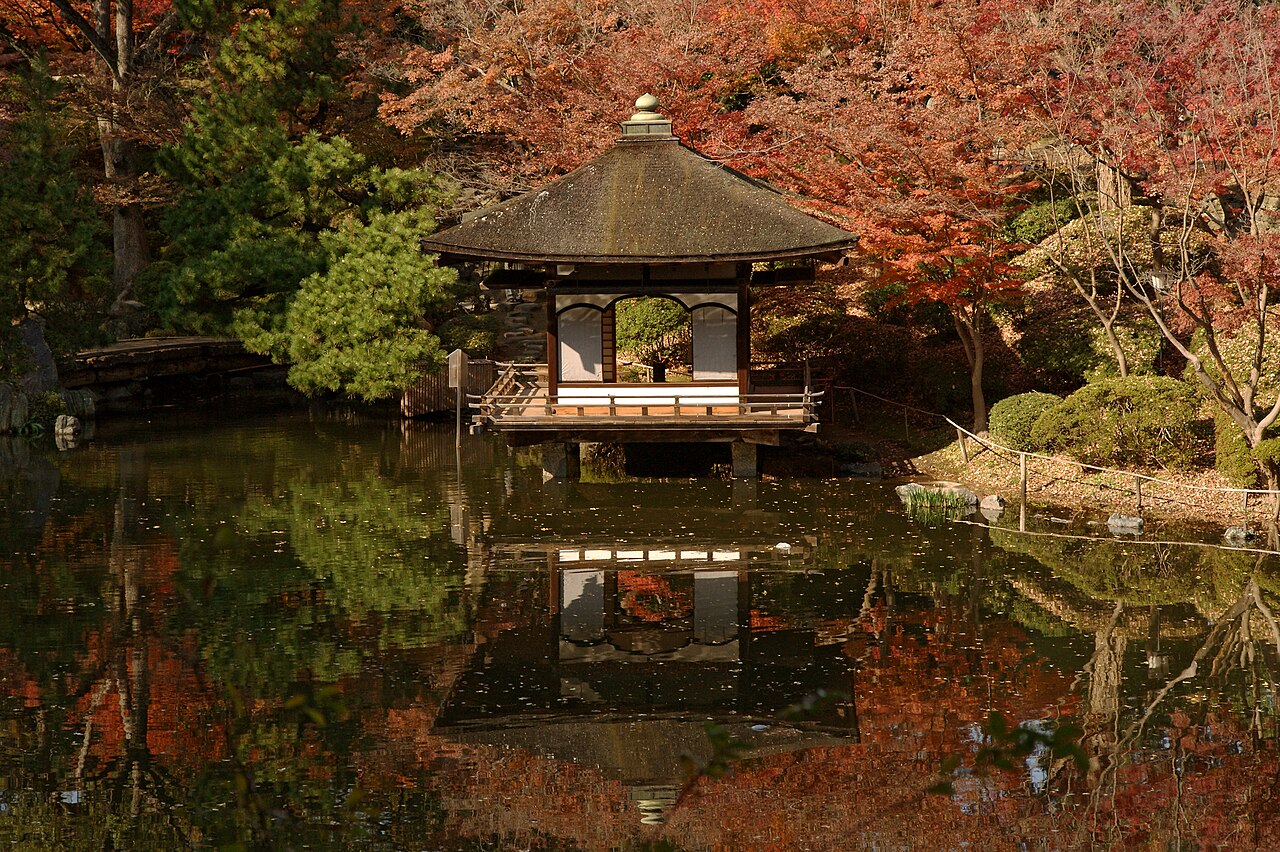
That continuity is the point when you buy a Negoro plate today. The finish you receive — vermilion over black, ready to wear back over years — is a direct descendant of temple-workshop lacquer from a Shingon province whose Buddhist life is roughly nine centuries deep. It is a working object with a monastic pedigree, still made in the same corner of Japan that named it.
📦 Shipping & where to buy from outside Japan
This specific plate is sourced from an Amazon JP Global Store listing, which ships internationally to most major destinations. For readers outside Japan, there are three realistic paths.
Best if you are shopping from the US — Prime shipping, USD pricing, no customs to manage. Amazon US carries a range of Japanese lacquerware and serving plates from various makers, useful for comparing size and price tiers. This exact Kishu Negoro piece is sourced from Japan (next option).
Where this specific item is listed. Ships internationally from Japan; expect roughly $15–$40 shipping to the US or EU, higher to other regions. Customs duties may apply above your country’s import threshold.
If a listing will not ship to your country directly, a forwarding service with a Japanese address (Buyee, Tenso) can receive and re-ship it. Adds a handling fee but widens availability.
Prices in USD are approximate and depend on the current exchange rate (¥150/USD baseline as of mid-2026). Lacquerware is non-electrical, so there are no voltage concerns; the main import consideration is customs duty on orders above your local threshold.
Price snapshot across stores
| Store | Item / Variant | Price (JPY + USD est.) | Notes |
|---|---|---|---|
| 🇺🇸 Amazon US (search) | Browse Japanese lacquer serving plates | varies (USD) | Best if shopping from the US — Prime shipping, USD pricing, no international customs. Amazon US carries Japanese lacquerware from various makers; the exact Kishu Negoro piece ships from Japan (next row). |
| 🇯🇵 Amazon JP Global Store | Kishu Negoro-nuri round serving plate (ASIN B0G6BL26RR) | Price not in current data — verify at listing | Ships internationally from Japan. This is the sourced listing for the specific item. |
| Maker direct | Kishu / Negoro lacquer workshops | Varies | Some Wakayama workshops sell direct but may not ship abroad; check per maker. |
| Proxy services (Buyee / Tenso) | Forwarded JP listings | Item price + handling | Use when a listing will not ship to your country directly. |
What it does well
The aka-negoro finish is designed to change: vermilion wears back to black at the rim and high points, giving each plate a unique surface over years of use.
Negoro lacquer began as everyday temple-ware. Layered urushi over a wood core is warm to the touch, quiet against ceramics, and forgiving of daily handling.
Two colors, no gold, no pattern. It suits a wabi table and pairs cleanly with ceramics, wood, and plain linen.
A named, centuries-old technique from a specific Shingon temple region — meaningful for gifting and for buyers who value verifiable heritage.
Weaknesses and things to verify before buying
- Dimensions and weight are unconfirmed in the data. Diameter matters a great deal for a serving plate — confirm the exact size on the listing before ordering.
- Price was not in the fetched snapshot. Check the live listing; lacquerware pricing varies widely with maker, size, and whether the piece is machine-assisted or fully hand-lacquered.
- Not dishwasher or microwave safe. Natural urushi requires hand washing, gentle drying, and no prolonged soaking. Treat it like fine woodenware.
- The finish will change. If you want a plate that stays permanently identical and glossy, the intentional wear-through of Negoro-nuri will disappoint you — that is a feature, not a defect.
- Handmade variation. Color depth, surface sheen, and the exact red-to-black balance differ piece to piece; the item you receive may not match the photo precisely.
- Fresh urushi can have an odor and, rarely, cause skin sensitivity in people allergic to lacquer sap. Airing a new piece for a few days is a common practice.
- International shipping and customs add cost and time; factor duties above your local import threshold into the total.
Conclusion — which buyer type are you?
You want fully hand-lacquered Kishu / Negoro work and value provenance. Confirm the maker and lacquering method, then buy the best single piece you will use for decades.
You want a genuine Negoro-look serving plate for real use. This listing is a sensible starting point — verify size and price, then order from the JP Global Store.
Compare on Amazon US first for lower-cost lacquer-style plates. Accept that budget pieces are often lacquer-coated composites rather than layered natural urushi.
You need a dishwasher-safe, unchanging everyday plate. Natural urushi’s care needs and evolving finish are not for you — choose ceramic or melamine instead.
Other ways to approach this purchase
Lacquerware is rarely deeply discounted, but Amazon seasonal events and yen movement can shift the effective price for international buyers. Watch the listing.
Because worn Negoro is prized, aged pieces have a real secondhand market. Well-used vintage lacquer can be more desirable — and pricier — than new.
If you buy through Amazon regularly, applying points or a rewards card offsets international shipping on the JP Global Store order.
If care and evolving color do not appeal, a simple ceramic serving plate serves the same function with none of the maintenance.
🏆 Editor’s Pick
❓ Frequently Asked Questions
What is Negoro-nuri, exactly?
Why does the red wear away, and is that a defect?
How do I care for a Negoro lacquer plate?
Can I buy this from outside Japan?
How is Negoro-nuri different from gold maki-e lacquer?
Is it safe for food and everyday meals?
Does it make a good gift?
jpmono.com is curated by a Japan-based editorial team (working out of Toyama in the Hokuriku region and Nara in Kansai) and is independent. We do not take payment from the makers we feature; income comes from affiliate links. Read more about our editorial standards.
This article was prepared with AI assistance and reviewed against the available product data and craft-tradition sources. Specifications, prices, and availability should be confirmed at the retailer before purchase.
Affiliate disclosure: jpmono.com may earn a commission on qualifying purchases made through links on this page, at no additional cost to you.