![Koshu Tenkoku-to Seal Engraving Knife: Yamanashi’s Carving Blade [2026]](https://jpmono.com/wp-content/uploads/2026/05/japan-map-regions-and-prefectures-800x1050.png)
A tenkoku-to (篆刻刀, “seal-engraving knife”) is the smallest serious blade in a Japanese workshop, and arguably the most demanding. It is a narrow, single-bevel rod of carbon steel ground to a flat chisel edge, and its only job is to cut characters into the face of a seal — in soft seal stone, in horn, in dense boxwood, and historically in rock crystal. The piece covered here is a hand-forged carbon-steel tenkoku-to rooted in the seal-carving tradition of Yamanashi Prefecture, the heartland of Japan’s hanko (印鑑, “name seal”) industry.
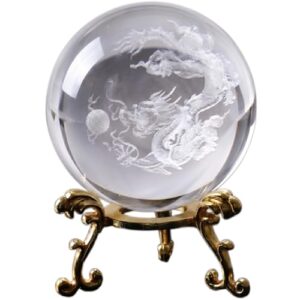
What makes Yamanashi the natural home for this blade is a chain of craft that goes back to quartz. The mountains above Kofu once gave up clear rock crystal, which local artisans learned to polish into spheres and engrave into crystal seals; that lapidary culture, paired with the seal-carving town of Rokugo, turned the region into the country’s foremost producer of name seals. The carving knife is the working tool at the center of that heritage — unglamorous, but the thing that actually does the cutting.
This guide is written for the engraver, the calligrapher, and the collector who wants a real Japanese carving blade rather than a hobby gouge — and it is honest about who should skip it. We cover the tool’s characteristics, the regional history that gives it context, international shipping, a general price overview across stores, strengths, weaknesses, and the buyer types it actually fits.
🔄 Updated:
⏱️ Read time: ~11 min
- Who this is for — and who should skip it
- Product overview (from published specs)
- Buying options
- What it does well
- Weaknesses and things to verify before buying
- Conclusion — which buyer type are you?
- Other ways to approach this purchase
- Where this comes from — place, era, and the craft tradition
- ❓ Frequently Asked Questions
Who this is for — and who should skip it
- Practice tenkoku (seal engraving) or want to cut your own hanko faces
- Already work with carbon steel and are comfortable sharpening a single bevel
- Want a hand-forged Japanese blade with a documented regional tradition behind it
- Value precision control over a fixed handle for fine, deliberate cuts
- Are building a calligraphy or seal-carving kit and want the cutting tool, not a kit toy
- Just need a finished name seal — buy a ready-carved hanko instead
- Want a stainless, zero-maintenance tool (carbon steel rusts without care)
- Have never sharpened a single-bevel edge and do not want to learn
- Expect general wood whittling or kitchen use — this is a specialist carving blade
- Need guaranteed live US stock today (this is sourced from Japan)
Product overview (from published specs)
These characteristics describe a hand-forged, single-edge (single-bevel) carbon-steel carving knife intended for seal engraving. Where a value is not stated for a particular piece, the cell is marked rather than guessed.
| Attribute | Detail |
|---|---|
| Item type | Tenkoku-to / insō — seal-engraving carving knife |
| Blade material | Hand-forged carbon steel |
| Edge geometry | Single-bevel (single-edge) |
| Intended use | Cutting seal faces in stone, horn, boxwood, crystal |
| Tradition / origin | Koshu (Yamanashi) seal-carving and crystal-engraving lineage |
| Blade dimensions / weight | — |
The craft context is based on regional background and maker information. Available pieces and prices vary, so confirm current details with a Japanese craft retailer or maker.
📖 Glossary — key terms
Tenkoku-to (篆刻刀) — a seal-engraving knife. Tenkoku is the art of carving seals, traditionally in the ancient seal-script style; -to means blade.
Insō (印想 / carving blade) — a general term for the engraving tool used to cut seal faces.
Hanko / inkan (判子・印鑑) — a personal name seal, still used in Japan to sign documents in place of a handwritten signature.
Koshu (甲州) — the old name for Kai Province, present-day Yamanashi Prefecture. Used as a brand prefix for the region’s crafts.
Rokugo (六郷) — a district now part of Ichikawamisato, long known as the “town of seals” (hanko no sato).
Suishō (水晶) — rock crystal (clear quartz), the material that seeded Koshu’s lapidary and crystal-seal trades.
Single-bevel — sharpened on one face only, like a chisel. It tracks a precise line but must be sharpened correctly to cut true.
Related Japanese craft guides on jpmono — the Koshu craft cluster, plus other hand-forged blade and fine-carving traditions worth comparing.
 Koshu crystal carvingThe lapidary craft that seeded the seal trade
 Koshu Inden leatherAnother flagship Yamanashi craft
 Koshu-ori weavingYamanashi’s jacquard textile tradition
 Seki blade craftPrecision steel from Japan’s blade city
 Echizen hand-forged bladeCompare forging and single-bevel geometry
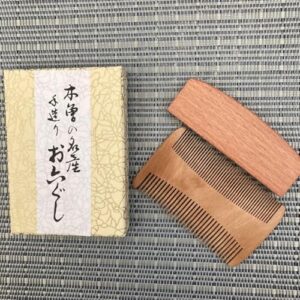 Kiso fine handcraftNeighboring Chūbu precision craft
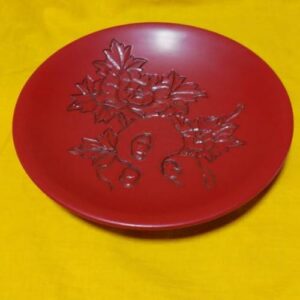 Carved lacquer craftWhere the carving knife meets lacquerwork
Buying options
Prices for hand-forged seal-engraving knives vary with steel, grind, handle, and finish. USD figures are approximate and depend on the current exchange rate (¥150/USD baseline as of mid-2026).
| Store | Item / Variant | Price | Notes |
|---|---|---|---|
| 🇺🇸 Amazon.com (US) | Browse Japanese carving & seal-engraving knives | varies (USD) | Best if you’re shopping from the US — Prime shipping, USD pricing, no international customs. Amazon US carries Japanese carving knives and engraving tools from various makers; the specific Koshu blade ships from Japan (next row). |
| 🇯🇵 Amazon JP Global Store | Koshu hand-forged tenkoku-to | — | International shipping from Japan may be available; terms vary by destination. Purchase terms may change. |
| Maker direct | Koshu seal-carving workshops | Unconfirmed — check workshop site | Some Yamanashi tool makers sell direct but may not ship abroad; Japanese-language ordering is common. |
| Proxy services (Buyee / Tenso) | Forwarding from JP-only sellers | Item price + fee + forwarding | Use when a workshop ships only within Japan. Adds a service fee and a forwarding leg; verify blade-export rules for your country. |
What it does well
Carbon steel takes a keen, fine edge and re-sharpens easily — the behavior an engraver wants for clean lines in stone and boxwood.
The single-bevel geometry tracks a deliberate line, the core requirement of tenkoku where each stroke of seal script is cut by hand.
It comes from the Koshu seal- and crystal-carving tradition — a documented craft economy, not generic “artisan” branding.
Sourced through Amazon JP Global Store, which ships internationally to most major destinations — a small, light item with low shipping overhead.
“The seal is the signature of East Asia, and the tenkoku-to is the pen that writes it — backwards, in mirror image, one cut at a time.”
Weaknesses and things to verify before buying
- Carbon steel rusts. It needs wiping, drying, and a light oil film. If you want zero maintenance, this is the wrong tool.
- Single-bevel sharpening is a skill. An incorrectly ground edge will wander off the line. Budget time on a whetstone, or expect a learning curve.
- Specifications are limited. Confirm the knife’s fit and handling before buying.
- Budget guidance is limited. Set your budget independently before ordering.
- It is a specialist tool, not a general knife. It is made to cut seal faces; it is not a whittling, craft, or kitchen blade.
- Blade import rules vary. Most countries allow small craft blades by post, but confirm your local customs and carriage rules, especially if using a proxy forwarder.
- You still need the rest of the kit. Seal stone or blanks, a seal vise, sandpaper for facing, and ink paste are separate purchases.
Conclusion — which buyer type are you?
You engrave seriously and want a forged blade from the seal-carving heartland. This fits — pair it with quality seal stone and a proper whetstone.
You practice calligraphy or want to cut your own hanko. A solid entry into hand engraving — just commit to learning single-bevel sharpening.
You’re testing whether engraving is for you. A starter set of carving tools from the US search row may cost less to begin; upgrade to this later.
You only need a finished name seal, or you want no maintenance. Buy a ready-carved hanko instead — the knife is not for you.
Other ways to approach this purchase
Prices for Japanese craft tools can change with the yen. A weaker yen can lower the effective USD cost.
Used engraving tools appear on Japanese resale platforms; a forged carbon blade re-sharpens well, but inspect for rust pitting near the edge.
If you buy through Amazon regularly, applying points or a gift balance offsets the international shipping leg on a small item like this.
If carving is not your goal, commission a finished Koshu seal from a Yamanashi workshop instead of buying the tool.
Where this comes from — place, era, and the craft tradition

Yamanashi is one of Japan’s few fully landlocked prefectures, a basin of vineyards and orchards walled in by the Southern Alps to the west, the Misaka mountains to the south, and Mount Fuji on the border with Shizuoka. Its old name is Kai, and the regional craft prefix is Koshu (甲州). The prefectural seat, Kofu, sits roughly 100 km west of Tokyo — close enough to be reached in under two hours, but geographically a world apart, sealed inside its mountains.
Those mountains are the reason the seal knife exists here. The hills above Kofu, around the Mitake area and the gorge of Shosenkyo, once yielded clear rock crystal — natural quartz. Local artisans learned to grind and polish that crystal into spheres and, crucially, to engrave it, building a lapidary culture that demanded the finest possible cutting tools and the steadiest hands.
The craft economy that surrounded this work matured under the Takeda clan, whose Kai domain made Kofu its base. The domain’s lapidary and metalworking trades — the working of crystal, the cutting of fine materials — set the cultural conditions in which precision blade work could take root and pass down through generations of specialists.
- 16th century — The Takeda clan’s Kai domain centers craft and trade on the Kofu basin.
- Edo period — Quartz from Mitake and Shosenkyo is polished into spheres and engraved into crystal seals; Koshu lapidary culture forms.
- Edo period — The Rokugo district develops seal-carving as a cottage industry, becoming the “town of seals.”
- Meiji era onward — As name seals become essential to modern documents, Rokugo grows into Japan’s foremost hanko producer.
- 2005 — Rokugo merges into the new town of Ichikawamisato, which carries the seal tradition forward.
- 2026 — Ichikawamisato still produces a large share of the nation’s name seals; the tenkoku-to remains the working blade behind them.
The town of Rokugo — now part of Ichikawamisato, south of Kofu — is the place this lineage points to. Traditionally known as hanko no sato (“the town of seals”), it has produced a large share of the country’s name seals since the Edo period, when seal-carving spread there as a cottage industry. The two crafts reinforced each other: the crystal engravers needed precise blades, and the seal carvers needed precise blades, and the region became a center of fine engraving in stone, crystal, horn, and boxwood.
The tenkoku-to is the unglamorous heart of all of it. While the crystal sphere and the finished seal are the objects people admire, the narrow single-bevel carbon-steel blade is what actually cuts the character into the face. Traditionally believed to require years of practice to wield cleanly, it is the tool that connects a modern engraver’s hand to the lapidary and seal culture that grew up under the Takeda domain and the quartz of Shosenkyo.
❓ Frequently Asked Questions
What exactly is a tenkoku-to used for?
Why is it associated with Yamanashi?
Does it ship internationally?
How do I care for a carbon-steel carving blade?
Do I need anything else to start engraving?
Is this a good gift?
jpmono.com is curated by a Japan-based editorial team (working out of Toyama in the Hokuriku region and Nara in Kansai) and is independent. We do not take payment from the makers we feature; income comes from affiliate links. We do not physically test every product — we read maker specifications and regional craft references — and we focus on items with verifiable craft heritage and clear international shipping paths.
This article was prepared with AI assistance and reviewed against regional craft references. Specifications and pricing reflect information available at the time of writing and may change; verify details with the retailer or maker before purchasing.
Affiliate disclosure: jpmono.com may earn a commission on qualifying purchases made through links on this page, at no additional cost to you.