![Kurume Rantai Shikki Bamboo-Core Lacquer Bowl: Where to Buy [2026]](https://jpmono.com/wp-content/uploads/2026/05/japan-map-regions-and-prefectures-800x1050.png)
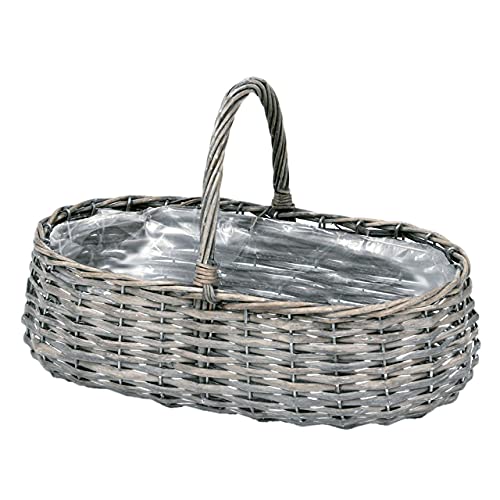
Rantai shikki (籃胎漆器, “basket-core lacquerware”) is one of the few Japanese lacquer traditions that begins not with a turned or carved block of wood, but with a basket. Thinly split lengths of madake bamboo are woven into a tight, light lattice, then sealed, ground, and built up with many coats of urushi until the woven body disappears under a hard, glossy skin — or, in wiped finishes, stays faintly visible as a quiet grid of grain. The result is a bowl that is unusually light for its rigidity, and one that no solid-wood lacquerware can quite imitate.
The craft is a local specialty of the Chikugo plain in southern Fukuoka Prefecture, on the island of Kyūshū, centered on the cities of Kurume and Yame. According to the source notes for this guide, it rose to prominence in the late Edo to Meiji period in a region already dense with two complementary skills: bamboo working and the lacquer-and-gilding trades that supplied the area’s Buddhist household altars (butsudan). Bamboo gave the body; the altar workshops gave the urushi expertise. Rantai shikki sits at the meeting point of the two.
This guide is written from the perspective of a Japan-based editorial team — working out of Toyama in the Hokuriku region and Nara in Kansai — for international readers who want to understand what they are buying and where to buy it. We cover what the form is, who it suits, how it compares with turned-wood lacquerware from Aizu, Echizen, and Yamanaka, and the practical question of getting one shipped outside Japan. One note up front: live pricing for Kurume rantai-shikki bowls varies by maker and finish, and not every workshop publishes a price list online; we describe purchase paths rather than quoting a firm figure.
🔄 Last updated: June 7, 2026
⏱️ Read time: ~11 min
- Who this is for — and who should skip it
- Product overview (from published specs)
- Where this comes from — place, era, and the craft tradition
- 📦 Shipping & where to buy from outside Japan
- Buying options across stores
- What it does well
- Weaknesses and things to verify before buying
- Conclusion — which buyer type are you?
- Other ways to approach this purchase
- ❓ Frequently Asked Questions
Who this is for — and who should skip it
- Want a serving or sweets bowl that is genuinely light to lift and pass around the table.
- Like the idea of a visible basketry grain showing faintly through a translucent or wiped urushi finish.
- Already own turned-wood lacquerware and want a structurally different piece for contrast.
- Value regional specificity — a craft made only on Fukuoka’s Chikugo plain, not a generic “Japanese bowl.”
- Are comfortable hand-washing and air-drying natural urushi ware.
- Need dishwasher- and microwave-safe tableware for daily heavy use.
- Expect the heft and density of a solid carved-wood or stoneware bowl.
- Want a guaranteed firm price before buying — live pricing was not available in our dataset.
- Dislike hand-finished variation and want every unit to look machine-identical.
- Will leave it soaking, sun-drying, or in prolonged direct heat — urushi dislikes all three.
Product overview (from published specs)
Published data on Kurume rantai-shikki bowls is thin in some sources: our editorial dataset captures general notes and imagery for the form, but material dimensions and live prices still need to be checked at the maker or retailer. The table below therefore separates what is documented about the rantai shikki form from what would need to be verified before purchase.
| Attribute | Detail | Source |
|---|---|---|
| Craft type | Rantai shikki (籃胎漆器) — woven bamboo-core lacquerware | Source notes |
| Core material | Thinly split, tightly woven madake bamboo | Source notes |
| Finish | Multiple coats of urushi (Japanese lacquer); translucent or wiped finishes leave a faint basket grain | Source notes |
| Origin | Chikugo plain, Kurume / Yame, Fukuoka Prefecture, Kyūshū | Source notes |
| Form | Serving / sweets bowl | Spec |
| Dimensions / weight | — | — |
| Price | — | — |
The defining feature of Kurume rantai-shikki is the bamboo lattice core rather than a turned block; everything below the urushi is woven. Values marked “Unconfirmed” can depend on the maker and individual piece.
📖 Glossary — key terms in this article
- Rantai shikki (籃胎漆器) — “basket-body lacquerware.” Lacquerware whose core is woven bamboo rather than carved or turned wood.
- Urushi (漆) — natural Japanese lacquer, the refined sap of the urushi tree, applied in many thin coats and hardened by humidity.
- Madake (真竹) — a tall, straight-grained bamboo prized for splitting into fine, even strips for weaving.
- Shikki (漆器) — the general Japanese word for lacquerware.
- Butsudan (仏壇) — a Buddhist household altar; the Yame area’s altar-making trade is a major reservoir of local lacquer and gilding skill.
- Chikugo (筑後) — the historical name for the southern plain of Fukuoka Prefecture, drained by the Chikugo River.
- Kanshitsu-like build — the layered urushi-over-fabric/lattice method; in rantai shikki the lattice is bamboo, sealed and built up coat by coat.
Where this comes from — place, era, and the craft tradition

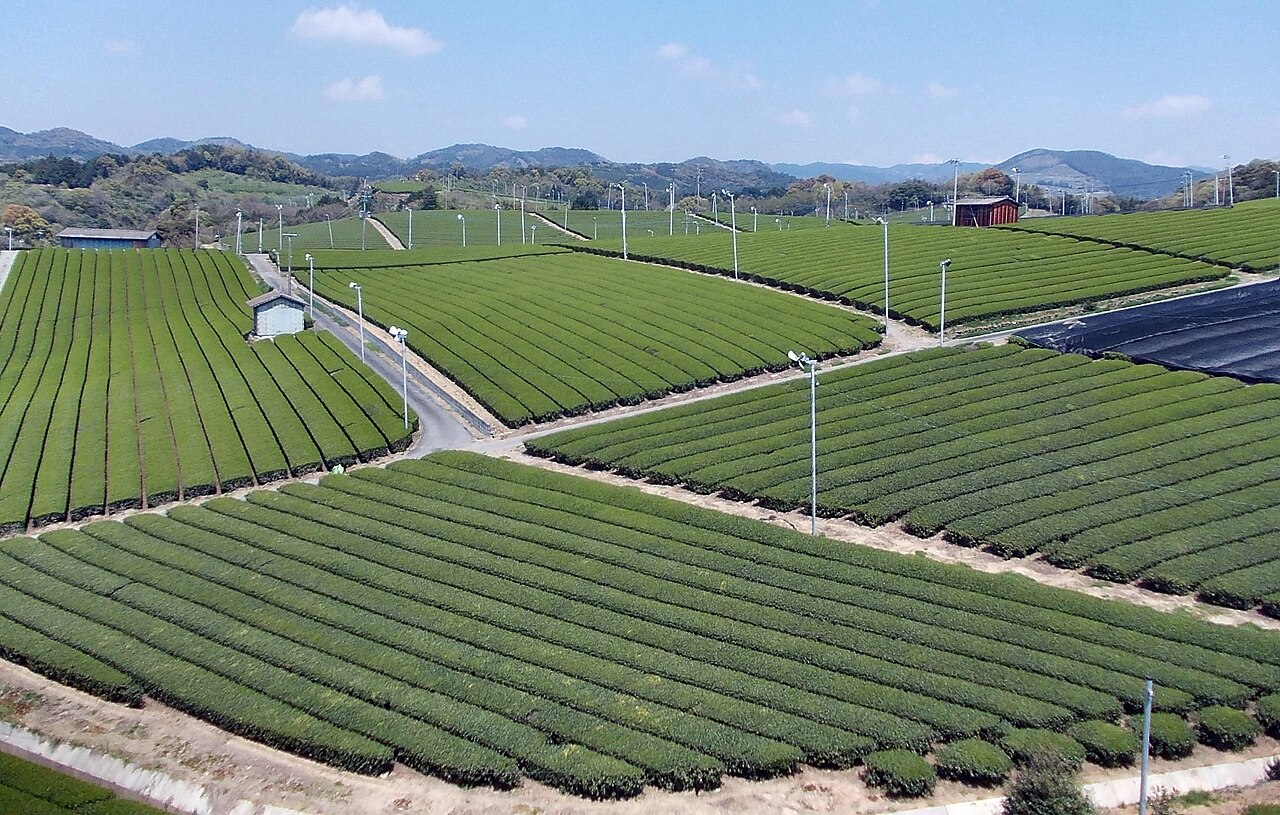
Fukuoka Prefecture occupies the northern part of Kyūshū, the southwesternmost of Japan’s four main islands. The city of Fukuoka faces the Korea Strait and has been Japan’s gateway toward the continent for well over a thousand years. South of it, the land opens into the Chikugo plain — Fukuoka’s agricultural heart, flat and well-watered, drained by the Chikugo River, the longest river on Kyūshū. Kurume and Yame sit on this plain, in a belt long known for bamboo groves, tatami rush, paper, indigo, and the lacquer-and-gilding workshops that produced Buddhist household altars.
That combination is the reason rantai shikki could exist here. A woven-bamboo lacquer body needs two things at once: a steady supply of pliable, fine-splitting madake bamboo, and a deep local pool of urushi craftsmen who know how to seal, ground, and build coats over an awkward, non-solid surface. The Chikugo plain had both. The altar trade in particular — concentrated around Yame — kept a large number of lacquer and gold-leaf artisans working year-round, and rantai shikki drew on that same skill base.
The source notes for this guide place the rise of rantai shikki in the late Edo to Meiji period — that is, roughly the first half of the 1800s into the decades after 1868. Precise founding dates for the form are not well documented in our material, so we avoid pinning it to a single year or maker. What is clear is the sequence: an existing bamboo-craft culture, an existing altar-lacquer culture, and a moment in the nineteenth century when the two were combined into a distinct lacquerware whose body is a basket.
-
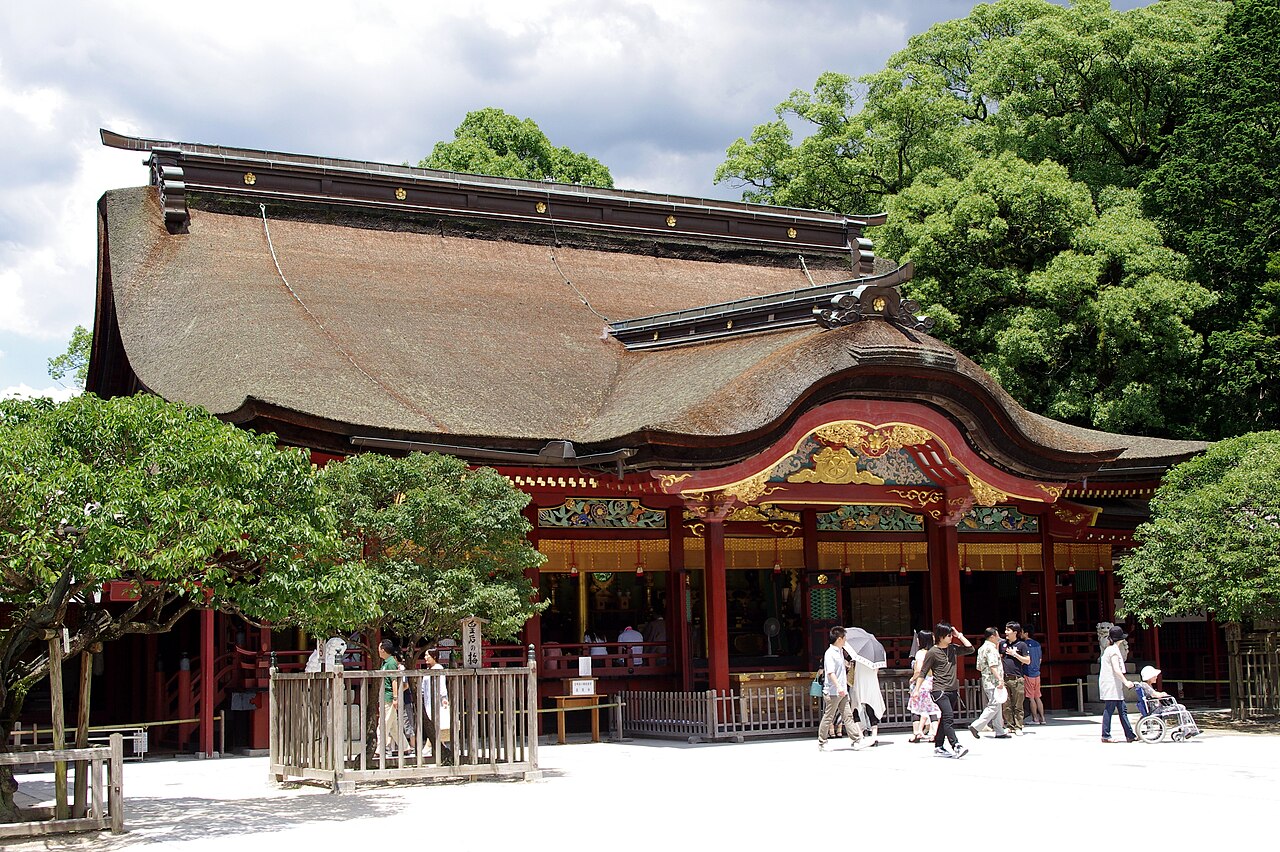
10th century — Dazaifu, north of the Chikugo plain, serves as Kyūshū’s administrative seat; Dazaifu Tenmangu becomes a major shrine, anchoring the region’s temple economy. -
1603–1868 — Edo period: the Chikugo plain develops as a dense craft region, with bamboo working and Buddhist-altar (butsudan) lacquer concentrated around Kurume and Yame. -
Late Edo (early–mid 1800s) — Rantai shikki emerges: artisans build urushi finishes over woven madake bamboo cores, drawing on the local altar-lacquer skill base. -
1868–1912 — Meiji period: bamboo-core lacquerware develops into a recognized Kurume / Chikugo specialty alongside the region’s other crafts. -
20th century — Production stays concentrated in the Kurume–Yame craft belt, sharing artisans and materials with the area’s altar and bamboo trades. -
2026 — Bamboo-core lacquerware continues to be produced in the Chikugo region and reaches international buyers through Amazon JP’s Global Store.
Era ranges follow standard Japanese periodization; specific founding dates for rantai shikki are not firmly documented in our source notes and are left deliberately broad.
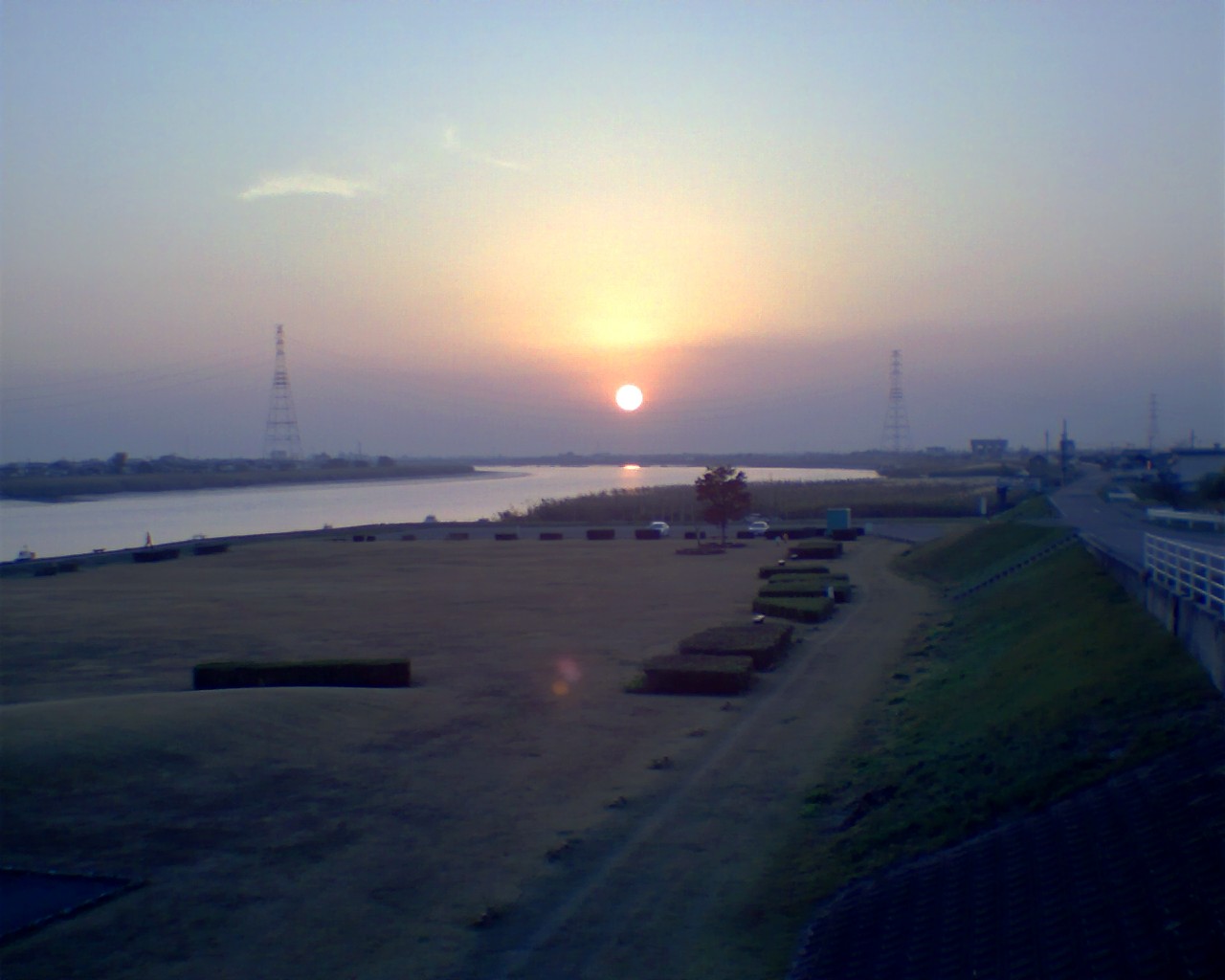
“Most lacquerware starts with a block of wood. Rantai shikki starts with a basket — and then hides it, or half-reveals it, under coats of urushi.”
What “still being made here” means for rantai shikki is modest but real. This is a small-scale regional craft, not a large industry, and the number of active workshops is limited. The continuity is in the method: the body is still woven by hand from split madake, still sealed and built up coat by coat with urushi, and still finished in a way that either conceals the lattice under gloss or lets it read through. The pieces that reach international buyers today are made the same way they were a century ago, on the same plain.
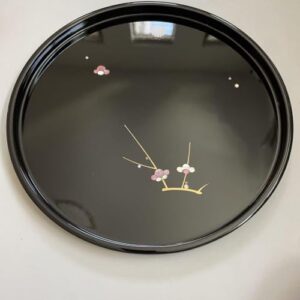
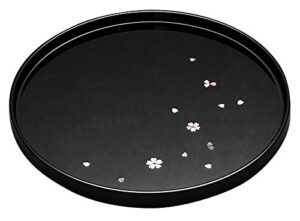
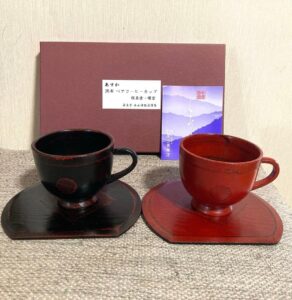
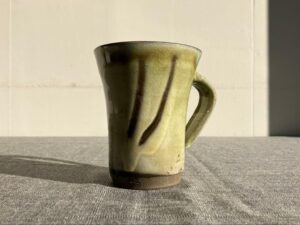
Bamboo-core lacquerware sits within a wide field of Japanese lacquer and Kyūshū ceramics. These existing jpmono guides cover the most useful points of comparison.
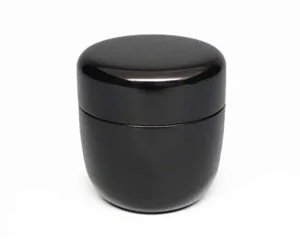
📦 Shipping & where to buy from outside Japan
Kurume rantai-shikki bowls combine a hand-woven bamboo lattice with layers of urushi lacquer. International shipping for lacquerware can vary by destination, and customs duties may apply once an order crosses the local de-minimis threshold. Confirm shipping and import terms before ordering.
Comparable Japanese lacquerware can help when comparing shapes, finishes, and kitchen uses, even though Kurume rantai-shikki bowls are typically sourced from Japan. Proxy services such as Buyee and Tenso are an alternative when a regional maker does not export directly.
Buying options across stores
| Store | Item / Variant | Price (JPY / USD est.) | Notes |
|---|---|---|---|
| 🇺🇸 Amazon US (search) | Browse Japanese lacquerware & serving bowls | varies (USD) | Best if you are shopping from the US — Prime shipping, USD pricing, no international customs. Amazon US carries Japanese lacquer and kitchen goods from many makers; this exact Chikugo bowl is sourced from Japan (next row). |
| 🇯🇵 Amazon JP Global Store | Kurume rantai shikki bowl | — | Ships internationally from Japan to most major destinations. Confirm shipping at checkout. |
| Maker direct | Chikugo / Kurume rantai shikki workshops | Varies — often Japan-only | Small regional workshops may not ship abroad directly; a proxy service can bridge the gap. |
| Proxy services (Buyee / Tenso) | Forwarding for Japan-only purchases | Item price + forwarding fee | Use when a maker or marketplace will not ship to your country directly. Adds handling and consolidated-shipping fees. |
Prices for hand-woven lacquer bowls vary with bamboo, lacquer finish, size, and maker. USD figures are approximate and depend on the current exchange rate (¥150/USD baseline as of mid-2026).
What it does well
Weaknesses and things to verify before buying
- Serving purpose matters. Choose a size suited to its intended use, such as a sweets dish or a larger serving bowl.
- Natural urushi needs care. Like all genuine lacquerware, it is best hand-washed, not soaked, not put in a dishwasher or microwave, and kept out of prolonged direct heat and sunlight.
- Hand-finished variation. Color depth, gloss, and how visible the bamboo grain is can differ slightly from the image; this is inherent to the craft, not a defect.
- International shipping and duties. Eligibility through Amazon JP Global Store can change, and customs duties may apply above your local threshold. Verify both at checkout.
- Not built for rough daily abuse. A bamboo-core lacquer bowl suits careful table use; it is not the choice for a household that wants indestructible, machine-washable everyday ware.
Conclusion — which buyer type are you?
Other ways to approach this purchase
❓ Frequently Asked Questions
What exactly is rantai shikki?
Rantai shikki (籃胎漆器) is lacquerware whose core is woven bamboo rather than carved or turned wood. Split madake bamboo is woven into a tight lattice, then sealed and built up with many coats of urushi. It is a regional specialty of the Chikugo plain around Kurume and Yame in Fukuoka Prefecture.
How is it different from Aizu, Echizen, or Yamanaka lacquer bowls?
Those are turned- or carved-wood lacquerwares with a solid core. Rantai shikki’s body is a woven bamboo lattice, which makes it lighter and can leave a faint basketry grain visible under translucent or wiped urushi finishes. It is distinct by both material and province.
Can it be shipped outside Japan?
For overseas buyers, international stores may ship household goods to many destinations. Eligibility can change, and customs duties may apply above your local threshold, so confirm shipping and import terms at checkout. Proxy services such as Buyee or Tenso are an alternative for Japan-only shops.
How do I care for a bamboo-core lacquer bowl?
Treat it like all genuine urushi ware: hand-wash gently, do not soak it, avoid the dishwasher and microwave, and keep it out of prolonged direct heat and sunlight. Dry it with a soft cloth. With this care, lacquerware lasts for decades.
How much does it cost?
Prices for hand-woven lacquer bowls vary with materials, size, finish, and maker. Any USD figure is an approximate estimate based on the current exchange rate.
Is it suitable as a gift?
Yes. A regionally specific, hand-woven lacquer bowl makes a considered gift, particularly for someone interested in Japanese craft or who already owns turned-wood lacquerware and would appreciate a structurally different piece. Confirm the size with the maker or seller so it matches the intended use.
jpmono.com is curated by a Japan-based editorial team (working out of Toyama in the Hokuriku region and Nara in Kansai) and is independent. We do not take payment from the makers we feature; income comes from affiliate links. We do not physically test every product — we read maker specifications and regional craft sources. Read more about our editorial standards.
This article was prepared with AI assistance and reviewed against the available product data and source notes. Where data was incomplete, we have said so rather than filled gaps with guesses.
Affiliate disclosure: jpmono.com may earn a commission on qualifying purchases made through links on this page, at no additional cost to you.