![Kutani-yaki Maneki-neko Lucky Cat: Gosai Five-Color Porcelain Figurine Guide [2026]](https://jpmono.com/wp-content/uploads/2026/06/kutani-yaki-maneki-neko-lucky-cat-where-to-buy-2026-featured.jpg)
A Kutani-yaki maneki-neko (九谷焼招き猫, “Kutani-ware beckoning cat”) is a hand-painted porcelain figurine made in Ishikawa Prefecture, on the Sea of Japan coast of central Japan. The form is familiar worldwide — a seated cat with one paw raised — but the decoration is what sets a Kutani piece apart: the bold gosai-de (五彩手) palette of five overglaze enamels, frequently finished with gold (kinsai, 金彩). It is, in short, an auspicious object rendered in one of Japan’s most decorative porcelain traditions.
Kutani porcelain grew out of the wealth of the Kaga domain — the richest feudal domain in Japan — and the same patronage that funded gold leaf and Kaga Yūzen dyeing in nearby Kanazawa. That lineage is why a Kutani lucky cat reads less like a souvenir trinket and more like a small piece of regional craft. The painting is done by hand, color over color, and the gold is applied as a deliberate accent rather than a coating.
This guide is written for international readers deciding whether a hand-painted Kutani beckoning cat is the right purchase, and where to buy one from outside Japan. We cover what the object is, how to read its symbolism, the craft and regional background, the buying paths (Amazon US search, Amazon JP Global Store, maker-direct, and proxy services), and the honest caveats — fragility, price variation, and the gap between mass-market and genuinely hand-painted pieces.
🔄 Updated:
⏱️ Read time: ~11 min

- Who this is for — and who should skip it
- Product overview (from published specs)
- Where this comes from
- Price snapshot across stores
- What it does well
- Weaknesses and things to verify before buying
- Conclusion — which buyer type are you?
- Other ways to approach this purchase
- 🏆 Editor’s Pick
- ❓ Frequently Asked Questions
Who this is for — and who should skip it
- Want a Japanese engimono (縁起物, “auspicious object”) with real regional craft heritage, not a plastic souvenir.
- Appreciate hand-painted porcelain and the decorative, gold-accented Kutani aesthetic.
- Are buying a housewarming, business-opening, or new-year gift where symbolism matters.
- Want a display piece for a shelf, entryway, or shop counter rather than a toy.
- Are comfortable buying a fragile item that may ship from Japan.
- Want a low-cost novelty cat — mass-market resin versions cost a fraction of hand-painted porcelain.
- Need something child- or pet-proof; glazed porcelain chips and breaks.
- Expect a motorized waving arm — traditional Kutani cats are static figurines.
- Dislike ornate, multi-color decoration and prefer minimalist objects.
- Need it urgently; international shipping from Japan takes time.
Product overview (from published specs)
The product data available for this specific listing is limited. Based on the listing reference and the spec sheet for this guide, the table below summarizes what can be confirmed. Where a value was not present in the fetched data, it is marked accordingly rather than guessed.
Kutani-yaki Maneki-neko Lucky Cat
かわいい 招き猫 置物 九谷焼 ちび招き猫 ゴールド 開店祝い 誕生日 プレゼント ペア ギフト
残り3点 ご注文はお早めに · Sold by 和座の蔵 · ASIN B00APT2DQU
Price and availability as of 2026-08-31 02:30 JST. The Amazon listing at the time of purchase is authoritative. jpmono.com earns a commission on qualifying purchases at no extra cost to you.
| Attribute | Detail |
|---|---|
| Object | Maneki-neko (beckoning cat) figurine |
| Craft tradition | Kutani-yaki (Kutani porcelain), Ishikawa Prefecture |
| Material | Porcelain with overglaze enamel decoration |
| Decoration | Hand-painted gosai-de five-color overglaze, gold (kinsai) accents |
| Symbolism | Engimono; raised paw beckons fortune (right = money, left = visitors) |
| Dimensions / weight | Unconfirmed — check the listing before buying |
| Item ID (ASIN) | B00APT2DQU |
| Sources | Amazon US search (primary, moonill-20) · Amazon JP Global Store (secondary, moonill-22, sourced listing) · maker-direct where available |
Data note: Only the Amazon listing reference (ASIN B00APT2DQU) was available for this item; the live price, exact dimensions, and weight were not present in the fetched data and may have shifted since the writing date. Verify all specifications at the retailer before purchasing.
📖 Glossary — key terms
Kutani-yaki (九谷焼) — Overglaze-decorated porcelain from the Kutani area of Ishikawa Prefecture, known for bold colors and gold.
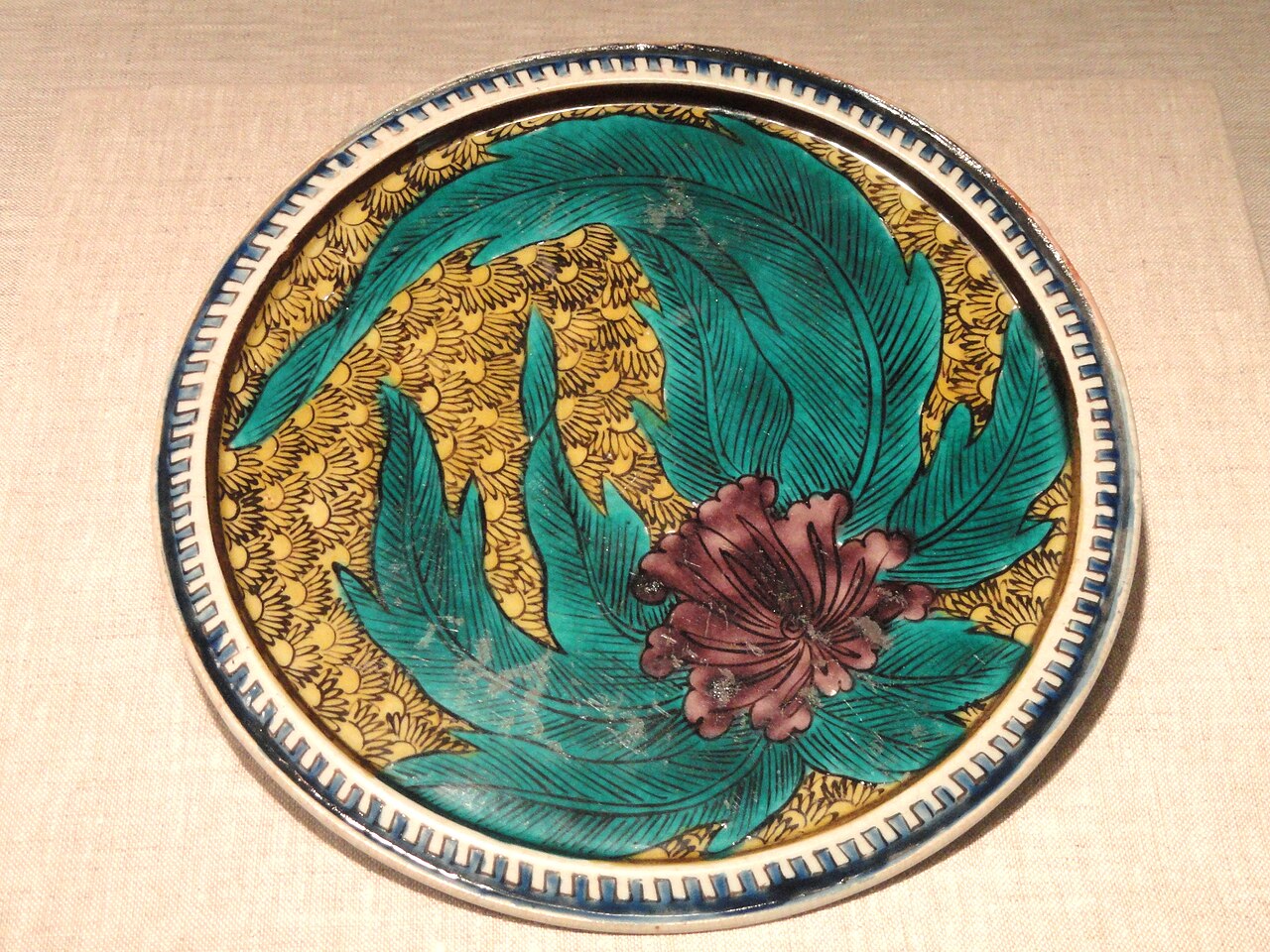
Gosai-de (五彩手, “five-color style”) — The signature Kutani palette of five overglaze enamels: green, yellow, red, purple, and navy blue.
Kinsai (金彩) — Gold decoration applied over the glaze as an accent.
Maneki-neko (招き猫) — A “beckoning cat” figurine with one raised paw, believed to invite good fortune.
Engimono (縁起物) — An auspicious or good-luck object, often given as a gift or displayed for prosperity.
Ko-Kutani (古九谷, “Old Kutani”) — The bold first-period ware of the 1650s, prized by collectors.
Saikō-Kutani (再興九谷, “Revived Kutani”) — The 19th-century revival, expressed through the Yoshidaya, Mokubei, and Eiraku styles.
Related jpmono guides — other Japanese ceramics, figurines, and auspicious objects worth weighing against a Kutani lucky cat.
 🦁 Tsuboya shisa ceramic guardians
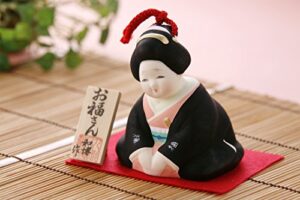 🎎 Hakata Ningyo clay figurine
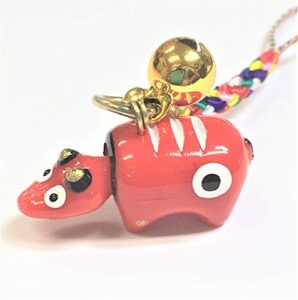 🐂 Aizu Akabeko lucky cow
🧧 Takasaki Daruma good-luck charm
 🍶 Satsuma overglaze porcelain cup
 ☕ Shigaraki stoneware mug
 🎁 Takaoka Hokuriku lacquer box
Where this comes from

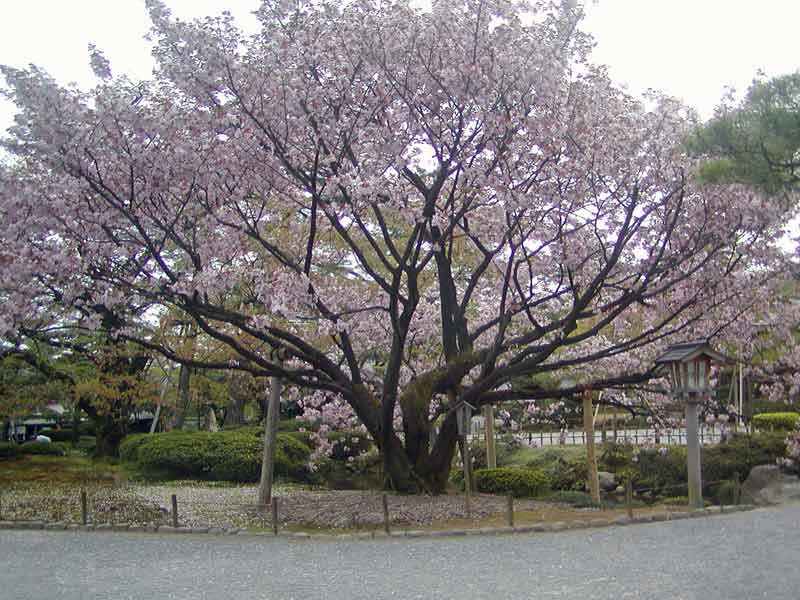
Kutani porcelain belongs to Ishikawa Prefecture, which faces the Sea of Japan on the country’s central-western coast. The kilns trace back to Kutani village, in the Daishōji domain — a branch of the much larger Kaga domain, whose castle town was Kanazawa. This is northern-temperate, snow-country geography: heavy winters, abundant water, and the kind of long-standing domain patronage that let decorative crafts take root and stay.
The history begins in 1655, when the Daishōji domain — under the Kaga Maeda clan — found porcelain stone in a local mine. Lord Maeda Toshiharu sent the retainer Gotō Saijirō to study porcelain-making in Arita, the established porcelain center in Kyushu. What came back is now called Ko-Kutani, or “Old Kutani”: boldly colored ware that is among the most prized in Japanese ceramic history.
Then the kilns went quiet. After roughly half a century of production, Ko-Kutani ceased for reasons still debated by historians — a gap of around fifty years. The tradition was deliberately revived in the early 19th century, a period now called Saikō-Kutani (“Revived Kutani”), through a succession of distinct styles: Yoshidaya, Mokubei, and Eiraku. Each re-established and reinterpreted the five-color overglaze that defines the ware.
-
1655 — Kutani-yaki begins in Kutani village under the Daishōji domain; Gotō Saijirō returns from studying porcelain in Arita. -
c. early 1700s — The Ko-Kutani kilns fall silent; a gap of roughly fifty years follows. -
Early 1800s — The Saikō-Kutani revival begins, re-establishing the five-color tradition. -
19th century — The Yoshidaya, Mokubei, and Eiraku styles redefine gosai-de overglaze and gold work. -
Today (2026) — Ishikawa’s Kutani kilns are a premier source of high-grade, hand-painted maneki-neko.
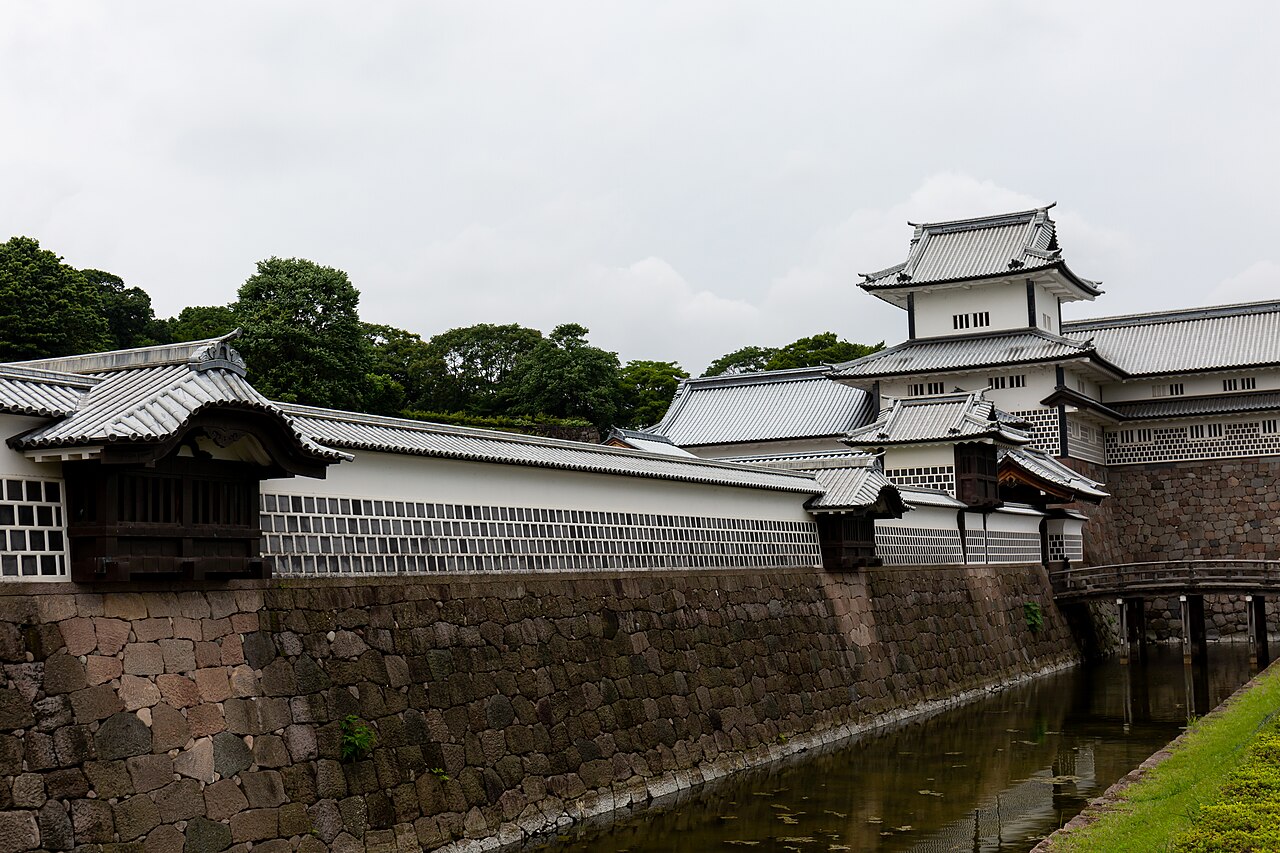
The wider context is wealth. Kaga was the one-million-koku domain — the richest in feudal Japan — and that surplus made Kanazawa a center of refined crafts, including gold leaf and Kaga Yūzen dyeing. The decorative confidence of Kutani porcelain, with its dense color and liberal gold, is a direct expression of that environment rather than an accident of taste.
“A Kutani lucky cat is not painted to look expensive — it is painted in the same five-color language that the richest domain in feudal Japan used for its finest porcelain.”
The cat itself carries meaning. A maneki-neko is an engimono, an auspicious object, and the raised paw is read by tradition: the right paw is said to beckon money, the left to beckon visitors and customers. Color and motif add further layers of meaning. None of this is “scientifically proven” — it is folk-traditional symbolism, which is precisely why these cats sit on shop counters and household shelves rather than in glass cases.
Price snapshot across stores
The data suggests live pricing was unavailable for this specific listing at the time of writing. The table below shows the available buying paths; verify the current price at each store before purchasing.
| Store | Item / Variant | Price (JPY + USD est.) | Notes |
|---|---|---|---|
| 🇺🇸 Amazon.com (US) | Browse Japanese Kutani lucky cats & figurines | varies (USD) | Best if you are shopping from the US — Prime shipping, USD pricing, no international customs. Amazon US carries Kutani and other Japanese porcelain figurines for comparing style and price tiers; the exact piece in this guide is sourced from Japan (next row). |
| 🇯🇵 Amazon JP Global Store | This guide’s Kutani maneki-neko (ASIN B00APT2DQU) | Price unconfirmed — check listing | The sourced listing for this specific item. Ships internationally from Japan to most major destinations. |
| Maker direct | Kutani kiln / pottery shops | varies | Some Ishikawa kilns and galleries sell online; international shipping varies by shop. |
| Proxy services (Buyee / Tenso) | Japan-only listings forwarded abroad | item + fees | Useful when a piece is listed only on Japan-domestic stores; adds a service fee plus reshipping cost. |
Prices in USD are approximate and depend on the current exchange rate (¥150/USD baseline as of mid-2026). The JPY price of the specific listed item is the authoritative figure. Prices and stock fluctuate — confirm at the affiliate link before buying.
What it does well
Weaknesses and things to verify before buying
- Fragility. Glazed porcelain chips and breaks; this is not a fit for homes with young children or active pets, and shipping risk is real.
- Price and grade vary widely. “Kutani maneki-neko” spans inexpensive mass-market pieces to high-grade hand-painted figurines. Confirm whether a given listing is genuinely hand-painted.
- Limited spec data on this listing. Dimensions, weight, and live price were not in the fetched data — check the listing page directly before ordering.
- Static figurine. Traditional Kutani cats do not have a motorized waving arm; if you want a battery-operated waver, this is not it.
- Shipping and customs. International orders from Japan take time and may incur duties above your local threshold; factor that into the total cost.
- Paw and color symbolism. Right paw vs. left paw (and color choices) carry different traditional meanings — verify the piece matches your intent before buying as a gift.
Conclusion — which buyer type are you?
Other ways to approach this purchase
🏆 Editor’s Pick
❓ Frequently Asked Questions
Does the raised paw mean something?
By tradition, the right paw is said to beckon money and the left to beckon visitors or customers. It is folk symbolism rather than a proven effect, but it is why these cats appear on shop counters and household shelves.
What makes a Kutani lucky cat different from a generic maneki-neko?
A Kutani piece is porcelain decorated in the gosai-de five-color overglaze tradition of Ishikawa Prefecture, frequently with gold (kinsai) accents, and high-grade examples are hand-painted. Generic lucky cats are often molded resin or simply printed.
Can it ship internationally?
The specific item is sourced from Amazon JP Global Store, which ships to most major destinations from Japan. Because it is fragile porcelain, it should be well-packed, and orders above local thresholds may incur customs duties.
How do I care for it?
Treat it as a decorative porcelain object: dust gently and avoid knocks, abrasive cleaners, and dishwashers, which can damage overglaze enamel and gold detailing. It is a display piece, not tableware.
Is it a good gift?
Yes — as an engimono it suits business openings, housewarmings, and new-year giving. If you are buying as a gift, check that the paw side and colors match the meaning you intend.
Why can’t I see the exact price here?
Only the Amazon listing reference was available for this item at the time of writing; live pricing was not in the fetched data and may have shifted. Check the current price directly on the listing before purchasing.
jpmono.com is curated by a Japan-based editorial team (working out of Toyama in the Hokuriku region and Nara in Kansai) and is independent. We do not take payment from the makers we feature; income comes from affiliate links. We do not physically test every product — we read maker specs and source listings.
This article was prepared with AI assistance and reviewed against the available product and source data. Facts about the craft and region are drawn from the editorial brief; specifications and pricing should be verified on the retailer’s listing before purchase.
Affiliate disclosure: jpmono.com may earn a commission on qualifying purchases made through links on this page, at no additional cost to you.