![Iyo-Gasuri Indigo Cotton Gamaguchi Coin Purse: Where to Buy [2026]](https://jpmono.com/wp-content/uploads/2026/06/iyo-gasuri-indigo-cotton-gamaguchi-coin-purse-where-to-buy-2026-featured.jpg)
A gamaguchi (がま口, “frog-mouth”) coin purse is one of the smallest objects a textile tradition can live inside, and that is exactly why it is worth a closer look. This one is sewn from Iyo-gasuri (伊予絣, “Iyo kasuri”) — the indigo-dyed cotton ikat of Matsuyama, in what was once Iyo Province and is today Ehime Prefecture on the island of Shikoku. The cloth carries the soft white-on-blue figures that give kasuri its name, set into a metal clasp frame that snaps shut with a single press.
Iyo-gasuri is not a minor regional curiosity. It is ranked alongside Kurume-gasuri of Fukuoka and Bingo-gasuri of Hiroshima as one of Japan’s three great kasuri weaves, and from the Meiji era into the early Showa period it grew into the country’s single largest kasuri-producing region. The craft is usually traced to Kagiya Kana (鍵屋カナ, 1782–1864), a farmer’s daughter near Matsuyama who is credited with working out a tane-gasuri (種絣, “seed-thread”) resist method around the 1800s–1820s — a way to pre-plan, thread by thread, where indigo and white would meet to form a picture.
This guide is written for the international reader deciding whether a small Iyo-gasuri gamaguchi is worth ordering from Japan. It covers what the object is, where the cloth comes from, how the buying paths differ for shoppers outside Japan, and who should — and should not — bother. The fetched listing data for this specific item was thin at the time of writing, so where a hard spec is unavailable, this article says so plainly rather than guessing.
🔄 Updated:
⏱️ Read time: ~9 min

- Who this is for — and who should skip it
- Product overview (from published specs)
- Price snapshot across stores
- What it does well
- Weaknesses and things to verify before buying
- Conclusion — which buyer type are you?
- Other ways to approach this purchase
- Where this comes from — place, era, and the craft tradition
- 📦 Shipping & where to buy from outside Japan
- 🏆 Editor’s Pick
- ❓ Frequently Asked Questions
Who this is for — and who should skip it
- Want a genuinely small, usable object that carries a documented regional weave rather than a print imitation.
- Like indigo-and-white cotton and the slightly irregular, hand-planned look of true kasuri.
- Are buying a modest, packable gift that survives a suitcase or a coat pocket.
- Appreciate that the clasp frame opens wide for coins, earbuds, hair ties, or small charms.
- Are comfortable ordering from Japan and verifying the listing before checkout.
- Need a large wallet with card slots and a zippered bill compartment — a gamaguchi is a coin pouch.
- Want a guaranteed exact pattern; kasuri motifs and cuts vary piece to piece.
- Require certified colorfastness data — indigo cotton can transfer slightly, especially when new.
- Expect machine-washable, wrinkle-free synthetic convenience.
- Are unwilling to wait on international shipping or pay possible customs on a larger order.
Product overview (from published specs)
The table below compiles what is publicly listed for this item across buying paths. Where the fetched data did not include a value, the cell reads “Unconfirmed” rather than a guessed figure. Spec sheets indicate this is a clasp-frame coin purse in Iyo-gasuri indigo cotton; dimensions, lining material, and weight were not present in the captured listing snapshot.
Iyo-Gasuri Indigo Cotton Gamaguchi Coin Purse
ヤマ大 伊予絣 がま口財布 2種セット 和装 日本伝統技法 民芸
通常6~7日以内に発送します。 · Sold by JIMMY Online Shop · ASIN B0FHF6KX3W
Price and availability as of 2026-08-31 02:30 JST. The Amazon listing at the time of purchase is authoritative. jpmono.com earns a commission on qualifying purchases at no extra cost to you.
| Attribute | Detail (per published listing, June 14, 2026) |
|---|---|
| Item type | Gamaguchi (clasp-frame) coin purse |
| Textile | Iyo-gasuri indigo-dyed cotton kasuri |
| Frame | Metal snap clasp |
| Origin | Matsuyama, Ehime Prefecture (Shikoku) |
| Dimensions / weight | Unconfirmed — check the listing |
| Lining | Unconfirmed — check the listing |
| Item ID (ASIN) | B0FHF6KX3W |
| Sourced from | Amazon JP Global Store (ships internationally) |
Data note: only the Amazon JP listing snapshot was available for this item, and several spec fields were absent; live pricing and dimensions may have shifted since the writing date. Always verify at the retailer before purchasing.
📖 Glossary — key terms in this article
Kasuri (絣) — Japanese ikat: yarns are resist-dyed in measured sections before weaving so that, once woven, the blurred-edged white figures appear in the cloth. The slight “fuzz” at a motif’s edge is the signature of true kasuri, not a printed imitation.
Iyo-gasuri (伊予絣) — the kasuri of Iyo Province (now Ehime), centered on Matsuyama. One of Japan’s three great kasuri weaves alongside Kurume and Bingo.
E-gasuri (絵絣, “picture kasuri”) — kasuri whose pre-planned resist forms recognizable figures (plants, geometric emblems) rather than only abstract flecks.
Tane-gasuri (種絣, “seed-thread”) — the resist-planning method credited to Kagiya Kana, which lets the weaver map where indigo and white will meet.
Gamaguchi (がま口) — a purse with a metal clasp frame; the name means “frog-mouth” for the wide snapping opening.
Aizome (藍染) — indigo dyeing, the deep blue at the heart of Japanese folk cotton.
Related Japanese textile and craft guides on jpmono — useful for placing this piece against other regional weaves, indigo goods, and small cotton carry items.
Yumihama-gasuri kasuri runner →
Awa aizome indigo tenugui →
 Yanai-jima cotton pouch →
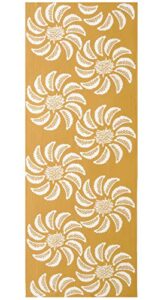 Hamamatsu chusen tenugui →
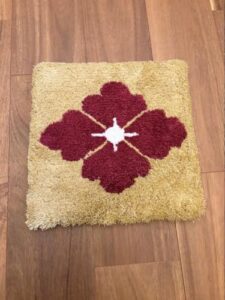 Nabeshima cotton chair pad →
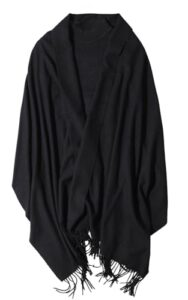 Kishu nel cotton muffler →
Price snapshot across stores
USD figures below are approximate estimates at a ¥150/USD baseline as of mid-2026; the JPY price on the actual listing is the authoritative one. The captured snapshot for this specific item did not include a confirmed price, so the JP row reads “see listing” rather than a fabricated figure.
| Store | Item / Variant | Price (JPY + USD est.) | Notes |
|---|---|---|---|
| 🇺🇸 Amazon US (search) | Browse Japanese indigo cotton purses | varies (USD) | Best if you are shopping from the US — Prime shipping, USD pricing, no international customs. Amazon US carries indigo cotton pouches and gamaguchi from various makers, useful for comparing frame sizes and patterns. The exact Iyo-gasuri piece in this guide ships from Japan (next row). |
| 🇯🇵 Amazon JP Global Store | This Iyo-gasuri gamaguchi (ASIN B0FHF6KX3W) | see listing for current ¥ | Ships internationally from Japan. This is the sourced listing for the specific item; price was not captured in the snapshot, so confirm at checkout. |
| Maker direct | Iyo-gasuri workshops, Matsuyama | Unconfirmed | A handful of Matsuyama weaving houses sell gamaguchi and small goods directly; most ship domestically only and may need a forwarder. |
| Proxy services (Buyee / Tenso) | Japan-only listings, forwarded | item + forwarding fee | Useful when a maker or marketplace will not ship abroad; adds a service fee and a consolidation step but unlocks Japan-only stock. |
What it does well
“Every white fleck in true kasuri was decided before a single thread crossed the loom — the pattern is planned in the dye, not printed on the surface.”
Weaknesses and things to verify before buying
- Pattern and cut vary. Kasuri is cut from woven yardage, so the exact motif, scale, and placement on your purse will differ from the photo. If you need a precise pattern, ask before ordering.
- Indigo can transfer. New aizome cotton may rub off slightly onto light fabrics or pale leather, especially when damp. Keep it away from white garments until it settles.
- It is a coin purse, not a wallet. There are no card slots or a bill compartment in a standard gamaguchi; capacity is small by design.
- Care is hand-wash, not machine. Indigo cotton and a metal frame do not belong in a washing machine; spot-clean and air-dry.
- Specs were thin in the captured data. Dimensions, lining, and weight were not in the listing snapshot, and no price was captured. Confirm size and current price on the live listing.
- International shipping and customs. From Japan, expect a wait and the possibility of duties if you combine it into a larger order over your country’s threshold.
Conclusion — which buyer type are you?
Other ways to approach this purchase
Where this comes from — place, era, and the craft tradition

Matsuyama is the largest city on Shikoku, the smallest of Japan’s four main islands, set on the northwestern coast facing the Seto Inland Sea. It belongs to Ehime Prefecture, which corresponds to the old Iyo Province. The sheltered inland-sea climate is mild and relatively dry, and that climate is the quiet reason the craft exists at all: it suited cotton cultivation, and cotton is what Iyo-gasuri is woven from.
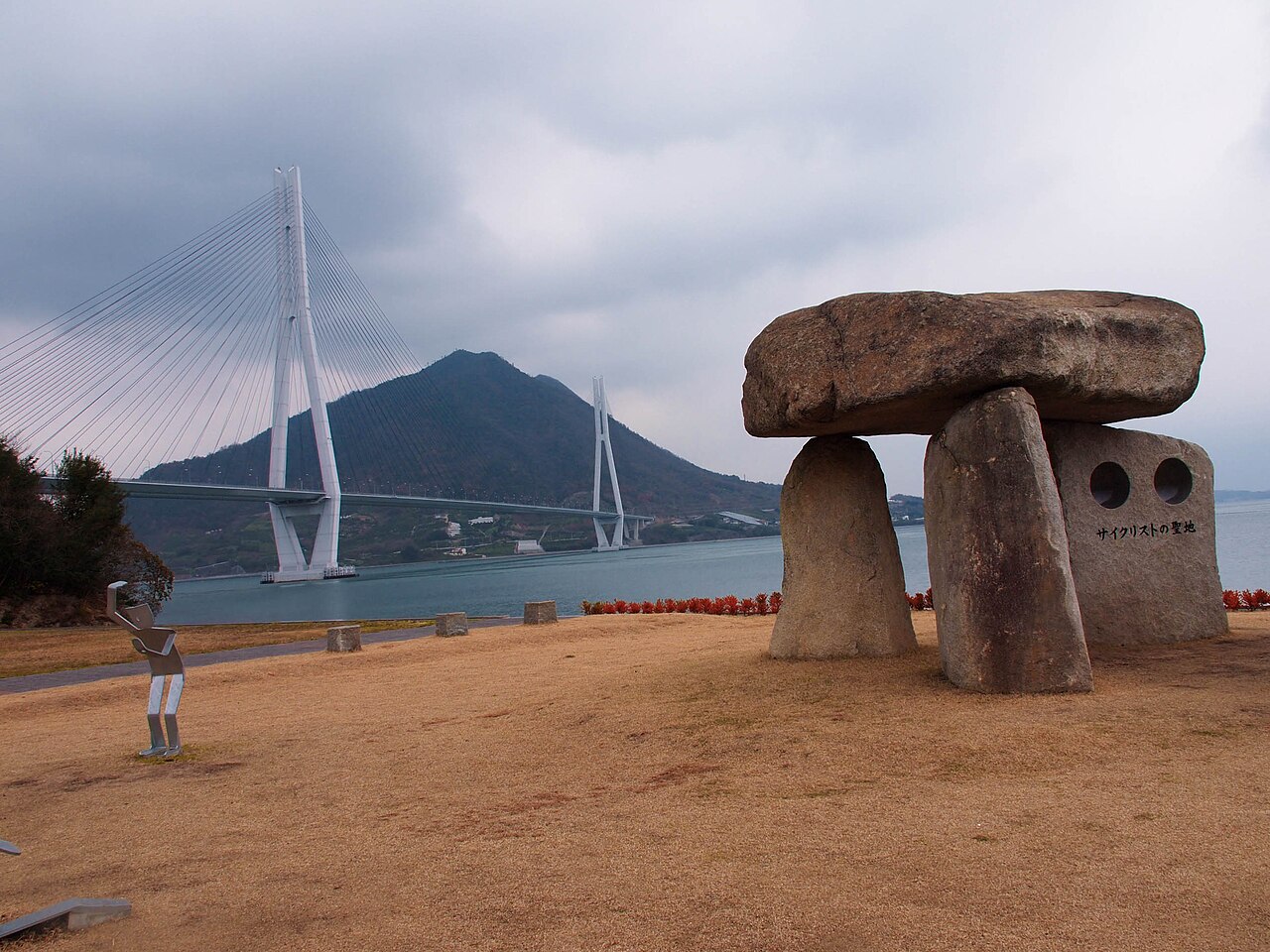
The town took its modern shape as a castle town. Matsuyama Castle crowns the hill at the city’s center, and the Matsudaira lords of the Iyo-Matsuyama domain governed from it through the Edo period. Under their rule the local cotton weave spread as durable, affordable everyday cloth — work clothing, bedding, and goods for ordinary households rather than aristocratic luxury.
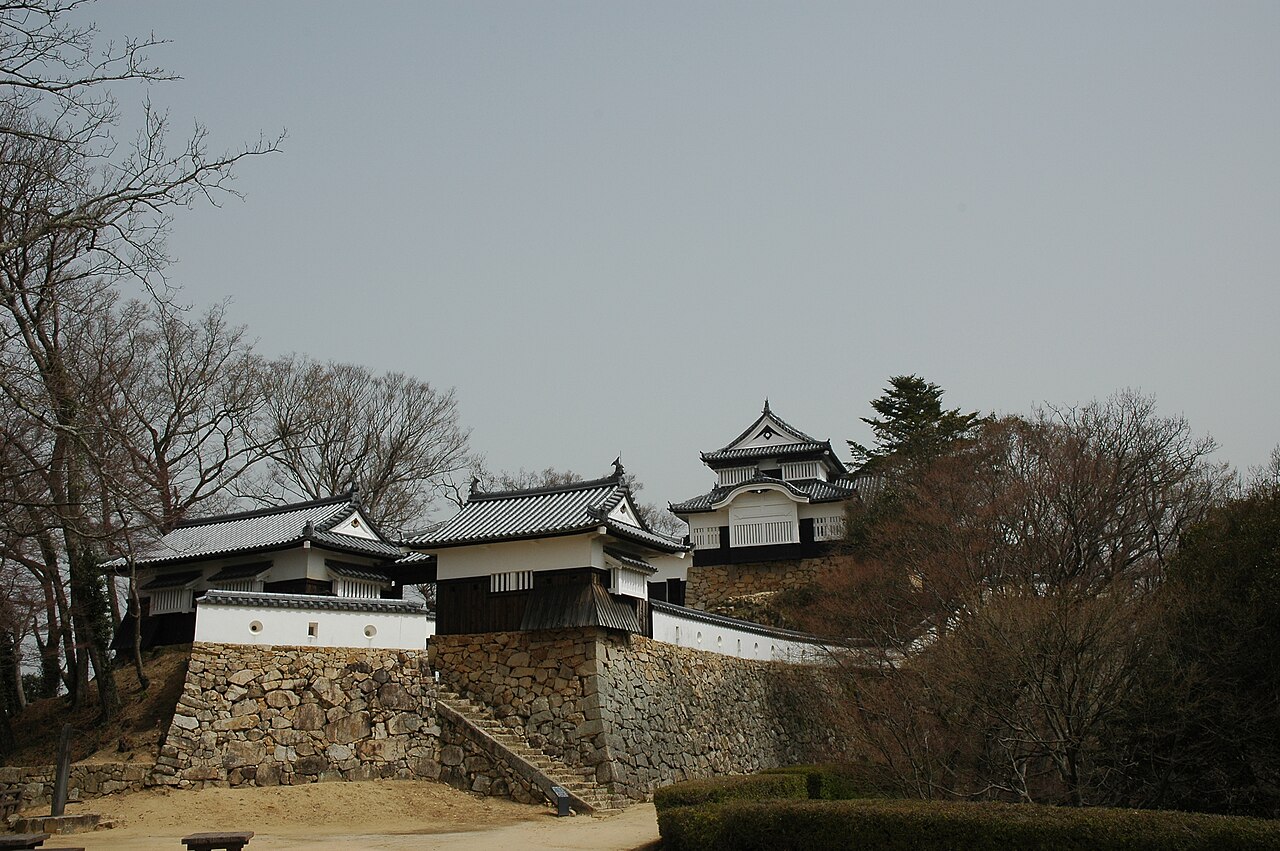
The origin story has a name attached to it. Tradition credits Kagiya Kana (1782–1864), a farmer’s daughter from the Matsuyama outskirts, with devising the tane-gasuri resist method in the late Edo period — said to be inspired by the mottled patterns of weathered thatched roofs. The technique let weavers plan, before dyeing, exactly where indigo and white would meet, which is what makes e-gasuri picture motifs possible. From the Meiji era into the early Showa period, that planning know-how scaled up: Iyo-gasuri became Japan’s single largest kasuri-producing region, sitting in the first rank of the country’s three great kasuri alongside Kurume and Bingo.
- 1603 — Construction of Matsuyama Castle begins; the castle town that anchors the region takes shape.
- 1782 — Kagiya Kana, later credited with the tane-gasuri method, is born near Matsuyama.
- c. 1800–1820s — The tane-gasuri resist-planning method is worked out, enabling e-gasuri picture motifs.
- Edo period — Under the Matsudaira lords, the weave spreads as durable everyday cotton cloth.
- 1867 — Masaoka Shiki, the modern haiku and tanka reformer, is born in Matsuyama.
- Meiji–early Showa — Iyo-gasuri grows into Japan’s largest kasuri-producing region.
- Today — A reduced number of Matsuyama workshops keep weaving Iyo-gasuri cloth and small goods such as this gamaguchi.
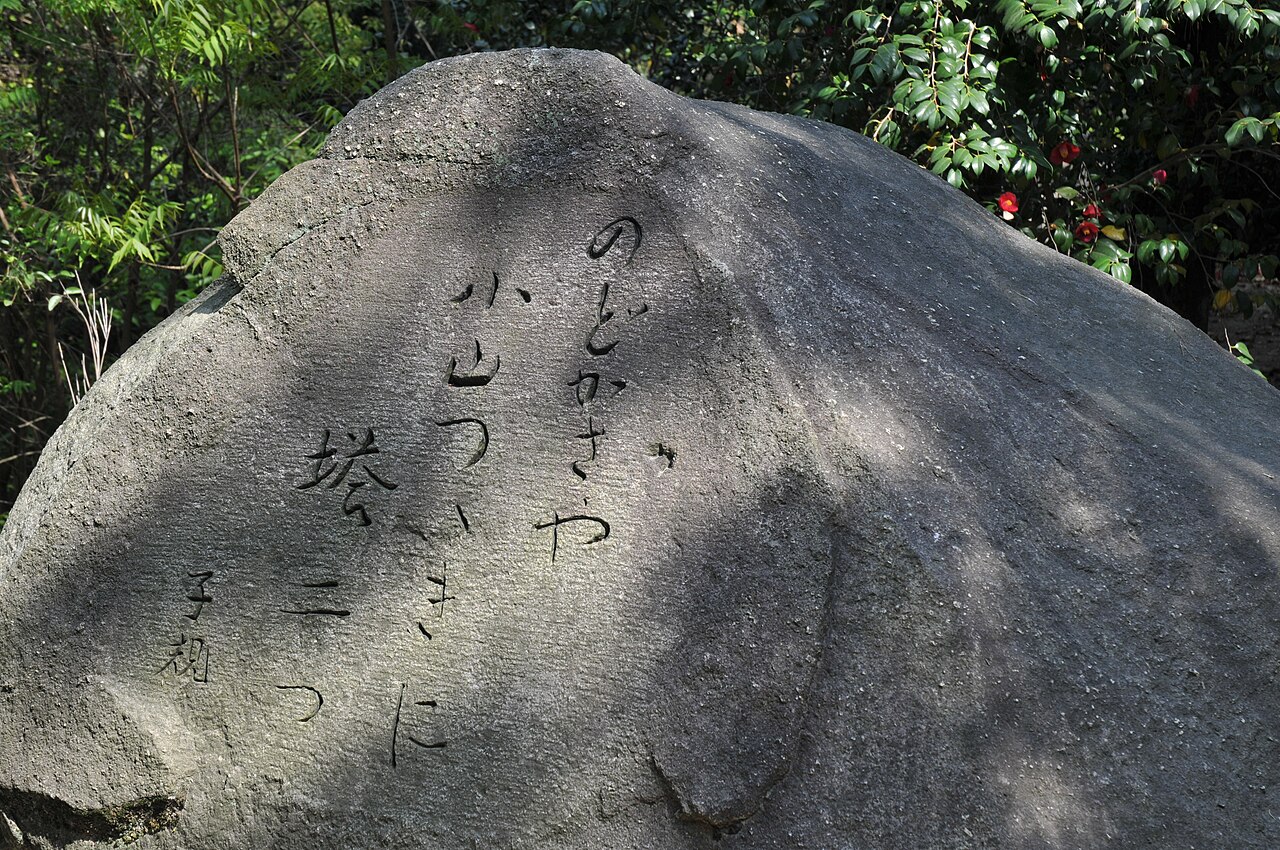
Matsuyama is also a cultural city, which is part of why the weave’s home is easy to picture. It holds Dogo Onsen, frequently described as Japan’s oldest hot spring, and it was the birthplace of Masaoka Shiki (1867–1902), the poet who reshaped modern haiku and tanka and anchored Matsuyama’s standing as a literary town. The same castle town that produced a national poet produced, in its weaving households, a national textile industry.
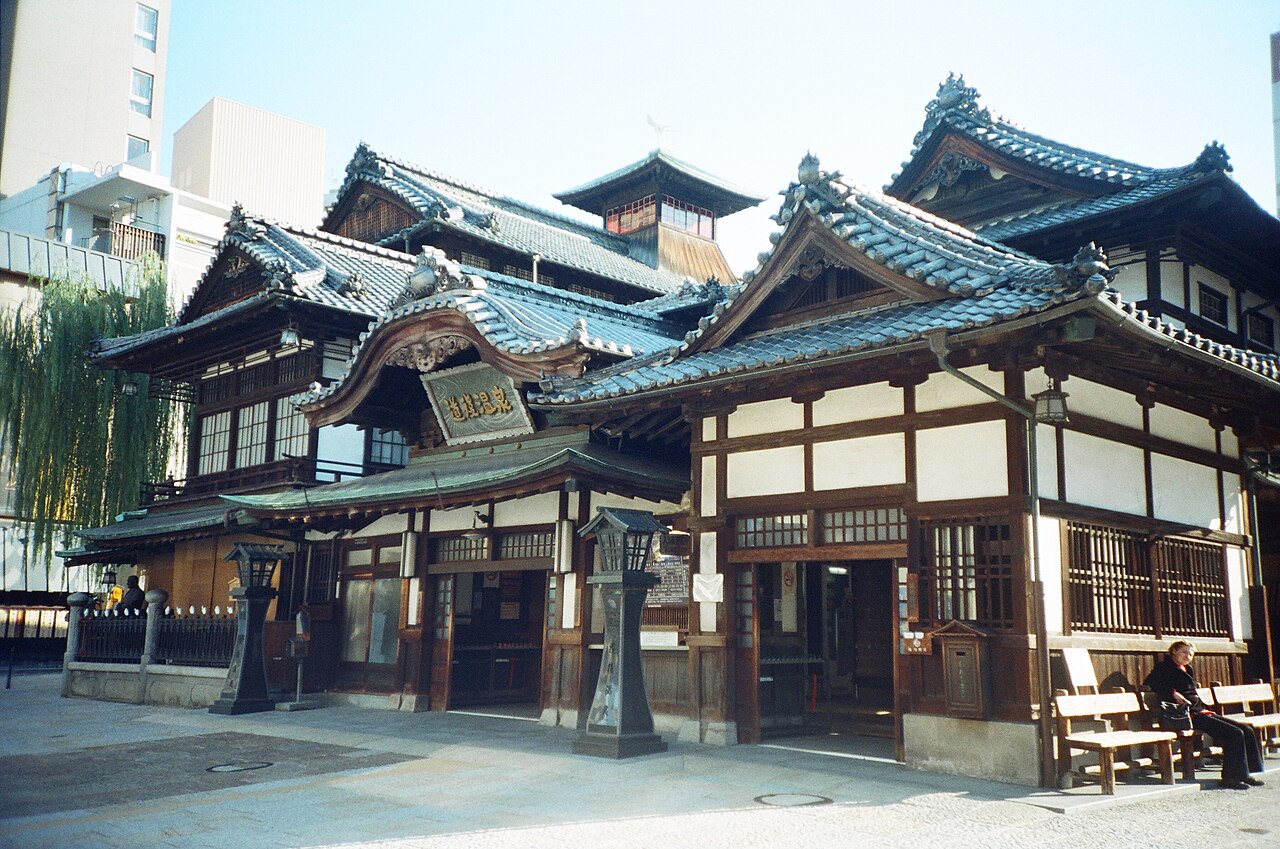
What “still made here” means today is more modest than the Meiji peak. The number of active Iyo-gasuri workshops has shrunk considerably from when the region led the country, and most surviving output is cloth and small finished goods — purses, pouches, and accessories like this one — rather than the bolts of work clothing that once defined the trade. That is the honest continuity case: the planning logic Kagiya Kana is credited with, indigo dye, and cotton yarn still come together in Matsuyama, on a smaller scale, in objects sized for a modern pocket.
📦 Shipping & where to buy from outside Japan
The specific item in this guide is sourced from the Amazon JP Global Store, which ships many household and craft goods internationally to most major destinations. For a small, light coin purse, international shipping is typically toward the lower end of the range — roughly $15–$40 to the US or EU, higher to other regions, and lower still if you consolidate it with other items in one order.
Customs duties are unlikely on a single low-value purse for most countries, but combining it into a larger order can push you over your local import threshold — check your country’s de minimis limit before bundling. If a Matsuyama maker or a Japan-only marketplace will not ship to you directly, a proxy service such as Buyee or Tenso can receive the parcel in Japan and forward it, for a service fee.
🏆 Editor’s Pick
❓ Frequently Asked Questions
Is the pattern printed or actually woven?
Will the indigo rub off?
Can it hold cards and bills, or only coins?
How do I care for it?
Will the pattern match the photo exactly?
Can I buy it from outside Japan?
How is Iyo-gasuri different from Kurume or Yumihama kasuri?
jpmono.com is curated by a Japan-based editorial team (working out of Toyama in the Hokuriku region and Nara in Kansai) and is independent. We do not take payment from the makers we feature; income comes from affiliate links. We do not physically test every product — we read maker specs and source listings. Read more about our editorial standards.
This article was prepared with AI assistance and reviewed against the source listing data available at the time of writing. Specifications, pricing, and availability should be confirmed on the retailer’s page before purchase.
Affiliate disclosure: jpmono.com may earn a commission on qualifying purchases made through links on this page, at no additional cost to you.