![Nagasaki Poppen Glass (Bidoro): Where to Buy Japan’s Singing Glass [2026]](https://jpmono.com/wp-content/uploads/2026/06/nagasaki-poppen-bidoro-glass-where-to-buy-2026-featured.jpg)
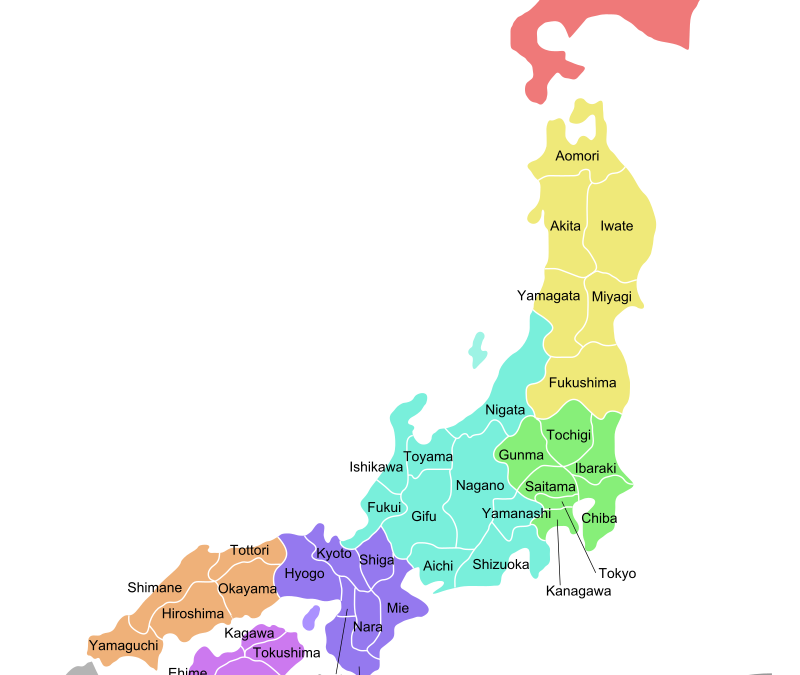
Glass did not arrive in Japan as art. It arrived as cargo. When Portuguese ships reached the archipelago in the sixteenth century they brought the word vidro — Portuguese for glass — which Japanese ears rendered as bidoro (ビードロ). The place where that cargo, and that word, first came ashore and stayed was Nagasaki, the southern port that for more than two centuries served as Japan’s only legal window onto the outside world.
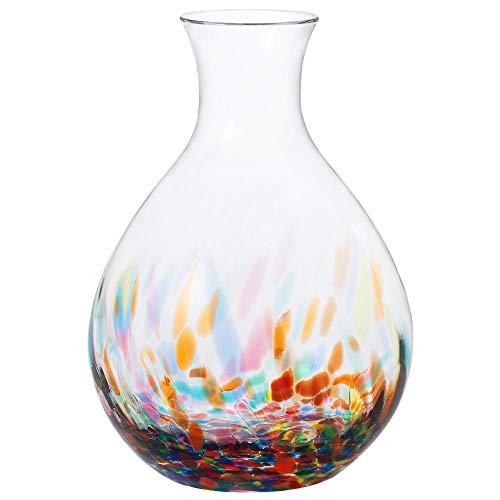
The Nagasaki poppen (ぽっぺん) is the most charming thing that window produced. It is a hand-blown glass flask with an extraordinarily thin, flat base — paper-thin, by the studios’ own description — that flexes when you exhale gently into the neck. The flexing membrane snaps back and forth and produces a soft chime, popu-pen, popu-pen, which is exactly where the name comes from. It is not a cup, not a vase, and not really a toy in the modern sense. It is a piece of glass that sings.
This guide covers a contemporary Nagasaki bidoro poppen attributed to the Nagasaki studio Rurian (瑠璃庵), a workshop near Glover Garden that revived the local glassblowing tradition. We look at what the object is, where the craft comes from, how it differs from Tsugaru, Otaru, Ryukyu, and kiriko glass, and — for international readers — how to actually buy it from outside Japan. One thing up front: the fetched listing data for this piece came back essentially empty, so wherever a price or a hard spec would normally go, we say so plainly rather than guess.
🔄 Last updated: June 3, 2026
⏱️ Read time: ~9 min

- Who this is for — and who should skip it
- Product overview (from published specs)
- Where this comes from — place, era, and the craft tradition
- Price snapshot across stores
- 📦 Shipping & where to buy from outside Japan
- What it does well
- Weaknesses and things to verify before buying
- Conclusion — which buyer type are you?
- Other ways to approach this purchase
- 🏆 Editor’s Pick
- ❓ Frequently Asked Questions
Who this is for — and who should skip it
- Want an object with genuine craft and trade history, not generic décor
- Are drawn to the idea of a glass piece that makes a sound rather than holds a drink
- Collect Japanese regional glass (Tsugaru, Ryukyu, Otaru) and want the Nagasaki origin point
- Are buying a quiet, conversation-piece gift for someone who appreciates fragility and history
- Understand it is a display and demonstration object, handled gently
- Want functional drinkware — this is not a cup or tumbler
- Need something child-proof; the paper-thin base is easily cracked
- Are buying for rough daily handling or travel
- Expect a confirmed price and full spec sheet before ordering (fetched data here is thin)
- Dislike pieces that need careful storage and dusting
Product overview (from published specs)
The fetched dataset for this item returned no listing snapshot, so the table below is built from the craft’s definitional properties and the studio attribution in the spec rather than from a live spec sheet. Treat every “verify on listing” cell as exactly that — confirm it on the marketplace before you order. Based on listings of comparable Nagasaki bidoro poppen, the figures that matter most (overall length, weight, exact glass composition) are rarely published and should be checked directly.
Nagasaki Poppen Glass (Bidoro)
長崎ビードロ ぽっぺん 長崎お土産
通常6~7日以内に発送します。 · Sold by 和み彩堂 · ASIN B0HCCJJK83
Price and availability as of 2026-09-01 05:22 JST. The Amazon listing at the time of purchase is authoritative. jpmono.com earns a commission on qualifying purchases at no extra cost to you.
| Attribute | Detail (per spec / craft definition) |
|---|---|
| Item | Nagasaki bidoro poppen — hand-blown glass sounding flask |
| Studio | Rurian (瑠璃庵), Nagasaki (per spec recommendation hint) |
| Material | Mouth-blown glass (bidoro); exact composition not stated in fetched data |
| Defining feature | Paper-thin flat base that flexes and chimes (“popu-pen”) on a gentle breath |
| Function | Sounding / display object — not drinkware |
| Origin | Nagasaki, Kyūshū, Japan |
| Dimensions / weight | Unconfirmed — verify on listing |
| ASIN | B0HCCJJK83 |
| Price | Not present in fetched data — check the listing for the current figure |
📖 Glossary — key terms
- bidoro (ビードロ, also biidoro) — Japanese rendering of the Portuguese vidro, “glass.” Used for the thin Edo-era blown glass that entered Japan through Nagasaki.
- poppen (ぽっぺん, also popen / popin) — a thin-walled glass flask whose flat base flexes when blown, making a “popu-pen” chime; the toy is named after that sound.
- vidro — Portuguese for glass; the source word for bidoro.
- Dejima (出島) — the small fan-shaped artificial island in Nagasaki harbor that housed the Dutch trading post and was, for over two centuries, Japan’s principal point of contact with the West.
- kiriko (切子) — cut glass (e.g., Edo Kiriko, Satsuma Kiriko); distinct from the blown bidoro tradition.
- shokunin (職人) — a craftsperson / skilled artisan.
Where this comes from — place, era, and the craft tradition

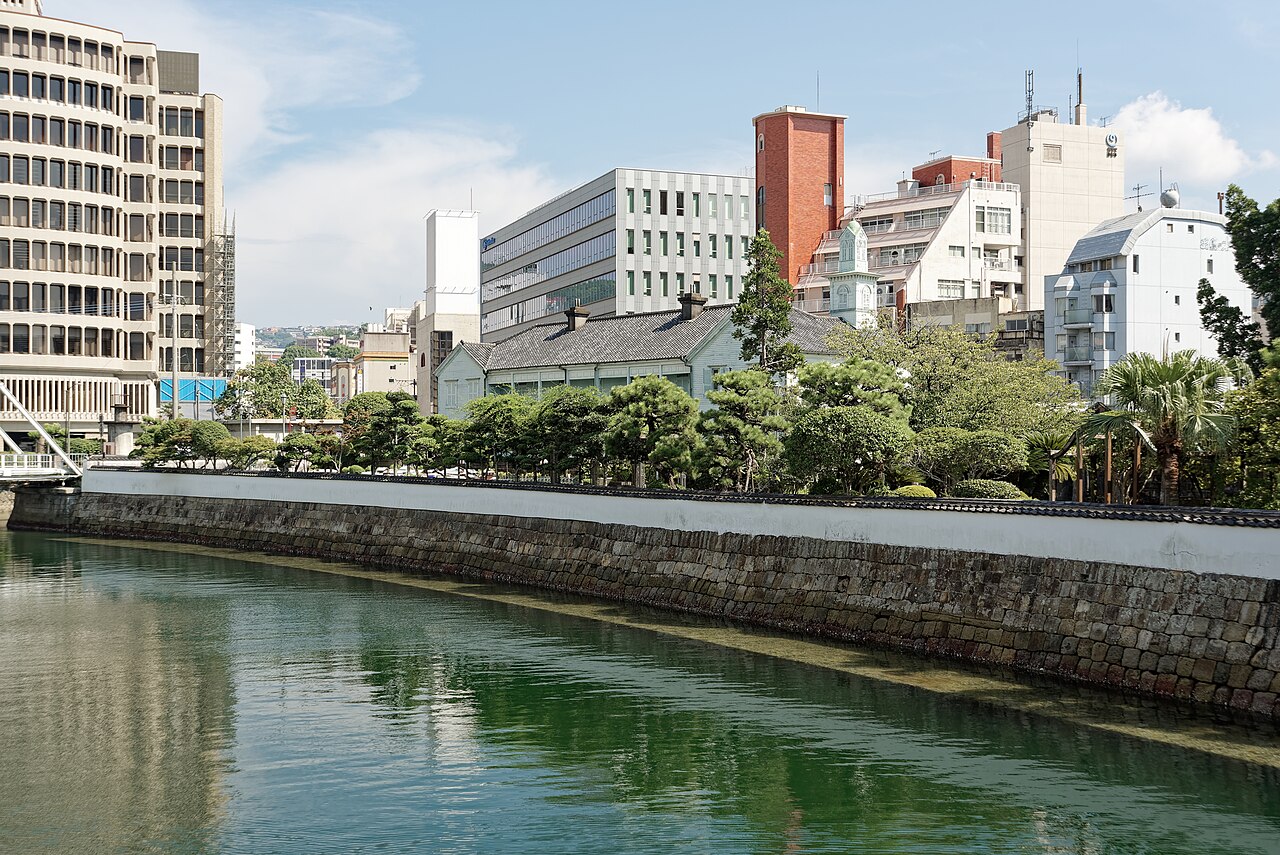
To understand the poppen you have to understand Nagasaki’s strange position in Japanese history. For most of the Edo period (1603–1868) the country was closed to foreign trade under the sakoku policy — with one deliberate exception. Nagasaki, far to the southwest on Kyūshū, was kept open as a controlled valve. Portuguese contact in the mid-sixteenth century had already introduced the word vidro; from 1641 the Dutch trading post was confined to the small fan-shaped island of Dejima in Nagasaki harbor, and through that single channel European goods, books, and techniques trickled into an otherwise sealed nation.
Glass was among those goods. Thin European glassware was exotic and admired, and Nagasaki artisans began blowing their own — the soft soda-lime bidoro that gives the tradition its name. By the mid-Edo period the city’s glassblowers were producing thin novelties, and the most beloved of these was the poppen: a flask blown so thin at the base that a breath could flex it into song.
“The poppen is not drinkware. It is a sound you hold in your hand — the one piece of Edo glass designed to be played rather than used.”
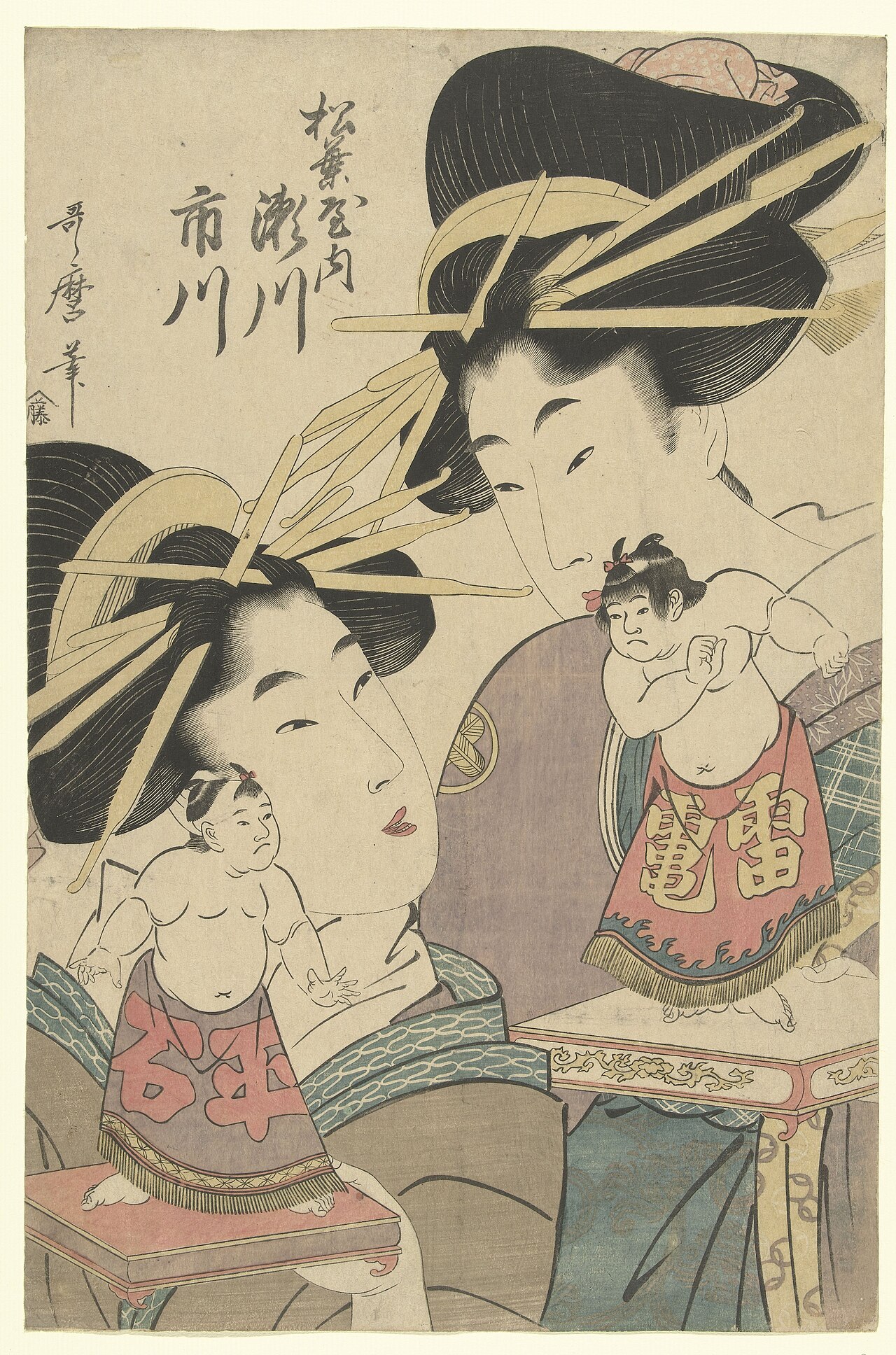
The toy did not stay local. It traveled the trade roads to Edo and Osaka, and by the late eighteenth century it was famous enough that the ukiyo-e master Kitagawa Utamaro depicted a young woman blowing one in a print now usually titled “Young Woman Blowing a Poppen” (Bidoro o fuku musume). That single image fixed the poppen in the popular imagination — a fashionable, faintly risqué everyday pleasure rather than a precious object.
- mid-1500s — Portuguese contact introduces the word vidro (glass), rendered in Japanese as bidoro.
- 1641 — The Dutch trading post is confined to Dejima; Nagasaki becomes Japan’s sole window to the West.
- mid-Edo (c. 1700s) — Nagasaki artisans blow paper-thin glass novelties; the poppen takes shape.
- c. 1790s — Utamaro’s print of a woman blowing a poppen spreads the toy’s fame to Edo.
- 1859 — Nagasaki reopens as a treaty port; Western glassmaking knowledge flows in once more (the Glover era).
- Modern era — Nagasaki studios such as Rurian (瑠璃庵), near Glover Garden, revive bidoro glassblowing.
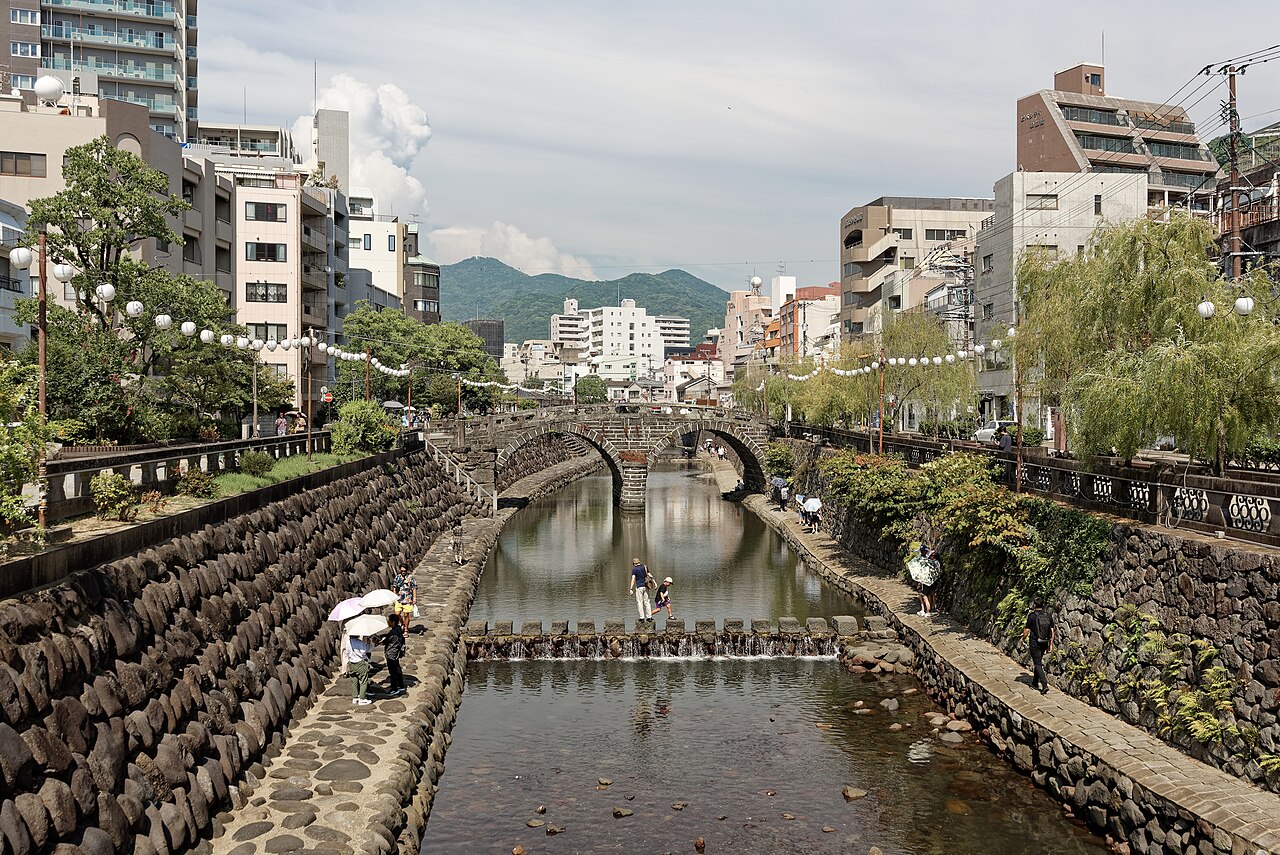
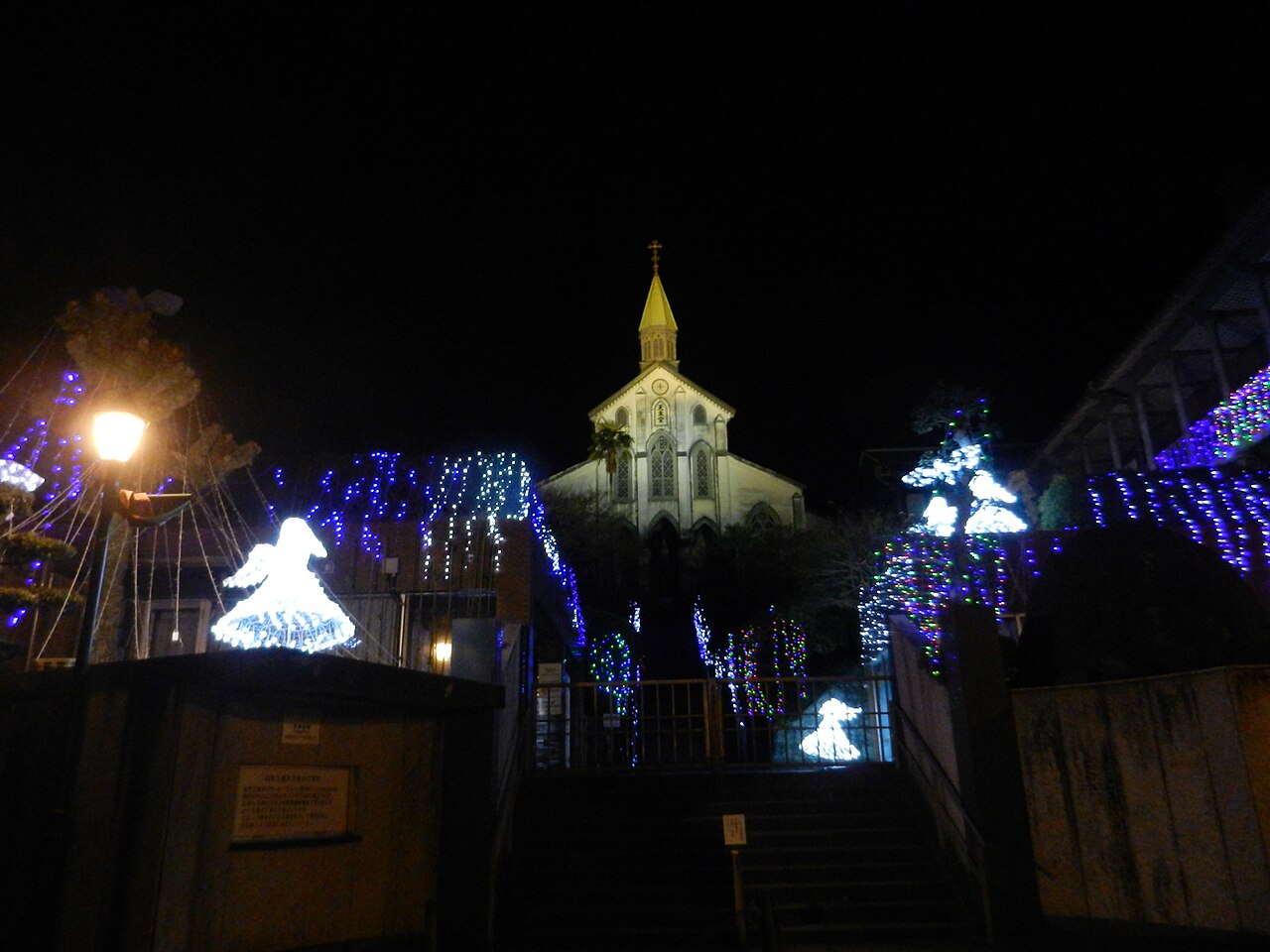
Walk central Nagasaki today and the foreign-contact layers are still legible. The seventeenth-century stone Spectacles Bridge (Meganebashi), the slopes of the old foreign settlement, Glover Garden, and Ōura Cathedral all sit within a compact district that grew out of centuries of trade with the Dutch, Portuguese, and Chinese. The bidoro tradition belongs to that same cultural sediment — it is local craft, but its DNA is the meeting of Japanese hands and imported technique.
What “still being made here” means in practice is modest and honest. The poppen is no longer an everyday object; it survives as a revived craft kept alive by a handful of Nagasaki glass studios, of which Rurian (瑠璃庵) near Glover Garden is the one named in this guide’s spec. Each piece is mouth-blown, and the chiming base is, by the studios’ own account, deliberately blown to the edge of what glass can hold — which is also why no two sound exactly alike, and why they break so easily.
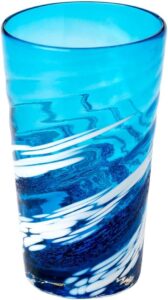
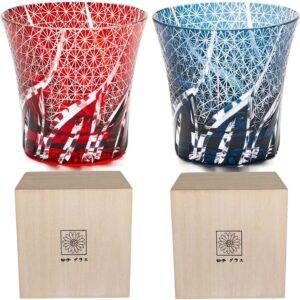
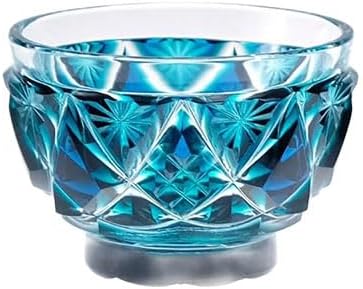
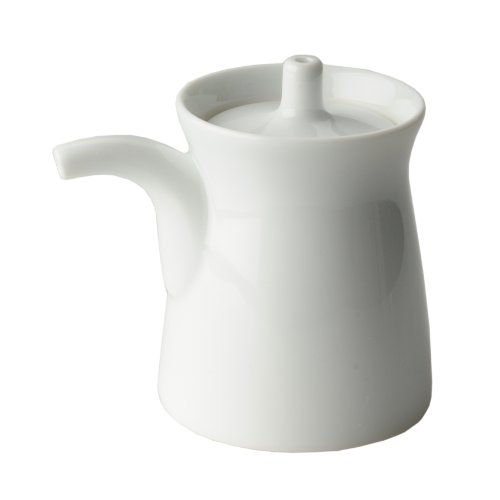
Nagasaki bidoro is the origin point of Japanese glass, but it is one node in a wide family of regional glass and Kyūshū ceramics. These existing guides set it in context — from other blown-glass towns to cut-glass kiriko to the porcelain of the same island.
Price snapshot across stores
JPY is the authoritative price for the specific sourced item; any USD figure is an approximate estimate at a ¥150/USD baseline (mid-2026). The fetched data for this listing returned no price, so the cells below reflect what can be honestly stated rather than a guessed figure.
| Store | Item / variant | Price (JPY + USD est.) | Notes |
|---|---|---|---|
| 🇺🇸 Amazon US (search) | Browse Japanese hand-blown glass | varies (USD) | Best if you are shopping from the US — Prime shipping, USD pricing, no international customs. Amazon US carries Japanese blown glass from Tsugaru, Ryukyu, and other makers for comparison; the specific Nagasaki poppen is sourced from Japan (next row). |
| Amazon JP Global Store | Nagasaki bidoro poppen (ASIN B0HCCJJK83) | Not in fetched data — verify on listing | Where the specific item is sourced. Ships internationally from Japan to most major destinations. Confirm the current price and shipping quote at checkout. |
| Maker direct | Rurian (瑠璃庵) studio / Nagasaki glass shops | Unconfirmed — check maker site | Nagasaki studios sell on-site and sometimes online; domestic-only shipping may apply. Useful for selection but not always international-friendly. |
| Proxy services (Buyee / Tenso) | Forwarding from JP-only shops | item price + forwarding fee | A path when a studio ships only within Japan. Adds a service fee and a repacking step — worth requesting extra-fragile packing for a paper-thin glass. |
📦 Shipping & where to buy from outside Japan
The most reliable international path is the Amazon JP Global Store link above, which ships from Japan to most major destinations; international shipping to the US and EU on small glass items typically runs in the $15–$40 range, though the exact quote appears only at checkout. Because the poppen is extraordinarily fragile, the packing matters more than usual — prefer a seller that explicitly states protective packaging, and expect a small box.
If you buy through a Japan-only studio shop, a proxy/forwarding service such as Buyee or Tenso can receive and re-ship the parcel for a fee; ask them to add fragile-item packing. Orders above your country’s de minimis threshold may attract customs duty or import VAT, so factor that in before comparing the JPY price against local glassware.
What it does well
The defining feature: a gentle breath flexes the paper-thin base into a soft “popu-pen” chime. Few objects in any craft do this.
A direct line back to Dejima, the Dutch trade, and Utamaro’s ukiyo-e — not invented heritage marketing.
Mouth-blown by a Nagasaki studio, so each piece varies slightly in form and tone — a one-of-a-kind quality.
Light, small, and conversation-starting — a memorable present for someone who already has plenty of conventional glassware.
Weaknesses and things to verify before buying
- Extremely fragile. The sounding base is blown to the limit of what glass can hold; it can crack with too strong a breath or a light knock. This is the single biggest caveat.
- Not drinkware. It is a sounding and display object. If you want a usable cup, look at the Tsugaru, Otaru, or Ryukyu glass guides linked above instead.
- No confirmed price or spec sheet here. The fetched data for this listing came back empty, so dimensions, weight, and price must be verified directly on the listing before ordering.
- Variation is inherent. Being hand-blown, color, exact shape, and the pitch of the chime differ piece to piece; the photo is representative, not exact.
- Shipping fragility. A paper-thin glass object crossing borders needs careful packing; confirm protective packaging and consider the risk of breakage in transit.
- Care and storage. It needs gentle hand-cleaning and dust-free display; it is not suited to a busy kitchen shelf or a household with small children or pets.
Conclusion — which buyer type are you?
You collect regional Japanese glass and want the Nagasaki origin point. Buy the studio piece, verify provenance, and prioritize careful packing. This is your object.
You want a memorable, history-rich gift. The poppen fits well — just set expectations with the recipient that it is delicate and to be enjoyed gently.
If you want everyday usable Japanese glass at a clearer price, a Tsugaru or Otaru tumbler (linked above) gives you function and durability for the money.
If you need something child-proof, dishwasher-safe, or with a guaranteed spec and price up front, this is not the right purchase.
Other ways to approach this purchase
Hand-blown craft glass rarely discounts deeply, but Amazon JP Global Store pricing does shift. If price matters, watch the listing rather than buying on impulse.
There is no meaningful refurbished market for a fragile glass poppen; a chipped or cracked secondhand piece loses its sound. Buy new from a studio path.
If you already use Amazon points or a rewards card, applying them here is sensible — the item is small enough that shipping, not list price, is often the swing factor.
If a usable, durable glass is what you actually need, redirect the budget to one of the tumbler guides linked above and keep the poppen on a wishlist.
🏆 Editor’s Pick
❓ Frequently Asked Questions
What is a Nagasaki poppen and why does it make a sound?
A poppen is a hand-blown glass flask whose flat base is blown extremely thin. When you breathe gently into the neck, the base flexes in and out and snaps back, producing a soft “popu-pen” chime — which is where the name comes from. It is a sounding object rooted in Nagasaki’s Edo-era bidoro glass tradition.
Is Nagasaki bidoro the same as Tsugaru Bidoro or Edo Kiriko?
No. Nagasaki bidoro is the origin point — the thin blown glass that entered Japan through the Dejima trade. Tsugaru, Otaru, and Ryukyu glass are later regional blown-glass traditions, usually functional tumblers. Edo Kiriko and Satsuma Kiriko are cut glass (kiriko), a different technique entirely. The poppen specifically is a sounding object, not drinkware.
Can I buy it from outside Japan, and does it ship internationally?
Yes. The Amazon JP Global Store listing ships from Japan to most major destinations; international shipping on a small glass item typically runs about $15–$40 to the US and EU, with the exact quote shown at checkout. If a studio sells Japan-only, a proxy service such as Buyee or Tenso can forward it for a fee. Orders above your country’s threshold may incur customs duty.
How fragile is it, and how do I care for it?
Very fragile — the chiming base is blown to the edge of what glass can hold. Handle it gently, blow softly rather than hard, clean it by hand, and store it where it will not be knocked. It is not suited to a busy kitchen or a home with small children or pets.
Is it safe to blow into, and is it a toy for children?
Historically the poppen was an everyday novelty, but a modern hand-blown studio piece is best treated as a delicate display and demonstration object for adults. Blow gently; the thin base can crack under too strong a breath. It is not recommended as an unsupervised children’s toy.
How much does it cost?
The fetched data for this specific listing returned no price, so we will not guess one. The JPY price shown on the Amazon JP Global Store listing is the authoritative figure — please check it there before purchasing. Any USD figure elsewhere on this page is an approximate estimate at a ¥150/USD baseline.
jpmono.com is curated by a Japan-based editorial team (working out of Toyama in the Hokuriku region and Nara in Kansai) and is independent. We don’t take payment from the makers we feature; income comes from affiliate links. We don’t physically test every product — we read maker specs and source listings.
This article was prepared with AI assistance and reviewed against the available source data. Specifications, prices, and availability should be confirmed on the retailer’s listing before purchase.
Affiliate disclosure: jpmono.com may earn a commission on qualifying purchases made through links on this page, at no additional cost to you.