![Osaka Senshu Kiri Paulownia Rice Bin (Kome-bitsu): Where to Buy [2026]](https://jpmono.com/wp-content/uploads/2026/06/osaka-senshu-kiri-paulownia-rice-bin-where-to-buy-2026-featured-1.jpg)
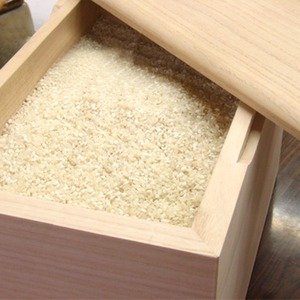
A kome-bitsu (米びつ, “rice bin”) is one of those quiet kitchen objects that does its work without ever asking for attention. This one is built from kiri (桐, paulownia) by Masuda Kiribako, a workshop rooted in the Senshu paulownia-joinery tradition of southern Osaka — the same lineage that produced the prized paulownia dowry chests of the Edo period. It is a plain wooden box for storing uncooked rice, and almost everything interesting about it is in the wood.
Kiri is the lightest timber native to Japan, and it behaves unusually around moisture: the grain swells just enough to seal against humid air, then breathes back open as conditions dry. That buffering keeps stored rice from sweating in summer or drying out in winter, and the wood’s natural tannins are traditionally credited with discouraging weevils and other pantry insects. For rice — a staple that oxidizes and stales faster than most people expect — those are exactly the properties you want from a container.
This guide is written for readers shopping from outside Japan who want to understand what they are actually buying: where the craft comes from, what the wood does and does not do, how it compares with lacquered boxes and other rice-storage approaches, and the realistic paths to purchasing one internationally. Based on the available listing data, we cover origin, materials, sizing, care, and the honest caveats.
📅 Published: June 4, 2026
🔄 Last updated: June 4, 2026
⏱️ Read time: ~9 min
- Who this is for — and who should skip it
- Product overview (from published specs)
- Where this comes from
- Price snapshot across stores
- What it does well
- Weaknesses and things to verify before buying
- Conclusion — which buyer type are you?
- Other ways to approach this purchase
- 🏆 Editor’s Pick
- ❓ Frequently Asked Questions
Who this is for — and who should skip it
- Buy rice in 5 kg or 10 kg bags and want a dedicated, breathable storage container
- Live somewhere with humid summers and want to slow rice staling without refrigeration
- Appreciate a plain, functional craft object made within a documented regional tradition
- Want a measuring cup (masu-style) included so portioning is consistent
- Prefer natural, untreated wood over plastic or enameled bins
- Need an airtight, gasket-sealed container (kiri breathes — it is not hermetic)
- Want a dishwasher-safe or fully washable bin (this is bare wood)
- Store very small quantities and would not fill a 5 kg bin before it ages
- Need it urgently — international shipping from Japan takes time
- Expect a precise live price; our data snapshot did not capture one (see notes below)
Product overview (from published specs)
The table below summarizes what is stated on the source listing for this item. Where a value was not captured in our data snapshot, it is marked rather than guessed.
Osaka Senshu Kiri Paulownia Rice Bin (Kome-bitsu)
泉州 留河 桐の米びつ 無地30kg
通常4~5日以内に発送します。 · Sold by インテリアの壱番館 · ASIN B0755L3454
Price and availability as of 2026-09-01 05:22 JST. The Amazon listing at the time of purchase is authoritative. jpmono.com earns a commission on qualifying purchases at no extra cost to you.
| Attribute | Detail (per listing) |
|---|---|
| Item | Paulownia rice bin (kome-bitsu), with measuring cup |
| Maker | Masuda Kiribako (Osaka Senshu paulownia joinery) |
| Material | Kiri (paulownia) wood — Japan’s lightest native timber |
| Capacity | 5 kg and 10 kg sizes (per the recommendation hint) |
| Origin | Senshu district, southern Osaka, Kansai region, Japan |
| Tradition | Osaka Senshu Kiri Tansu (paulownia chest) lineage |
| Reference ID | ASIN B0755L3454 |
| Price | Not captured in our data snapshot — verify on the listing before purchase |
Sources: Amazon US search (primary, moonill-20) + Amazon JP Global Store (secondary, moonill-22, sourced listing) + maker direct where available. Our automated snapshot for this article returned no live price, so figures below are described qualitatively; always confirm at the retailer.
📖 Glossary — key terms
- Kiri (桐, paulownia) — the lightest wood native to Japan; valued for humidity buffering, insulation, and insect resistance.
- Kome-bitsu (米びつ) — a “rice bin,” a container for storing uncooked rice in the home.
- Tansu (箪笥) — a traditional Japanese chest of drawers or storage chest; Senshu’s paulownia tansu were prized as dowry furniture.
- Senshu (泉州) — the historic name for the southern coastal district of Osaka, including Kishiwada, Sakai, and Tadaoka.
- Sashimono — joinery furniture assembled by fitting wood together, traditionally with minimal hardware.
- Shokunin (職人) — a skilled craftsperson or artisan.
Related jpmono guides to woodwork and kitchen tools worth reading alongside this one.
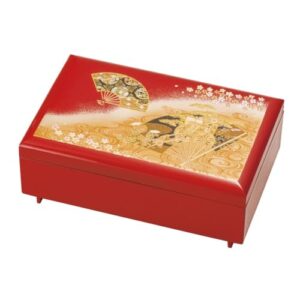 Kyo paulownia box
Another kiri object — Kyoto joinery
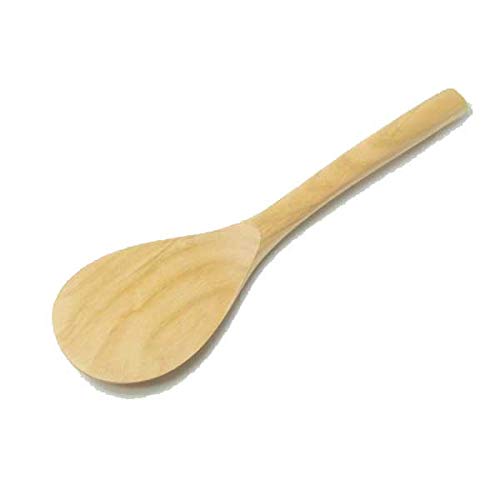 Miyajima rice scoop
Pairs with rice storage
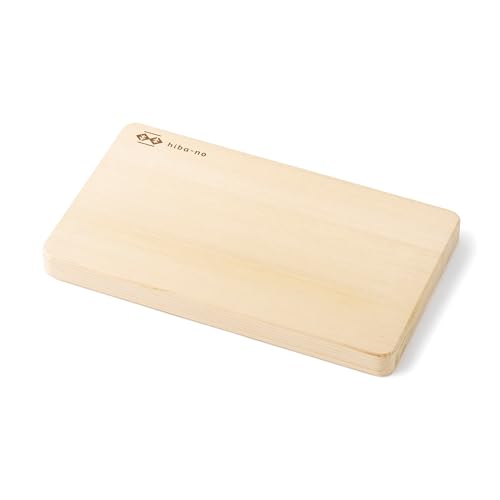 Aomori hiba board
Antibacterial Japanese wood
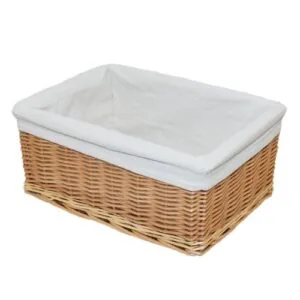 Toyooka willow basket
Breathable natural storage
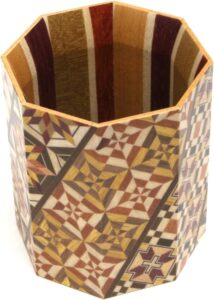 Hakone yosegi
Marquetry woodwork
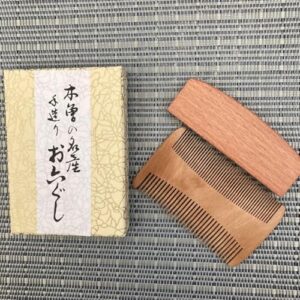 Kiso wooden comb
Fine-grained craft wood
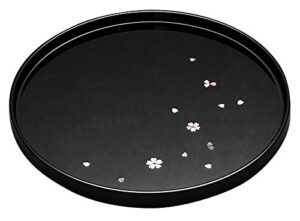 Nara raden tray
Lacquer counterpoint to bare wood
Where this comes from

Osaka was, for most of the Edo period (1603–1868), the commercial engine of Japan — tenka no daidokoro, “the nation’s kitchen,” where rice and goods from across the country were traded and warehoused. That merchant economy is the backdrop for the region’s furniture trades: where money and goods move, so does demand for chests, boxes, and storage built to last.

South of the city core, the Senshu coast — Kishiwada, Sakai, and Tadaoka — became one of Japan’s two great centers of paulownia joinery. The tradition is recognized today as Osaka Senshu Kiri Tansu, paulownia chestwork. Senshu paulownia chests were prized as daimyo dowry furniture, carried into marriages precisely because kiri does what few woods do: it is the lightest native timber, it swells to seal against moisture, and it resists fire and insects. A chest of kiri could survive a house fire with its silk contents scorched only at the surface — a property that turned these boxes into family insurance as much as furniture.
- 593 — Shitennō-ji is founded in Osaka (traditionally dated); temple carpentry seeds the region’s woodworking lineage.
- 1583 — Toyotomi Hideyoshi begins Osaka Castle; the merchant city’s trade economy takes shape.
- 1603–1868 — Through the Edo period, Senshu paulownia (kiri) chests become prized daimyo dowry furniture.
- 1703 — The Kishiwada Danjiri Matsuri is traditionally dated to this year, reflecting Senshu’s deep carpentry culture.
- Modern era — The tradition is recognized as Osaka Senshu Kiri Tansu, a designated traditional craft.
- Today — Makers such as Masuda Kiribako carry kiri joinery into kitchen goods like the kome-bitsu rice bin.

Kishiwada is best known abroad for its autumn danjiri matsuri, in which teams haul massive wooden float-shrines through the streets at a run. The festival and the furniture grow from the same root: a town where woodworking skill was abundant, respected, and passed down. The same carpentry culture that builds and maintains those floats sits behind the joiners who shape kiri into chests — and, in the modern kitchen, into rice bins.

“Paulownia is the lightest wood native to Japan — light enough to lift with one hand, yet it swells shut against humid air to guard what it holds.”
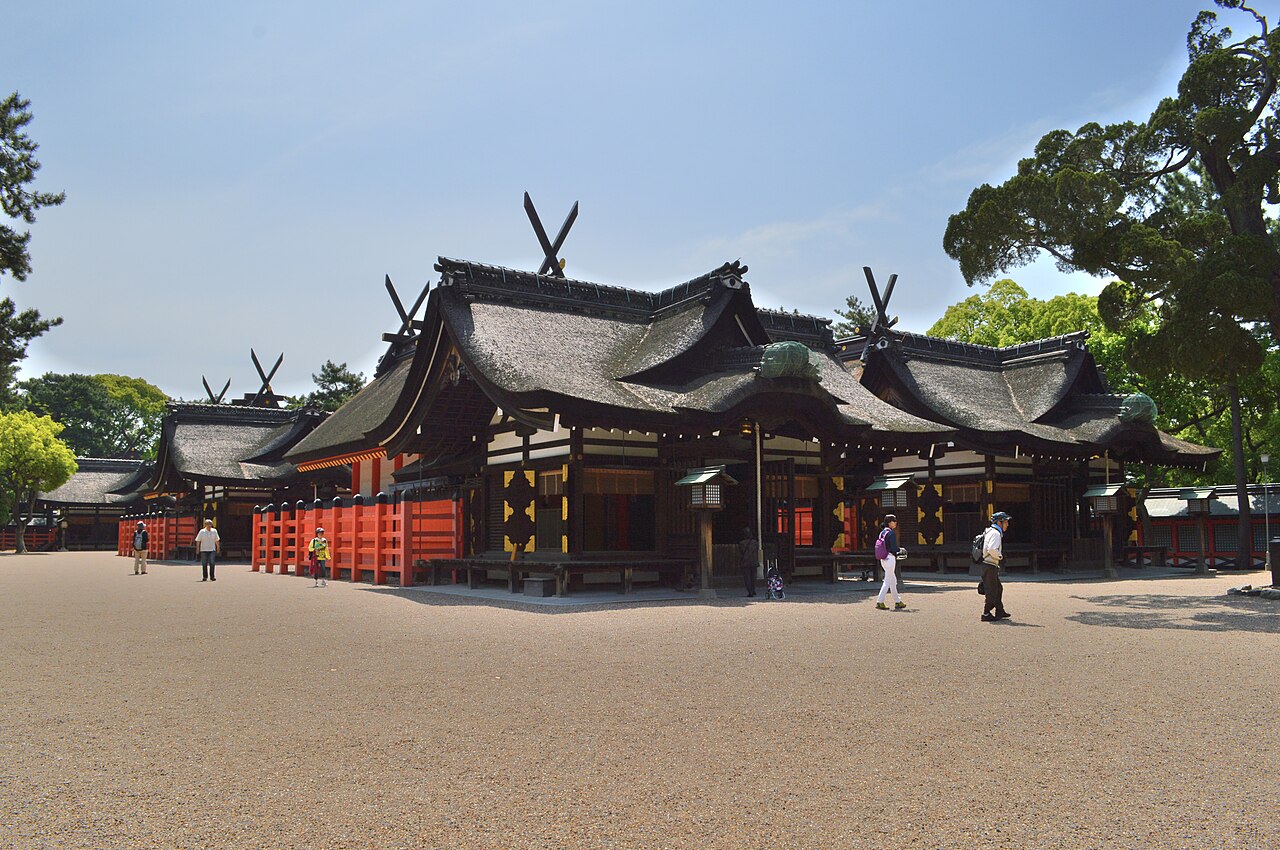
Osaka’s woodworking continuity is older than the castle that symbolizes the city. Sumiyoshi Taisha, one of Japan’s oldest shrines, has been rebuilt in its distinctive timber style across centuries — a standing reminder that handling wood well is, in this region, a very long habit. The kome-bitsu is a humble descendant of that lineage: not heritage marketing, but the same material knowledge applied to the everyday job of keeping rice fresh.
Price snapshot across stores
Our automated snapshot for this article did not capture a live price for this listing, so the cells below describe the purchase paths rather than quoting a figure. Always confirm the current price at the retailer before buying.
| Store | Item / variant | Price (JPY authoritative; USD est.) | Notes |
|---|---|---|---|
| 🇺🇸 Amazon US (search) | Browse Japanese paulownia rice bins & kitchen storage | varies (USD) | Best if you are shopping from the US — Prime shipping, USD pricing, no international customs. Amazon US carries comparable Japanese kitchen and home goods; this exact Masuda Kiribako piece is sourced from Japan (next row). |
| 🇯🇵 Amazon JP Global Store | Masuda Kiribako paulownia kome-bitsu (5 kg / 10 kg) | See listing (not captured in snapshot) | The sourced listing for the specific item. Ships internationally from Japan to most major destinations. |
| Maker direct | Masuda Kiribako paulownia goods | — | A direct workshop channel may exist but was not captured in our data; international shipping is not confirmed. |
| Proxy services (Buyee / Tenso) | Forward a Japan-only listing abroad | Item price + forwarding fee | Useful if a particular size or seller is Japan-only; adds a handling fee and a second shipping leg. |
Currency note: JPY (¥) is the authoritative price for the specific listed item; USD figures elsewhere are approximate estimates at a ¥150/USD baseline as of mid-2026. Prices and availability fluctuate — verify at the retailer via the affiliate link.
What it does well
Kiri grain swells and breathes with the air, holding stored rice in a more stable microclimate than plastic or metal.
Paulownia’s natural tannins are traditionally credited with discouraging weevils and pantry pests around the rice.
As Japan’s lightest native wood, kiri keeps even a 10 kg bin manageable to lift, move, and refill.
A bundled cup makes consistent portioning simple, so the bin is ready to use the moment rice is poured in.
Weaknesses and things to verify before buying
- Not airtight. Kiri is designed to breathe, not to seal hermetically. If you specifically need a gasketed, vacuum, or pest-proof container, this is the wrong tool.
- Bare wood care. It should be wiped dry, not washed or soaked, and never put in a dishwasher. Standing water and harsh detergents will damage the surface.
- Climate matters. In very humid or very dry homes you should still rotate rice promptly; the wood buffers conditions but does not stop staling entirely.
- Capacity fit. A 5 kg or 10 kg bin is generous; small households may not work through the rice before it ages, partly offsetting the freshness benefit.
- Price not confirmed in our snapshot. Our data capture returned no live price, so budget on the listing itself before committing.
- International logistics. Shipping a wooden box from Japan adds cost and time, and possibly customs handling depending on your country’s thresholds.
Conclusion — which buyer type are you?
You want a craft object with a documented regional tradition and will care for bare wood properly. The Senshu kiri bin fits well.
You buy 5–10 kg rice bags and want better storage than a bag clip. A good everyday upgrade — confirm the size you need.
If cost and international shipping are the deciding factors, a sealed plastic bin stores rice adequately; the kiri benefits are real but incremental.
If you need an airtight, washable, or compact container, or rarely cook rice, this is not the right purchase.
Other ways to approach this purchase
Amazon sale events can lower the landed cost; set a watch on the listing if you are flexible on timing.
Less common for natural-wood goods, but warehouse-deal units occasionally appear; inspect the wood-condition notes.
If you bank Amazon points or card rewards, applying them here offsets the international shipping premium.
If an airtight or compact bin suits your kitchen better, it is reasonable to pass and revisit later.
🏆 Editor’s Pick
❓ Frequently Asked Questions
Does Amazon JP Global Store ship a paulownia rice bin internationally?
In most cases, yes. The Amazon JP Global Store is set up to ship many household items to major international destinations, and a wooden rice bin is generally eligible. Confirm shipping availability to your specific country on the listing page before ordering, since eligibility can vary by item and region.
Why is kiri (paulownia) wood good for storing rice?
Kiri grain swells slightly in humid air and breathes back open as it dries, which buffers the humidity around the rice and slows oxidation. The wood’s natural tannins are also traditionally credited with discouraging weevils and other pantry insects. Together these properties help keep uncooked rice fresher than a sealed plastic or metal container in many home conditions.
Should I choose the 5 kg or 10 kg size?
Match the bin to how fast your household uses rice. The recommendation hint lists both 5 kg and 10 kg sizes; a smaller household generally does better with 5 kg so the rice is used while fresh, while a larger household or one that buys in bulk may prefer 10 kg. The freshness benefit is strongest when you finish a fill within a few weeks.
How do I care for and clean a paulownia rice bin?
Treat it as bare wood: wipe the interior dry with a clean cloth between fills, and do not wash it under running water, soak it, or place it in a dishwasher. Keep it out of direct sunlight and away from damp. Occasional airing helps. Harsh detergents and standing water are the main things to avoid.
Is this a recognized traditional craft, and who makes it?
It comes from the Senshu district of southern Osaka, home to the paulownia chestwork tradition recognized as Osaka Senshu Kiri Tansu. The maker, Masuda Kiribako, carries that joinery tradition into modern kitchen goods such as this kome-bitsu rice bin.
Can I use it to store things other than rice?
The breathable, insect-resistant qualities of kiri also suit other dry staples, such as grains or legumes, provided you keep the wood dry and avoid anything oily or wet. It is not designed as an airtight container, so it is best for dry goods you rotate regularly rather than long-term hermetic storage.
jpmono.com is curated by a Japan-based editorial team (working out of Toyama in the Hokuriku region and Nara in Kansai) and is independent. We do not take payment from the makers we feature; income comes from affiliate links. Read more about our editorial standards.
This article was prepared with AI assistance and reviewed against the source listing data available at the time of writing. Specifications, pricing, and availability should be confirmed at the retailer before purchase.
Affiliate disclosure: jpmono.com may earn a commission on qualifying purchases made through links on this page, at no additional cost to you.