![Japanese Bonsai Shears: Omiya Koeda Trimming Scissors, Saitama [2026]](https://jpmono.com/wp-content/uploads/2026/05/japan-map-regions-and-prefectures-800x1050.png)
Japanese bonsai shears — koeda-basami (小枝鋏, “small-branch scissors”) — are the long-handled trimming scissors a grower reaches for when a cut has to be clean enough to heal without scarring. They are not general garden snips. The long, slim handles let the hand stay clear of dense foliage while the short carbon-steel blades meet the twig at a single precise point, and the geometry is tuned for the repetitive, careful pruning that bonsai demands rather than for brute cutting power.
The tool is inseparable from one place in particular: the Omiya Bonsai Village in Saitama, north of Tokyo, which has been the working capital of Japanese bonsai cultivation since 1925. That concentration of growers — all of them needing the same clean, healing cut, season after season — is what shaped the demand for a specialized twig shear in the first place. This guide treats the Omiya bonsai tradition as the cultural anchor, and is honest about where the steel itself is forged.
This article is for international readers comparing hand-forged Japanese twig shears, what to verify before paying, and how the Omiya bonsai context fits in. It covers typical specifications, buying considerations, strengths, and weaknesses. The subject is a category and a tradition as much as a single tool.
🔄 Updated: June 12, 2026
⏱️ Read time: ~10 min
- Who this is for — and who should skip it
- Product overview (from published specs)
- 📍 Where this comes from — place, era, and the bonsai tradition
- 📦 Shipping & where to buy from outside Japan
- Price information
- What it does well
- Weaknesses and things to verify before buying
- Conclusion — which buyer type are you?
- Other ways to approach this purchase
- ❓ Frequently Asked Questions
Who this is for — and who should skip it
- Keep bonsai, kusamono, or small ornamental trees and prune twigs frequently
- Want a clean cut that heals cleanly rather than crushing the branch
- Prefer hand-forged carbon steel that takes and holds a fine edge
- Value a tool tied to the Omiya bonsai tradition and Japanese tool-making
- Are comfortable maintaining carbon steel (wipe dry, light oil)
- Need a general garden pruner for thick stems or woody branches
- Want a stainless, zero-maintenance tool you never have to oil
- Are cutting wire, roots in soil, or anything that nicks a fine edge
- Expect a single budget tool to do every garden job
- Cannot wait for international shipping or verify the maker at checkout
Product overview (from published specs)
A hand-forged koeda-basami typically has a compact form for precise bonsai work. Dimensions, steel, maker, and price vary; the notes below describe category-level characteristics and avoid treating any one version as definitive.
| Attribute | Detail (maker tradition) | Source |
|---|---|---|
| Type | Koeda-basami — long-handled twig / small-branch trimming shears | Amazon JP Global Store |
| Blade material | Hand-forged carbon steel (hagane) | Maker direct |
| Overall length | ~180–200 mm (typical for this class) | General buying pattern |
| Intended use | Clean cuts on delicate branches and twigs; reaching into dense foliage | Maker direct |
| Tradition / origin | Omiya bonsai culture, Saitama (steel may be forged in Sanjo, Niigata — see “Where this comes from”) | Editorial / data note |
| Live price | — | Amazon JP Global Store |
📖 Glossary — key Japanese terms
- koeda-basami (小枝鋏) — “small-branch scissors”; long-handled shears for trimming twigs and fine branches.
- bonsai (盆栽) — the practice of cultivating miniature trees in trays; literally “tray planting.”
- hagane (鋼) — high-carbon steel, prized for taking a very fine, hard edge (and requiring care against rust).
- nokaji (野鍛冶) — rural village blacksmiths who forged farming, forestry, and garden blades to local need.
- Musashi (武蔵) — the old province covering modern Tokyo, Saitama, and part of Kanagawa.
- Nishikawa (西川) — the western Saitama timber region (Hannō / Naguri) whose forestry economy sustained rural smiths.
Related hand-forged Japanese cutting tools we’ve covered — useful for comparing steel, geometry, and intended task.
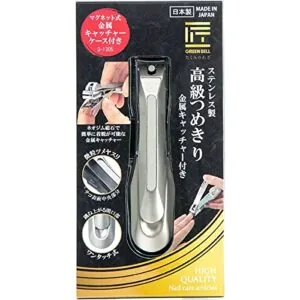 💅 Seki precision clipperSeki blade-town precision
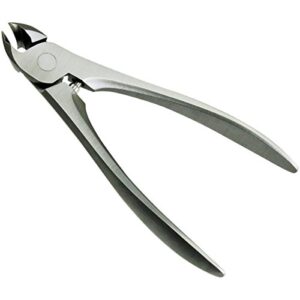 🪚 Suwada nail nipperSanjo-forged nipper
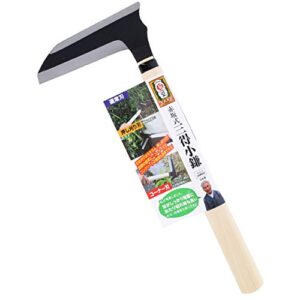 🌾 Chiba forged grass sickleHand-forged kama
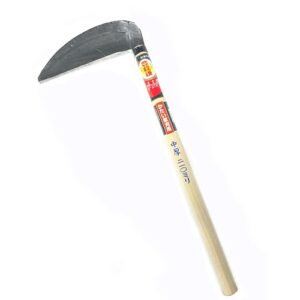 🌿 Shinshu forged sickleShinshu uchihamono
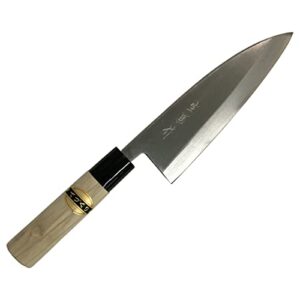 🔪 Echizen forged santokuEchizen uchihamono
 🥬 Kaga forged nakiriKaga hamono
📍 Where this comes from — place, era, and the bonsai tradition

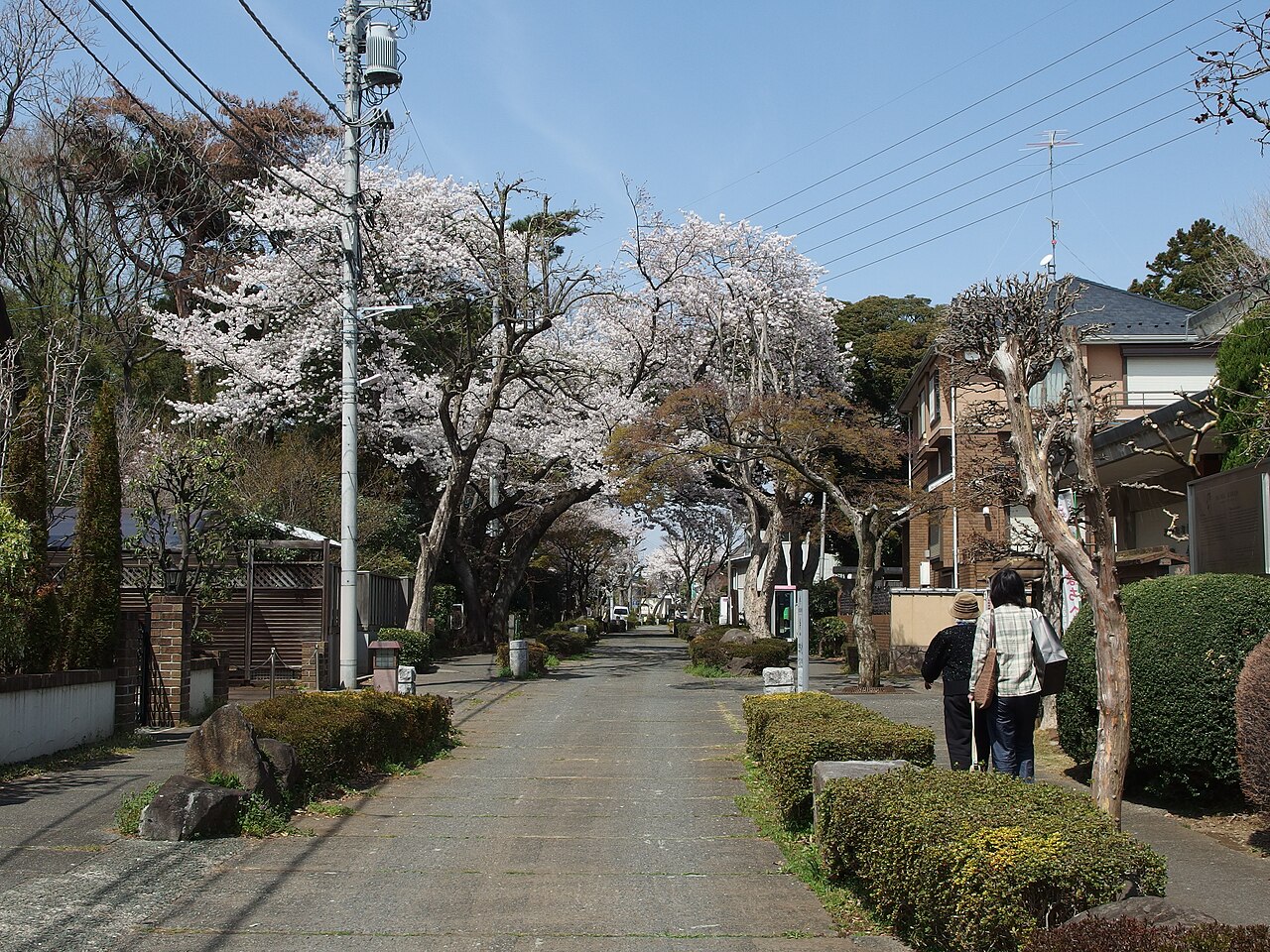
Saitama Prefecture sits directly north of Tokyo, occupying the inland half of the old Musashi province on the Kantō plain. It has no coastline: the east is flat alluvial farmland watered by the Arakawa and Tone river systems, and the west rises into the forested Chichibu mountains. Saitama City, formed in 2001 from the merger of Urawa, Ōmiya, and Yono, holds the Omiya district at its center — close enough to Tokyo that growers can serve the capital’s collectors, far enough out to have the clean air, soil, and water that delicate trees need.
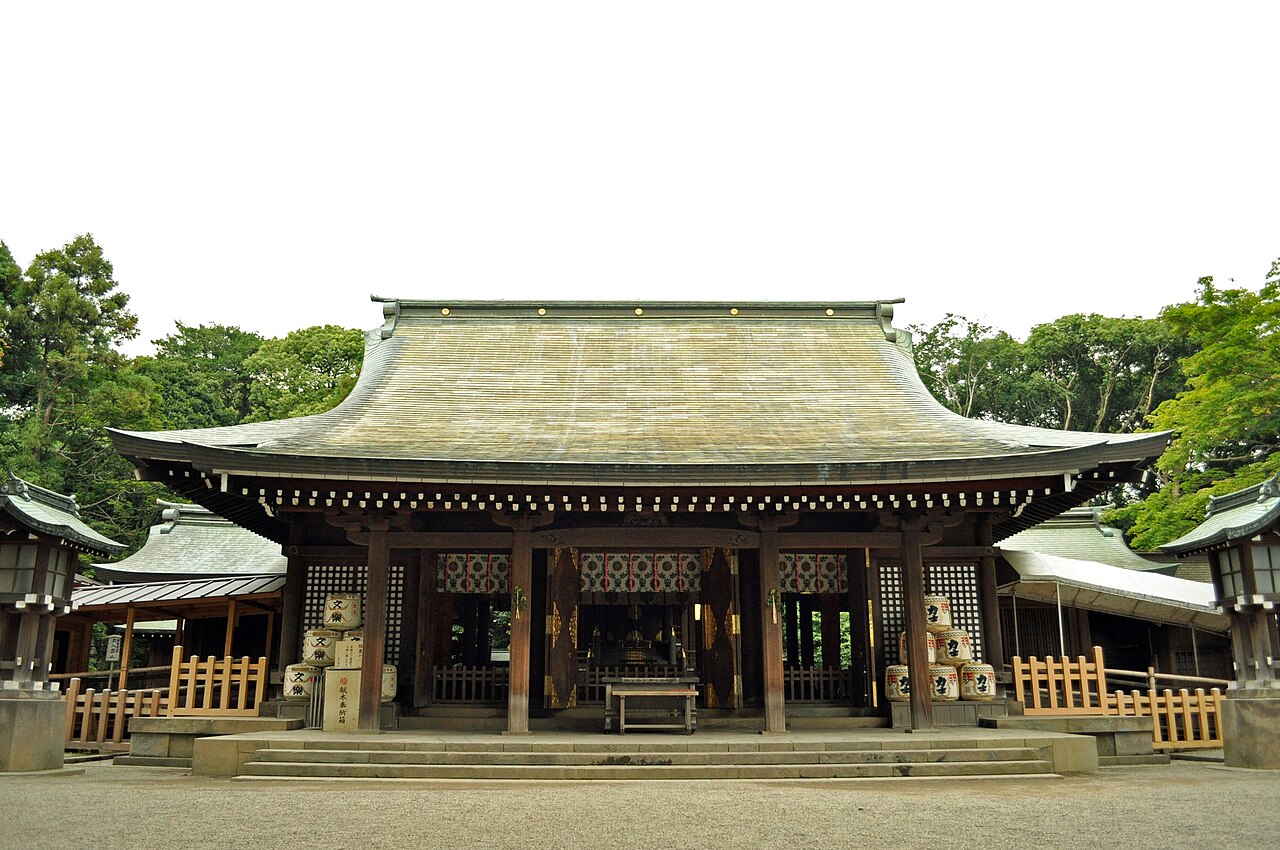
The name “Omiya” means “great shrine,” and it comes from the Hikawa Shrine at the district’s heart — the head of some 280 Hikawa shrines across the Kantō region, and a religious and economic anchor of central Saitama for centuries. Around that old shrine-town economy grew the markets, the nurseries, and the craftspeople who would later make Omiya a natural home for an industry built on patience.
The decisive moment came in 1925. After the Great Kanto Earthquake of 1923 wrecked much of Tokyo, a community of professional bonsai growers relocated north to a tract of pine woodland in Kita-ku, Saitama City, seeking the clean air, well-drained soil, and good water their trees required. They organized as the Omiya Bonsai Village, and over the following century it became the global capital of bonsai cultivation — host to the 1st World Bonsai Convention in 1989 and home to the Omiya Bonsai Art Museum, which opened in 2010 as the first public museum dedicated to the art.
- Edo period — Angyo (Kawaguchi, Saitama) develops as a horticulture and nursery district supplying the capital region.
- Edo period — Rural smiths (nokaji) forge forestry and garden blades for the Nishikawa timber region of western Saitama (Hannō / Naguri).
- 1923 — The Great Kanto Earthquake damages Tokyo’s nurseries and bonsai gardens.
- 1925 — Tokyo growers relocate north and organize the Omiya Bonsai Village in Saitama.
- 1989 — The 1st World Bonsai Convention is held, confirming Omiya’s global standing.
- 2010 — The Omiya Bonsai Art Museum opens as the first public museum of the art.
Why does a bonsai capital matter for a pair of shears? Because intensive bonsai care is, at bottom, an endless sequence of small precise cuts. A grower pinching back new growth on a pine or shaping a maple makes hundreds of cuts a season, and each one is a wound the tree has to seal. A crushing or tearing cut scars; a clean, scissor-sharp cut heals almost invisibly. That single requirement — clean cuts that heal without scarring — is what drove the demand for a specialized long-handled twig shear, the koeda-basami, distinct from the heavier branch cutters and concave cutters in the same kit.
“A bonsai tool is judged not by how much it cuts but by how cleanly the cut heals — the wound the tree never has to scar over.”
The toolmaking lineage of the wider region runs back to the Musashi-province nokaji — rural village smiths who forged the sickles, saws, and garden blades that forestry and farming needed. In the Nishikawa timber country of western Saitama, the same forestry economy that sustained the smiths gave the Chichibu mountains their own craft and festival culture. Honest note: the most prestigious bonsai-tool makers serving the Omiya tradition — names such as Masakuni and Kaneshin — are the standard of the field, but several forge their steel in Sanjo, Niigata, the country’s blade-making heartland. The anchor for this tool is therefore the Omiya bonsai culture and its tooling, not strictly a Saitama forge; forge location can vary by maker.
📦 Shipping & where to buy from outside Japan
International shipping for hand-forged garden tools depends on weight, destination, and customs rules. Carbon-steel hand tools are generally shippable, but blade items can carry destination restrictions, so check the applicable import rules before ordering.
For US-based readers who would rather avoid international customs, the Amazon US search path (below) surfaces comparable Japanese bonsai shears from various makers with Prime shipping and USD pricing. If the exact maker is what you want, the JP Global Store is the standard sourcing route for Japan-only makers; proxy services such as Buyee or Tenso can also forward a Japan-only piece if the Global Store does not serve your country. Prices in USD shown here are approximate and depend on the current exchange rate.
Price information
| Store | Item / variant | Price (JPY + USD est.) | Notes |
|---|---|---|---|
| 🇺🇸 Amazon.com (US) | Browse Japanese bonsai shears & garden tools | varies (USD) | Best if you’re shopping from the US — Prime shipping, USD pricing, no international customs. Amazon US carries bonsai shears from various Japanese makers, useful for comparing length, steel, and price tiers; the exact maker here ships from Japan (next row). |
| 🇯🇵 Amazon JP Global Store | Hand-forged koeda-basami | — | Where the specific item is sourced. Ships internationally from Japan to most major destinations; live price was not returned in the fetched data. |
| Maker direct | Masakuni / Kaneshin official catalog | varies (JPY) | Confirm exact model, steel, and length; some maker sites are Japan-only and may need a proxy to ship abroad. |
| Proxy services (Buyee / Tenso) | Forwarding for Japan-only stores | item price + forwarding fee | Use only if the Global Store does not ship to your country; adds a handling fee and a consolidation step. |
Prices and availability shown are based on data at the time of writing and may have changed. USD figures are approximate at a ¥150/USD baseline; the JPY price is authoritative for the specific listed item.
What it does well
Weaknesses and things to verify before buying
- Maker and model. Confirm the exact maker, model, and steel before paying.
- Origin nuance. The Omiya bonsai tradition is the cultural anchor, but premier makers such as Masakuni and Kaneshin may forge in Sanjo, Niigata — this is “Omiya bonsai tooling,” not necessarily a Saitama-forged blade. Verify if forge location matters to you.
- Carbon-steel maintenance. Hagane rusts if left wet. It needs wiping dry and a light oil after use; it is not a stainless, zero-care tool.
- Narrow purpose. A koeda-basami is for twigs and fine branches. It is not a branch cutter, concave cutter, wire cutter, or general garden pruner; forcing thick or woody material will damage the edge.
- International shipping and customs. The JP Global Store ships to most destinations, but shipping runs roughly $15–$40 and duties may apply above your local threshold; some blade items carry destination restrictions.
- Price not locked. Without a returned price, budget can only be estimated; bonsai tool prices range widely by maker grade, so check before committing.
Conclusion — which buyer type are you?
Other ways to approach this purchase
❓ Frequently Asked Questions
What is a koeda-basami, and how is it different from a normal scissor?
A koeda-basami is a long-handled twig shear used in bonsai. Its short carbon-steel blades and slim long handles are designed to reach into dense foliage and make a clean cut that heals without scarring — a more specialized geometry than a general household or garden scissor.
Is this tool actually made in Saitama?
The cultural anchor is the Omiya bonsai tradition in Saitama, which shaped demand for the tool. The premier makers serving it — such as Masakuni and Kaneshin — are the standard of the field, but several forge their steel in Sanjo, Niigata. Forge location can vary by maker, so distinguish the bonsai tradition from a guaranteed place of manufacture.
How do I care for carbon-steel bonsai shears?
Wipe the blades dry after each use and apply a light film of oil to prevent rust. Keep them sharp, cut only twigs and fine branches, and avoid wire, soil, and woody stems that can nick the edge. Carbon steel is not a stainless, zero-maintenance material.
Can it ship internationally?
Omiya-area bonsai shears are typically stocked by the Amazon JP Global Store, which delivers many household and garden items to most major destinations. Expect roughly $15–$40 in shipping plus possible customs duties above your local threshold. If the Global Store does not serve you, a proxy service like Buyee or Tenso can forward a Japan-side purchase.
Why does the Editor’s Pick link to an Amazon US search first?
For US-based readers, Amazon US and other domestic retailers offer comparable Japanese bonsai shears. Japanese retailers or proxy services provide another route to tools sold in Japan; shipping and customs differ by destination.
Is it a good gift for someone starting bonsai?
Yes, with a caveat. A quality koeda-basami is a meaningful gift for a committed grower, but a complete beginner may first need branch cutters and a general scissor too. For an occasional gardener, a general scissor may be enough until bonsai becomes a regular habit.
jpmono.com is curated by a Japan-based editorial team (working out of Toyama in the Hokuriku region and Nara in Kansai) and is independent. We don’t take payment from the makers we feature; income comes from affiliate links. We read maker specifications and published craft information rather than physically testing every product. Read more about our editorial standards.
Affiliate disclosure: jpmono.com may earn a commission on qualifying purchases made through links on this page, at no additional cost to you.