![Nōsaku Gui-nomi Tin Sake Cup 90cc (501270, ¥3,927 / ≈$26 USD) — Sake in Tin, From Takaoka to Nara’s 1,300-Year Brewing Tradition [2026 Guide for International Readers]](https://jpmono.com/wp-content/uploads/2026/05/nousaku-gui-nomi-tin-sake-cup-where-to-buy-2026-featured-30.jpg)
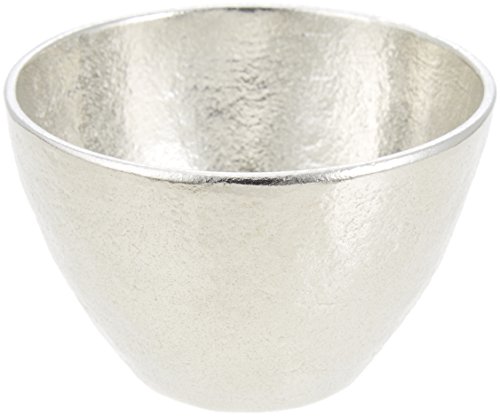
The Nōsaku gui-nomi (能作 ぐい呑) — model 501270, 90cc capacity, 100% pure tin — is the smallest and most affordable entry into Nōsaku’s tin tableware line. Priced at ¥3,927 (approximately $26 USD as of May 2026 at a ¥150/USD baseline), it is also one of the easiest Japanese-craft pieces to ship outside Japan: at 107 grams it slips well under every major customs threshold and ordinary parcel weight tier. The listing is sold directly by Amazon.co.jp and is eligible for Amazon JP Global Store routing to most regions.
The price is small, but the story behind the cup is not. Tin sake vessels sit at the intersection of two long traditions — the 17th-century Takaoka (高岡) foundry industry, founded in 1611 when Lord Toshinaga Maeda invited seven Kawachi-province metalcasters to a new Kaga-domain castle town, and a sake-brewing culture documented since the Nara period (奈良時代, 710–794 CE), when the imperial Department of Brewing first organized rice-based fermentation as a state craft. The cup itself is a 21st-century object; the practice it serves is roughly 1,300 years old.
This guide, written by editors based in Toyama (Hokuriku region) and Nara (Kansai region), walks through who Nōsaku is, why pure tin is used for sake specifically, where the gui-nomi sits in the Japanese sake-vessel hierarchy, and how a reader outside Japan can actually buy this cup affordably. The reference data is the Amazon JP listing snapshot as of May 11, 2026; live pricing may have shifted since the writing date.
🔄 Last updated
⏱ About 14 min read
📍 Edited from Toyama & Nara
- Who this is for — and who should skip it
- Product overview (from published specs)
- 📍 Where this comes from — place, era, and the craft tradition
- Price snapshot across stores
- What it does well
- Weaknesses and things to verify before buying
- Conclusion — which buyer type are you?
- Other ways to approach this purchase
- 🏆 Editor’s Pick
- ❓ Frequently Asked Questions
- 📌 Related Japanese Crafts
Who this is for — and who should skip it
- Want the lowest-cost entry into Nōsaku’s pure-tin tableware line.
- Drink sake — particularly chilled, daiginjō, or hiyaoroshi-style autumn pours.
- Are shipping a Japanese craft piece overseas and want the smallest, lightest possible parcel.
- Are buying a thoughtful gift in the ¥3,000–¥5,000 (≈$20–$33 USD at current rates) range.
- Appreciate objects with a verifiable craft lineage (Takaoka foundry, since 1611).
- Want a dishwasher- or microwave-safe everyday cup (pure tin is neither).
- Prefer a generously sized drinking vessel — 90cc is two to three sips, not a tumbler.
- Need a hot-drink cup; tin’s thermal conductivity makes the rim warm quickly with hot sake unless held by the base.
- Are looking for matched ceramic or glass sake sets at this price point — those exist in pottery traditions like Bizen or Karatsu.
- Want a heavily decorated piece; the 501270 is intentionally plain, with a hammered tin surface and no glaze.
Product overview (from published specs)
The table below summarizes the Amazon.co.jp listing as of May 11, 2026. Tin specifications (purity, melting point) reflect Nōsaku’s published material information. Live Amazon JP pricing may have shifted since the writing date — verify at the retailer before purchase.

Nōsaku Gui-nomi Tin Sake Cup 90cc (501270)
能作 ぐい呑 約90cc [錫100%] 501270
在庫あり。 · Sold by Amazon.co.jp · ASIN B00BYMHWPE
Price and availability as of 2026-08-31 02:30 JST. The Amazon listing at the time of purchase is authoritative. jpmono.com earns a commission on qualifying purchases at no extra cost to you.
| Spec | Detail |
|---|---|
| Model | 501270 |
| Capacity | Approximately 90 cc (≈ 3 fl oz US) |
| Dimensions | H 4.3 cm × ⌀ 6.2 cm |
| Weight | 107 g |
| Material | 100% pure tin (Sn) — no lead, no nickel, no plating |
| Origin | Takaoka, Toyama Prefecture, Japan |
| Maker | Nōsaku (能作), founded 1916 |
| Packaging | Standard gift box (suitable for direct international gifting) |
| Listing price (Amazon JP) | ¥3,927 (≈ $26 USD as of May 2026) |
| Seller | Amazon.co.jp (direct) — Amazon JP Global Store eligible |
| Reward points | 39 points (per Amazon JP, domestic-account only) |
Source: Amazon.co.jp listing as of May 11, 2026 (ASIN B00BYMHWPE). USD figures are estimates at a ¥150/USD baseline; the JPY price is authoritative. Only the Amazon JP listing snapshot is available; live pricing may have shifted since the writing date.
📖 Glossary — Japanese terms used in this article
Gui-nomi (ぐい呑み) — literally “gulp-cup.” A small drinking cup, typically 60–120 cc, used for sake one wants to taste in a meaningful sip rather than a ritual touch.
Ochoko (お猪口) — a small ceramic cup, typically 30–60 cc, often paired with a tokkuri (徳利) pitcher. Smaller and more everyday than a gui-nomi.
Sakazuki (盃) — a flat lacquered or fired-clay cup used in ritual exchange (weddings, the New Year otoso ceremony). Smallest and most formal of the three.
Tokkuri (徳利) — the bottle-shaped sake pitcher from which sake is poured into the cup.
Kanzukuri (寒造り) — “cold brewing,” the wintertime sake brewing season (roughly December to February), suited to the Sea-of-Japan-side climate.
Hiyaoroshi (冷やおろし) — autumn-release sake aged over the summer, traditionally poured in October–November.
Takaoka dōki (高岡銅器) — Takaoka copperware, a Toyama metalcasting tradition designated a METI Traditional Craft Product in 1975.
Shokunin (職人) — a craftsperson trained through long apprenticeship; the word implies vocation more than employment.
Tin pest — a phase transformation in pure tin below ~13 °C, where the metal can degrade over prolonged cold exposure. This is why long-term refrigerator or freezer storage is discouraged.
📍 Where this comes from — place, era, and the craft tradition

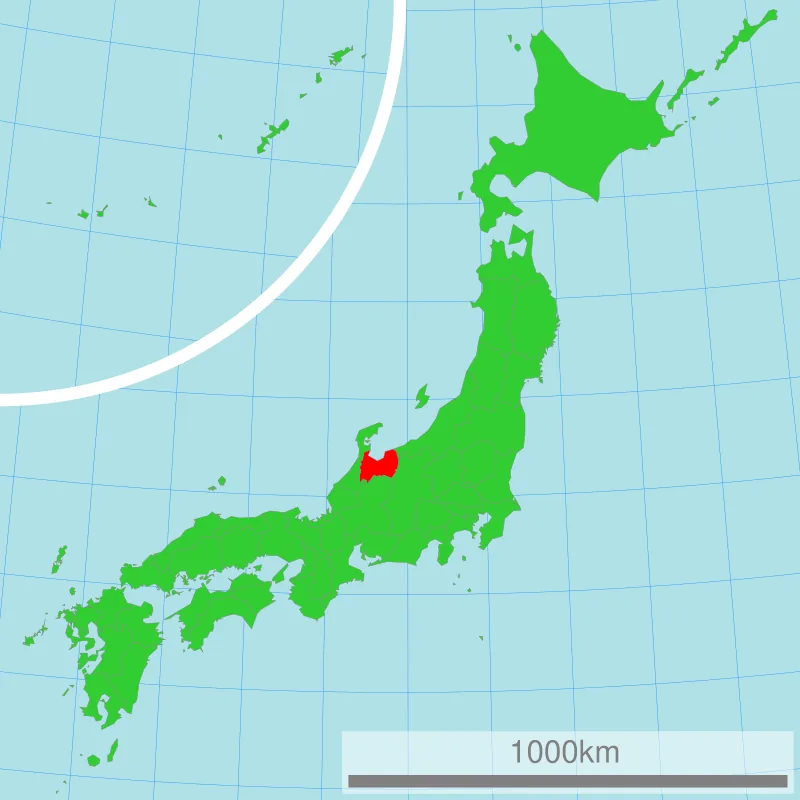
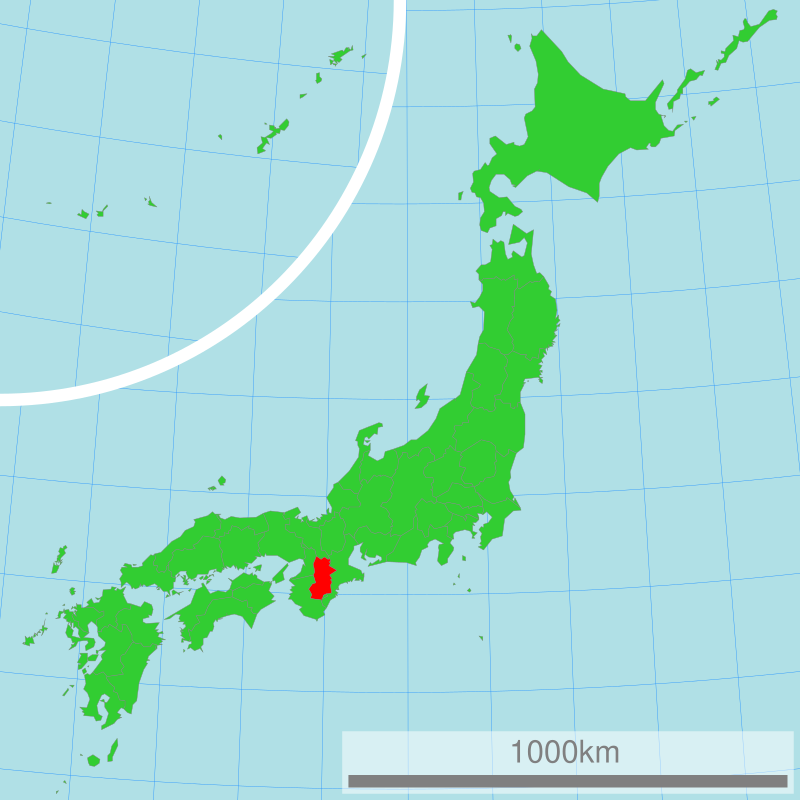
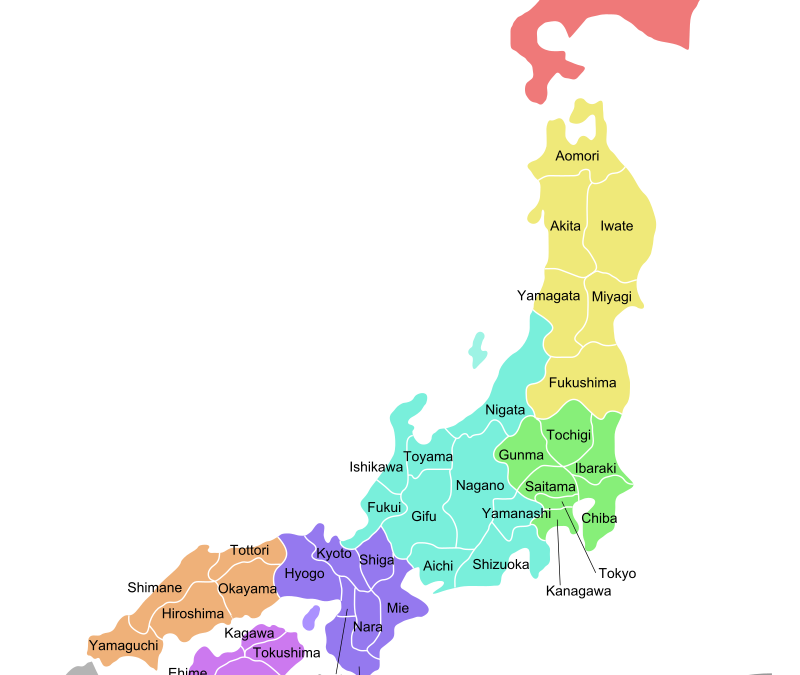
The region on the map — Toyama Prefecture
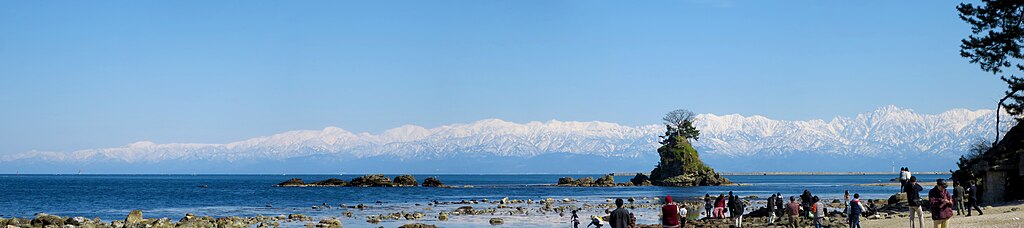
Toyama Prefecture sits on the Sea of Japan coast of central-northern Honshū, in the Hokuriku region. For an international reader: about 350 km northwest of Tokyo, 200 km northeast of Kyoto, and 2 hours 10 minutes from Tokyo Station by shinkansen. The prefecture is a basin pinched between the Tateyama mountain range — peaks above 3,000 meters — to the south and Toyama Bay to the north.
Two geographic features matter for both craft and sake. First, snowmelt and underground springs from Tateyama produce some of the cleanest river water in Japan — important for metalcasting (cleaning of casting sand and finished pieces) and for sake brewing (the mineral content of brewing water directly shapes flavor). Second, heavy snowfall — two to four meters annually in the foothills — historically forced indoor winter work, which supported the foundries and matched the wintertime “kanzukuri” sake-brewing season.
Takaoka — a 17th-century castle-town foundry
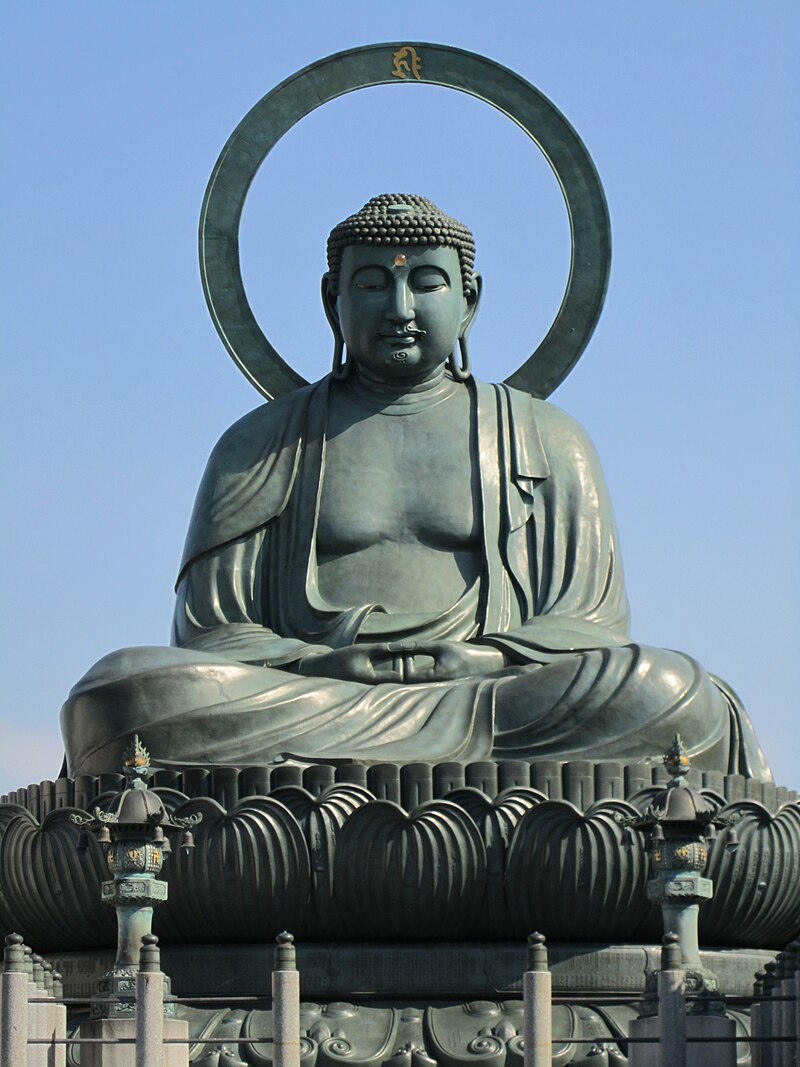
Takaoka (高岡市, approximately 166,000 residents) was built in 1609 by Toshinaga Maeda (前田利長, 1562–1614), the second-generation head of the Kaga domain. The Kaga domain — held by the Maeda family from their seat in Kanazawa — was the wealthiest tozama (non-Tokugawa-line) domain in the Edo period, assessed at 1.02 million koku, the largest holding after the Shōgun’s own. The Maeda were aggressive patrons of craft and the arts as a deliberate political strategy: making the domain a center of cultural production, rather than military threat, helped maintain a workable peace with Edo.
In 1611, two years after founding the city, Toshinaga invited seven foundry artisans from Kawachi province (河内国, near the old imperial capital region — modern eastern Osaka Prefecture) and settled them in what is now the Kanayamachi district (金屋町, “metalworkers’ town”). When the Tokugawa Shogunate’s “One Country, One Castle” edict (一国一城令) demolished Takaoka Castle in 1615, the foundry industry was already self-sustaining, and the city was rebuilt around it.
Heritage anchors from this period are still visible in the modern city: the Takaoka Daibutsu (1745 original / 1933 current bronze, one of Japan’s three Great Buddhas, ten minutes from the station); Zuiryū-ji (瑞龍寺, 1663, a National Treasure and the Maeda mausoleum temple, fifteen minutes from the station); and the preserved Edo-period craftsman and merchant streetscapes of Kanayamachi and Yamamachisuji. Takaoka copperware (高岡銅器) was among the first 15 categories to receive the METI “Traditional Craft Product” (伝統的工芸品) designation in 1975. Approximately 70 to 100 foundries remain active in the district today.
A longer arc — Japanese sake and its vessels
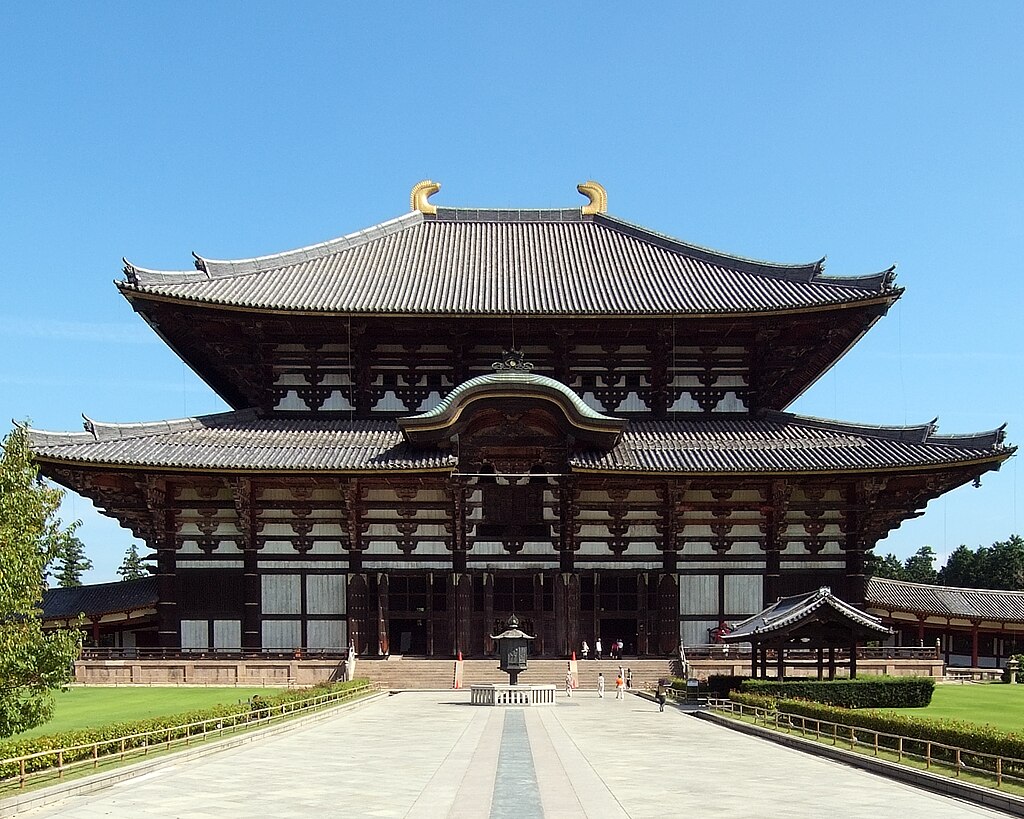
The cup is a 21st-century object, but the practice it serves predates it by more than a thousand years. Fermented rice beverages in Japan are very old — archaeological evidence in jōmon-period pottery shards points to fermented grain or fruit liquids, and by the Yayoi period (300 BCE–300 CE) rice cultivation supported more organized brewing. The Nara period (奈良時代, 710–794 CE) is when sake brewing first becomes documented as institutional practice. Nara served as Japan’s capital from 710 to 794 — the first permanent imperial capital — when the court adopted a Chinese-style government and concentrated artisans, monks, and brewers in one place. Under this system, the imperial Department of Brewing (造酒司, Miki-no-Tsukasa) produced sake for court ceremonies in dedicated workshops near the palace in Heijō-kyō (modern Nara City).
The practice that produced the modern style of sake — filtered, relatively clear seishu (清酒) — is generally traced to Buddhist temple brewing, specifically to Shōryaku-ji (正暦寺) on the eastern outskirts of Nara, where in the 15th century monks developed the “Bodaisen” (菩提泉) brewing technique. This is the lineage that becomes “clear sake” as opposed to the earlier murky “doburoku” (どぶろく). Nara is therefore doubly resonant for sake: the imperial-period brewing infrastructure was here, and the medieval temple brewing tradition that defines modern sake was here as well. Shōryaku-ji sits approximately 9 km southeast of central Nara.
“The cup is a 21st-century object; the practice it serves is roughly 1,300 years old — older than the founding of Kyoto, older than the Edo period, older than European distillation.”
Kyoto was Japan’s imperial capital from 794 to 1869 — over a thousand years. The Heian period under Kyoto saw the codification of court ritual, including ceremonial sake vessels: low fired-clay cups (kawarake 土器) and lacquered wooden cups (sakazuki 盃) became the standard for formal pours. The cup’s small size — a few sips’ worth — derives from this ceremonial context, where sake was poured as a gesture of bond or hierarchy rather than drunk for the alcohol. The Sengoku and Edo periods then see sake brewing spread out from temple centers to commercial breweries, with the Nada district of Hyōgo (灘五郷) and Fushimi in southern Kyoto emerging as the two largest commercial sake regions — both still active.
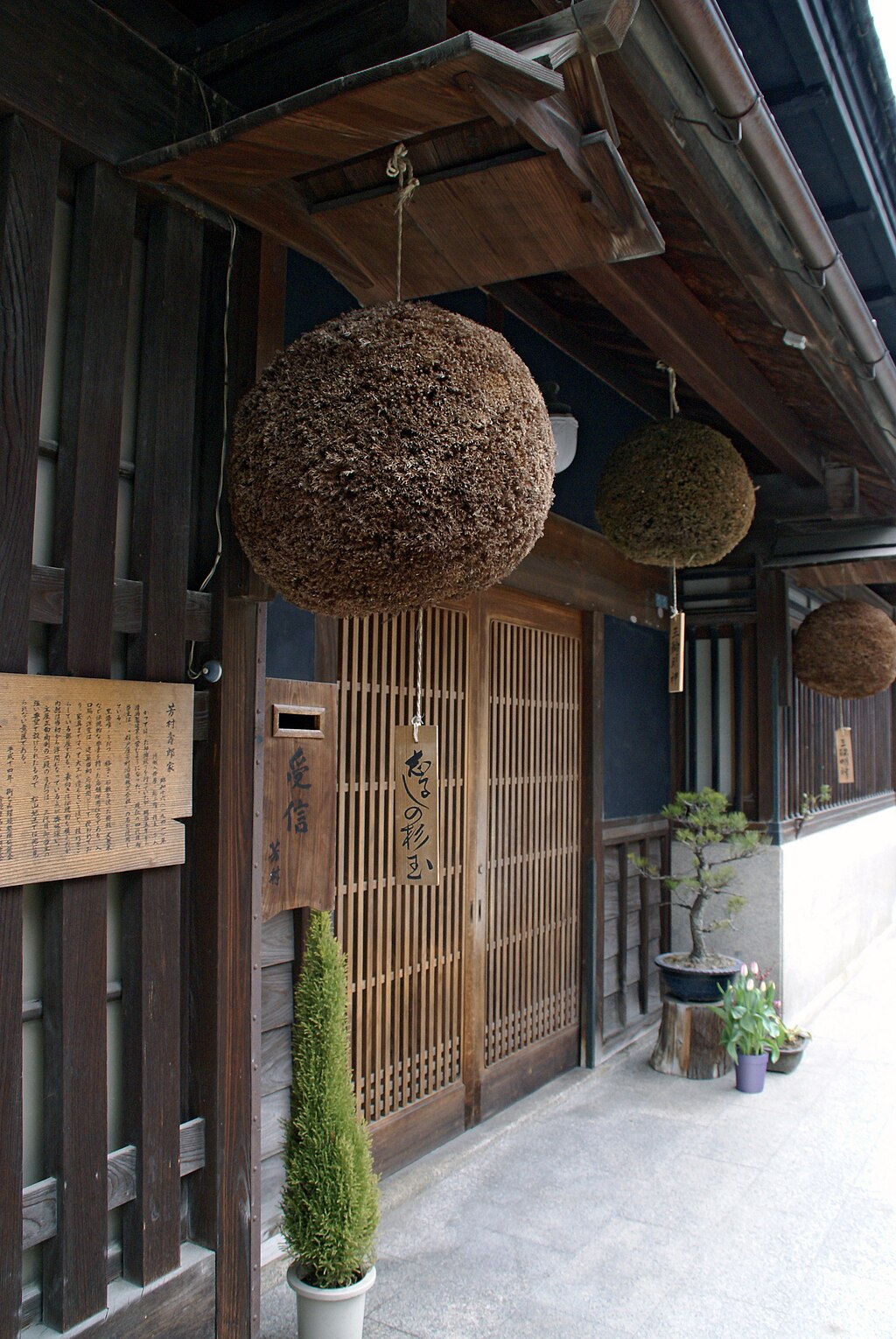
-
710 — Capital moves to Nara. The imperial Department of Brewing (Miki-no-Tsukasa) organizes court sake. -
794 — Capital moves to Heian-kyō (Kyoto). Court ritual codifies ceremonial sake vessels (kawarake, sakazuki). -
~1450s — Shōryaku-ji monks near Nara develop the “Bodaisen” technique — the origin of modern clear seishu. -
1609 — Toshinaga Maeda founds Takaoka as a Kaga-domain castle town. -
1611 — Seven Kawachi-province foundry artisans invited to settle in Kanayamachi, Takaoka. -
1615 — Tokugawa “One Country, One Castle” edict demolishes Takaoka Castle; the foundry industry is already self-sustaining, and the city is rebuilt around it. -
1916 — Nōsaku Kumekichirō founds Nōsaku in Takaoka, casting Buddhist fittings and tea-ceremony bronzes. -
1975 — Takaoka copperware designated a METI Traditional Craft Product. -
2003–2005 — Fourth-generation president Katsuji Nōsaku pivots the company to 100% pure tin tableware. -
2017 — New Nōsaku HQ opens in Toide, Takaoka, with factory tours, café, and casting workshops. -
2026 — Gui-nomi 90cc (model 501270) remains the smallest piece in Nōsaku’s sake-ware line, at ¥3,927.
The vessel hierarchy — gui-nomi vs ochoko vs sakazuki
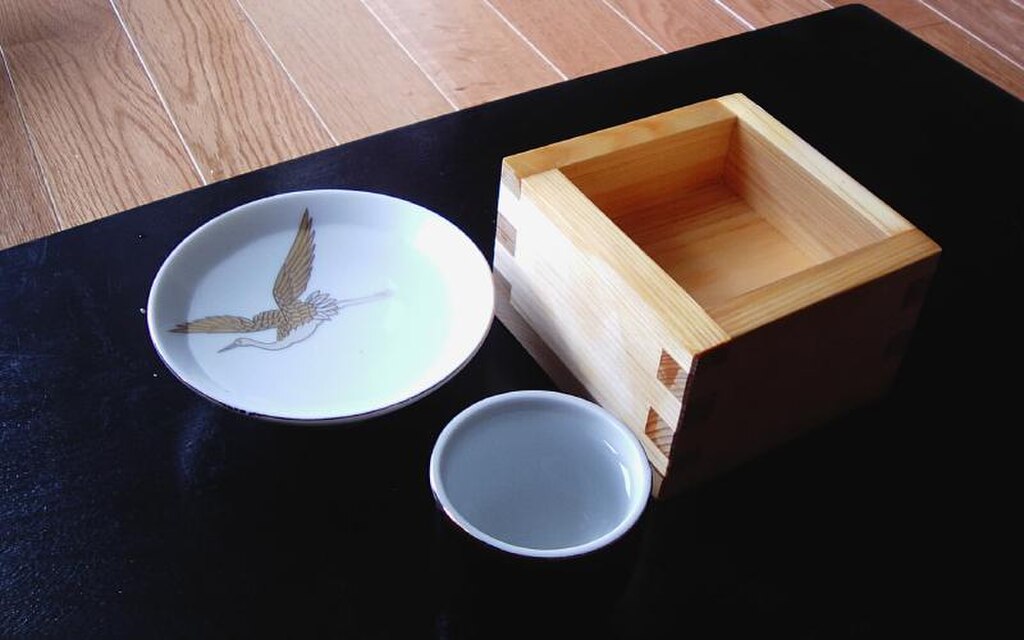
By the Edo period the small sake cup had differentiated into named forms. The sakazuki (盃) is the formal lacquered cup used in ritual exchange — wedding kanpai, the New Year otoso — usually 20–40 cc and treated as a ceremonial object more than a drinking vessel. The ochoko (お猪口) is the small ceramic cup, typically 30–60 cc, paired with a tokkuri pitcher for everyday pours. The gui-nomi (ぐい呑み) is the larger informal cup — typically 60–120 cc, literally “gulp-cup” or “down-the-hatch-cup” — used when the drinker actually wants to taste the sake in a meaningful sip. The boundary with ochoko is fuzzy and varies by maker; the Nōsaku 90 cc cup at the center of this article sits squarely in the gui-nomi range.
Why tin specifically for sake
Tin sake vessels appear in Japan from the early modern period, originally as elite items because pure tin was expensive. In Edo-period gift hierarchies tin was sometimes ranked below gold and silver but above iron and bronze, and high-status sake pieces could be tin-lined or solid tin. The Kyoto tin-craft tradition (Kyō-suzuki 京錫) developed from this lineage.
What “still being made in Takaoka” actually means
Nōsaku was founded in 1916 by Nōsaku Kumekichirō. The initial product line was Buddhist altar fittings — vases (花瓶), bell-bowls (おりん orin) — and bronze tea-ceremony utensils. The pivot to 100% pure tin tableware happened in 2003–2005 under fourth-generation president Katsuji Nōsaku. The reasoning is publicly documented in his writings: the religious-fittings market had been contracting since the 1990s as Japanese household altar use declined, but the underlying casting skill base was the real asset, and could be redirected. The choice of pure tin — not an alloy — was the differentiator. Pure tin is rarely used in modern tableware because it is soft and demands careful casting; that softness is also what allows Nōsaku’s KAGO foldable baskets to bend by hand.
The new Nōsaku head office in the Toide industrial area of Takaoka opened in 2017, with factory tours, a café, a gallery, and a “try the casting” workshop space. The company employs approximately 150 people and operates international stores in Paris, New York (near Bryant Park), Taipei, Singapore, and Seoul.
Seasonal and culinary context
The gui-nomi sees year-round use, but two seasons stand out. Autumn (October–November) is hiyaoroshi-season, when sake brewed the previous winter is released after summer aging — typically poured chilled or at room temperature. Winter (December–February) is kanzukuri season, when new sake is being brewed in cold-water breweries on the Sea-of-Japan side; the cup also handles warm sake well in this window. The New Year (oshōgatsu) covers both formal otoso (medicinal New Year sake) and informal household pours through the holiday, and hanami (cherry blossom viewing, late March–April) picnics are well-suited to tin’s cool surface against chilled sake under the trees.
Sake to drink from a Nōsaku gui-nomi, matched local-first: Toyama labels such as Masuizumi (満寿泉), Katsukoma (勝駒, brewed in Takaoka itself), Tateyama (立山), and Ginban (銀盤). Niigata to the east — often called Japan’s premier sake region — offers Hakkaisan (八海山), Kubota (久保田), and Koshi-no-Kanbai (越乃寒梅). For the deep historical lineage, the Kansai breweries: Hakutsuru (白鶴) and Kikumasamune (菊正宗) from Nada in Hyōgo, and Gekkeikan (月桂冠) from Fushimi in southern Kyoto.
Price snapshot across stores
The cup is sold directly by Amazon.co.jp and is eligible for Amazon JP Global Store routing to most major destinations. Because the parcel is small (about 107 g packaged) and well under all common de minimis thresholds (US $800; most EU countries €150), customs duties are rarely triggered. The maker’s direct site ships internationally as well; proxy services such as Buyee and Tenso cover regions where Amazon JP Global Store does not reach.
| Store | Item | Price (JPY & USD est.) | Notes |
|---|---|---|---|
| 🇺🇸 Amazon.com (US) | Browse Japanese sake cups & tin tableware | varies (USD) | Best if you’re shopping from the US — Prime shipping, USD pricing, no international customs. Nōsaku’s exact gui-nomi 90cc isn’t individually stocked on .com, but Amazon US carries a wide range of Japanese sake cups (Riedel sake glasses, tin pieces from other makers, etc.) for comparison. |
| Amazon JP Global Store | Gui-nomi 90cc (501270) — single | ¥3,927 (≈ $26 USD) | Sold by Amazon.co.jp directly. Shipping ~$10–$25 USD to US/EU. 39 reward points (JP account only). |
| Maker direct (nousaku.co.jp) | Gui-nomi 90cc (501270) | Unconfirmed — check maker site | International shipping available; English information limited. Useful when a piece is out of stock on Amazon JP. |
| Proxy services (Buyee / Tenso) | Gui-nomi 90cc (501270) | Product ¥3,927 + proxy fee + shipping | Workable for destinations Amazon JP Global Store does not cover. Adds a service fee (typically a few hundred to ~¥1,000) plus consolidated shipping. |
Prices and stock fluctuate. USD figures are estimates at ¥150/USD as of May 2026; the JPY price is authoritative. Verify current pricing at the retailer before purchase.
What it does well
Weaknesses and things to verify before buying
- Pure tin is soft. Mohs ~1.5 — it will scratch with steel wool, knives, or abrasive sponges. Light scratches polish out with baking-soda paste, but the surface is not a “hard wear” finish.
- Not dishwasher, microwave, or open-flame safe. Tin melts at ~232 °C, and detergent in dishwashers will discolor it. Hand-wash only, with mild neutral detergent and a soft sponge.
- Avoid prolonged freezer or fridge storage. Pure tin can undergo a phase change called “tin pest” below ~13 °C if exposed for very long periods. Short chilling (30–60 minutes in the fridge) is fine; permanent cold storage is discouraged.
- 90 cc is small for a Western drinker. Two to three sips. If the intended use is anything other than sake — for example, sipping spirits in a tumbler — the NAJIMI line is a better starting point.
- Hot-sake hold ergonomics. Tin’s conductivity means the rim warms quickly when warm sake is poured. Hold by the base, or rest the cup between sips.
- International shipping cost varies. Amazon JP Global Store displays a calculated rate at checkout. Confirm the total before paying — the ¥3,927 cup may land at ¥4,500–¥6,000 total with shipping to North America or Europe.
- The sake-mellowing claim is folk-traditional. Tin is said to round off harsh notes in sake. The effect has partial chemical basis (surface adsorption) but has not been quantified in controlled sensory studies. Treat it as part of the tradition, not as a chemistry claim.
Conclusion — which buyer type are you?
Other ways to approach this purchase
If you’re in the US, Canada, UK, or another Amazon-served country, see if Nōsaku Gui-nomi Tin Sake Cup is listed on your local Amazon. Inventory and price vary by region. If the search returns no results, scroll down to the Amazon JP Global Store option (which ships worldwide).
🏆 Editor’s Pick
¥3,927 (≈ $26 USD as of May 2026) · 107 g · H 4.3 × ⌀ 6.2 cm · 100% pure tin · Made in Takaoka.
Three reasons we would start here, of all the Nōsaku tin pieces available:
- Cheapest entry to the line at ¥3,927 — the lowest-stakes way to own a Takaoka-cast pure-tin object.
- The gui-nomi form is the traditional Japanese sake-cup shape, and culturally aligned with tin’s claimed sake-mellowing effect.
- At 107 g, shipping cost is minimal — the easiest first import of a Japanese craft piece for an international buyer.
Prices and stock subject to change. Verify on Amazon JP Global Store at the time of purchase.
This guide was assembled by the jpmono.com editorial team — a small group based in Toyama (Hokuriku region) and Nara (Kansai region), curating Japanese craft items for international readers. We do not test every item in our own kitchens; our role is to translate what Japanese makers, retailers, and craft historians say into English, and to flag international-buyer considerations (shipping, customs, care).
❓ Frequently Asked Questions
Will this ship to my country from Amazon JP?
Why pure tin instead of stainless steel or an alloy?
How big is 90cc compared to a standard sake cup?
How do I care for a pure tin cup?
Can I use it for drinks other than sake?
What is the difference between gui-nomi, ochoko, and sakazuki?
Is this a suitable wedding or anniversary gift?
jpmono.com is curated by a Japan-based editorial team (working out of Toyama in the Hokuriku region and Nara in Kansai) and is independent. We do not take payment from the makers we feature; income comes from affiliate links. Read more about our editorial standards.
Editorial note: this article was drafted with the assistance of an AI writing tool, then reviewed and fact-checked against the Amazon.co.jp listing snapshot dated May 11, 2026, and Nōsaku’s published material specifications. Historical and geographic claims are drawn from the editorial spec’s data notes; image credits link to Wikimedia Commons.
Affiliate disclosure: jpmono.com may earn a commission on qualifying purchases made through links on this page, at no additional cost to you.