![Banshu-ori Yarn-Dyed Cotton Stole: Nishiwaki Hyogo Weaving Guide [2026]](https://jpmono.com/wp-content/uploads/2026/06/banshu-ori-yarn-dyed-cotton-stole-where-to-buy-2026-featured.jpg)
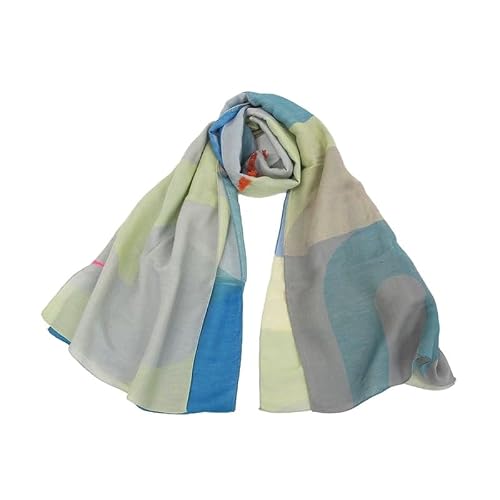
A Banshu-ori (播州織, “Banshu weaving”) yarn-dyed cotton stole is a lightweight wrap woven in Nishiwaki, a small inland city in Hyogo Prefecture that sits at the geographic center of Japan. What sets it apart from most scarves you will find online is the order of operations: the cotton thread is dyed before it goes on the loom — a method called sakizome (先染め, “yarn-dyed”) — rather than printed or piece-dyed after weaving. The result is the quiet, layered depth of a gingham or check whose color runs all the way through the cloth.
The trade here dates to 1792, when a local man named Hida-ya Sukebei brought weaving techniques back from Kyoto’s Nishijin district. The soft, mineral-light water of the Kako and Sugihara rivers turned out to be ideal for dyeing thread cleanly and evenly, and over the next two centuries Nishiwaki grew into Japan’s largest yarn-dyed cotton producing district, supplying both domestic and global apparel brands. A stole is one of the most direct ways to own a piece of that cloth.
This guide is written for international readers comparing a Banshu-ori cotton stole against the silk and wool wraps that dominate the Japanese-textile category. We cover what yarn-dyeing actually changes, who the cloth suits, where it sits among Japan’s other regional weaves, and the realistic paths to buying one from outside Japan. Note up front: the dataset for this specific listing was thin — only the Amazon JP reference (ASIN B0FHPZX33Q) was available, and live pricing could not be confirmed at the time of writing.
🔄 Updated:
⏱️ Read time: ~9 min
- Who this is for — and who should skip it
- Product overview (from published specs)
- Which finish should you choose?
- Where this comes from
- Price snapshot across stores
- What it does well
- Weaknesses and things to verify before buying
- Conclusion — which buyer type are you?
- Other ways to approach this purchase
- 🏆 Editor’s Pick
- ❓ Frequently Asked Questions
Who this is for — and who should skip it
- Want a cotton wrap you can wear in any season, not a winter-only knit
- Prefer color that runs through the cloth over a printed surface pattern
- Like understated gingham and check patterns more than bold prints
- Want easy, washable care rather than dry-clean-only silk
- Are building a collection of regional Japanese textiles and want cotton represented
- Need the heavy warmth of wool or cashmere for cold climates
- Want the liquid drape and sheen that only silk delivers
- Are looking for the dramatic ikat blur of indigo kasuri (that is a different technique)
- Expect a large-format shawl — stoles run narrower than blankets
- Need confirmed dimensions and pricing today (this listing’s data was thin)
Product overview (from published specs)
Based on the listing reference and maker background, the table below summarizes what can be stated about the item. Where the fetched data did not confirm a value, it is marked rather than guessed.
Banshu-ori Yarn-Dyed Cotton Stole
[BECOS] 播州織 コットン 大判 レイヤーストール ファッション小物 ギフト 冷房対策 日よけ ひざ掛け 羽織 綿100% 45cm×218cm (イエロー2)
残り3点 ご注文はお早めに · Sold by BECOS 伝統工芸品 · ASIN B0FHPZX33Q
Price and availability as of 2026-08-31 02:30 JST. The Amazon listing at the time of purchase is authoritative. jpmono.com earns a commission on qualifying purchases at no extra cost to you.
| Attribute | Detail (per sourced listing / maker background) |
|---|---|
| Craft | Banshu-ori (播州織) — yarn-dyed cotton weaving |
| Item type | Stole / lightweight wrap scarf |
| Material | Cotton (sakizome / yarn-dyed) |
| Dyeing method | Thread dyed before weaving — gingham / check patterns |
| Origin | Nishiwaki City, Hyogo Prefecture (Kansai) |
| Dimensions / weight | Unconfirmed — check manufacturer/listing |
| Reference ASIN | B0FHPZX33Q (Amazon JP Global Store) |
Sources: Amazon US search (primary, moonill-20) + Amazon JP Global Store (secondary, moonill-22, sourced listing) + maker-direct background. Only the Amazon JP listing snapshot was available for this item; live pricing may have shifted since the writing date.
📖 Glossary — key terms
- Banshu-ori (播州織) — the yarn-dyed cotton textile of the Banshu (Harima) region of Hyogo, centered on Nishiwaki.
- Sakizome (先染め, “pre-dyed”) — dyeing the yarn before weaving, so the color is woven in rather than printed on.
- Atozome (後染め, “post-dyed”) — the opposite: weaving plain cloth first, then dyeing or printing it.
- Kasuri (絣) — resist-dyed ikat weaving that produces blurred-edge motifs; a different technique from plain yarn-dyeing.
- Harima / Banshu (播磨・播州) — the historical name for the southwestern part of present-day Hyogo Prefecture.
- Nihon Heso (日本のへそ, “Japan’s navel”) — Nishiwaki’s nickname as the geographic center of Japan, at 135°E and 35°N.
Which finish should you choose?
This piece is listed in 6 finishes. The photos below are the actual 色 options on the listing right now — pick the one you want and confirm it on the product page before ordering, since hand-finished wares vary slightly piece to piece.
![Banshu-ori Yarn-Dyed Cotton Stole: Nishiwaki Hyogo Weaving Guide [2026] — パープル finish](https://m.media-amazon.com/images/I/51Z08DTjNWL._SL500_.jpg)
![Banshu-ori Yarn-Dyed Cotton Stole: Nishiwaki Hyogo Weaving Guide [2026] — ブルー1 finish](https://m.media-amazon.com/images/I/51j2Pe0lvIL._SL500_.jpg)
![Banshu-ori Yarn-Dyed Cotton Stole: Nishiwaki Hyogo Weaving Guide [2026] — イエロー1 finish](https://m.media-amazon.com/images/I/51F89s4jjtL._SL500_.jpg)
![Banshu-ori Yarn-Dyed Cotton Stole: Nishiwaki Hyogo Weaving Guide [2026] — ブルー2 finish](https://m.media-amazon.com/images/I/51sqn8jRFOL._SL500_.jpg)
![Banshu-ori Yarn-Dyed Cotton Stole: Nishiwaki Hyogo Weaving Guide [2026] — レッド finish](https://m.media-amazon.com/images/I/41SMk1fZHOL._SL500_.jpg)
Banshu-ori is cotton and yarn-dyed. Every other wrap in our regional-textile coverage is silk or wool, or uses resist-dyed kasuri — so it differs by material, prefecture, named craft, and technique. Here is the rest of the shelf:
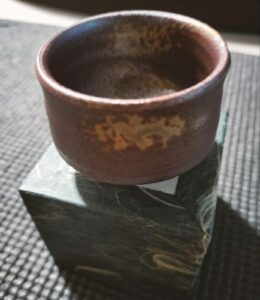 🍶 Hyogo’s Tamba Tachikui-yaki guinomi
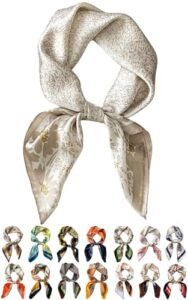 🧣 Chichibu Meisen silk stole
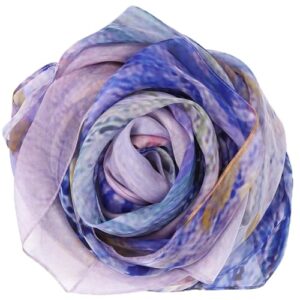 🎨 Kaga Yuzen silk scarf
🟦 Yumihama-gasuri indigo cotton
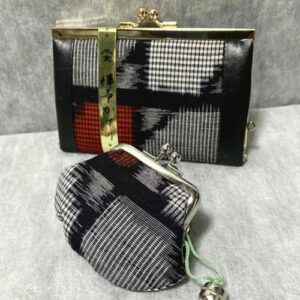 👛 Iyo-Gasuri indigo cotton purse
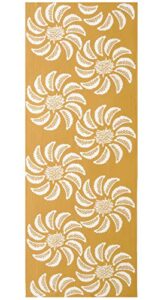 🧵 Hamamatsu Chusen Enshu cotton
🪡 Johana Shike-ginu silk scarf
Where this comes from

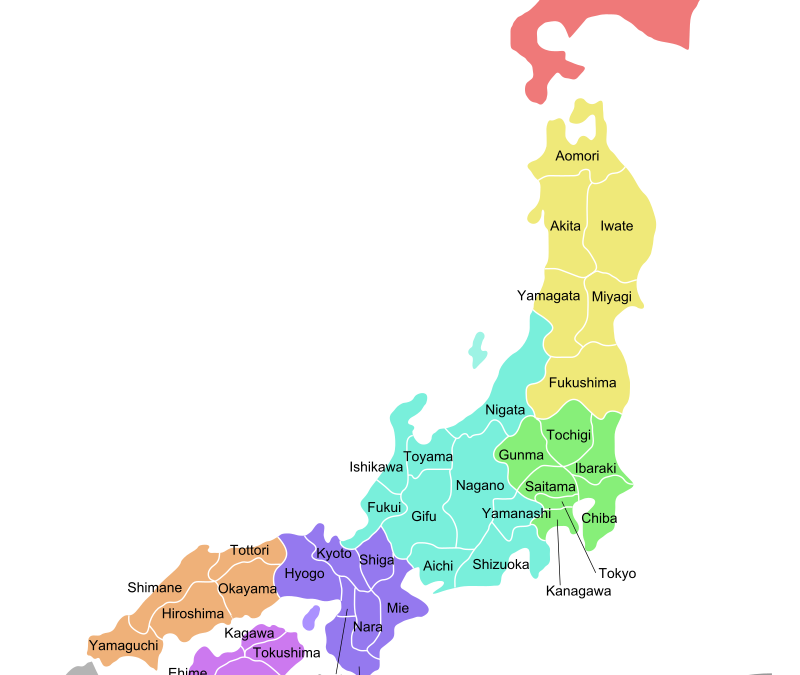
Hyogo Prefecture spans the width of Japan’s main island, from the Sea of Japan in the north to the Seto Inland Sea in the south, with Kobe as its capital. The southwestern part of the prefecture carries the old provincial name Harima — read as Banshu in the regional pronunciation that gives the cloth its name. Nishiwaki sits inland in this Banshu country, on the Kako River, in a basin whose water proved central to the textile trade that grew up here.
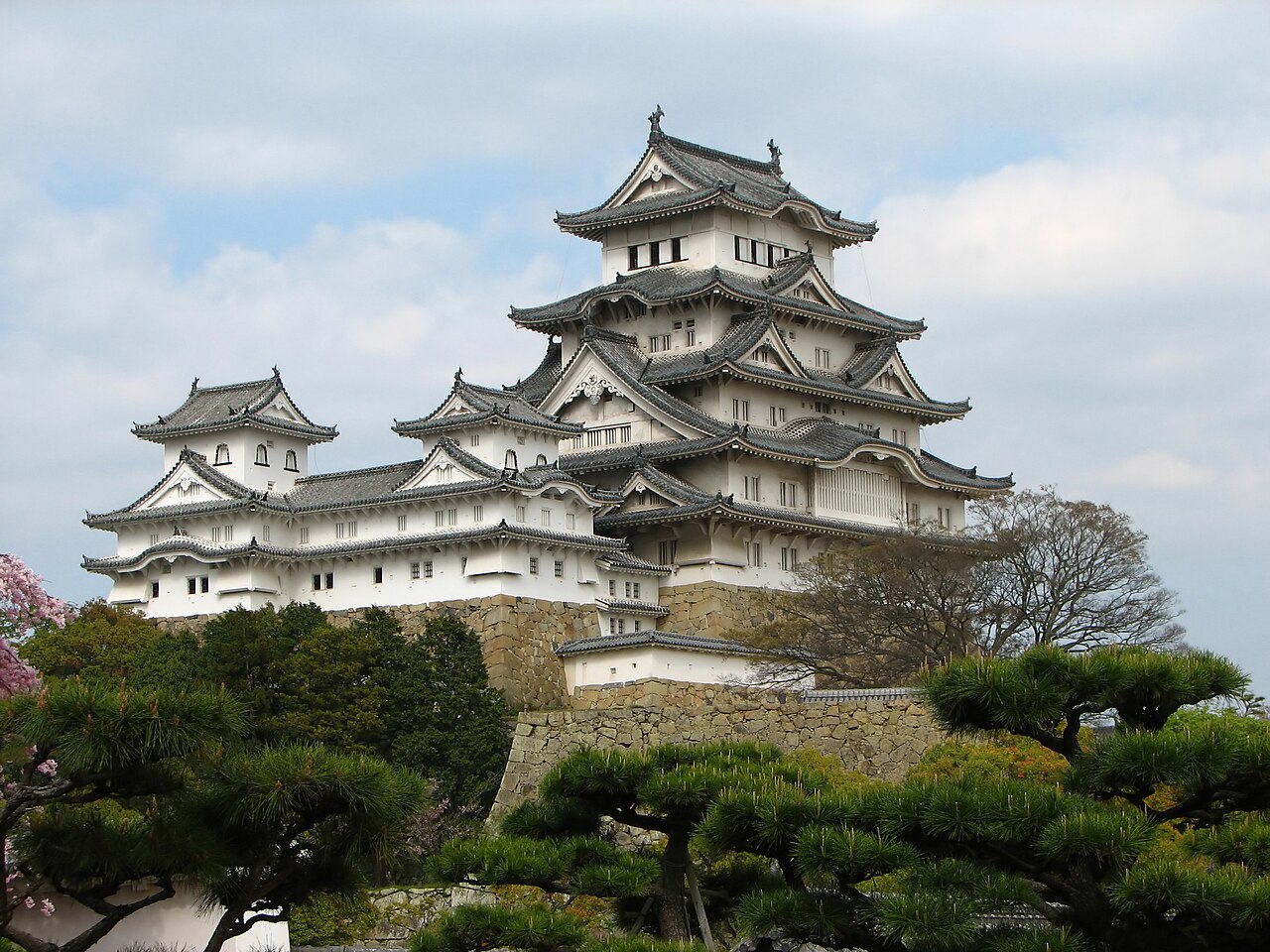
The Banshu weaving trade has a clear starting point. In 1792, a local man named Hida-ya Sukebei traveled to Kyoto, learned weaving in the celebrated Nishijin district, and brought those techniques home to the Harima countryside. What he carried back was not only the loom work but the discipline of yarn-dyeing — coloring the thread before it is woven.
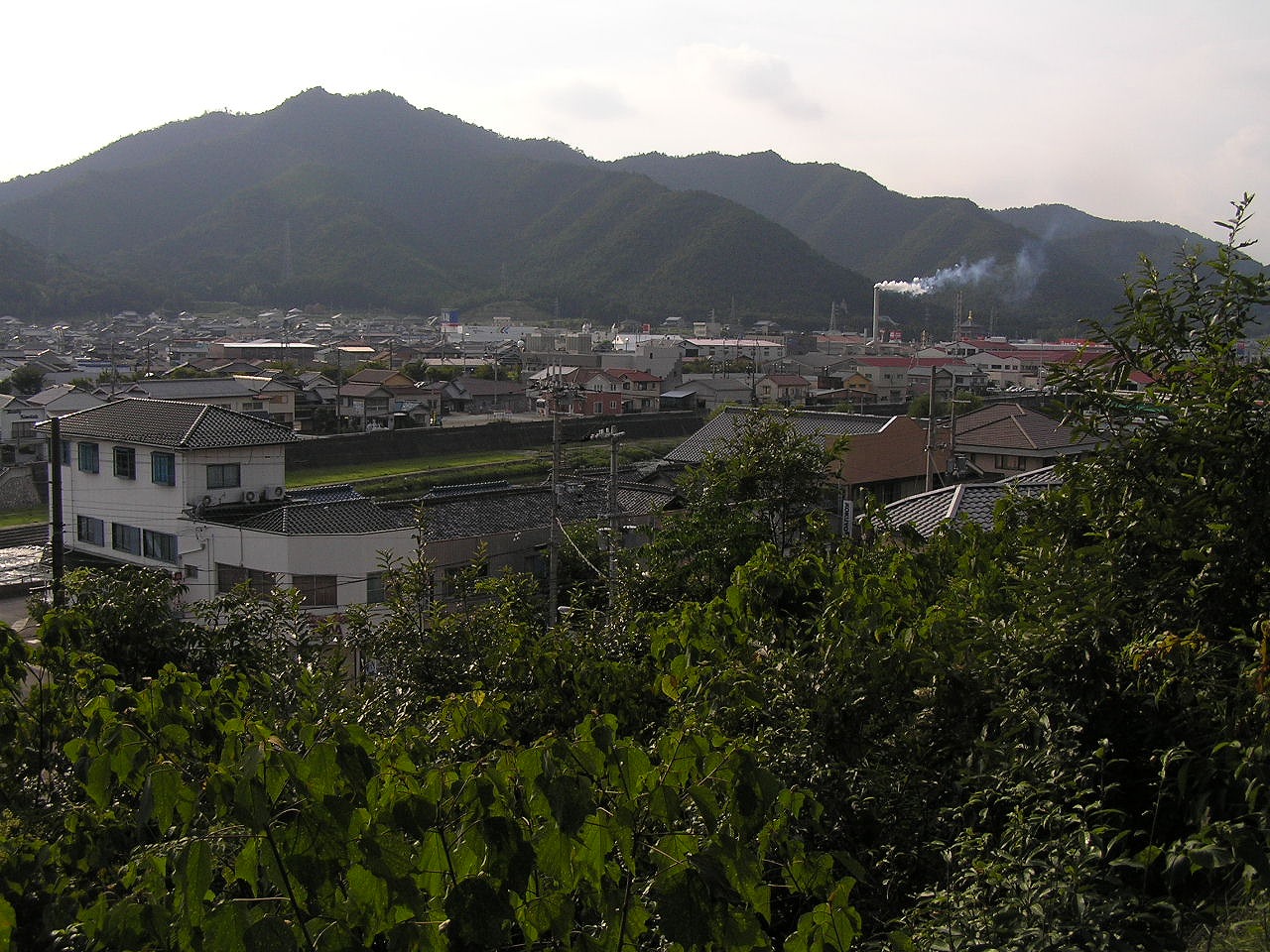
That technique only works well with the right water. The soft, low-mineral water of the Kako and Sugihara rivers let dyers fix color into cotton thread cleanly and evenly, without the streaking or muddying that hard water can cause. Reliable thread-dyeing is the precondition for crisp, fade-resistant ginghams and checks — and so the craft took root in this particular basin rather than somewhere else.
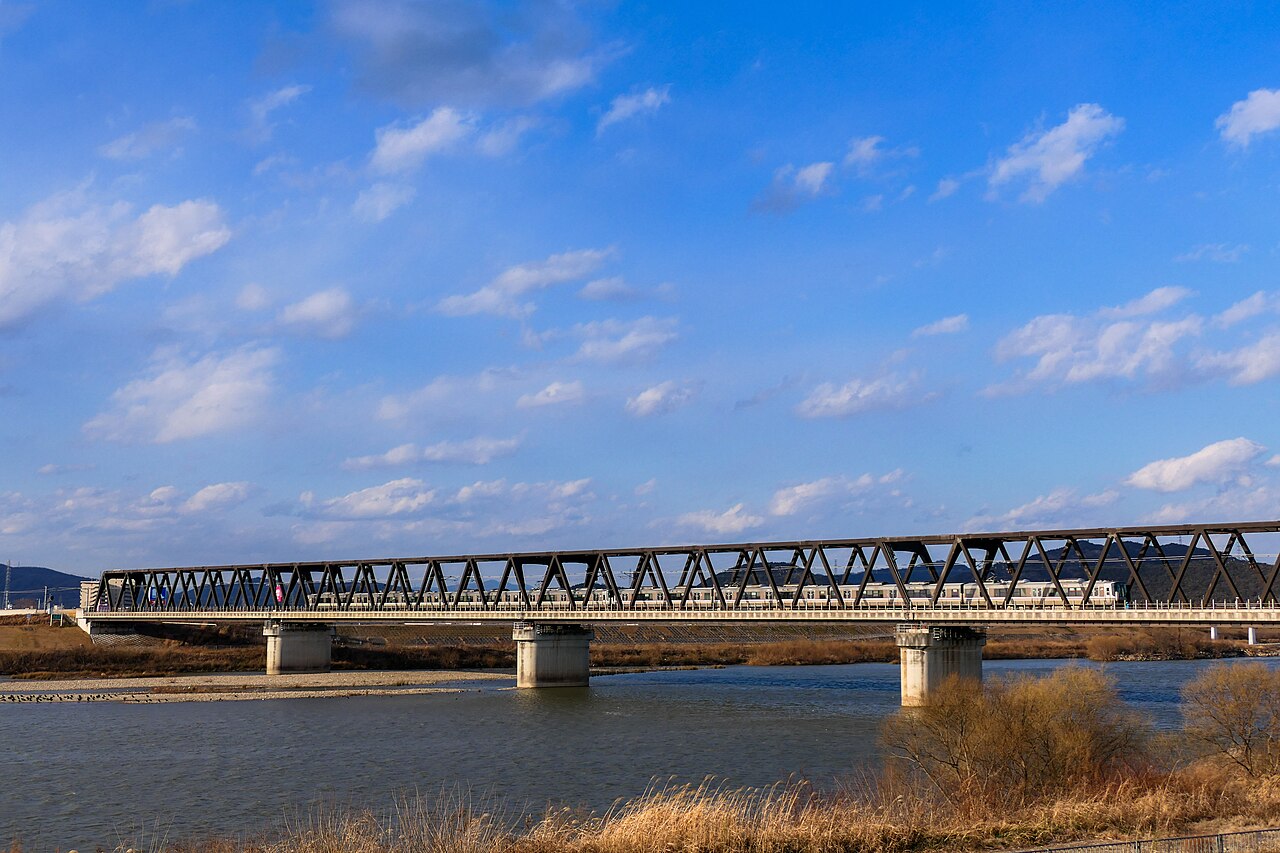
- 1792 — Hida-ya Sukebei brings Nishijin yarn-dyeing and weaving to the Banshu (Harima) region.
- Late Edo — Soft Kako and Sugihara river water makes pre-weave thread dyeing reliable; ginghams and checks take hold.
- Meiji (1868–1912) — Power looms arrive; Nishiwaki shifts to industrial-scale weaving.
- Early 20th c. — Nishiwaki becomes Japan’s largest yarn-dyed (sakizome) cotton producing district.
- Mid–late 20th c. — Banshu-ori supplies domestic and overseas apparel brands at scale.
- 2026 — Yarn-dyeing and finishing continue in Nishiwaki workshops along the Kako River.
Over the 19th and 20th centuries, Nishiwaki industrialized around this single craft. Power looms replaced hand looms, the district grew into Japan’s largest producer of yarn-dyed cotton, and at its height its cloth reached both domestic tailors and overseas apparel brands. The city’s other claim to fame is geographic: a survey placed the intersection of 135°E longitude and 35°N latitude inside Nishiwaki, and the city has marked itself as Nihon Heso — “Japan’s navel,” its geographic center — ever since.
“The color is not printed onto Banshu-ori — it is woven into it. Dye the thread first, and the pattern can never wash off the surface, because there is no surface to wash.”
Hyogo has long been one of Japan’s industrial and trading prefectures, from the port of Kobe to the sake breweries of Nada to the inland looms of Nishiwaki. A Banshu-ori stole belongs to that working-textile lineage rather than to courtly silk — it is everyday cloth refined to a high standard, and that is precisely its appeal.
Price snapshot across stores
Pricing for this specific listing could not be confirmed from the fetched data. The table shows where to buy and what to expect; verify the live figure at the retailer before purchasing.
| Store | Item / Variant | Price (JPY + USD est.) | Notes |
|---|---|---|---|
| 🇺🇸 Amazon.com (US) | Browse Japanese cotton stoles & scarves | varies (USD) | Best if you are shopping from the US — Prime shipping, USD pricing, no international customs. Amazon US carries Japanese cotton and yarn-dyed scarves from various makers; this exact Banshu-ori piece is sourced from Japan (next row). |
| 🇯🇵 Amazon JP Global Store | Banshu-ori sakizome cotton stole (ASIN B0FHPZX33Q) | Price unavailable at time of writing — verify on listing | Ships internationally from Japan. This is the sourced listing for the specific item in this guide. |
| Maker direct | Nishiwaki Banshu-ori weavers / brand sites | Varies (JPY) | Many small Nishiwaki workshops sell direct but ship mainly within Japan; combine with a proxy for overseas delivery. |
| Proxy services (Buyee / Tenso) | Any JP-only listing forwarded abroad | Item price + service fee + forwarding | Use when a maker or shop will not ship internationally; expect added handling and customs. |
USD figures are approximate (¥150/USD baseline as of mid-2026); the JPY price is the authoritative one for the specific listed item. Prices and availability fluctuate — confirm at the retailer.
What it does well
Yarn-dyeing puts the color through the thread, so the gingham depth resists the surface fading typical of printed scarves.
Lightweight cotton works as sun cover in summer and a light warmth layer in cooler months — not a winter-only piece.
Cotton is generally more forgiving than silk — typically washable with care, where silk often demands dry cleaning.
A craft with a dated 1792 origin and a single, identifiable production district — verifiable provenance, not heritage marketing.
Weaknesses and things to verify before buying
- Dimensions unconfirmed. The fetched data did not state length, width, or weight. Check the listing for exact measurements before assuming it works as a full shawl.
- Pricing was unavailable. No live price could be confirmed at the time of writing; verify the current figure on the listing.
- Not a warmth layer. Cotton does not insulate like wool or cashmere. For cold-climate winter use, this is the wrong tool.
- No silk drape or sheen. If you want the liquid fall and luster of silk, a cotton stole will read as more casual and structured.
- It is yarn-dyed, not kasuri. If you specifically want the soft, blurred ikat motifs of indigo kasuri, this is a different (and crisper) look.
- Pattern and colorway vary by listing. Treat the patterns described here as general to the craft; confirm the actual gingham/check on the specific listing image.
- International shipping adds cost and time. Buying from Amazon JP Global Store or via a proxy means duties and longer transit than a domestic US order.
Conclusion — which buyer type are you?
Seek out a named Nishiwaki weaver direct, confirm the cloth weight, and treat the stole as a signature regional-cotton piece.
The Amazon JP Global Store listing (ASIN B0FHPZX33Q) is the most direct international path — confirm size and price, then order.
Browse Japanese cotton stoles on Amazon US for a lower-friction, USD-priced option, then come back for the authentic Banshu-ori piece later.
If you need real winter warmth or silk drape, this cotton stole is not the right purchase — look at wool or silk wraps instead.
Other ways to approach this purchase
Seasonal apparel discounts hit cotton accessories; watch the listing across a few weeks rather than buying on impulse.
Several Nishiwaki workshops sell their own Banshu-ori online; you may find patterns not on Amazon, though most ship within Japan only.
If you already hold Amazon balance or card points, a low-cost cotton accessory is a sensible place to spend them.
If your need is warmth or formal silk, save the money — a cotton stole will not satisfy either requirement.
🏆 Editor’s Pick
❓ Frequently Asked Questions
What does “yarn-dyed” (sakizome) actually mean?
It means the cotton thread is dyed before it is woven, so the color is built into the cloth rather than printed on top. This is what gives Banshu-ori its gingham and check depth and its resistance to surface fading.
How is Banshu-ori different from kasuri or other Japanese stoles?
Banshu-ori is plain yarn-dyed cotton, giving crisp checks. Kasuri (as in Yumihama or Iyo) is resist-dyed ikat with blurred motifs. Most other Japanese wraps — Chichibu, Kaga, Johana — are silk or wool. Banshu-ori differs by material, technique, and region.
Can I buy it from outside Japan?
Yes. The Amazon JP Global Store listing ships internationally from Japan to most major destinations. You can also browse comparable Japanese cotton stoles on Amazon US, or use a proxy service such as Buyee or Tenso for shops that ship only within Japan.
How should I care for a cotton stole?
Cotton is generally more forgiving than silk and is often washable with care, but follow the care label on the specific item. Because the color is yarn-dyed, the pattern does not sit on the surface and is less prone to wash-off than a printed scarf.
Is it warm enough for winter?
It is an all-season cotton wrap, best as sun cover or a light layer. For genuine cold-weather warmth, choose wool or cashmere instead; cotton does not insulate the same way.
Why does it come from Nishiwaki specifically?
The soft water of the Kako and Sugihara rivers is ideal for dyeing thread cleanly, which is the foundation of yarn-dyed weaving. After Hida-ya Sukebei introduced Nishijin techniques in 1792, the craft concentrated in this basin, and Nishiwaki — also Japan’s geographic center — became the country’s largest yarn-dyed cotton district.
jpmono.com is curated by a Japan-based editorial team (working out of Toyama in the Hokuriku region and Nara in Kansai) and is independent. We do not take payment from the makers we feature; income comes from affiliate links. We do not physically test every product — we read maker specs and source listings.
🤖 This article was prepared with AI assistance and reviewed against the available source listing data. Specifications and pricing reflect data at the time of writing and may have changed; verify details at the retailer before purchasing.
Affiliate disclosure: jpmono.com may earn a commission on qualifying purchases made through links on this page, at no additional cost to you.