![Ogaki Hinoki Masu Sake Cup: Gifu Woodwork Buying Guide [2026]](https://jpmono.com/wp-content/uploads/2026/05/ogaki-hinoki-masu-sake-cup-where-to-buy-2026-featured.jpg)
A masu (升) is a square wooden cup, jointed at the corners without a single nail, that Japan used for centuries to measure out rice and sake before the metric system arrived. The one covered here is a 180 ml ichi-go (一合) measure in unfinished hinoki (檜, Japanese cypress), made in Ogaki — a former castle town in western Gifu that quietly produces an estimated 80 percent of all the wooden masu in Japan. The listing references a piece from Ohashi Ryoki, sold under the Masuza Ogaki name.
What makes the masu interesting to an international reader is not novelty but continuity. The same spring-fed canals that earned Ogaki the nickname Suito (“City of Water”) once powered its mills, and the woodworking trades that grew up around that water still joint cypress the way the Edo-period merchants did. Pour cold sake into a raw hinoki masu and the wood’s citrus-resin aroma transfers straight into the drink — that is the entire point of the object, and it is the one thing a photo cannot convey.
This guide is for readers deciding whether a hinoki masu belongs in their cupboard, and how to get one shipped outside Japan. We cover what the piece is, how to choose a size, where to buy it (Amazon US search first, Amazon JP Global Store for the sourced listing, plus proxy options), what it does well, and the honest caveats of owning unfinished wood that touches alcohol.
📅 Published: May 27, 2026
🔄 Last updated: May 27, 2026
⏱️ Read time: ~9 min
![Ogaki Hinoki Masu Sake Cup: Gifu Woodwork Buying Guide [2026]](https://m.media-amazon.com/images/I/31jOzjYPO2L._SL500_.jpg)
- Who this is for — and who should skip it
- Product overview (from published specs)
- Where this comes from — place, era, and the craft
- Price snapshot across stores
- What it does well
- Weaknesses and things to verify before buying
- Conclusion — which buyer type are you?
- Other ways to approach this purchase
- 🏆 Editor’s Pick
- ❓ Frequently Asked Questions
Who this is for — and who should skip it
- Want the hinoki aroma in your sake, not just a vessel that holds it
- Enjoy seasonal or ceremonial drinking — New Year kagami-biraki, toasts, housewarmings
- Appreciate plain, unfinished wood and the patina it develops
- Are buying a small, low-cost, genuinely Japanese gift with a clear story
- Don’t mind a little hand-care after each use
- Want a dishwasher-safe, set-and-forget drinking cup
- Dislike woody or resinous flavors in a drink
- Need a sealed, leak-proof vessel for hot liquids
- Expect a lacquered or coated finish out of the box
- Want guaranteed pricing today — live price was not captured in our data (see below)

Product overview (from published specs)
Only the Amazon JP listing reference (ASIN B00966MHT6) is available; no live price snapshot was captured at the time of writing, and several physical dimensions are not stated in the source data. Verify on the listing before purchase.
Ogaki Hinoki Masu Sake Cup
一合枡 無地枡 1個(木曽産ヒノキ使用 岐阜県大垣市で生産)マス 桝 升 結婚式 披露宴 節分
通常2~3日以内に発送します。 · Sold by 味の神話〈土日祝日はお休み〉(名入れ対応品はこの店名を押し、「質問する」から連絡できます) · ASIN B00966MHT6
Price and availability as of 2026-09-01 05:22 JST. The Amazon listing at the time of purchase is authoritative. jpmono.com earns a commission on qualifying purchases at no extra cost to you.
| Attribute | Detail (per listing reference) |
|---|---|
| Item | Hinoki masu, 1-go (ichi-go) square sake cup |
| Maker | Ohashi Ryoki / Masuza Ogaki |
| Material | Hinoki (Japanese cypress), unfinished / raw wood |
| Capacity | 180 ml (一合 ichi-go) |
| Construction | Corner-jointed, no nails |
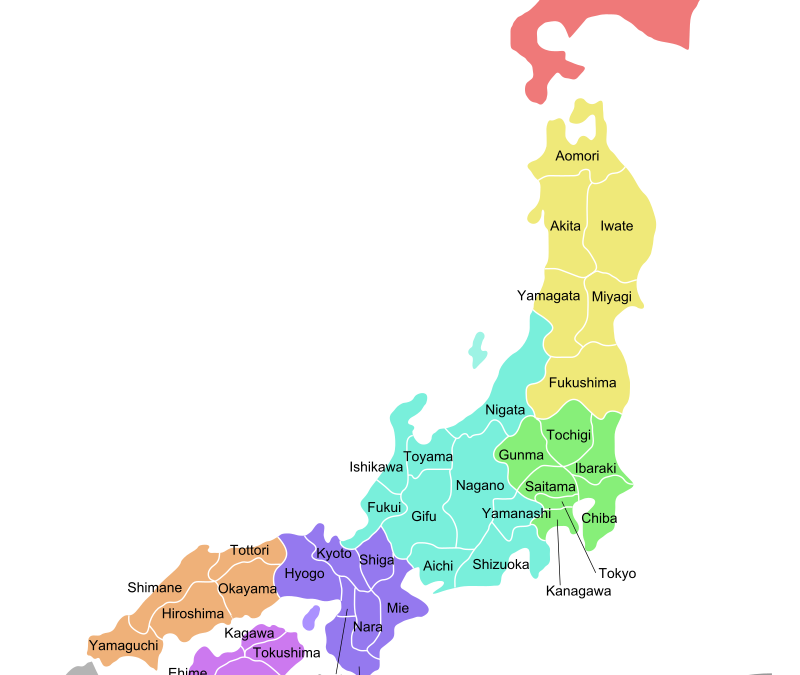
| Origin | Ogaki, Gifu Prefecture (Chūbu region) |
| Dimensions / weight | Not stated in available data — verify on listing |
| Price | Not captured at time of writing — check current listing |
| ASIN (Amazon JP) | B00966MHT6 |
📖 Glossary — key terms in this guide
- masu (升) — a square wooden box used historically to measure rice and sake; now used as a drinking cup and ceremonial vessel.
- ichi-go (一合) — one gō, the traditional unit equal to 180 ml. A 1-go masu is the everyday drinking size.
- hinoki (檜 / ヒノキ) — Japanese cypress, a pale, fragrant softwood prized for its citrus-resin aroma and used in baths, shrines, and woodware.
- kagami-biraki (鏡開き) — the ceremonial breaking of a sake-barrel lid at New Year, weddings, and openings, where sake is served in masu.
- engimono (縁起物) — a lucky or auspicious object. “Masu” (升) is a homophone for masu (“to increase / prosper”), which is why it appears at celebrations.
- Suito (水都) — “City of Water,” Ogaki’s nickname, from the spring-fed canals that once powered its merchant district.

Where this comes from — place, era, and the craft

Ogaki sits on the Mino plain in western Gifu, where groundwater rises so freely that the old merchant quarter was laced with spring-fed canals. That water is the reason the town exists in the form it does. It powered mills, it floated timber, and it gave Ogaki the nickname Suito — the City of Water — long before it became a woodworking hub.
Through the Edo period (1603–1868), Ogaki was a castle town and a node on the routes crossing the Nōbi basin. Clean water and steady timber supply pulled woodworking and milling trades into the district, and among them was the making of masu: the square measures that portioned rice and sake in an economy that ran on volume, not weight.
Today that legacy has concentrated rather than dispersed. Ogaki produces an estimated 80 percent of all the wooden masu made in Japan — a striking degree of regional specialization for an object most Japanese households still keep at least one of.
- Edo period begins (1603) — Castle towns and merchant trades flourish; Ogaki grows around its spring-fed canals.
- Edo period — The masu standardizes how rice and sake are portioned in commerce; the ichi-go (180 ml) becomes a familiar unit.
- 1868 — The Meiji Restoration opens Japan to modern industry; Ogaki’s woodworkers keep jointing cypress by hand.
- Early–mid 20th century — As Japan adopts the metric system, the masu loses its role as an official measure and survives as a drinking and ceremonial vessel.
- Present day (2026) — Ogaki produces an estimated 80% of Japan’s wooden masu; makers such as Masuza and Ohashi Ryoki joint the corners with no nails, using knot-free hinoki.
“Pour cold sake into a raw hinoki masu and the cup stops being a container — the wood’s citrus-resin scent becomes part of the drink. That is the whole point of the object.”
The masu also carries quiet ritual weight. Its character, 升, is a homophone for masu (“to increase” or “to prosper”), which makes it an engimono — a lucky object brought out for New Year kagami-biraki, weddings, and shop openings. That is also why it pairs naturally with Gifu’s other Edo-rooted trades: Mino washi paper and the blades of nearby Seki. A masu, a sheet of washi, and a Seki knife are three faces of the same regional woodworking-and-water economy.

Price snapshot across stores
JPY is the authoritative price for the specific listed item. USD figures, where shown, are approximate at a ¥150/USD baseline as of May 2026. No live price was captured for this item at the time of writing.
| Store | Item / variant | Price | Notes |
|---|---|---|---|
| 🇺🇸 Amazon.com (US) | Browse Japanese hinoki masu & sake cups | varies (USD) | Best if you’re shopping from the US — Prime shipping, USD pricing, no international customs. Amazon US carries hinoki masu and wooden sake cups from various sellers; the exact Ogaki/Masuza piece is sourced from Japan (next row). |
| 🇯🇵 Amazon JP Global Store | Ohashi Ryoki ichi-go masu, 180 ml (ASIN B00966MHT6) | Not captured — check listing | The sourced listing for the exact item. Ships internationally from Japan to most major destinations. |
| Maker direct | Masuza / Ohashi Ryoki range | varies | No confirmed direct-sales URL in our data; search the maker name to check for an official store and the full size range. |
| Proxy services (Buyee / Tenso) | Same JP item, forwarded | item + service fee + forwarding | Useful if a domestic-only listing won’t ship to you directly; adds a handling fee and a forwarding leg. |
What it does well
Weaknesses and things to verify before buying
- Not dishwasher-safe. Unfinished wood should be hand-rinsed and air-dried; the dishwasher will warp, crack, or grey it.
- The aroma fades. The hinoki scent is strongest when new and diminishes with use and washing. This is a consumable pleasure, not a permanent feature.
- Flavor is not for everyone. If you dislike woody or resinous notes, the very thing the masu does best will work against you.
- Raw wood and liquid need care. Prolonged soaking, staining drinks, or storing it damp can lead to mold, odor, or splitting. Rinse, wipe, and let it dry fully.
- Specs and price are unconfirmed here. Exact dimensions, weight, and current price were not in our source data — verify all three on the live listing.
- Not leak-proof for hot liquids. It is built for cold or room-temperature sake, not as a sealed cup for hot drinks.
Conclusion — which buyer type are you?
Other ways to approach this purchase
🏆 Editor’s Pick
❓ Frequently Asked Questions
Where is the Ogaki hinoki masu made?
What is a masu, and what does the 180 ml ichi-go size mean?
Can I buy it from outside Japan?
How do I care for an unfinished hinoki masu?
Why is the masu considered a lucky object?
How much does it cost?
jpmono.com is curated by a Japan-based editorial team (working out of Toyama in the Hokuriku region and Nara in Kansai) and is independent. We don’t take payment from the makers we feature; income comes from affiliate links.
Note: This article was drafted with AI assistance from product-listing data and editorial source notes, then reviewed before publication. Where source data was incomplete (live price and exact dimensions), that is stated plainly rather than filled in.
Affiliate disclosure: jpmono.com may earn a commission on qualifying purchases made through links on this page, at no additional cost to you.