![Ani Matagi Fukuro Nagasa Knife: Akita Hand-Forged Hunting Blade [2026]](https://jpmono.com/wp-content/uploads/2026/05/japan-map-regions-and-prefectures-800x1050.png)
Deep in the mountains of northern Akita, in the former Ani district now folded into the city of Kitaakita, lives one of Japan’s oldest surviving hunting cultures: the matagi (マタギ), winter bear-and-game hunters whose practices run back centuries. Their signature tool is not a rifle but a blade — the Fukuro Nagasa (袋ナガサ), a single-bevel carbon-steel knife with a hollow socket handle that lashes onto a wooden shaft to become a bear spear, then unmounts to serve as an all-purpose field knife. The piece covered in this guide is hand-forged by Nishine Uchihamono (西根打刃物), the Ani forge most closely associated with the form.
What makes the Fukuro Nagasa notable internationally is not exotic mystique but engineering economy: one hollow-tang blade that is, by design, two tools. A mountain hunter carries less, and the socket geometry — fukuro meaning “bag” or “pouch,” here a hollow tube — is the whole point. It is a working object from a working tradition, still made by hand in the district where the matagi tracked bear across the Shirakami-Sanchi beech forests.
This article is written for buyers weighing a genuine Japanese hand-forged hunting blade — bushcrafters, collectors of regional cutlery, and outdoor cooks who want carbon steel over stainless. We cover what the Ani Matagi line is, what it does well, where it falls short, how an international reader can actually buy a hand-forged Akita blade, and how it compares to other hand-forged Japanese blades on our site. A note up front: detailed spec sheets and live pricing for Ani Matagi knives vary by piece and by maker, and not every figure is published online. Where a number could not be confirmed, the table says so rather than guessing.
📅 Published:
🔄 Updated:
⏱️ Read time: ~11 min
- Who this is for — and who should skip it
- Product overview (from published specs)
- Where this comes from — place, era, and the craft tradition
- 📌 How does it compare?
- Buying options across stores
- What it does well
- Weaknesses and things to verify before buying
- Conclusion — which buyer type are you?
- Other ways to approach this purchase
- ❓ Frequently Asked Questions
Who this is for — and who should skip it
- Want a genuine hand-forged Japanese hunting blade from its source district, not a factory reproduction
- Prefer carbon steel and accept the maintenance it demands
- Bushcraft, hunt, or do serious outdoor work and value a knife that doubles as a spear-mount
- Collect regional Japanese cutlery and want the matagi tradition represented
- Are comfortable buying from Japan and waiting for international shipping
- Want a dishwasher-safe, rust-proof stainless knife you can ignore
- Need a kitchen knife — this is a single-bevel field blade, not a santoku or gyuto
- Expect Prime-style next-day delivery and a fixed USD price
- Are uncomfortable maintaining and stropping a carbon edge
- Live somewhere that restricts importing fixed-blade hunting knives (verify your local law first)
Product overview (from published specs)
The table below draws on the maker’s known specifications and on what regional cutlers in Akita typically publish. Because hand-forged hunting blades vary piece by piece, several fields are marked unconfirmed rather than filled with assumptions. Spec sheets indicate the following.
| Attribute | Detail (per maker) |
|---|---|
| Item | Ani Matagi Fukuro Nagasa hunting knife |
| Maker | Nishine Uchihamono (西根打刃物), Ani, Kitaakita, Akita |
| Steel | White steel (shirogami, 白紙) carbon steel |
| Edge geometry | Single bevel (kataba, 片刃) |
| Blade length | — |
| Handle / tang | Hollow socket (fukuro) tang; lashes onto a wooden shaft to form a spear (tate) |
| Origin | Akita Prefecture, Tōhoku, Japan |
| Weight | Unconfirmed — check manufacturer |
| Price | — |
This guide uses maker and regional craft information; specifications not established for every example are described as unconfirmed. General purchase routes and proxy services are noted where relevant.
📖 Glossary — key terms
- matagi (マタギ) — traditional winter hunters of the northern Tōhoku mountains, hunting bear and game by foot through the snow; a culture, a vocabulary, and a code of practice, not merely a job.
- Fukuro Nagasa (袋ナガサ) — “socket nagasa”; nagasa is the matagi word for their hunting knife, and fukuro (“bag/pouch”) refers to the hollow handle.
- fukuro (袋) — the hollow socket tang. A wooden shaft slides in and is lashed tight, converting the knife into a spear.
- tate (タテ / 立) — the spear configuration, used historically against bear at close range.
- shirogami / white steel (白紙鋼) — a high-purity carbon steel prized for taking a very keen edge; rusts if neglected.
- kataba (片刃) — single-bevel grind, sharpened on one side only, common in Japanese cutting tools.
- sun (寸) — traditional unit of length, about 3.03 cm; a “7-sun” blade is roughly 21 cm.
- uchihamono (打刃物) — “struck blades,” i.e., hand-forged edged tools.
Where this comes from — place, era, and the craft tradition

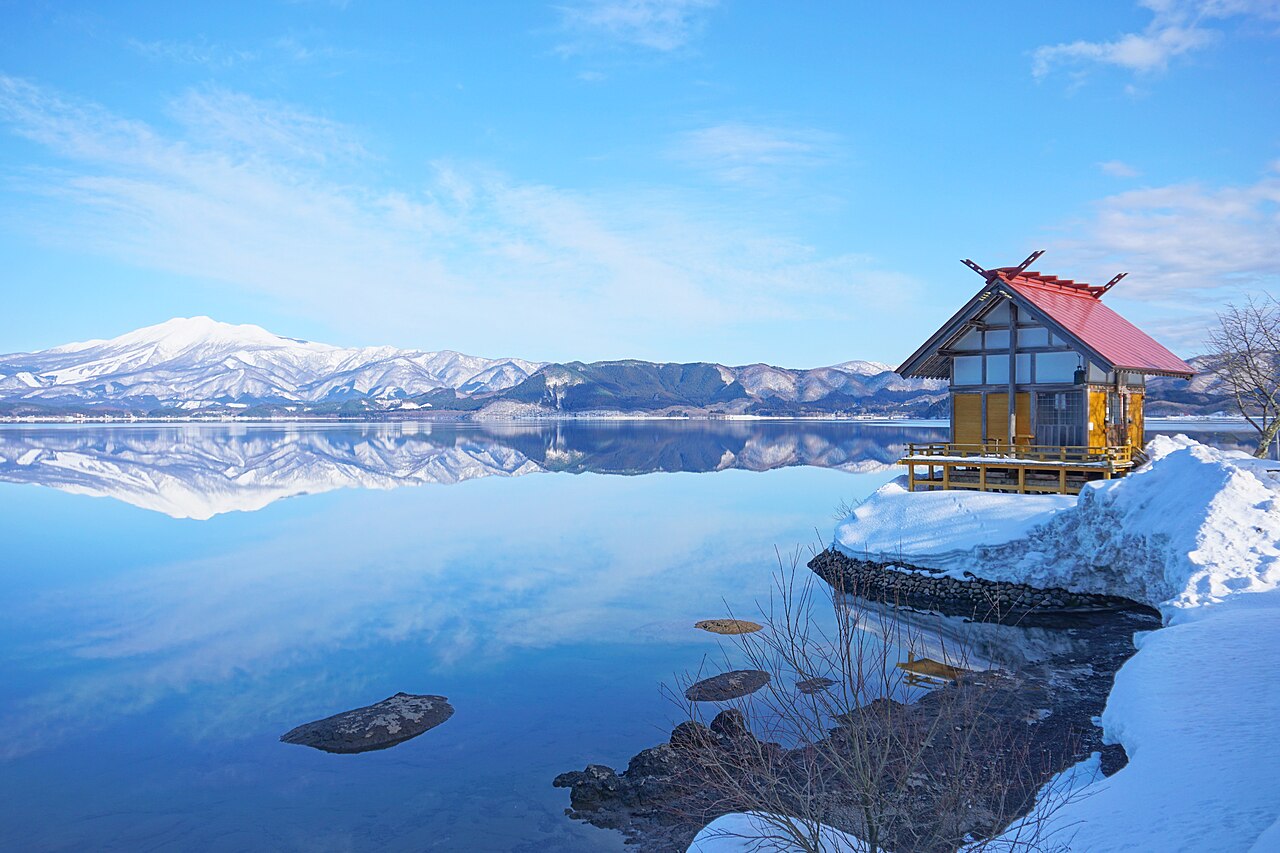
Akita sits on the Sea of Japan coast of the Tōhoku region, the northern third of Honshu. The Ani district — formerly the independent town of Ani-machi, merged into the city of Kitaakita in 2005 — is not on the coast but deep in the interior, a basin of steep forested ridges and long, heavy winters. That isolation is the whole story. The same snowbound geography that made farming hard made hunting essential, and it kept the matagi tradition intact into the modern era while it faded elsewhere.
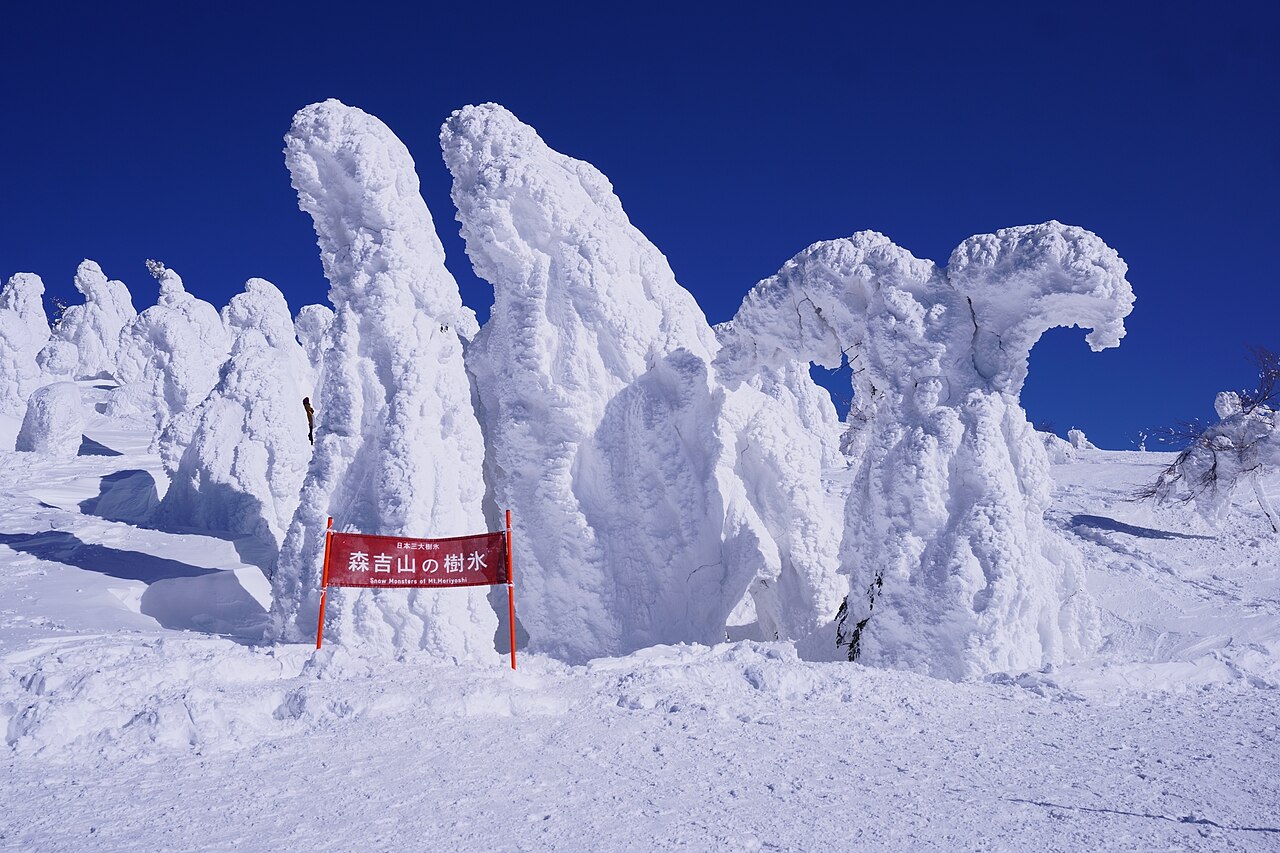
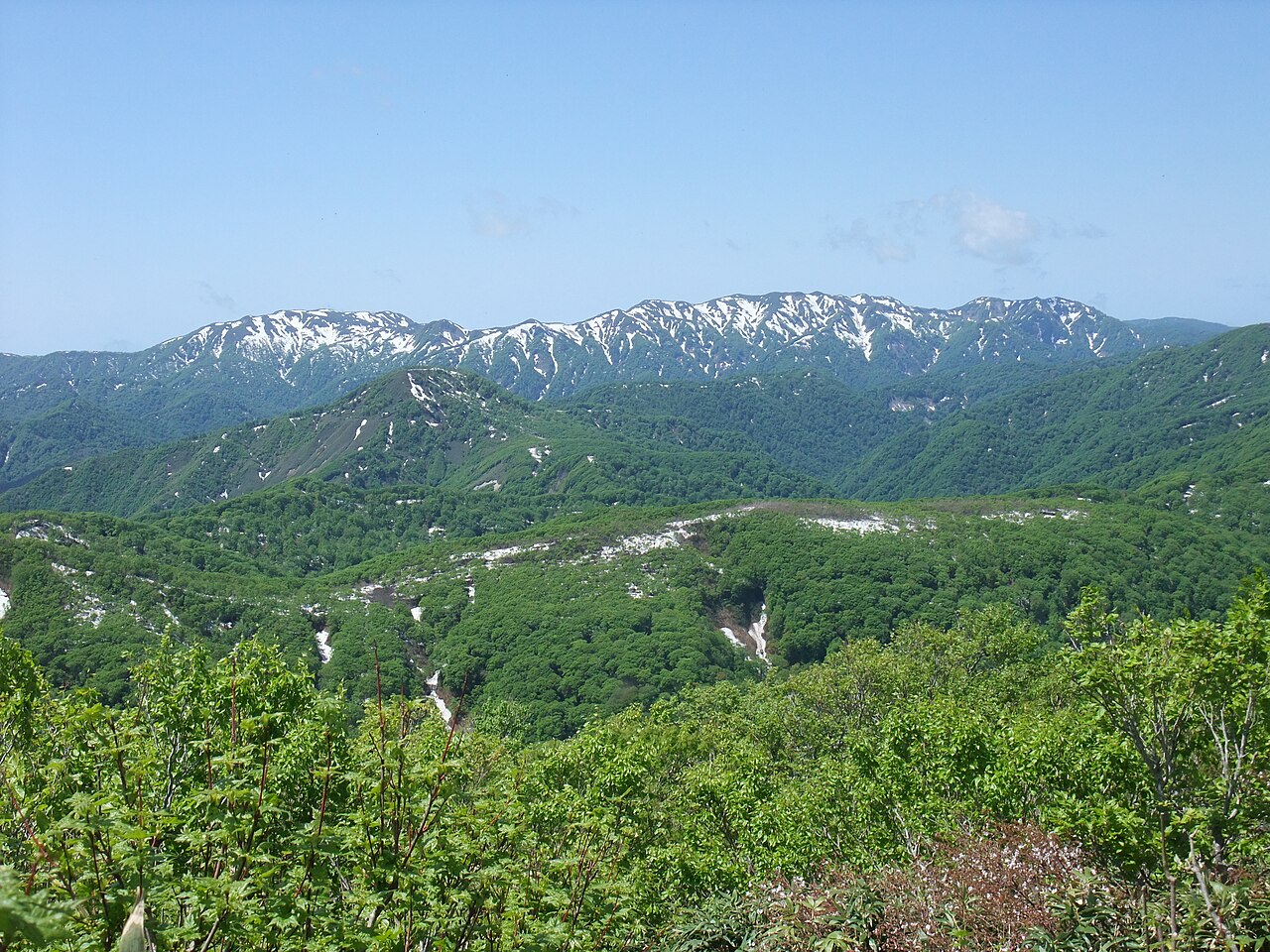
The matagi hunted bear and game on foot across these mountains — the beech forests of Shirakami-Sanchi to the northwest, the slopes of Mount Moriyoshi above Ani itself. Theirs was a subsistence culture with its own dialect, rituals, and rules about what could be taken and when. Bear was the central quarry, hunted in early spring as the animals left their dens, and the close-range nature of that work shaped the tool that became the matagi’s emblem.
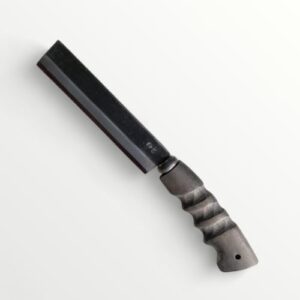
“One hollow-tang blade, by design, is two tools: a field knife in the hand, and — lashed to a shaft — a bear spear in the snow.”
The Fukuro Nagasa answers a specific problem. A hunter moving through deep snow carries as little as possible, yet may need a spear’s reach against a bear and a knife’s precision for everything after. The hollow socket tang solves both: cut a shaft on the spot, slide it into the fukuro, lash it tight, and the knife becomes a spear; pull the shaft and it is a field knife again. The single bevel and white-steel carbon edge belong to the same logic — keen, field-sharpenable, repairable by a village smith.
- Edo period (17th–19th c.) — Matagi hunting culture documented across northern Tōhoku; the Ani district becomes a recognized matagi heartland.
- Meiji era (1868–1912) — Village blacksmiths supply farm, forest, and hunting blades to the mountain economy.
- 20th century — Nishine Uchihamono (Nishine Noboru’s forge) becomes the maker most associated with the Fukuro Nagasa form.
- 1993 — Shirakami-Sanchi, the matagi’s hunting grounds, inscribed as a UNESCO World Heritage site.
- 2005 — Ani-machi merges into the newly formed city of Kitaakita.
- 2026 — Nishine still hand-forges Fukuro Nagasa blades in Ani for hunters and outdoorsmen.
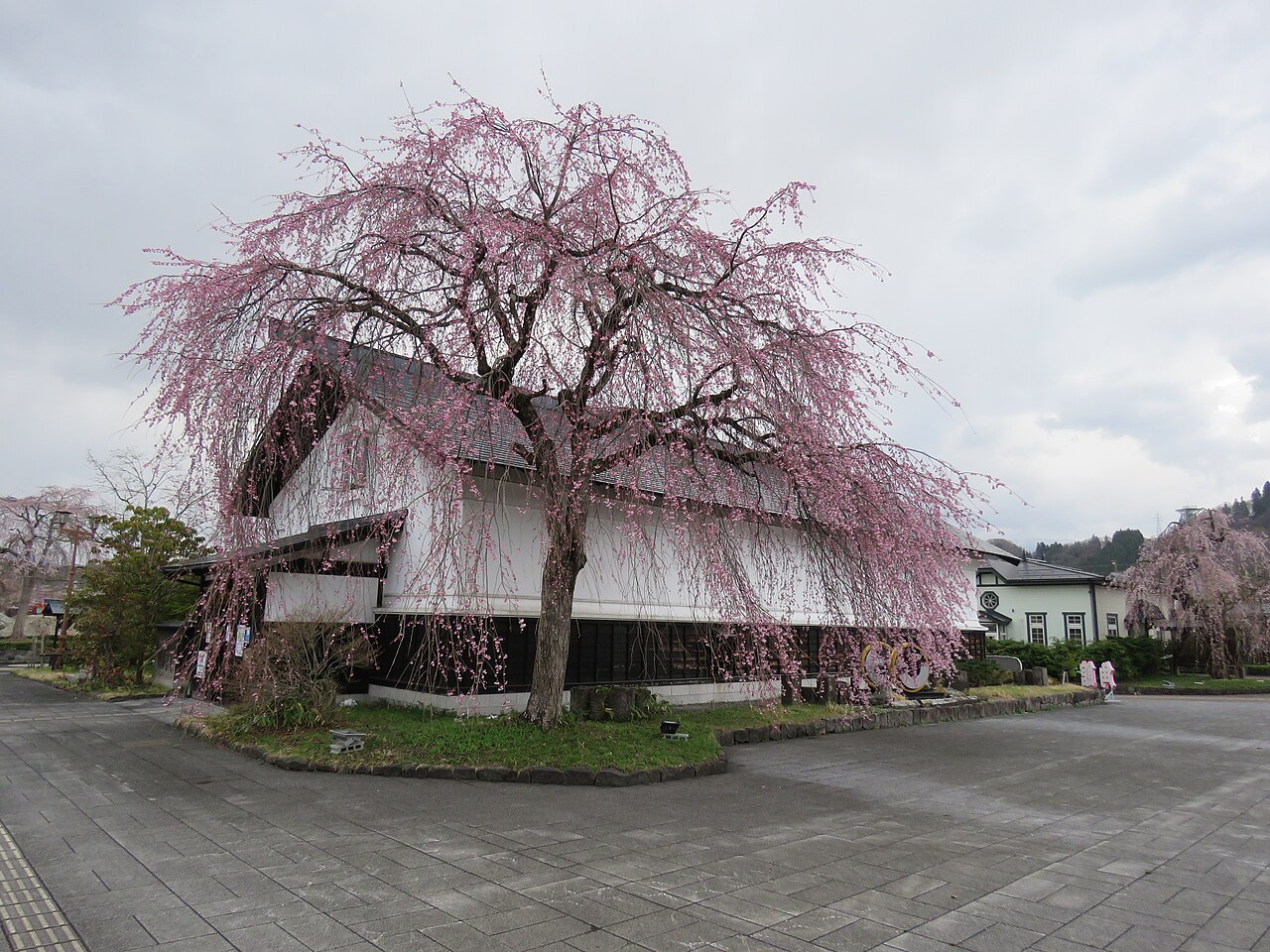
The continuity here is concrete, not marketing. The same domain-era subsistence economy that kept Ani’s blacksmiths busy also sustained Akita’s other heritage crafts — the kabazaiku (樺細工) cherry-bark work of nearby Kakunodate and the magewappa (曲げわっぱ) bentwood of Ōdate. Where the kitchen-knife trade industrialized in places like Seki and Sakai, the matagi blade stayed close to its source: a small forge, single-bevel grinds, and a customer base that still walks into the mountains.
📌 How does it compare?
If you are weighing this against other hand-forged Japanese blades — or other Akita and Tōhoku crafts on our site — these guides are the natural neighbors.
 Miyakonojo Nata HatchetHand-forged outdoor chopping tool from Kyushu
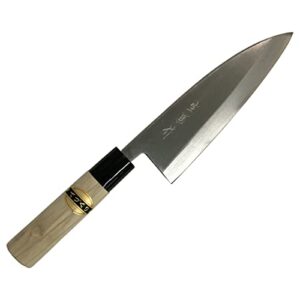 Echizen Hand-Forged SantokuFukui kitchen-knife counterpart, double bevel
 Kaga Hand-Forged NakiriIshikawa vegetable knife, another forged-blade region
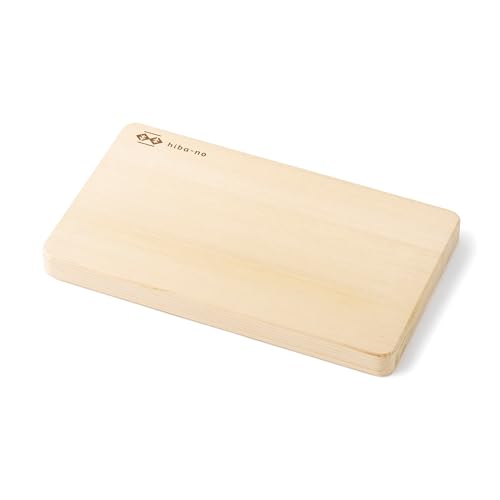 Aomori Hiba Cutting BoardNeighboring Tōhoku prefecture, natural board for carbon blades
 Akita Ginsen-zaiku FiligreeSame prefecture — Akita silver filigree craft
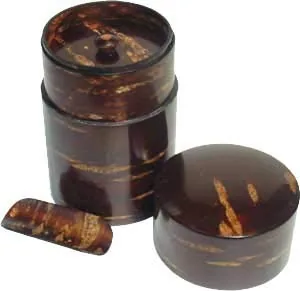 Akita Kabazaiku Cherry BarkKakunodate’s cherry-bark tea caddy, same craft economy
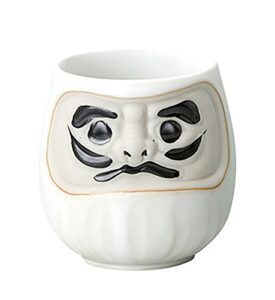 Akita Shiraiwa-yaki YunomiAkita pottery — sea-cucumber glaze teacup
Buying options across stores
JPY is the authoritative currency for hand-forged Japanese blades bought from a Japanese source; USD figures, where shown, are approximate at a ¥150/USD baseline. Confirm current pricing with the maker or with the retail sources listed in this guide before purchasing.
| Store | Item / variant | Price (JPY + USD est.) | Notes |
|---|---|---|---|
| 🇺🇸 Amazon.com (US) | Browse Japanese hand-forged knives | varies (USD) | Best if you are shopping from the US — Prime shipping, USD pricing, no international customs. Amazon US carries hand-forged Japanese knives from various makers for comparing steel and geometry; the exact Nishine Fukuro Nagasa is sourced from Japan (next row). |
| 🇯🇵 Amazon JP Global Store | Nishine Ani Matagi Fukuro Nagasa | — | Ships internationally from Japan to most major destinations. |
| Maker direct | Nishine Uchihamono, Ani | — | Small forge; direct ordering may be limited and Japanese-language only. Lead times can be long for hand-forged work. |
| Proxy services (Buyee / Tenso) | Forwarding from JP shops | Item price + forwarding fee | Useful if a Japan-only shop lists it; adds a service fee and a second shipping leg. Confirm blade-export and your local import rules first. |
Prices and availability fluctuate; USD figures are approximate and depend on the current exchange rate. Always confirm on the affiliate link before purchasing.
What it does well
Weaknesses and things to verify before buying
- Carbon steel rusts. White steel demands wiping dry, light oiling, and prompt cleaning. It is not a fit for anyone who wants a maintenance-free stainless blade.
- Single bevel takes practice. A kataba grind tracks differently than a symmetric Western edge and is sharpened on one side; the learning curve is real.
- Not a kitchen knife. This is a field blade. If you want a santoku or gyuto, see the Echizen or Kaga guides linked above instead.
- Import legality varies. Some countries and regions restrict fixed-blade or “hunting” knives. Confirm your local law and customs rules before buying from Japan.
- Hand-forged supply is limited. A small forge means stock can be intermittent and lead times long; the exact piece may sell out or vary slightly between units.
- The spear function is a capability, not an invitation. Mounting it as a tate is a serious-use feature tied to a hunting tradition, with attendant safety and legal weight.
Conclusion — which buyer type are you?
Other ways to approach this purchase
❓ Frequently Asked Questions
What exactly is a Fukuro Nagasa knife?
Can it really be turned into a bear spear?
What steel is it, and is it stainless?
Does it ship internationally?
How do I care for a single-bevel carbon blade?
Who makes it?
jpmono.com is curated by a Japan-based editorial team (working out of Toyama in the Hokuriku region and Nara in Kansai) and is independent. We do not take payment from the makers we feature; income comes from affiliate links. We do not physically test every product — we read maker specifications and regional craft sources.
This article was prepared with AI assistance and reviewed against maker specifications and regional craft sources. Specifications, pricing, and availability can vary; confirm current details with the seller before purchase.
Affiliate disclosure: jpmono.com may earn a commission on qualifying purchases made through links on this page, at no additional cost to you.