![Hakusan Hasami-yaki G-Type Soy Sauce Dispenser: Where to Buy [2026]](https://jpmono.com/wp-content/uploads/2026/05/hakusan-hasami-g-type-soy-sauce-dispenser-where-to-buy-2026-featured.jpg)
The Hakusan Porcelain (白山陶器, Hakusan Tōki) G-Type soy sauce dispenser is one of those objects most people in Japan have used without ever learning its name. Designed in 1958 by Masahiro Mori (森正洋) and made in the porcelain town of Hasami (波佐見) in Nagasaki Prefecture, it is a small white cruet with a spout engineered not to drip — a deceptively ordinary-looking piece that became a national standard for the table.
What makes it notable to an international reader is the lineage behind it. Hasami has produced porcelain for roughly four centuries, but it built that reputation on cheap, sturdy, everyday ware rather than on luxury display pieces. The G-Type belongs squarely to that tradition: it is industrial design in service of daily use, not a collector’s curiosity. It won a Good Design Award in 1960 and has stayed in continuous production ever since.
This guide is written for readers shopping from outside Japan who want to understand what the piece actually is, where it sits geographically and historically, how to buy it, and — just as important — who should pass on it. Pricing and live stock could not be confirmed from the data available at the time of writing, so this guide leads with the verified facts and points you to the listings for current numbers.
🔄 Last updated: May 29, 2026
⏱️ Read time: ~9 min
Hasami-yaki, Nagasaki · Masahiro Mori, 1958
![Hakusan Hasami-yaki G-Type Soy Sauce Dispenser: Where to Buy [2026]](https://m.media-amazon.com/images/I/31CzZwdR7WL._SL500_.jpg)
- Who this is for — and who should skip it
- Product overview (from published specs)
- Where this comes from — place, era, and the craft tradition
- Which finish should you choose?
- Price snapshot across stores
- What it does well
- Weaknesses and things to verify before buying
- Conclusion — which buyer type are you?
- Other ways to approach this purchase
- 🏆 Editor’s Pick
- ❓ Frequently Asked Questions
Who this is for — and who should skip it
- Want a soy sauce, vinegar, or oil cruet that genuinely does not drip down the side
- Appreciate mid-century functional design with a documented designer and award history
- Prefer plain white porcelain that disappears into any table setting
- Like buying an everyday object with verifiable craft provenance rather than a fragile display piece
- Are comfortable ordering from Amazon JP Global Store or a proxy service
- Want a large-capacity dispenser — at roughly 120 ml this is a small tabletop cruet
- Need a hand-decorated, one-of-a-kind artisan object (this is a production design)
- Expect a bargain after international shipping and possible customs are added
- Dislike refilling frequently or want a pour-and-store bottle
- Need confirmed live pricing before committing (it was unavailable at the time of writing)

Product overview (from published specs)
The specifications below are drawn from the product reference and the maker’s well-documented design history. Live pricing and a current listing snapshot were not available in the dataset at the time of writing; treat capacity and finish as the maker’s published design values and verify dimensions on the active listing before buying.
Hakusan Hasami-yaki G-Type Soy Sauce Dispenser
白山陶器 G型しょうゆさし 小 白磁サイズ:直径5.6×高さ7.2cm
残り11点 ご注文はお早めに · Sold by こんぱくと · ASIN B003YKG41W
Price and availability as of 2026-08-31 02:30 JST. The Amazon listing at the time of purchase is authoritative. jpmono.com earns a commission on qualifying purchases at no extra cost to you.
| Attribute | Detail |
|---|---|
| Item | G-Type soy sauce dispenser / cruet (醤油差し, shōyu-sashi) |
| Maker | Hakusan Porcelain (白山陶器), founded 1779, Hasami, Nagasaki |
| Designer | Masahiro Mori (森正洋), original design 1958 |
| Material | Porcelain (Hasami-yaki, 波佐見焼) |
| Capacity | ~120 ml (published design value — verify on listing) |
| Finish shown | White glaze |
| Signature feature | Non-drip spout |
| Recognition | Good Design Award, 1960 |
| Reference ID | ASIN B003YKG41W (Amazon JP Global Store) |
| Sources | Amazon US (search, primary, moonill-20) · Amazon JP Global Store (secondary, moonill-22, sourced listing) · maker direct |
Per the data notes: only the Amazon JP listing reference was available, and live pricing was unavailable at the time of writing — figures and stock may have shifted since.
📖 Glossary — key terms
- Hasami-yaki (波佐見焼) — porcelain made in the town of Hasami, Nagasaki; historically everyday, mass-produced ware rather than luxury display pieces.
- kurawanka bowls (くらわんか碗) — cheap, sturdy Edo-period porcelain bowls sold to boatmen on the Yodo River; the term came to symbolize porcelain made affordable for ordinary households.
- shōyu-sashi (醤油差し) — a tabletop soy sauce cruet or dispenser.
- monozukuri (ものづくり) — literally “making things”; the ethic of careful, functional manufacturing, here applied to affordable daily-use objects rather than rarefied art.
- Good Design Award — Japan’s long-running design award (administered today by the Japan Institute of Design Promotion); the G-Type received it in 1960.
Where this comes from — place, era, and the craft tradition

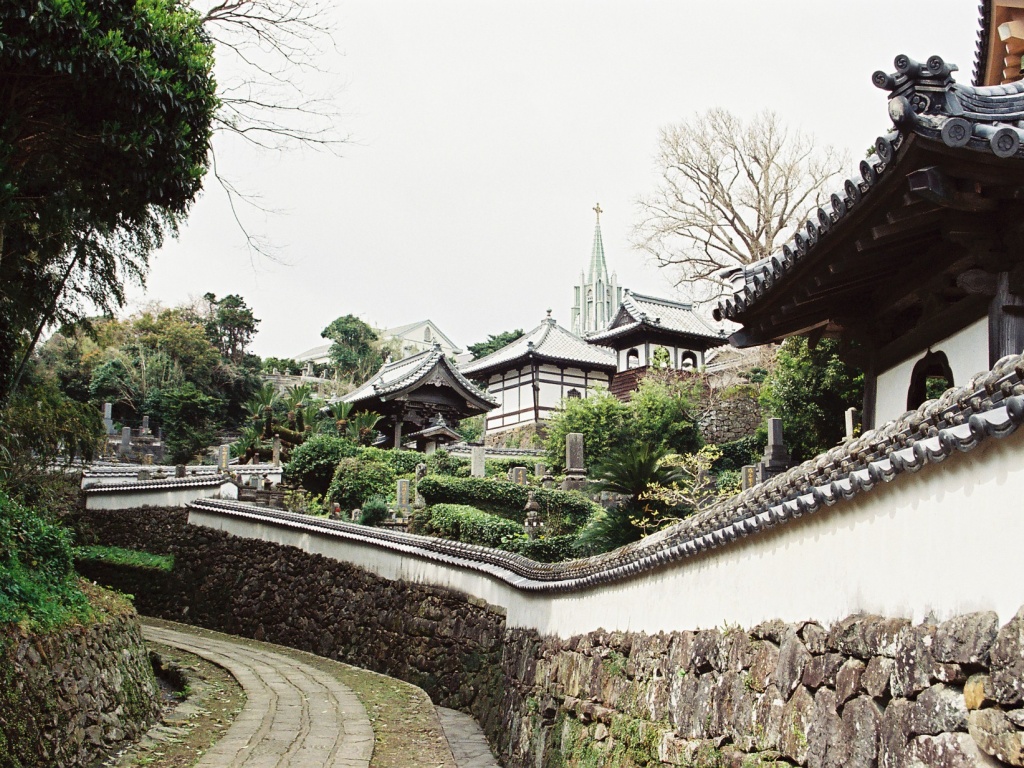
Hasami sits in a narrow valley in the north of Nagasaki Prefecture, pressed up against the border with Saga. It is not a coastal city and not a castle town of the showy kind; it is a place defined by what is in the ground. In the early Edo period, the discovery of porcelain stone in the surrounding hills, combined with techniques carried by Korean potters, turned the valley into a center of porcelain production.
What set Hasami apart was not refinement but volume. While neighboring Arita and Imari in Saga built international fame on luxury wares, Hasami made the porcelain ordinary people actually ate from.
Its kurawanka (くらわんか) bowls — cheap, thick, durable, and sold to boatmen plying the Yodo River near Osaka — democratized porcelain for households that could never have afforded an Imari plate. For much of its history, that everyday output was sold under the Arita name, and Hasami’s own identity stayed hidden. Only in the 2000s did the town reclaim its name and begin to be recognized on its own terms.
“Hasami did not make porcelain rare. It made porcelain ordinary — and that, four centuries on, is the harder achievement.”
Into this tradition steps Hakusan Porcelain, founded in Hasami in 1779. Hakusan married the town’s instinct for volume production with the discipline of modern industrial design, and its defining figure was Masahiro Mori. His G-Type soy sauce cruet, drawn in 1958, distilled a single everyday frustration — soy sauce running down the outside of the bottle — into a spout shaped so the liquid cuts off cleanly. The piece won a Good Design Award in 1960 and quietly became a fixture on tables across the country.
- Early 1600s — Porcelain stone discovered near Hasami; Korean potter techniques seed porcelain production in the valley.
- Edo period — Kurawanka bowls — cheap, sturdy everyday porcelain — democratize porcelain for ordinary households.
- 1779 — Hakusan Porcelain (白山陶器) founded in Hasami.
- 1958 — Masahiro Mori designs the G-Type soy sauce cruet, with a spout engineered not to drip.
- 1960 — The G-Type receives a Good Design Award and becomes a national standard.
- 2000s — Hasami reclaims its own name after centuries sold under the Arita label.
- 2026 — The G-Type remains in continuous production, nearly seven decades after its design.
The continuity case here is straightforward: this is not a revived heritage product but one that never stopped being made. A design from 1958 that is still in volume production in its town of origin is, in its own quiet way, as much a living tradition as a hand-thrown tea bowl — it simply expresses that tradition through repeatable, affordable manufacturing rather than through individual artistry.

Which finish should you choose?
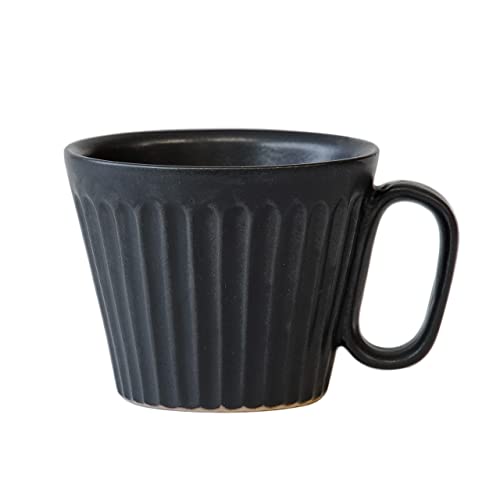
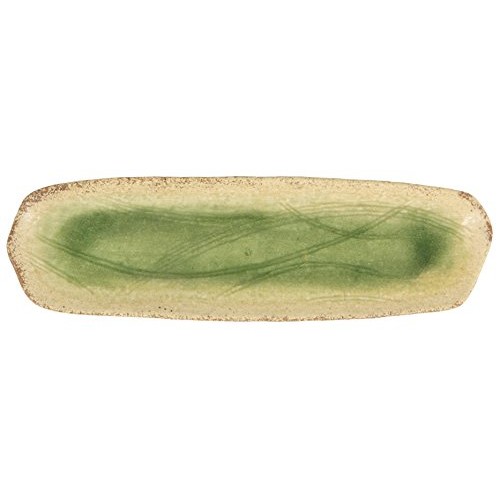
This piece is listed in 5 options. The photos below are the actual パターン名 options on the listing right now — pick the one you want and confirm it on the product page before ordering, since hand-finished wares vary slightly piece to piece.
![Hakusan Hasami-yaki G-Type Soy Sauce Dispenser: Where to Buy [2026] — 大 天目 finish](https://m.media-amazon.com/images/I/41DiBRMqBmL._SL500_.jpg)
![Hakusan Hasami-yaki G-Type Soy Sauce Dispenser: Where to Buy [2026] — 大 グリーン finish](https://m.media-amazon.com/images/I/41f8C5CJoML._SL500_.jpg)
Price snapshot across stores
| Store | Item / variant | Price | Notes |
|---|---|---|---|
| 🇺🇸 Amazon US (search) | Browse Japanese soy cruets & porcelain tableware | varies (USD) | Best if you’re shopping from the US — Prime shipping, USD pricing, no international customs. Amazon US carries Japanese porcelain tableware and cruets from several makers; the exact Hakusan G-Type is sourced from Japan (next row). |
| 🇯🇵 Amazon JP Global Store | G-Type cruet, white, ~120 ml (ASIN B003YKG41W) | Live price unavailable at time of writing | Ships internationally from Japan to most major destinations. This is the sourced listing for the exact item. |
| Maker direct | Hakusan Porcelain catalog | — | Useful to confirm current finishes and sizes; international shipping terms vary by retailer. |
| Proxy services (Buyee / Tenso) | Any Japan-domestic listing | item + service fee + forwarding | A fallback when a variant is only sold within Japan; adds a handling fee and a second shipping leg. |
JPY (¥) is the authoritative currency for the specific listed item; USD figures, where shown elsewhere, are approximate estimates at a ¥150/USD baseline as of May 2026. Prices in USD depend on the current exchange rate.
What it does well
Weaknesses and things to verify before buying
- Small capacity. At roughly 120 ml it is a tabletop cruet, not a storage bottle — heavy users will refill it often.
- Pricing was unconfirmed. Live price was unavailable in the dataset at the time of writing; check the listing before committing, and factor in international shipping.
- International shipping and customs. Buying from Amazon JP Global Store adds cross-border shipping (commonly in the rough range of $15–$40 to the US or EU on small parcels) and possible duties above local thresholds.
- It is a production design, not a unique artisan piece. Buyers seeking a hand-decorated, one-of-a-kind object should look at the Karatsu or Onta-yaki pieces linked above instead.
- Variant details vary. Other colors and sizes exist in the line, but specific finishes, capacities, and ASINs were not confirmed here — verify on the live page.
- Spout seal and dribble. Even a well-designed cruet depends on a clean rim; confirm the current listing’s reviews and images for the specific lot you receive.
Conclusion — which buyer type are you?
Other ways to approach this purchase
🏆 Editor’s Pick
❓ Frequently Asked Questions
Does the G-Type really not drip?
The non-drip spout is the central feature of the design and the reason it won a Good Design Award in 1960. The spout is shaped so the pour cuts off cleanly; as with any cruet, keeping the rim clean helps it perform as intended.
How much does it hold?
The published design value is roughly 120 ml, which makes it a small tabletop cruet rather than a storage bottle. Confirm the exact capacity on the active listing, since the line includes more than one size.
Can I buy it from outside Japan?
Yes. The specific item is sourced from Amazon JP Global Store, which ships internationally to most major destinations. Expect a cross-border shipping fee (commonly in the rough $15–$40 range to the US or EU on small parcels) and possible customs duties above your local threshold.
What is Hasami-yaki, and how is it different from Arita ware?
Hasami-yaki is porcelain from the town of Hasami in Nagasaki, historically known for affordable, durable everyday ware. Neighboring Arita (in Saga) built fame on luxury pieces; for centuries Hasami’s output was even sold under the Arita name before the town reclaimed its own identity in the 2000s.
Is it dishwasher safe?
Care instructions were not confirmed in the data available at the time of writing. Japanese dishwasher and induction labels do not always translate exactly, so check the maker’s or the listing’s stated care guidance before assuming it is dishwasher safe.
Does it make a good gift?
It can. A small, well-designed object with a documented designer and award history travels well as a gift, and plain white porcelain suits most kitchens. Confirm current stock and any gift-packaging options on the listing.
What if the price feels high after shipping?
If cross-border shipping outweighs the item cost, consider browsing Japanese cruets on Amazon US for a comparable function without international shipping, or consolidate several Japan-only items through a proxy service such as Buyee or Tenso to spread the forwarding cost.
jpmono.com is curated by a Japan-based editorial team (working out of Toyama in the Hokuriku region and Nara in Kansai) and is independent. We don’t take payment from the makers we feature; income comes from affiliate links. Read more about our editorial standards.
This article was prepared with AI assistance and reviewed against the source data for the listed product. Facts not present in the verified data were not invented; where information was unavailable (notably live pricing), the article says so explicitly.
Affiliate disclosure: jpmono.com may earn a commission on qualifying purchases made through links on this page, at no additional cost to you.