![Mikawachi Ware Hirado Sometsuke Sake Cup: Karako Porcelain [2026]](https://jpmono.com/wp-content/uploads/2026/05/mikawachi-yaki-hirado-sometsuke-sake-cup-where-to-buy-2026-featured.jpg)
Mikawachi ware (三川内焼, Mikawachi-yaki) is the fine white porcelain of Nagasaki’s old Hirado domain — also known as Hirado ware (平戸焼, Hirado-yaki). It was the official kiln of the Matsura clan, formalized in the 1650s at Mikawachi near present-day Sasebo, and for generations it produced presentation porcelain refined enough to send to the Tokugawa shogunate. This piece is a guinomi sake cup carrying that kiln’s signature: a milk-white body painted in crisp cobalt blue-and-white, in the karako motif of playing Chinese children.
What makes Mikawachi notable to an international reader is not just the painting but the place. Hirado was Japan’s first foreign-trade port — Dutch and English trading factories operated here from 1609 — so this corner of Kyushu sat at the start of the country’s long export-ceramic story. The kiln drew on fine Amakusa porcelain stone and Korean potter lineages, and it sits at the refined, courtly end of Kyushu porcelain, distinct from neighboring Hasami’s everyday tableware.
This guide is written for readers shopping from outside Japan who want to understand what they are actually buying before they commit. We cover what the piece is, where it comes from, how it compares to its Kyushu neighbors, where to buy it, and — honestly — what the available data does and does not tell us.
🔄 Updated
⏱️ About 11 min read
![Mikawachi Ware Hirado Sometsuke Sake Cup: Karako Porcelain [2026]](https://m.media-amazon.com/images/I/512SKwVXlhL._SL500_.jpg)
- Who this is for — and who should skip it
- Product overview (from published specs)
- Where this comes from — Hirado, Mikawachi, and Kyushu porcelain
- 📌 How does it compare?
- Price snapshot across stores
- What it does well
- Weaknesses and things to verify before buying
- Conclusion — which buyer type are you?
- Other ways to approach this purchase
- 🏆 Editor’s Pick
- ❓ Frequently Asked Questions
Who this is for — and who should skip it
- Appreciate hand-painted blue-and-white porcelain and want a piece with documented kiln history
- Collect sometsuke (染付) or Kyushu porcelain and want a Hirado-lineage example
- Want a small, usable object — a sake cup you can actually pour into, not only display
- Like the karako (唐子) playing-children motif specific to this kiln
- Are comfortable buying from a Japan-based listing and arranging international shipping
- Need confirmed dimensions, weight, and price before ordering (the available data is thin — see below)
- Want machine-made uniformity; hand-painting varies piece to piece
- Are rough with tableware — fine porcelain rims can chip
- Need guaranteed dishwasher or microwave compatibility (not stated in the data)
- Prefer a sturdy everyday cup over a refined display-leaning piece — neighboring Hasami ware may suit you better

Product overview (from published specs)
The available data for this specific listing is limited. The product snapshot identifies the item and its affiliate paths, but does not include confirmed dimensions, weight, or price. We have not invented those figures. Where a value was not present in the data, the table says so.
Mikawachi Ware Hirado Sometsuke Sake Cup
三川内焼 平戸焼 平戸焼き 唐子柄 ぐい呑み 三脚
通常9~10日以内に発送します。 · Sold by 玩具jamp · ASIN B0FPVTJSBQ
Price and availability as of 2026-08-31 02:30 JST. The Amazon listing at the time of purchase is authoritative. jpmono.com earns a commission on qualifying purchases at no extra cost to you.
| Attribute | Detail | Source |
|---|---|---|
| Object | Sake cup (guinomi, ぐい呑み) | Listing / spec hint |
| Ware | Mikawachi ware / Hirado ware (三川内焼・平戸焼) | Listing / spec hint |
| Material | White porcelain (Amakusa porcelain stone lineage) | Craft background |
| Decoration | Sometsuke (cobalt blue-and-white underglaze), karako motif, hand-painted | Spec hint |
| Origin | Mikawachi, Sasebo, Nagasaki Prefecture, Kyushu | Craft background |
| Dimensions / capacity | Not stated in available data — verify on listing | — |
| Weight | Not stated in available data — verify on listing | — |
| Item ID (ASIN) | B0FPVTJSBQ | Spec |
⚠️ Data note: only a thin listing snapshot was available for this item, and it did not include price or measured dimensions. Live pricing, size, and stock may differ — confirm everything at the retailer before buying.
📖 Glossary — Japanese terms used here
- Sometsuke (染付) — underglaze blue-and-white; cobalt painted onto the white body, then glazed and fired.
- Gosu (呉須) — the cobalt pigment that turns blue in the kiln; the classic blue of blue-and-white.
- Karako (唐子) — a decorative motif of playing “Chinese children,” a Mikawachi/Hirado signature.
- Sukashi (透かし) — openwork or pierced decoration, another technique associated with this kiln.
- Guinomi (ぐい呑み) — a small sake cup, generally a little larger than an ochoko.
- Mikawachi-yaki / Hirado-yaki — two names for the same Nagasaki porcelain tradition (the place vs. the domain).
Where this comes from — Hirado, Mikawachi, and Kyushu porcelain

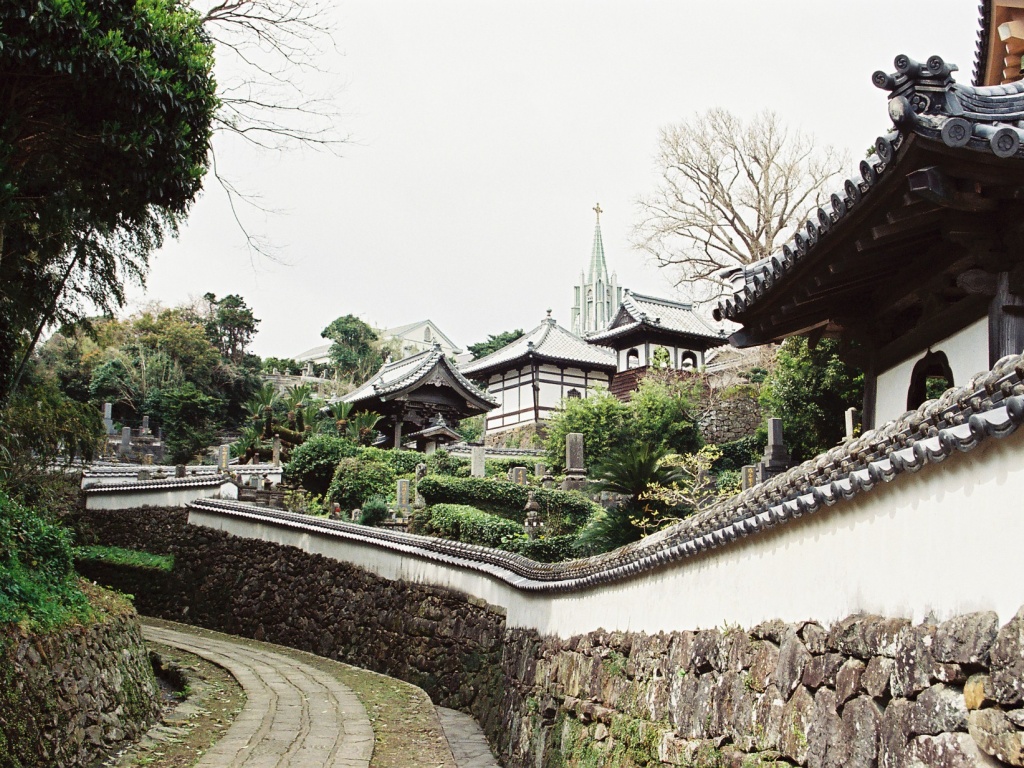
Mikawachi sits in the hills of Sasebo, in northwestern Nagasaki Prefecture, on the western flank of Kyushu facing the East China Sea. This is Japan’s porcelain heartland: the Arita and Hasami kilns are close neighbors, and the whole district drew on the same regional supply of fine porcelain stone — including the famous Amakusa stone — that made white porcelain possible here when most of Japan could still only make earthenware and stoneware.
The historical hook is Hirado itself. Hirado was Japan’s first foreign-trade port, and Dutch and English trading factories operated there from 1609, decades before the country closed to most foreign contact. That early window onto the outside world is why this corner of Kyushu anchors Japan’s long export-ceramic story.
The kiln at Mikawachi was formalized in the 1650s as the official kiln of the Hirado domain, ruled by the Matsura clan. It worked fine Amakusa porcelain stone and was shaped by Korean potter lineages — potters whose presence in Kyushu seeded much of the region’s porcelain skill. As an official kiln, Mikawachi did not make ordinary tableware for the market. It made presentation wares: refined pieces fit to send to the Tokugawa shogunate, and later, in the modern era, pieces shown at imperial occasions and international expositions.
- Late 1500s–1600s — Korean potter lineages settle across Kyushu, seeding the region’s porcelain skill.
- 1609 — Hirado opens as Japan’s first foreign-trade port; Dutch and English trading factories established.
- 1650s — The Matsura clan formalizes the official Hirado-domain kiln at Mikawachi, near Sasebo, working fine Amakusa porcelain stone.
- Edo period — As an official kiln, Mikawachi produces fine white sometsuke presentation porcelain for the Tokugawa shogunate, including the karako motif.
- Meiji era (1868–1912) — Hirado/Mikawachi porcelain joins Japan’s export boom, appearing at international expositions.
- Today (2026) — Kilns at Mikawachi continue producing karako sometsuke porcelain in the official-kiln tradition.
What sets Mikawachi apart from its famous neighbors is its register. Arita gave the world richly colored overglaze porcelain; Hasami became Kyushu’s workhorse of affordable everyday tableware. Mikawachi stayed at the courtly end — pure milk-white bodies, crisp cobalt painting, and details like openwork that signal a kiln that was answering to a domain lord rather than a market stall.
“This was a kiln that sent its work to the shogun — the white was meant to be flawless, and the blue was meant to be exact.”

📌 How does it compare?
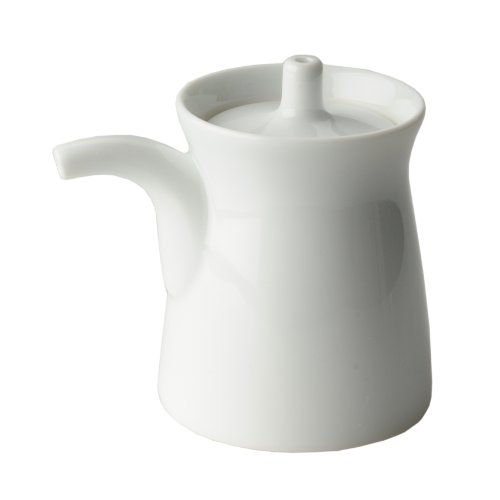
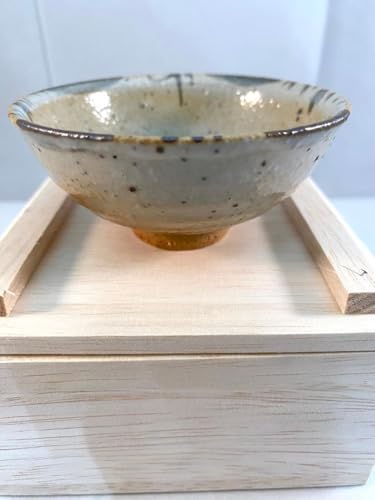
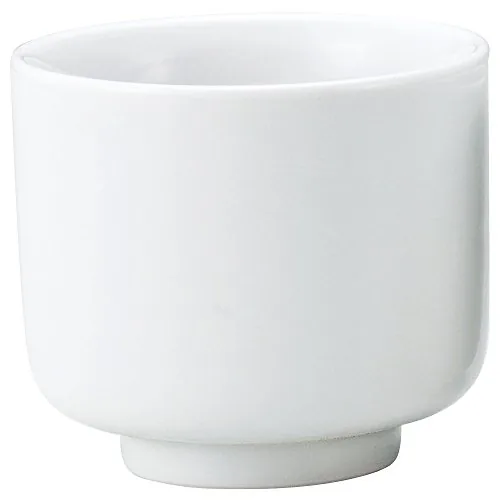
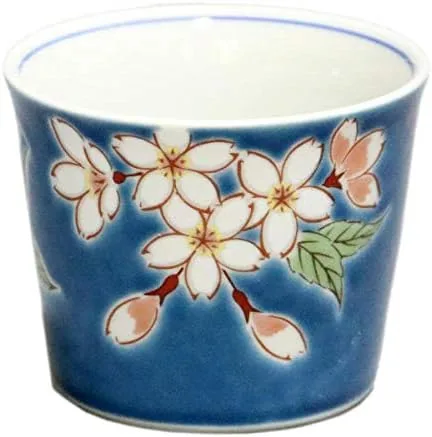
Related jpmono guides — Kyushu porcelain and pottery, and other sake cups, to compare form, decoration, and price tier:
Price snapshot across stores
Prices and stock fluctuate. The available data did not include a price for this item, so the JPY figure is shown as unavailable rather than guessed. USD figures elsewhere on jpmono are approximate (¥150/USD baseline as of mid-2026).
| Store | Item / Variant | Price | Notes |
|---|---|---|---|
| 🇺🇸 Amazon US (search) | Browse Japanese sake cups & sometsuke porcelain | varies (USD) | Best if you are shopping from the US — Prime shipping, USD pricing, no international customs. Amazon US carries Japanese blue-and-white and sake-ware from various makers; this exact Mikawachi piece is sourced from Japan (next row). |
| 🇯🇵 Amazon JP Global Store | This Mikawachi karako guinomi (ASIN B0FPVTJSBQ) | Unavailable at time of writing — check listing | The sourced listing for the specific item. Ships internationally from Japan to most major destinations. |
| Maker direct | Mikawachi kilns (Sasebo) | varies | Some Mikawachi kilns sell through their own sites or local galleries; international shipping is not guaranteed. |
| Proxy services (Buyee / Tenso) | Any Japan-only listing | item + fees | Useful if a listing does not ship to your country directly; adds a service fee plus forwarding shipping. |
What it does well
Weaknesses and things to verify before buying
- Thin data. The available listing snapshot did not include price, capacity, or dimensions. Confirm all of these on the live listing before ordering.
- Hand-painting varies. Because the karako blue is painted by hand, the cup you receive will differ slightly from the listing photo. This is normal for the craft, but worth expecting.
- Fine porcelain can chip. Refined thin-walled porcelain rims are vulnerable to knocks. This is a careful-handling piece, not a knockabout cup.
- Care instructions not stated. Dishwasher and microwave suitability were not in the data. Treat as hand-wash unless the listing says otherwise, and avoid microwaving decorated porcelain unless confirmed.
- Single-listing sourcing. The item maps to one ASIN; stock can lapse and may not be quickly restocked. If it is in stock and you want it, do not assume it will stay available.
- International cost and customs. Shipping from Japan plus possible customs duties can meaningfully raise the landed cost over the listed price. Budget for it.
Conclusion — which buyer type are you?
Other ways to approach this purchase
🏆 Editor’s Pick
❓ Frequently Asked Questions
What is the difference between Mikawachi ware and Hirado ware?
They refer to the same Nagasaki porcelain tradition. “Mikawachi-yaki” names the place (the Mikawachi district near Sasebo), while “Hirado-yaki” names the domain — the Hirado domain ruled by the Matsura clan — that operated the official kiln. You will see both names used for these pieces.
What does the karako motif mean?
Karako (唐子) is a decorative motif of playing “Chinese children.” It is one of the recognized signatures of the Mikawachi/Hirado kiln and is painted in cobalt blue-and-white (sometsuke) on the white porcelain body.
Does it ship internationally?
The item is sourced from the Amazon JP Global Store, which ships to most major international destinations. If a particular listing does not ship to your country, a proxy service such as Buyee or Tenso can forward it. Budget for shipping and possible customs duties on top of the item price.
How much does it cost?
The available listing data did not include a price, so we have not stated one. Check the current price directly on the Amazon JP Global Store listing; JPY is the authoritative figure, and any USD shown elsewhere is an approximate estimate at a ¥150/USD baseline.
Is it dishwasher and microwave safe?
Care details were not stated in the available data. As a general precaution with hand-painted fine porcelain, hand-washing is safest, and you should avoid the microwave unless the listing explicitly confirms it is safe.
How does it compare to Hasami or Arita porcelain?
All three are Kyushu porcelain. Hasami specializes in affordable everyday tableware, and Arita is known for richly colored overglaze work. Mikawachi sits at the refined end — pure white bodies and crisp cobalt painting in an official-kiln tradition. See the comparison links above for specific examples.
Why is Hirado historically significant?
Hirado was Japan’s first foreign-trade port, hosting Dutch and English trading factories from 1609. That early opening to foreign trade anchored western Kyushu’s long export-ceramic story, of which Mikawachi porcelain is a part.
jpmono.com is curated by a Japan-based editorial team (working out of Toyama in the Hokuriku region and Nara in Kansai) and is independent. We do not take payment from the makers we feature; income comes from affiliate links. We do not physically test every product — we read maker specs and source listings.
Note: this article was drafted with AI assistance and reviewed against the available source listing data. Specifications, prices, and stock were not all present in the source data; verify details on the retailer’s listing before purchasing.
Affiliate disclosure: jpmono.com may earn a commission on qualifying purchases made through links on this page, at no additional cost to you.