![Seto Ware Sometsuke Rice Bowl: Aichi’s Ancient Kiln Town [2026]](https://jpmono.com/wp-content/uploads/2026/05/japan-map-regions-and-prefectures-800x1050.png)
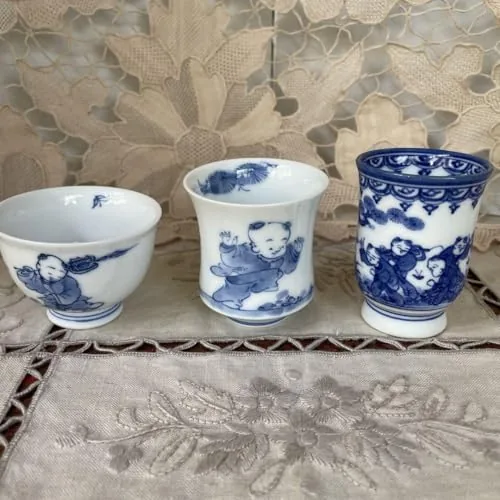
A Seto ware sometsuke rice bowl is one of the most ordinary objects in a Japanese kitchen, and that is precisely why it is worth a closer look. Seto, a kiln town in Aichi Prefecture, is one of Japan’s Six Ancient Kilns (Rokkōyō, 六古窯), and it was the only one of those medieval kiln groups producing glazed ceramics. The hand-painted blue-and-white bowl in this guide — sometsuke (染付), cobalt-blue underglaze painting on a white ground — is the everyday descendant of that long line.
What makes Seto unusual is that its name became the language. The Japanese word setomono (瀬戸物, literally “Seto things”) is still used across much of the country as a generic term for pottery, the way “china” works in English. Few crafts can claim to have given their hometown’s name to an entire category of household object. Such sometsuke bowls are everyday gohan-jawan — the kind of rice bowl that millions of Japanese households reach for at every meal.
This guide is written for international readers deciding whether a hand-painted Seto rice bowl is worth importing — and how. We cover what the form is, where Seto sits in Japan and in ceramic history, how to buy it from outside Japan, and where it fits among the other Six Ancient Kilns. Prices and stock vary, so current figures should be checked before purchase.
🔄 Updated:
⏱️ Read time: ~9 min
Gohan-jawan (Rice Bowl)
- Who this is for — and who should skip it
- Product overview (from published specs)
- Where this comes from — place, era, and the craft tradition
- 📦 Shipping & where to buy from outside Japan
- Buying options
- What it does well
- Weaknesses and things to verify before buying
- Conclusion — which buyer type are you?
- Other ways to approach this purchase
- ❓ Frequently Asked Questions
Who this is for — and who should skip it
- Want an authentic, everyday Japanese rice bowl rather than a display piece
- Like hand-painted sometsuke blue-and-white over machine-printed patterns
- Are building a table around one of the Six Ancient Kilns
- Value an object whose form has changed little in generations
- Are comfortable buying via Amazon JP Global Store and waiting for international shipping
- Need a matched set delivered fast with a fixed, confirmed price today
- Prefer perfectly uniform pieces (hand-painting means each bowl varies)
- Want a large Western-style bowl — a gohan-jawan is small, sized for rice
- Expect to confirm microwave/dishwasher compatibility with the seller.
- Will not accept any uncertainty on live pricing or stock

Product overview (from published specs)
Seto sometsuke bowls vary by maker, clay, and painted finish. The table below summarizes the craft characteristics and marks individual measurements or prices for verification rather than guessing.
| Attribute | Detail |
|---|---|
| Item | Seto ware (瀬戸焼) sometsuke rice bowl / gohan-jawan |
| Decoration | Hand-painted sometsuke — gosu (呉須) cobalt underglaze, blue-and-white |
| Material | Glazed ceramic / porcelain (confirm body type with seller) |
| Origin | Seto, Aichi Prefecture (former Owari province), Japan |
| Tradition | One of Japan’s Six Ancient Kilns (Rokkōyō) |
| Dimensions / weight | Unconfirmed — a gohan-jawan is typically a small rice bowl; ask the seller about the piece. |
| Price | — |
Prices and stock can change. Confirm current figures and full specifications with a reputable retailer before purchasing.
📖 Glossary — key Japanese terms
- Sometsuke (染付) — cobalt-blue underglaze painting on a white ground; “blue-and-white.” The decoration is applied before the clear glaze and fired once.
- Gosu (呉須) — the cobalt-bearing pigment that produces sometsuke’s blue.
- Gohan-jawan (ご飯茶碗) — a rice bowl; smaller and deeper than a Western soup bowl, sized to be held in one hand.
- Setomono (瀬戸物) — literally “Seto things”; a common generic Japanese word for pottery, derived from this town’s name.
- Rokkōyō (六古窯) — the “Six Ancient Kilns”: Seto, Tokoname, Echizen, Shigaraki, Tanba, and Bizen.
- Owari (尾張) — the historical province, now western Aichi, ruled by a senior Tokugawa branch in the Edo period.

Where this comes from — place, era, and the craft tradition

Seto is a kiln town in the hills northeast of Nagoya, in Aichi Prefecture. This is the heart of the Tōkai region’s ceramic belt: Aichi and neighboring Gifu (home to Mino ware) together account for a very large share of the dishes on Japanese tables. The clays of the area, abundant fuel from the surrounding forests, and proximity to Nagoya’s markets and ports made it a natural place for potting to concentrate and stay concentrated for centuries.
What sets Seto apart historically is glaze. Among Japan’s Six Ancient Kilns — Seto, Tokoname, Echizen, Shigaraki, Tanba, and Bizen — Seto was the only one that produced glazed ceramics in the medieval period.
“So central was Seto to ceramic life that setomono — ‘Seto things’ — became the everyday Japanese word for pottery itself.”
-
13th century — Kato Shirozaemon Kagemasa (“Toshiro”) is traditionally credited with bringing glazing technique to Seto, said to have been learned in Song-dynasty China. -
Medieval period — Seto is the only one of the Six Ancient Kilns producing glazed ceramics; the word “setomono” enters general use as a term for pottery. -
Early 17th century — A senior Tokugawa branch governs Owari province from Nagoya, patronizing regional crafts. -
Early 19th century — Kato Tamikichi brings porcelain and sometsuke (gosu blue-and-white) techniques from Arita to Seto. -
19th century — Seto develops into a major sometsuke porcelain center under Owari Tokugawa patronage. -
Today (2026) — Aichi’s Seto and Tokoname districts dominate Japan’s ceramic output; the hand-painted blue-and-white rice bowl remains Seto’s quintessential everyday ware.
The blue-and-white tradition that gives the sometsuke bowl its look is, in Seto’s case, the younger of its specialties. Glaze came first, centuries earlier. Porcelain and sometsuke arrived in the early 1800s, when Kato Tamikichi is credited with bringing the techniques back from Arita in Kyushu — the cradle of Japanese porcelain. Under the patronage of the Owari Tokugawa, Seto then grew into one of the country’s major sometsuke centers. That is why a Seto sometsuke bowl carries two histories at once: a very old glazed-stoneware lineage, and a 19th-century porcelain-painting tradition imported from the south.
Continuity is the quiet point here. Seto has been potting more or less continuously since the medieval era, and Aichi remains the center of gravity for Japanese ceramic manufacturing today. A sometsuke rice bowl is not a revival product or a heritage reissue — it is the current, ordinary output of a town that has been making glazed pots for some eight centuries. That ordinariness is the appeal: this is what a Japanese household actually eats from.
📦 Shipping & where to buy from outside Japan
For many international readers, Amazon JP Global Store and other Japanese retailers can be practical channels for Seto sometsuke bowls. Ceramics are fragile but generally shippable; expect protective packaging and a corresponding parcel size.
- International shipping: Amazon JP Global Store ships many tableware items worldwide; confirm that the seller ships to your country at checkout.
- Estimated shipping cost: roughly $15–$40 to the US and EU for a small parcel; higher to more distant regions. Exact cost is shown at checkout.
- Customs/duties: orders above your local de minimis threshold may incur import duty or VAT on arrival — budget for it.
- Alternative paths: proxy/forwarding services such as Buyee or Tenso can consolidate and reship if a direct seller will not deliver to you. Japanese pottery shops and maker storefronts are another route, though English checkout varies.
- Offer details may vary. Confirm the current purchase terms before ordering.
Buying options
JPY is the usual reference currency for Japanese ceramics; USD figures are approximate estimates at a ¥150/USD baseline as of mid-2026. Live prices change, so compare the current offer before buying.
| Store | Item / variant | Price (JPY + USD est.) | Notes |
|---|---|---|---|
| 🇺🇸 Amazon.com (US) | Browse Japanese rice bowls & blue-and-white tableware | varies (USD) | Best if you’re shopping from the US — Prime shipping, USD pricing, no international customs. Amazon US carries comparable Japanese blue-and-white bowls and rice bowls from various makers; this guide’s exact Seto piece is sourced from Japan (next row). |
| 🇯🇵 Amazon JP Global Store | Seto sometsuke rice bowl | — | The selected Japanese source. Ships internationally from Japan to most major destinations. |
| Maker direct | Seto kiln / pottery shops | Varies | Seto has many small kilns and storefronts; English checkout and international shipping vary by shop. |
| Proxy services (Buyee / Tenso) | Forwarding for any Japan-only source | Item price + service fee + reship | Useful when a direct seller will not deliver to your country; adds a handling fee. |
Prices and availability shown are based on data at the time of writing and may have changed. Prices in USD are approximate and depend on the current exchange rate.
What it does well
Weaknesses and things to verify before buying
- Offer details may vary. Confirm the current purchase terms before ordering — do not rely on estimates here.
- Proportions and capacity are unconfirmed. A gohan-jawan is small by design; ask the seller about the piece’s fit for your use rather than assume.
- Hand-painting means variation. If you expect every bowl in a set to be identical, brush-decorated ware will disappoint; the small differences are inherent.
- Care specs need checking. Microwave and dishwasher suitability vary by piece and glaze; confirm with the seller rather than assume all sometsuke ware is appliance-safe.
- Fragility in transit. Ceramics can arrive chipped; buy from a path with clear damage/return handling and expect protective packaging.
- “Seto ware” is a broad label. The name covers a wide range of kilns and quality tiers; confirm the specific maker and that it is genuinely Seto-produced if provenance matters to you.
Conclusion — which buyer type are you?
Other ways to approach this purchase
❓ Frequently Asked Questions
What is “sometsuke”?
Sometsuke (染付) is cobalt-blue underglaze painting on a white ground — Japan’s version of blue-and-white ware. The gosu (cobalt) pigment is painted on, then sealed under a clear glaze and fired, which is why the blue sits beneath a smooth surface.
Why is pottery called “setomono” in Japanese?
Seto was so central to Japanese ceramic life that “setomono” — literally “Seto things” — became a common generic word for pottery, much as “china” is used in English. It reflects how dominant the Seto kilns were.
Does Seto ware ship internationally?
Seto ware tableware reaches international buyers through Amazon JP Global Store for items that list there, through Seto-yaki cooperatives, through specialist Japanese tableware exporters, and through proxy services (Buyee, Tenso) for purchases from individual kilns. Confirm your country is deliverable on the chosen path before ordering.
How much does it cost?
Prices for hand-painted Seto bowls change over time. Compare the current JPY price and use any USD figure only as an approximate conversion at roughly ¥150/USD.
Is it microwave and dishwasher safe?
Care suitability varies by glaze and piece, so follow the maker’s instructions rather than assuming. Hand-painted sometsuke is generally robust for daily use, but appliance compatibility is not guaranteed for every bowl.
How is Seto sometsuke related to Arita?
Arita in Kyushu is the cradle of Japanese porcelain and sometsuke. In the early 19th century, Kato Tamikichi is credited with bringing those porcelain and blue-and-white techniques from Arita to Seto, which then grew into a major sometsuke center under Owari Tokugawa patronage.
Is this a good gift?
A hand-painted Seto rice bowl makes a practical, culturally grounded gift for anyone who cooks Japanese food or appreciates blue-and-white ceramics. Because it is an everyday object with real heritage, it suits gift-giving without feeling like a fragile display-only piece.
jpmono.com is curated by a Japan-based editorial team (working out of Toyama in the Hokuriku region and Nara in Kansai) and is independent. We do not take payment from the makers we feature; income comes from affiliate links. We don’t physically test every product — we read maker specifications and ceramic references.
This article was produced with AI assistance and reviewed against the craft references available at the time of writing. Facts about place and history are drawn from the editorial brief; live price and stock can change and should be confirmed with a retailer.
Affiliate disclosure: jpmono.com may earn a commission on qualifying purchases made through links on this page, at no additional cost to you.