![Mino-yaki Oribe Mukozuke Dish: Where to Buy Green-Glaze Gifu Ware [2026]](https://jpmono.com/wp-content/uploads/2026/06/mino-yaki-oribe-mukozuke-dish-where-to-buy-2026-featured.jpg)
Mino-yaki (美濃焼, “Mino ware”) is the everyday ceramic that fills more Japanese cupboards than any other — southeastern Gifu has long produced over half of the country’s household tableware. But the line covered here is not everyday at all. It is Oribe: the bold, copper-green tea ceramic named for the warrior tea master Furuta Oribe (古田織部, 1544–1615), a pupil of Sen no Rikyu who broke deliberately with his teacher’s restraint.
The form in this guide is a mukozuke (向付) — a small dish set on the far side of the kaiseki tray, traditionally holding the sashimi or vinegared course. Oribe mukozuke are where the style shows off: an intentionally warped, asymmetric body the Japanese call hyuge (へうげ, “playful, off-kilter”), a vivid green copper glaze poured to one side, and a bold iron-painted geometric motif on the bare clay. Made in the Toki–Tajimi kiln district of Gifu, it is a piece of the Momoyama-period tea canon scaled to a serving dish.
This article is for international readers deciding whether — and where — to buy one. We cover who it suits, what the published listing actually tells us, the regional and historical context that makes Oribe what it is, how it compares to other Japanese six-kiln and tea ceramics, the realistic purchase paths from outside Japan, and the caveats worth checking before you commit.
📅 Published:
🔄 Updated:
⏱️ Read time: ~10 min

- Who this is for — and who should skip it
- Product overview (from published specs)
- 📍 Where this comes from — place, era, and the craft tradition
- What it does well
- Weaknesses and things to verify before buying
- Price snapshot across stores
- Conclusion — which buyer type are you?
- Other ways to approach this purchase
- 🏆 Editor’s Pick
- ❓ Frequently Asked Questions
Who this is for — and who should skip it
- Want a genuine Momoyama-lineage tea ceramic, not a mass-printed “Japanese-style” dish
- Like the warped, asymmetric hyuge aesthetic and uneven green-glaze pour
- Serve kaiseki, sashimi, small appetizers, or pickles and want a dedicated form for them
- Appreciate that each piece varies — color depth and glaze run are never identical
- Are building a collection across Japan’s tea-ceramic and six-kiln traditions
- Want a perfectly symmetrical, uniform set where every dish matches exactly
- Need guaranteed dishwasher- and microwave-safe daily ware with no special care
- Expect a specific glaze pattern — handmade ceramic varies piece to piece
- Are price-sensitive and only want the cheapest small dish that does the job
- Cannot accommodate international shipping from Japan or possible customs duties
Product overview (from published specs)
The data available for this item is limited to the listing snapshot. The table below records what is stated or sourced; entries that were not confirmed in the data are marked rather than guessed.
Mino-yaki Oribe Mukozuke Dish
美濃焼 大鉢 業務用 日本製 17.8×5㎝ 織部とじめ向付 5613474
一時的に在庫切れ; 入荷時期は未定です。 · Sold by Amazon.co.jp · ASIN B07JGRB882
Price and availability as of 2026-09-01 05:22 JST. The Amazon listing at the time of purchase is authoritative. jpmono.com earns a commission on qualifying purchases at no extra cost to you.
| Attribute | Detail (per listing / data notes) |
|---|---|
| Craft | Mino-yaki (美濃焼), Oribe (織部) style |
| Form | Mukozuke (向付) — small kaiseki serving dish |
| Material | Stoneware, copper-green glaze with iron underglaze motif |
| Origin | Toki / Tajimi, Gifu Prefecture, Japan |
| Designation | Mino ware holds national Traditional Craft (METI) status |
| ASIN | B07JGRB882 |
| Dimensions / weight | Unconfirmed — check the listing |
| Price | Varies — no live price in available data; verify on listing |
Sources: Amazon US search (primary, moonill-20) + Amazon JP Global Store (secondary, moonill-22, sourced listing) + maker-tradition data notes. Where a spec was absent from the data, the cell reads “Unconfirmed.”
📖 Glossary — key terms
- Mino-yaki (美濃焼) — ceramic ware from southeastern Gifu (Toki, Tajimi, Mizunami); descended from the Seto kilns and historically Japan’s largest tableware-ceramic region.
- Oribe (織部) — a Momoyama tea-ware style named for Furuta Oribe, defined by vivid copper-green glaze, bold iron-painted motifs, and warped forms.
- Mukozuke (向付) — a small dish placed on the far side of the kaiseki tray, typically for the sashimi or vinegared course.
- Hyuge (へうげ) — the warped, playful, asymmetric aesthetic Oribe championed; a deliberate break from Rikyu’s restrained wabi.
- Kaiseki (懐石) — the multi-course meal served in the tea ceremony.
- Shino / Kizeto / Setoguro — the other Momoyama Mino tea wares fired alongside Oribe.
Related jpmono guides on Gifu craft and Japanese ceramics — useful for comparing kilns, forms, and price tiers before deciding.
 🪵 Gifu yew netsuke
 🔪 Seki blade craft (Gifu)
🪴 Tokoname bonsai pot (Tokai)
 ☕ Shigaraki six-kiln mug
🍺 Bizen six-kiln ware
 🏺 Echizen ash-glaze vase
 🍵 Kyo-yaki yunomi
🫖 Kiyomizu iro-e kyusu
📍 Where this comes from — place, era, and the craft tradition

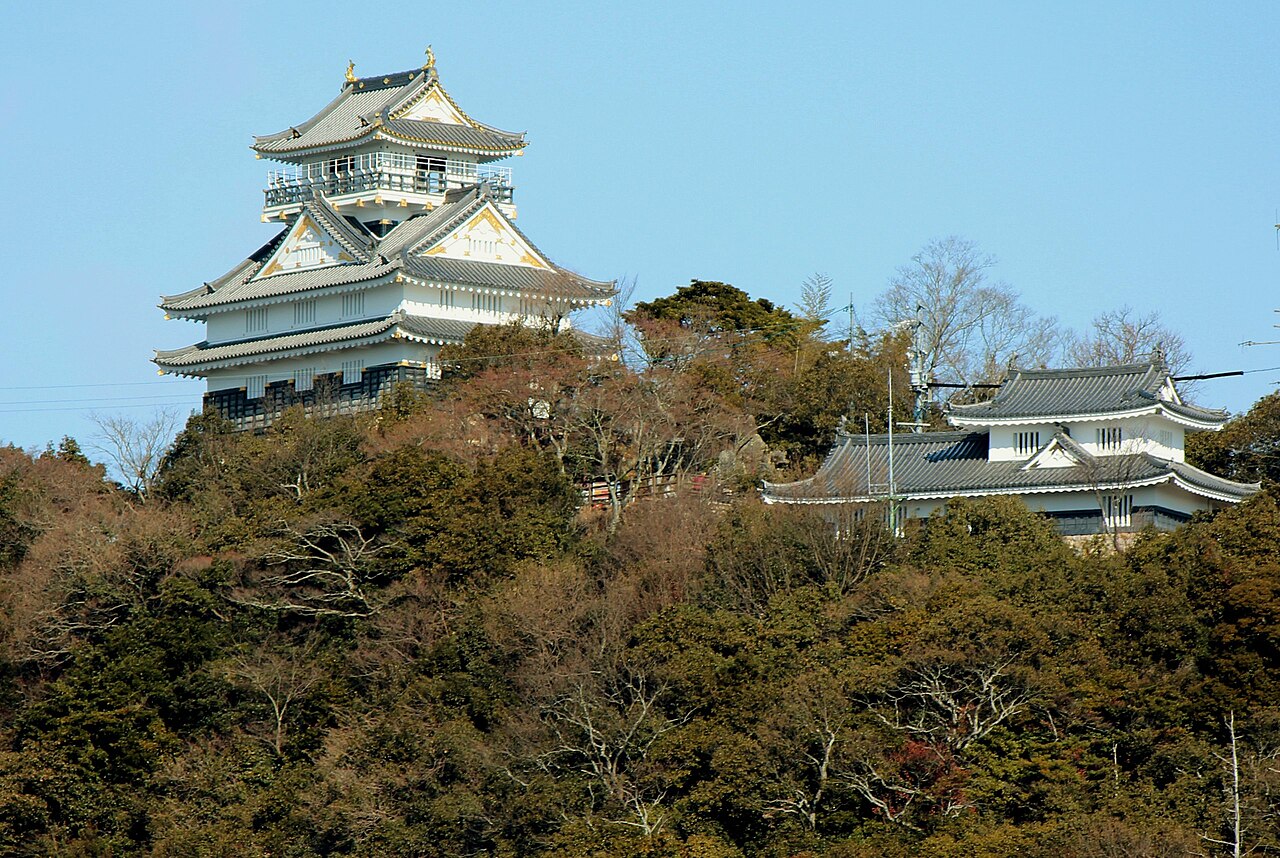
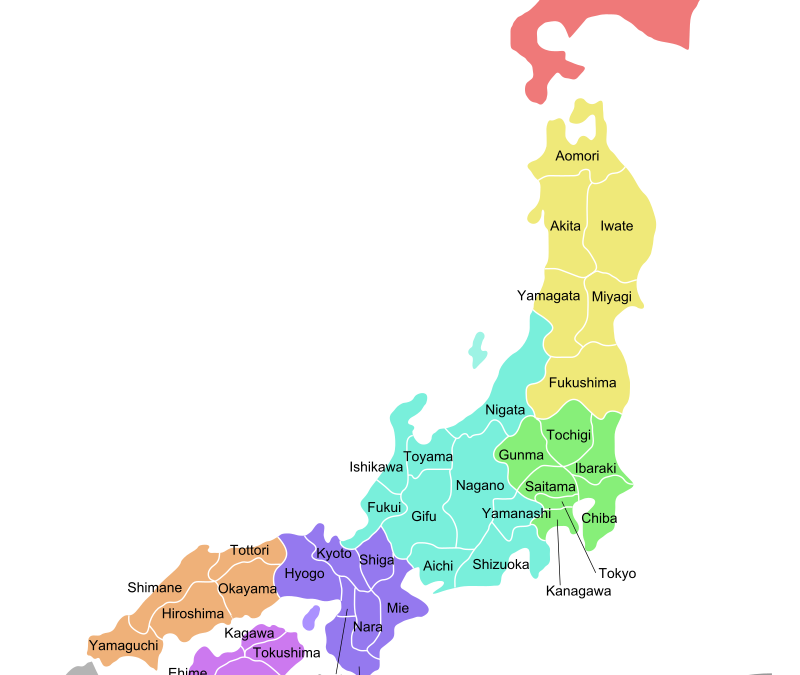
Mino ware comes from the southeastern corner of Gifu Prefecture — the cities of Toki, Tajimi, and Mizunami — in inland Chūbu, the mountainous heart of Honshu. The district sits on clay-rich hills with abundant firewood and water, the three things a pre-industrial kiln economy needs, and it lies just over the ridge from Seto in Aichi, the older ceramic center from which the Mino kilns are descended.
That geography matters. This is not a coastal trading port like the six-kiln sites of Bizen or Echizen, but an inland clay basin that grew into something larger than any of them: historically, Mino has produced more than half of Japan’s household tableware. The everyday rice bowl in a Japanese kitchen is statistically likely to be Mino-yaki.
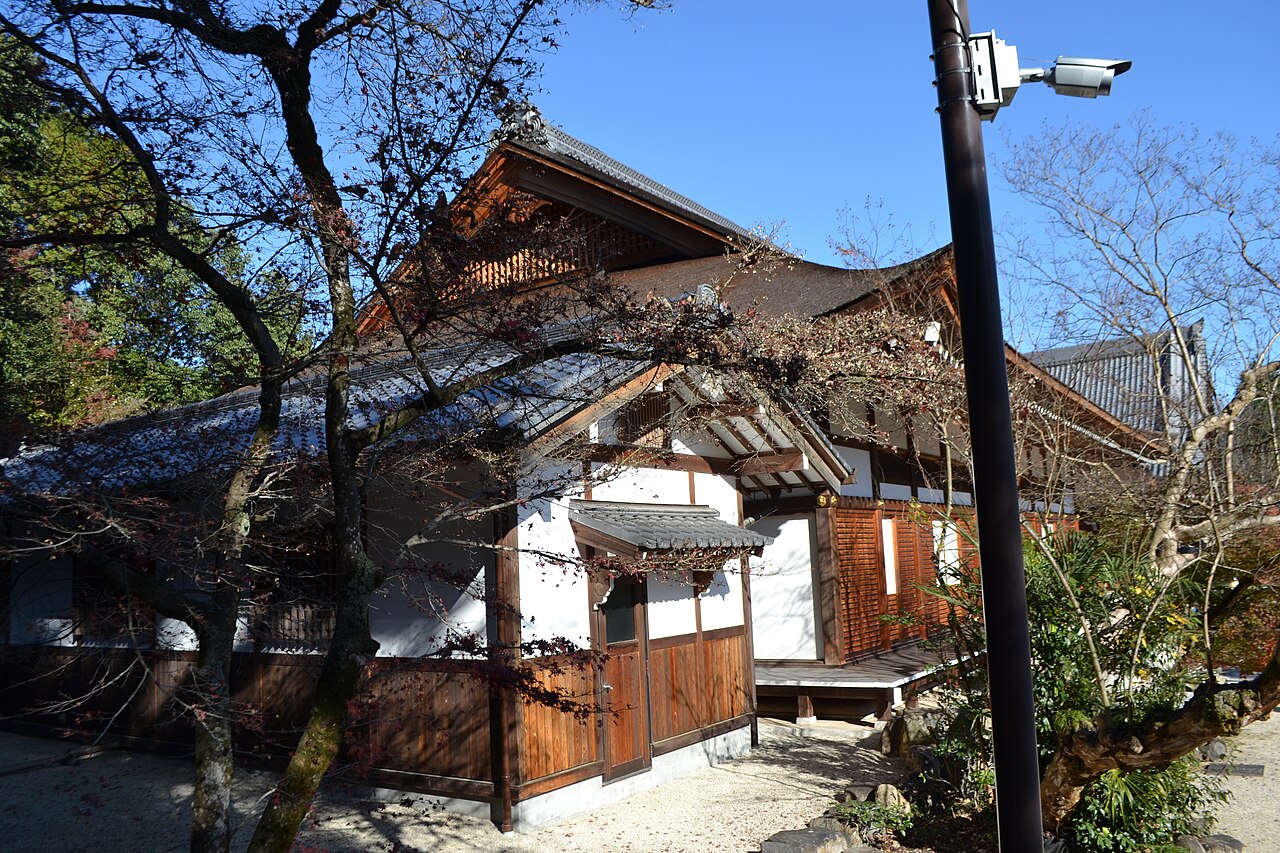
The historical anchor is the Momoyama period — the turn of the 16th into the 17th century, the era of Hideyoshi, the great tea masters, and a sudden flowering of Japanese tea ceramics. In those decades the Mino kilns fired the four wares that became the foundation of the entire tea-ceramic canon: Shino, Kizeto (yellow Seto), Setoguro (black Seto), and Oribe.
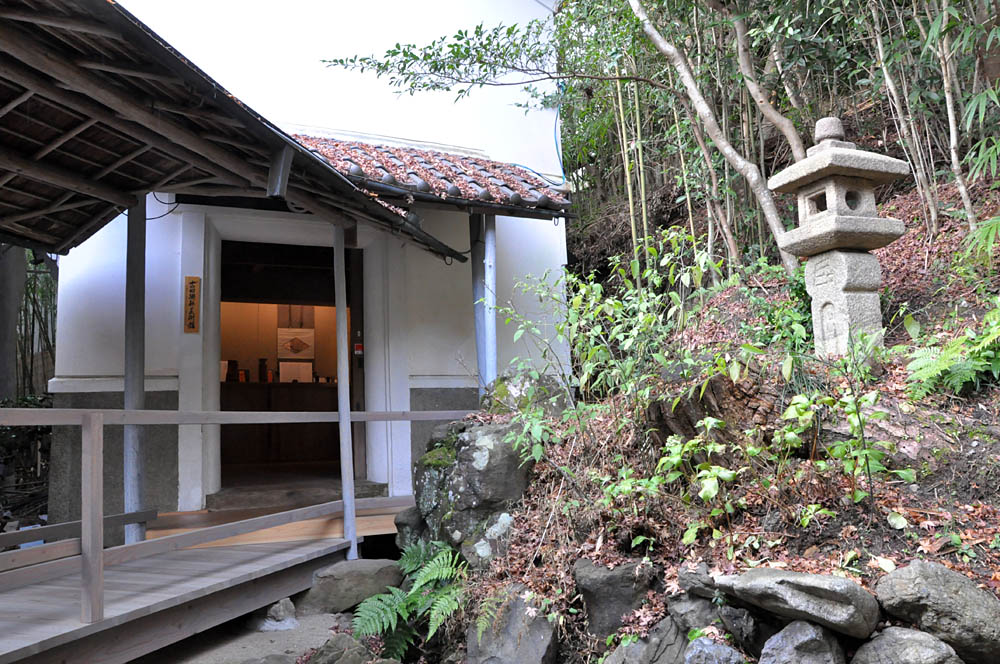
Oribe ware is named for Furuta Oribe (1544–1615), a daimyo and tea master who studied under Sen no Rikyu. Where Rikyu’s wabi favored restraint, symmetry, and quiet, Oribe pushed the opposite direction: a deliberately warped, asymmetric form (hyuge), a vivid copper-green glaze poured to one side, and bold iron-painted geometric motifs — grids, fans, bridges, abstract bands — on the bare clay. It was, for its time, a radical and almost theatrical aesthetic.
“Where Rikyu sought stillness, Oribe sought surprise — and four centuries later, that copper-green warp is still instantly recognizable as his.”
- 7th c. — Ceramic production in the Mino/Seto region traces back to the Sue-ware era.
- 1544 — Furuta Oribe is born; he later studies tea under Sen no Rikyu.
- Late 16th c. — Momoyama-period Mino kilns fire Shino, Kizeto, Setoguro, and Oribe tea wares.
- c. 1600 — Oribe ware emerges: copper-green glaze, iron motifs, warped hyuge forms.
- 1615 — Furuta Oribe dies; his aesthetic remains a fixed pole of the tea canon.
- Edo–Meiji — Mino grows into Japan’s dominant tableware-ceramic district.
- 20th c. — Mino ware receives national Traditional Craft (METI) designation; remains a leading export ceramic.
- 2026 — Toki and Tajimi kilns still fire Oribe in the Momoyama tradition.
The mukozuke is where this all becomes a usable object. In a kaiseki meal it is the small dish set on the far side of the tray, holding the sashimi or a vinegared course — a deliberately featured position. An Oribe mukozuke puts the irregular shape and the green-glaze pour exactly where a diner will see them, which is why this is one of the style’s classic forms.
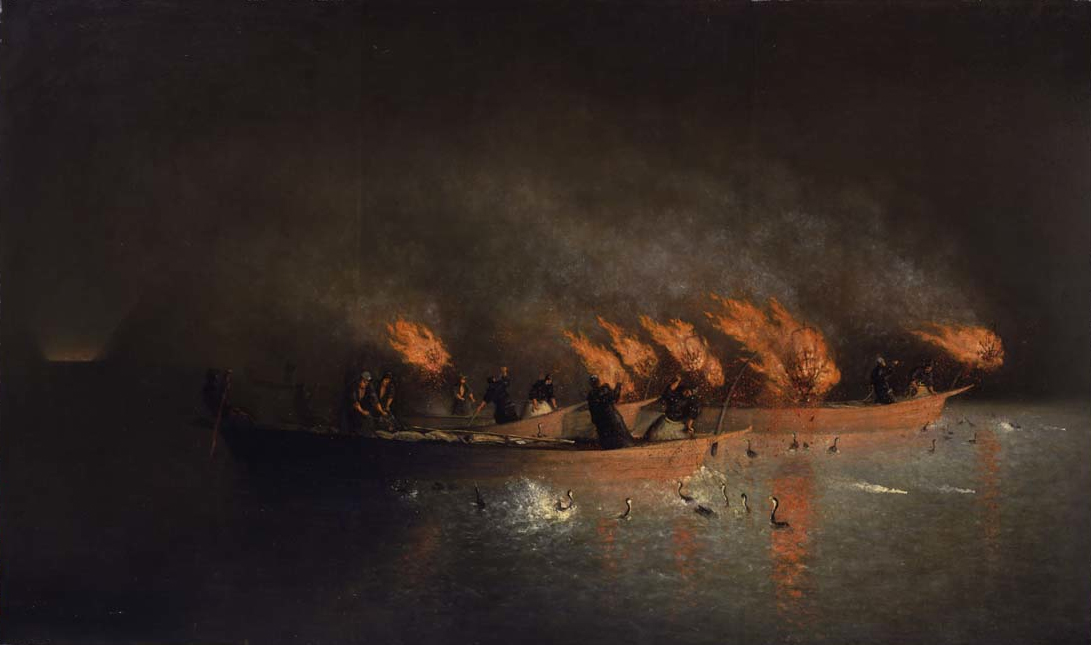
Gifu’s wider identity reinforces the point. The same prefecture that fires this ware is known for ukai, the centuries-old cormorant fishing on the Nagara River, and for the castle on Mt. Kinka that once anchored Mino province. The Oribe dish is not an isolated curio; it is one strand of a region whose traditions are still actively practiced.
What it does well
Weaknesses and things to verify before buying
- No live price in the available data. The snapshot did not include a confirmed price; check the current listing before assuming a budget. Pricing and stock fluctuate.
- Dimensions and weight are unconfirmed here. “Mukozuke” implies a small dish, but the exact size was not in the data — verify on the listing if you need a specific diameter.
- Handmade variation. Glaze depth, the run of the green, and the iron motif differ from piece to piece. The photo is representative, not an exact promise.
- Care is not guaranteed dishwasher/microwave-safe. Glazed stoneware often tolerates gentle use, but Japanese-spec care labels may not translate exactly. Confirm before machine-washing or microwaving.
- Single dish vs. set is worth checking. Confirm whether the listing is one piece or a set; mukozuke are traditionally used in groups, and quantity affects value.
- International shipping and customs. Sourced from the Amazon JP Global Store; shipping cost and possible import duties apply for buyers outside Japan (see below).
Price snapshot across stores
JPY (¥) is the authoritative price for the specific listed item. USD figures are approximate estimates at a ¥150/USD baseline (mid-2026) and depend on the current exchange rate. No live price was returned in the available data, so figures read “varies / check listing.”
| Store | Item / Variant | Price (JPY + USD est.) | Notes |
|---|---|---|---|
| 🇺🇸 Amazon.com (US) | Browse Japanese Mino ware & Oribe dishes | varies (USD) | Best if you are shopping from the US — Prime shipping, USD pricing, no international customs. Amazon US carries comparable Japanese ceramics and tableware; this exact Mino-yaki Oribe piece is sourced from Japan (next row). |
| 🇯🇵 Amazon JP Global Store | This exact Oribe mukozuke (ASIN B07JGRB882) | varies — check listing | The sourced listing for the specific item in this guide. Ships internationally from Japan to most major destinations. |
| Maker direct | Toki / Tajimi kiln & gallery shops | varies | Some Gifu kilns sell directly or through galleries; international shipping is inconsistent and often Japan-only. |
| Proxy services (Buyee / Tenso) | Forwarding from JP shops | item price + fees | Useful for Japan-only sellers; adds service fees and consolidated forwarding shipping. Customs duties may apply over local thresholds. |
Conclusion — which buyer type are you?
Other ways to approach this purchase
🏆 Editor’s Pick
❓ Frequently Asked Questions
What is a mukozuke, exactly?
A mukozuke (向付) is a small dish set on the far side of the kaiseki meal tray, traditionally holding the sashimi or a vinegared course. Outside formal kaiseki it works for pickles, appetizers, sauces, or a single dessert.
Why is it green, and what makes it “Oribe”?
Oribe ware is named for the tea master Furuta Oribe (1544–1615). Its signatures are a vivid copper-green glaze, bold iron-painted geometric motifs, and a deliberately warped, asymmetric form — a break from the restrained style of his teacher, Sen no Rikyu.
Does it ship internationally?
The item is sourced from the Amazon JP Global Store, which ships to most major destinations from Japan. Shipping cost and possible import duties apply for buyers outside Japan; confirm the terms on the listing at checkout.
Is it dishwasher- and microwave-safe?
This was not confirmed in the available data. Glazed stoneware often tolerates gentle use, but Japanese-spec care labels may not translate exactly. Confirm on the listing before machine-washing or microwaving, and hand-washing is the safer default for handmade ceramic.
Will every dish look exactly like the photo?
No. Glaze depth, the run of the green, and the iron motif vary from piece to piece because the ware is handmade. The product image is representative rather than an exact guarantee — that variation is part of the appeal.
Where is Mino ware made?
In southeastern Gifu Prefecture — chiefly the cities of Toki, Tajimi, and Mizunami. The district is descended from the neighboring Seto kilns and has historically produced over half of Japan’s household tableware.
Is this a single dish or a set?
Confirm the quantity on the listing before buying — the available data did not specify whether it is one piece or a set. Mukozuke are traditionally used in groups, so quantity affects both use and value.
jpmono.com is curated by a Japan-based editorial team (working out of Toyama in the Hokuriku region and Nara in Kansai) and is independent. We do not take payment from the makers we feature; income comes from affiliate links. We do not physically test every product — we read maker specs and source listings.
🤖 This article was prepared with AI assistance and reviewed against the available product listing data. Specs, prices, and availability should be confirmed on the retailer’s site before purchase.
Affiliate disclosure: jpmono.com may earn a commission on qualifying purchases made through links on this page, at no additional cost to you.