![Shiraiwa-yaki Namako Blue Glaze Yunomi: Akita’s Oldest Pottery, Where to Buy [2026]](https://jpmono.com/wp-content/uploads/2026/05/japan-map-regions-and-prefectures-800x1050.png)
Shiraiwa-yaki (白岩焼, “Shiraiwa ware”) is the oldest ceramic tradition in Akita Prefecture, born in 1771 in the village of Shiraiwa, in what is now the Senboku district of northern Akita. A potter trained in the Soma tradition of neighboring Fukushima opened the first kiln there during the An’ei era, and within a generation the ware had grown into a quasi-official craft under the Satake clan’s Kubota domain — at its height, six kilns ran in the valley.
What sets a Shiraiwa yunomi (湯のみ, “tea cup”) apart is the glaze. The hallmark is namako-yu (海鼠釉, “sea-cucumber glaze”), a straw-ash-and-iron coating that breaks, in the kiln, into streaked runs of cobalt blue and milky white over a reddish-brown clay body. The effect looks like an avalanche of blue caught mid-slide — the same northern-Honshu “namako blue” seen across the folk kilns of the Tōhoku region, but here drifting over Akita’s distinctly iron-rich earth. No two cups break the same way.
This guide is for international readers who want a genuine Tōhoku folk-pottery piece for daily tea and who would rather understand the craft than chase a brand name. It explains how Shiraiwa ware compares with other Tōhoku traditions, how to assess a small artisanal supply, and which details deserve attention before purchase.
🔄 Updated:
⏱️ Read time: ~11 min
- Who this is for — and who should skip it
- Product overview (from published specs)
- Buying options
- What it does well
- Weaknesses and things to verify before buying
- Conclusion — which buyer type are you?
- Other ways to approach this purchase
- Where this comes from — place, era, and the craft tradition
- 📦 Shipping & where to buy from outside Japan
- ❓ Frequently Asked Questions
Who this is for — and who should skip it
- Want a genuine Tōhoku folk-pottery piece with a documented Edo-period lineage
- Are drawn to the streaked, unrepeatable namako blue rather than a uniform factory glaze
- Drink Japanese tea daily and want a cup with real heft and a story
- Accept that each piece varies — color, run, and weight will differ from any photo
- Are comfortable buying a small-kiln item and verifying stock before checkout
- Need a guaranteed exact color or matched set of identical cups
- Want dishwasher- and microwave-certified, mass-produced tableware
- Require firm pricing and same-day shipping — small kilns restock slowly
- Are shopping a tight budget; hand-glazed studio ware sits above factory cups
- Dislike the look of crazing, glaze pooling, or slight asymmetry in folk pottery

Product overview (from published specs)
| Attribute | Detail (per tradition) |
|---|---|
| Item | Shiraiwa-yaki yunomi (tea cup), namako blue glaze |
| Craft / origin | Shiraiwa-yaki, Shiraiwa, Senboku, Akita Prefecture (Tōhoku) |
| Founded | 1771 (An’ei era); revived mid-20th century (Shiraiwa Tōzan kiln) |
| Signature glaze | Namako-yu (sea-cucumber glaze) — streaked cobalt-and-white over iron-brown clay |
| Body | Reddish-brown iron-rich stoneware clay |
| Dimensions / capacity | — |
| Price | — (no live price captured; check retailer) |
| Care | Hand-wash recommended for glazed studio pottery; confirm microwave and dishwasher suitability before use. |
📖 Glossary — key terms in this guide
- Yunomi (湯のみ) — a tall, handleless Japanese tea cup for everyday green tea, distinct from the wide chawan used in the tea ceremony.
- Namako-yu (海鼠釉, “sea-cucumber glaze”) — a straw-ash-and-iron glaze that separates in the kiln into streaked blue-and-white runs; named for the mottled blue of a sea cucumber.
- Shiraiwa-yaki (白岩焼) — ceramic ware from Shiraiwa village in Senboku, Akita; the prefecture’s oldest pottery tradition.
- Satake clan (佐竹氏) — the samurai house that ruled the Kubota (Akita) domain through the Edo period and patronized local crafts.
- Kubota domain (久保田藩) — the Edo-period feudal domain centered on present-day Akita City, governed by the Satake.
- An’ei (安永) — the Japanese era name spanning 1772–1781; the Shiraiwa kiln dates to its opening years (1771).
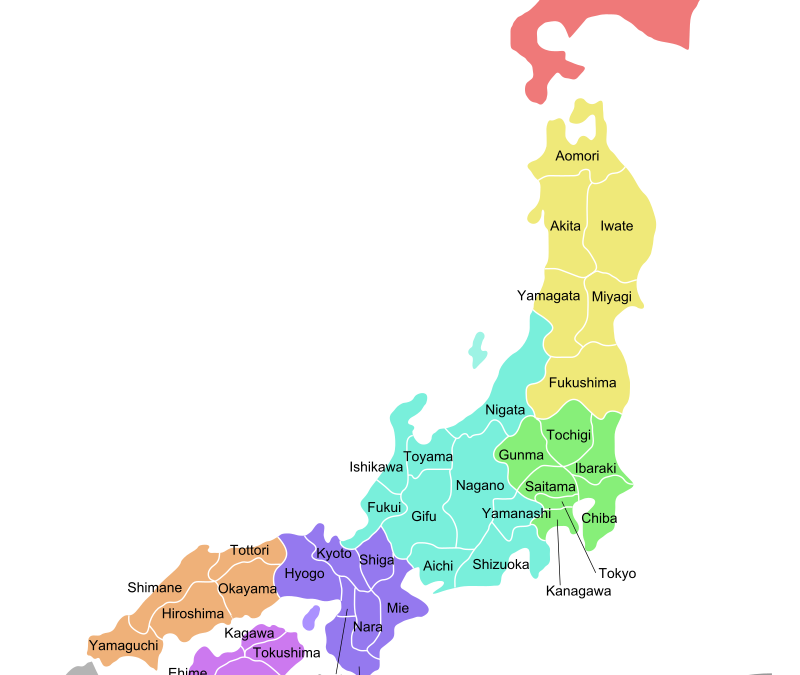
- Tōhoku (東北) — the snow-country northeastern region of Honshu, comprising Akita, Aomori, Iwate, Yamagata, Miyagi, and Fukushima.

Buying options
| Store | Item / variant | Price (JPY + USD est.) | Notes |
|---|---|---|---|
| 🇺🇸 Amazon US (search) | Browse Japanese yunomi tea cups | varies (USD) | Best if you are shopping from the US — Prime shipping, USD pricing, no international customs. Amazon US carries Japanese tea cups and Tōhoku-style pottery from various makers for comparison; this exact Shiraiwa cup ships from Japan (next row). |
| 🇯🇵 Amazon JP Global Store | Shiraiwa-yaki namako yunomi | Check live price (JPY authoritative) | International shipping from Japan may be available. |
| Maker direct | Shiraiwa Tōzan kiln (studio output) | — | Small revived kiln; direct international ordering is not confirmed in the data. Stock is limited and irregular. |
| Proxy services (Buyee / Tenso) | Forwarded from JP shops / auctions | Item price + forwarding fee | Useful if a Japan-only option appears. Adds a service fee and an extra shipping leg; factor in consolidation. |
Any USD amounts are approximate conversions based on a ¥150/USD baseline; exchange rates and prices for handmade ceramics vary.
What it does well
“The namako glaze does not decorate the cup — it happens to it. The blue is decided in the kiln, not by a brush, and that is exactly why no two Shiraiwa yunomi are alike.”
Weaknesses and things to verify before buying
- Confirm the current total before committing.
- Glaze variation is possible. Review the cobalt-and-white namako pattern before purchase.
- Dimensions and capacity unstated. Height, rim diameter, and volume were not in the fetched data. If size matters to you, verify before buying.
- Each piece varies. Because the glaze is fired rather than painted, color, streak pattern, and exposed clay will differ from any reference photo. This is intrinsic to namako ware, not a defect.
- Small-kiln supply. Shiraiwa-yaki today is a small revived studio output; stock can be limited and restocking irregular. Availability may lapse without notice.
- Care assumptions. Glazed studio pottery is generally best hand-washed; microwave and dishwasher suitability were not confirmed. Follow the maker’s care guidance.
- International shipping and customs. Shipping from Japan adds cost and time, and orders above local thresholds may incur import duties. Budget for both.
Conclusion — which buyer type are you?
Other ways to approach this purchase
Where this comes from — place, era, and the craft tradition

Akita is deep snow country. The prefecture occupies the northwestern shoulder of Honshu, facing the Sea of Japan, with the Ōu Mountains walling it off from the Pacific side. Shiraiwa lies inland in the Senboku district, in a valley with the iron-rich clay and the timber for kiln fuel that a pottery industry needs. The same heavy winters that shaped Akita’s lacquer and woodcraft also gave its potters long indoor working seasons.
The historical anchor here is the Satake clan. After the Edo shogunate was established, the Satake were transferred north to govern the Kubota domain — present-day Akita — from their seat at Kubota Castle. Like many domains, they cultivated local crafts as a matter of economy and prestige, and when a kiln opened at Shiraiwa in 1771, it grew quickly into a quasi-official ware under their patronage.
Shiraiwa-yaki is Akita Prefecture’s oldest ceramic tradition.
- 1602 — The Satake clan is transferred to the Kubota (Akita) domain in northern Honshu.
- 1771 — A potter trained in the Soma (Fukushima) tradition opens the first kiln at Shiraiwa, in the An’ei era.
- Late 1700s — Shiraiwa-yaki becomes a quasi-official ware under Satake-clan patronage; up to six kilns operate in the valley.
- 1800s — Namako-yu (sea-cucumber glaze) becomes the district’s signature, streaking cobalt blue over iron-brown clay.
- Early 1900s — The industry collapses; the historic kilns fall silent.
- Mid-1900s — The Wabe (Wani-buchi) lineage revives the tradition at the Shiraiwa Tōzan kiln.
- 2026 — A small studio output continues, keeping namako-glaze Shiraiwa ware in production.
The continuity case for Shiraiwa-yaki is honest rather than unbroken. Unlike some Japanese craft towns that have produced without interruption for centuries, Shiraiwa’s kilns went quiet in the early twentieth century. What exists today is a revival: the Wabe (Wani-buchi) family rekindled the tradition mid-century at the Shiraiwa Tōzan kiln, working from the historical glaze recipes and the same valley clay. The output is small — a studio scale, not a factory — which is part of why a Shiraiwa cup is far less common on international shelves than Mashiko, Hagi, or Arita ware.
In its own region, the namako blue is not exotic. It belongs to a broad family of northern-Honshu folk glazes, where straw-ash-and-iron coatings were prized for turning humble local clay into something quietly luminous. A Shiraiwa yunomi pairs naturally with Akita’s other classic craft, Kawatsura lacquer, and sits comfortably in the wider Tōhoku folk-pottery story alongside Aizu Hongo ware to the south and Hirashimizu ware in neighboring Yamagata.
📦 Shipping & where to buy from outside Japan
Shiraiwa-yaki (白岩焼) is typically shipped to international destinations from Japan through carriers that handle ceramics. Expect roughly $15–$40 in shipping to the US or EU for a single small ceramic item, with higher rates to other regions; exact cost depends on weight, destination, and any consolidation.
Two practical notes. Customs duties or VAT may apply above your country’s import threshold, so budget for them alongside shipping. Ceramics also need careful packing; consolidated shipping can reduce both cost and breakage risk when ordering more than one piece.
❓ Frequently Asked Questions
What is namako glaze, and why does each cup look different?
Namako-yu (“sea-cucumber glaze”) is a straw-ash-and-iron glaze that separates in the kiln into streaked blue-and-white runs over iron-brown clay. Because the pattern forms during firing rather than being painted on, color, streak, and pooling differ from cup to cup, so no two Shiraiwa yunomi are identical.
Where is Shiraiwa-yaki made, and how old is the tradition?
It is made in Shiraiwa, in the Senboku district of Akita Prefecture, in the Tōhoku region of northern Japan. The first kiln opened in 1771 under the Satake clan’s Kubota domain, making it Akita’s oldest ceramic tradition.
Can it be shipped outside Japan?
Small ceramics sent from Japan often incur roughly $15–$40 in shipping to the US or EU, with the final amount varying by destination; customs duties may also apply above the local threshold.
How should I care for the cup?
Glazed studio pottery is generally best hand-washed to protect the glaze surface and footring. Microwave and dishwasher use should be treated as unconfirmed unless the maker explicitly states otherwise.
Why is no firm price shown?
How does it compare to other Tōhoku pottery?
Shiraiwa-yaki sits in the northern-Honshu folk-pottery family alongside Aizu Hongo ware (Tōhoku’s oldest pottery, in Fukushima) and Hirashimizu ware in Yamagata. Its distinguishing feature is the streaked namako blue glaze; if you want a more uniform surface, a plain iron or celadon ware such as a Mashiko celadon mug may suit you better.
Affiliate disclosure: jpmono.com may earn a commission on qualifying purchases made through links on this page, at no additional cost to you.