![Kasama-yaki Rice Bowl: Ibaraki’s Edo-Born Pottery for Everyday Rice [2026]](https://jpmono.com/wp-content/uploads/2026/06/kasama-yaki-rice-bowl-where-to-buy-2026-featured.jpg)
A Kasama-yaki (笠間焼, “Kasama ware”) rice bowl is one of those quiet objects that earns its place at the table by being used every day rather than admired on a shelf. Kasama ware comes from the small city of Kasama in Ibaraki Prefecture, in Japan’s Kantō region, and its story begins in the 1770s — when a local farmer named Kuno Hanemon learned the potter’s craft from an artisan trained in Shigaraki and began firing sturdy household stoneware under the patronage of the Kasama domain’s Makino clan.
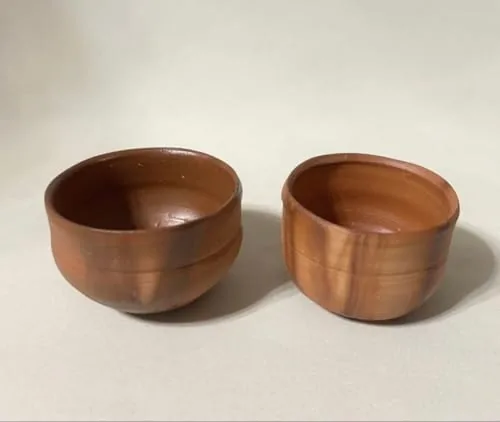
That makes Kasama the oldest continuous pottery tradition in the Kantō region — older, in fact, than the more internationally famous Mashiko ware just across the prefecture border in Tochigi. The two are directly related: a Kasama-trained potter carried the techniques to Mashiko in the Meiji era, which is why Kasama is sometimes called the parent kiln of Mashiko. The clay here is iron-rich and plastic, which historically suited heavy kitchen items like grinding bowls and storage jars, and today gives a gohan-jawan (ご飯茶碗, “rice bowl”) its warm, slightly earthy weight in the hand.
This guide is written for international readers deciding whether a handmade Kasama rice bowl is worth sourcing from Japan. We cover what the form is, where it comes from, how it compares to sister kilns, where to buy it from outside Japan, and — honestly — who should pass on it. Note up front: the structured product data available for this specific listing was sparse at the time of writing, so price and stock figures below are flagged as unconfirmed rather than guessed.
🔄 Updated:
⏱️ Read time: ~9 min
![Kasama-yaki Rice Bowl: Ibaraki's Edo-Born Pottery for Everyday Rice [2026]](https://m.media-amazon.com/images/I/41yu+Cy6VbL._SL500_.jpg)
- Who this is for — and who should skip it
- Product overview (from published specs)
- Price snapshot across stores
- What it does well
- Weaknesses and things to verify before buying
- Conclusion — which buyer type are you?
- Other ways to approach this purchase
- Where this comes from
- 🏆 Editor’s Pick
- ❓ Frequently Asked Questions
Who this is for — and who should skip it
- Want a daily-use rice bowl with genuine craft provenance, not a mass-produced lookalike
- Appreciate the warm, unglazed-feeling weight of iron-rich stoneware in the hand
- Like the idea of an object that ages and develops character with use
- Enjoy the slight variation that comes from handmade, individually thrown pieces
- Are building a table around regional Japanese ceramics (Mashiko, Shigaraki, Echizen)
- Need a perfectly uniform set where every bowl is identical
- Want a featherweight bowl — iron-rich stoneware runs heavier than porcelain
- Are unwilling to hand-wash or season a piece that may have unglazed areas
- Need it tomorrow — cross-border shipping from Japan takes time
- Are shopping purely on price; commodity rice bowls cost a fraction of this

Product overview (from published specs)
Kasama ware is a category, not a single factory product, so the “spec sheet” for a handmade bowl is looser than for an electronic gadget. Per the listing data available at the time of writing, the structured fields for this specific item (ASIN B0H639FT84) were largely empty — only the Amazon JP Global Store listing snapshot is referenced, and live pricing may have shifted since the writing date. The table below states what is verifiable and marks the rest plainly.
Kasama-yaki Rice Bowl
【笠間焼】武陶房 陶器 飯碗 ご飯茶碗 日本製 茶碗 和食器 食洗機対応 電子レンジ対応 化粧箱入り ギフト (ブルーグレー)
残り6点 ご注文はお早めに · Sold by Daugh · ASIN B0H639FT84
Price and availability as of 2026-09-01 05:22 JST. The Amazon listing at the time of purchase is authoritative. jpmono.com earns a commission on qualifying purchases at no extra cost to you.
| Attribute | Detail |
|---|---|
| Craft | Kasama-yaki (笠間焼) — stoneware (炻器, sekki) |
| Form | Rice bowl / gohan-jawan (ご飯茶碗), single bowl |
| Material | Iron-rich local Kasama clay |
| Origin | Kasama, Ibaraki Prefecture, Kantō region, Japan |
| Making method | Handmade (individually thrown / finished); expect piece-to-piece variation |
| Designation | Nationally designated traditional craft (METI) |
| Dimensions / weight | Unconfirmed — check the retailer listing |
| Item ID | ASIN B0H639FT84 (Amazon JP Global Store) |
Sources: Amazon US search (primary, moonill-20) · Amazon JP Global Store (secondary, moonill-22, sourced listing) · maker-direct where available. Dimensions, weight, and price were not present in the fetched data and are marked unconfirmed rather than estimated.
📖 Glossary — key terms
- Kasama-yaki (笠間焼) — pottery made in and around Kasama, Ibaraki; the oldest continuous ceramic tradition in the Kantō region.
- gohan-jawan (ご飯茶碗) — a Japanese rice bowl, sized to be held in one hand; distinct from a tea bowl (chawan) or a larger donburi.
- sekki / stoneware (炻器) — clay fired to a dense, non-porous body at high temperature; sits between earthenware and porcelain in hardness.
- suribachi (すり鉢) — a ridged grinding bowl; one of the heavy household items Kasama specialized in during the Edo period.
- kame (甕) — a storage jar; another early Kasama product made for the Kantō market.
- shokunin (職人) — a skilled craftsperson or artisan.
- METI designation — recognition by Japan’s Ministry of Economy, Trade and Industry that a craft meets the legal criteria for a “traditional craft” (dentōteki kōgeihin).

Price snapshot across stores
The fetched data did not include a confirmed price for this listing, so the cells below are marked accordingly. JPY is the authoritative currency for the sourced item; any USD figure would be an approximate estimate at a ¥150/USD baseline.
| Store | Item / variant | Price | Notes |
|---|---|---|---|
| 🇺🇸 Amazon.com (US) | Browse Japanese rice bowls | varies (USD) | Best if you’re shopping from the US — Prime shipping, USD pricing, no international customs. Amazon US carries Japanese ceramic rice bowls from a range of makers, useful for comparing shapes and price tiers; this exact Kasama piece ships from Japan (next row). |
| 🇯🇵 Amazon JP Global Store | Kasama-yaki handmade rice bowl (ASIN B0H639FT84) | Price unconfirmed — check listing | The sourced listing for the specific item. Ships internationally from Japan to most major destinations. Verify the live price and shipping quote at checkout. |
| Maker direct | Individual Kasama studio / kiln | varies | Many Kasama potters sell through the local pottery association and seasonal markets; not all ship abroad directly. |
| Proxy services (Buyee / Tenso) | Domestic-only listings | item + service fee + forwarding | Useful when a piece is only listed on Japan-domestic shops; adds a handling fee and a second shipping leg. |
What it does well
Iron-rich Kasama clay gives the bowl a grounded, substantial feel that thin porcelain cannot match.
A documented tradition dating to the 1770s and the parent kiln of Mashiko — not generic “Japanese-style” tableware.
Individually thrown pieces carry small variations that make a single bowl feel personal rather than stamped out.
The form descends from sturdy everyday kitchenware, so it is made to be used at the table, not just displayed.
“Kasama is the oldest pottery town in the Kantō region — and the kiln that taught Mashiko, the more famous name across the border, how to throw.”
Weaknesses and things to verify before buying
- Price and dimensions were unconfirmed in our data. Only the Amazon JP listing reference was available; confirm the exact size, weight, and current price on the listing before buying.
- No product photo was in the source data. Because Kasama is handmade, the piece you receive can differ in glaze tone and shape from any single image — check the seller’s current photos.
- It is heavier than porcelain. Iron-rich stoneware has real heft; if you want a light bowl for a child or an elderly hand, this may not suit.
- Care matters. Unglazed or partially glazed stoneware can absorb moisture and odors; hand-washing and proper drying are safer than assuming dishwasher tolerance.
- Cross-border shipping adds cost and time. International delivery from Japan, plus possible customs duties above your local threshold, can meaningfully raise the landed price.
- “Kasama-yaki” is a regional label, not a single quality standard. Output ranges from rustic folk pieces to contemporary studio work; read the specific maker and finish rather than assuming a uniform style.
Conclusion — which buyer type are you?
Want a named studio piece with strong character? Source directly from a specific Kasama potter and treat the bowl as a small heirloom.
Want a genuine Kasama rice bowl for daily use without overthinking it? The Amazon JP Global Store listing is the straightforward path.
On a tight budget? Browse Japanese ceramic rice bowls on Amazon US for cheaper everyday options, accepting they may not be Kasama-made.
Need uniform, lightweight, dishwasher-proof bowls in a hurry? A handmade stoneware piece sourced from Japan is the wrong tool here.
Other ways to approach this purchase
Listings and shipping promotions fluctuate; if you are not in a hurry, watch the listing and buy when the landed cost is favorable.
Kasama holds regular pottery markets and the town has many studios; travelers can buy directly and compare makers in person.
If you already collect Amazon points or card rewards, applying them softens the premium over a commodity bowl.
If the caveats above outweigh the appeal, a mass-produced rice bowl will do the everyday job at a fraction of the cost.
Where this comes from

Kasama sits in inland Ibaraki Prefecture, in the eastern half of the Kantō plain about 100 km northeast of Tokyo. The surrounding hills hold a band of iron-rich, plastic clay that fires to a dense, warm-toned stoneware — the practical reason a pottery industry took root here rather than next door. The site’s importance to ceramics is geological before it is historical: good clay, fuel from the wooded hills, and proximity to the large Kantō market for sturdy kitchen and storage vessels.
The human story begins in the 1770s. During the An’ei era, a local farmer named Kuno Hanemon learned the potter’s craft from an artisan trained in Shigaraki — one of Japan’s Six Ancient Kilns — and began firing household stoneware under the patronage of the Makino clan, the lords of the Kasama domain. Domain patronage matters here: it gave the fledgling kilns a stable market and protection, which is how a farmer’s side-trade grew into the oldest continuous pottery tradition in the entire Kantō region.
- 1770s (An’ei era) — Kuno Hanemon learns Shigaraki technique and founds Kasama ware under Makino-clan patronage.
- Edo period (to 1868) — Kasama specializes in sturdy daily ware: suribachi grinding bowls and kame storage jars for the Kantō market.
- Meiji era (1868–1912) — Ōtsuka Keizaburō trains at Kasama and carries the techniques to neighboring Mashiko in Tochigi.
- After 1945 — Kasama reinvents itself as a free, individualistic “artists’ pottery town.”
- Late Shōwa era — Kasama-yaki is recognized as a nationally designated traditional craft by METI.
- 2026 — Still produced as unpretentious, hand-made tableware for everyday rice and home cooking.
The single most consequential event came in the Meiji era. A potter named Ōtsuka Keizaburō trained at Kasama and then carried the techniques across the border to Mashiko in Tochigi — the town that would later become world-famous through the folk-craft (mingei) movement and the potter Shōji Hamada. That lineage is why Kasama is fairly described as the parent kiln of Mashiko, even though the student has long since overshadowed the teacher in name recognition.
After the Second World War, Kasama did something unusual for a traditional pottery town: rather than guard a single house style, it opened up. Independent ceramists settled in the area, and the district reinvented itself as a free, individualistic “artists’ pottery town” where you can find everything from folk-traditional iron glazes to bright contemporary tableware. That openness is exactly why the modern output is so varied — and why reading the specific maker, not just the “Kasama-yaki” label, matters.
Today Kasama-yaki is a nationally designated traditional craft, valued less as a museum piece than as honest, hand-made tableware that suits everyday rice and home cooking. A Kasama gohan-jawan is meant to be picked up at every meal — and, in the way of good stoneware, to look a little better for the years of use.
🏆 Editor’s Pick
❓ Frequently Asked Questions
Does Amazon JP ship a Kasama-yaki rice bowl internationally?
Many ceramics on the Amazon JP Global Store ship internationally to most major destinations. Availability varies by item and destination, so confirm that the specific listing (ASIN B0H639FT84) shows an international shipping option to your country at checkout.
How is Kasama-yaki different from Mashiko ware?
Kasama (in Ibaraki) is the older, parent tradition, founded in the 1770s. A Kasama-trained potter carried the techniques to Mashiko (in neighboring Tochigi) in the Meiji era, where the craft later became internationally famous. They are closely related kilns rather than rivals.
How should I care for an iron-rich stoneware bowl?
Hand-washing and thorough drying are the safest approach, especially if the piece has unglazed areas that can absorb moisture or odors. Treat dishwasher and microwave tolerance as unconfirmed unless the specific listing states it.
Why is the price shown as unconfirmed?
The structured data available for this listing at the time of writing did not include a confirmed price. Rather than guess, we direct you to the live Amazon JP Global Store listing for the current figure, which is the authoritative price for the specific item.
Will the bowl I receive look exactly like the photo?
Kasama ware is handmade, so glaze tone, surface texture, and shape can vary slightly from piece to piece. That variation is part of the appeal; if you need perfectly identical bowls, a mass-produced product is a better fit.
Is a Kasama-yaki rice bowl a good gift?
It can be a thoughtful gift for someone who appreciates daily-use craft objects, given its documented heritage and everyday function. Confirm shipping timelines if it needs to arrive by a specific date, since cross-border delivery from Japan takes time.
jpmono.com is curated by a Japan-based editorial team (working out of Toyama in the Hokuriku region and Nara in Kansai) and is independent. We don’t take payment from the makers we feature; income comes from affiliate links. We read maker specs and source listings rather than physically testing every product.
This article was prepared with AI assistance and reviewed against the available source listing data. Specifications, prices, and availability should be verified on the retailer’s page before purchase.
Affiliate disclosure: jpmono.com may earn a commission on qualifying purchases made through links on this page, at no additional cost to you.