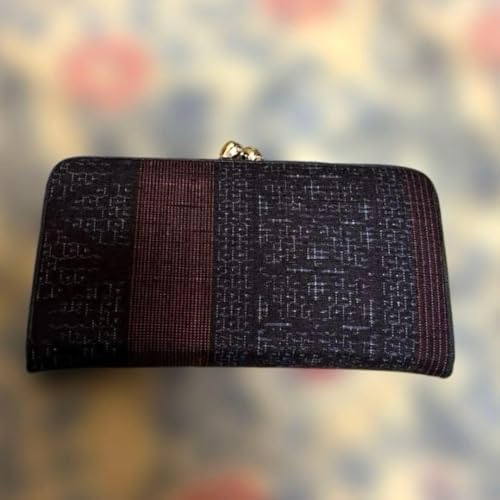
Yuki Tsumugi Silk Gamaguchi Coin Purse: Where to Buy a UNESCO Tsumugi Accessory [2026]
Yuki Tsumugi is hand-spun true-silk floss woven on a backstrap loom in Ibaraki — a UNESCO-listed cloth. Here…
Browse 11 crafts and stories rooted in Ibaraki — selected for international buyers and shipped directly to the U.S.
Yuki Tsumugi is hand-spun true-silk floss woven on a backstrap loom in Ibaraki — a UNESCO-listed cloth. Here…
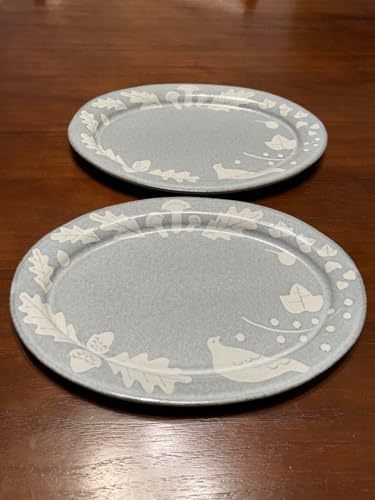
Kasama-yaki is the Kanto region's oldest stoneware, born under the Mito-allied Kasama domain in the 1770s. This hand-glazed…
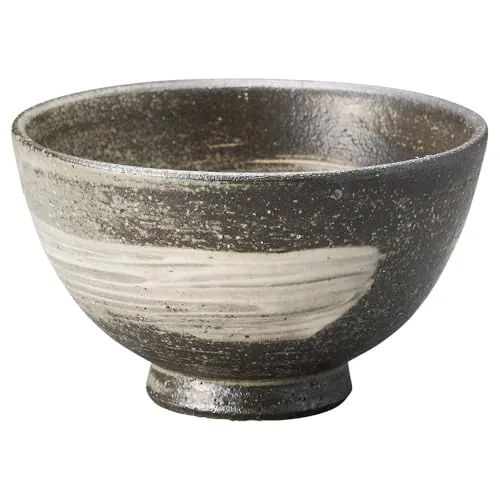
Kasama-yaki is the Kanto region's oldest pottery and the parent kiln of Mashiko. Its iron-rich clay makes a…
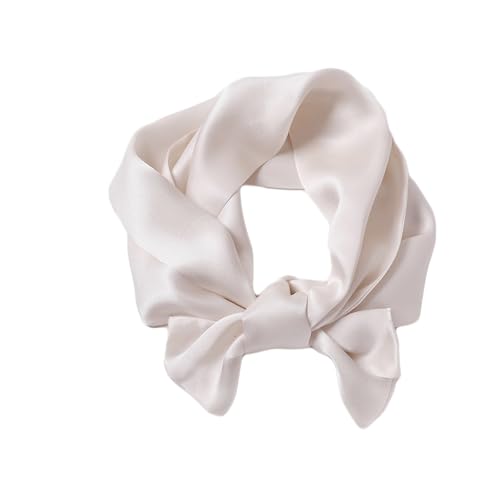
Yuki Tsumugi is Ibaraki's UNESCO-listed silk, hand-spun from floss silk without twist and woven on a back-strap loom.…
A lathe-turned plate of horse-chestnut (tochi) from the Oku-Kuji hills of Ibaraki, finished in oil to leave the…
Awano Shunkei lacquerware from Ibaraki — one of Japan's Three Shunkei traditions since 1489. Where to find this…
Heir to Mito's Edo-era sword-fitting engravers, this hand-chiseled brass letter opener bears plum-blossom relief evoking Ibaraki's Kairakuen garden.
A hand-forged kiridashi marking knife from Makabe, Ibaraki, where blacksmiths below Mount Tsukuba have shaped single-bevel carbon-steel hand…
Kasama-yaki is one of the Kanto region's oldest ceramic traditions, born under the Kasama domain in the 1770s…
Kasama-yaki is Ibaraki's free-spirited stoneware, born in the 1770s from Shigaraki roots and now eastern Japan's most open-minded…
Kasama-yaki (笠間焼) is the Ibaraki Prefecture pottery tradition founded in 1772 — the earliest pottery center on the…